This tokyo transportation guide covers everything you need to navigate the world’s most complex — and most efficient — public transit system. Tokyo’s trains run with a precision measured in seconds, not minutes. The network carries over 40 million passenger trips per day across 882 stations, 13 subway lines, dozens of commuter rail lines, and a bus system that fills every gap the trains miss. It’s overwhelming on paper, but here’s the truth experienced travelers know: Tokyo is one of the easiest major cities on Earth to navigate once you understand a few key principles.
The system works so well that most tourists never need a taxi, rarely need a bus, and never need to rent a car. Your Suica or Pasmo card becomes a magic key that unlocks the entire network — tap in, tap out, and the correct fare is deducted automatically regardless of how many transfers you make. This guide will walk you through every transportation option from the moment you land at the airport to the day you leave, with exact fares, practical tips, and money-saving strategies updated for 2026.
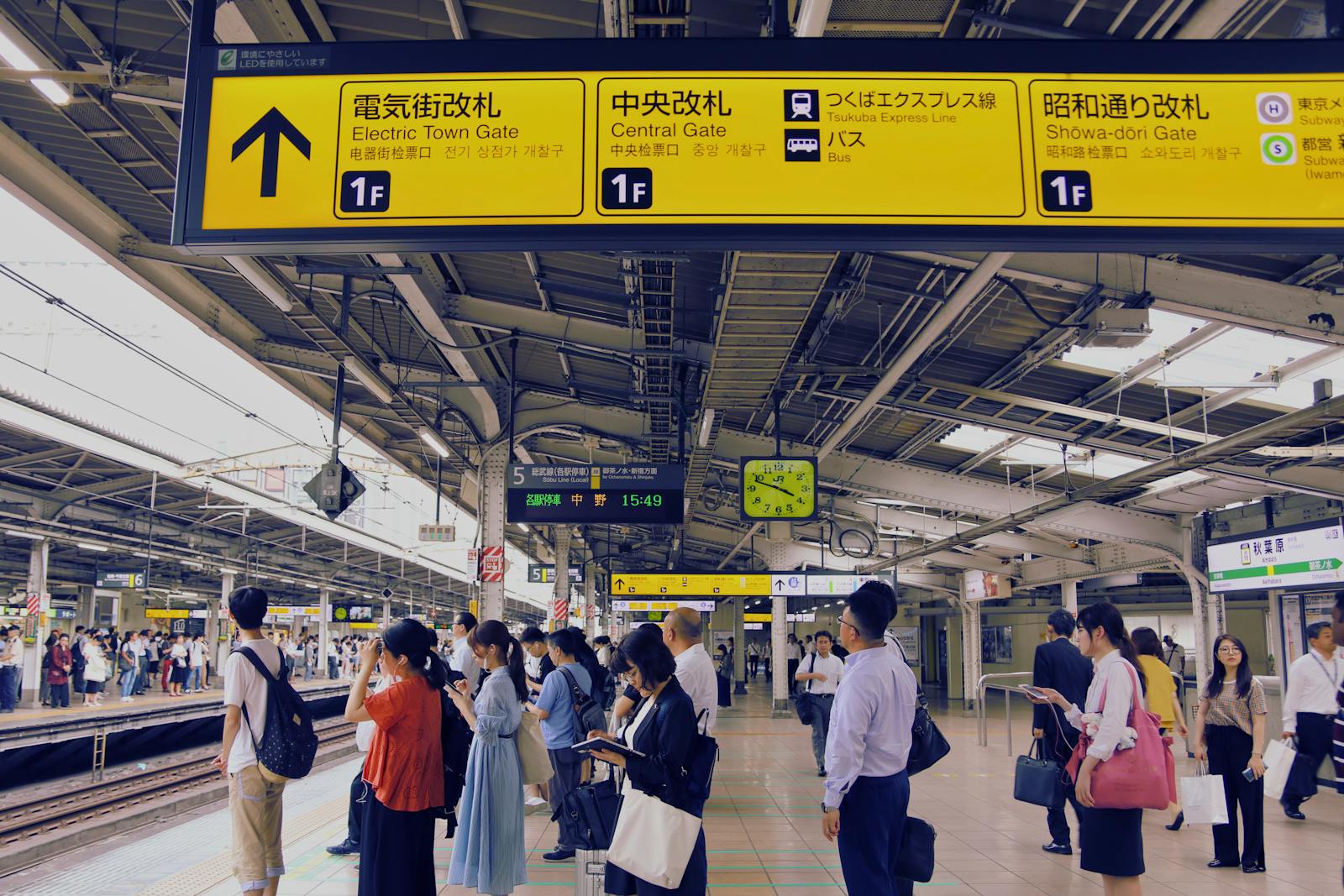
Getting from the Airport to Central Tokyo
Your first transportation decision happens the moment you clear customs. Tokyo is served by two airports — Narita International Airport (NRT) and Haneda Airport (HND) — and the best way into the city depends on which one you land at, where your hotel is, and how much luggage you’re carrying.
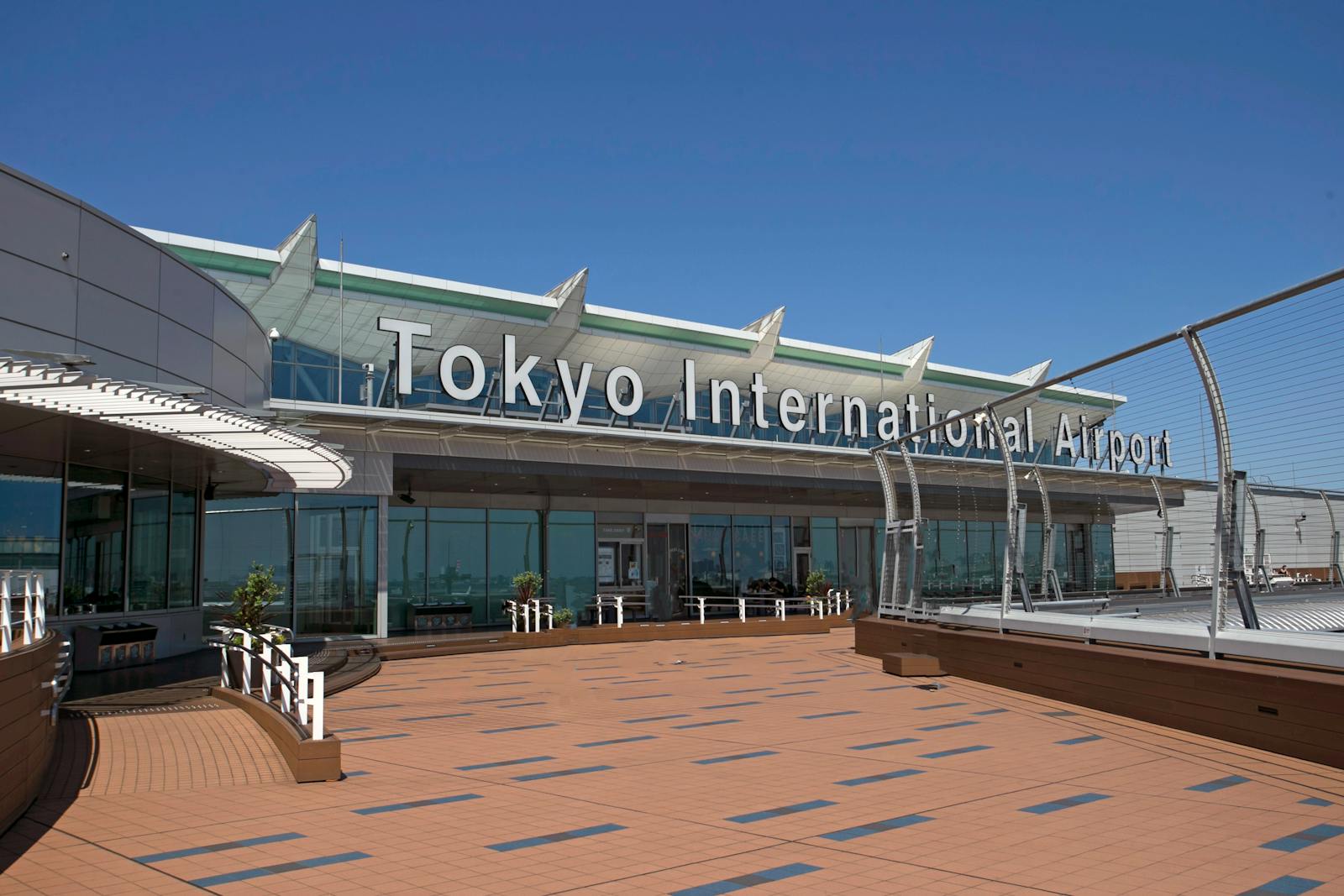
From Narita Airport (60-90 minutes to central Tokyo)
Narita sits 60-80 km east of central Tokyo. Multiple transit options connect the airport to the city, each with different trade-offs between cost, speed, and convenience:
Narita Express (N’EX) — ¥3,070, ~60 minutes to Tokyo Station: The most convenient option for most travelers. The N’EX runs directly to Tokyo Station, Shinagawa, Shibuya, and Shinjuku with spacious reserved seats, overhead luggage racks, and free WiFi. Trains depart every 30-60 minutes. JR offers a round-trip discount ticket (¥4,070) that makes the return journey significantly cheaper. If your hotel is near Tokyo, Shibuya, or Shinjuku stations, this is the recommended choice.
Keisei Skyliner — ¥2,520, ~41 minutes to Ueno: The fastest train option, reaching Ueno Station in 41 minutes and Nippori in 36 minutes. From Ueno, you can transfer to the Yamanote Line or Tokyo Metro to reach most destinations. Best if you’re staying in east Tokyo (Ueno, Asakusa, Akihabara). The Skyliner also offers combo tickets bundled with Tokyo Metro passes at a discount.
Keisei Access Express — ¥1,270, ~70 minutes to Asakusa: The budget-conscious choice. This limited express runs on the same Keisei tracks but without the premium surcharge. It connects directly to Asakusa and continues through to Haneda Airport via the Asakusa Line. No reserved seating, but the fare is less than half the Skyliner price.
Airport Limousine Bus — ¥3,200, ~85-120 minutes: Comfortable highway buses that run directly to major hotels and stations. The main advantage is door-to-door service if your hotel is on the route — no navigating train transfers with heavy luggage. The disadvantage is unpredictable traffic, especially during rush hours.
From Haneda Airport (20-45 minutes to central Tokyo)
Haneda is significantly closer to central Tokyo, and most international flights have shifted here in recent years. If you have a choice of airports, choose Haneda — the time and cost savings are substantial.
Keikyu Line — ¥300-500, ~15-25 minutes: The fastest and cheapest option. Keikyu trains run directly to Shinagawa (11 minutes, ¥300), where you transfer to the JR Yamanote Line for Shinjuku, Shibuya, and other major stations. Some trains continue through to Asakusa and Nihonbashi via direct service. This is the recommended option for the vast majority of travelers.
Tokyo Monorail — ¥520, ~13 minutes to Hamamatsucho: A dedicated monorail connecting Haneda to Hamamatsucho Station on the JR Yamanote Line. Slightly more expensive than Keikyu but offers a scenic elevated ride over Tokyo Bay. From Hamamatsucho, you can transfer to the Yamanote Line for anywhere in central Tokyo.
Airport Limousine Bus — ¥1,000-1,500, ~30-75 minutes: Runs to major stations and hotels. Most useful if your hotel is directly on the route, saving you train transfers with luggage.
Practical tip: Save your airport rail ticket or show your boarding pass when purchasing transport — several operators offer discounts to arriving passengers. The Keikyu Welcome Liner ticket (¥300 flat fare to Shinagawa) is especially good value.
IC Cards: Your Key to Tokyo’s Transit System
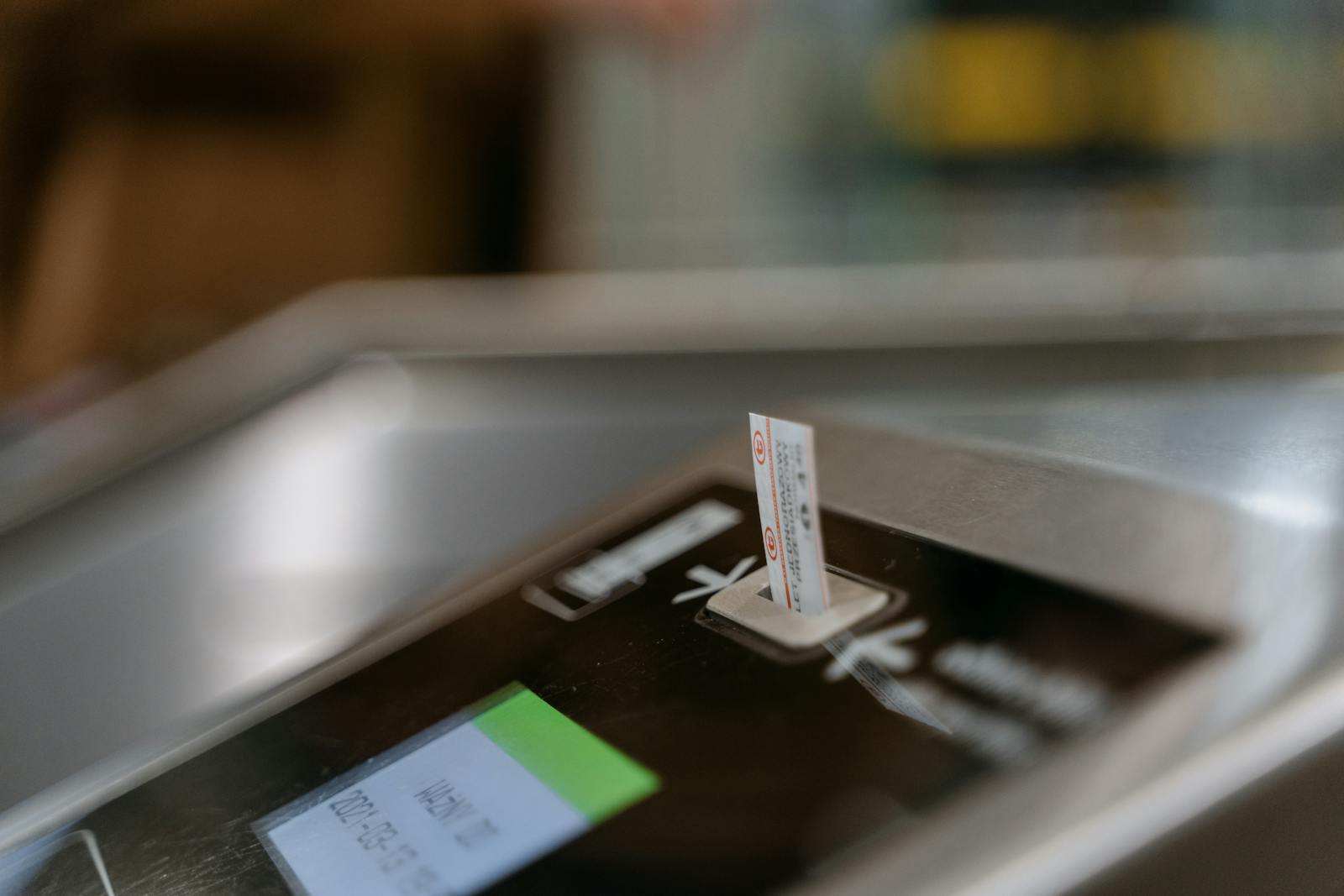
Getting an IC card is the single most important thing you’ll do for transportation in Tokyo. These rechargeable smart cards — Suica (issued by JR East) and Pasmo (issued by Tokyo Metro and private railways) — are functionally identical and work interchangeably on every train, subway, bus, and monorail in Tokyo and most of Japan.
Here’s why they’re essential: without an IC card, you need to calculate fares and buy paper tickets at a machine for every single trip. With an IC card, you simply tap at the entry gate and tap again at the exit — the correct fare is deducted automatically, regardless of which company operates the line or how many transfers you make. IC cards also work at convenience stores, vending machines, coin lockers, and many restaurants, making them a de facto digital wallet for daily expenses.
How to Get an IC Card in 2026
Welcome Suica Mobile (recommended): As of March 2025, iPhone users can download the Welcome Suica app and set up a digital IC card before landing in Japan. The app works through Apple Pay — no physical card needed, no ¥500 deposit. Load money via credit card and start using it the moment you arrive. The card is valid for 180 days, making it perfect for tourist visits. This is now the easiest and best option for most visitors.
Physical Suica/Pasmo cards: Available at ticket machines in major stations. Purchase costs ¥500 (refundable deposit) plus whatever balance you load. Start with ¥2,000-3,000 for your first few days. Physical cards are being reissued as supply constraints from the global chip shortage have eased, but the mobile version is more convenient. Android users can use Google Pay with a Suica card in some cases, though compatibility varies.
Suica vs. Pasmo — which to choose? It doesn’t matter. Both cards work on every transit line, bus, and IC-card-accepting business in Tokyo. The only practical difference is where you can buy and return them. Choose whichever is available at your arrival point — Suica at JR stations, Pasmo at Metro/private line stations.
Loading money: Recharge at any station ticket machine (cash or credit card), at convenience store registers, or through the mobile app. Machines accept ¥1,000, ¥2,000, ¥3,000, ¥5,000, and ¥10,000 charges. The maximum card balance is ¥20,000.
Understanding Tokyo’s Train System
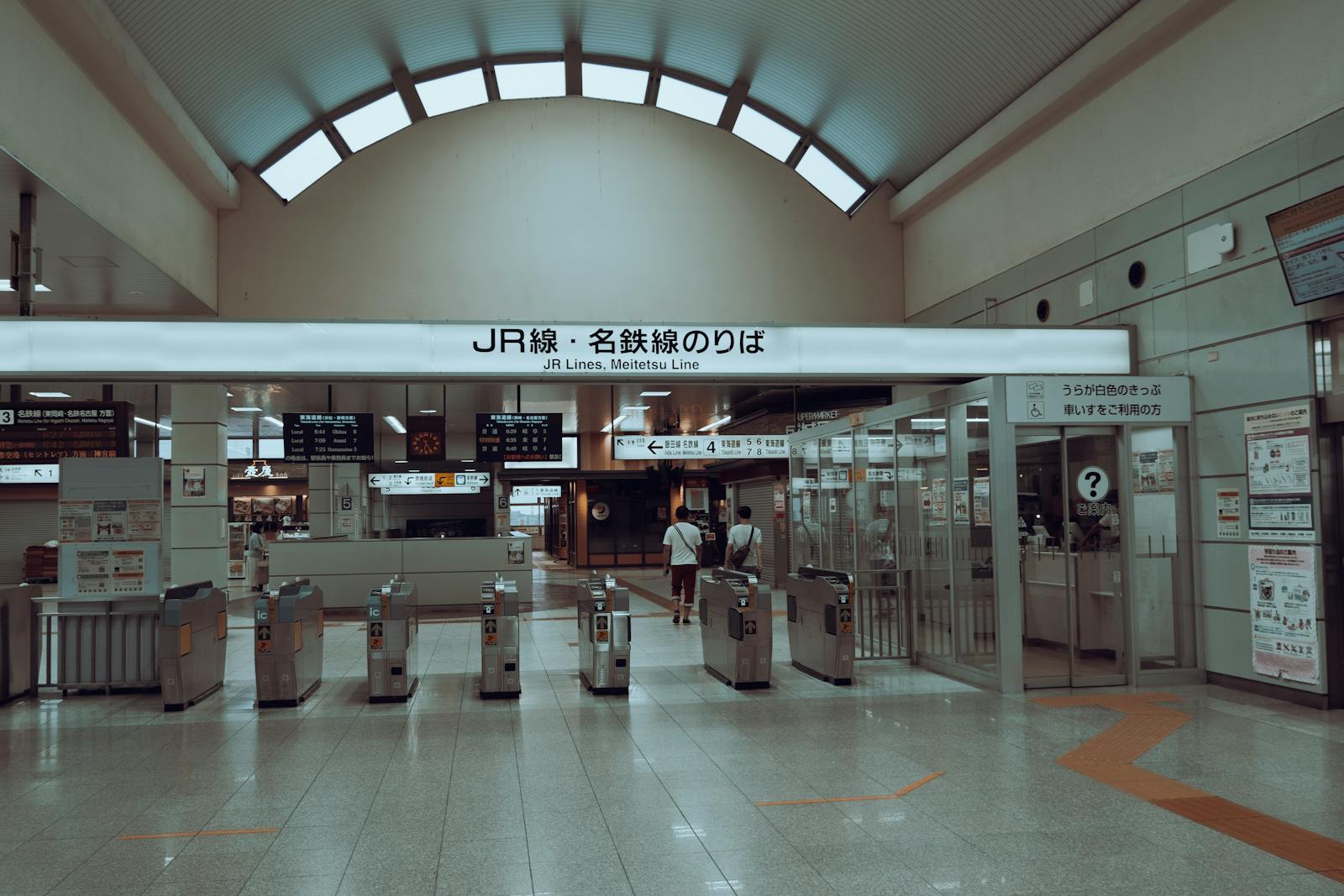
Tokyo’s rail system is operated by multiple companies, which is why it seems confusing at first. But for tourists, you only need to understand three operators — and the IC card works seamlessly across all of them:
JR East (Japan Railways)
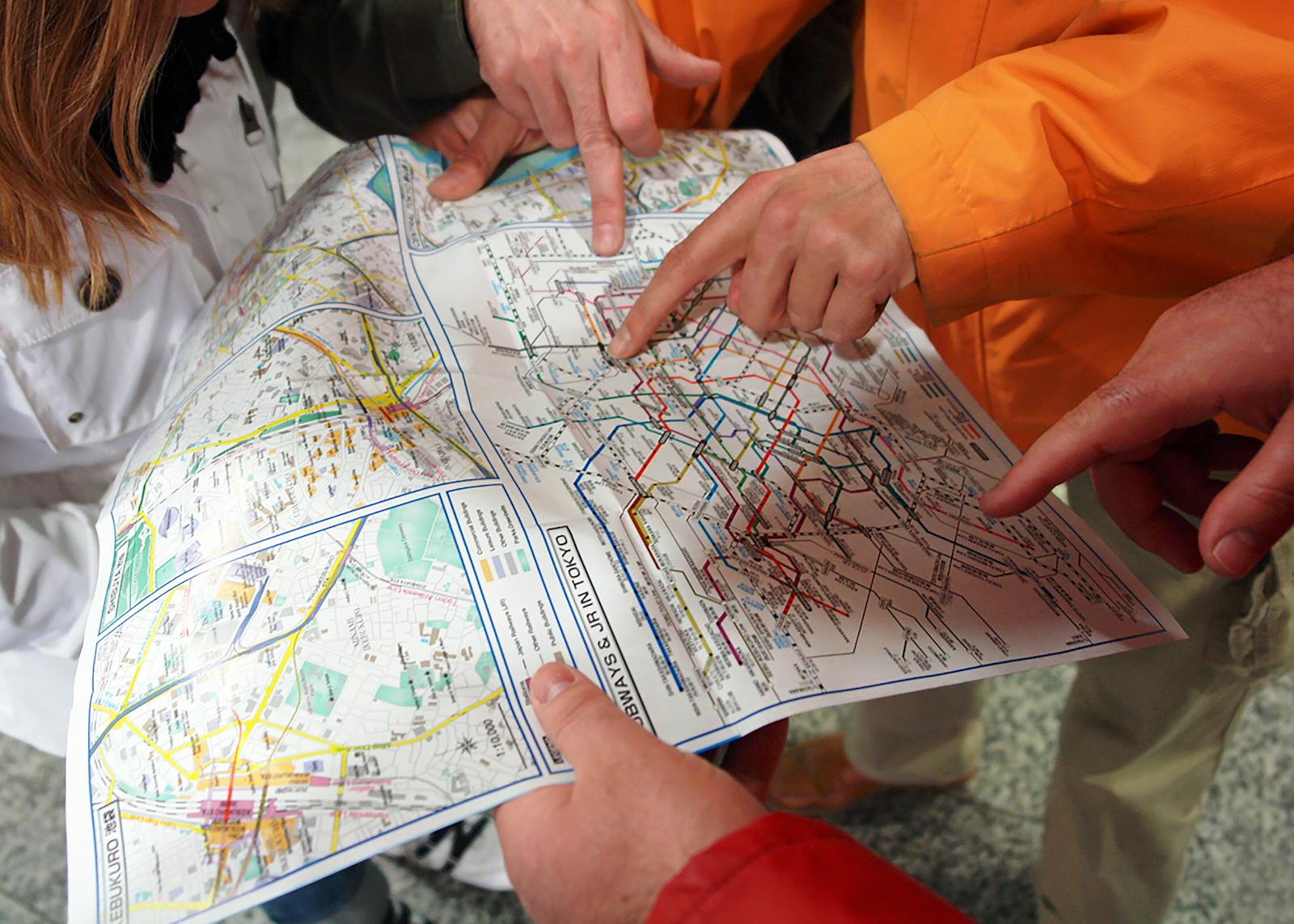
JR East operates the above-ground rail network, including the critically important Yamanote Line. The Yamanote is a circular loop connecting 30 stations in 59-65 minutes, and it hits virtually every major tourist area: Shinjuku, Harajuku, Shibuya, Shinagawa, Tokyo Station, Akihabara, Ueno, and Ikebukuro. Learn this one line and you can reach most of Tokyo’s essential neighborhoods.
Other useful JR lines include the Chuo Line (orange, fast express between Tokyo and Shinjuku via Kanda and Ochanomizu), the Sobu Line (yellow, local stops between Akihabara and western suburbs), and the Keihin-Tohoku Line (blue, north-south through eastern Tokyo). JR stations are marked with a green “JR” logo.
2026 fare update: JR East implemented its first significant fare increase in over 40 years in March 2026. The base fare rose from ¥150 to ¥160, with an average increase of 7.1% across all routes. IC card fares increased slightly less than paper ticket fares. A typical Yamanote Line single-ride now costs ¥160-210 depending on distance.
Tokyo Metro (Subway)
Tokyo Metro operates 9 underground subway lines across 180 stations and 195 kilometers of track. Each line has a distinctive color and letter code: Ginza (G, orange), Marunouchi (M, red), Hibiya (H, gray), Tozai (T, light blue), Chiyoda (C, green), Yurakucho (Y, gold), Hanzomon (Z, purple), Namboku (N, teal), and Fukutoshin (F, brown).
Metro stations use a numbering system — each station has a letter-number code like G-09 (Ginza Station on the Ginza Line). This makes navigation extremely intuitive even without reading Japanese. Signs at every station show the current station number and the next stations in each direction.
A single Metro ride costs ¥180-330 depending on distance (most tourist trips fall in the ¥180-210 range). For heavy sightseeing days, the Tokyo Metro 24-hour Ticket (¥700 as of 2025) gives unlimited rides on all 9 Metro lines. There are also 48-hour (¥1,200) and 72-hour (¥1,500) options that include both Tokyo Metro and Toei Subway lines.
Toei Subway
The Toei Subway operates 4 lines complementing the Tokyo Metro network: Asakusa (A, red-pink), Mita (I, blue), Shinjuku (S, leaf green), and Oedo (E, magenta). The Oedo Line is particularly useful for tourists — it forms a loop through central Tokyo hitting Roppongi, Tsukiji Market, Ueno-Okachimachi, and Shinjuku.
Toei fares are slightly higher than Metro (starting at ¥180), and transfers between Toei and Metro lines require passing through separate gates — though IC card users are charged the correct combined fare automatically. The Tokyo Subway Ticket day passes cover both Metro and Toei lines, making the distinction irrelevant if you buy a pass.
Tokyo’s Bus System: When Trains Don’t Reach
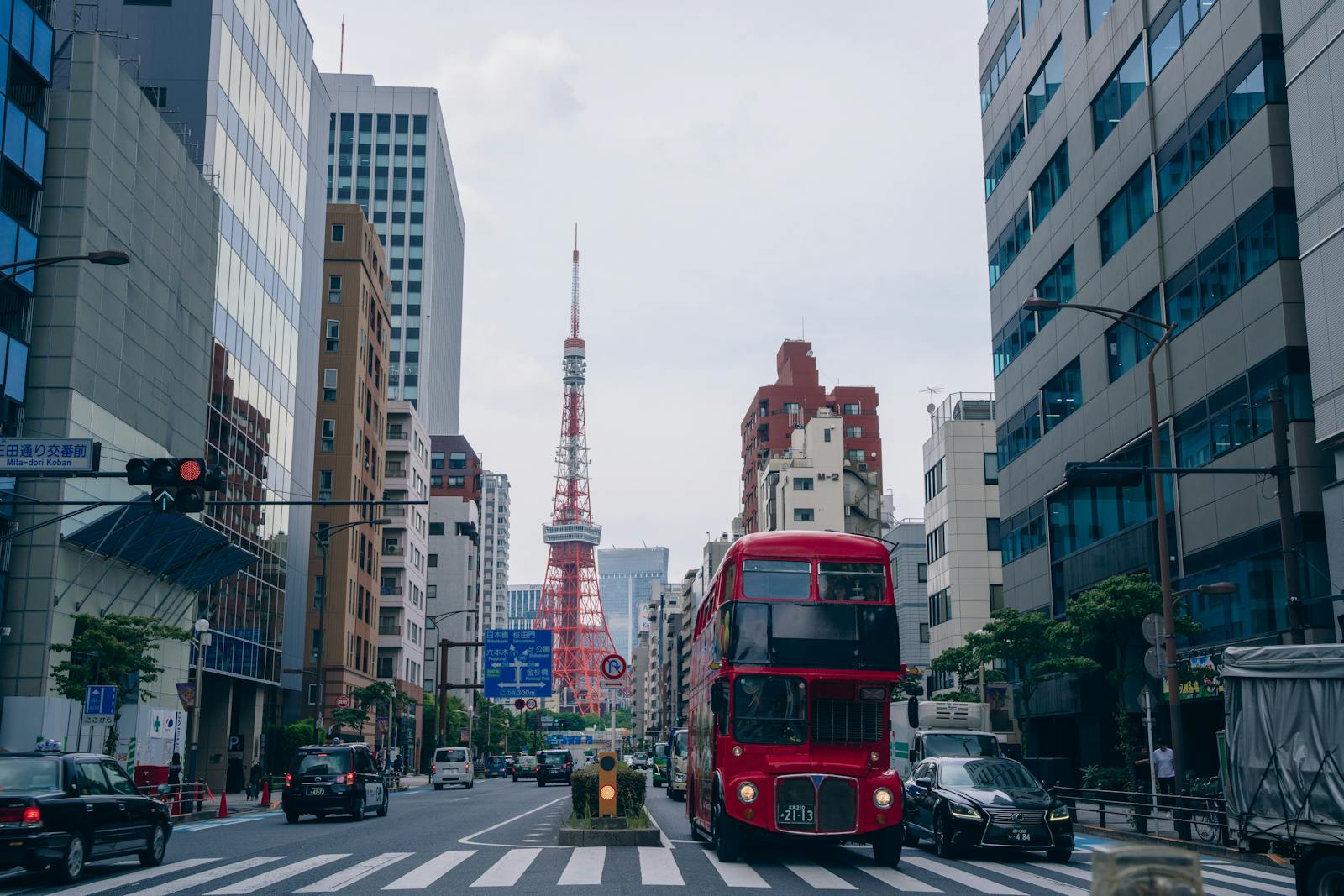
Most Tokyo guides dismiss buses, but they’re genuinely useful in specific situations — particularly for reaching attractions not on a train line, for short hops between stations, and when you’re traveling with heavy luggage or strollers where station stairs are problematic.
How Tokyo buses work: Board through the front door and tap your IC card on the reader (or pay the flat ¥210 fare in exact change). Exit from the back door. Routes and stops are displayed in Japanese and English on digital screens inside the bus. A one-day bus pass costs ¥500.
When buses make sense: Roppongi to Shibuya (direct bus avoids a subway transfer), Shibuya to Meguro/Ebisu area, routes through residential neighborhoods not on the subway map, and late at night when trains have stopped running. The Toei bus network covers areas the subway system misses, particularly in eastern Tokyo.
Taxis in Tokyo: Clean, Safe, and Expensive
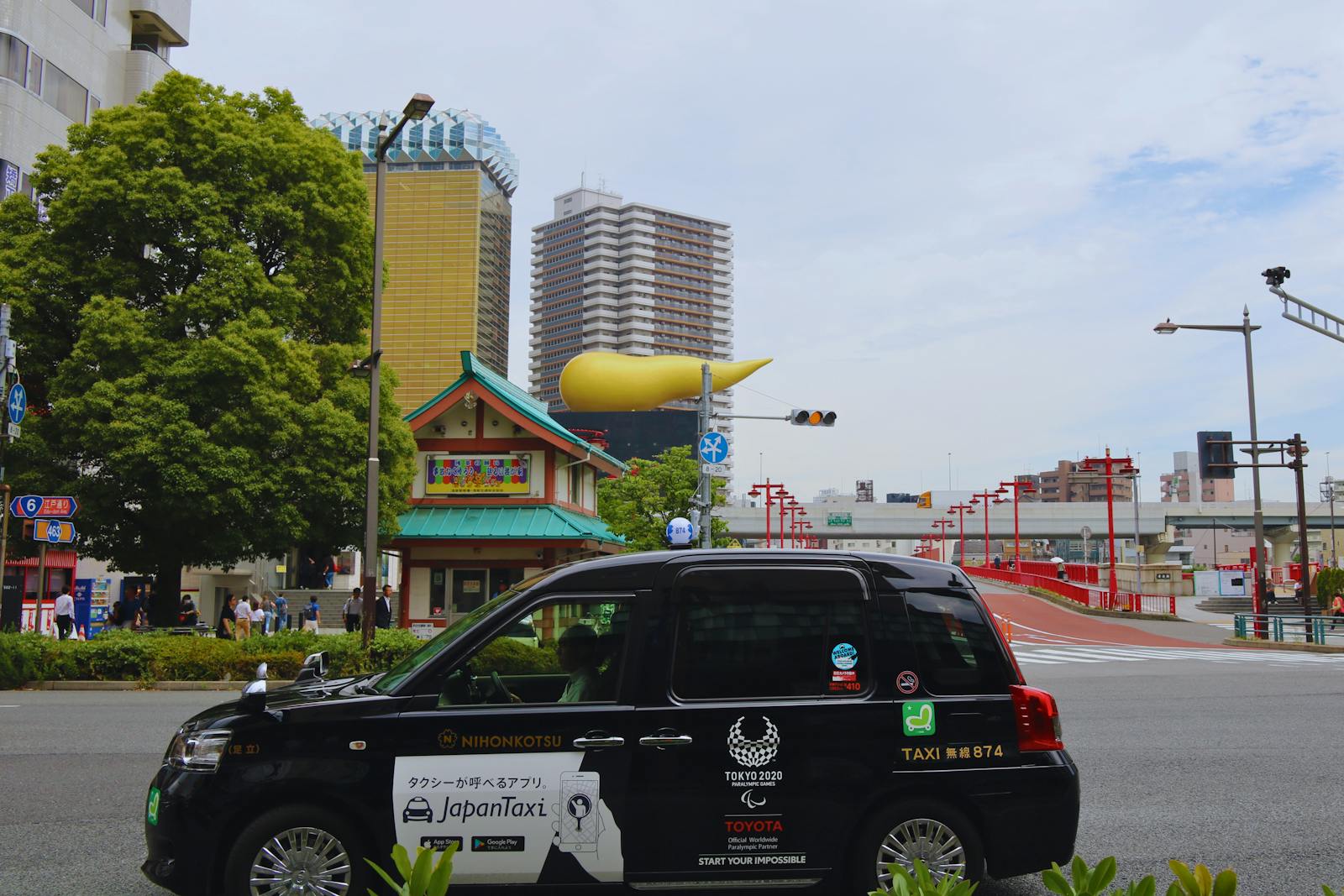
Tokyo taxis are impeccably clean, driven by uniformed drivers in white gloves, and equipped with automatic doors that the driver opens for you. They’re also expensive relative to trains — use them strategically rather than as your default transportation.
Current fares (2026): The base fare is ¥500 for the first 1.096 km, then ¥100 for each additional 255 meters (or 90 seconds of waiting time). A typical 5 km ride costs ¥1,800-2,200. Between 10pm and 5am, a 20% late-night surcharge applies. A trip from Shinjuku to Asakusa (about 10 km) runs roughly ¥3,000-4,000.
When taxis make sense: Late at night after trains stop (~midnight-5am), when splitting the fare between 3-4 people, when you have heavy luggage to/from your hotel, or for short trips in areas poorly served by trains. Ride-hailing apps like GO (Japan’s Uber equivalent) and Uber Japan work in Tokyo and let you estimate fares in advance.
Practical tips: Have your destination written in Japanese (or show it on Google Maps) — some drivers don’t speak English. Taxis accept IC cards, credit cards, and cash. Don’t tip. Don’t touch the doors — they’re automatic. Taxis can be hailed on the street (a red light on the roof means available) or found at taxi ranks outside stations and hotels.
Shinkansen Bullet Trains: Day Trips and Beyond
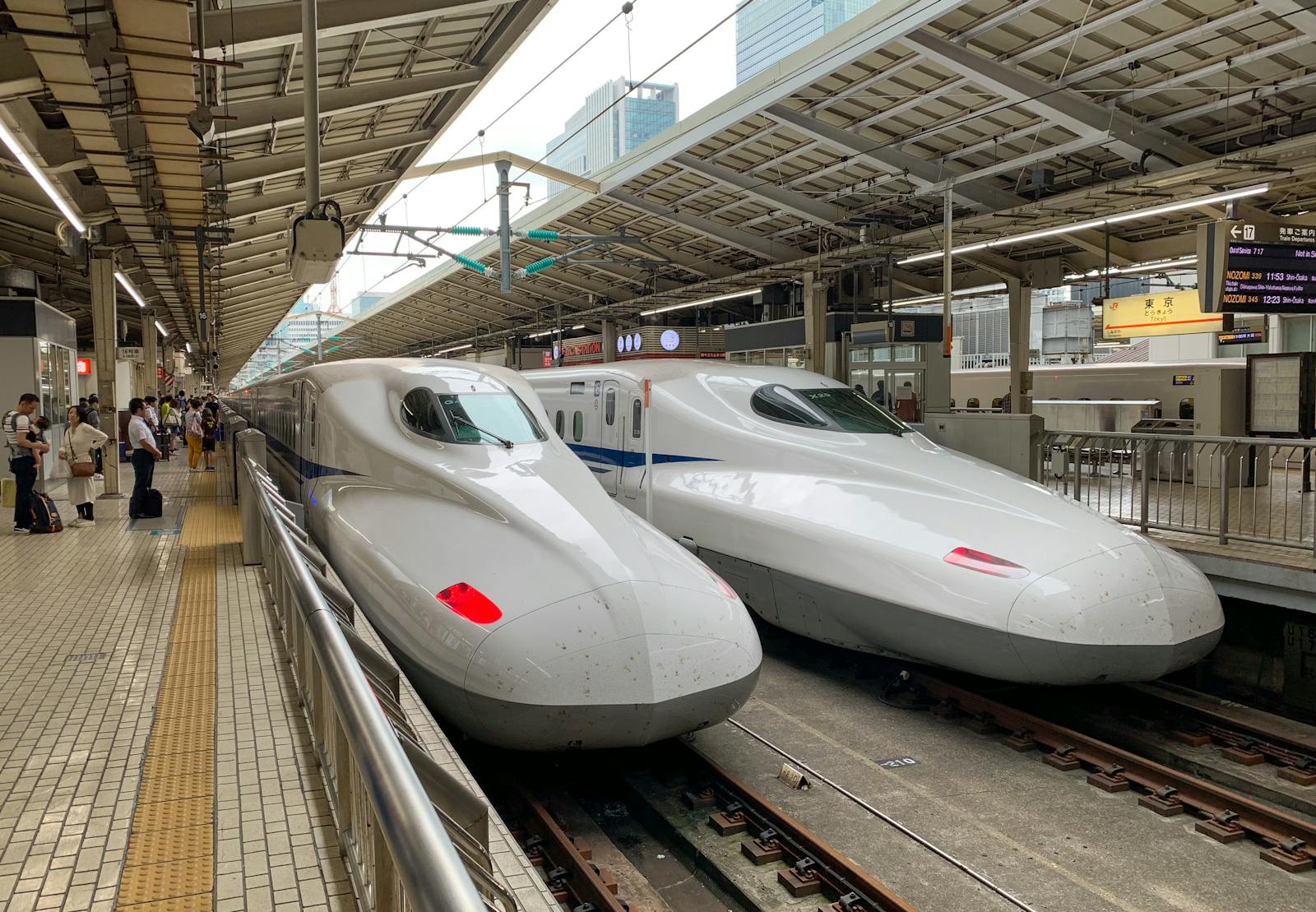
The Shinkansen (bullet train) is Japan’s high-speed rail network and one of the country’s engineering marvels — trains reach speeds of 320 km/h while maintaining an almost perfect safety record over 60 years of operation. For Tokyo visitors, the Shinkansen is your portal to destinations beyond the city.
Key routes from Tokyo Station: Tokyo to Kyoto/Osaka (Tokaido Shinkansen, 2 hours 15 minutes, ¥13,870 one-way reserved seat), Tokyo to Sendai (Tohoku Shinkansen, 1 hour 30 minutes, ¥11,410), Tokyo to Nagano (Hokuriku Shinkansen, 1 hour 20 minutes, ¥8,340), Tokyo to Karuizawa (50 minutes, ¥5,820). All departures from Tokyo Station platforms 14-23.
Booking tips: Shinkansen tickets can be purchased at JR ticket offices (Midori-no-Madoguchi), ticket machines, or online through SmartEX (app-based booking in English, works with foreign credit cards). Reserved seats guarantee a spot; unreserved cars (jiyuseki) are cheaper but require queuing. For popular routes like Tokyo-Kyoto, reserved seats are strongly recommended during peak seasons.
Japan Rail Pass: Is It Worth It in 2026?
The Japan Rail Pass provides unlimited travel on JR trains nationwide, including most Shinkansen lines. After a 70% price increase in October 2023, the 7-day pass now costs ¥50,000 (~$315 USD). This has fundamentally changed the calculation for most travelers.
The honest math: A round-trip Tokyo-Kyoto Shinkansen costs approximately ¥27,740 — well under the ¥50,000 7-day pass. The JR Pass only makes financial sense if you’re making multiple long-distance trips within 7 days — for example, Tokyo → Kyoto → Hiroshima → Osaka → Tokyo. For Tokyo-only travel, the pass is a waste of money since it doesn’t cover Tokyo Metro or Toei Subway lines (only JR lines like the Yamanote).
When the JR Pass IS worth it: Multi-city itineraries covering 3+ cities with Shinkansen travel. A Tokyo → Kyoto → Osaka → Hiroshima loop easily exceeds ¥50,000 in individual Shinkansen tickets. If your itinerary includes that level of inter-city travel within 7 consecutive days, the pass saves money and adds convenience.
Better alternatives for Tokyo-only visitors: Use an IC card (Suica/Pasmo) for daily travel and purchase individual Shinkansen tickets for any day trips. Combine with a Tokyo Subway Ticket (¥700/day) on heavy sightseeing days. This approach is cheaper and more flexible than the JR Pass for the vast majority of Tokyo visitors.
Day Passes and Discount Tickets
Several day passes can save money on heavy sightseeing days when you’ll make 4+ train rides:
Tokyo Subway Ticket (24/48/72-hour): Unlimited rides on all 13 subway lines (9 Tokyo Metro + 4 Toei). Prices: ¥700 (24-hour), ¥1,200 (48-hour), ¥1,500 (72-hour). Sold at airport stations, Bic Camera stores, and select hotel concierges. The 24-hour version pays for itself after just 4 subway rides. This is the best-value pass for most tourists.
Tokunai Pass (JR only): ¥760 for unlimited rides on JR lines within Tokyo’s 23 wards, including the Yamanote Line. Good if your sightseeing is concentrated along JR routes, but the Tokyo Subway Ticket is more versatile for most itineraries.
Tokyo Free Kippu: ¥1,600 for unlimited travel on JR, Tokyo Metro, Toei Subway, and Toei Buses within the Tokyo area. The all-access option — only worth it if you’re making 8+ trips in a single day across multiple operators.
Skyliner + Metro combo tickets: If arriving at Narita, the Keisei Skyliner offers combo tickets bundled with 24/48/72-hour Tokyo Metro passes at a discount. Check prices at the Keisei counter in Narita Terminal 1 or 2.
Navigating Like a Local: Practical Tips
Essential apps: Google Maps is the best overall navigation tool for Tokyo — it provides real-time train departures, platform numbers, fare calculations, and walking directions between stations. Download the Tokyo offline map before your trip. Navitime and Japan Transit Planner are solid alternatives with more detailed transfer information. Tokyo Subway Navigation (official app) is useful for Metro-specific route planning.
Station numbering: Every station on the Metro and major lines has a letter-number code (e.g., M-09 for Ginza on the Marunouchi Line). This system means you never need to read Japanese — just match the code. Signs in stations clearly show the current code and adjacent station codes in both directions.
Transfer times: Allow 5-10 minutes for transfers within the same station (same operator), 10-15 minutes for cross-company transfers (e.g., JR to Metro), and 15-20 minutes at massive interchange stations like Tokyo Station, Shinjuku, or Ikebukuro. At Tokyo Station specifically, walking from the Marunouchi side to the Shinkansen platforms can take 15 minutes — don’t cut it close.
Rush hours: Avoid trains between 7:30-9:30am and 5:00-7:30pm on weekdays. The crowding is legendary — trains run at 180-200% capacity on some lines during peak times. If you must travel during rush hour, let express trains pass and take a local (each-stop) train, which is less crowded. Outside these windows, trains are comfortable and often have seats available.
Last trains: Most lines stop running between midnight and 12:30am, with the first trains starting around 5:00am. If you miss the last train, your options are taxis, karaoke boxes (open all night, a common “holding pattern” for Japanese people who miss the last train), or night buses (limited routes). Plan your evening around the last train time from your destination back to your hotel.
Luggage: Trains are not luggage-friendly. If you’re traveling with large suitcases, use the Takkyubin luggage forwarding service (available at airports, convenience stores, and hotel desks) to send your bags to your next destination for ¥1,500-2,500. This is standard practice in Japan and far more practical than wrestling large suitcases through rush-hour trains and narrow station corridors.
What’s New in 2026: Recent Changes to Know
Tokyo’s transit system evolves continuously. Here are the most important recent changes affecting visitors:
JR East fare increase (March 2026): The first major fare revision in over 40 years. Base fares increased by approximately 7.1%, with the minimum fare rising from ¥150 to ¥160. IC card fares rose slightly less than paper ticket fares — another reason to use an IC card. Commuter passes increased by 7.2%.
Welcome Suica Mobile app (launched March 2025): iPhone users can now set up a digital Suica IC card before arriving in Japan. The app eliminates the need for a physical card, the ¥500 deposit, and the hassle of finding a machine at the airport. Load money via credit card and start using Apple Pay at turnstiles immediately. Valid for 180 days. This is a game-changer for tourist convenience.
Tokyo Metro 24-hour ticket price adjustment (March 2025): The price was adjusted to ¥700 (was ¥600 previously). Still excellent value if you make 4+ subway trips in a day. The 48-hour (¥1,200) and 72-hour (¥1,500) passes were also adjusted.
Green Car via Suica (March 2026): JR East now allows Green Car (premium class) seat bookings directly through the Suica app on select commuter lines. This primarily benefits longer-distance commuters but can also be useful for tourists wanting a guaranteed comfortable seat on crowded lines like the Chuo or Tokaido.
How Much Does Tokyo Transportation Cost?
One of the best things about Tokyo’s transit system is how affordable it is compared to taxis or transit in other world cities. Here’s what to realistically budget:
Budget traveler (¥600-1,000/day): Making 3-4 short train trips on the IC card. This covers most moderate sightseeing days where you visit 2-3 neighborhoods. Example day: hotel → Asakusa → Ueno → Akihabara → hotel = approximately ¥700 total.
Active sightseer (¥1,000-1,800/day): A full day hitting 4-5 neighborhoods with longer-distance rides. Consider buying a ¥700 24-hour Tokyo Subway Ticket on these days — it pays for itself after 4 Metro rides. Example: hotel → Tsukiji → Ginza → Roppongi → Shibuya → Harajuku → Shinjuku → hotel.
Day trip out of Tokyo (¥2,000-6,000): Kamakura (JR, ~¥940 each way), Hakone (Odakyu Romance Car, ~¥2,330 each way or Hakone Free Pass ¥6,100 including local transport), Nikko (Tobu Railway, ~¥1,500 each way). Shinkansen day trips cost more: Kawaguchiko/Mt. Fuji area (~¥4,000 by highway bus round trip).
For a 7-day trip: The average tourist spends ¥7,000-12,000 total on transportation (¥1,000-1,700/day), including one day trip. This is remarkably affordable for a world-class city — comparable to a single multi-zone weekly pass in London.
Frequently Asked Questions
Is Tokyo easy to get around for tourists?
Extremely easy. Despite its size, Tokyo’s transit system is intuitive once you understand the basics. All stations have English signage, the numbering system eliminates the need to read Japanese, Google Maps provides perfect real-time directions, and the IC card works everywhere. Most tourists find they’re navigating confidently within their first day. The main adjustment is learning to plan around last-train times (around midnight).
What is the best way to get around Tokyo?
The JR Yamanote Line and Tokyo Metro subway system handle 90% of tourist transportation needs. Get an IC card (Suica or Pasmo), learn the Yamanote Line loop, and use Google Maps for route planning. Taxis are only worth it late at night, when splitting with a group, or for short trips with heavy luggage. Buses are useful but not essential for most itineraries.
Do I need a JR Pass if I’m only visiting Tokyo?
No. The Japan Rail Pass costs ¥50,000 for 7 days and only covers JR lines — it doesn’t work on the Tokyo Metro or Toei Subway, which are the most useful lines for tourists. For Tokyo-only travel, an IC card plus occasional day passes (¥700 for 24-hour Metro access) is far cheaper and more convenient. Only consider the JR Pass if your trip includes multiple cities connected by Shinkansen.
How much should I budget for transportation in Tokyo?
Budget ¥1,000-1,500 per day for typical tourist transportation, or ¥7,000-12,000 for a week-long trip. This covers 3-5 train rides daily using an IC card. Heavy sightseeing days cost more (¥1,500-2,000), while rest days or neighborhood-focused days cost less (¥400-600). Airport transfers add ¥1,000-3,000 each way depending on your airport and transfer method.
What’s the difference between Suica and Pasmo?
Functionally nothing. Both are rechargeable IC cards that work identically on every train, subway, bus, convenience store, and vending machine in Tokyo. Suica is issued by JR East and Pasmo by Metro/private railways, but they’re completely interchangeable. Pick whichever is available where you first arrive. The Welcome Suica Mobile app (iPhone only) is now the easiest option — no physical card needed.
This tokyo transportation guide is part of our comprehensive TokyoTourism.org resource library. For deeper coverage, see our upcoming guides on Tokyo Travel Planning, the Tokyo Neighborhoods Guide, and individual transportation topics including Suica vs. Pasmo comparisons, airport transfer guides, and the Yamanote Line stop-by-stop. Bookmark this page — we keep it updated as fares change and new services launch.