Tokyo Neighborhoods · Guide №002
Tokyo Neighborhoods Guide: The Complete District-by-District Guide
目次 — Contents
- Understanding Tokyo’s Neighborhood Geography
- Which Tokyo Neighborhood Is Right for You?
- The Essential Six: Tokyo’s Must-Visit Neighborhoods
- Beyond the Essentials: Neighborhoods Worth Your Time
- Hidden Gems: Where Locals Actually Spend Time
- What’s New in Tokyo Neighborhoods: 2026 Developments
- Tokyo Neighborhood Cost Comparison
- How to Navigate Between Tokyo Neighborhoods
- Explore Each Tokyo Neighborhood in Depth
- Frequently Asked Questions About Tokyo Neighborhoods
- Keep Planning Your Tokyo Trip
This article contains advertising. Our booking links are routed through a partner that adds commission tracking automatically, so if you book through one we earn a commission from the provider, at no extra cost to you. It never affects what we recommend. Affiliate disclosure
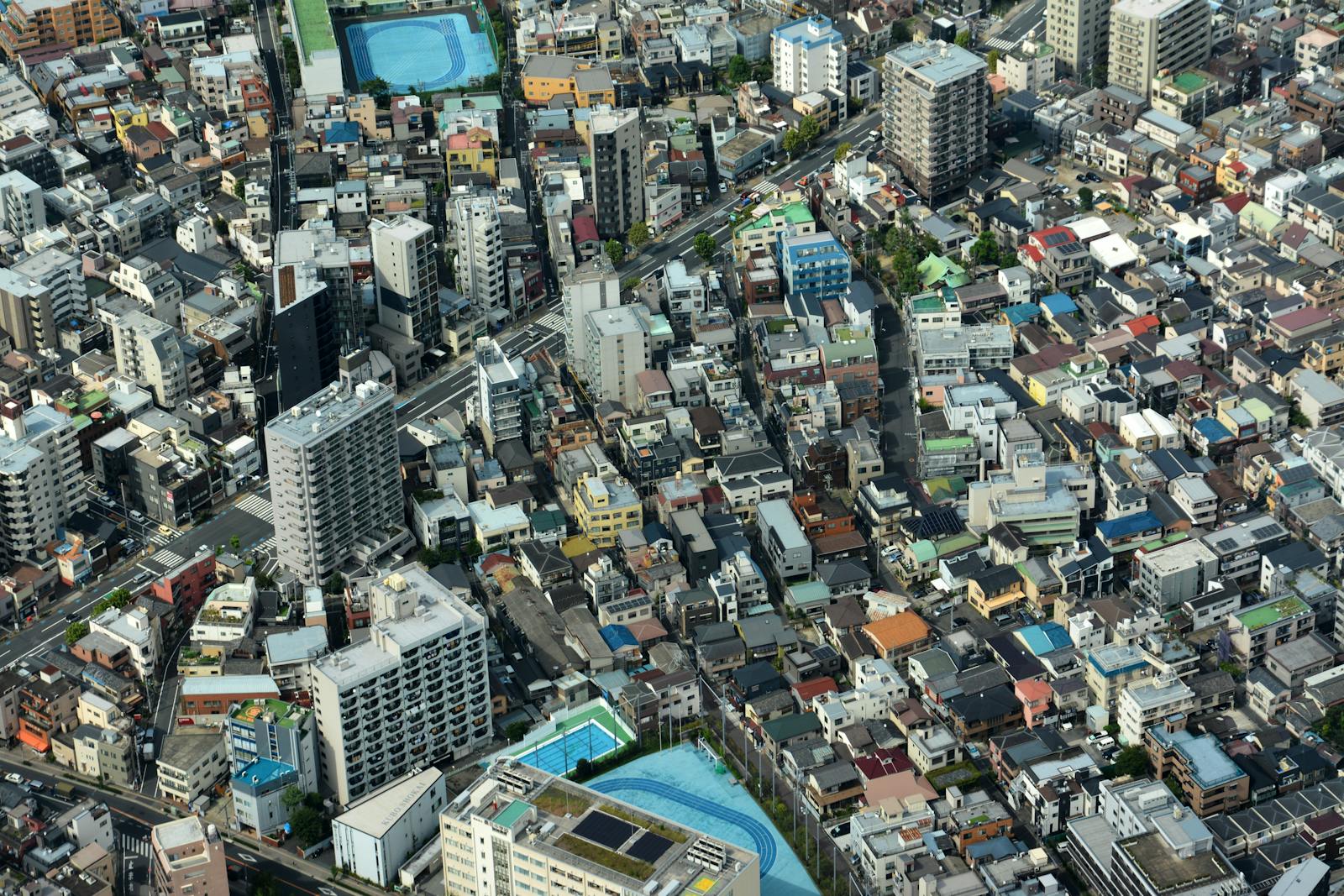
Use this tokyo neighborhoods guide to navigate Tokyo’s diverse districts. Tokyo isn’t one city — it’s a patchwork of dozens of distinct neighborhoods, each with its own personality, food scene, architecture, and energy. Walk fifteen minutes in any direction and you’ll feel like you’ve crossed into an entirely different city. The neon chaos of Shinjuku gives way to the temple serenity of Asakusa. The haute couture of Ginza dissolves into the anime-saturated streets of Akihabara. The vintage cafes of Shimokitazawa feel nothing like the futuristic waterfront of Odaiba.
This is what makes Tokyo endlessly fascinating — and what makes choosing where to spend your time genuinely difficult. With 23 special wards and over 40 recognizable neighborhoods, even repeat visitors discover new pockets of the city on every trip.
This guide breaks down every major Tokyo neighborhood that matters for visitors. We’ve organized them by character and experience type, included practical details like transportation access, budget expectations, and time recommendations, and highlighted what each area does better than anywhere else in the city. Whether you’re planning your first trip or your fifth, use this as your map to the real Tokyo.
Understanding Tokyo’s Neighborhood Geography
Before diving into specific neighborhoods, it helps to understand how Tokyo is organized. The city radiates outward from the Imperial Palace at its center. The Yamanote Line — a circular train loop — connects most major tourist neighborhoods and is the single most important transit route for visitors. If a neighborhood sits on the Yamanote Line, getting there is easy from almost anywhere.
Tokyo’s neighborhoods roughly divide into three zones. East Tokyo (Asakusa, Ueno, Akihabara) is older, more traditional, and generally more affordable. West Tokyo (Shinjuku, Shibuya, Harajuku) is modern, trend-driven, and packed with entertainment. Central Tokyo (Ginza, Marunouchi, Nihonbashi) is polished, upscale, and business-oriented. Understanding this east-west-central dynamic helps you plan efficient days without zigzagging across the city.
A practical note: Tokyo’s neighborhoods are extremely walkable internally, but the distances between them often require trains. Budget 15-40 minutes of transit time between non-adjacent neighborhoods. The good news is that Tokyo’s rail system is the best in the world — clean, punctual, and affordable. A single ride costs ¥170-320, and day passes can save money on heavy sightseeing days.
Which Tokyo Neighborhood Is Right for You?
Every traveler has different priorities. Here’s a quick-reference guide to help you match your travel style to the right neighborhoods:
First-time visitors: Start with Shinjuku (best transportation hub), Shibuya (iconic Tokyo energy), and Asakusa (traditional culture). These three neighborhoods capture Tokyo’s range and are easy to navigate.
Budget travelers: Base yourself in Asakusa or Ueno for the most affordable accommodation. East Tokyo hotels run 30-40% cheaper than Shinjuku or Shibuya equivalents, and the area has excellent street food and free temples.
Luxury travelers: Ginza and Marunouchi offer Tokyo’s finest hotels, Michelin-starred dining, and world-class shopping. Roppongi adds upscale nightlife and international dining to the mix.
Foodies: Every neighborhood has great food, but Shinjuku (ramen alleys, izakaya), Tsukiji/Toyosu (seafood), and Asakusa (traditional street food) are the top culinary destinations.
Culture enthusiasts: Asakusa, Yanaka, and Ueno deliver temples, traditional crafts, and museum-rich experiences. For a deeper dive, Kagurazaka offers a fascinating blend of old Edo culture and French-Japanese fusion.
Nightlife seekers: Shinjuku (Golden Gai, Kabukicho), Shibuya (clubs, bars), and Roppongi (international nightlife scene) are where Tokyo comes alive after dark.
Families: Odaiba (interactive museums, teamLab), Ueno (zoo, parks, kid-friendly museums), and Asakusa (engaging temples, boat rides) offer the best experiences for kids.
The Essential Six: Tokyo’s Must-Visit Neighborhoods
These six neighborhoods form the core Tokyo experience. If you have 3-5 days, prioritize these areas — they capture the full spectrum of what makes Tokyo extraordinary.
Shinjuku: Tokyo’s Beating Heart
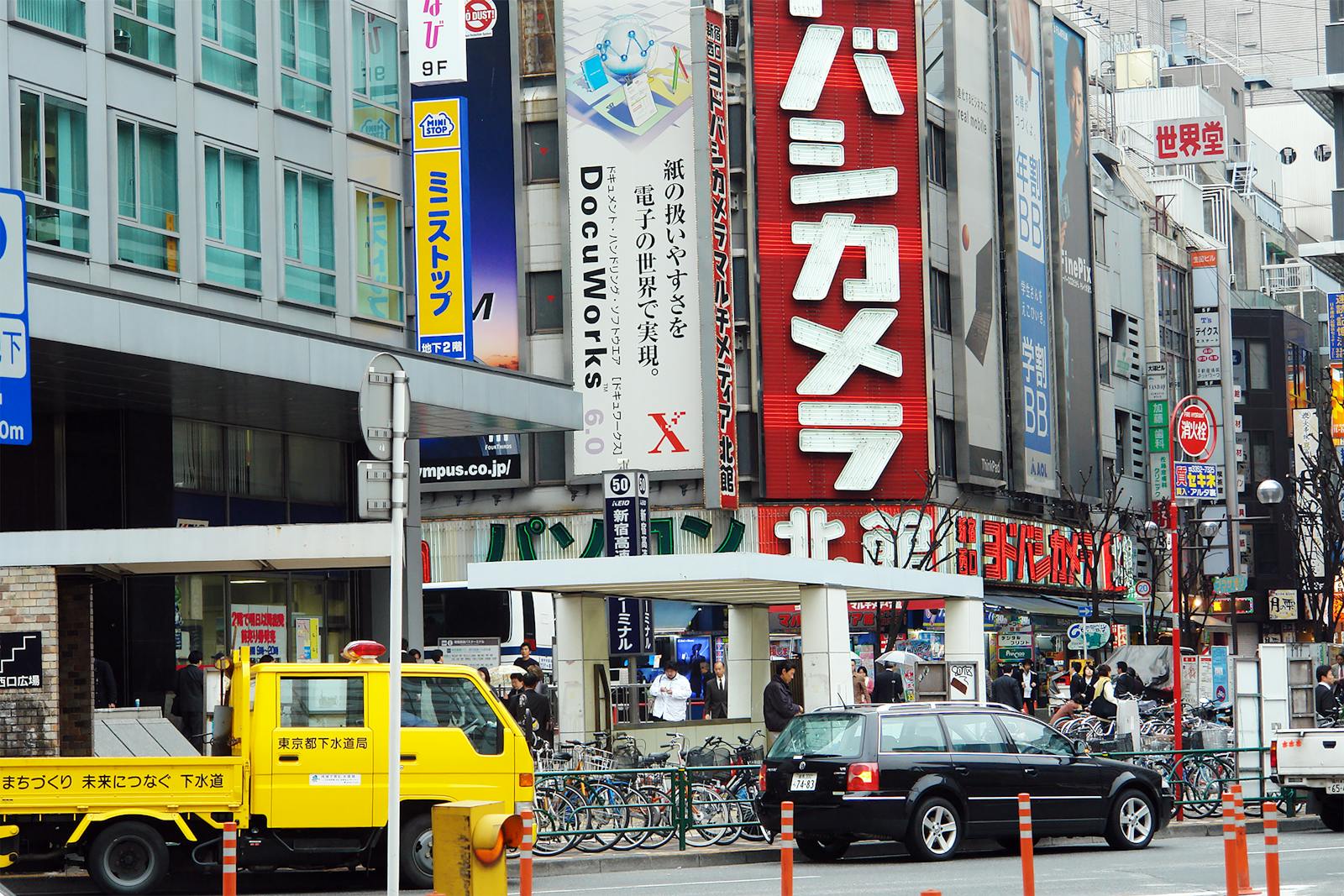
Shinjuku Station handles 3.6 million passengers per day — making it the busiest train station on Earth. But Shinjuku is far more than a transit hub. It’s a neighborhood of dramatic contrasts: gleaming corporate skyscrapers on the west side, neon-drenched entertainment streets on the east, and one of Tokyo’s most beautiful parks tucked quietly between them.
West Shinjuku is the business and hotel district. The Tokyo Metropolitan Government Building offers a free observation deck at 202 meters with panoramic city views — including Mount Fuji on clear days. This is one of Tokyo’s best free attractions, and most tourists don’t know about it. The area also has a concentration of full-service hotels in the mid-to-high price range (¥12,000-30,000/night).
East Shinjuku is where the energy lives. Kabukicho, Tokyo’s largest entertainment district, is a sensory assault of neon signs, restaurants, bars, karaoke joints, and late-night activity. It’s safe for tourists (ignore the touts) and offers some of Tokyo’s best people-watching. Just behind Kabukicho lies Golden Gai — a labyrinth of over 200 tiny bars crammed into six narrow alleys. Each bar seats 6-12 people, and many have specific themes: jazz bars, punk bars, bars for writers, bars where the mama-san decides if you fit the vibe. A drink costs ¥500-1,500, and most bars charge a seating fee of ¥300-1,000.
Shinjuku Gyoen, a 58-hectare national garden, combines Japanese, English, and French landscape styles. Admission is just ¥500, and it’s one of the best spots in Tokyo for cherry blossoms in spring and autumn foliage in November. The contrast of stepping from Kabukicho’s chaos into this peaceful garden in under 10 minutes perfectly encapsulates Tokyo’s ability to contain opposites.
Best for: First-time visitors wanting a central base, nightlife enthusiasts, transit convenience. Time needed: Half day minimum, full day ideal. Nearest station: Shinjuku (JR, Tokyo Metro, Toei, Odakyu, Keio). Budget: Hotels ¥8,000-30,000/night; meals ¥800-3,000.
Shibuya: Youth Culture and Urban Energy
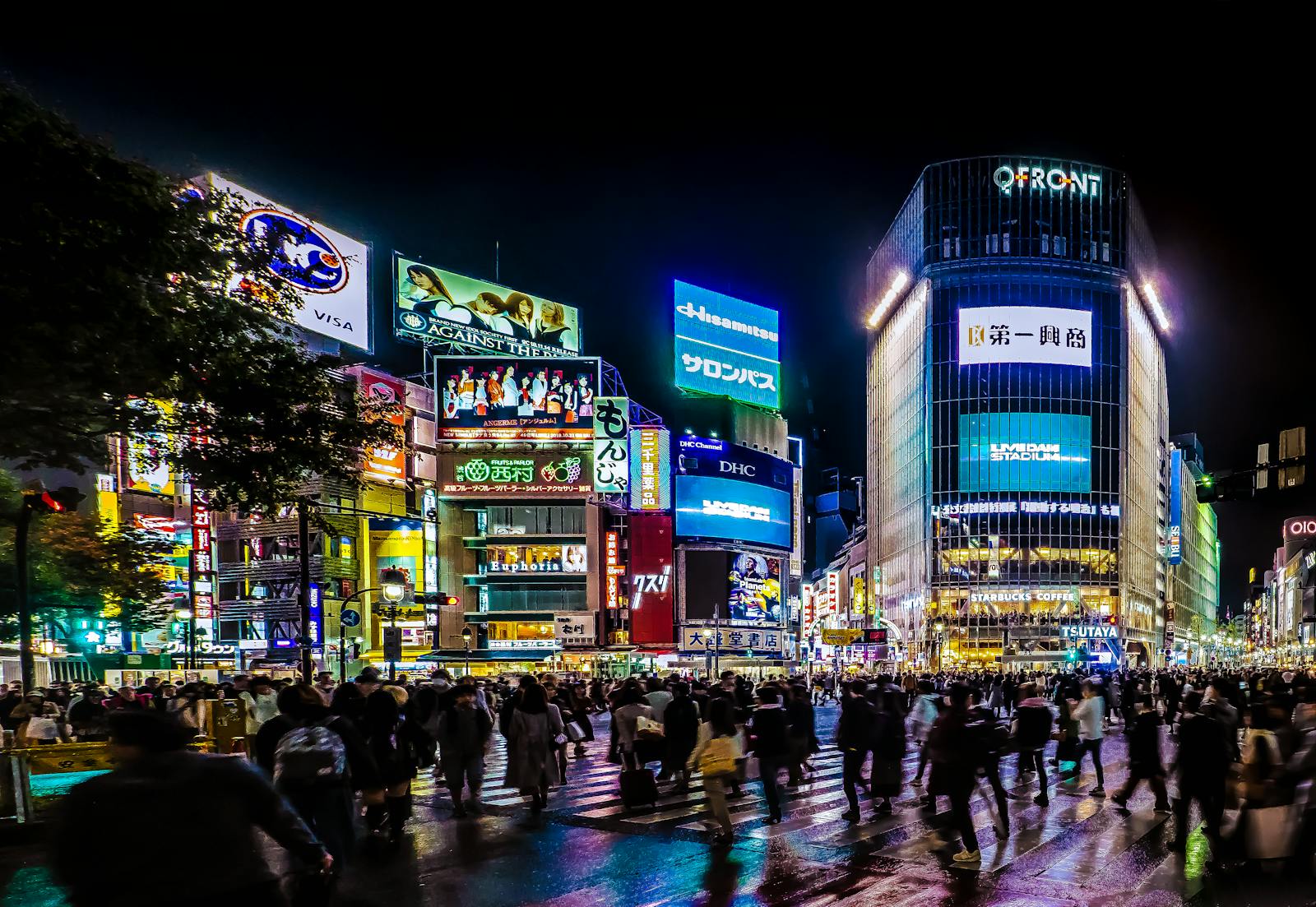
If Shinjuku is Tokyo’s heart, Shibuya is its pulse. This neighborhood defines contemporary Tokyo — trend-forward, youth-driven, and perpetually reinventing itself. The Shibuya Crossing, where up to 3,000 people cross from every direction each time the light changes, is the most photographed intersection on Earth and a must-see even if you visit no other Shibuya attraction.
Beyond the Crossing, Shibuya offers layers worth exploring. Shibuya Sky (¥2,000) provides the best observation deck experience in Tokyo — a rooftop at 229 meters with an open-air terrace and stunning sunset views. Center Gai is the main pedestrian street packed with fast fashion, restaurants, and arcades. Spain-zaka and the streets branching off Dogenzaka host some of Tokyo’s best live music venues, cocktail bars, and late-night dining.
Shibuya has undergone massive redevelopment since 2019. The Shibuya Scramble Square (2019), Miyashita Park (2020, a rooftop park above a shopping complex), and the Shibuya Stream development have transformed the area into a more curated, design-conscious neighborhood while retaining its chaotic energy. The changes continue through 2027, with new commercial and residential towers reshaping the skyline.
Shibuya is also the gateway to Harajuku and Omotesando — a 10-minute walk connects all three, making them natural companions for a day of exploration.
Best for: Fashion lovers, photographers, nightlife, young travelers. Time needed: 3-5 hours (more with Harajuku). Nearest station: Shibuya (JR, Tokyo Metro, Tokyu, Keio Inokashira). Budget: Hotels ¥10,000-35,000/night; meals ¥700-2,500.
Asakusa: Where Old Tokyo Lives
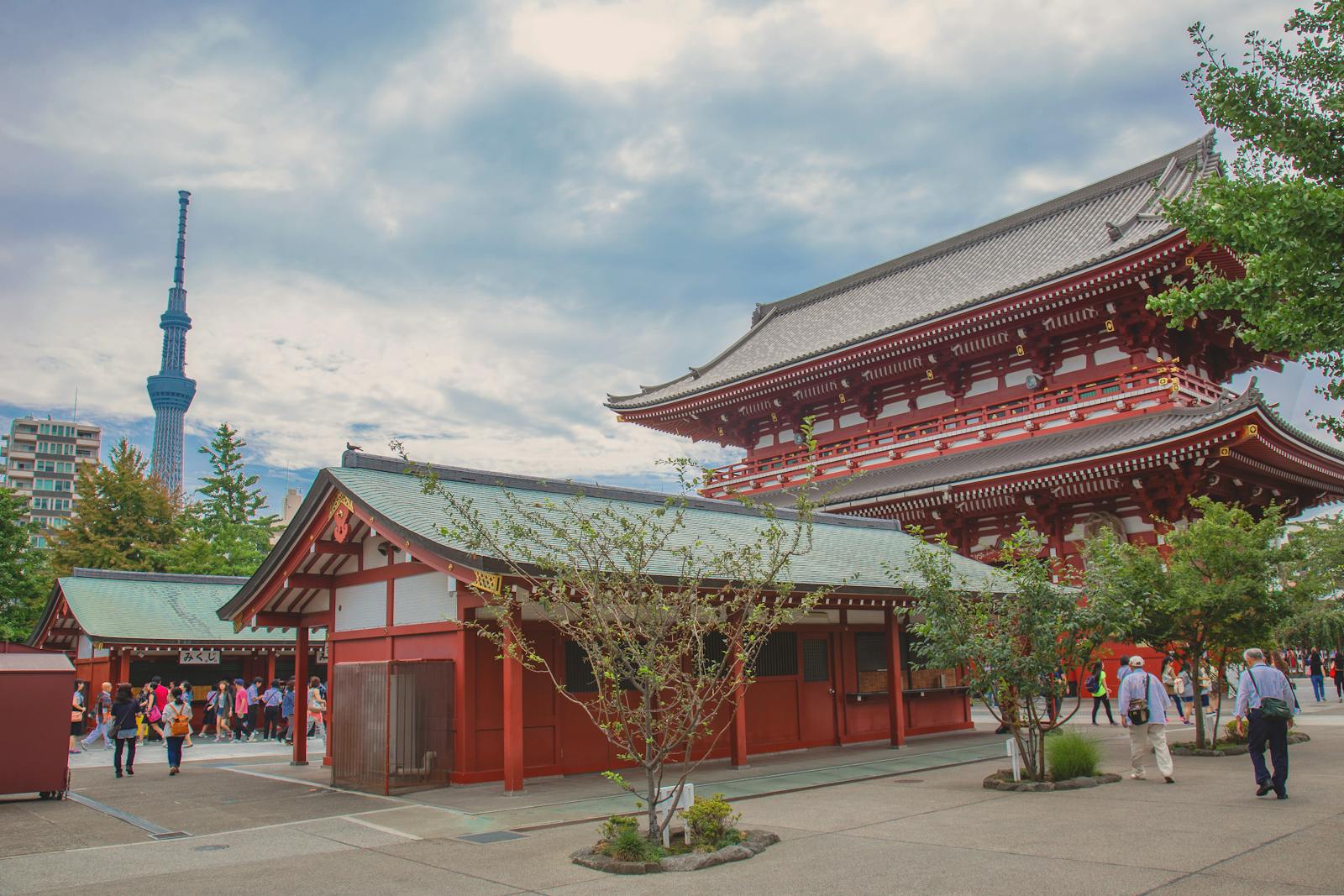
Asakusa is the neighborhood that connects you to Edo-period Tokyo — the city as it existed before modernization transformed everything. The centerpiece is Sensoji Temple, Tokyo’s oldest temple (founded 645 AD), approached through the iconic Kaminarimon (Thunder Gate) and the Nakamise-dori shopping street lined with stalls selling traditional crafts, snacks, and souvenirs.
But Asakusa rewards exploration beyond Sensoji. The streets surrounding the temple preserve a shitamachi (downtown) atmosphere that’s increasingly rare in Tokyo — low-rise buildings, family-run restaurants, traditional craft shops, and a pace of life noticeably slower than the western neighborhoods. Hoppy Street (Hoppy-dori) is a collection of open-air izakaya where locals drink cheap beer and hoppy (a beer-like beverage) alongside grilled skewers — it’s one of the most authentic and affordable drinking spots in Tokyo.
The Tokyo Skytree (634 meters, Japan’s tallest structure) is a 20-minute walk east of Sensoji, or one subway stop. Views from the observation decks at 350m and 450m are spectacular, especially at sunset. The surrounding Solamachi complex has 300+ shops and restaurants.
Asakusa is also the departure point for Sumida River water buses to Odaiba and Hama-rikyu Gardens — a scenic, relaxing alternative to the subway that gives you a different perspective of Tokyo’s skyline.
Best for: Culture lovers, budget travelers, photographers, traditional food enthusiasts. Time needed: Half day to full day. Nearest station: Asakusa (Tokyo Metro Ginza Line, Toei Asakusa Line, Tsukuba Express). Budget: Hotels ¥5,000-15,000/night; meals ¥500-2,000.
Harajuku & Omotesando: Fashion, Creativity, and Kawaii
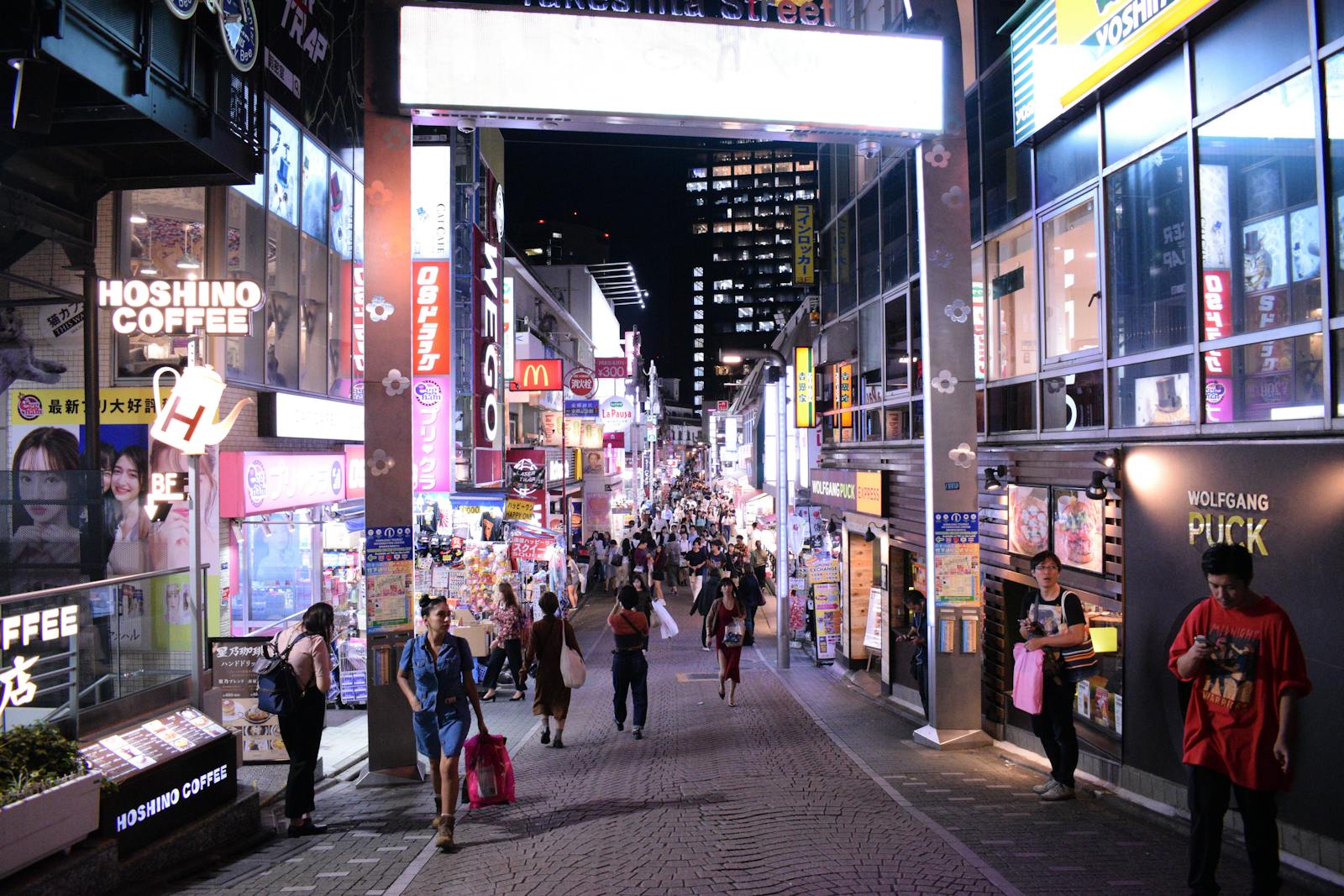
Harajuku is where Tokyo’s creative energy is most visible. Takeshita Street (Takeshita-dori) is the famous pedestrian lane packed with quirky fashion boutiques, crepe stands, themed cafes, and stores selling everything from kawaii accessories to vintage American streetwear. It’s loud, colorful, crowded — and absolutely worth experiencing, especially on weekends when Tokyo’s most fashion-forward youth come out.
Steps from Takeshita Street’s chaos, Meiji Shrine (Meiji Jingu) occupies 170 acres of dense forest that feels impossibly serene for central Tokyo. The shrine, dedicated to Emperor Meiji and Empress Shoken, is free to enter and offers one of the most powerful contrasts in the city — from teenage fashion madness to ancient Shinto tranquility in a five-minute walk.
Omotesando, often called Tokyo’s Champs-Élysées, is a wide, tree-lined boulevard just south of Harajuku. The architecture alone is worth the visit — flagship stores by Tadao Ando (Omotesando Hills), Herzog & de Meuron (Prada), SANAA (Dior), and Toyo Ito (Tod’s) make this an open-air gallery of contemporary design. Shopping ranges from high fashion to independent Japanese designers in the backstreet boutiques of Ura-Harajuku (the “backstreets of Harajuku”).
Cat Street, a pedestrian lane connecting Harajuku to Shibuya, hosts independent fashion labels, sneaker shops, and excellent coffee. It’s where Tokyo’s style-conscious locals actually shop, away from the tourist-heavy Takeshita Street.
Best for: Fashion enthusiasts, architecture lovers, crepe and street food fans, shrine visits. Time needed: 3-5 hours. Nearest station: Harajuku/Meiji-jingumae (JR Yamanote, Tokyo Metro Chiyoda/Fukutoshin). Budget: Hotels ¥12,000-35,000/night; meals ¥600-2,000.
Ginza: Luxury, Sophistication, and World-Class Dining
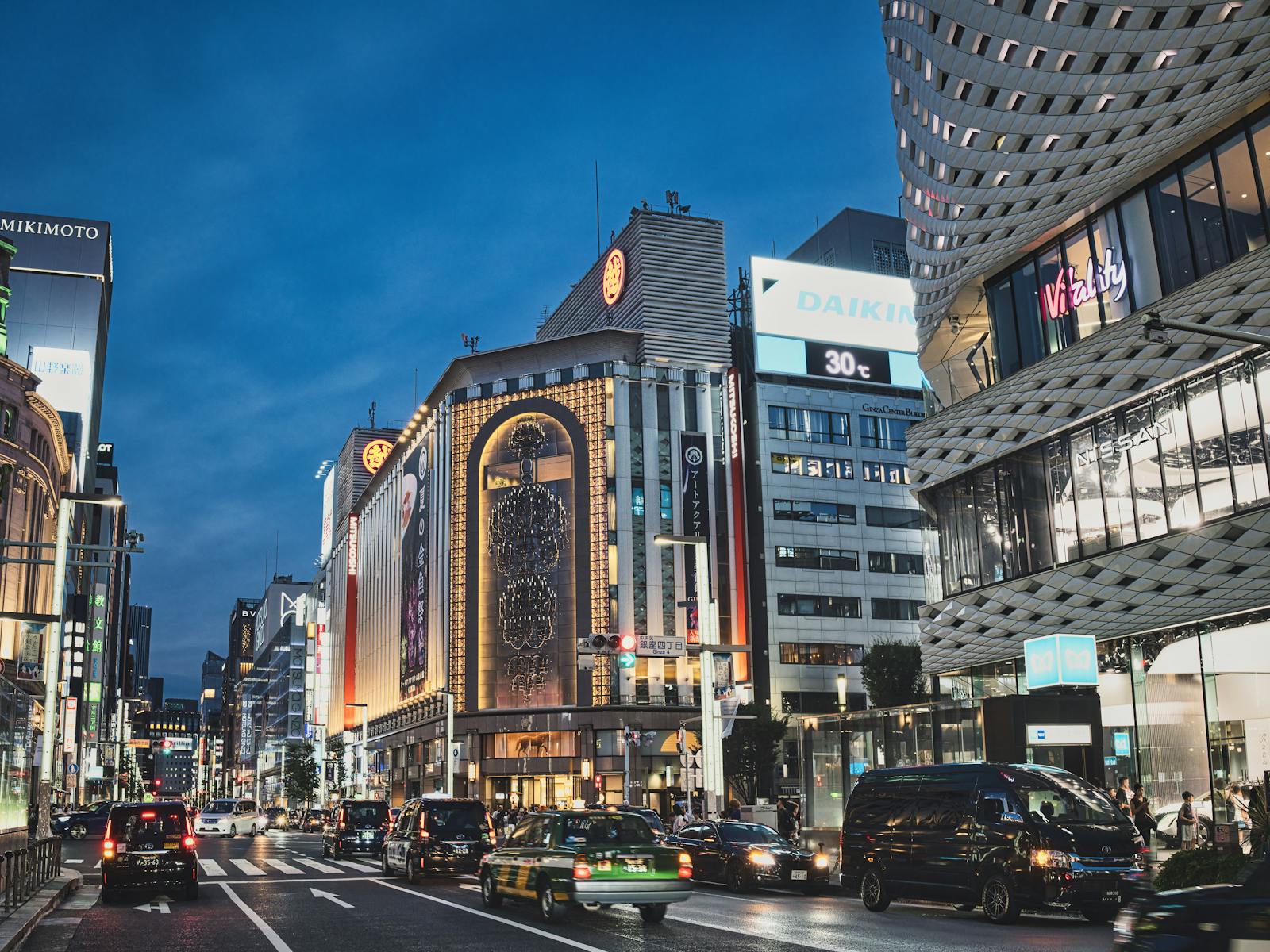
Ginza is Tokyo at its most refined. Japan’s premier luxury shopping district since the Meiji era, Ginza’s wide boulevards are lined with flagship stores from every major fashion house — Chanel, Louis Vuitton, Hermès, Gucci, Cartier — alongside Japan’s legendary department stores: Mitsukoshi (founded 1673), Matsuya, and Wako with its iconic clock tower.
But Ginza isn’t only about luxury shopping. The neighborhood has one of Tokyo’s highest concentrations of Michelin-starred restaurants, including some of the city’s finest sushi, tempura, and kaiseki establishments. For a more accessible culinary experience, explore the basement food floors (depachika) of the department stores — they’re essentially gourmet food halls with beautifully presented prepared foods, wagashi (Japanese sweets), and premium ingredients.
Ginza Six, opened in 2017, is the district’s modern crown jewel — a massive commercial complex with art installations by teamLab, a curated mix of fashion and lifestyle brands, and a rooftop garden with views of the city. The Kabukiza Theatre offers traditional kabuki performances, and you can purchase single-act tickets (¥1,000-2,000) if a full performance (3-4 hours) is too long.
On weekends and holidays, Ginza’s main avenue (Chuo-dori) becomes a pedestrian paradise — closed to cars from noon to 5pm, it fills with strollers, street performers, and a distinctly relaxed atmosphere that’s at odds with the area’s formal reputation.
Best for: Luxury shoppers, fine dining enthusiasts, architecture admirers, theater lovers. Time needed: 3-5 hours. Nearest station: Ginza (Tokyo Metro Ginza/Marunouchi/Hibiya). Budget: Hotels ¥15,000-60,000+/night; meals ¥1,500-30,000+.
Akihabara: Electronics, Anime, and Otaku Paradise
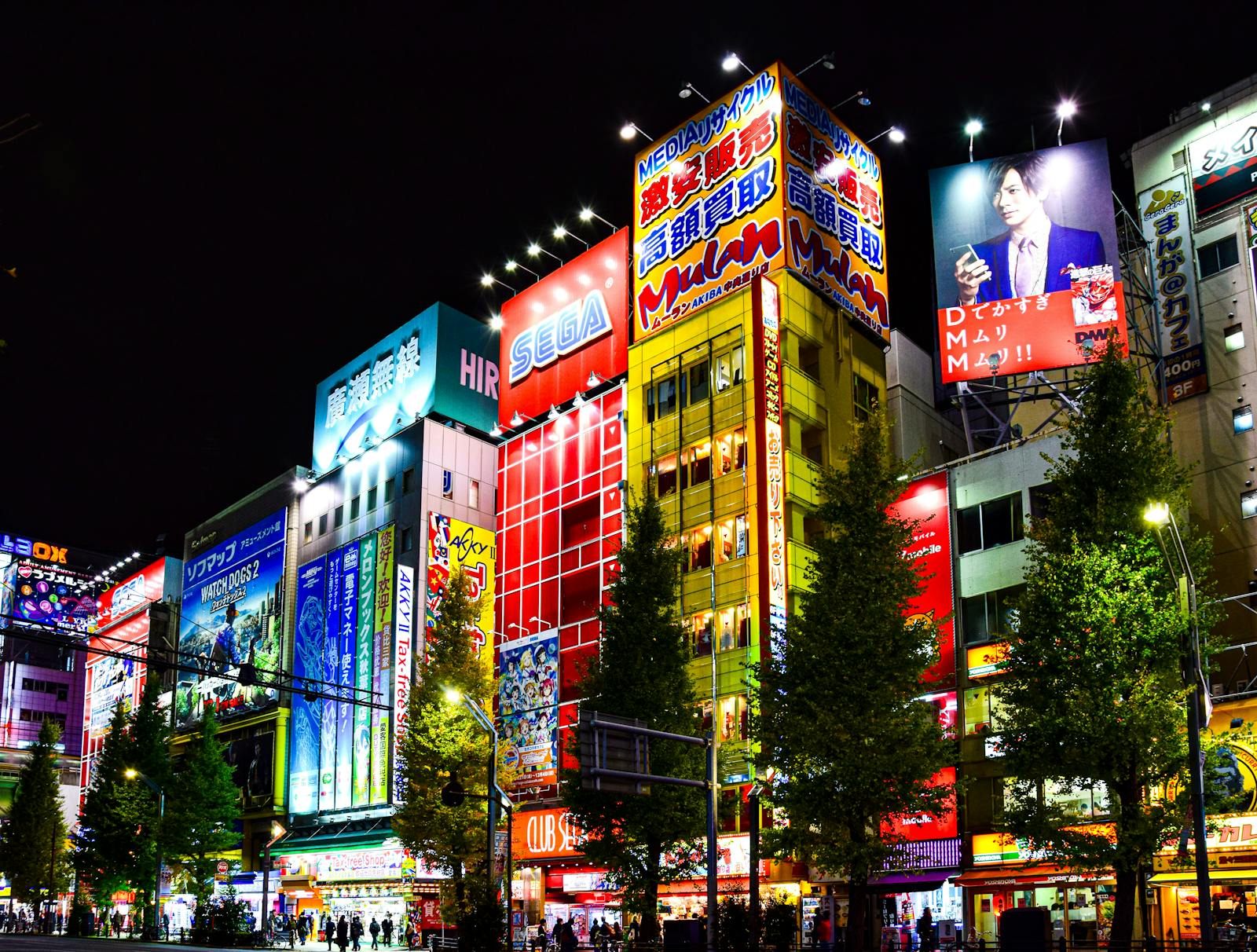
Akihabara — “Akiba” to locals — is unlike anything else on Earth. Originally Tokyo’s electronics market in the postwar era, it evolved into the global capital of otaku (geek) culture: anime, manga, video games, figures, trading cards, and every niche fandom imaginable. Multi-story buildings are stacked floor-to-floor with merchandise, from vintage gaming consoles to the latest anime figurines.
Key spots: Yodobashi Camera Akiba is a massive multi-floor electronics department store with everything from cameras to home appliances at competitive prices (tax-free for tourists). Mandarake is the go-to for vintage manga, anime cels, and collectibles. Super Potato is a retro gaming paradise with playable vintage consoles. Radio Kaikan is a multi-floor complex of specialty shops covering figures, trading cards, and hobby supplies.
Akihabara is also home to Japan’s maid cafe culture — themed cafes where waitstaff in maid costumes serve food with performative cuteness. It’s a unique cultural experience regardless of whether you’re into anime. Prices run ¥1,500-3,000 for a drink and an “experience” (typically a short performance or game).
Even if anime and electronics aren’t your thing, Akihabara is worth visiting for the pure cultural spectacle. The district represents a side of Japanese pop culture that’s influential worldwide, and walking through its streets is an immersive experience in sensory maximalism.
Best for: Anime/manga fans, gamers, electronics shoppers, cultural curiosity. Time needed: 2-4 hours. Nearest station: Akihabara (JR Yamanote, Tsukuba Express, Tokyo Metro Hibiya). Budget: Hotels ¥7,000-15,000/night; meals ¥500-1,500.
Beyond the Essentials: Neighborhoods Worth Your Time
With more than 3 days in Tokyo, these neighborhoods add depth, variety, and experiences you won’t find in the major tourist districts.
Ueno: Museums, Parks, and Affordable Charm
Ueno Park is Tokyo’s cultural powerhouse — a 53-hectare green space containing the Tokyo National Museum (Japan’s oldest and largest museum), the National Museum of Western Art (a Le Corbusier UNESCO site), the National Museum of Nature and Science, the Ueno Zoo, and several smaller galleries. You could spend two full days in the park’s museums alone.
Below the park, Ameyoko Market (Ameya-Yokocho) is a bustling open-air market stretching under the train tracks. Originally a postwar black market, it now sells everything from fresh seafood and dried goods to sneakers and cosmetics at bargain prices. It’s one of Tokyo’s most atmospheric shopping experiences — loud, crowded, and quintessentially Japanese.
Ueno is also a practical base for travelers. Hotels run 20-30% cheaper than Shinjuku, the station connects to the Yamanote Line and Shinkansen (bullet trains), and the neighborhood has excellent budget dining.
Best for: Museum lovers, families, budget travelers. Time needed: Half to full day. Station: Ueno (JR, Tokyo Metro). Budget: Hotels ¥5,000-12,000/night; meals ¥400-1,500.
Roppongi: Art, International Dining, and Nightlife
Roppongi has two personalities. By day, it’s an art and culture hub anchored by the “Art Triangle”: the Mori Art Museum (52nd floor of Roppongi Hills, with city views), the National Art Center Tokyo (Japan’s largest exhibition space, designed by Kisho Kurokawa), and the Suntory Museum of Art. By night, it’s Tokyo’s most internationally-flavored nightlife district, popular with expats and visitors.
Roppongi Hills is a massive mixed-use complex with high-end shopping, restaurants, a cinema, and the Tokyo City View observation deck (¥2,000) plus the rooftop Sky Deck (¥500 extra) — one of the few fully open-air observation points in Tokyo.
The neighborhood’s international character means you’ll find excellent restaurants representing cuisines from around the world — Italian, French, Korean, Thai, Indian — alongside Japanese options. It’s also where many embassies are located, giving parts of Roppongi a cosmopolitan atmosphere unlike anywhere else in Tokyo.
Best for: Art enthusiasts, international food lovers, nightlife. Time needed: 3-5 hours. Station: Roppongi (Tokyo Metro Hibiya, Toei Oedo). Budget: Hotels ¥12,000-40,000/night; meals ¥1,000-5,000.
Odaiba: Futuristic Entertainment on the Waterfront
Built on reclaimed land in Tokyo Bay, Odaiba feels like Tokyo’s vision of the future — wide pedestrian promenades, futuristic architecture, and entertainment complexes spread across a waterfront setting that offers views of the Rainbow Bridge and city skyline.
Key attractions include teamLab Borderless (relocated here in 2024, one of Tokyo’s hottest tickets), the Miraikan (National Museum of Emerging Science, ¥630), a life-size Unicorn Gundam statue that transforms on schedule, and DiverCity Tokyo and Aqua City shopping malls. Oedo Onsen Monogatari was a popular hot spring theme park (closed 2021), but the area continues to develop new attractions.
Odaiba is especially good for families — the interactive museums, open spaces, and waterfront boardwalks provide a welcome change of pace from Tokyo’s dense urban core. The Yurikamome automated monorail from Shimbashi is itself a mini-attraction, crossing the Rainbow Bridge with harbor views.
Best for: Families, teamLab fans, waterfront views, rainy day activities. Time needed: Half to full day. Station: Odaiba-Kaihinkoen or Tokyo Teleport (Yurikamome, Rinkai). Budget: Hotels ¥10,000-25,000/night; meals ¥800-2,500.
Ikebukuro: Entertainment Hub Off the Tourist Trail
Ikebukuro is Shinjuku’s less-touristy counterpart — a major commercial and entertainment hub that most foreign visitors overlook. Tokyo’s second-busiest station serves as its anchor, flanked by two massive department stores: Seibu (one of Japan’s largest) and Tobu.
The neighborhood has become a center for anime and manga culture that rivals Akihabara, particularly along Otome Road (targeted at female fans). Sunshine City is a sprawling complex with an aquarium, planetarium, theme park, and observation deck. Sunshine 60 Street is packed with restaurants, arcades, and shopping.
For visitors, Ikebukuro’s main advantage is value — hotels are 20-30% cheaper than Shibuya or Shinjuku, restaurants are more affordable, and the area is less crowded while still offering excellent Yamanote Line access.
Best for: Budget-conscious travelers, anime fans, local atmosphere. Time needed: 2-4 hours. Station: Ikebukuro (JR, Tokyo Metro, Tobu, Seibu). Budget: Hotels ¥6,000-15,000/night; meals ¥500-1,500.
Hidden Gems: Where Locals Actually Spend Time
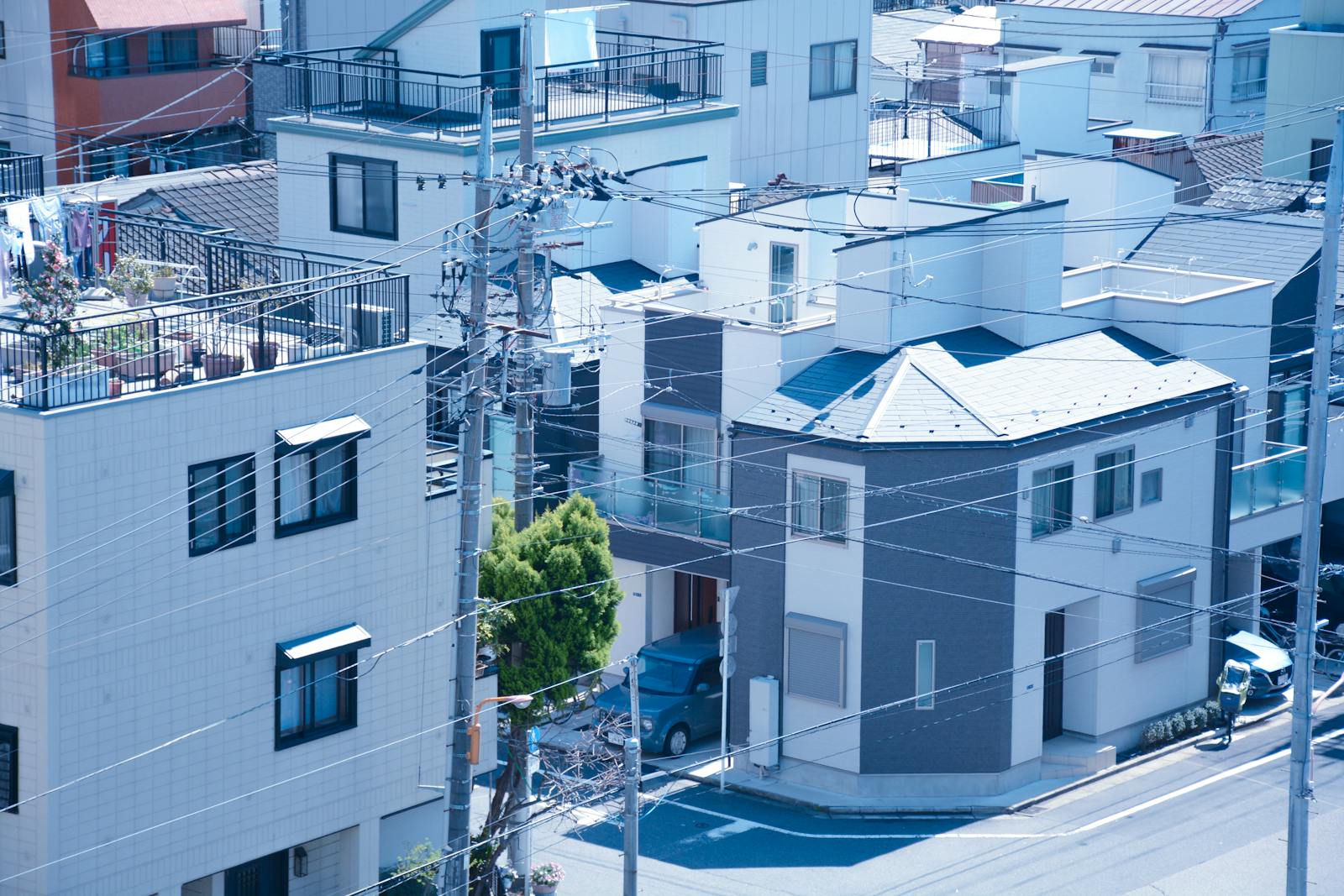
The neighborhoods below rarely appear in mainstream travel guides, but they’re where Tokyo’s true character lives. If you’ve visited the major areas before — or want to experience the city beyond the tourist trail — these are where you should go.
Shimokitazawa: Vintage, Bohemian, and Effortlessly Cool
Shimokitazawa — “Shimokita” to locals — is Tokyo’s bohemian quarter. Narrow lanes wind between vintage clothing stores, independent record shops, small-batch coffee roasters, live music venues, and hole-in-the-wall bars. It’s the neighborhood that Tokyo’s creative class calls home, and it has a laid-back energy that’s rare in the city.
Recent redevelopment added Shimokita Ekiue (a commercial space above the station) and Bonus Track (a community-oriented complex of independent shops and cafes), but the neighborhood has retained its scrappy, anti-corporate character. Vintage shopping is the main draw — stores like Flamingo, Stick Out, and dozens of unnamed shops sell carefully curated secondhand clothing at fraction of retail prices.
Shimokitazawa is just two stops from Shibuya on the Keio Inokashira Line (3 minutes), making it easy to combine with a Shibuya/Harajuku day.
Best for: Vintage shoppers, indie music fans, cafe culture, young travelers. Time needed: 2-4 hours. Station: Shimokitazawa (Keio Inokashira, Odakyu). Budget: Meals ¥600-1,500.
Yanaka: Preserved Edo-Period Charm
Yanaka is one of the few Tokyo neighborhoods that survived the 1923 Great Kanto Earthquake and WWII firebombing largely intact. The result is a neighborhood that feels like stepping back in time — narrow lanes, wooden houses, small temples on every corner, and an elderly population that maintains traditions the rest of Tokyo has largely abandoned.
Yanaka Ginza, the neighborhood’s main shopping street, is a 170-meter stretch of small family-run shops selling everything from handmade pickles to cat-themed souvenirs (Yanaka is famous for its stray cats). The street’s Yuyake Dandan stairs offer a beautiful sunset view that locals have cherished for generations.
The area surrounding Yanaka includes Nezu (home to Nezu Shrine, famous for its azalea tunnel in April-May) and Sendagi, collectively known as “Yanesen.” Walking the quiet cemetery paths, discovering hidden temples, and browsing traditional craft shops provides a Tokyo experience entirely different from the major tourist neighborhoods.
Best for: History lovers, photographers, slow travel, authentic atmosphere. Time needed: 2-3 hours. Station: Nippori or Sendagi (JR, Tokyo Metro Chiyoda). Budget: Meals ¥400-1,200.
Kagurazaka: Where Edo Meets Paris
Kagurazaka is one of Tokyo’s most fascinating neighborhoods — a former geisha district that has evolved into a unique blend of traditional Japanese and French culture. The sloping cobblestone streets, called yokocho, hide traditional ryotei (high-end Japanese restaurants), French bistros, artisan bakeries, and boutique shops behind unassuming entrances.
The French connection dates to the early 20th century, when a French school and church established the community here. Today, Kagurazaka has Tokyo’s highest concentration of French restaurants outside of luxury hotels, alongside traditional craft shops and preserved geisha houses. Akagi Shrine, redesigned by architect Kengo Kuma, is a stunning example of modern shrine architecture.
Best for: Food lovers, architecture fans, romantic atmosphere, off-the-beaten-path culture. Time needed: 2-3 hours. Station: Kagurazaka or Iidabashi (Tokyo Metro, JR). Budget: Meals ¥1,000-5,000.
What’s New in Tokyo Neighborhoods: 2026 Developments
Tokyo never stops reinventing itself. Several major developments are reshaping the city’s neighborhood landscape in 2026:
Nihonbashi: A massive redevelopment project is transforming this historic financial district. The 52-story Nihonbashi 1-chome complex (284 meters), completed in early 2026, adds a new commercial tower with retail, dining, and office space. The broader vision includes removing the expressway that currently runs above the historic Nihonbashi Bridge, restoring the area’s Edo-period grandeur.
Takanawa Gateway: JR East’s newest station on the Yamanote Line (opened 2020) anchors an entirely new neighborhood being built around it. The MoN Takanawa complex opened in March 2026 with hotels, cultural facilities, and restaurants. This area is transforming from an overlooked transit zone into a waterfront destination.
Toyosu/Ariake: The former Olympic Village area continues to develop, with new residential towers, shopping facilities, and the teamLab Borderless relocation to Odaiba nearby. The broader bay area is becoming increasingly visitor-friendly.
Shibuya: The ongoing redevelopment around Shibuya Station continues through 2027, with new commercial towers, improved pedestrian connections, and green spaces being added to one of Tokyo’s most congested areas.
Tokyo Neighborhood Cost Comparison
Budget varies dramatically by neighborhood. Here’s what to expect for accommodation and daily spending across Tokyo’s main areas:
Budget-friendly neighborhoods (hotel ¥5,000-10,000/night, daily budget ¥5,000-10,000): Asakusa, Ueno, Ikebukuro, Kinshicho. East Tokyo in general offers the best value — lower hotel rates, cheaper dining, and free temples and shrines.
Mid-range neighborhoods (hotel ¥10,000-20,000/night, daily budget ¥10,000-20,000): Shinjuku, Shibuya, Akihabara, Roppongi (outside peak). These areas offer the widest range of options — from budget ramen to mid-range restaurants, business hotels to boutique stays.
Upscale neighborhoods (hotel ¥20,000-60,000+/night, daily budget ¥20,000+): Ginza, Marunouchi, Omotesando, central Roppongi. Premium experiences, Michelin-starred dining, and luxury accommodation. The weak yen (155-160 JPY per USD in 2026) makes Tokyo’s luxury tier surprisingly accessible compared to London or Paris.
A practical tip: you don’t need to stay in an expensive neighborhood to visit it. Basing yourself in budget-friendly Asakusa or Ueno and taking the subway (¥170-320 per ride) to Ginza or Shibuya is a strategy many savvy travelers use to stretch their budget without missing any experiences.
How to Navigate Between Tokyo Neighborhoods
Tokyo’s rail system makes neighborhood-hopping remarkably efficient. Here are the key transit connections:
The Yamanote Line is your best friend. This JR loop line connects Shinjuku → Harajuku → Shibuya → Shinagawa → Tokyo → Akihabara → Ueno → Ikebukuro → and back to Shinjuku. A full loop takes about 60 minutes. Most major tourist neighborhoods sit on or near this line.
Key transit times between neighborhoods: Shinjuku to Shibuya: 5 minutes (JR). Shibuya to Harajuku: 2 minutes (JR). Shinjuku to Asakusa: 25 minutes (subway). Shibuya to Ginza: 15 minutes (subway). Ueno to Akihabara: 4 minutes (JR). Shinjuku to Ikebukuro: 5 minutes (JR). Shibuya to Shimokitazawa: 3 minutes (Keio).
Day planning strategy: Group nearby neighborhoods together. An efficient east Tokyo day covers Asakusa → Ueno → Akihabara (all connected by short subway or walking). A west Tokyo day chains Shinjuku → Harajuku → Shibuya (all within walking distance or one Yamanote stop apart). Avoid crossing the city multiple times in a single day — it’s not the travel time that tires you, it’s the station navigation.
For detailed transit information, IC card setup, and money-saving pass strategies, see our Tokyo Travel Planning Guide.
Explore Each Tokyo Neighborhood in Depth
Ready to go deeper? Every headline district below now has its own full guide — what to see, where to eat, how to get there, and the mistakes to skip. Pick whichever fits your trip:
- Shibuya guide — the scramble crossing, Shibuya Sky, shopping and nightlife in Tokyo’s trend capital.
- Akihabara guide — electronics, anime, retro arcades and maid cafes in Electric Town.
- Asakusa guide — Senso-ji, Nakamise street food and the most traditional corner of Tokyo.
- Harajuku guide — Takeshita Street, Meiji Shrine, Omotesando and kawaii culture.
- Ginza guide — luxury flagships, depachika food halls and world-class dining.
- Ueno guide — the museum cluster, Ueno Park and the Ameyoko market.
- Odaiba guide — the bayfront island, Rainbow Bridge and family-friendly attractions.
- Roppongi guide — the Art Triangle, sky-high observation decks and after-dark Tokyo.
- Ikebukuro guide — Sunshine City, Otome Road and one of Tokyo’s great ramen battlegrounds.
- Shimokitazawa guide — vintage shops, indie cafes and live music in Tokyo’s bohemian quarter.
- Yanaka guide — preserved shitamachi lanes, temples and the famous sunset stairs.
Frequently Asked Questions About Tokyo Neighborhoods
What are the main neighborhoods in Tokyo for tourists?
The six essential neighborhoods for first-time visitors are Shinjuku (transit hub, nightlife, city views), Shibuya (youth culture, Shibuya Crossing), Asakusa (temples, traditional culture), Harajuku (fashion, Meiji Shrine), Ginza (luxury shopping, fine dining), and Akihabara (electronics, anime). With more time, add Ueno (museums), Roppongi (art, nightlife), and Odaiba (waterfront entertainment). Most visitors can comfortably cover the essential six in 3-4 days.
Which Tokyo neighborhood is best for first-time visitors?
Shinjuku is the most practical base for first-time visitors. It has the city’s largest and best-connected station (reaching anywhere in Tokyo within 30 minutes), a wide range of hotels at every price point, excellent dining from budget ramen to upscale izakaya, and nightlife options like Golden Gai. Asakusa is the best alternative if you prefer a more traditional, budget-friendly atmosphere and don’t mind being 25-30 minutes from the western neighborhoods by subway.
Are there any Tokyo neighborhoods to avoid?
Tokyo is extremely safe citywide — there are no neighborhoods that tourists need to “avoid” in the way you might in some other major cities. The only area requiring mild caution is Kabukicho in Shinjuku at night, where touts may try to lure tourists into overpriced bars. The simple rule: never follow someone who approaches you on the street offering a deal. Say “no thank you” and walk away. Beyond that, Tokyo is remarkably safe for all travelers, including solo women, at all hours.
How many neighborhoods can I visit in one day?
Realistically, 2-3 neighborhoods per day allows for a meaningful experience without exhausting yourself. Tokyo involves a lot of walking — the average tourist covers 10-15 miles (15-25 km) per day. Group adjacent neighborhoods together: Shibuya + Harajuku + Omotesando is a natural combo, as is Asakusa + Ueno + Akihabara. Trying to see more than three areas in one day typically means you’re rushing through each one and spending more time in stations than actually experiencing the neighborhoods.
Which Tokyo neighborhood has the best food?
Every neighborhood excels at something different. Shinjuku has the best ramen alleys and izakaya scene. Asakusa offers the most authentic traditional street food and tempura. Ginza has the highest concentration of Michelin-starred restaurants. Tsukiji Outer Market (between Ginza and the bay) remains the best spot for fresh seafood. For the widest variety at the best value, Shinjuku is hard to beat — you can eat extraordinarily well for under ¥1,000 per meal at its countless small restaurants.
This guide is part of our comprehensive TokyoTourism.org resource library. For deep dives into each neighborhood mentioned here, check our individual neighborhood guides as they publish: Tokyo Travel Planning covers the full trip framework, and upcoming guides will detail each district with restaurant recommendations, walking routes, and insider tips. Bookmark this page — we update it regularly as Tokyo’s neighborhoods continue to evolve.
Keep Planning Your Tokyo Trip
Ready to go deeper? Start with our in-depth Shinjuku neighborhood guide — the busiest, most layered district of them all. Night owls should pair it with the Tokyo nightlife guide, while shoppers will want our district-by-district shopping rundown. To turn these districts into a plan, see which sights are worth your time and our advice on where to stay in Tokyo. Hungry between stops? Our guide to eating across Tokyo maps the best eats by neighborhood.