Where to Stay in Tokyo · Guide №005
Where to Stay in Tokyo: The Definitive Neighborhood & Hotel Guide

目次 — Contents
- Tokyo’s Best Neighborhoods for Visitors: A Complete Guide
- Tokyo Accommodation Types Explained
- Tokyo Hotel Prices in 2026: What to Expect & Budget
- New Hotels Opening in Tokyo: 2025–2026
- Best Neighborhood by Traveler Type
- Smart Booking Strategies for Tokyo Hotels
- Practical Tips for Tokyo Accommodation
- Tokyo Accommodation Guides: Pick the Right Stay
- Frequently Asked Questions
- Keep Planning Your Tokyo Trip
This article contains advertising. Our booking links are routed through a partner that adds commission tracking automatically, so if you book through one we earn a commission from the provider, at no extra cost to you. It never affects what we recommend. Affiliate disclosure
Figuring out where to stay in tokyo is one of the most important decisions you’ll make when planning your trip — and one of the most overwhelming. Tokyo spans 2,194 square kilometers with 23 special wards, each with a distinct personality, and the sheer number of accommodation options runs from ¥2,000 capsule pods to ¥200,000-per-night luxury suites. The neighborhood you choose will fundamentally shape your Tokyo experience.
Here’s the good news: Tokyo’s train network is so efficient that you’re never truly far from anything. A 20-minute train ride can transport you between completely different worlds — from the neon chaos of Kabukicho to the peaceful temple gardens of Yanaka. That said, staying in the right area for your travel style saves you time, energy, and money. A family with young children has very different needs from a solo traveler looking for nightlife, and a first-time visitor wants different things than someone returning for their third trip.
This guide breaks down Tokyo’s best neighborhoods for visitors, explains every accommodation type, covers current 2026 pricing and tax changes, and gives you practical booking strategies to get the most value. Whether you’re budgeting ¥3,000 per night or ¥50,000, you’ll find your perfect Tokyo base here.
Tokyo’s Best Neighborhoods for Visitors: A Complete Guide
Choosing where to stay in Tokyo comes down to what you want within walking distance and how you want your evenings to feel. Here are the top neighborhoods for visitors, ranked by overall convenience and appeal.
Shinjuku: Best for First-Time Visitors & Nightlife
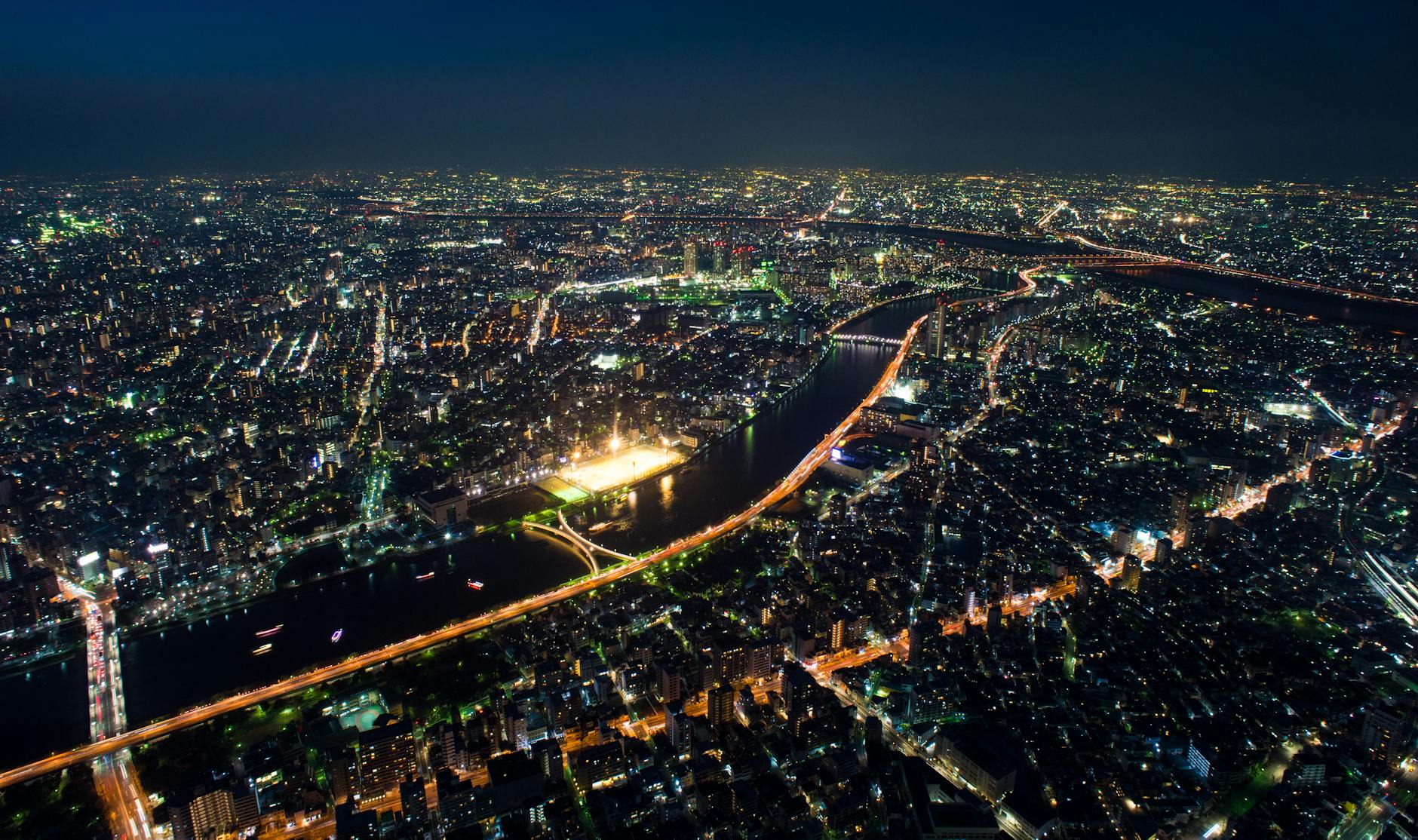
Shinjuku is the single most popular area for tourists — and for good reason. Shinjuku Station is the world’s busiest railway hub, connecting you to virtually every corner of Tokyo and beyond. The neighborhood packs an extraordinary range of experiences into a compact area: the serene paths of Shinjuku Gyoen park, the electric atmosphere of Kabukicho entertainment district, the tiny atmospheric bars of Golden Gai, and the smoky yakitori alleys of Omoide Yokocho.
Best for: First-time visitors, nightlife seekers, solo travelers. Budget range: Business hotels ¥8,000–15,000/night, mid-range ¥15,000–30,000, luxury ¥30,000–80,000. The west side of Shinjuku Station is quieter and more business-oriented (Park Hyatt, Hilton), while the east side is livelier and closer to dining and entertainment. Transit advantage: Direct JR, Metro, and private rail lines to every major area; Narita Express and Limousine Bus access.
Shibuya: Best for Trendy Travelers & Shopping
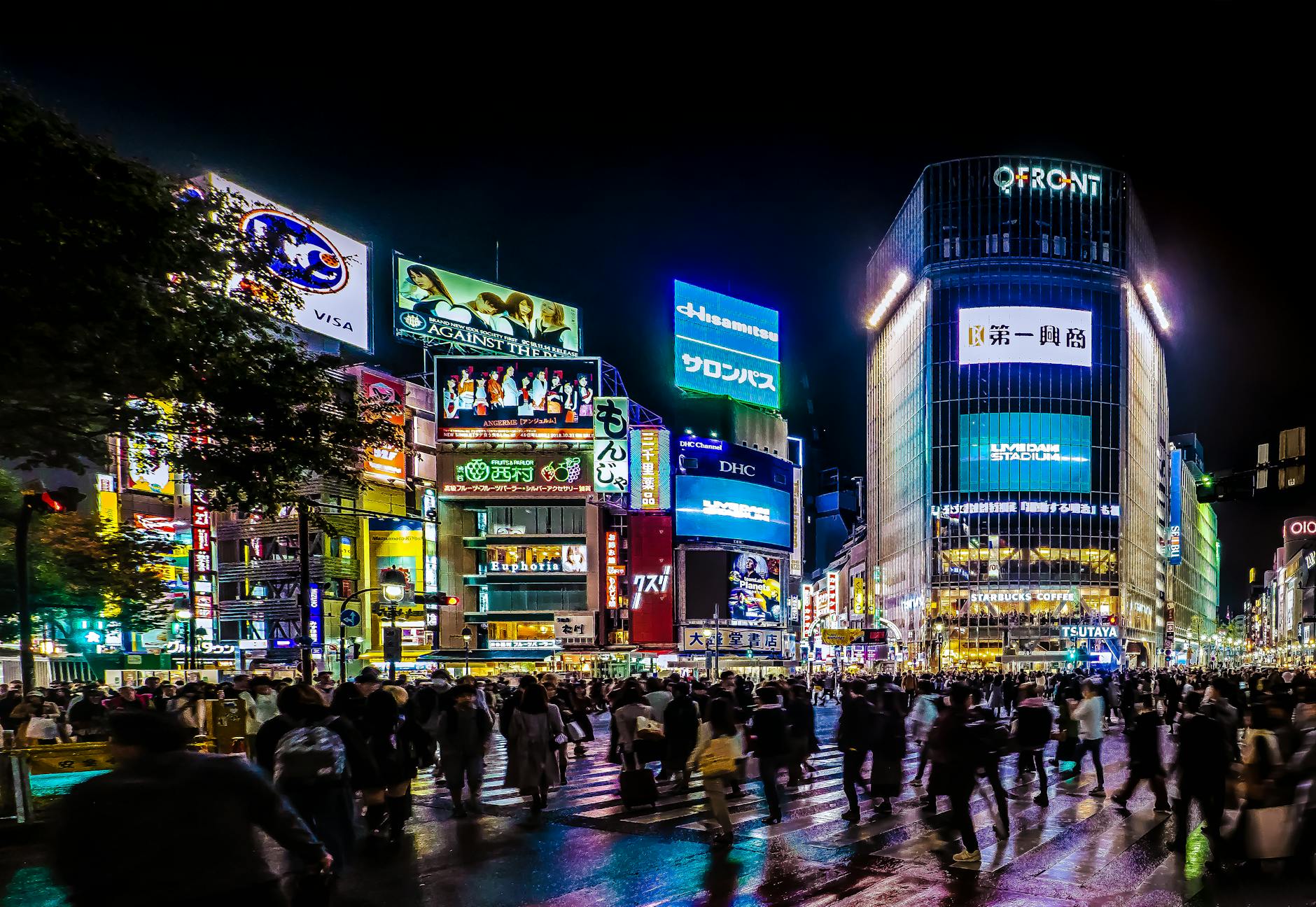
Shibuya is Tokyo’s center of youth culture, fashion, and nightlife. The iconic Shibuya Crossing, the labyrinthine shopping streets, and the constantly evolving restaurant scene make it one of Tokyo’s most dynamic neighborhoods. Recent redevelopment projects — including Shibuya Stream, Scramble Square, and Miyashita Park — have transformed the area into a sleek urban hub that balances tradition with modernity.
Best for: Younger travelers, couples, shopping enthusiasts. Budget range: Hostels ¥3,000–5,000, business hotels ¥10,000–18,000, boutique hotels ¥20,000–50,000. Shibuya’s hotel options have expanded significantly since 2020, with many newer properties offering excellent value. The area around Shibuya Stream and the south exit tends to be quieter at night while still being a short walk from the action. Transit advantage: Major hub for JR Yamanote Line, Ginza Line, Hanzomon Line, and Tokyu lines to Yokohama.
Ginza & Tokyo Station: Best for Luxury & Business
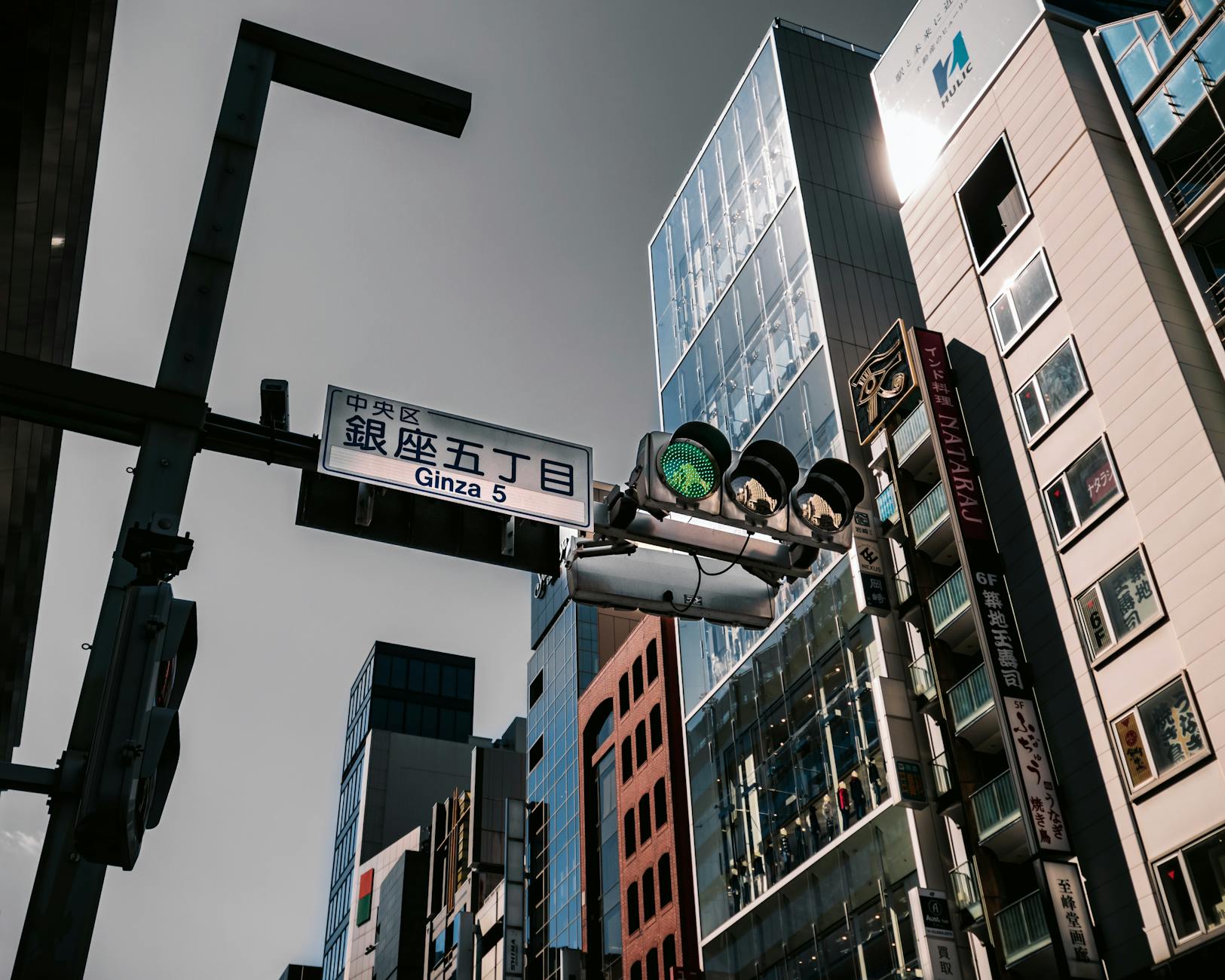
Ginza is Tokyo’s most prestigious district — home to flagship luxury boutiques, department stores, art galleries, and the city’s highest concentration of Michelin-starred restaurants. Neighboring Tokyo Station/Marunouchi is the commercial heart of the city, with excellent transit connections including the Shinkansen bullet train platforms for day trips.
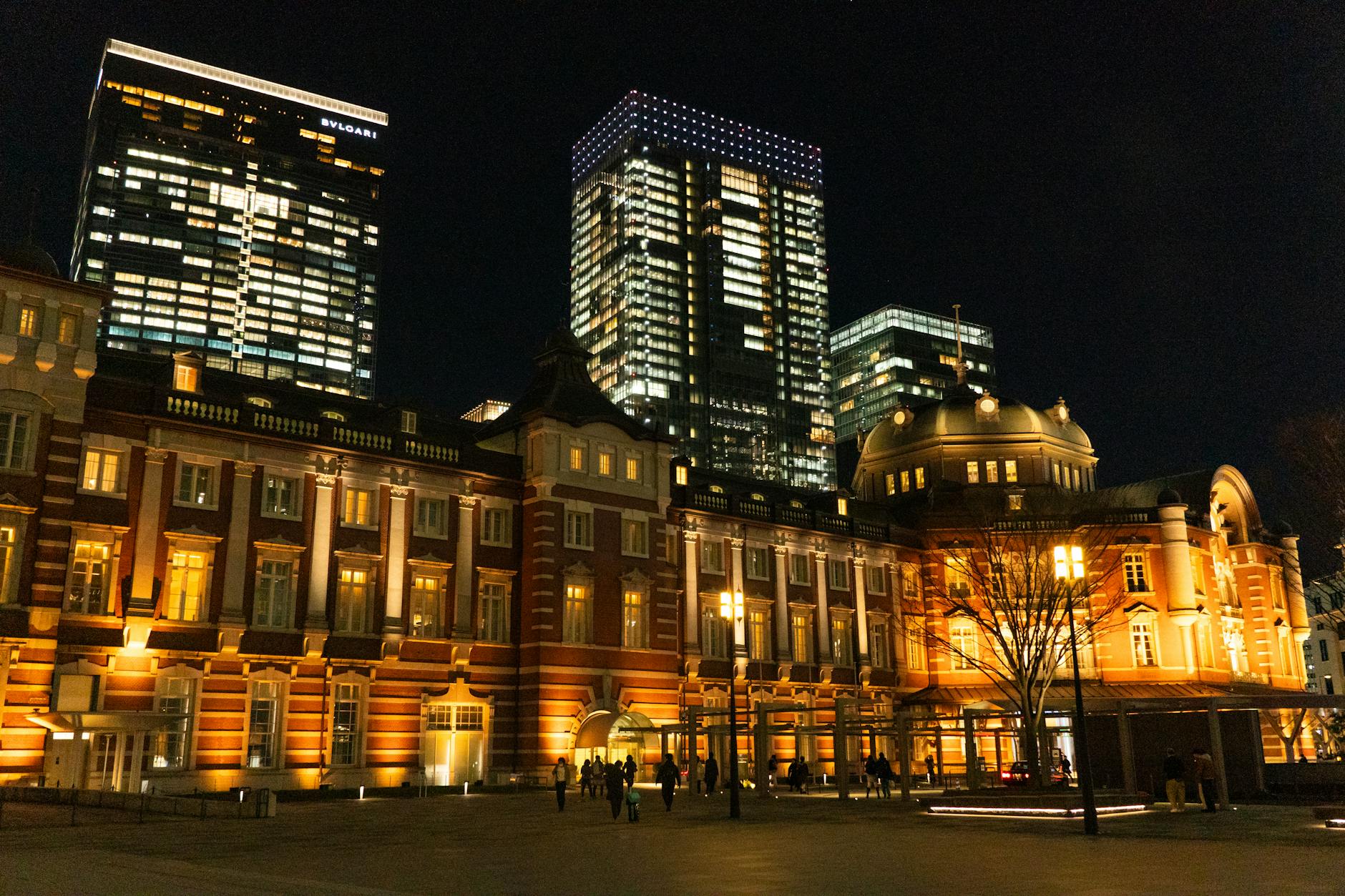
Best for: Luxury travelers, business visitors, Shinkansen day-trippers. Budget range: Mid-range ¥15,000–25,000, luxury ¥30,000–100,000+. The area around Tokyo Station has seen massive development, with new hotels like the RHUMB LINE Tokyo (opening May 2026) near Yaesu Exit. The Nihonbashi area adjacent to Tokyo Station is rapidly becoming a premium hotel destination, with the Waldorf Astoria Nihonbashi tower arriving in 2026. Transit advantage: Shinkansen hub for day trips to Hakone, Kamakura, Nikko; direct airport access; central location for all Metro lines.
Asakusa & Ueno: Best for Culture & Budget Travelers
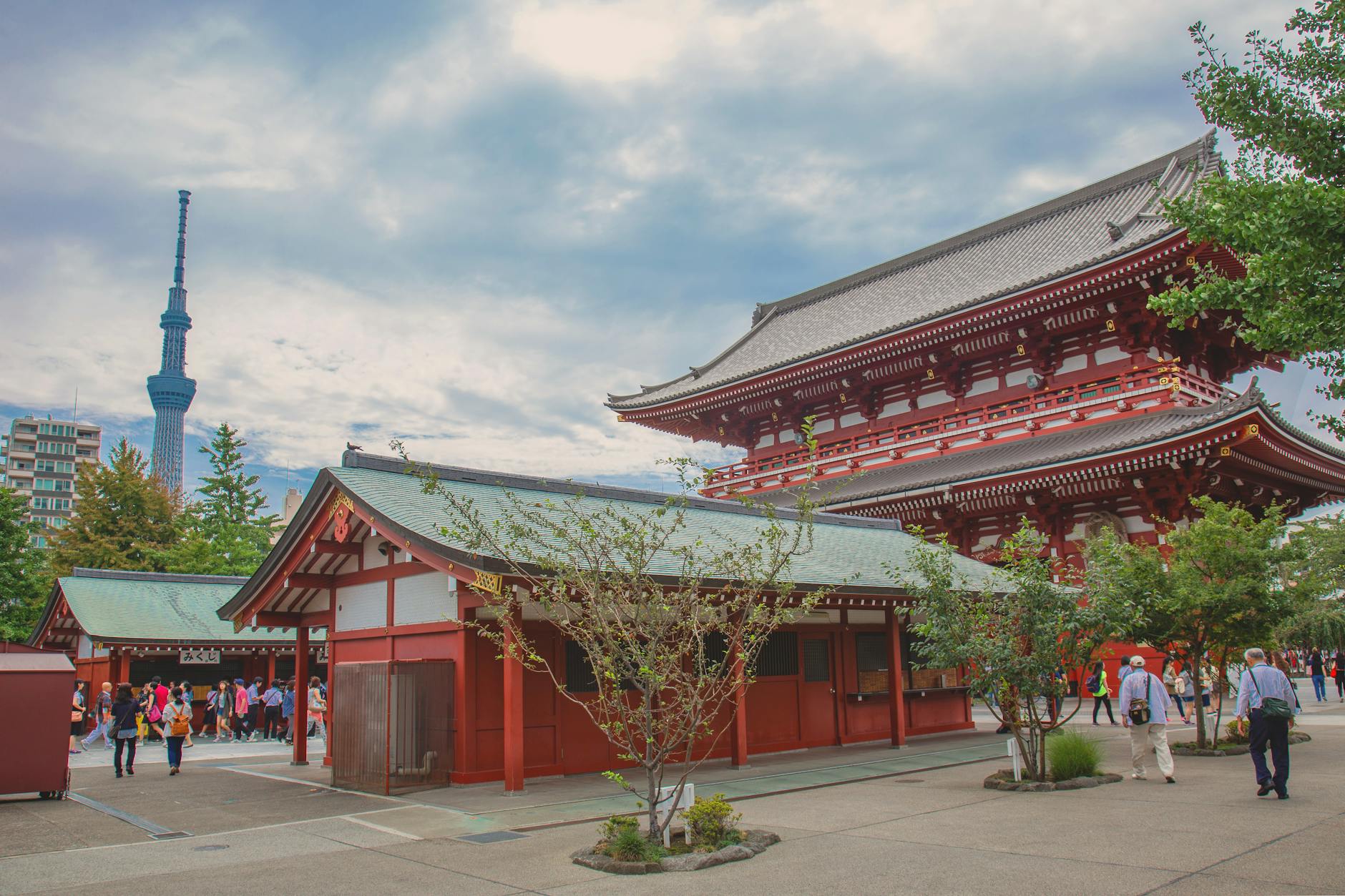
Asakusa is Tokyo’s old town — the atmospheric neighborhood surrounding Senso-ji temple, with traditional shopping streets, old-school izakayas, and a distinctly nostalgic atmosphere that feels worlds apart from Shinjuku or Shibuya. Nearby Ueno offers a major park, world-class museums, and the bustling Ameyoko market.
Best for: Budget travelers, culture enthusiasts, families. Budget range: Hostels ¥2,500–4,000, budget hotels ¥6,000–12,000, mid-range ryokan ¥15,000–30,000. Asakusa has Tokyo’s best concentration of affordable accommodation, including some excellent ryokan (traditional inns) that let you experience tatami rooms and futon sleeping at reasonable prices. The Narita Express stops at Ueno, making airport access convenient. Transit advantage: Ginza and Asakusa Metro lines, Tobu railways to Nikko; Skyliner to Narita from Ueno.
Roppongi & Akasaka: Best for Arts & International Dining
Roppongi has evolved far beyond its reputation as a nightlife-only district. Roppongi Hills, Tokyo Midtown, and the National Art Center make it a major cultural hub by day, while an excellent international restaurant scene caters to Tokyo’s cosmopolitan community. Neighboring Akasaka offers quieter, more refined options near government buildings and embassies.
Best for: Art lovers, international food enthusiasts, expat travelers. Budget range: Mid-range ¥15,000–25,000, luxury ¥35,000–90,000. The area has some of Tokyo’s most iconic luxury properties (The Ritz-Carlton, Grand Hyatt, Aman Tokyo nearby). The nightlife scene can make the immediate Roppongi Crossing area noisy on weekends — choose streets a block or two away for quieter stays. Transit advantage: Hibiya and Oedo Metro lines; central location between Shibuya and Ginza.
Ikebukuro: Best for Budget & Anime Fans
Ikebukuro is a major transit hub on the Yamanote Line that offers significantly lower hotel prices than Shinjuku or Shibuya while providing similar convenience. The area around Sunshine City is a hub for anime and manga culture, and the east side has a vibrant food scene with excellent Chinese, Korean, and Japanese restaurants. West Ikebukuro is home to the impressive Rikkyo University campus and quieter residential streets.
Best for: Budget travelers, anime enthusiasts, families visiting theme parks. Budget range: Capsules ¥2,500–4,000, business hotels ¥7,000–12,000, mid-range ¥12,000–20,000. Ikebukuro often offers 20–30% lower prices than equivalent hotels in Shinjuku, just two stops away on the Yamanote Line. Transit advantage: Major Yamanote Line station; Seibu and Tobu lines to northern suburbs and day trip destinations.
Emerging Neighborhoods: Yanaka, Kiyosumi-Shirakawa & Shimokitazawa
For travelers seeking an authentic, off-the-beaten-path Tokyo experience, these neighborhoods are increasingly popular alternatives. Yanaka is a preserved Edo-era neighborhood with narrow lanes, small temples, independent cafés, and artisan workshops — it feels like stepping back in time. Kiyosumi-Shirakawa has emerged as Tokyo’s artsy coffee district, with converted warehouse galleries and specialty roasters. Shimokitazawa offers a bohemian vibe with vintage shops, live music venues, and affordable dining.
These areas have fewer hotels but excellent guesthouse and Airbnb options in the ¥5,000–12,000 range. Transit connections are generally one transfer away from major hubs. The trade-off — fewer tourist facilities and less English signage — is part of the appeal for experienced travelers wanting to live like a local.
Tokyo Accommodation Types Explained
Tokyo offers a wider range of accommodation styles than almost any other city. Understanding your options helps you get the best experience for your budget.
Hotels (Business, Mid-Range & Luxury)
Business hotels (¥7,000–15,000/night) are Japan’s answer to efficient, affordable lodging. Rooms are compact — typically 12–18 square meters — but impeccably clean, with everything you need: comfortable bed, private bathroom, WiFi, and often a coin laundry on-site. Major chains include Toyoko Inn, APA Hotel, Dormy Inn (known for excellent in-house onsen baths), and Hotel Mystays. These are the backbone of budget-friendly Tokyo travel. Mid-range hotels (¥15,000–35,000) offer larger rooms, better amenities, and often superior locations. Luxury hotels (¥35,000–200,000+) include world-class international brands alongside uniquely Japanese properties like Hoshinoya Tokyo, which offers a ryokan experience inside a Marunouchi skyscraper.
Ryokan: Traditional Japanese Inns
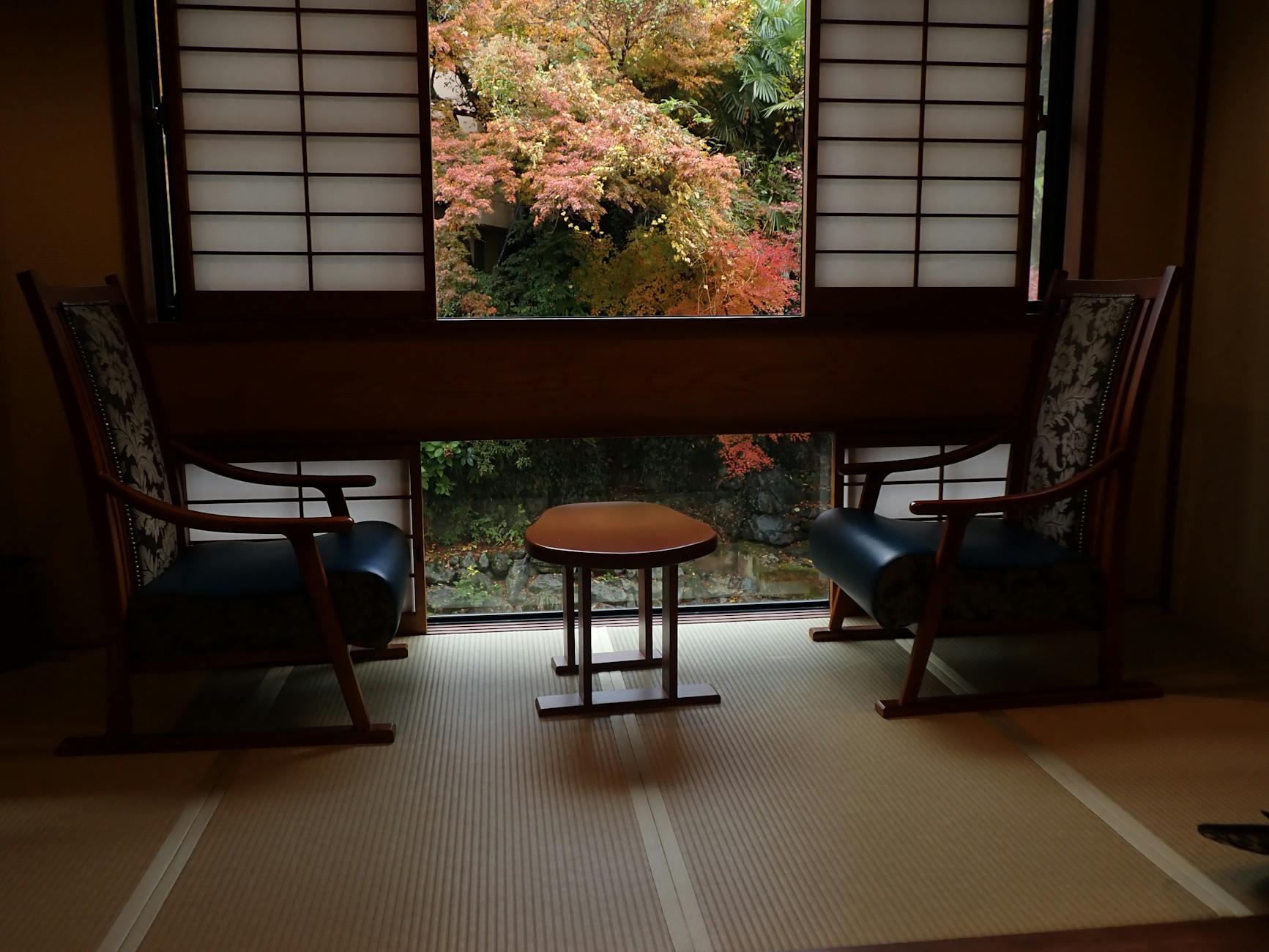
A ryokan stay is one of Japan’s most memorable experiences. You sleep on futon bedding laid on tatami mat floors, wear a yukata (casual kimono), and often enjoy communal or private onsen baths and multi-course kaiseki dinners. Tokyo has ryokan at every price point: budget-friendly establishments in Asakusa and Ueno offer tatami rooms for ¥8,000–15,000 without meals, while premium ryokan experiences run ¥30,000–80,000 including dinner and breakfast. Tip: Even if you don’t stay at a ryokan for your entire trip, booking one night gives you a cultural experience that enhances any Tokyo itinerary.
Capsule Hotels
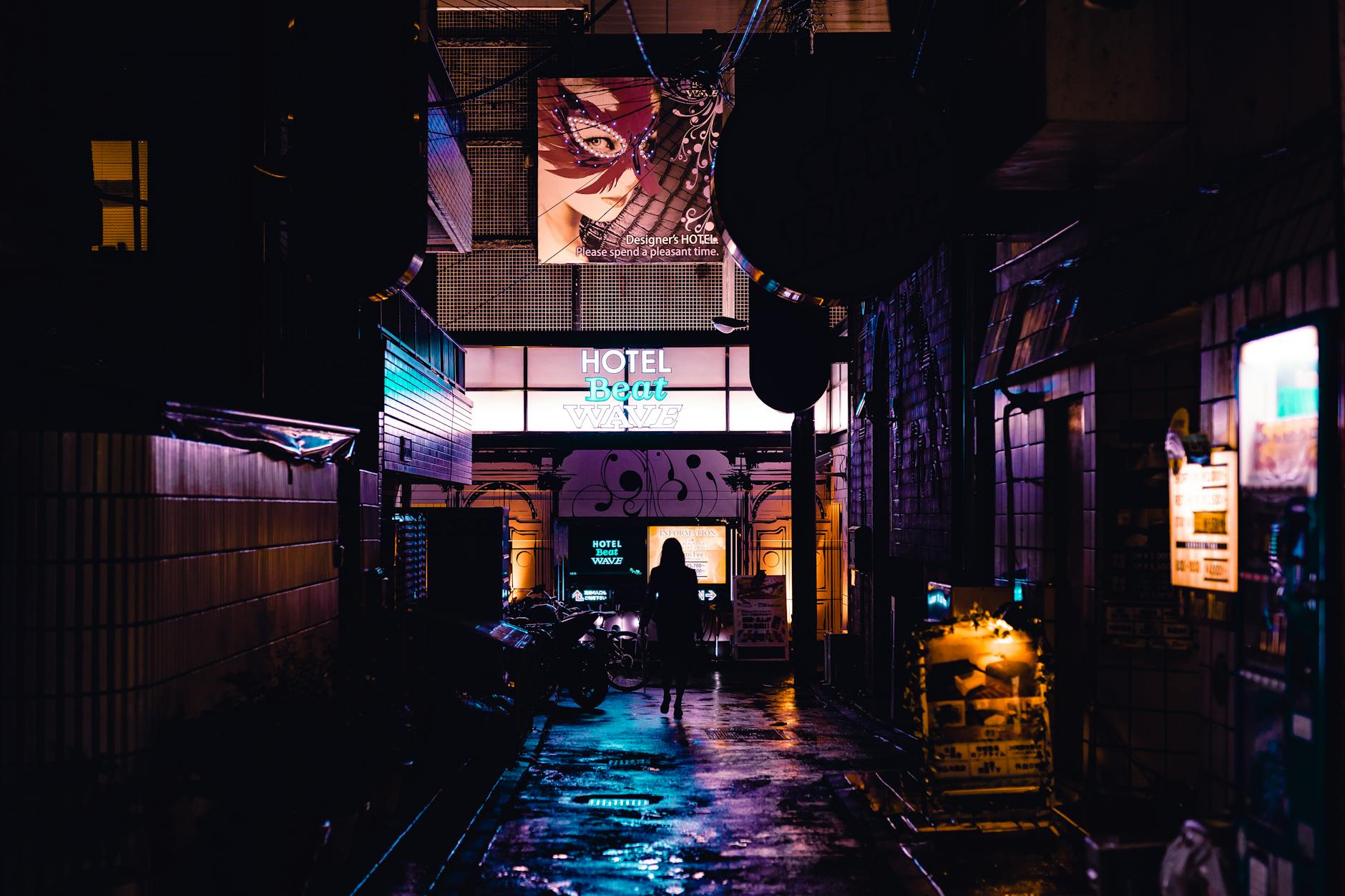
Capsule hotels are a quintessentially Tokyo invention — and modern capsule hotels bear little resemblance to the cramped pods of the past. Today’s capsule hotels like Nine Hours, The Millennials, and First Cabin offer sleek, well-ventilated pods with charging ports, privacy curtains, and surprisingly comfortable mattresses for ¥2,500–6,000 per night. Shared facilities typically include showers, lounges, and luggage storage. Most capsule hotels are gender-separated by floor. They’re perfect for solo travelers, short stays, or anyone wanting a uniquely Japanese experience on a budget. Note: Not ideal for couples or families due to the single-occupancy pods and shared facilities.
Hostels, Guesthouses & Serviced Apartments
Hostels and guesthouses (¥2,000–5,000 for dorms, ¥6,000–12,000 for private rooms) have blossomed in Tokyo, with many offering design-forward spaces and excellent common areas for socializing. Look for properties in Asakusa, Kuramae, and Sumida for the best value. Serviced apartments (¥10,000–30,000/night) are ideal for longer stays of a week or more, offering kitchens, washing machines, and more space than hotels at comparable prices. Platforms like Oakwood, Tokyu Stay, and Mimaru (designed for families with kitchenettes and dining tables) specialize in apartment-style accommodations.
Tokyo Hotel Prices in 2026: What to Expect & Budget
Tokyo accommodation pricing has shifted significantly since the post-pandemic tourism boom. Here’s what to budget in 2026.
Average nightly rates by category: Budget/capsule ¥2,500–6,000 ($17–40), business hotels ¥8,000–15,000 ($54–100), 3-star hotels approximately $126/night, 4-star hotels approximately $217/night, 5-star luxury hotels approximately $391/night. These averages vary dramatically by neighborhood — Ginza and Marunouchi average 30–40% higher than Asakusa or Ikebukuro for equivalent star ratings.
Seasonal pricing patterns: The most expensive months are late March through mid-April (cherry blossom season), Golden Week (late April–early May), mid-November (autumn foliage season), and late December (New Year). The cheapest periods are January (post–New Year), June (rainy season), and late August–September (summer heat). Booking during off-peak periods can save 20–40% compared to peak season prices.
2026 Tax Changes You Need to Know
Important update: As of March 1, 2026, Tokyo’s accommodation tax is now charged separately from the room rate at checkout rather than being included in the displayed price. This means the price you see when booking may not include the tax. Current accommodation tax rates: ¥100 per person per night for rooms ¥10,000–14,999, and ¥200 per person per night for rooms ¥15,000 and above. Additionally, Japan’s international departure tax is tripling from ¥1,000 to ¥3,000 effective July 2026, which adds to overall travel costs. While not a hotel charge, it’s worth factoring into your total budget.
New Hotels Opening in Tokyo: 2025–2026
Tokyo’s hotel landscape is expanding rapidly, with several major openings bringing new options for visitors in 2025 and 2026.
JW Marriott Hotel Tokyo (opened 2025) — Marriott’s luxury JW brand arrives in Tokyo with a premium property that raises the bar for service and amenities. Located in a convenient central location with signature dining and spa facilities.
Waldorf Astoria Residences Tokyo Nihonbashi (2026) — Part of the massive Nihonbashi 52-story redevelopment project, this ultra-luxury property brings the Waldorf Astoria brand to Tokyo for the first time, anchoring the transformation of the Nihonbashi financial district into a mixed-use destination with commercial, cultural, and residential components.
RHUMB LINE Tokyo (May 2026) — A stylish new hotel near Tokyo Station’s Yaesu Exit, perfectly positioned for Shinkansen travelers and business visitors. The location provides easy access to both the Marunouchi business district and the developing Yaesu area.
Other notable openings: Oimachi Tracks Metropolitan Hotel (a transit-integrated property above Oimachi Station), CROSS Suites Asakusa (summer 2026, apartment-style suites ideal for families), and several boutique properties in the rapidly developing Takanawa and Shinagawa corridor near the MoN cultural venue that opened March 2026.
Best Neighborhood by Traveler Type
Different travelers have different priorities. Here’s where to stay based on your travel style.
First-time visitors: Shinjuku (west side for calm, east side for energy) or Tokyo Station/Marunouchi for central access. Both offer unbeatable transit connections that minimize the learning curve of navigating Tokyo’s rail system.
Families with children: Ueno (zoo, museums, parks, affordable hotels with larger rooms) or Odaiba (TeamLab, Legoland Discovery Center, beaches). Also consider Mimaru apartment hotels in any neighborhood — their family-friendly rooms with kitchenettes and separate sleeping areas are specifically designed for families. Asakusa’s flat terrain is also stroller-friendly.
Couples: Shibuya/Ebisu (trendy restaurants, bars, walking-distance nightlife) or Ginza (upscale dining, cocktail bars, department store shopping). For a romantic splurge, book one night at a ryokan with a private onsen bath — the experience is unforgettable.
Solo travelers: Shinjuku (Golden Gai’s tiny bars are perfect for meeting people, and the area is safe and lively until late) or Asakusa/Kuramae (excellent hostel scene with social common areas, affordable solo dining at counter restaurants). Capsule hotels in Shinjuku or Shibuya offer ultra-budget solo stays.
Budget travelers: Ikebukuro (20–30% cheaper than Shinjuku, two Yamanote Line stops away), Asakusa (cheapest district with good transit), or Nishi-Shinjuku (business hotel concentration with competitive rates). Staying one stop outside a major hub consistently saves ¥2,000–5,000 per night.
Digital nomads & long stays: Shimokitazawa (great cafés with WiFi, affordable serviced apartments), Kiyosumi-Shirakawa (specialty coffee culture, creative community), or Nakano (residential calm with easy Shinjuku access). Look for weekly/monthly discount rates at Tokyu Stay, Hotel Mystays, or IYASAKA apartment hotels.
Accessibility needs: Newer hotels in Tokyo Station/Marunouchi and Shibuya generally offer the best accessible rooms and barrier-free design. Major international chains (Hyatt, Marriott, Hilton) consistently meet international accessibility standards. The areas around major stations tend to have the most wheelchair-accessible infrastructure, including elevators at all station exits.
Smart Booking Strategies for Tokyo Hotels
When and how you book can make a significant difference in what you pay for Tokyo accommodation.
Booking window: The sweet spot for the best rates is typically one to two months before your stay for standard periods. For peak seasons (cherry blossom in late March–April, Golden Week, autumn foliage November, New Year), book four to six months ahead — popular properties sell out fast and prices climb steeply as dates approach. Last-minute booking in Tokyo rarely yields discounts the way it does in some other cities.
Best booking platforms: Booking.com and Agoda typically have the widest selection of Tokyo properties with free cancellation options. Rakuten Travel (Japan’s largest travel platform) often has exclusive domestic hotel deals not available on international platforms — it has an English version and is worth checking for business hotels and ryokan. Japanican (JTB’s booking site) specializes in ryokan and traditional accommodations with detailed English descriptions. For luxury properties, booking directly through the hotel’s website often yields the best rates and perks.
The Yamanote Line strategy: Tokyo’s circular Yamanote Line connects all major tourist neighborhoods. Any hotel within a 5–10 minute walk of a Yamanote Line station gives you convenient access to the entire city. If your ideal neighborhood is over budget, look one or two stations along the Yamanote Line — prices often drop significantly while convenience barely changes. For example, Otsuka and Komagome (between Ikebukuro and Ueno) offer excellent budget options with fast connections everywhere.
Room type tips: Japanese hotel rooms are measured in square meters, not categories. A 15m² room is standard for business hotels; 25m² feels spacious; 35m²+ is luxury-class. Important Japanese distinction: ‘Twin’ rooms have two single beds (ideal for friends traveling together), while ‘Double’ rooms have one double bed (for couples). ‘Semi-double’ means a slightly wider-than-single bed in a compact room — fine for one person, tight for two. Many Japanese hotels also offer ‘Triple’ rooms with an extra bed, which can be the best family value.
Practical Tips for Tokyo Accommodation
Check-in/Check-out: Standard check-in is 3:00 PM and check-out is 10:00–11:00 AM. Most hotels will store your luggage before check-in and after check-out at no charge. For early arrivals from international flights, this is invaluable — drop your bags at the hotel, explore the neighborhood, and return to check in later.
WiFi & connectivity: Nearly all Tokyo hotels provide free WiFi, and it’s typically reliable and fast. Many business hotels also have LAN cable connections for faster speeds. Consider renting a pocket WiFi device or purchasing an eSIM for connectivity while you’re out exploring — your hotel’s front desk can often help arrange this.
Amenities & surprises: Japanese hotels commonly provide amenities you might not expect: yukata robes for lounging, slippers, toothbrushes, razors, and hair dryers in every room. Many business hotels include a free breakfast or charge a very reasonable ¥500–1,000 for a surprisingly good buffet. Dormy Inn properties stand out for including complimentary late-night ramen and excellent in-house onsen baths — they’re consistently one of the best values in Tokyo accommodation.
Cash vs. cards: Major hotel chains accept credit cards universally, but some smaller ryokan, guesthouses, and budget accommodations may be cash-only or cash-preferred. Always confirm payment methods when booking smaller properties. The front desk at most hotels can also help you locate the nearest ATM — 7-Eleven and Japan Post ATMs work with most international cards.
Tokyo Accommodation Guides: Pick the Right Stay
Once you’ve settled on a neighborhood, the next question is what kind of room to book — and Tokyo gives you more choice than almost any city on earth. These in-depth guides break down each option by price, area, and traveler type so you can match the stay to your trip:
- Tokyo capsule hotels — how the pods actually work, the best chains, prices, and the etiquette nobody tells you about.
- Budget hotels and hostels under $50 — business hotels, dorms, and guesthouses that keep a Tokyo trip affordable.
- Best hotels in Shinjuku — where to stay around Tokyo’s busiest transport hub, from skyscraper views to capsules.
- Best hotels in Shibuya — sleep within walking distance of the Scramble, by budget tier.
- Best luxury hotels in Tokyo — the five-star and ultra-luxury stays worth the splurge, compared side by side.
- Best family hotels in Tokyo — bigger rooms, connecting options, and kid-friendly locations near the attractions.
- Tokyo Airbnb guide — is it legal, how to spot a licensed listing, and the best areas for a vacation rental.
Frequently Asked Questions
Is Tokyo expensive for accommodation?
Tokyo can be surprisingly affordable compared to other major world cities. Business hotels and capsule hotels offer clean, safe accommodation for ¥3,000–12,000 per night ($20–80), which is often less than equivalent quality in London, Paris, or New York. The high end is comparably priced to other luxury markets, but mid-range and budget options offer exceptional value.
How far in advance should I book?
For standard travel periods, one to two months ahead is sufficient. For cherry blossom season (late March–mid April), Golden Week, or New Year, book four to six months ahead. Popular ryokan and unique properties (like Hoshinoya Tokyo) should always be booked as early as possible regardless of season.
Should I stay in one area or move around?
For trips of five days or fewer, staying in one neighborhood is most efficient — you avoid repacking and losing transit time. For longer trips of seven or more days, splitting your stay between two contrasting neighborhoods (e.g., Shinjuku for the first half, Asakusa for the second) gives you a richer experience and effectively doubles your walking-distance dining and exploring options.
Are Tokyo hotels safe?
Extremely safe. Tokyo is consistently ranked among the safest major cities in the world. Hotels at every price point maintain high security standards, and leaving valuables in your room carries virtually zero risk. Solo female travelers regularly report feeling completely safe in all of the neighborhoods listed in this guide, at all hours.
What about Airbnb in Tokyo?
Airbnb is legal in Tokyo but regulated under Japan’s minpaku law, which limits most private rentals to 180 days per year and requires hosts to be registered. The selection is smaller than pre-regulation days, but licensed properties offer a reliable apartment experience. Serviced apartment hotels (Mimaru, Tokyu Stay) are often a better option — they provide apartment-style living with the reliability and services of a hotel, including front desk support, daily housekeeping, and proper fire safety.
Do I need to speak Japanese to check into a hotel?
No. The vast majority of Tokyo hotels — from budget chains to luxury properties — have English-speaking front desk staff or at minimum a translation system. International chain hotels are fully bilingual. Even smaller business hotels typically handle check-in with a combination of basic English, printed forms, and increasingly, automated check-in kiosks with multilingual interfaces.
Keep Planning Your Tokyo Trip
Want a traditional stay? Don’t miss our pick of the best ryokan in Tokyo for tatami rooms and onsen baths. To choose an area, read our breakdown of each district and our detailed look at staying in Shinjuku — one of the most convenient bases in the city. Travelling as a family? See our Tokyo guide for parents, and tie it all together with our full trip-planning guide.
