Best Things to Do in Tokyo · Guide №006
Best Things to Do in Tokyo: 50+ Attractions, Activities & Experiences
目次 — Contents
- Top 10 Must-See Tokyo Attractions
- Temples, Shrines & Traditional Culture
- Modern Attractions & Unique Experiences
- New in 2026: Latest Attractions & Openings
- Neighborhoods Worth Exploring
- Parks, Gardens & Outdoor Spaces
- Shopping Districts & Retail Experiences
- Practical Planning Tips
- Frequently Asked Questions
- Tokyo’s Top Attractions: In-Depth Guides
- Keep Planning Your Tokyo Trip
This article contains advertising. Our booking links are routed through a partner that adds commission tracking automatically, so if you book through one we earn a commission from the provider, at no extra cost to you. It never affects what we recommend. Affiliate disclosure
Finding the best things to do in tokyo is both thrilling and overwhelming — this city offers more experiences per square kilometer than virtually anywhere else on Earth. Tokyo is home to over 100,000 restaurants, 3,000 temples and shrines, world-class museums, and attractions that exist nowhere else. From ancient Shinto ceremonies at dawn to robot cabaret shows at midnight, Tokyo compresses centuries of culture and bleeding-edge modernity into a single electric metropolis.
What makes Tokyo extraordinary is its range. You can spend a contemplative morning walking the forested paths of Meiji Shrine, eat the world’s best ramen for lunch, browse cutting-edge fashion in Harajuku, watch the organized chaos of Shibuya Crossing at sunset, and end the night singing karaoke in a tiny Golden Gai bar — all without taking a taxi. Every neighborhood is a different world, and every day reveals something you didn’t know existed.
This guide covers more than 50 attractions, activities, and experiences across Tokyo — organized by category so you can build the perfect itinerary whether you have three days or three weeks. We’ve included 2026 updates on new openings, current admission prices, and practical tips to help you make the most of every hour.
Top 10 Must-See Tokyo Attractions
These are the attractions that define a Tokyo visit. Even if you’ve seen photos a thousand times, experiencing them in person is something else entirely.
1. Senso-ji Temple & Asakusa
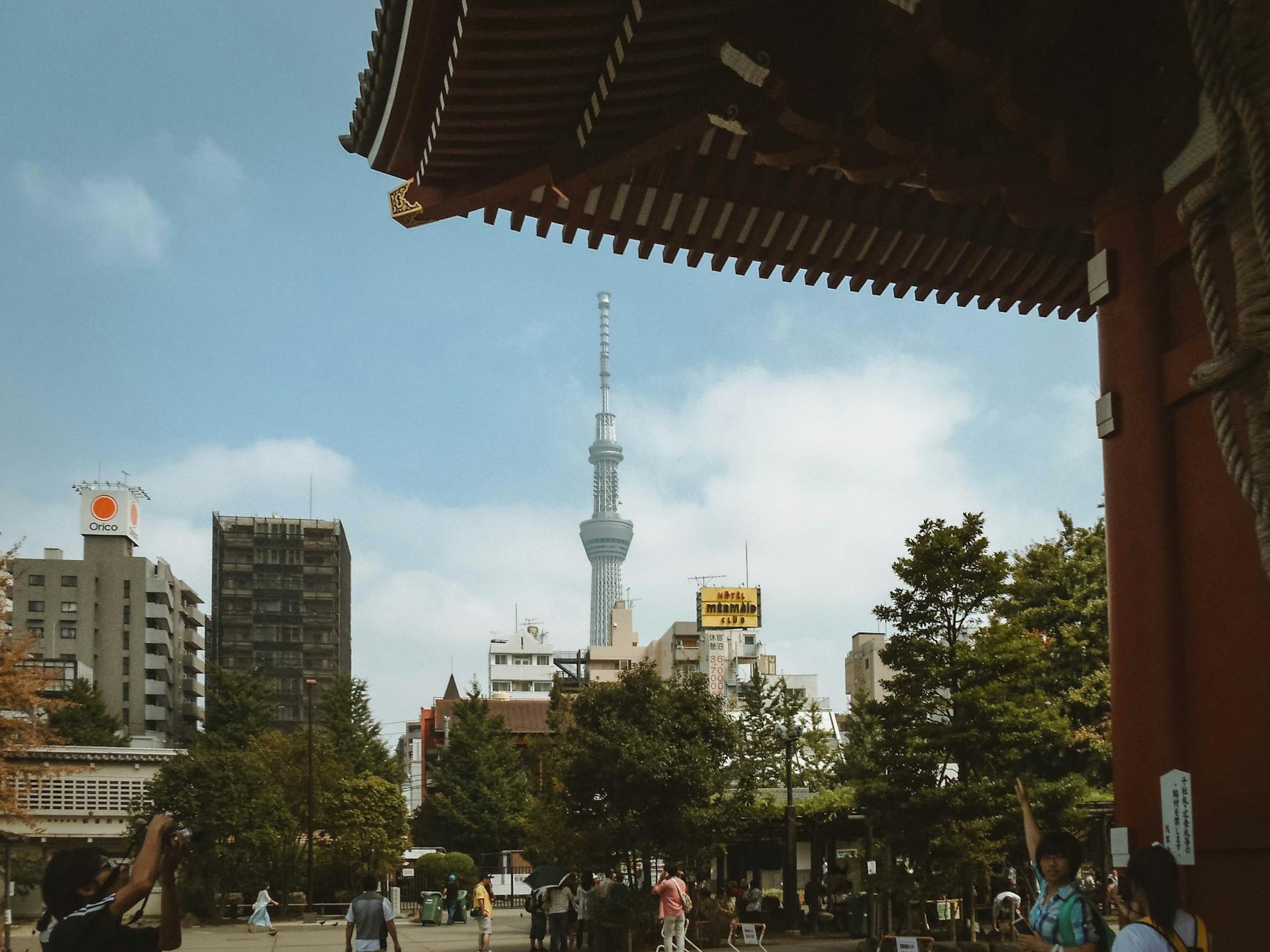
Senso-ji is Tokyo’s oldest and most visited temple, founded in 645 AD. Walking through the massive Kaminarimon (Thunder Gate) with its iconic red lantern and down the bustling Nakamise-dori shopping street is one of Tokyo’s most atmospheric experiences. The temple complex is free to enter and stunning at every hour — particularly at dawn when you’ll have it nearly to yourself, and after dark when the buildings are dramatically illuminated. Tip: Combine with a walk along the Sumida River to Tokyo Skytree for a perfect half-day itinerary. Hours: Temple grounds open 24 hours; main hall 6:00 AM–5:00 PM. Cost: Free.
2. Meiji Shrine & Harajuku
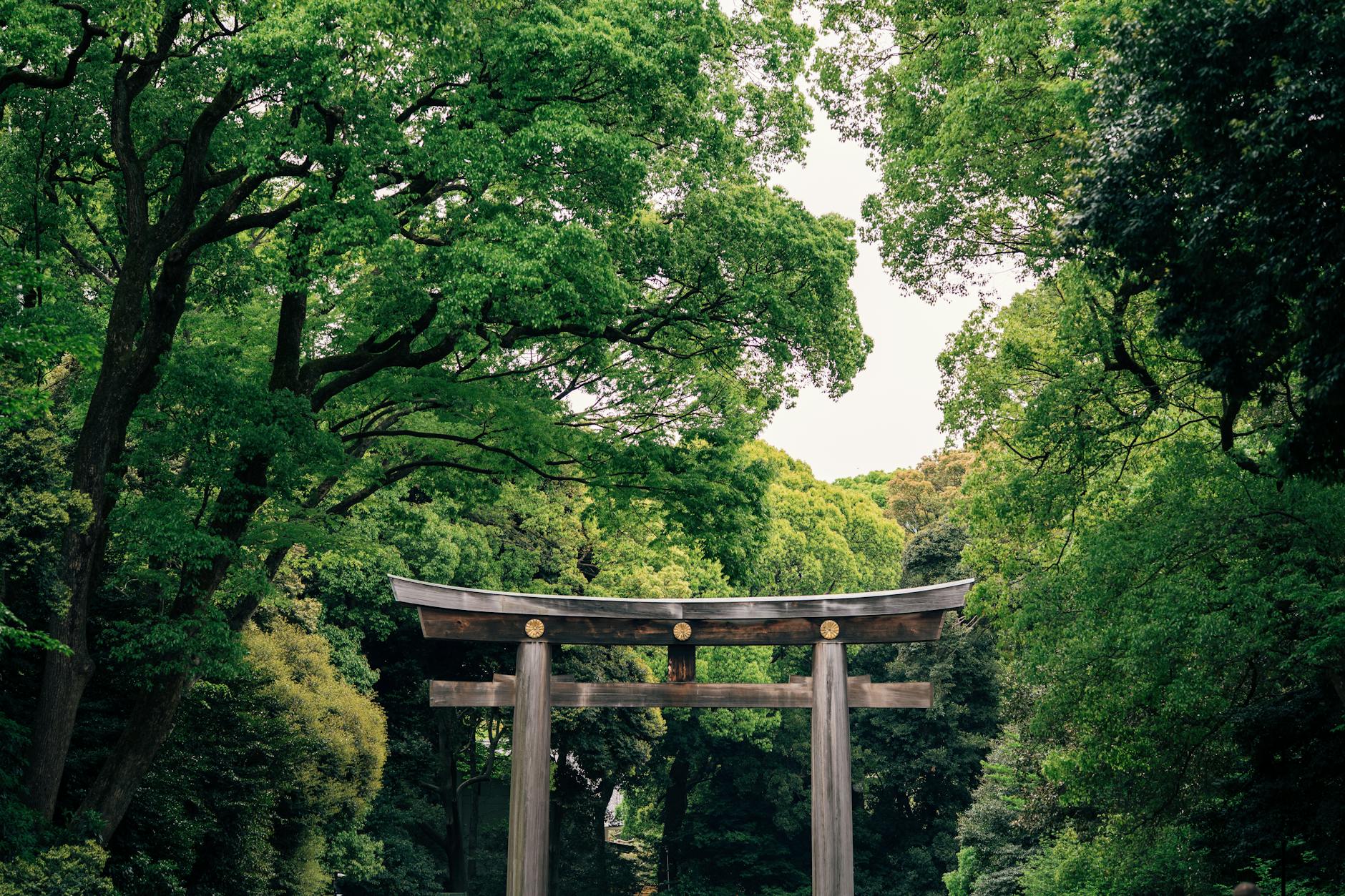
Meiji Jingu is a Shinto shrine set within 170 acres of dense forest — a startling pocket of wilderness in the heart of Tokyo’s busiest area. Dedicated to Emperor Meiji and Empress Shoken, the shrine is reached via gravel paths through towering camphor trees that create a cathedral-like canopy. You may witness traditional Shinto weddings on weekends. The adjacent Harajuku district is Tokyo’s epicenter of youth fashion — Takeshita-dori street is packed with crepe shops, vintage stores, and avant-garde boutiques. The contrast between the shrine’s serenity and Harajuku’s chaos is quintessentially Tokyo. Hours: Sunrise to sunset (varies seasonally). Cost: Free.
3. Shibuya Crossing & Shibuya Sky
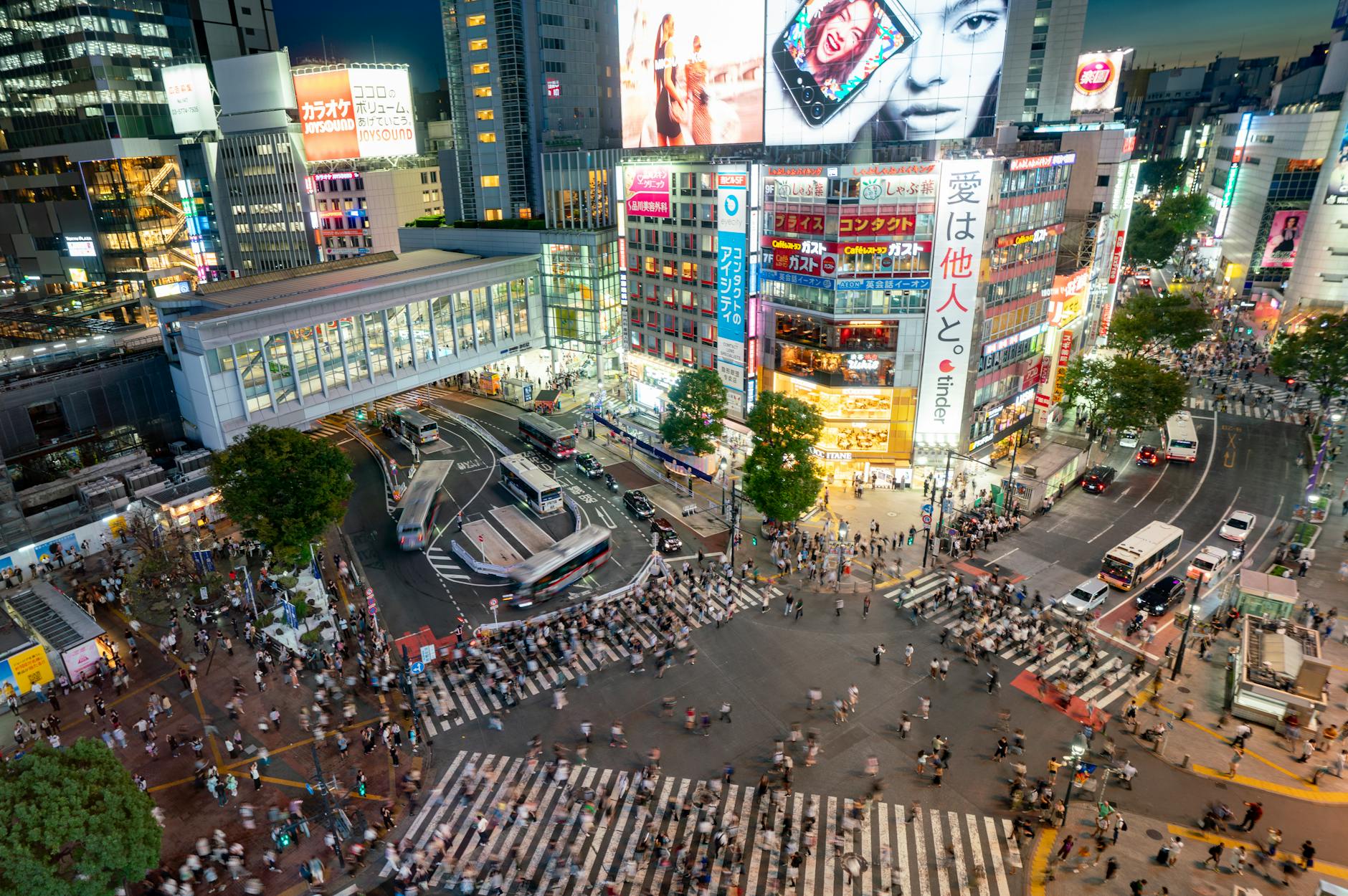
Shibuya Crossing is the world’s busiest pedestrian intersection — up to 3,000 people cross simultaneously when the lights change, creating a mesmerizing wave of humanity. The best free viewpoint is from the Starbucks at the Shibuya Tsutaya building (second floor, recently remodeled). For a premium experience, Shibuya Sky (¥2,000) offers a 229-meter open-air rooftop observation deck with 360-degree city views. THE ROOF, the cocktail bar at the top, has become one of Tokyo’s most sought-after evening venues. Best time: Visit the crossing at dusk when the neon signs light up; visit Shibuya Sky at sunset for golden hour photography.
4. TeamLab Borderless & TeamLab Planets
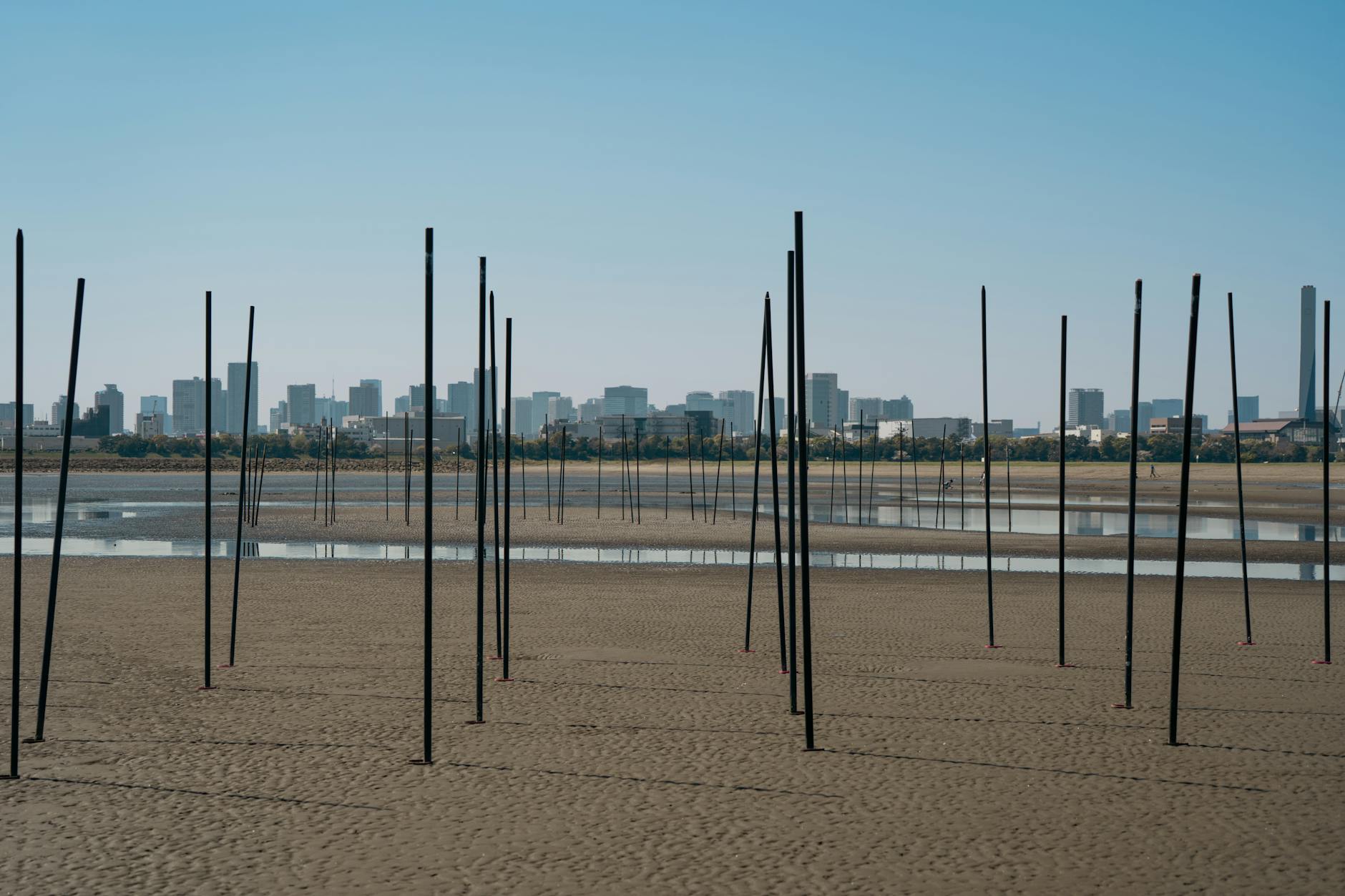
TeamLab has redefined what a museum can be. These immersive digital art installations surround you with flowing water, cascading flowers, and responsive light that moves with your body. TeamLab Borderless (relocated to Azabudai Hills in 2024) is a maze of interconnected rooms where art bleeds between spaces. TeamLab Planets in Toyosu is a more focused, physical experience — you wade barefoot through water installations and walk through fields of hanging flowers. Both sell out regularly; book online at least two weeks ahead. Admission: approximately ¥3,800–4,800 per adult. Allow 2–3 hours for each.
5. Tokyo Skytree
At 634 meters, Tokyo Skytree is the world’s tallest tower and offers unmatched views of the entire Kanto plain — on clear days you can see Mount Fuji. The Tembo Deck (350m) and Tembo Galleria (450m) provide two distinct viewing experiences. The base complex, Tokyo Solamachi, is a massive shopping and dining complex with over 300 stores. Tip: Visit on a clear weekday afternoon for the shortest queues, then stay for the sunset transition. Admission: Tembo Deck ¥2,100, combined ticket ¥3,400. Hours: 10:00 AM–9:00 PM (last entry 8:00 PM).
6. Tsukiji Outer Market
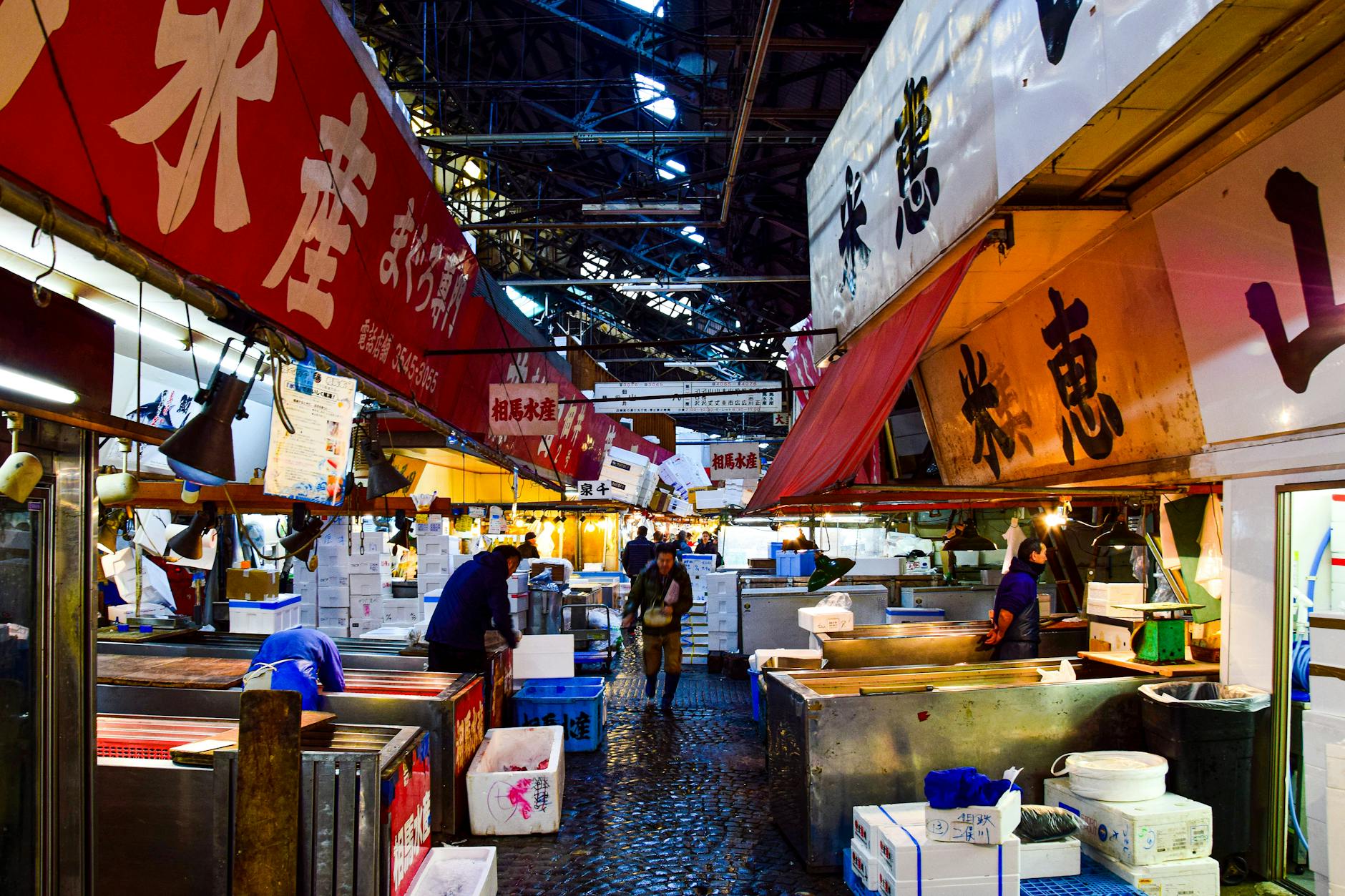
While the inner wholesale market moved to Toyosu in 2018, Tsukiji Outer Market remains one of Tokyo’s top food destinations with over 400 stalls and shops. Come hungry and graze your way through fresh sushi, grilled scallops, tamagoyaki (sweet Japanese omelet), wagyu beef skewers, and seasonal seafood. The energy is infectious — vendors calling out, knives flashing, smoke rising from charcoal grills. Best time: Arrive between 7:00–9:00 AM for the freshest selection and manageable crowds. Most stalls close by 2:00 PM. Cost: Free to wander; budget ¥2,000–5,000 for a satisfying breakfast.
7. Tokyo Imperial Palace & East Gardens
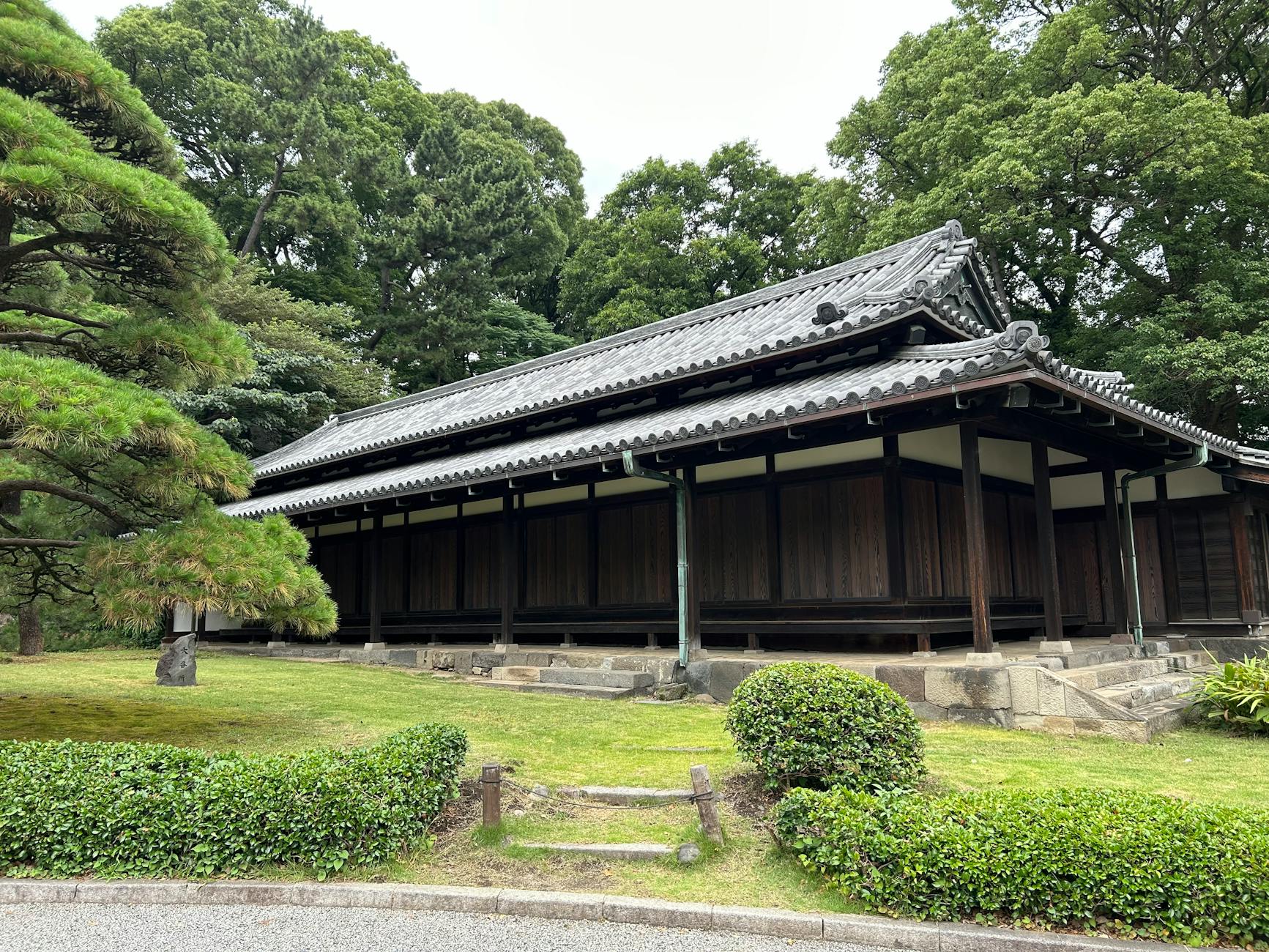
The Imperial Palace sits on the grounds of the original Edo Castle, surrounded by massive stone walls, moats, and meticulously maintained gardens. While the inner palace is only open on January 2 and the Emperor’s birthday, the East Gardens (free entry) are a serene oasis of manicured lawns, seasonal flowers, and historic ruins. The running path around the palace moat is beloved by joggers and offers some of Tokyo’s best skyline-meets-history photography. Guided tours of the inner grounds can be reserved free through the Imperial Household Agency website. Hours: East Gardens 9:00 AM–4:00/4:30 PM, closed Mondays and Fridays. Cost: Free.
8. Akihabara Electric Town
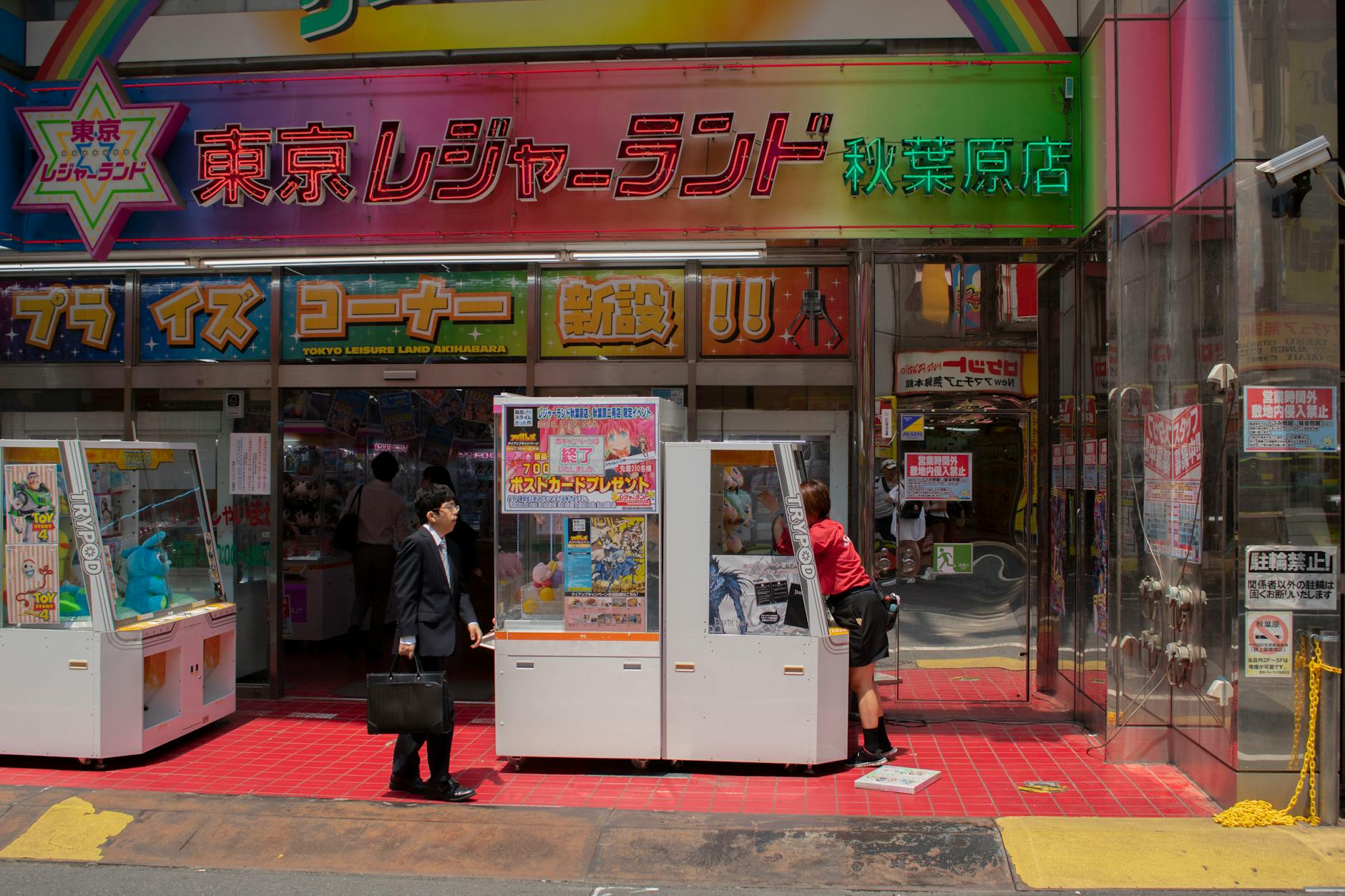
Akihabara is the global capital of anime, manga, gaming, and electronics culture. Multi-story arcades house rhythm games, crane machines, and retro gaming floors. Shops like Mandarake and Animate sell everything from rare figurines to vintage manga. Maid cafés and themed restaurants offer uniquely Tokyo experiences (expect to pay a ¥500–1,000 cover charge plus food). Even non-fans find Akihabara fascinating as a window into Japanese pop culture. Don’t miss: Super Potato for retro gaming nostalgia, Radio Kaikan for model kits and collectibles, and the multi-floor arcades near Chuo-dori. Evening visits are most atmospheric when the neon signs illuminate the streets.
9. Shinjuku Gyoen National Garden
Shinjuku Gyoen is arguably Tokyo’s most beautiful park — 144 acres spanning three distinct garden styles: French formal, English landscape, and traditional Japanese. During cherry blossom season (late March–early April), it’s the city’s premier hanami spot with over 1,000 cherry trees. Autumn foliage (mid-November–December) is equally spectacular. Even on ordinary days, the massive greenhouse, rose garden, and tea ceremony houses make this a peaceful escape from the city. Hours: 9:00 AM–4:00 PM (4:30 PM in summer), closed Mondays. Admission: ¥500 adults. No alcohol permitted (unlike other Tokyo parks).
10. Tokyo Tower
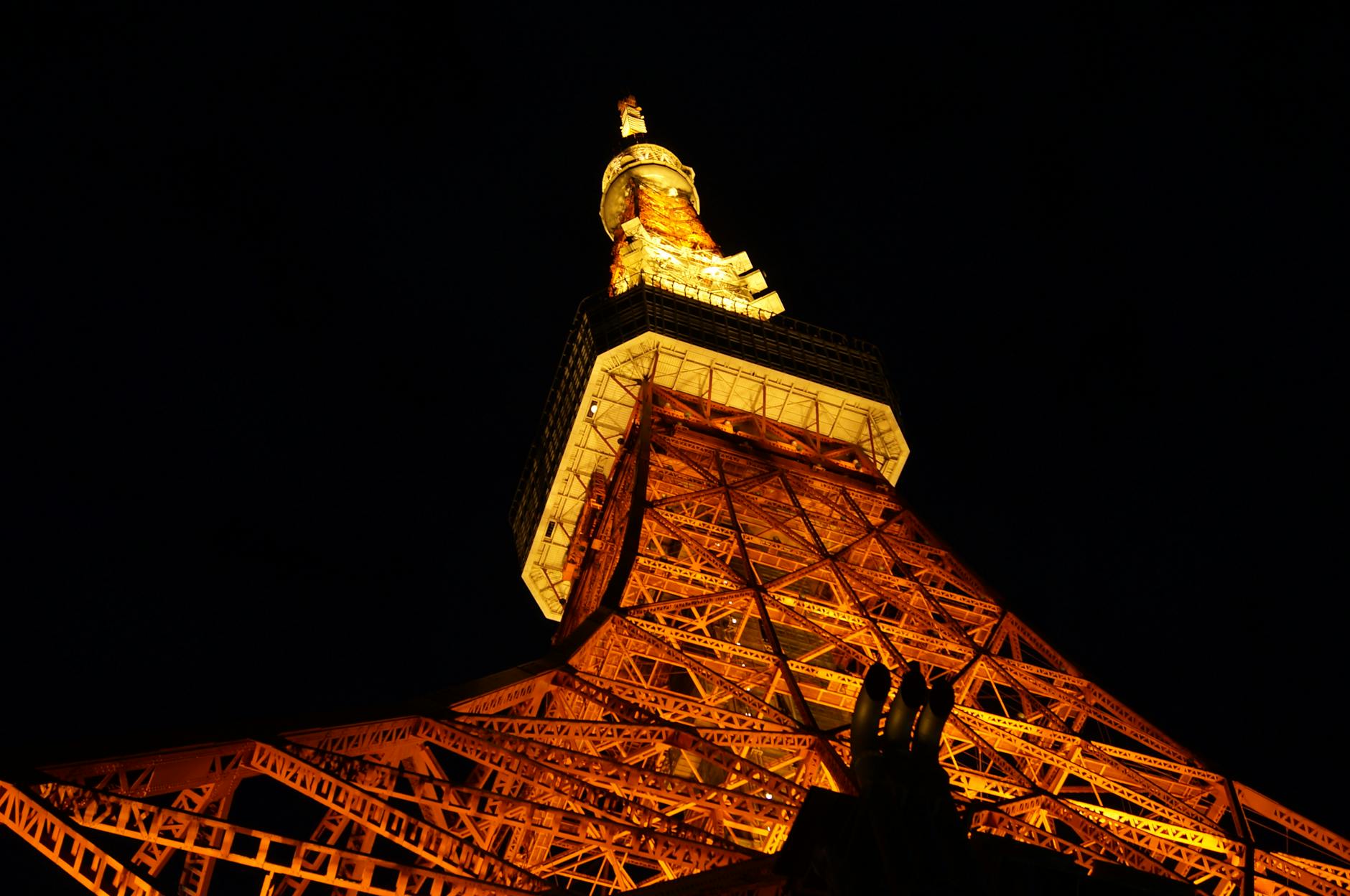
While Tokyo Skytree is taller, Tokyo Tower (333m) has an old-school charm that many visitors prefer. Built in 1958 and inspired by the Eiffel Tower, its warm orange glow against the night sky is iconic. The Main Deck (150m) and Top Deck (250m, requires guided tour) offer views that many argue are superior because they include Skytree in the panorama. The surrounding Shiba Park and nearby Zojoji Temple make for a scenic stroll. Admission: Main Deck ¥1,200, Top Deck Tour ¥2,800. Hours: 9:00 AM–10:30 PM.
Temples, Shrines & Traditional Culture
Beyond Senso-ji and Meiji Shrine, Tokyo is rich with sacred sites and cultural experiences that reveal the spiritual side of this ultramodern city.
Nezu Shrine — One of Tokyo’s oldest shrines (1,900 years old), famous for its tunnel of vermillion torii gates and spectacular azalea garden in April–May. Free entry; the azalea festival charges ¥200. Located in the charming Yanaka neighborhood, perfect for a combined walking tour.
Gotokuji Temple — The legendary birthplace of the maneki-neko (beckoning cat). Thousands of white lucky cat figurines line the temple grounds, creating one of Tokyo’s most Instagram-worthy scenes. Free entry. Located in the quiet residential neighborhood of Setagaya, a 5-minute walk from Gotokuji Station.
Tea Ceremony Experiences — Participating in a traditional Japanese tea ceremony (chado) is one of the most meaningful cultural experiences available in Tokyo. Options range from casual matcha experiences at gardens like Hamarikyu (¥510 for tea and wagashi) to formal multi-hour ceremonies at dedicated tea rooms. Sakurai Japanese Tea Experience in Nishi-Azabu offers excellent English-language ceremonies for approximately ¥5,000.
Sumo Wrestling — Watching a sumo tournament at Ryogoku Kokugikan is unforgettable. Tokyo hosts three 15-day tournaments annually: January, May, and September. Same-day general admission tickets (¥2,200) go on sale at the venue each morning but sell out quickly. Reserved seats (¥3,800–14,800) can be purchased online one month before each tournament. Between tournaments, visit the free Sumo Museum at the arena and explore the surrounding Ryogoku neighborhood where sumo stables are based.
Kabuki at Kabukiza Theatre — Japan’s most elaborate traditional performing art combines dance, drama, and music in spectacular productions. The Kabukiza Theatre in Ginza sells single-act tickets (makumi) starting at ¥1,000–2,000, letting you experience kabuki without committing to a full 4-hour performance. Audio guides in English are available. Even if you don’t attend a show, the theatre’s architecture and free gallery are worth visiting.
Modern Attractions & Unique Experiences
Tokyo constantly invents new ways to entertain, surprise, and delight. These attractions range from technology showcases to utterly unique experiences you won’t find anywhere else.
Karaoke — Japanese karaoke is a private-room experience, not a stage performance. Groups rent sound-proofed rooms by the hour with touch-screen song catalogs spanning every language. Chains like Big Echo, Karaoke-kan, and Joysound charge ¥500–1,500 per person per hour, often with all-you-can-drink plans for an additional ¥1,000–1,500. The Karaoke-kan branch in Shibuya where Lost in Translation was filmed remains a pilgrimage site.
Themed Cafés & Restaurants — Tokyo’s themed dining scene is unmatched. Beyond maid cafés in Akihabara, you’ll find owl cafés, hedgehog cafés, monster cafés, ninja restaurants, prison-themed izakayas, and the dramatic Robot Restaurant show in Shinjuku (now called the Robot Show, approximately ¥6,500). Each offers entertainment as much as dining — budget ¥2,000–5,000 per experience. Many require reservations.
Observation Decks & City Views — Beyond Skytree and Shibuya Sky, Tokyo offers several excellent viewpoints. The Tokyo Metropolitan Government Building in Shinjuku has free observation decks at 202 meters (open until 10:00 PM, closed on some alternating days). Roppongi Hills Mori Tower (¥2,000) offers rooftop sky deck access. For a unique perspective, the free observation deck at Bunkyo Civic Center near Tokyo Dome provides a lesser-known panorama.
Arcades & Gaming — Japan’s arcade culture thrives in Tokyo. Multi-story game centers in Akihabara, Shinjuku, and Ikebukuro house everything from rhythm games and fighting games to elaborate crane machines (called UFO catchers). Round1 complexes add bowling, batting cages, and karaoke. Retro gaming bars in Shinjuku and Nakano serve drinks while you play classic consoles. Budget ¥1,000–3,000 for a fun arcade session.
New in 2026: Latest Attractions & Openings
Tokyo never stops reinventing itself. Here are the biggest new attractions and developments for visitors in 2026.
PokéPark Kanto — The first permanent outdoor Pokémon theme park is opening in 2026 at Yomiuriland, spanning 26,000 square meters. The park brings the Kanto region from the original games to life with immersive attractions, rides, and interactive experiences. This is expected to be one of the biggest new attractions in Japan in 2026.
Tokyo DisneySea Sparkling Jubilee — Celebrating its 25th anniversary from April 15, 2026 through March 31, 2027, DisneySea is hosting its Sparkling Jubilee with special shows, decorations, merchandise, and limited-time food offerings. Combined with the Fantasy Springs expansion that opened in 2024, DisneySea is at its most exciting in years. One-day tickets run approximately ¥7,900–10,900 depending on the date.
Nihonbashi Redevelopment — The massive 52-story Nihonbashi development project completing in 2026 adds new retail, dining, cultural spaces, and the Waldorf Astoria hotel to this historic financial district. The Nihonbashi area is being transformed into a walkable destination that combines Edo-era heritage with contemporary design.
MoN Takanawa — This new cultural venue that opened March 2026 near Takanawa/Shinagawa Station adds a significant arts destination to the southern Tokyo corridor, with exhibition spaces, performance venues, and public gardens.
Neighborhoods Worth Exploring
Some of the best things to do in Tokyo don’t have admission fees — they involve simply wandering through the city’s endlessly varied neighborhoods.
Yanaka — Tokyo’s best-preserved old neighborhood. Narrow lanes lined with traditional wooden houses, independent galleries, small temples, and the famous Yanaka Ginza shopping street with its retro charm and cat-themed everything. The Yanaka Cemetery is a peaceful cherry blossom spot and home to the last resting place of Tokugawa shoguns. Come here to see what Tokyo looked like before the modernization.
Shimokitazawa — Tokyo’s bohemian village. Tiny live music venues, vintage clothing stores, independent bookshops, excellent curry restaurants, and a creative, youthful energy. The recent Shimokita development added modern shops while preserving the neighborhood’s countercultural spirit. Best explored on foot with no particular agenda.
Daikanyama & Nakameguro — Tokyo’s most stylish residential neighborhoods. Daikanyama’s T-Site (a stunning bookshop complex) and Nakameguro’s canal-side cafés and boutiques offer a sophisticated, relaxed alternative to the main tourist areas. Nakameguro’s Meguro River is one of Tokyo’s most beautiful cherry blossom viewing spots in spring.
Koenji & Nishi-Ogikubo — These neighboring stations on the Chuo Line represent Tokyo’s underground culture. Koenji hosts one of Tokyo’s best festivals (Awa Odori in August) and has a thriving vintage fashion and punk music scene. Nishi-Ogikubo is known as an antique district with dozens of independent shops. Both neighborhoods have excellent, affordable izakayas that locals fiercely guard.
Parks, Gardens & Outdoor Spaces
Tokyo is far greener than most visitors expect, with parks and gardens offering peaceful counterpoints to the urban intensity.
Hamarikyu Gardens (¥300) — A stunning Edo-era garden on Tokyo Bay with a tea house on a tidal pond where you can sip matcha while watching the contrast of ancient pines against Shiodome’s glass skyscrapers. Accessible by water bus from Asakusa — the boat ride itself is an attraction.
Rikugien Gardens (¥300) — Considered Tokyo’s most beautiful traditional Japanese garden. The autumn illuminations in November–December, when the maple trees are lit up at night, are among Tokyo’s most spectacular seasonal events. Less crowded than Shinjuku Gyoen but equally impressive.
Ueno Park (free) — Tokyo’s largest public park is home to five major museums including the Tokyo National Museum (¥1,000, Japan’s largest collection of Japanese art), the National Museum of Western Art (a Le Corbusier UNESCO site), and the Ueno Zoo (¥600, Japan’s oldest zoo). The park itself is a major cherry blossom destination and home to Shinobazu Pond with its lotus flowers in summer.
Mount Takao — A one-hour train ride from Shinjuku, this 599-meter mountain offers multiple hiking trails through old-growth forest, a mountain-top temple (Yakuoin), and stunning views of Mount Fuji on clear days. The cable car (¥490 one-way) makes it accessible for all fitness levels. One of the best easy day trips from central Tokyo.
Shopping Districts & Retail Experiences
Shopping in Tokyo is an attraction in itself — from underground electronics warrens to curated concept stores, the city offers retail experiences you won’t find anywhere else.
Harajuku & Omotesando — Takeshita Street for youth fashion and street snacks; Omotesando for luxury flagships and architectural masterpieces (Prada, Tod’s, Dior buildings are worth seeing even if you don’t shop). Cat Street between the two is Tokyo’s best curated indie shopping.
Ginza — Tokyo’s most prestigious shopping district. Uniqlo’s 12-story global flagship, the Dover Street Market concept store, and the legendary Itoya stationery shop (twelve floors of writing instruments, paper, and art supplies). Weekend afternoons see Chuo-dori closed to traffic, creating a pedestrian shopping paradise.
Nakano Broadway — A four-story labyrinth of tiny shops selling anime merchandise, vintage toys, rare vinyl records, antique watches, and oddities. Less touristy than Akihabara, with better prices and a cult following among collectors. The anchor store Mandarake occupies multiple units selling everything from first-edition manga to rare figurines.
Don Quijote (Donki) — This chaotic discount chain is a Tokyo experience unto itself. The flagship Mega Donki in Shibuya spans multiple floors of tax-free Japanese goods — beauty products, snacks, electronics, costumes, and everything imaginable stacked floor to ceiling. Open 24 hours, it’s perfect for late-night souvenir shopping.
Practical Planning Tips
Prioritize ruthlessly: Even a week in Tokyo won’t cover everything in this guide. Choose 2–3 activities per day maximum and leave room for spontaneous discovery. Tokyo rewards wandering as much as planned sightseeing.
Timing matters: Visit popular temples (Senso-ji, Meiji Shrine) early morning for a peaceful experience. Shopping districts peak on weekends. Museums are quietest on weekday mornings. Observation decks are best at sunset. Markets close by early afternoon.
Budget smart: Many of Tokyo’s best experiences are free — shrines, temple grounds, neighborhood walking, people-watching, parks, and the Tokyo Metropolitan Government Observatory. Combine one paid attraction with free activities each day for a balanced budget. A typical day mixing free and paid activities costs ¥3,000–8,000 on admissions.
Get a transit pass: A Suica or PASMO IC card is essential for getting between attractions. If you’re doing heavy sightseeing, consider a Tokyo Subway Ticket (24-hour ¥800, 48-hour ¥1,200, 72-hour ¥1,500) which gives unlimited rides on all Metro and Toei lines.
Book ahead for: TeamLab exhibitions (2+ weeks), sumo tournaments (1 month for reserved seats), kabuki single-act tickets (day-of or week-of), popular restaurants (1–3 months for high-end), and any seasonal events like cherry blossom illuminations.
Frequently Asked Questions
How many days do I need in Tokyo?
A minimum of three full days covers the essential highlights. Five days allows comfortable exploration of major attractions and several neighborhoods. Seven or more days lets you discover hidden gems, take day trips, and truly experience Tokyo at a local pace. Most first-time visitors find five days is the sweet spot.
What are the best free things to do in Tokyo?
Tokyo offers remarkable free attractions: Meiji Shrine, Senso-ji Temple, the Imperial Palace East Gardens, the Tokyo Metropolitan Government Observatory, Harajuku and Shibuya Crossing, Tsukiji Outer Market (free to walk, pay for food), most shrine and temple grounds, Ueno Park, and simply wandering neighborhoods like Yanaka, Shimokitazawa, and Koenji.
Is Tokyo good for kids?
Excellent. Beyond Tokyo Disneyland and DisneySea, kids love Ueno Zoo, the National Museum of Nature and Science, TeamLab exhibits (mesmerizing for all ages), arcades in Akihabara, Pokémon Center stores, the Ghibli Museum in Mitaka (tickets must be purchased in advance), and the forthcoming PokéPark Kanto. Most attractions offer discounted children’s admission, and Tokyo’s trains are stroller-accessible.
What should I do on a rainy day in Tokyo?
Tokyo shines on rainy days thanks to extensive underground networks and indoor attractions. TeamLab, department store shopping, museum hopping in Ueno, arcade gaming in Akihabara, karaoke sessions, depachika food hall browsing, and themed cafés all work perfectly rain or shine. Many neighborhoods (Shinjuku, Shibuya, Tokyo Station) have vast underground shopping complexes connected directly to train stations.
When is the best time to visit Tokyo?
Late March–mid April (cherry blossoms), mid-November–early December (autumn foliage), and October (comfortable weather, fewer crowds) are the most popular and beautiful times. January and June–September are less crowded with lower hotel prices. There’s no bad time to visit Tokyo — each season brings unique experiences, festivals, and seasonal food.
Tokyo’s Top Attractions: In-Depth Guides
Each headline sight below has its own detailed guide with hours, 2026 ticket prices, and tips for dodging the worst crowds:
- Senso-ji Temple — Tokyo’s oldest temple, the heart of Asakusa.
- Meiji Shrine — a tranquil forest shrine beside Harajuku.
- Tokyo’s temples & shrines — the best sacred sites across the city.
- Skytree vs Tokyo Tower — which observation deck to pick.
- teamLab — the immersive digital-art museums.
- the Ghibli Museum — and how to actually score tickets.
- Tokyo Disney Resort — a full planning guide to both parks.
- Tokyo’s best museums — art, history, science and the quirky.
- Shibuya Crossing — the world’s busiest scramble, and where to shoot it.
- the best photo spots — Tokyo’s most photogenic corners.
- parks & gardens — the city’s finest green escapes.
- free things to do — sightseeing that costs nothing.
Keep Planning Your Tokyo Trip
Start with Tokyo’s most famous temple in our full guide to Senso-ji, then weave the highlights into a Tokyo itinerary. To understand what you’re seeing, our primer on etiquette and customs adds the context, while day trips from Tokyo opens up Fuji, Kamakura and beyond. Visiting with little ones? Our kid-friendly Tokyo guide has family-friendly picks.