Tokyo is one of the greatest shopping cities on Earth. From the haute couture flagships lining Ginza’s Chuo-dori to the ¥100 treasure troves tucked beneath train stations, the city offers an almost incomprehensible range of retail experiences. Whether you’re hunting for cutting-edge electronics in Akihabara, one-of-a-kind vintage kimonos in Shimokitazawa, or limited-edition Kit Kats that exist only in Japan, this tokyo shopping guide covers every district, store type, and strategy you need to shop like a local in 2026.
What makes Tokyo shopping truly unique is the sheer depth of specialization. Entire multi-story buildings are devoted to a single category — stationery, denim, kitchen knives, sneakers, or anime figurines. Department store basement floors (called depachika) rival Michelin-starred restaurants for quality, and convenience stores carry design collaborations that would sell out instantly in Western boutiques. Shopping in Tokyo isn’t just a transaction; it’s a cultural experience where presentation, craftsmanship, and customer service are elevated to art forms.
This comprehensive guide walks you through Tokyo’s best shopping districts, what to buy in each one, the latest 2026 tax-free rules, brand-new store openings, and practical tips that will save you both money and time. Whether you’re a luxury shopper, a bargain hunter, or a souvenir seeker, you’ll leave Tokyo with bags full of things you simply cannot find anywhere else.
Tokyo’s Best Shopping Districts: Where to Shop by Neighborhood
Tokyo’s shopping landscape is organized by neighborhood, and each district has a distinct personality. Understanding which areas match your style saves hours of wandering and ensures you find exactly what you’re looking for. Here are the essential shopping districts every visitor should know.
Ginza: Luxury Shopping and Department Stores
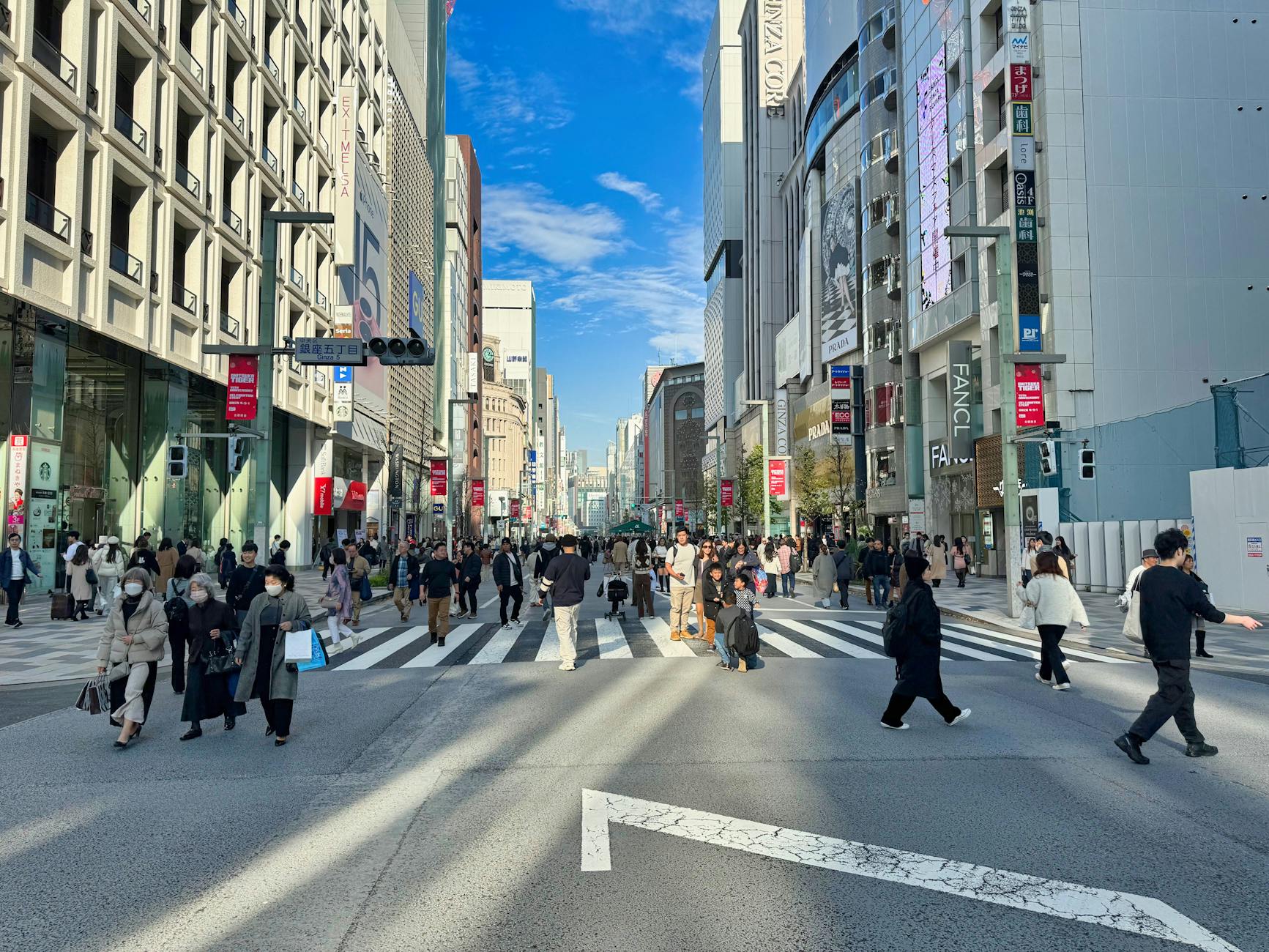
Ginza is Tokyo’s most prestigious shopping address, comparable to Fifth Avenue in New York or the Champs-Élysées in Paris. The district’s main artery, Chuo-dori, is lined with flagship boutiques from every major luxury house — Chanel, Louis Vuitton, Hermès, Gucci, Cartier, and Tiffany all have architectural statement buildings here. On weekends, Chuo-dori closes to vehicle traffic and becomes a pedestrian paradise, making it perfect for a leisurely shopping stroll.
Beyond the international luxury brands, Ginza is home to several of Tokyo’s finest department stores. Ginza Six, which opened in 2017 in the former Matsuzakaya building, houses over 240 brands across 13 floors with a rooftop garden and a Tsutaya bookstore curated like a gallery. Mitsukoshi Ginza, Japan’s oldest department store chain (founded in 1673), offers everything from designer fashion to an extraordinary basement food hall. Matsuya Ginza is another local favorite, known for its carefully curated selection of both Japanese and international designers.
Ginza is also the place for Japanese artisanal goods. Itoya, a 12-story stationery paradise that has been operating since 1904, is a must-visit for anyone who appreciates fine paper, pens, and desk accessories. Hakuhinkan Toy Park is Japan’s largest toy store, a four-story wonderland that delights children and collectors alike. For food lovers, Akomeya specializes in premium Japanese rice and rice-related products, from artisanal sake to elegant rice bowls and cooking tools.
The best time to visit Ginza is on weekend afternoons when the pedestrian zone is active, or on weekday evenings when the district’s illuminated storefronts create a magical atmosphere. Most stores open at 10:00 or 11:00 AM and close between 8:00 and 9:00 PM.
Harajuku and Omotesando: Street Fashion Meets High Design
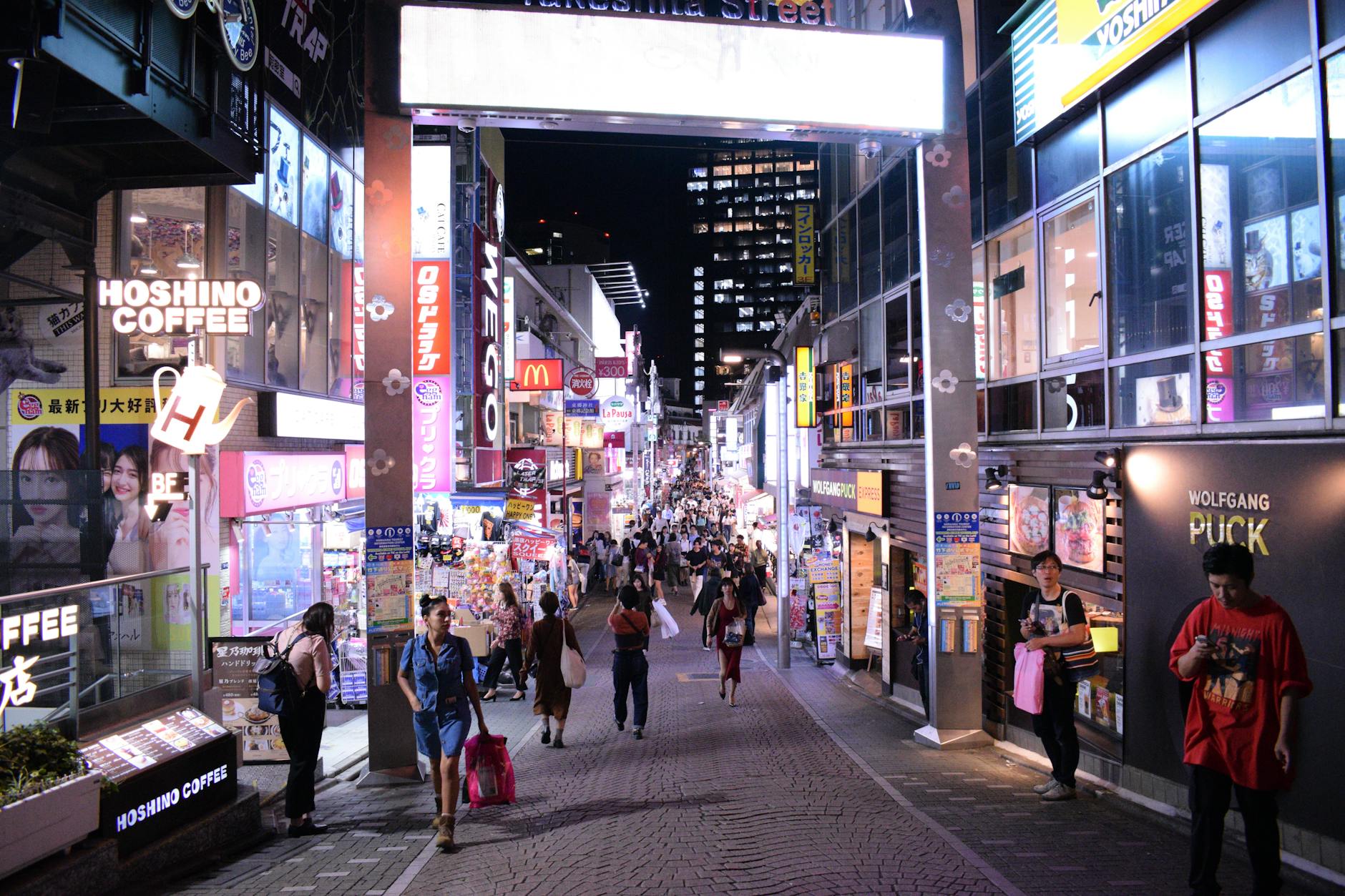
Takeshita Street (Takeshita-dori) is the beating heart of Tokyo’s youth fashion culture. This narrow, 400-meter pedestrian lane is packed with shops selling everything from wild streetwear and cosplay costumes to rainbow cotton candy and crepes. It’s loud, colorful, and always crowded — but it’s an essential Tokyo experience. Adjacent backstreets like Cat Street (Kyū-Shibuya-gawa Yuhodo) offer a more curated alternative, with independent boutiques, vintage shops, and local designer stores lining a tree-shaded former riverbed.
Just steps from the Takeshita Street chaos, Omotesando is one of the world’s most architecturally impressive shopping streets. Often called Tokyo’s Champs-Élysées, it’s a wide, zelkova-tree-lined boulevard where global brands compete to build the most striking buildings. Tadao Ando designed the concrete masterpiece housing Omotesando Hills, a complex with over 100 shops across six floors connected by a continuous spiral ramp. Toyo Ito’s undulating glass facade for Tod’s, SANAA’s transparent Dior building, and the diamond-latticed Prada store by Herzog & de Meuron are all within a few minutes’ walk.
Omotesando Hills is the area’s anchor mall, housing a mix of Japanese and international brands with a focus on fashion, lifestyle, and beauty. For vintage luxury, Ragtag and 2nd Street have outposts in the area offering pre-owned designer pieces at significant discounts. Kiddy Land, despite the name, is a multi-story character goods and toy store beloved by adults and children alike — it’s one of the best places in Tokyo to find Sanrio, Studio Ghibli, and Pokémon merchandise.
The Harajuku-Omotesando axis works best explored from Harajuku Station south toward Aoyama. Start with the chaotic energy of Takeshita Street, drift into the independent boutiques on Cat Street, then finish on Omotesando’s architectural runway. The area is busiest on weekend afternoons when you’re most likely to spot Tokyo’s legendary street-fashion tribes.
Shibuya: Trends, Streetwear, and Entertainment
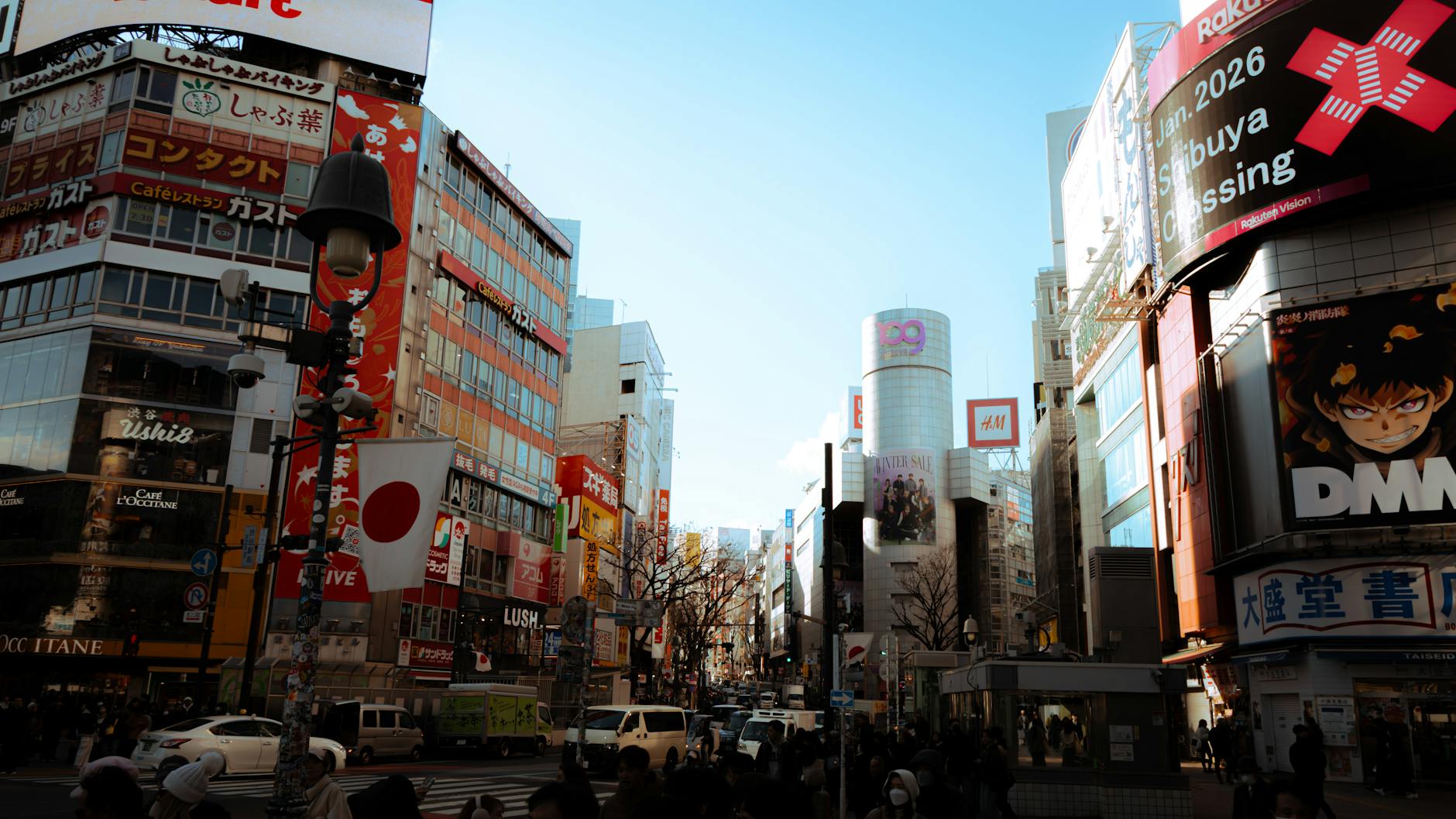
Shibuya is Tokyo’s trend-setting epicenter, and the shopping reflects this youthful, fast-moving energy. The area around the famous Shibuya Crossing has undergone massive redevelopment, and several new commercial complexes have transformed the district. Shibuya Scramble Square (2019) is a 47-story tower attached to Shibuya Station featuring over 200 shops, restaurants, and the Shibuya Sky observation deck on the rooftop. Miyashita Park (2020) combined a rooftop park with a stylish shopping street and a boutique hotel, adding a relaxed, open-air vibe to Shibuya’s shopping scene.
Shibuya 109 remains the district’s iconic fashion landmark. This cylindrical building has been the launchpad for Japanese street fashion trends since 1979, showcasing emerging Japanese designers and youth brands across ten floors. Nearby, Shibuya Parco — completely rebuilt and reopened in 2019 — has become one of Tokyo’s most eclectic malls, blending fashion, art, food, and pop culture across ten floors. Its Nintendo Tokyo store and Capcom store draw gaming enthusiasts from around the world, while the top-floor Chaos Kitchen food hall features some of Tokyo’s most innovative casual dining.
For sneakerheads and streetwear collectors, Shibuya is home to Atmos, one of Japan’s most influential sneaker boutiques, along with outposts of BAPE, Supreme, Stüssy, and dozens of independent streetwear brands. The area around Center-gai and Spain-zaka (Spanish Slope) is packed with fast-fashion brands, music shops, and vintage clothing stores. Mega Donki (Don Quijote’s Shibuya flagship) is a multi-story discount wonderland open until 2:00 AM — ideal for late-night souvenir hunting.
Akihabara: Electronics, Anime, and Otaku Culture
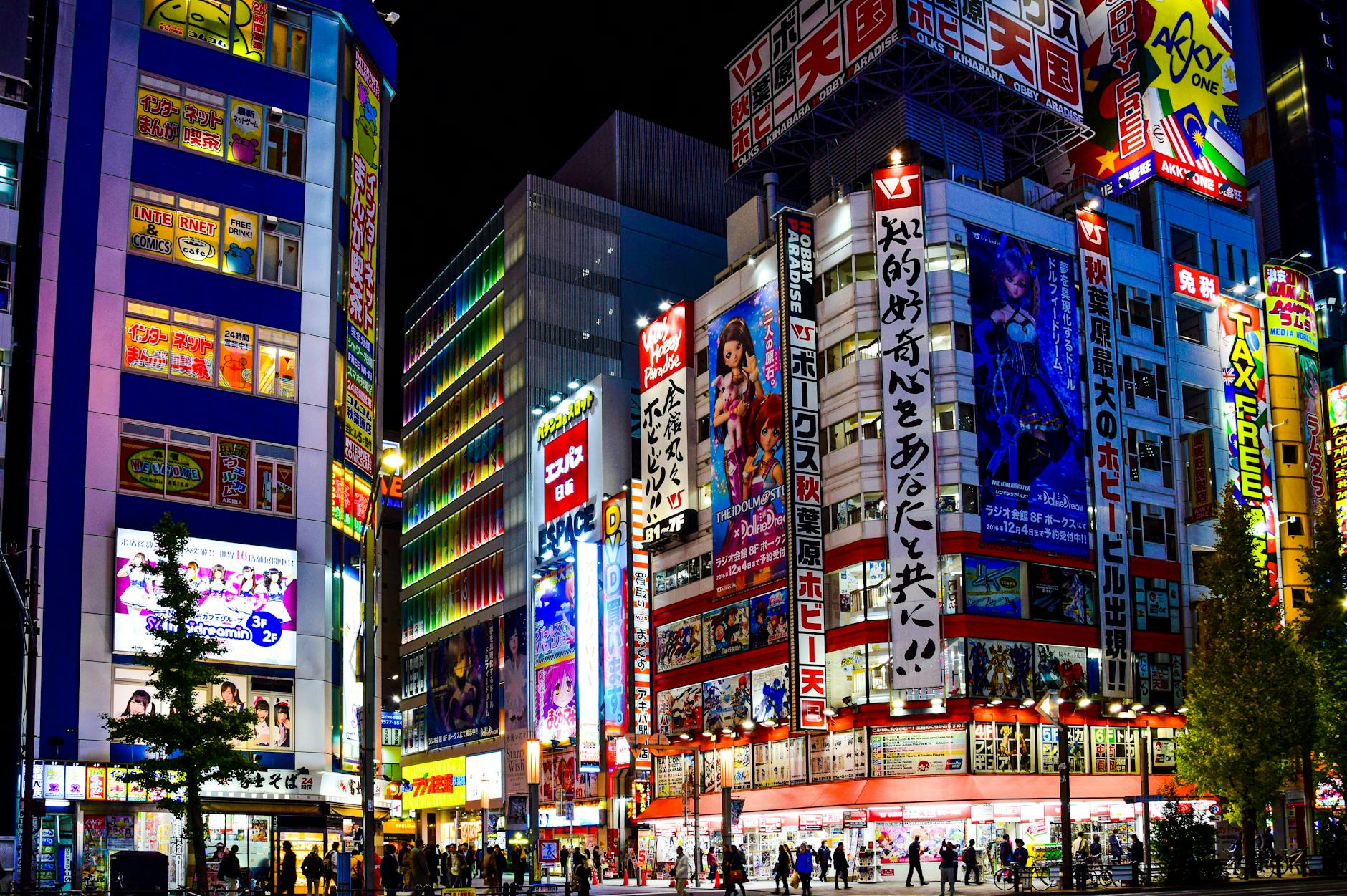
Akihabara — known to locals as “Akiba” — is the global capital of otaku culture and one of the most unique shopping destinations on the planet. If you’re interested in electronics, anime, manga, video games, figurines, trading cards, or anything related to Japanese pop culture, this is your neighborhood. The district stretches from Akihabara Station along Chuo-dori, with side streets hiding countless specialty shops.
For electronics, Yodobashi Camera Akiba is a nine-story mega-store carrying everything from the latest cameras and laptops to home appliances and audio equipment — often at prices competitive with or better than online retailers. Tax-free purchases are processed at the counter, making it incredibly convenient for tourists. Smaller independent electronics shops on the side streets often stock components, retro tech, and specialty items that big retailers don’t carry.
The anime and manga scene centers around several major stores. Animate Akihabara is the flagship of Japan’s largest anime merchandise chain, offering multiple floors of figures, posters, Blu-rays, cosplay supplies, and limited-edition goods. Mandarake Complex is a multi-story paradise for collectors, dealing in pre-owned manga, rare figurines, vintage toys, and doujinshi (self-published works). Radio Kaikan, a landmark building near the station, houses dozens of small specialty shops on each floor — from Gundam model kits to trading cards to retro game cartridges.
For retro gaming enthusiasts, Super Potato is legendary — this multi-floor shop stocks consoles and games dating back to the Famicom era, complete with a playable retro arcade on the top floor. The Akihabara Gachapon Kaikan features hundreds of capsule toy machines, offering tiny collectible figures and charms for ¥100-¥500 each — one of the most fun and affordable souvenir activities in Tokyo.
Asakusa and Nakamise-dori: Traditional Crafts and Souvenirs
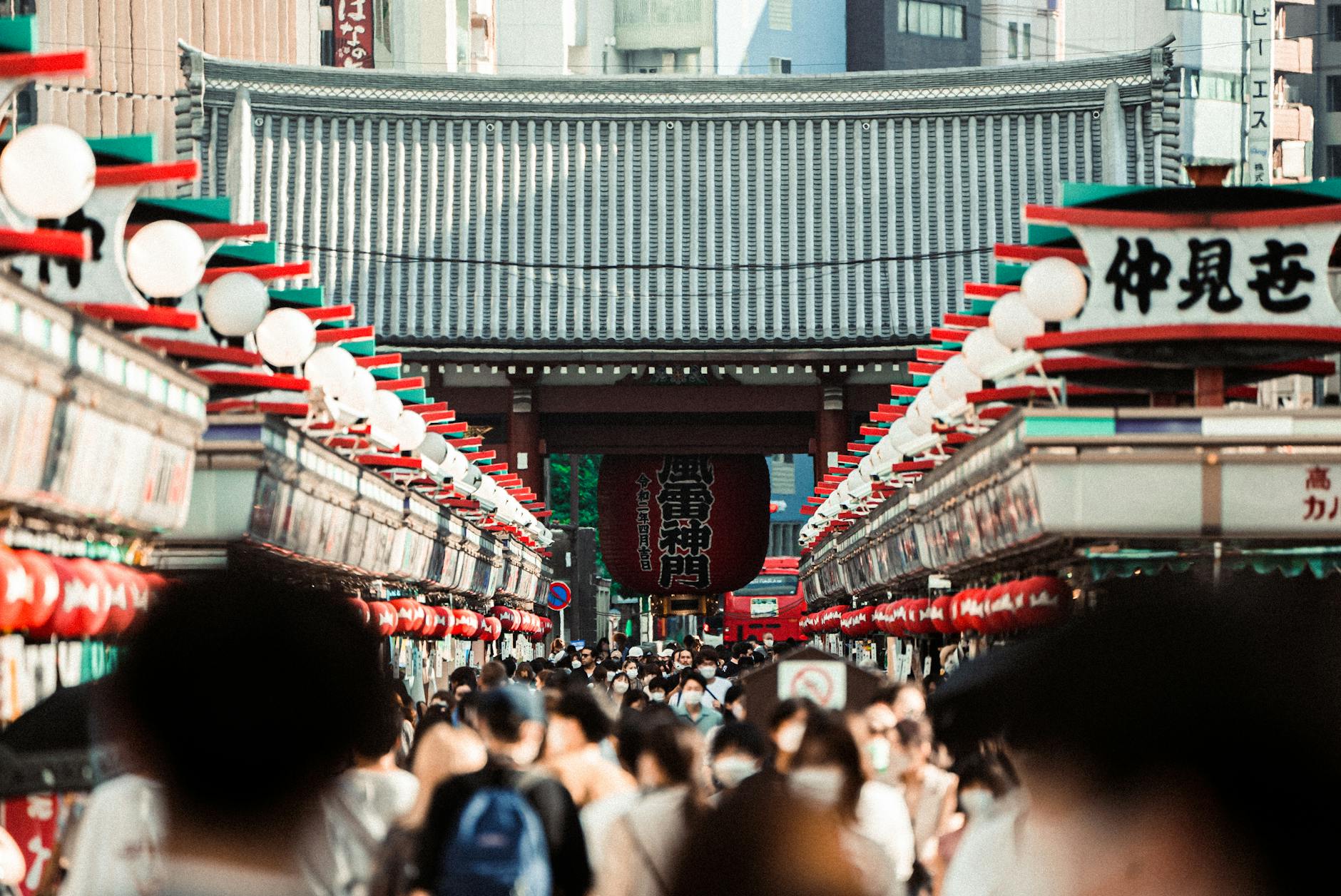
Nakamise-dori is Tokyo’s oldest shopping street, stretching 250 meters from the Kaminarimon (Thunder Gate) to the entrance of Senso-ji temple. This covered shopping lane has been serving visitors since the 18th century, and its roughly 90 shops specialize in traditional Japanese crafts, snacks, and souvenirs. You’ll find ningyo-yaki (freshly baked figure-shaped cakes), senbei (rice crackers grilled to order), kimono accessories, paper lanterns, tenugui hand towels, and folding fans — all at reasonable prices.
Beyond Nakamise-dori, Asakusa’s surrounding streets reward exploration. Kappabashi-dori (Kitchen Town), located a short walk west, is a 800-meter stretch of over 170 shops specializing in restaurant and kitchen supplies. This is where you’ll find Japan’s famous plastic food samples (sampuru) — from realistic sushi to overflowing beer mugs — which make uniquely Japanese souvenirs. Kappabashi is also the place to buy high-quality Japanese kitchen knives, ceramics, lacquerware, and professional cookware at wholesale prices.
The area around the east side of Senso-ji, known as Shin-Nakamise and the Demboin-dori backstreets, offers a more relaxed shopping atmosphere with traditional craft shops, kimono rental stores, and local sweet shops. For those interested in wabi-sabi aesthetics and traditional Japanese craftsmanship, Asakusa offers the most authentic shopping experience in central Tokyo.
Specialty Shopping: Hidden Gems Beyond the Main Districts
Shimokitazawa: Vintage and Thrift Shopping
Shimokitazawa (often shortened to “Shimokita”) is Tokyo’s undisputed vintage capital. This bohemian neighborhood, just two stops from Shibuya on the Keio Inokashira Line, is crammed with secondhand clothing stores, vinyl record shops, and independent cafes. The recent redevelopment around the station added modern complexes like Reload and Mikan Shimokita without destroying the area’s counterculture charm.
For vintage clothing, Flamingo, Stick Out, and Chicago are local favorites offering curated selections of American vintage, Japanese streetwear, and European designer pieces. Prices range from ¥500 for basic items to several thousand yen for rare finds. The neighborhood’s compact, walkable layout means you can visit 20 or more shops in a single afternoon. Shimokitazawa is also excellent for vinyl records — Flash Disc Ranch and City Country City attract crate-diggers from around the world.
Nakano Broadway: Collector’s Paradise
Nakano Broadway is Akihabara’s lesser-known, more hardcore sibling. This aging shopping complex near Nakano Station (one stop from Shinjuku on the Chuo Line) houses hundreds of tiny shops specializing in vintage toys, rare manga, idol merchandise, watches, and collector-grade figurines. The anchor tenant is Mandarake, which occupies over 30 individual units across multiple floors, each specializing in a different category — from vintage tokusatsu props to celluloid animation cels to first-edition manga. Prices can be lower than Akihabara, and the atmosphere is more authentic and less tourist-oriented.
Daikanyama and Naka-Meguro: Curated Lifestyle Shopping
These adjacent neighborhoods south of Shibuya represent Tokyo’s most sophisticated lifestyle shopping. Daikanyama T-Site, anchored by an architecturally stunning Tsutaya Books designed by Klein Dytham architecture, is a campus-like complex where you can browse art books, vinyl records, travel guides, and curated stationery alongside a premium Anjin lounge. The surrounding streets feature independent boutiques, plant shops, and homeware stores with an understated, design-forward aesthetic.
Naka-Meguro, centered around the scenic Meguro River, is known for its independent fashion boutiques, specialty coffee shops, and lifestyle concept stores. The area is particularly beautiful during cherry blossom season when the river becomes a tunnel of pink petals. Cow Books, a tiny used bookshop curated by magazine editor Matsubura Takeshi, and Vase, a minimalist flower and lifestyle shop, exemplify the neighborhood’s carefully considered aesthetic.
Department Stores and Shopping Malls: Tokyo’s Retail Landmarks
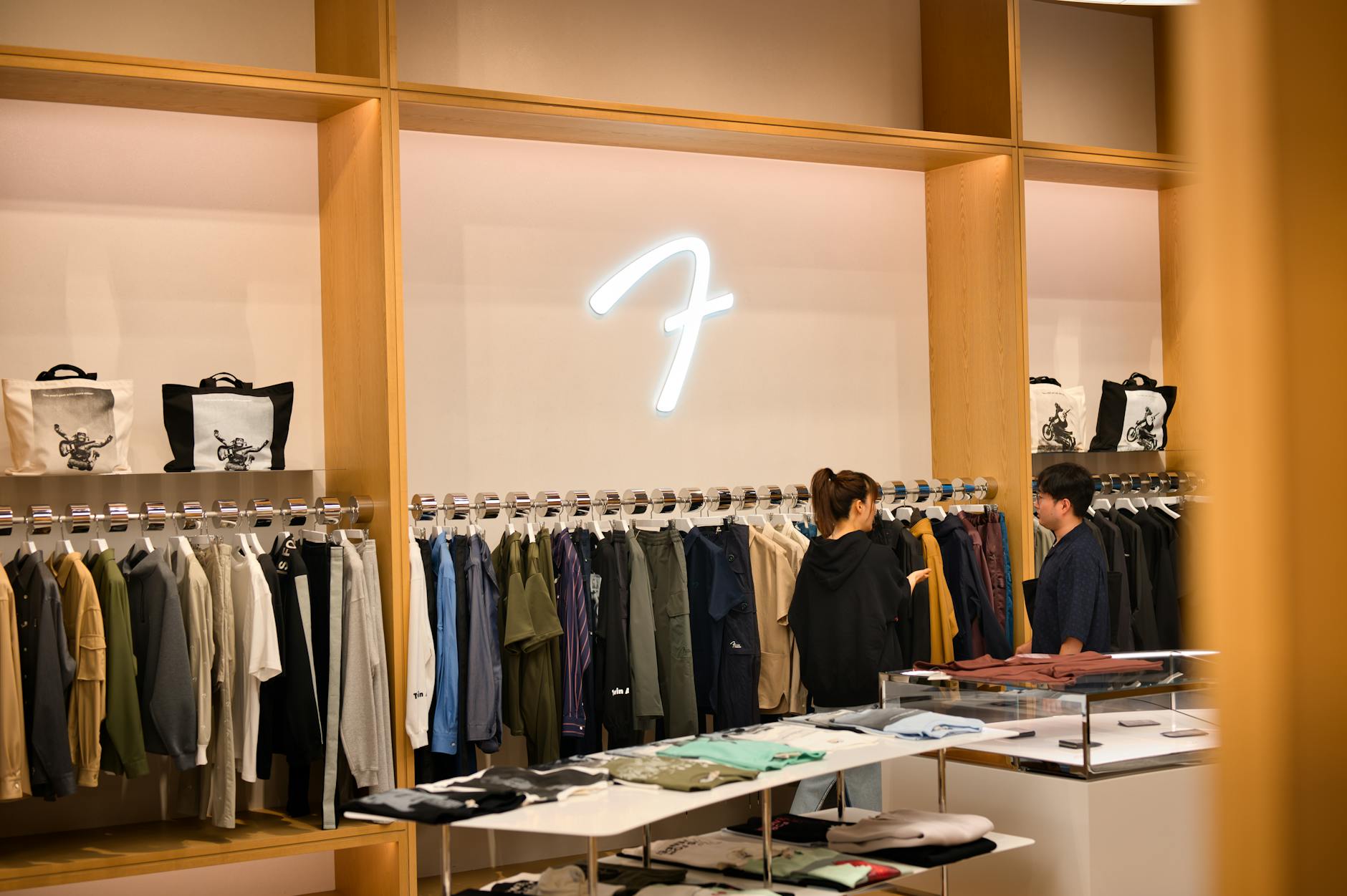
Japanese department stores (depāto) are a world apart from their Western counterparts. Expect white-gloved elevator attendants, immaculate presentation, seasonal displays that change like clockwork, and basement food halls (depachika) that rival the finest specialty food shops in the world. Here are the essential department stores to visit in Tokyo.
Isetan Shinjuku is widely considered Tokyo’s best department store for fashion. Its buyer team is legendary in the industry for discovering emerging designers, and the men’s building (a separate eight-story annex across the street) is the finest menswear department store in Asia. The basement food hall features over 100 vendors offering everything from French pastries to handmade wagashi (Japanese sweets) to sushi that rivals many standalone restaurants.
Takashimaya Nihonbashi occupies a landmarked 1933 building that’s a masterpiece of pre-war Japanese architecture. The store specializes in traditional Japanese luxury — fine kimono fabrics, lacquerware, ceramics, and premium tea — alongside international fashion. Its food hall is celebrated for wagashi from heritage confectioners, some of which have been in operation for over 200 years.
Tokyu Hands (now rebranded as Hands) deserves special mention even though it’s technically a home center rather than a department store. This multi-story creative lifestyle chain sells everything from professional art supplies and leather-crafting tools to travel accessories and quirky gadgets. The Shibuya flagship and Shinjuku branches are practically tourist attractions in their own right — you can easily spend two hours exploring floor after floor of cleverly designed products that you never knew you needed.
For modern mall experiences, Ginza Six (luxury-focused), Roppongi Hills (international brands plus the Mori Art Museum), Tokyo Midtown (design-forward Japanese brands plus the 21_21 Design Sight museum), and Shibuya Scramble Square (the newest and tallest, with Shibuya Sky on top) represent the best of Tokyo’s commercial complexes.
What to Buy in Tokyo: The Ultimate Category Guide
Tokyo is a city where you can find virtually anything, but certain product categories are either uniquely Japanese, significantly cheaper, or simply better than what you’ll find elsewhere. Here’s what to prioritize on your shopping list.
Japanese Kitchen Knives
Japan produces the world’s finest kitchen knives, and buying directly in Tokyo offers better prices, wider selection, and expert guidance. Kappabashi-dori has the highest concentration of knife shops, with stores like Kamata (established 1923) and Tsubaya offering everything from entry-level santoku knives to handmade single-bevel sashimi knives. At Kiya in Nihonbashi (operating since 1792), artisans can custom-engrave your name on the blade. Expect to pay ¥5,000-¥15,000 for an excellent everyday knife, or ¥30,000-¥100,000+ for handmade artisan blades. These are investment pieces that will last a lifetime with proper care.
Japanese Stationery and Paper Goods
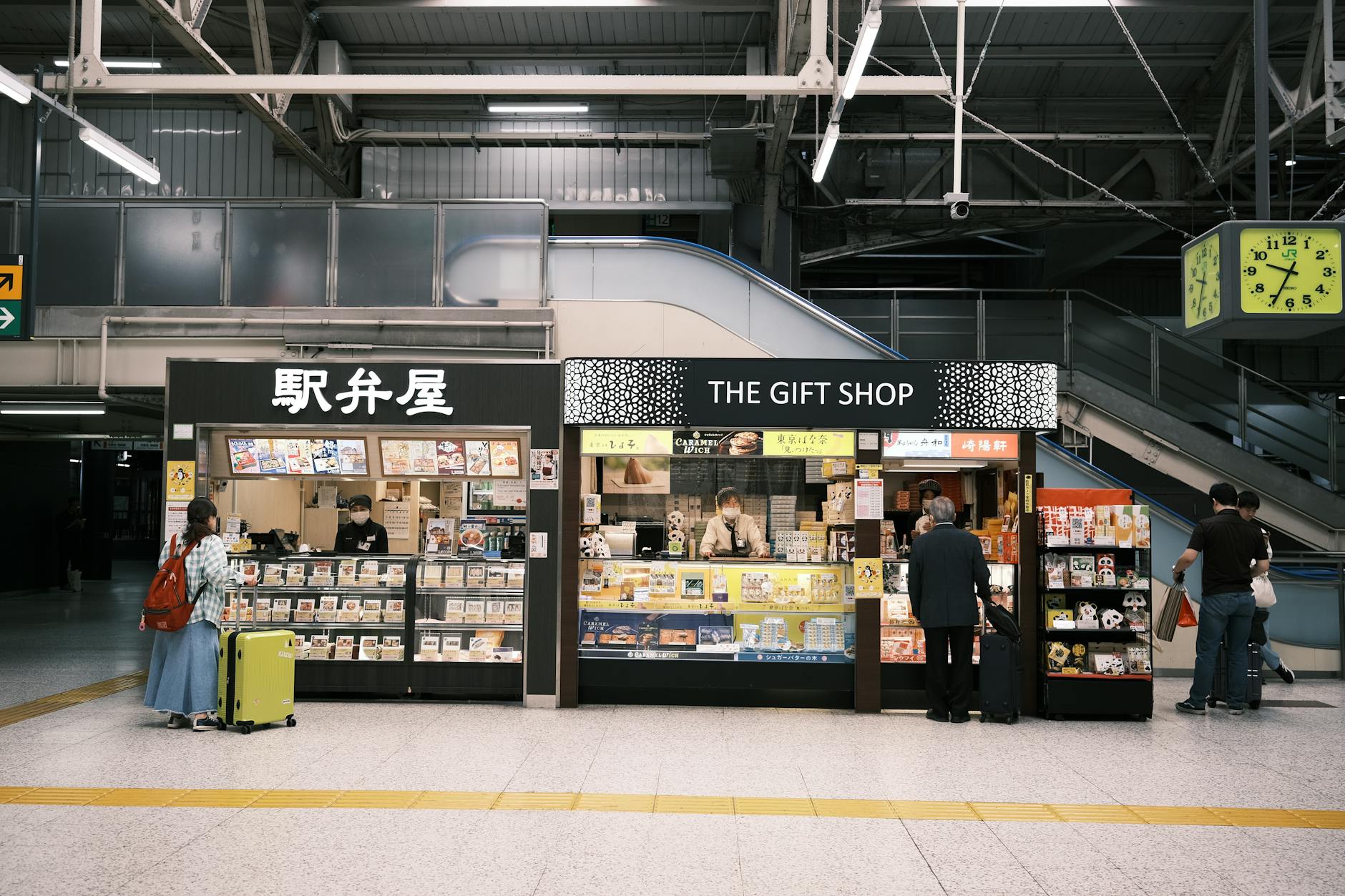
Japan takes stationery seriously, and the quality of everyday writing instruments and paper goods far exceeds what’s available in most countries. Itoya Ginza (12 floors of stationery heaven), Loft (lifestyle chain with excellent stationery sections), and Tokyu Hands/Hands are the big destinations. Must-buy items include Pilot/Pentel/Zebra gel pens (especially the Pentel EnerGel and Zebra Sarasa series), MIDORI Traveler’s Notebook refills and accessories, mt washi tape in Japan-exclusive patterns, Hobonichi Techo planners (a cult-favorite daily planner that uses ultra-thin Tomoe River paper), and Kuretake brush pens for calligraphy. Many of these items cost 30-50% less in Japan than imported prices abroad.
Electronics and Cameras
While the price gap has narrowed compared to previous decades, certain electronics categories still offer genuine value in Tokyo. Cameras and lenses from Canon, Sony, Nikon, and Fujifilm are often cheapest at Japanese retailers, especially when you add the tax-free discount. Yodobashi Camera and BIC Camera are the two major chains — both have enormous flagships in Akihabara, Shinjuku, and other major stations. Check that any electronics you buy support your home country’s voltage and include an international warranty. For used cameras and lenses, Map Camera in Shinjuku is legendary — their grading system is meticulous, and their prices are competitive with global markets even before tax-free savings.
Fashion: From Streetwear to Designer
Tokyo is one of the world’s great fashion capitals, and buying Japanese brands domestically offers both price advantages and exclusive items unavailable elsewhere. For high-end Japanese designers, look for Comme des Garçons (multiple shops in Aoyama and Ginza), Issey Miyake (Roppongi and Ginza flagships), Yohji Yamamoto, and sacai. For contemporary brands with global followings, Visvim, Kapital, Engineered Garments (designed by Japanese-American Daiki Suzuki), Needles, and WTAPS all have flagship stores in Tokyo with Japan-exclusive pieces.
The secondhand luxury market is exceptional in Tokyo. Japanese consumers maintain their luxury goods in near-mint condition, and the resale market is highly organized. Brand Off, Komehyo, and 2nd Street have large stores in most shopping districts. At these shops, you can find pre-owned Louis Vuitton, Chanel, and Hermès items at 30-70% off retail — often in better condition than “new” items sold elsewhere. The Komehyo flagship in Shinjuku dedicates an entire floor to authenticated pre-owned watches.
Beauty and Cosmetics
Japanese beauty products are globally renowned, and buying them at source means access to Japan-exclusive formulations, lower prices, and wider selection. Drugstores like Matsumoto Kiyoshi, Ainz & Tulpe, and Cocokara Fine carry an overwhelming selection of Japanese skincare, makeup, and beauty tools. Hero products include Shiseido (particularly the premium ELIXIR and Clé de Peau lines), SK-II Facial Treatment Essence, Canmake and Majolica Majorca (excellent budget cosmetics), Biore UV Aqua Rich sunscreen, and DHC cleansing oil. Japanese sheet masks, particularly from LuLuLun and Saborino, make lightweight, packable souvenirs.
Best Tokyo Souvenirs and Gifts
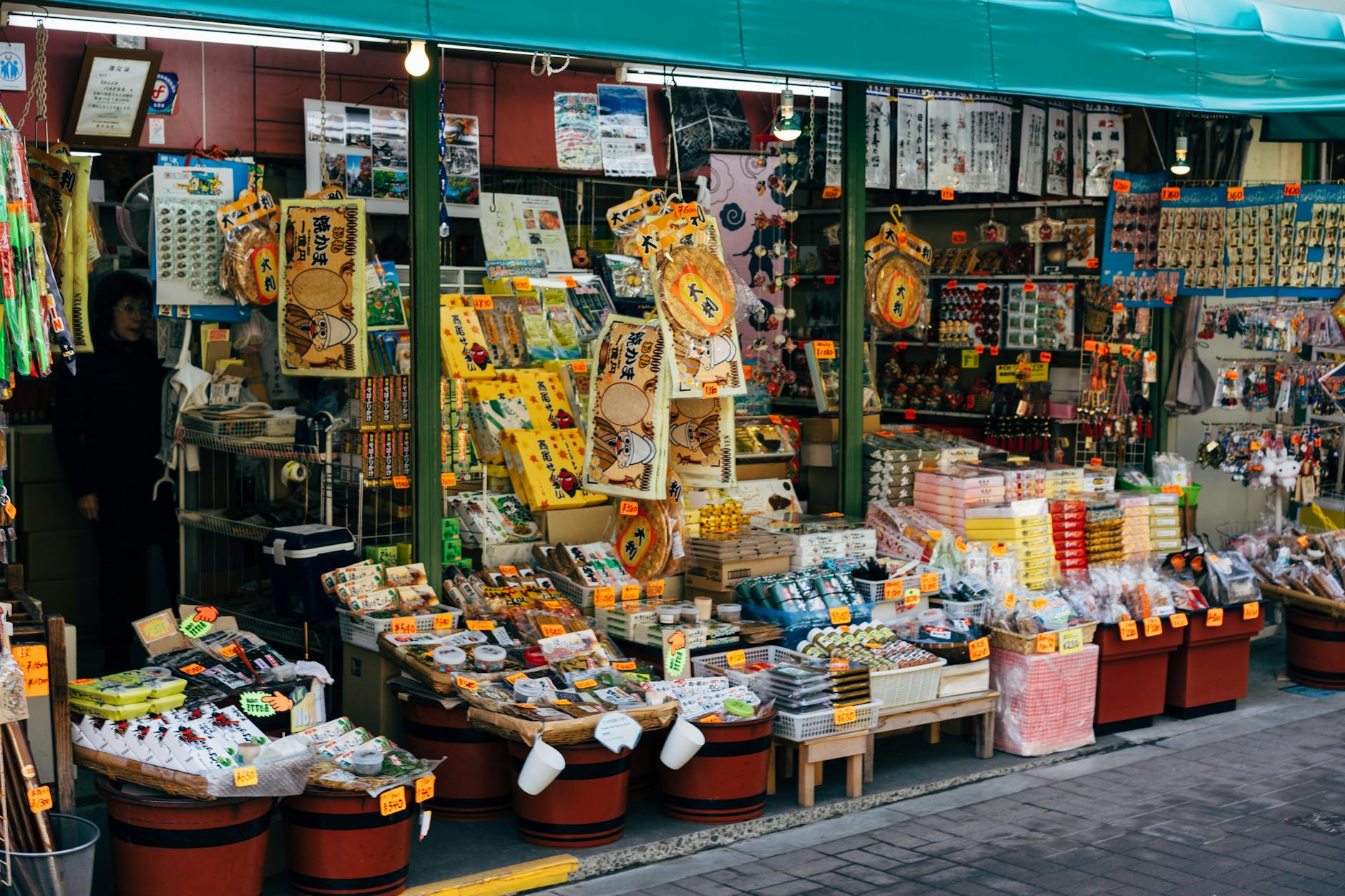
Finding the perfect souvenir is one of the great pleasures of shopping in Tokyo. Beyond the obvious options, consider these categories that visitors consistently rave about. Japanese Kit Kats come in region-exclusive flavors — matcha, strawberry cheesecake, sake, wasabi, and dozens more — and are available at convenience stores, airports, and specialty shops like the Kit Kat Chocolatory in Ginza. Furoshiki (decorative wrapping cloths) are beautiful, practical, and pack flat. Tenugui (thin cotton towels) with traditional patterns make elegant yet affordable gifts. Japanese ceramics — from Arita porcelain to Mashiko stoneware — range from everyday pieces to museum-quality art.
Japanese whisky has become a global phenomenon, and while rare bottles are hard to find even in Tokyo, you’ll have better luck here than anywhere else. The Liquor Mountain chain and department store liquor sections carry bottles not available for export. Sake is another excellent choice — department store food halls often offer tasting before purchase, and staff can advise on sweetness levels and food pairings. For tea lovers, Ippodo Tea (Marunouchi) and Jugetsudo (Ginza) offer premium matcha and sencha in beautiful packaging.
Tax-Free Shopping in Tokyo: 2026 Rules and Changes
Important 2026 Update: Japan’s tax-free shopping system is undergoing its most significant change in years. Starting November 1, 2026, the system will transition from the current exemption-based model to a refund-based system. This is a major change that every international shopper visiting Tokyo needs to understand.
Current System (Until October 31, 2026)
Under the current system, foreign visitors on tourist visas can purchase goods tax-free (saving 10% consumption tax) at participating stores. The process is straightforward: present your passport at the register, and the tax is deducted at the point of sale. The minimum purchase amount is ¥5,000 (approximately $35 USD) per store per day. Consumable goods (food, cosmetics, drinks) are sealed in special bags that must remain unopened until you leave Japan, while general goods (clothing, electronics, accessories) have no such restriction.
Currently, tax-free eligible items are flagged with passport stickers that customs officials may check upon departure. Major retailers like department stores, electronics chains, and drugstores have dedicated tax-free counters — look for the “Tax-Free” logo. At large stores like Yodobashi Camera and BIC Camera, the tax-free refund is processed at a central counter rather than at individual registers.
New Refund-Based System (From November 1, 2026)
Under the new system, tourists will pay the full 10% tax at purchase and then claim a refund upon departure at the airport. The key difference is that refunds will be processed electronically through a centralized system, and purchases will be linked to your passport number digitally. This change aims to prevent tax-free abuse (such as reselling tax-free goods within Japan) while streamlining the refund process.
If you’re visiting Tokyo before November 2026, the current system still applies and is more convenient since you save at the register. If you’re planning a trip for late 2026 or beyond, budget extra time at the airport for the refund process, and keep all receipts organized. The minimum purchase threshold and eligible product categories are expected to remain similar, but check the Japan National Tourism Organization website closer to your travel date for final details.
Tax-Free Shopping Tips for Maximum Savings
- Consolidate purchases at one store — reaching the ¥5,000 minimum is easier when you buy multiple items in one trip. Department stores are ideal for this since they combine fashion, beauty, food, and homeware under one roof.
- Bring your passport everywhere — you must present your physical passport (not a copy) to qualify for tax-free purchases. Carry it in a secure travel wallet.
- Ask about tax-free counters — large stores often have a dedicated tax-free counter (typically on a specific floor) rather than processing at each register. Ask staff when you enter.
- Check for tourist discount coupons — BIC Camera, Yodobashi Camera, Don Quijote, and Matsumoto Kiyoshi all offer additional tourist discount coupons (typically 5-7% off) that stack with the tax-free exemption. Download their apps or check tourism information centers for coupons.
- Keep consumable goods sealed — under the current system, food, cosmetics, and other consumables purchased tax-free are sealed in special bags. Opening them before departing Japan means you technically owe the 10% tax.
New Store Openings and Shopping Developments: 2025-2026
Tokyo’s retail landscape never stops evolving, and several major openings in 2025 and 2026 are worth knowing about before you plan your shopping itinerary.
NEWoMan Takanawa (opened September 2025) is the latest addition to JR East’s upscale station-integrated shopping concept, connected to the new Takanawa Gateway Station. This development brings a curated selection of fashion, food, and lifestyle brands to a previously underserved area between Shinagawa and Tamachi. The food hall features several first-to-Tokyo restaurant concepts.
TOFROM YAESU TOWER (opening 2026) is a major mixed-use development near Tokyo Station’s Yaesu exit. The retail floors will focus on Japanese artisan brands and experiential shopping, making it a convenient stop for travelers arriving by Shinkansen. The development aims to rival neighboring KITTE and GranSta as a prime Tokyo Station shopping destination.
Maison Seibu (opened Summer 2025) represents the reimagination of the former Seibu Ikebukuro department store — one of the largest in Japan. After a landmark sale from Sogo & Seibu to a consortium, the rebranded store has introduced new luxury anchor tenants and a refreshed floor plan. The lower floors now feature an expanded beauty hall and a reimagined depachika.
In the luxury brand space, Calvin Klein’s Harajuku flagship and Emporio Armani’s Ginza boutique both opened in 2025, expanding the international fashion presence in these key districts. Several Japanese brands have also opened new concept stores — Snow Peak expanded its Urban Outdoor lifestyle store in Harajuku, and Beams opened a new curated flagship focusing on sustainable fashion.
Smart Shopping Tips: How to Save Money and Time in Tokyo
Navigating Tokyo’s enormous shopping landscape efficiently requires some strategy. These tips will help you maximize value and minimize wasted time.
Payment and Money-Saving Strategies
Cash is still important in Tokyo. While credit card acceptance has improved dramatically (especially post-pandemic), smaller shops, market stalls, and some traditional stores still prefer cash. Carry at least ¥10,000-¥20,000 in cash for shopping excursions, especially in areas like Shimokitazawa, Kappabashi, and Nakano Broadway. Use 7-Eleven ATMs (available 24/7 at thousands of locations) for the best foreign card acceptance and reasonable exchange rates.
For credit card payments, Visa and Mastercard have the widest acceptance, followed by American Express and JCB. Contactless payments via Apple Pay and Google Pay work at many major retailers and all convenience stores. IC cards (Suica or Pasmo) — the same cards used for train travel — can also be used for small purchases at convenience stores, vending machines, and station shops.
Look for seasonal sales to maximize savings. Japan’s two major sale seasons are New Year (fukubukuro/lucky bags from January 1-3) and summer sales (late June through July). During these periods, discounts of 30-70% are common at department stores, fashion retailers, and brand outlets. The fukubukuro tradition — sealed bags containing a mystery assortment of products worth several times the price — has become a cultural event, with people queuing overnight for popular brands.
Practical Shopping Logistics
- Use coin lockers strategically — available at every major station, coin lockers (¥300-¥700) let you stash purchases while continuing to shop. Large-size lockers can fit suitcases and multiple shopping bags.
- Ship purchases to your hotel — department stores and many large retailers offer delivery to your Tokyo hotel, sometimes for free above a purchase threshold. This eliminates the need to carry bags all day.
- Ship internationally via Yamato Transport or Japan Post — if you buy too much to fit in your luggage, post offices and Yamato Transport (Kuroneko) offices can ship boxes internationally. EMS (Express Mail Service) typically takes 3-7 days to most countries.
- Bring a foldable extra bag — since Japan’s plastic bag fee went into effect, most stores charge ¥3-¥5 for bags. Bring a reusable tote, and consider packing an empty foldable duffel for your return flight.
- Visit department stores at opening — the first hour after opening (typically 10:00 AM) is the quietest time to shop at department stores. Staff perform a morning greeting (asa no aisatsu) as the doors open — a uniquely Japanese retail tradition.
- Check Don Quijote late at night — “Donki” stores stay open until midnight or later (some are 24 hours). These discount variety stores carry an chaotic but extensive mix of electronics, snacks, cosmetics, costumes, and souvenirs at competitive prices.
One-Day Tokyo Shopping Itinerary: Making the Most of Limited Time
If you only have one day dedicated to shopping, this itinerary covers Tokyo’s highest-impact shopping experiences while keeping travel time between stops minimal.
Morning: Harajuku and Omotesando (10:00 AM – 12:30 PM)
Start at Harajuku Station and walk Takeshita Street for the quintessential Tokyo street-fashion experience. Don’t linger too long — the real finds are on Cat Street (vintage boutiques, independent designers) and Omotesando (architecture, luxury flagships, Omotesando Hills). Stop at Kiddy Land for character goods or Omotesando Hills for a focused browse through Japanese designers. Total walking time between stops: under 15 minutes.
Lunch: Shibuya (12:30 PM – 2:00 PM)
Walk south to Shibuya (10 minutes from Omotesando). Grab lunch at Shibuya Parco’s Chaos Kitchen or the food floor of Shibuya Scramble Square. After eating, browse Shibuya Parco (Nintendo Tokyo, fashion floors), check out Mega Donki for discounted souvenirs, or visit Shibuya 109 for Japanese youth fashion.
Afternoon: Ginza (2:30 PM – 5:00 PM)
Take the Ginza Line from Shibuya to Ginza Station (15 minutes). Spend the afternoon on Chuo-dori — visit Itoya (stationery), Ginza Six (luxury brands and art installations), and Uniqlo Ginza (the massive 12-floor global flagship with Japan-exclusive collections). If time allows, explore the Mitsukoshi Ginza depachika for gourmet souvenirs.
Evening: Akihabara (5:30 PM – 8:00 PM)
Take the Marunouchi Line from Ginza to Akihabara (15 minutes). Spend the evening browsing Yodobashi Camera Akiba (electronics and cameras), Radio Kaikan (anime and collectibles), and the Gachapon machines scattered throughout the district. Most stores close at 8:00-9:00 PM, so prioritize your must-visit shops. End the evening with dinner at one of Akihabara’s many themed restaurants or ramen shops.
This itinerary covers four distinct shopping personalities — street fashion, trend-forward retail, luxury and lifestyle, and pop-culture electronics — in a single efficient day. Adjust the time allocation based on your interests, and remember that you can always return to your favorite district on another day.
Frequently Asked Questions About Shopping in Tokyo
What are the best shopping areas in Tokyo for first-time visitors?
For first-time visitors, the must-see shopping areas are Ginza (luxury and department stores), Harajuku and Omotesando (fashion and street culture), Shibuya (trends and entertainment), Akihabara (electronics and anime), and Asakusa (traditional souvenirs and crafts). Each district has a completely different character, and they’re all connected by efficient train lines. Start with whichever category interests you most, and branch out from there.
Is Tokyo expensive for shopping?
Tokyo shopping spans every price point imaginable. Convenience stores and ¥100 shops (like Daiso, Seria, and Can Do) offer incredible value, with many items costing a fraction of what they’d cost abroad. Drugstores offer Japanese beauty products at very reasonable prices. Mid-range shopping — fashion at Uniqlo and GU, electronics at major chains, vintage clothing in Shimokitazawa — offers excellent quality for the price. Luxury shopping is comparable to other global capitals but can be cheaper thanks to tax-free benefits. The weak yen in recent years has also made Tokyo particularly affordable for visitors from the US, Europe, and many other countries.
What are the best souvenirs to buy in Tokyo?
The most popular and well-received souvenirs from Tokyo include Japanese Kit Kats in unique flavors, high-quality green tea and matcha from specialty shops, Japanese stationery (pens, notebooks, washi tape), kitchen knives from Kappabashi, furoshiki wrapping cloths, tenugui cotton towels, character goods (Pokémon, Ghibli, Sanrio), beauty products from Japanese drugstores, and artisanal ceramics. Department store food halls also offer beautifully packaged sweets and confections that make elegant gifts.
Do stores in Tokyo accept credit cards?
Credit card acceptance has improved significantly in Tokyo, especially since 2020. Major department stores, electronics chains, brand boutiques, convenience stores, and large restaurants accept Visa, Mastercard, and often American Express and JCB. However, smaller independent shops, market stalls, some traditional restaurants, and vintage stores in areas like Shimokitazawa and Nakano Broadway may still be cash-only. A good rule of thumb is to always carry ¥10,000-¥20,000 in cash as a backup, and use 7-Eleven ATMs for convenient cash withdrawals.
What time do shops open and close in Tokyo?
Most Tokyo shops and department stores open between 10:00 and 11:00 AM and close between 8:00 and 9:00 PM. Shopping malls typically follow similar hours. Notable exceptions include Don Quijote (many locations open until midnight or 24 hours), convenience stores (24/7), and morning markets like Tsukiji Outer Market (opening as early as 5:00 AM). Department store food halls often discount perishable items 30-50% in the final hour before closing — a great hack for budget travelers.
Plan Your Tokyo Shopping Adventure
Tokyo rewards the prepared shopper. The city’s retail landscape is so vast and specialized that going in with a plan — knowing which districts match your interests, which stores to prioritize, and how to maximize tax-free savings — makes an enormous difference. Whether you’re a fashion devotee making a pilgrimage to Comme des Garçons’ Aoyama flagship, a tech enthusiast losing yourself in Akihabara’s multi-floor electronics stores, or a food lover exploring the curated wonderlands of department store depachika, Tokyo delivers shopping experiences that simply don’t exist anywhere else.
The city is constantly reinventing itself, with new developments, store concepts, and shopping districts emerging every year. Keep an eye on the 2026 tax-free changes, check for seasonal sales if your dates are flexible, and don’t be afraid to explore beyond the main districts — some of Tokyo’s most rewarding shopping experiences hide in neighborhoods that don’t appear in most guidebooks. Pack light on the way over, bring an extra bag, and prepare to discover why millions of visitors count shopping as the highlight of their Tokyo trip.