Tokyo Culture & Traditions · Guide №110
Tea Ceremony in Tokyo: Where to Experience Authentic Chado
Where to experience a tea ceremony in Tokyo, from garden matcha to English chado lessons: prices, etiquette, what to wear and how to book.
目次 — Contents
This article contains advertising. Our booking links are routed through a partner that adds commission tracking automatically, so if you book through one we earn a commission from the provider, at no extra cost to you. It never affects what we recommend. Affiliate disclosure
A tea ceremony in Tokyo is the easiest way to slow the city down to the pace of a single bowl of matcha. You sit on tatami, watch a host clean each utensil with deliberate care, eat one perfect sweet, and drink thick or thin green tea whisked in front of you. Sessions run from a ¥1,000 garden matcha to a ¥6,000 English lesson, and most welcome beginners. This guide covers what chado actually is, what happens step by step, and exactly where to book the best tea ceremony Tokyo experience for your budget.
What the Japanese Tea Ceremony Actually Is
The ritual goes by several names. Chado (or sado) means “the way of tea.” Chanoyu, literally “hot water for tea,” is the older everyday word. Whatever you call it, it is not just drinking green tea. It is a choreographed act of hospitality in which a host prepares powdered matcha for guests according to a precise sequence, and every object in the room, from the hanging scroll to the sweet, is chosen for that day, that season, and those particular guests.
Tea arrived in Japan from China with Zen Buddhism, first valued as a medicine and a way to stay awake during long meditation. Over centuries it evolved into a spiritual practice. The figure who shaped the form we know today is Sen no Rikyu (1522-1591), the tea master who stripped the ceremony of ostentation and built it around four principles: wa (harmony), kei (respect), sei (purity), and jaku (tranquility). His austere, rustic aesthetic became the standard, and the three big schools that descend from his lineage, Urasenke, Omotesenke and Mushakojisenke, still teach it today.
Wabi-sabi and ichigo ichie
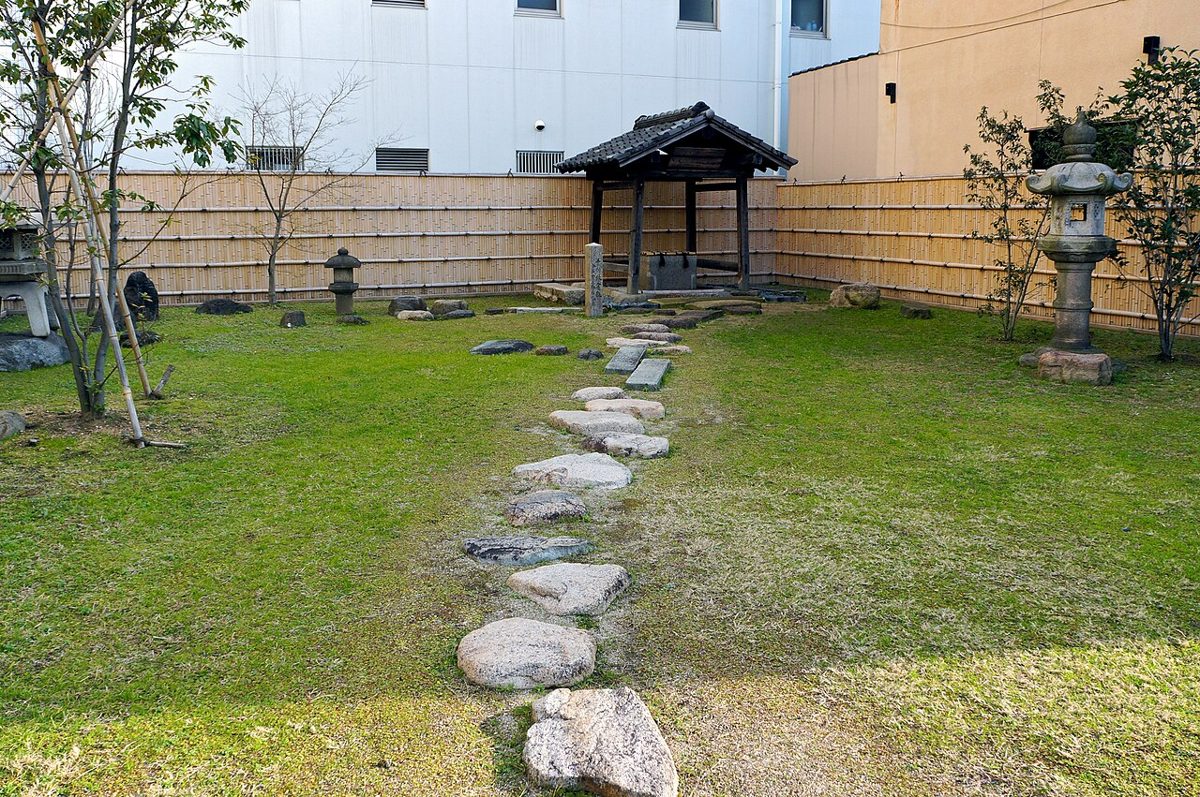
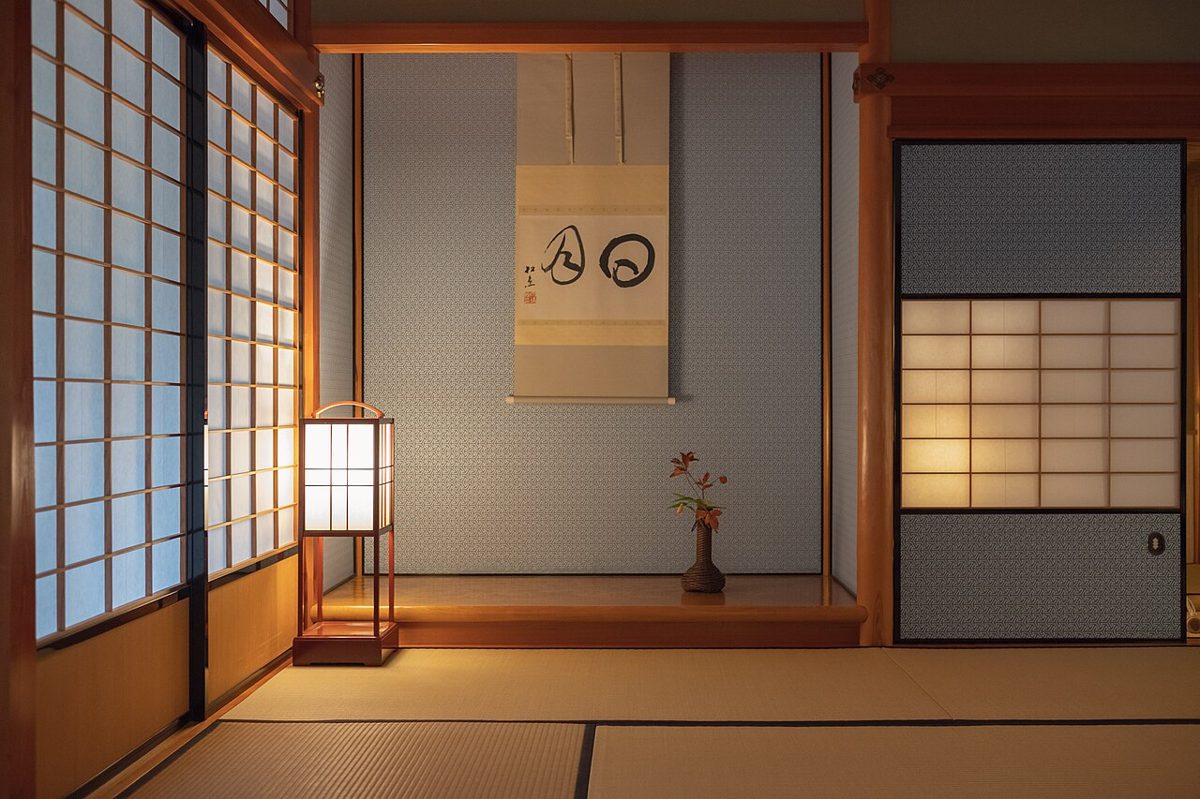
Two ideas explain why a tea room looks the way it does. Wabi-sabi is the beauty of the imperfect, weathered and plain: a slightly misshapen bowl, an unglazed surface, a single flower instead of a bouquet. The room is deliberately modest so that nothing distracts from the moment. The second idea is ichigo ichie, “one time, one meeting.” This exact gathering, with these people, this light and this bowl, will never happen again, so host and guest give it their full attention. Once you understand that, the long silences and slow movements stop feeling like dead time and start feeling like the whole point.
Why Tokyo’s tea culture has its own flavour
Kyoto is the city most people associate with tea, but Tokyo, the old shogunal capital of Edo, has a deep tea tradition of its own. The big schools all maintain Tokyo branches, and the city is dotted with daimyo garden teahouses built by feudal lords who entertained here. The Edo sensibility tends toward iki, a chic, understated stylishness, which you feel in the city’s preference for crisp, unfussy hospitality over courtly display. Practically, that means Tokyo offers an unusually wide spread of formats: drop-in matcha in a 300-year-old garden, slick English beginner lessons near the major stations, and discreet hotel tea houses, often within a short train ride of each other.
What Happens in a Tea Ceremony, Step by Step
A full formal gathering (a chaji) can run four hours with a kaiseki meal, charcoal laying and two rounds of tea. Almost no traveler does that on a first visit. What you will join is closer to a chakai, an informal tea gathering of 45 to 90 minutes. Here is the shape of it so nothing surprises you.
1. Purifying the utensils
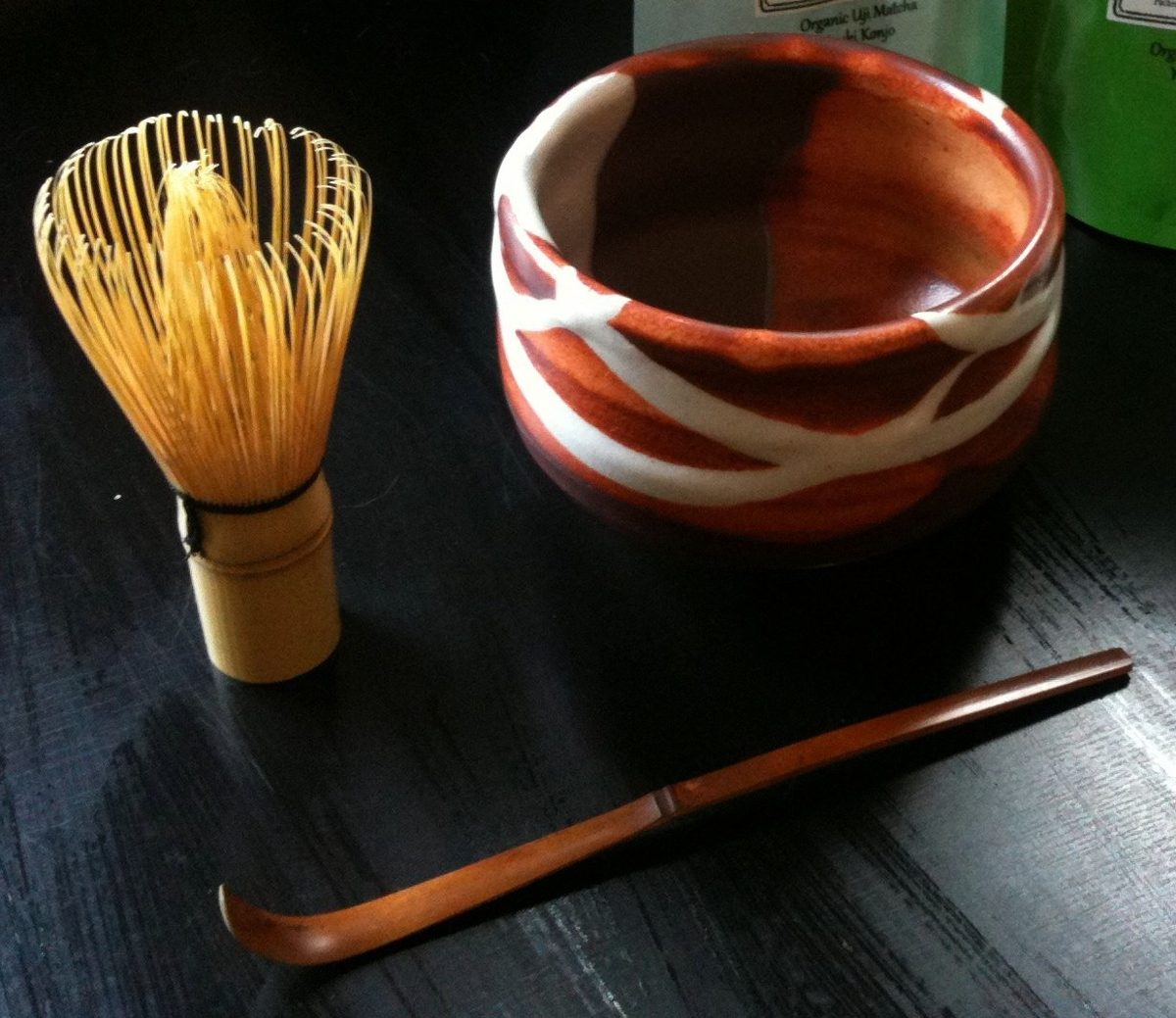
The host begins by ritually cleaning the tea scoop (chashaku), the caddy (natsume for thin tea) and the bowl (chawan) with a folded silk cloth called a fukusa, then rinses the bamboo whisk (chasen) in hot water from the iron kettle (kama). These movements are not for show; purification is part of the meditative discipline, and watching it is when the room goes quiet.
2. Thick tea vs thin tea
There are two ways matcha is served. Usucha (thin tea) is light and frothy, whisked briskly so it foams, and served one bowl per guest. This is what nearly every beginner experience offers. Koicha (thick tea) uses about three times the matcha to less water, producing a glossy, almost syrupy tea that is kneaded rather than whisked, and is traditionally shared from one bowl passed between guests in more formal settings. If a listing only mentions matcha “whisking,” assume usucha.
3. The wagashi sweet
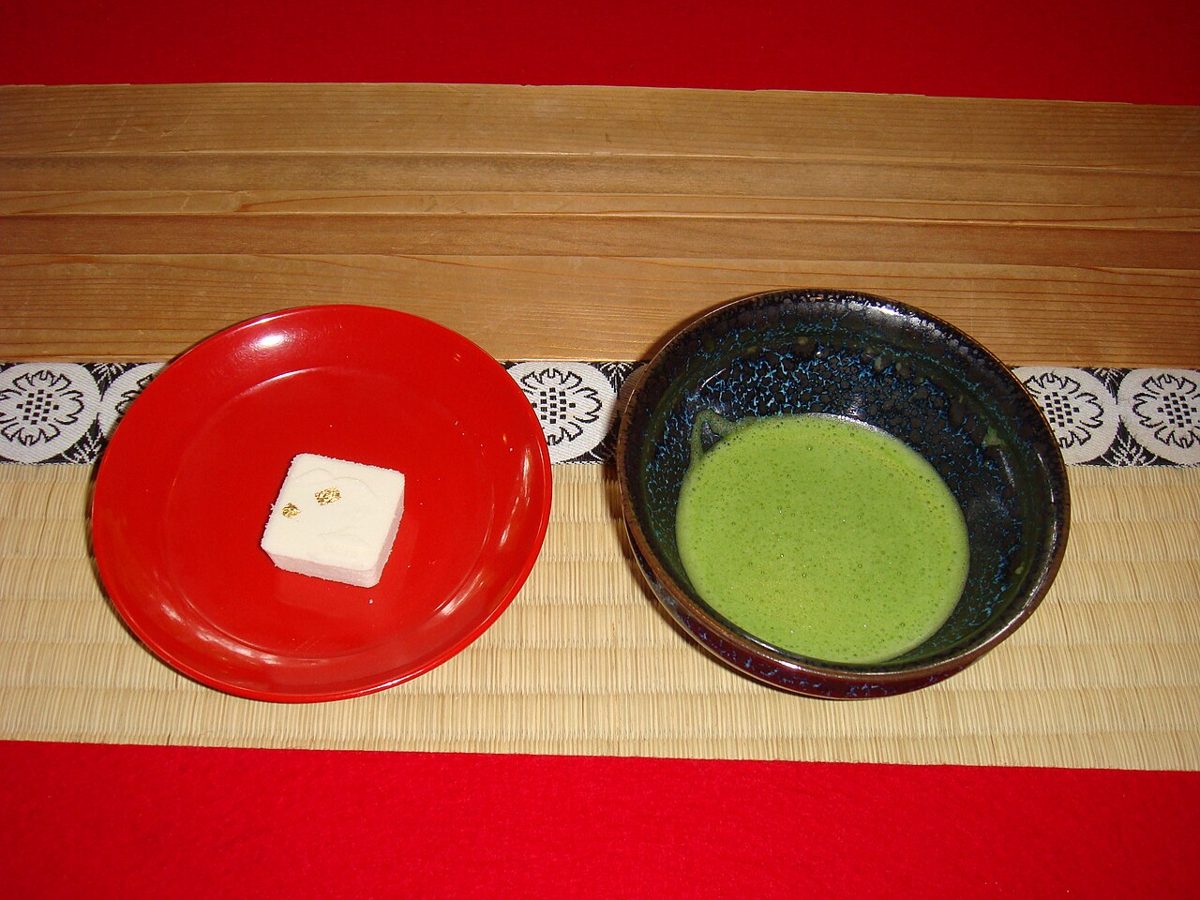
Before the tea comes the sweet. Matcha is genuinely bitter, so a wagashi confection is served first to coat your palate. In a formal setting with thick tea you may get a moist namagashi shaped to the season, a pink plum blossom in spring, a maple leaf in autumn; with thin tea you might get a drier higashi. You eat the whole sweet before the tea arrives, not alongside it. Use the little pick (yoji) if one is provided, or the paper (kaishi) placed under it.
4. How to receive, turn, drink and admire the bowl
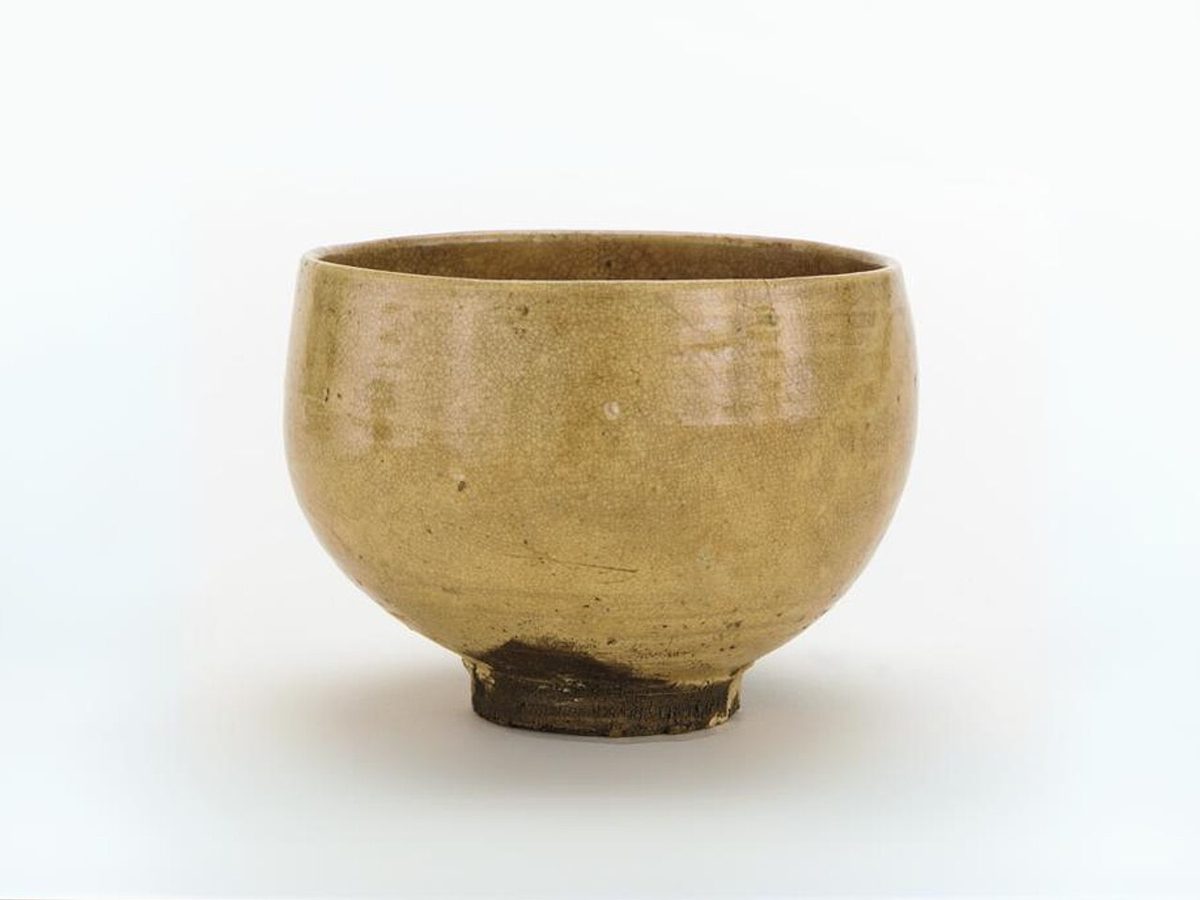
This is the part guests worry about, so here is the sequence. When the bowl is set in front of you, bow. If others are still waiting, give a small nod to the guest beside you (“osaki ni,” roughly “excuse me for going first”). Then pick the bowl up with your right hand and rest it on your left palm. Bow once more and say “otemae chodai itashimasu” (thank you for the tea). The decorated “front” of the bowl faces you out of respect, so you turn the bowl clockwise about two quarter-turns so you do not drink from that front. Drink in three or four sips; a small slurp on the last sip is fine and signals you enjoyed it. Wipe the rim where your lips touched with your right fingers, turn the bowl back, set it down, and then it is polite to pick it up again to admire the glaze, shape and maker before returning it. Slow movements and copying the room beat getting every step perfect.
Where to Experience a Tea Ceremony in Tokyo
Tokyo gives you three broad tiers. At the cheap end, a historic garden teahouse serves you matcha and a sweet for around ¥1,000 with no lesson, a low-pressure first taste. In the middle, English-language “experiences” of 45 to 90 minutes explain the ritual and let you whisk your own bowl for roughly ¥3,500 to ¥6,000. At the top, luxury hotels stage private ceremonies in their own tea houses for tens of thousands of yen. The table below sorts the best-known options; details follow underneath.
| Venue | Area / nearest station | Price from | English | Kimono option | Duration |
|---|---|---|---|---|---|
| Hama-rikyu, Nakajima-no-ochaya | Shiodome / Shimbashi | ¥300 entry + ~¥1,000 matcha | Menu/limited | No | ~30 min |
| Happo-en, Mu-an teahouse | Shirokanedai | ¥1,100-1,815 (teicha) | Some | Arranged | ~30-45 min |
| Chazen | Ginza & Asakusa | ¥3,500 shared | Yes | Yes (+¥) | ~45 min |
| Maikoya | Asakusa & Shinjuku | ¥6,000 (with kimono) | Yes | Yes (included) | ~45-60 min |
| Shizu-Kokoro | Asakusa | ¥4,620 | Yes | No | ~90 min |
| Imperial Hotel, Toko-an | Hibiya | ¥6,000 | Yes | No | ~45 min |
| Jugetsudo (Kabukiza) | Ginza | ¥6,000 | Yes | No | ~45 min |
| Jidaiya | Asakusa | ¥4,400 pp (2+) | Yes | Yes (+¥) | ~45 min |
| Tokyo Tower, Asacha no Yu | Akabanebashi | ¥3,980 (morning) | Guide | No | ~60 min |
| Hotel Chinzanso (private) | Mejiro | ¥90,000+ per booking | Yes | Arranged | ~60-90 min |
Garden teahouses: the ¥1,000 first taste
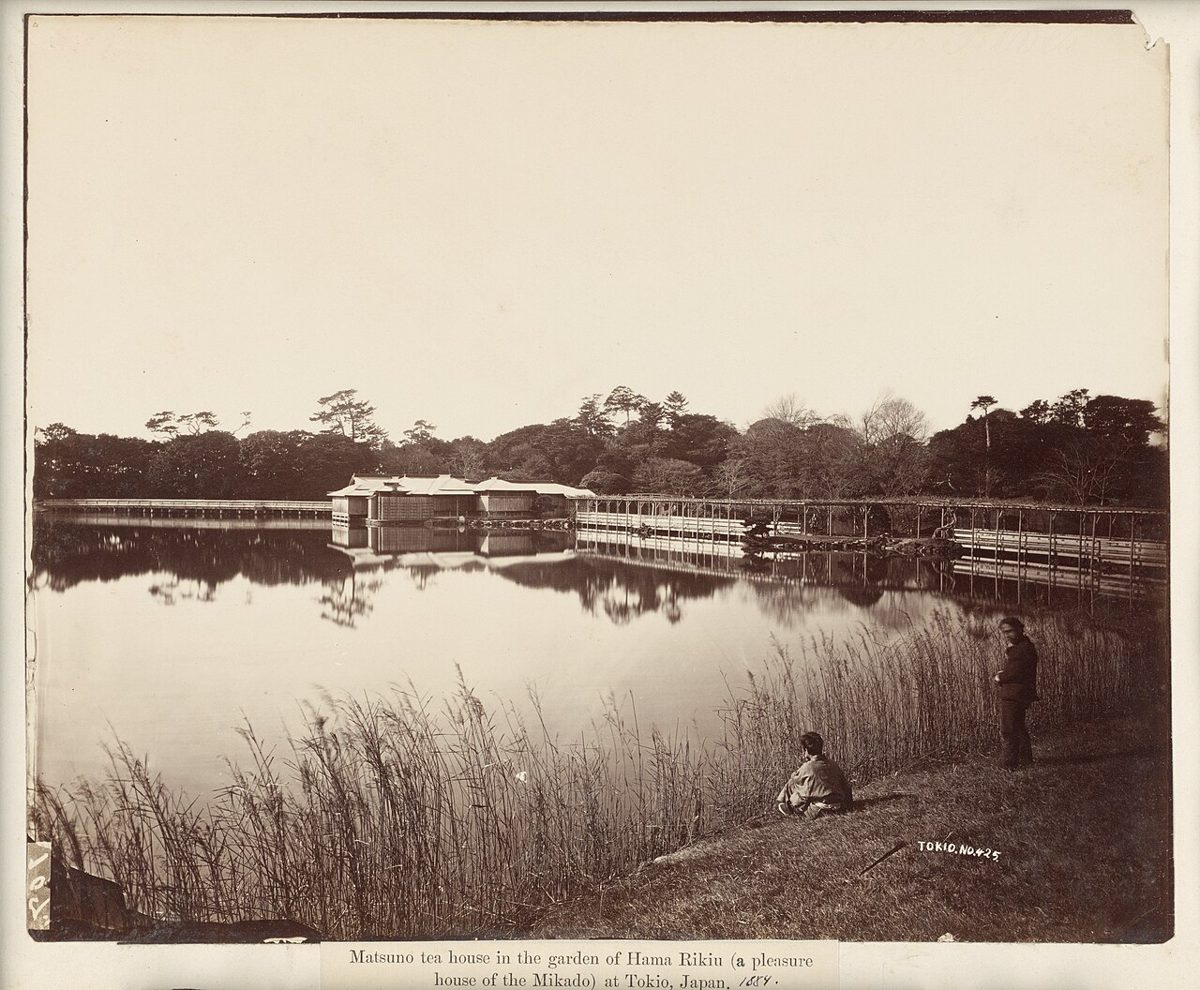
The single easiest tea moment in central Tokyo is the Nakajima-no-ochaya teahouse at Hama-rikyu Gardens. The teahouse sits on stilts over a tidal saltwater pond, reached by wooden bridges; shoguns once relaxed here. There is no reservation and no lesson, you pay the ¥300 garden entry, walk in, take off your shoes, kneel (or sit on a bench), and a server brings a bowl of whisked matcha with a seasonal sweet for roughly ¥1,000. The garden is open daily 9:00 to 17:00. Two other gardens do the same: Shinjuku Gyoen has the Rakutei teahouse with a ticket machine for matcha, and Happo-en in Shirokanedai runs casual teicha service at its lovely Mu-an teahouse (around ¥1,100-1,815, weekend afternoons) as well as a reserved formal otemae that runs ¥10,890 and up.
English experiences: whisk your own bowl
If you want the ritual explained and the chance to whisk matcha yourself, book a dedicated experience. Chazen is the most traveler-friendly, with authentic small chashitsu rooms (complete with the low crawl-in nijiriguchi door) next to the Kabukiza in Ginza and a second branch in Asakusa. Founder Rie Takeda is a certified tea professor; sessions run about 45 minutes from ¥3,500 for shared seating, ¥4,500-5,000 private, with kimono add-ons at ¥6,800-8,500. Maikoya in Asakusa and Shinjuku bundles the ceremony with kimono dressing from ¥6,000 (a sweets-making plus tea package runs ¥10,800), all in English, and you can keep the kimono on to stroll afterward until 6pm. Shizu-Kokoro in Asakusa runs a deeper 90-minute class for ¥4,620 where you act as both host and guest and taste both koicha and usucha. Jugetsudo, a Kengo Kuma-designed tea space on the fifth floor of Kabukiza Tower in Ginza, runs a beginner-friendly 45-minute session for ¥6,000 that includes a take-home matcha-making set.
Hotel and luxury ceremonies
For a refined, quieter setting, the hotels deliver. The Imperial Hotel hosts ceremonies in its Toko-an tea rooms for around ¥6,000 per adult, with explanation and hands-on whisking. The Hotel New Otani has the historic Seisei-an tea house in its famous garden (check current availability directly, as it has had closure periods). At the top end, Hotel Chinzanso Tokyo arranges private multi-language ceremonies in a garden teahouse from about ¥90,000 per booking, and the Mandarin Oriental runs a program around ¥23,000 per person (minimum two). These are special-occasion prices; the value is privacy, setting and elite hosts rather than learning the basics.
Tea with a geisha
For something rarer, a handful of Tokyo geisha perform tea ceremony, one of the arts every apprentice studies. The Fukagawa geisha can be booked for a tea ceremony from around ¥7,000, and some speak English. If that intrigues you, our Tokyo geisha guide explains how to arrange a respectful encounter.
Which Tea Ceremony Should You Choose?
With this many options, match the format to what you actually want. If you are short on time or money and just want to taste real matcha in a beautiful setting, go to a garden teahouse, Hama-rikyu is the easy pick, and skip the lessons entirely. If you want to understand the ritual and whisk your own bowl, book an English experience like Chazen or Shizu-Kokoro; the 90-minute classes give you the most practice. If you are travelling with kids or a group and want photos in kimono, Maikoya or Jidaiya combine dressing, sweets and tea in one stop. If it is a special occasion and you want privacy and polish, the Imperial Hotel or a private hotel ceremony is worth the splurge. And if you are also heading to Kyoto, you can happily do the cheap garden version in Tokyo and save a full lesson for there.
One more practical note on solo travelers: a few premium programs (some luxury hotels, certain school sessions) require a minimum of two or three guests, and a solo booking may be charged at the two-person rate. The garden teahouses and the main beginner studios, by contrast, happily seat one. If you are on your own, that narrows the field but still leaves plenty of excellent choices.
What to Wear, Etiquette and Booking
Do you need to book?
Garden teahouses are walk-in. Everything else, book ahead, and in Tokyo right now that matters: 2025 set a record for inbound visitors and the small tea rooms cannot add seats. Treat an instructor-led session like a timed ticket. Lock a weekday slot first, then plan sightseeing around it. Lead times vary, daily-running studios may have space a week out, while some hotel programs ask for around ten days. Read the cancellation policy before you pay; a few charge 50% within a week and 100% within three days.
What to wear and bring
Kimono is never mandatory. Wear clean, modest clothes you can sit in; avoid anything too revealing. The one item that genuinely matters is socks, ideally white, because most tatami rooms ask you not to step on the mats barefoot, so bring a pair even in summer sandals. Skip perfume and bulky rings or watches: scent interferes with the room and hard jewelry can scratch a centuries-old bowl. Beginner experiences provide everything else. If you sit awkwardly in seiza (kneeling), choose a venue that offers ryurei table-and-chair seating, many do, and say so when booking.
Can you wear a kimono?
Yes, and several venues make it part of the package. Chazen, Maikoya and Jidaiya all offer kimono dressing with the ceremony, which photographs beautifully and adds to the mood. If you want to rent a kimono separately and wear it more widely around Asakusa, see our Tokyo kimono rental guide for shops and prices.
Mistakes to avoid
Three errors spoil tea ceremonies for travelers. First, booking the wrong format: a “tea ceremony” listing that is really just matcha service will disappoint if you wanted to whisk your own; look for words like “make matcha yourself” or “demonstration and hands-on.” Second, disrespecting the room with bare feet, strong perfume or loud chatter; the calm is the experience, not a backdrop for a running commentary. Third, treating utensils as props, do not wave the bowl around for photos or handle the scroll. Move slowly, copy your host, and you will be fine.
Building a Tea Ceremony Into Your Day
Because most sessions are short, tea slots neatly into a wider cultural day. A classic low-cost loop: enter Hama-rikyu, take matcha at the pond teahouse, then catch the Sumida River cruise that departs from inside the garden to Asakusa. In Asakusa you can pair a Chazen or Shizu-Kokoro ceremony with the temples on our Tokyo temples and shrines guide. The tea ceremony is one of the most rewarding entries in our wider cultural guide to the city, which pulls together the rituals, etiquette and hands-on experiences that make the city more than its neon.
Frequently Asked Questions
How much does a tea ceremony in Tokyo cost?
A garden teahouse matcha and sweet runs about ¥1,000 (plus garden entry). A guided English experience where you whisk your own bowl is typically ¥3,500 to ¥6,000 for 45 to 90 minutes. Private hotel ceremonies range from roughly ¥23,000 per person up to ¥90,000 and more per booking.
Do I need to wear a kimono to a tea ceremony?
No. Kimono is never required; clean, modest clothing is fine. The only thing that really matters is bringing socks, since most tatami rooms ask you not to enter barefoot. Several venues such as Chazen, Maikoya and Jidaiya offer optional kimono dressing if you want the full look.
Do I have to book a tea ceremony in advance?
Garden teahouses like Hama-rikyu are walk-in. Instructor-led experiences and hotel ceremonies should be booked ahead, often a few days to about ten days, especially in busy spring and autumn. Always check the cancellation policy before paying, as some are strict.
Can I do a tea ceremony if I cannot sit on the floor?
Yes. Many venues offer ryurei seating using tables and chairs, and most beginner experiences are flexible. Mention it when you book if the listing is unclear, and you will be seated comfortably.
What is the difference between thick tea and thin tea?
Thin tea (usucha) is light and frothy, whisked to a foam and served one bowl per guest; this is what most experiences offer. Thick tea (koicha) uses much more matcha to less water, is glossy and intense, kneaded rather than whisked, and traditionally shared from a single bowl in formal settings.
Photo Credits
- Whisking usucha (thin matcha) is the heart of a Tokyo tea ceremony experience — Photo: Kaminix / CC BY 3.0 via Wikimedia Commons
- Matcha is always paired with a wagashi sweet, eaten before you drink — Photo: myself / CC BY-SA 3.0 via Wikimedia Commons
- Nakajima-no-ochaya teahouse at Hama-rikyu Gardens, the easiest walk-in matcha in central Tokyo — Photo: Rijksmuseum / CC0 via Wikimedia Commons
- A chashitsu tea room: tatami floor, a scroll in the tokonoma alcove, and a simple kettle — Photo: Benh LIEU SONG from Torcy, France / CC BY-SA 2.0 via Wikimedia Commons
- A chawan tea bowl, admired before and after drinking — Photo: AnonymousUnknown author / Public domain via Wikimedia Commons
- Sen no Rikyu (1522-1591) gave the tea ceremony its wabi-sabi aesthetic — Photo: 663highland / CC BY 2.5 via Wikimedia Commons