Tokyo Culture & Traditions · Guide №009
Tokyo Culture & Traditions Guide: Etiquette, Customs & Experiences
目次 — Contents
- Before You Arrive: 2026 Entry Rules, Taxes, and What’s Changed
- Greeting Customs: Bowing, Business Cards, and First Impressions
- Getting Around Tokyo: Train, Taxi, and Street Etiquette
- Dining Etiquette: Restaurants, Izakayas, and Chopstick Rules
- Visiting Shrines and Temples: Step-by-Step Ritual Guide
- Onsen and Public Bathing Culture: Rules, Tattoos, and Etiquette
- Shopping, Tipping, and Payment Etiquette
- Photography, Drones, and Privacy: Where You Can and Cannot Shoot
- Top Cultural Experiences in Tokyo: Tea Ceremonies, Kabuki, and Workshops
- Neighborhood-by-Neighborhood Cultural Guide
- Common Mistakes Tourists Make (and How to Avoid Them)
- Quick Reference: Essential Dos and Don’ts in Tokyo
- Go Deeper: Tokyo Culture & Tradition Guides
- Frequently Asked Questions About Japanese Culture and Etiquette
- Embrace Tokyo’s Cultural Richness
- Keep Planning Your Tokyo Trip
This article contains advertising. Our booking links are routed through a partner that adds commission tracking automatically, so if you book through one we earn a commission from the provider, at no extra cost to you. It never affects what we recommend. Affiliate disclosure
Japan’s culture is built on a foundation of mutual respect, attention to detail, and consideration for others — and nowhere is this more visible than in Tokyo. Understanding japanese culture etiquette tokyo visitors need to know isn’t just about avoiding mistakes; it’s the key to unlocking deeper, more meaningful experiences in one of the world’s most fascinating cities. When you bow correctly at a shrine, handle chopsticks with care, or remove your shoes without being asked, you’re not just following rules — you’re participating in a living cultural tradition that dates back centuries.
Two concepts underpin nearly every social interaction in Japan. Omotenashi — often translated as “selfless hospitality” — is the philosophy that drives Japan’s legendary customer service, immaculate public spaces, and the extraordinary care you’ll encounter everywhere from five-star hotels to convenience stores. Meiwaku — causing inconvenience or trouble to others — is considered one of the worst social offenses. Together, these principles create a society where consideration for the people around you is woven into the fabric of daily life.
This comprehensive guide covers everything visitors need to know about Japanese culture and etiquette in Tokyo — from greeting customs and dining rules to shrine rituals, onsen protocol, and the 2026 regulatory changes affecting tourism. Whether you’re a first-time visitor or a returning traveler, understanding these cultural norms will transform your Tokyo experience from tourist to welcomed guest.
Before You Arrive: 2026 Entry Rules, Taxes, and What’s Changed
Japan’s approach to tourism management has evolved significantly, and 2026 brings several important changes that visitors should understand before arriving. The most notable is the tourist departure tax increase from ¥1,000 to ¥3,000 (approximately $20 USD), effective July 1, 2026. This tax is included in your airline ticket price and funds tourism infrastructure improvements across the country.
Several popular destinations have implemented visitor management measures to address overtourism concerns. The Mt. Fuji Yoshida Trail now requires advance booking with a timed entry system. In Kyoto, the Arashiyama Bamboo Grove uses timed entry during peak seasons. While these specific measures are outside Tokyo, similar crowd management approaches are being trialed at popular Tokyo sites during peak periods, particularly at Senso-ji during major festivals and at prime cherry blossom viewing spots in Ueno Park and along the Meguro River.
Photography restrictions have expanded in residential areas and cultural districts. Following Kyoto’s Gion alleyway photo bans (which carry actual fines), several Tokyo neighborhoods including parts of Asakusa and Yanaka have introduced signage requesting visitors not to photograph private residences and local residents without permission. These aren’t typically enforced with fines, but respecting them demonstrates the cultural awareness that will make your entire trip more rewarding.
Drone regulations have also tightened — flying drones over historical sites, national parks, festival venues, and residential areas is prohibited, with fines and immediate confiscation of equipment. If you plan to use a drone in Tokyo, research the specific regulations beforehand and obtain any required permits.
Greeting Customs: Bowing, Business Cards, and First Impressions
The Art of Bowing
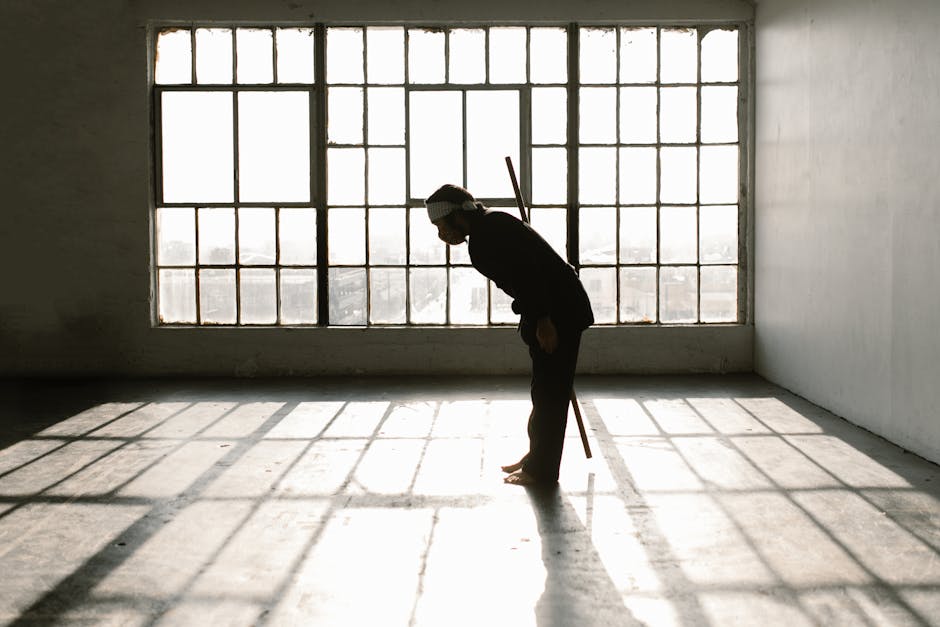
Bowing (ojigi) is Japan’s fundamental greeting, and understanding the basics will serve you well throughout your trip. The depth and duration of a bow communicate the level of respect or formality. A casual nod of about 15 degrees is appropriate for everyday encounters — greeting shopkeepers, thanking convenience store staff, or acknowledging someone who holds a door. A 30-degree bow shows genuine respect and is appropriate for meeting someone new, thanking someone for a significant service, or entering a traditional establishment. A 45-degree or deeper bow is reserved for very formal situations, sincere apologies, or showing deep gratitude.
As a foreign visitor, no one expects you to master the subtleties of bowing. A sincere slight bow — essentially a respectful head nod — is always appreciated and never wrong. When in doubt, match the depth of the bow you receive. You don’t need to bow and shake hands simultaneously — if someone extends their hand for a handshake (which is increasingly common with international visitors), simply shake hands. If someone bows to you, bow back. The important thing is the sincerity behind the gesture, not the technical perfection.
Business Card Etiquette (Meishi)
If you’re visiting Tokyo for any professional purpose — business meetings, conferences, or even creative collaborations — understanding business card (meishi) exchange is essential. Present your card with both hands, text facing the recipient so they can read it immediately. Receive their card with both hands, read it carefully (this shows respect), and place it on the table in front of you during the meeting rather than putting it away immediately. Never write on someone’s business card in their presence, and avoid placing it in your back pocket where you’d sit on it. While most tourist interactions don’t require business cards, carrying them in professional settings shows cultural awareness that Japanese colleagues deeply appreciate.
Getting Around Tokyo: Train, Taxi, and Street Etiquette
Tokyo’s transportation system is one of the most efficient in the world, and the etiquette that keeps it running smoothly is worth understanding.
Train and Subway Etiquette
Silence is the golden rule on Tokyo trains. Phone calls are considered extremely rude — if you must answer an urgent call, step off at the next station. Set your phone to manner mode (silent) and avoid playing audio without headphones. Conversations between passengers should be kept to a low volume, particularly during rush hours and on long-distance trains. Dedicated priority seats near the doors are reserved for elderly passengers, pregnant women, people with disabilities, and those with small children — avoid sitting in them unless the train is largely empty.
Queuing discipline on Tokyo train platforms is impressive and important to follow. Passengers line up in neat rows at marked boarding positions on the platform. When the train arrives, those exiting get off first (always), then those queuing board from the sides. Pushing or cutting the line is a significant social violation. On escalators, stand on the left side in Tokyo (right side in Osaka) and leave the other side clear for people walking — though there’s been an official campaign to encourage standing on both sides for safety, the practice persists.
Street and Public Space Etiquette
No eating while walking is a strong cultural norm in Japan. While you won’t be arrested for eating a crepe while strolling through Harajuku, it’s considered inconsiderate. The expectation is that you eat at the shop where you bought the food, at a designated eating area, or on a bench — not while walking through crowds. Street food stalls at festivals (matsuri) and markets are the exception, where eating while standing near the stall is perfectly normal.
Tokyo has almost no public trash cans — this surprises nearly every first-time visitor. The norm is to carry your trash with you until you find a bin (convenience stores always have them, as do train stations and vending machine areas). Bring a small plastic bag in your daypack for this purpose. This system works because littering is virtually nonexistent, and it’s an important cultural norm to maintain rather than violate.
Smoking is prohibited on most public streets in Tokyo’s central wards. Designated smoking areas are clearly marked near major stations and in some parks. Fines for street smoking can reach ¥2,000 in some wards.
Dining Etiquette: Restaurants, Izakayas, and Chopstick Rules
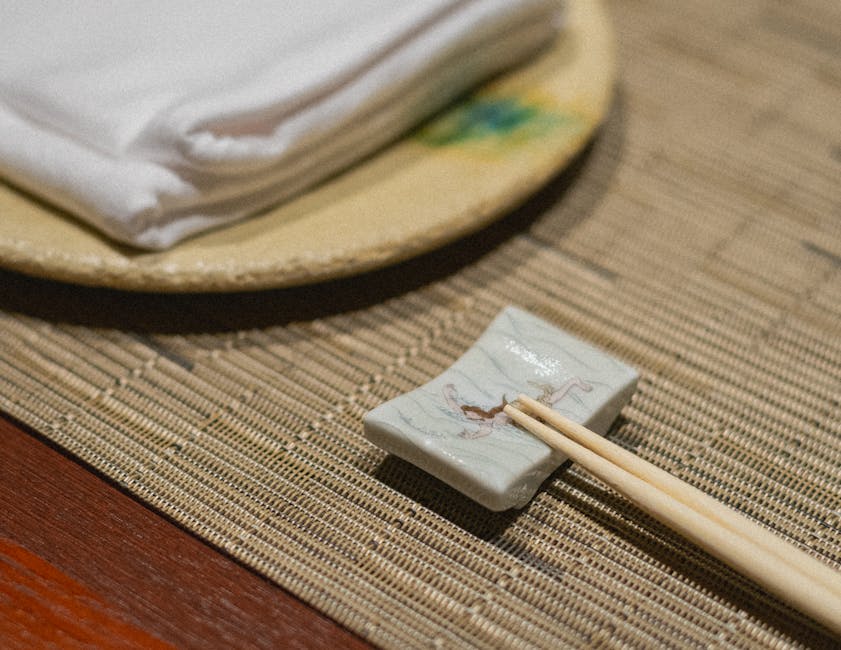
Japanese dining culture has its own rich set of customs that enhance both the food and the social experience. Understanding these basics will make every meal more enjoyable and show respect to the people preparing your food.
Essential Dining Customs
Before eating, it’s customary to say “itadakimasu” (ee-tah-dah-kee-mahs) — literally “I humbly receive,” expressing gratitude for the meal. After finishing, say “gochisousama deshita” (go-chee-so-sa-ma desh-ta) — “it was a feast,” thanking the host or chef. At restaurants, you’ll typically receive a hot or cold wet towel (oshibori) to clean your hands before the meal — use it for your hands only, not your face or neck.
Tipping does not exist in Japan and attempting to tip can cause genuine confusion or even offense. The price on the menu is the price you pay (plus tax), and the high level of service you receive is considered a professional standard, not something that needs to be incentivized with extra money. This applies everywhere — restaurants, taxis, hotels, and hair salons. Some high-end restaurants include a service charge (typically 10%), which will be clearly noted on the menu.
Chopstick Etiquette: What to Avoid
Chopstick etiquette in Japan carries deeper cultural significance than many visitors realize. Several chopstick practices are taboo because they’re associated with Buddhist funeral rituals:
- Never stand chopsticks vertically in rice (tsuki-bashi) — this resembles incense sticks placed in rice offerings at funerals and is one of the most significant taboos.
- Never pass food chopstick-to-chopstick (utsushi-bashi) — this mirrors a funeral ceremony where cremated bone fragments are passed between chopsticks. Use your chopsticks to place the food on the other person’s plate instead.
- Don’t point with chopsticks or wave them in the air — treat them as eating utensils, not gesturing tools.
- Don’t rub disposable chopsticks together — this implies you think the restaurant provided cheap chopsticks, which can be perceived as insulting.
- When taking food from a shared plate, use the reverse (clean) end of your chopsticks if dedicated serving chopsticks aren’t provided.
Sushi, Ramen, and Other Food-Specific Rules
At sushi restaurants, particularly counter-style omakase, the chef places each piece directly on your plate at the optimal moment — eat it promptly. It’s acceptable to eat nigiri sushi with your fingers (dip the fish side, not the rice, into soy sauce). Don’t drown sushi in soy sauce or mix wasabi into your soy sauce dish at a high-end sushi counter — the chef has already seasoned each piece.
For ramen, slurping is not just acceptable — it’s expected and considered a sign of enjoyment. Slurping aerates the noodles and helps cool them. Drink the broth directly from the bowl. In izakayas, the first drink is almost always beer — the phrase “toriaezu, nama de” (“for now, a draft beer”) is the standard opening order. Subsequent rounds can be anything you like.
Visiting Shrines and Temples: Step-by-Step Ritual Guide
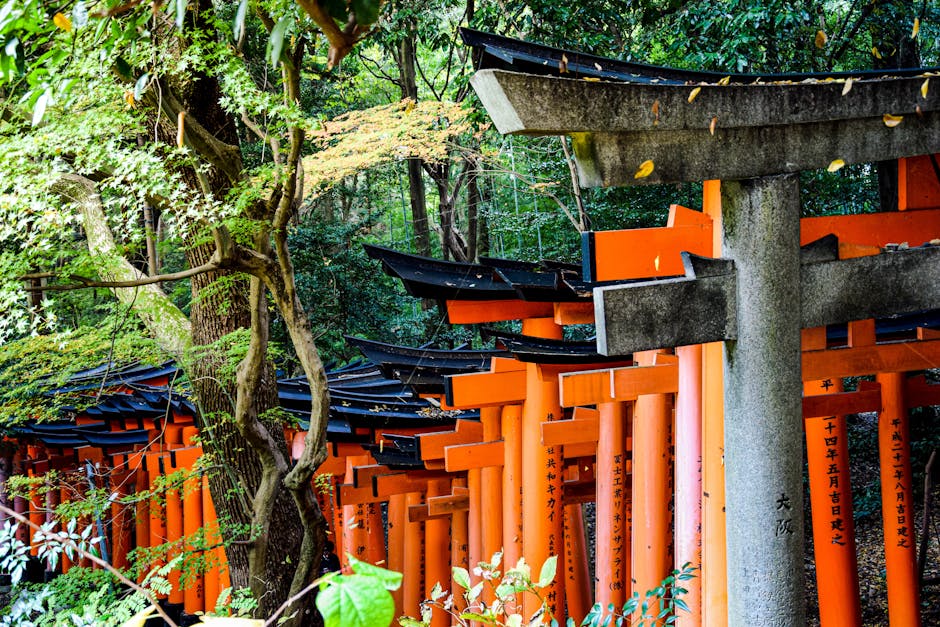
Tokyo is home to thousands of Shinto shrines and Buddhist temples, and visiting them is one of the city’s most rewarding cultural experiences. Understanding the difference between the two — and the etiquette for each — will deepen your appreciation immensely.
Shinto Shrines: How to Pay Respect
Shinto shrines (identified by their torii gates) are Japan’s indigenous places of worship, devoted to kami — spirits associated with nature, ancestors, and sacred places. When entering through the torii gate, bow slightly before passing through. Walk to the sides of the path rather than the center, which is reserved for the kami.
At the temizuya (purification fountain near the entrance), perform the cleansing ritual: take the ladle with your right hand and pour water over your left hand, then switch hands and rinse your right hand. Pour water into your cupped left hand, rinse your mouth (spit the water beside the fountain, not back into it), then tilt the ladle vertically to rinse its handle before replacing it.
At the main hall, the standard prayer ritual is two bows, two claps, one bow (ni-hai, ni-hakushu, ichi-hai): bow deeply twice, clap your hands twice (this summons the attention of the kami), close your eyes and offer a brief prayer or wish, then bow deeply once more. If there’s an offering box (saisen-bako), toss a coin before praying — ¥5 is considered lucky because the word for five yen (go-en) sounds like the word for good fortune/connection.
Buddhist Temples: Key Differences
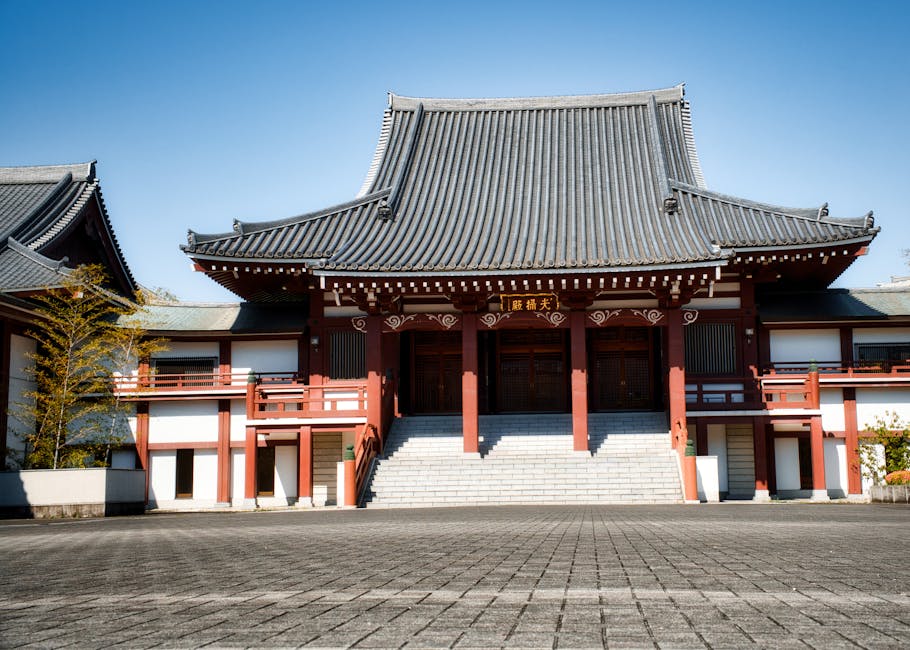
Buddhist temples (identified by their sanmon gates and often having names ending in -ji, -dera, or -in) have different prayer customs. The most important difference: do not clap at Buddhist temples. Instead, place your palms together in front of your chest (the gassho position) and bow silently. If incense is available, light a stick, fan the flame out (don’t blow it — your breath is considered impure), and place it in the incense burner. Some visitors waft the smoke toward themselves, as it’s believed to have healing properties.
Senso-ji in Asakusa — Tokyo’s oldest and most visited Buddhist temple — is the ideal place to practice these customs. The temple hosts over 40 annual festivals and ceremonies, including the spectacular Sanja Matsuri in May and Hana Matsuri on April 8. The incense burner (jokoro) in front of the main hall is a defining feature — locals and visitors alike waft the smoke over the parts of their body they want healed.
At both shrines and temples, fortune papers (omikuji) are available for ¥100-¥200. If you receive a bad fortune, tie it to the designated rack at the shrine or temple to leave the bad luck behind. Good fortunes can be kept in your wallet. Omamori (protective charms) are available for purchase at temple and shrine shops — each is consecrated and should be treated respectfully, not opened or discarded carelessly.
Onsen and Public Bathing Culture: Rules, Tattoos, and Etiquette
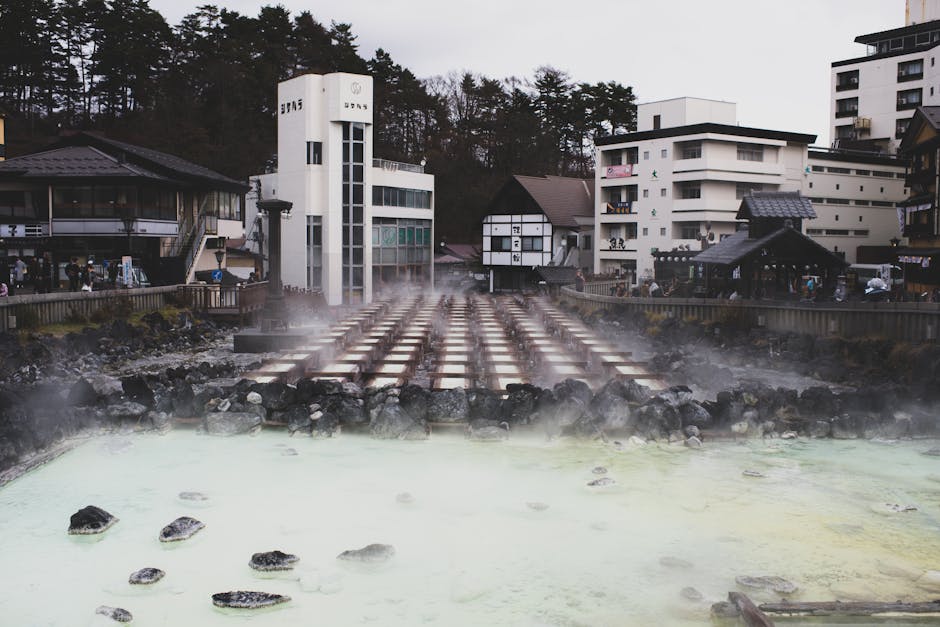
Japan’s bathing culture is one of its most distinctive traditions, and experiencing an onsen (hot spring bath) or sento (public bathhouse) is an essential part of any Tokyo visit. The rules are strict but straightforward, and following them is both expected and important.
Essential Onsen Rules
- Wash thoroughly before entering the bath. Every onsen and sento has shower stations with soap, shampoo, and stools. Sit on the stool, wash your entire body completely, and rinse off all soap before stepping into the communal bath. This is the most important rule — entering the bath without washing is a serious breach of etiquette.
- No swimsuits or clothing in the bath. Onsen and sento are used completely nude. Bathing areas are separated by gender. A small towel is provided (or can be rented) — use it for washing, but do not put it in the bath water. Most people fold it and place it on their head while soaking.
- No photos in bathing areas. This should go without saying, but cameras and phones must stay in the locker room.
- Keep your voice low. Onsen are places of relaxation and quiet contemplation. Conversation is fine but should be kept to a soft volume.
- Don’t submerge your head or swim. The bath is for soaking, not swimming or diving.
Tattoos and Onsen: The 2026 Reality
Japan’s complex relationship with tattoos stems from their historical association with yakuza (organized crime). Many traditional onsen and sento still prohibit visible tattoos, and this is enforced through signs and occasionally staff checks. However, the situation is evolving. An increasing number of facilities — particularly those in tourist-heavy areas and modern hotel spas — now welcome tattooed visitors. Some offer private baths (kashikiri buro) where the tattoo policy doesn’t apply.
In Tokyo specifically, several options are reliably tattoo-friendly: Thermae-yu (Kabukicho, Shinjuku) is a large, modern facility that explicitly welcomes tattooed guests. Spa LaQua (Tokyo Dome) allows small tattoos and offers coverup stickers for larger ones. Many hotel onsen in international properties (Aman Tokyo, Hoshinoya Tokyo) have relaxed or eliminated tattoo policies. If you have tattoos and want to experience traditional onsen, call ahead or check online databases like Tattoo Friendly — the landscape changes frequently, and more facilities are becoming accepting each year.
Shopping, Tipping, and Payment Etiquette
Japanese retail culture operates on different assumptions than most Western countries, and understanding these will make shopping smoother and more enjoyable.
Cash remains important in Tokyo despite the rapid growth of cashless payments since 2020. While most department stores, chain restaurants, convenience stores, and large retailers accept credit cards and IC cards (Suica/Pasmo), many smaller shops, traditional restaurants, market stalls, and some attractions are still cash-preferred or cash-only. Always carry at least ¥10,000-¥20,000 in cash. 7-Eleven ATMs accept most international cards and are available 24/7.
When paying in cash, place your money on the small tray (cashier tray) at the register rather than handing it directly to the cashier — this is standard practice, not a sign of distance. Your change will be returned on the same tray, often counted back to you coin by coin. Never hand money directly person-to-person — always use the tray when one is provided.
Department store wrapping is a minor art form in Japan. If you’re buying a gift, staff will offer to wrap it beautifully — accept this complimentary service. Japanese gift-giving culture places significant importance on presentation, and the wrapping is considered part of the gift itself. When receiving a gift from a Japanese person, it’s polite to decline once or twice before accepting, and to open it later rather than in front of the giver (unless they invite you to open it).
Photography, Drones, and Privacy: Where You Can and Cannot Shoot
Tokyo is extraordinarily photogenic, and photography is generally welcomed at most tourist sites. However, several important restrictions apply:
- No photography inside most temple and shrine main halls. The exterior and grounds are usually fine, but the inner worship area is often restricted. Look for signs or ask if unsure.
- Many museums prohibit flash photography, and some ban photography entirely in specific exhibitions. Check at the entrance.
- Do not photograph people without permission, especially geisha, maiko, or people in traditional dress in cultural districts. This has become a significant issue in areas like Asakusa and is increasingly enforced.
- Residential alleyways and backstreets — particularly in neighborhoods like Yanaka, Nezu, and parts of Asakusa — are people’s homes, not tourist attractions. Photograph architecture and atmosphere, but avoid pointing cameras at residences, laundry, or private spaces.
- Drone regulations are strict. Flying drones over densely populated areas, historical sites, national parks, and within 150 meters of airports requires permits. Unauthorized drone use can result in fines and equipment confiscation.
Top Cultural Experiences in Tokyo: Tea Ceremonies, Kabuki, and Workshops
Tea Ceremony (Chanoyu)
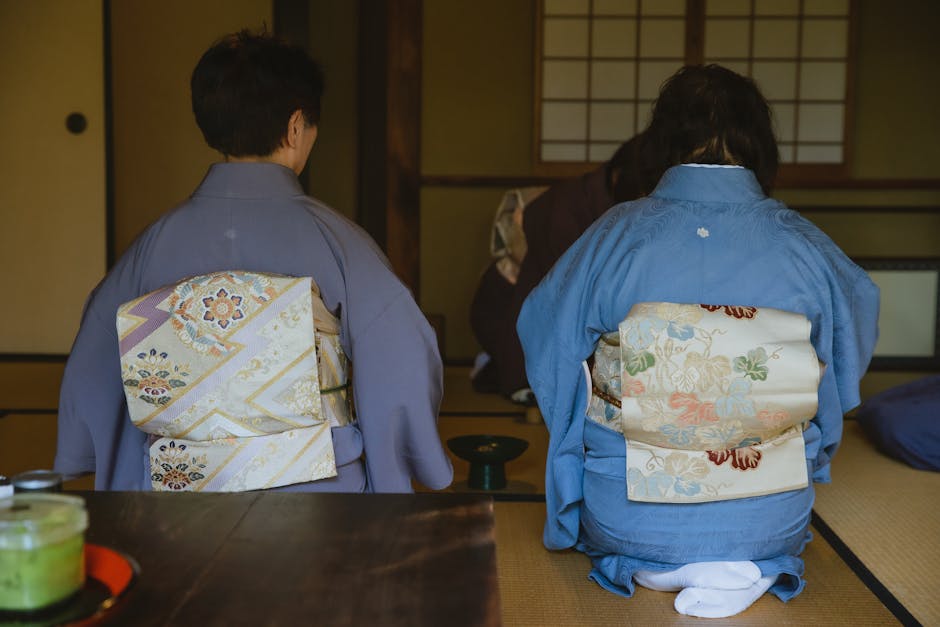
The Japanese tea ceremony is one of the most profound cultural experiences available to visitors. Far more than simply drinking matcha, chanoyu (“the way of tea”) is a meditative practice that embodies principles of harmony (wa), respect (kei), purity (sei), and tranquility (jaku). A well-run ceremony guides you through each step — from admiring the tea room and utensils to whisking and drinking the matcha — creating a contemplative pause that feels almost otherworldly in the middle of Tokyo’s urban intensity.
MAIKOYA (locations in Asakusa and Shinjuku) offers English-language tea ceremonies lasting 45-60 minutes with the option to wear kimono (¥3,500-¥6,000 per person). The experience includes wagashi (Japanese sweets) and instruction in the proper way to receive and drink the tea. Book 15-24 days ahead during peak season (March-May, October-November). Chazen (teaceremony-tokyo.jp) offers a more formal, authentic experience in a traditional chashitsu tea room. For a less structured introduction, many temples and gardens — including Hama-rikyu Gardens and the garden at the Nezu Museum — serve matcha and wagashi in scenic settings without requiring a formal ceremony booking.
Kabuki Theater
Kabukiza in Ginza is Tokyo’s premier kabuki theater and one of Japan’s most important cultural venues. Kabuki performances combine elaborate costumes, dramatic makeup, stylized movement, and live shamisen music in stories drawn from Japanese history and folklore. Full performances last several hours, but the theater offers single-act tickets (hitomaku-mi) for visitors who want a shorter introduction — typically 30-60 minutes for ¥1,000-¥2,000. English audio guides and subtitles are available for most performances, making this accessible even without Japanese language skills.
Kimono and Yukata Experience
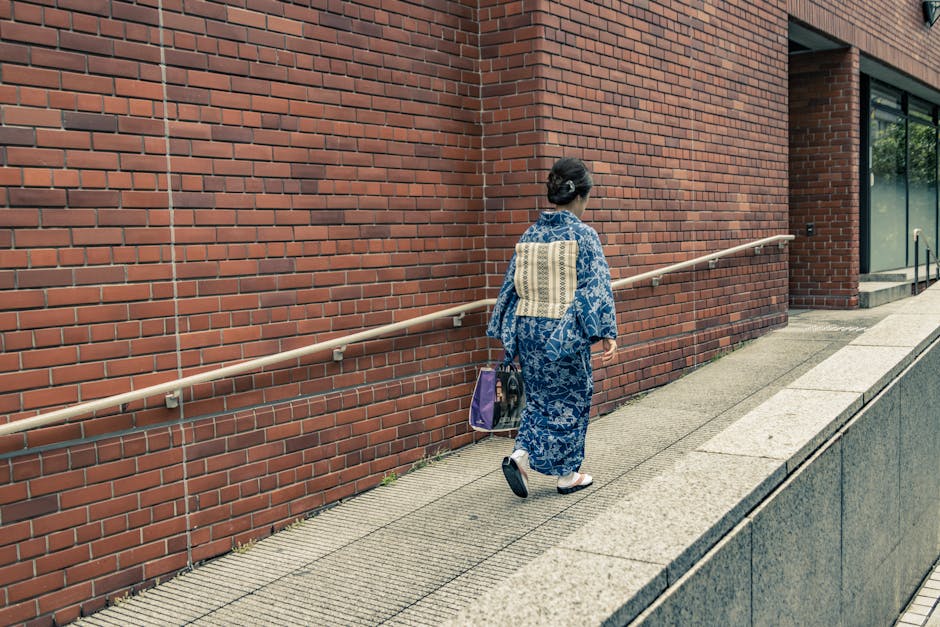
Wearing a kimono or yukata (lighter summer kimono) while exploring Tokyo is a popular and culturally appreciated activity — not appropriation but participation, and Japanese people overwhelmingly respond with delight when visitors embrace this tradition. Rental shops in Asakusa, Harajuku, and near major shrines offer full packages including dressing assistance, accessories, and hair styling for ¥3,000-¥8,000 for a full day. Wargo and Vasara are two reliable chains with English-speaking staff and a wide selection of patterns and styles.
Other Cultural Workshops
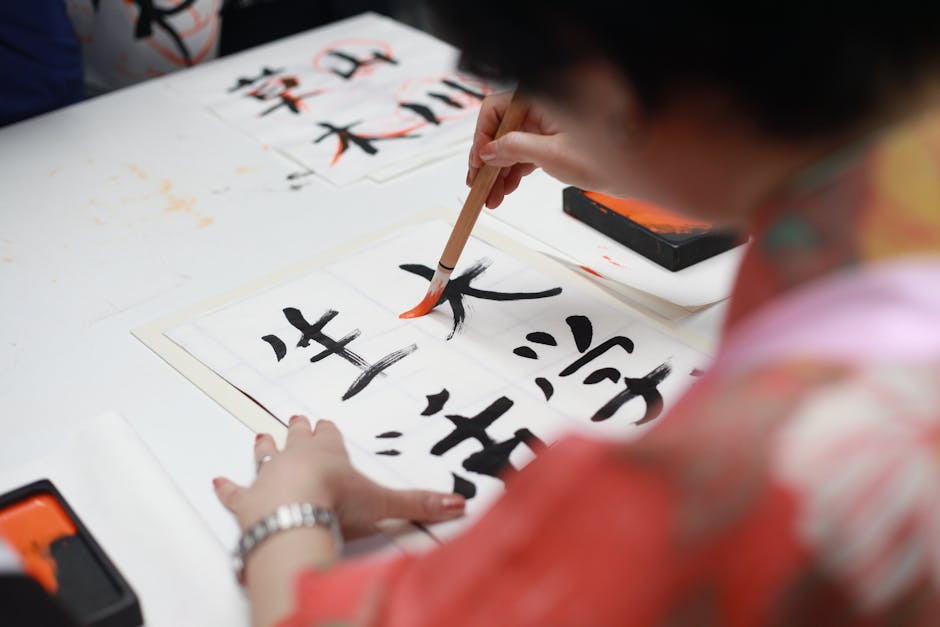
Tokyo offers an extraordinary range of hands-on cultural workshops that provide deeper engagement than sightseeing alone:
- Japanese calligraphy (shodo) — Learn to write kanji characters with brush and ink in sessions lasting 60-90 minutes. The Yanaka and Asakusa areas have several studios offering English-language instruction.
- Sushi-making classes — Learn to prepare nigiri sushi, maki rolls, and other Japanese dishes from professional chefs. AirKitchen and Cooking Sun are popular platforms for booking home-cooking and professional classes.
- Kintsugi (golden repair) — The Japanese art of repairing broken pottery with gold. Several Tokyo workshops offer introductory sessions where you repair a cup or bowl to take home. This practice embodies the wabi-sabi aesthetic of finding beauty in imperfection.
- Plastic food sample making (sampuru) — At Kappabashi’s Ganso Shokuhin Sample-ya, you can make realistic plastic food replicas — the same ones displayed in restaurant windows across Japan. Sessions run about 30 minutes and cost ¥1,500-¥2,500.
- Edo paper lantern painting — At Namidabashi Oshimaya Chochin, a shop operating for over 100 years, you can paint your own traditional paper lantern under artisan guidance.
Neighborhood-by-Neighborhood Cultural Guide
Different Tokyo neighborhoods have distinct cultural personalities and expectations:
Asakusa — Tokyo’s most traditional tourist area. Respect is especially important here as Senso-ji is an active place of worship, not just a tourist attraction. Follow temple etiquette carefully, don’t block the Nakamise-dori shopping street for photos, and be mindful of residents in the surrounding residential streets. This is a great area for kimono rental — you’ll blend right in.
Shinjuku and Shibuya — Tokyo’s busiest entertainment districts are more relaxed about etiquette, but basic courtesy still applies. Keep right on sidewalks, don’t block pedestrian flow for photos (especially at Shibuya Crossing), and keep noise down after midnight in residential side streets. Kabukicho is safe but can be pushy — politely declining touts who approach you is the norm.
Yanaka — This quiet, traditional neighborhood is one of the few areas of Tokyo that survived the war largely intact. It’s a residential area first and a tourist destination second. Keep voices low, don’t photograph private homes, and support local businesses by purchasing from the small shops along Yanaka Ginza shopping street.
Akihabara — Otaku culture has its own etiquette. Don’t photograph cosplayers or maid cafe staff without asking first (most will be happy to pose if asked politely). In shops specializing in figurines and collectibles, ask before handling merchandise. Many shops prohibit photography of their inventory to prevent price comparison shopping.
Common Mistakes Tourists Make (and How to Avoid Them)
- Talking on the phone on trains — This is the single most common foreigner mistake in Tokyo. Set your phone to silent mode and text instead of calling. If you absolutely must take a call, step off at the next station.
- Wearing shoes indoors — When you see a raised floor or a row of shoes at an entrance, remove yours. This applies to temples, traditional restaurants, ryokans, some museums, fitting rooms, and Japanese homes. If slippers are provided, use them — but remove them again on tatami mat floors (go barefoot or in socks).
- Blowing your nose in public — Sniffling is preferred over nose-blowing in Japanese culture. If you need to blow your nose, excuse yourself to a restroom.
- Cutting the taxi queue — Tokyo taxi ranks at stations have clearly marked queues. Cutting the line is considered very rude. Also note: taxi doors open and close automatically — don’t touch them.
- Blocking pedestrian flow — Stopping suddenly in the middle of a busy sidewalk or station to check your phone or consult a map causes the meiwaku (inconvenience) that Japanese culture works so hard to avoid. Step to the side.
- Ignoring the consumption tax situation — Prices displayed in shops may or may not include the 10% consumption tax. Look for signs indicating 税込 (tax included) or 税抜 (tax excluded). Tourist tax-free shopping is available at participating stores for purchases over ¥5,000 — bring your passport.
Quick Reference: Essential Dos and Don’ts in Tokyo
Do:
- Bow when greeting, thanking, and saying goodbye
- Remove shoes when you see a genkan (entryway) or shoe rack
- Say “itadakimasu” before meals and “gochisousama” after
- Queue patiently and wait for people to exit before boarding trains
- Carry your trash with you until you find a bin
- Use both hands when giving or receiving business cards, gifts, or important items
- Be quiet on public transport
- Wash thoroughly before entering any bath or onsen
- Try to learn basic Japanese phrases — even “sumimasen” (excuse me/sorry) and “arigatou gozaimasu” (thank you very much) are deeply appreciated
Don’t:
- Tip at restaurants, hotels, or taxis
- Talk on the phone on trains or buses
- Eat while walking on the street
- Stick chopsticks vertically in rice
- Point at people or things with chopsticks
- Take photos inside temple main halls without permission
- Touch the door of a taxi — it opens automatically
- Push or cut queues
- Blow your nose loudly in public
- Enter an onsen without washing first, or wear swimwear in a bath
Go Deeper: Tokyo Culture & Tradition Guides
Want to move past the overview? These in-depth companion guides cover the cultural experiences visitors ask about most, each with current prices, how-tos and the etiquette that keeps you out of trouble:
- Onsen etiquette: how to bathe in a Japanese hot spring — the wash-first ritual, the tattoo question, and where to soak in and around Tokyo.
- Sumo wrestling in Tokyo: how to watch and buy tickets — tournament dates at Ryogoku Kokugikan, seat types and what they cost.
- Kimono rental in Tokyo: shops, prices and photo spots — what’s included, how much it costs, and the best places to shoot.
- Essential Japanese phrases for tourists — the words that actually help in restaurants, shops and on the train.
- Tea ceremony in Tokyo: where to experience authentic chado — from a ~¥1,000 garden matcha to a full lesson in English.
- Geisha and maiko in Tokyo — the city’s hanamachi districts and how to actually see a performance.
- Traditional crafts and workshops in Tokyo — Edo Kiriko glass, food-sample making, calligraphy and more, hands-on.
Frequently Asked Questions About Japanese Culture and Etiquette
Do I need to speak Japanese to visit Tokyo?
No — Tokyo is increasingly English-friendly, especially in tourist areas, hotels, and major restaurants. Train station signs, ticket machines, and major attractions have English signage. However, learning a handful of basic phrases makes a tremendous difference in how you’re received. “Sumimasen” (excuse me/I’m sorry), “arigatou gozaimasu” (thank you very much), “onegaishimasu” (please), and “eigo wa daijoubu desu ka” (is English okay?) will cover most situations and earn genuine appreciation from the people you interact with.
Is it rude to wear shoes inside in Japan?
Yes — wearing outdoor shoes inside is one of the more serious etiquette violations in Japanese culture. The inside/outside distinction is deeply ingrained. If you see a raised floor, a row of slippers, or a shoe rack at the entrance to any building, home, or room, remove your shoes. Many traditional restaurants, all ryokans, temple interiors, some museums, and all Japanese homes require shoe removal. Wear socks without holes and shoes that are easy to slip on and off — you’ll be removing them frequently.
Are tattoos really a problem in Tokyo?
Tattoos can limit access to some traditional onsen, sento (public bathhouses), and occasionally gyms or swimming pools. In all other contexts — restaurants, hotels, temples, shops, trains — tattoos are not an issue and won’t affect your experience. The onsen tattoo restriction is gradually relaxing, especially in Tokyo’s more international facilities. Small tattoos can often be covered with bandages or special concealment stickers available at drugstores. For larger tattoos, seek out tattoo-friendly facilities or book private baths.
What if I accidentally break an etiquette rule?
Japanese people are overwhelmingly understanding of cultural mistakes by foreign visitors. If you realize you’ve made an error — sat in a priority seat, forgot to remove your shoes, or used chopsticks incorrectly — a slight bow and “sumimasen” (I’m sorry) is all that’s needed. The fact that you’re making an effort to learn and respect Japanese customs is noticed and deeply appreciated, even if the execution isn’t perfect. Genuine cultural offense almost always requires repeated, deliberate rudeness — an accidental mistake will be met with patience and grace.
Embrace Tokyo’s Cultural Richness
Understanding Japanese culture and etiquette isn’t about memorizing a list of rules — it’s about embracing a mindset of awareness and consideration that will transform your entire Tokyo experience. When you approach each interaction with genuine respect and curiosity, you’ll find that doors open that aren’t visible to less culturally aware visitors. A shopkeeper might show you a special item they keep behind the counter. A temple priest might invite you to a normally private ceremony. A bartender in Golden Gai might share stories about the neighborhood’s history over a drink.
Tokyo is a city that rewards the visitor who takes the time to understand it. The cultural norms described in this guide aren’t barriers — they’re invitations to participate in one of the world’s oldest and most refined civilizations. Carry this knowledge with you, approach every encounter with sincerity, and you’ll discover a Tokyo that most tourists never see.
Keep Planning Your Tokyo Trip
Before you go, brush up with our essential etiquette tips so you can navigate temples, trains and restaurants with confidence. Put it into practice at Senso-ji temple, time your trip around the Tokyo festivals and events calendar, and experience tradition first-hand with a stay at one of the best ryokan in Tokyo.