Tokyo Culture & Traditions · Guide №108
Kimono Rental in Tokyo: Best Shops, Prices & Photo Spots
A practical kimono rental Tokyo guide: real 2026 prices, the best Asakusa shops, the full dressing process, yukata vs kimono, and the photo spots that make it worth it.
目次 — Contents
- Kimono vs. Yukata: Which One Should You Rent?
- Why Asakusa Is the Best Place to Rent
- Best Kimono Rental Shops in Tokyo (With Prices)
- What’s Included — and the Add-Ons That Matter
- The Rental Process, Step by Step
- Best Photo Spots in Your Kimono
- Booking Tips and Seasonal Notes
- Mistakes to Avoid
- Wearing It Well: Etiquette and Comfort
- Frequently Asked Questions
- Photo Credits
This article contains advertising. Our booking links are routed through a partner that adds commission tracking automatically, so if you book through one we earn a commission from the provider, at no extra cost to you. It never affects what we recommend. Affiliate disclosure
This kimono rental Tokyo guide gives you what you actually need: a basic kimono or yukata runs about ¥3,000–¥6,000, the dressing takes 20–45 minutes, and you keep the outfit until the shop closes (usually 5:30–6:00 PM the same day). Below I compare the best shops by price and English support, walk through the whole rental process step by step, and point you to the photo spots that make it worth doing.
I have done this twice — once in early April under the cherry blossoms and once in a sticky July yukata — and the single most useful thing I can tell you is that the garment changes how you move through a place. You take shorter steps, you look up more, and Asakusa stops feeling like a place you are photographing and starts feeling like a place you are inside. Here is how to get it right the first time.
Kimono vs. Yukata: Which One Should You Rent?
The choice is mostly seasonal, and it matters before you book. A kimono (着物) is the full traditional garment — multiple layers, silk or silk-blend fabric, and an obi sash tied in an elaborate knot at the back. It is the year-round standard and the right pick for spring sakura and autumn foliage. Because it is complex, a professional dresser needs 30–45 minutes to layer and secure everything. Basic kimono plans start around ¥4,000.
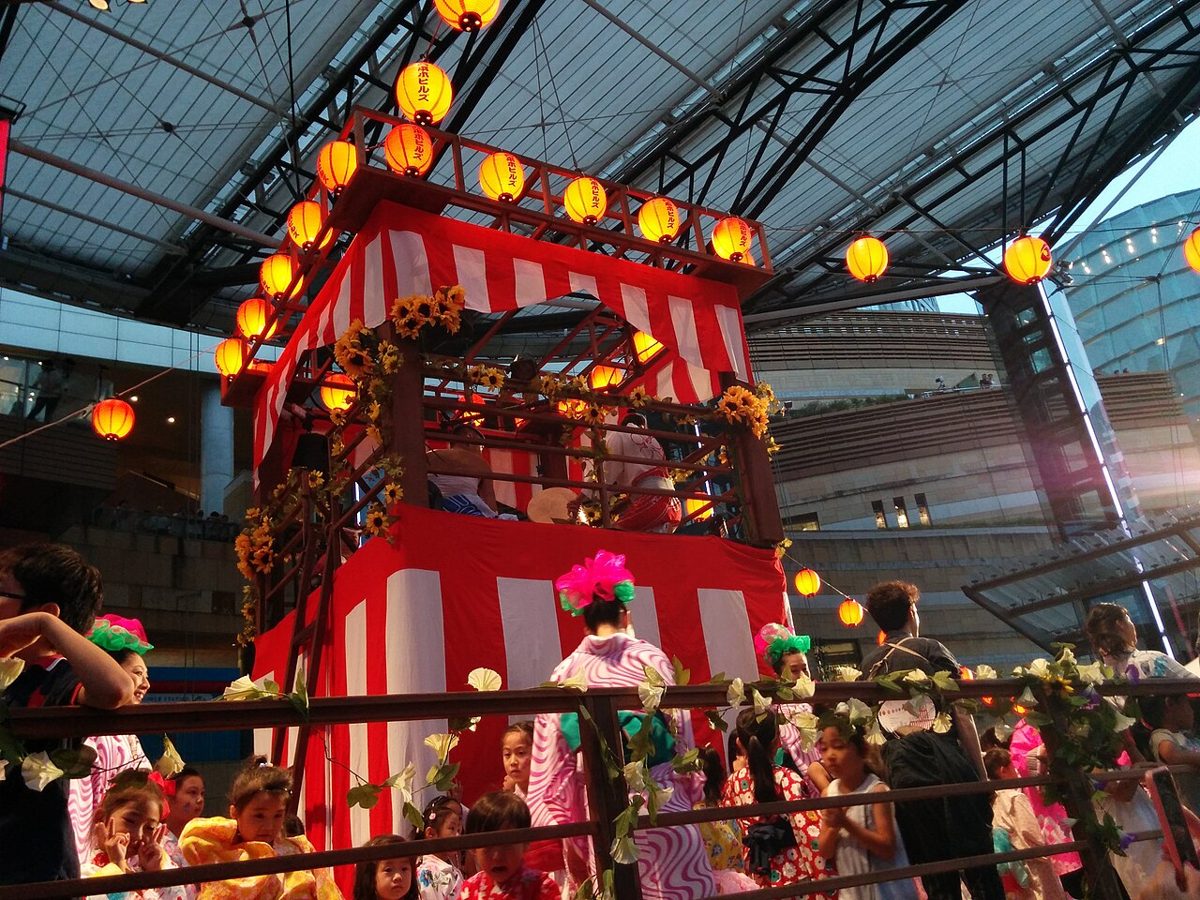
A yukata (浪衣) is a single-layer cotton garment that began life as a bathrobe and is now the casual summer option — lighter, cooler, easier to wear, and a touch cheaper. It is the appropriate choice from roughly June through August, and it is what locals wear to summer matsuri and fireworks. Dressing takes 20–30 minutes; plans start around ¥3,300–¥3,500. If you are visiting in July for the Sumida River Fireworks (25 July 2026), a yukata is both the comfortable and the culturally correct call.
Most Asakusa shops stock both and shift their primary inventory with the season. In shoulder months like May and September they carry both in transition, and staff will steer you based on the day’s forecast — so if you cannot decide, just ask. One winter note: from December to February, shops add a haori (a kimono jacket) and sometimes a shawl, so a cold-weather kimono day is perfectly doable.
Why Asakusa Is the Best Place to Rent
You can rent a kimono in Harajuku, Shibuya, Shinjuku, or the old-town lanes of Yanaka, but Asakusa is the obvious base and not only because it photographs well. The neighbourhood’s timber shopfronts, the worn stone of the Nakamise approach, and the five-story pagoda were built in a world where kimono was everyday clothing, so the background does the work for you. Practically, Kaminarimon Gate is about two minutes from most shops, the pagoda five, and the Sumida River embankment ten — you can cover every iconic spot in a full-day rental without boarding a train. For the wider context, see our pillar guide to Tokyo’s culture and traditions, and our dedicated guide to Senso-ji itself for what to see once you are dressed and on the temple grounds.
Best Kimono Rental Shops in Tokyo (With Prices)
There are 30–50 rental shops clustered around Asakusa alone, plus reliable options in Shibuya, Ginza, Harajuku, and Ikebukuro. Prices below are the published starting rates I confirmed for 2026; tiers rise with fabric quality (synthetic vs. silk), pattern selection, and add-ons. Always check the shop’s own site before booking, because seasonal and online-discount rates change.
| Shop | Area | From (basic) | What’s included | English support |
|---|---|---|---|---|
| Kimono Rental Wargo | Asakusa (1 min from Tsukuba Express) | ¥3,300 | Kimono, obi, bag, zori sandals, tabi socks; free hair set + kanzashi on many plans | Strong; online booking, same-day OK |
| VASARA | Asakusa (×3), Shinjuku, Shibuya, Akihabara | ¥3,300 (yukata ¥3,630) | Full kit; standard plan with hair styling from ¥4,378 | Strong; polished English site |
| Kimono Yae | Asakusa (near Nakamise) | ¥6,800 | Hairstyling + ornaments included; photoshoot plans from ¥16,000 | Yes; specialises in photography |
| Hanaka Kimono | Asakusa (Exit 5) | ¥2,560 (2-hr) | Hairstyling + accessories; quick change-in/out; up to wedding plans | Yes |
| Kimono Koto | Asakusa | ¥1,980* | Kimono, obi, sandals, undergarments, basic hairstyle; men’s ¥3,850; furisode ¥10,780 | Online booking |
| Asakusa Daikichi | Asakusa | ¥1,880 (yukata) | Yukata kit; couple photoshoot plans | Yes |
| Kimono Rental Aki | Shibuya, Ginza, Ikebukuro, Yokohama | ¥6,600 | Dressing + rental; +¥3,300 add-ons (hair, photo); ¥3,000 refundable deposit; overnight option | Full English support |
| Sakaeya | Harajuku (appointment only) | ¥10,000 | Meiji Shrine + tea-ceremony plan with dressing lesson; furisode ¥50,000 | Yes |
Wargo and VASARA: the reliable chains
If this is your first time and you want a safe bet, start with Kimono Rental Wargo or VASARA. Both open at 09:00, both take online bookings in clear English, and both let you reserve, change, or cancel online (Wargo’s cancellation is free up to two days before). Wargo runs Japan’s deepest selection — ‘retro modern’ and ‘antique couple’ kimono among them — and its yukata plans run mid-May to late September from ¥3,300. VASARA has three Asakusa branches plus stores in Shinjuku, Shibuya, and Akihabara, so you can dress near wherever you are based; its dressing reception closes at 17:00 with returns by 17:30, so plan your day around that.
Yae and Hanaka: photo-forward and budget picks
Kimono Yae sits right by Nakamise and specialises in high-quality hairstyling and photography; individual plans from ¥6,800 already include hair and ornaments, and you can add a professional 30/60/90-minute photoshoot from ¥16,000 or have a rickshaw collect you from the shop. At the other end, Hanaka Kimono (seconds from Exit 5) starts at ¥2,560 for a two-hour rental with hairstyling included and is known for getting you dressed fast. For the rock-bottom price, Kimono Koto advertises kimono from ¥1,980 with an autumn/winter online discount, men’s kits at ¥3,850, and a long-sleeved furisode at ¥10,780 — the furisode needs booking at least five days ahead.

Men’s, kids’, and couple plans
Almost every shop above dresses men and children too. Men’s kimono plans typically start around ¥3,500–¥4,000 (Kimono Koto’s is ¥3,850) and use a simpler, faster obi tie. Kids’ yukata and kimono are widely available and inexpensive. Couple plans are the quiet money-saver: booking two people together usually shaves ¥1,000–¥1,500 off two separate reservations, and several shops sell a couple kimono-plus-rickshaw package for around ¥8,000 per pair. Aiwafuku, for example, runs student-ID pricing from ¥3,300 and couple packages around ¥7,300.
What’s Included — and the Add-Ons That Matter
A standard package covers the kimono (or yukata), the obi sash, an under-layer (nagajuban), tabi socks, zori or geta sandals sized to your foot, and a small drawstring bag for your phone and wallet. Your street clothes and backpack stay locked at the shop, so you head out carrying almost nothing.
Two add-ons are worth the money. Hair styling runs ¥1,000–¥2,500 and takes 15–20 minutes; an upswept style with kanzashi hairpins is the difference between ‘wearing a kimono’ and looking the part — do not skip it to save time. (Wargo and Yae bundle hair into many plans already.) The second is an upgrade from synthetic (polyester) to a silk or silk-blend fabric; the visual difference in photos is small, but the drape and feel are noticeably better if you only do this once.
The Rental Process, Step by Step
The process is more organised — and more hands-on — than the word ‘rental’ suggests. Here is exactly what happens from walking in to handing it back.
- Check-in (5–10 min). Confirm your reservation; staff explain plan tiers and add-ons. At reputable shops this is informational, not a hard sell.
- Choose your kimono (10–20 min). Garments hang on racks by colour and pattern. Staff suggest options for the season and your colouring, then help pair an obi — which changes the whole look more than people expect. Take your time; this one decision shapes every photo.
- Get dressed (20–45 min). A professional dresser (kitsuke-shi) layers the nagajuban, wraps and secures the kimono, and ties the obi last. You will be asked to stand straight and breathe in; it is snug but professional.
- Hair and accessories. Hair styling (included or ¥1,000–¥2,500), then pick your zori, tabi, and any kanzashi, fan, or small purse.
- Store your bags. Backpacks and street clothes are locked away. Keep your passport and cash in the little bag they give you.
- Wear it all day, return by closing. Most shops want the kimono back by 5:30–6:00 PM the same day. Undressing takes about five minutes with staff help.
How long do you keep it? A standard plan is a full day with a same-day return by closing. Some shops sell half-day (about four-hour) yukata plans in summer, and a few — Kimono Rental Aki among them — let you keep the outfit overnight for an extra fee and return it the next morning, which is handy if you want to wear it to an evening event.
Best Photo Spots in Your Kimono
Once you are dressed, this is the payoff. These are the spots that work, roughly in walking order from the Asakusa shops outward. For a wider list across the city, our guide to the best photo spots in Tokyo goes neighbourhood by neighbourhood.
- Kaminarimon Gate & the giant lantern — shoot before 9:00 AM for clean light and few people, with the red lantern overhead.
- Nakamise-dori — the stalls and strung lanterns make a festive frame that is hard to photograph badly from inside the street.
- Senso-ji main hall & incense burner — great before 10:00 AM on weekends; by 11:00 it is a wall of selfie sticks.
- Five-story pagoda — the stone path on the east side catches low morning light; pair it with red maples in October–November.
- Asakusa Shrine & the back lanes (Demboin-dori) — quieter, genuinely old architecture, and far fewer tourists than the main precinct.
- Sumida River & Azumabashi Bridge — ten minutes east; Tokyo Skytree rising over a traditional-style bridge is the ancient-meets-modern shot.
- Meiji Shrine — a short ride away in Harajuku, the forested approach and towering wooden torii give you a serene, crowd-free backdrop; see our Meiji Shrine guide for access and etiquette.
- Japanese gardens & the Imperial Palace East Gardens — manicured ponds and stone bridges are ideal if you want greenery instead of crowds.
- Yanaka — old-Tokyo lanes and temples for a low-key, lived-in look.

Booking Tips and Seasonal Notes
Walk-ins work on quiet weekday mornings in the off-season, but for cherry-blossom season (late March–mid April), Golden Week (late April–early May), autumn weekends, and the Sumida River Fireworks weekend (25 July 2026), book at least a few days ahead — four to six weeks for the fireworks specifically. Booking online also gets you first pick of patterns before the popular ones are taken. Arrive at opening (around 09:30–10:00) for the best selection, the least waiting during dressing, and the soft morning light that flatters every photo.
A few practical things nobody mentions until it is too late. Wear light, breathable underwear with no collar or thick straps. Come with clean, dry hair if you want it styled. The kimono is wrapped tightly, so your stride drops to roughly 60–70% of normal — take small steps and build in real sit-down breaks, because zori sandals on Asakusa’s uneven stone paths will tire your feet after a few hours. If you plan a long day, plot a tea room or cake shop into your route. When you are mapping out where this fits, our Tokyo photo-spots guide pairs well with a kimono morning.
Mistakes to Avoid
- Skipping the hair styling. It is the cheapest upgrade with the biggest visual payoff.
- Booking the busiest day. Peak weekends mean rushed selection and dressing; early May or late September give you more attention and a fuller rack.
- Wearing the wrong underwear. Collars and thick straps show at the neckline and ruin the line.
- Overpacking your stride. Long steps work the fabric loose; short, deliberate steps feel natural within ten minutes.
- Ignoring the return deadline. Miss the 5:30–6:00 PM cut-off and you may owe a late fee — or book an overnight plan from the start.
- Not checking the size range. Most shops fit women up to ~170–175 cm and men up to ~180–195 cm; if you are taller, confirm before you book.
Wearing It Well: Etiquette and Comfort
A rented kimono comes with a few small courtesies that make the day smoother. Keep the left side wrapped over the right at the front — right-over-left is reserved for dressing the deceased, and staff will fix it before you leave, but it is good to know. When you sit, smooth the back of the kimono down with one hand so you do not crush the obi knot, and rest against the front edge of a chair rather than slumping back into it. Going up stairs or escalators, gather the hem slightly with your right hand so it does not drag.
For comfort over a full day, the tightest point is the obi across your midsection, so eat lighter, more frequent meals rather than one big sit-down lunch. Bring a folding fan in summer — it is both an accessory and genuine air conditioning — and a few blister plasters year-round, since the thong of the zori sits between your toes. If the collar or obi feels loose by mid-afternoon, almost any rental shop will re-tuck it for you for free if you pop back in, which is another quiet argument for renting near where you are exploring. Tie all of this together with our pillar on Tokyo’s culture and traditions for the customs that surround temples, shrines, and dress.
Frequently Asked Questions
How much does kimono rental in Tokyo cost?
Basic plans run about ¥3,000–¥6,000 and include the kimono, obi, under-layer, tabi socks, zori sandals, and a small bag. Yukata (summer) starts around ¥1,900–¥3,500. Premium silk kimono and elaborate hair styling reach ¥8,000–¥15,000+, and couple plans usually save ¥1,000–¥1,500 versus two separate bookings.
What is the difference between a kimono and a yukata?
A kimono is the full multi-layer garment in silk or silk-blend, worn year-round and tied with an elaborate obi. A yukata is a single-layer cotton garment, lighter and more casual, worn mainly in summer for festivals and fireworks. Kimono dressing takes 30–45 minutes; yukata 20–30. Yukata is the appropriate choice in July and August.
Do I need to book in advance?
Walk-ins are fine on quiet weekday mornings out of season. During cherry-blossom season, Golden Week, autumn weekends, and the Sumida River Fireworks (25 July 2026), book a few days ahead — four to six weeks for the fireworks. Booking online also secures first pick of patterns.
How long do you get to keep the kimono?
A standard plan is a full day with a same-day return by the shop’s closing time, typically 5:30–6:00 PM. Some shops offer four-hour half-day yukata plans, and a few allow overnight rental for an extra fee, returning it the next morning.
Where is the best place to rent a kimono in Tokyo?
Asakusa is the best base: 30–50 shops, an Edo-era streetscape, and walking-distance photo spots at Senso-ji, Nakamise, and the Sumida River. Harajuku and Shibuya suit a more modern look, and Harajuku shops like Sakaeya can pair kimono with a Meiji Shrine and tea-ceremony plan.
Photo Credits
- A kimono-clad visitor at Senso-ji in Asakusa, Tokyo’s most popular spot for kimono rental — Photo: Antonio Tajuelo from Tokio, Japón / CC BY 2.0 via Wikimedia Commons
- Nakamise-dori, the shopping street leading to Senso-ji, is a favourite kimono photo route — Photo: GuillemMedina / CC BY-SA 4.0 via Wikimedia Commons
- Yukata, the lighter cotton garment, is the summer choice for festivals and fireworks — Photo: Misaochan / CC BY-SA 3.0 via Wikimedia Commons
- Furisode, the long-sleeved formal kimono, is the priciest tier and usually needs advance booking — Photo: Mr.ちゅらさん / CC BY-SA 4.0 via Wikimedia Commons
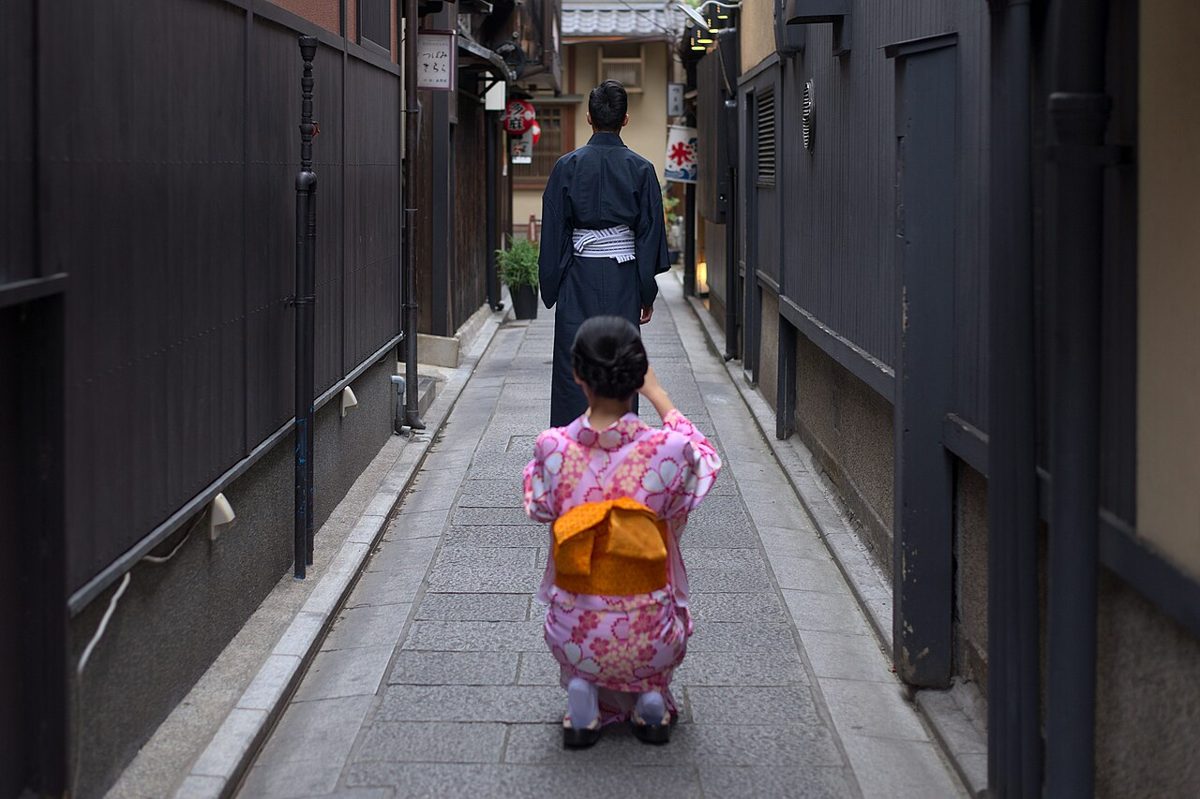
- Couple plans let two people coordinate outfits, often for less than two separate bookings — Photo: Jeena Paradies from Varberg, Schweden / CC BY 2.0 via Wikimedia Commons
- Meiji Shrine’s forested approach is a calmer kimono backdrop than the Asakusa crowds — Photo: Asanagi / CC0 via Wikimedia Commons