Tokyo Nightlife · Guide №129
Best Karaoke in Tokyo: Where to Sing Your Heart Out
Where to find the best karaoke in Tokyo: how the private rooms work, real prices, the big chains, the Lost in Translation room, English songs and etiquette.
目次 — Contents
- What a Tokyo karaoke box actually is
- How much does karaoke in Tokyo cost?
- The big karaoke chains, and what each is good for
- Tokyo karaoke chains compared at a glance
- Best areas in Tokyo to sing
- Finding English songs and working the tablet
- Going solo: hitokara
- Themed, luxury and one-of-a-kind karaoke
- Late-night and all-night karaoke
- Karaoke etiquette: the unwritten rules
- Mistakes to avoid (the ones that cost money)
- Frequently Asked Questions
- Photo Credits
This article contains advertising. Our booking links are routed through a partner that adds commission tracking automatically, so if you book through one we earn a commission from the provider, at no extra cost to you. It never affects what we recommend. Affiliate disclosure
The best karaoke in Tokyo is not a stage in a crowded bar — it is a private, soundproofed room you rent by the half hour, just for you and your friends. The standout spots cluster in Shinjuku, Shibuya and Ikebukuro, where chains like Big Echo, Karaoke Kan and Uta Hiroba stack rooms ten floors high. Expect to pay roughly ¥150–¥800 per person per 30 minutes, add cheap all-you-can-drink, and sing whatever you want with zero judgment.
I have spent more late nights in these rooms than I would care to admit — solo, with two friends, once with a work group of eleven that did not leave until the 5 a.m. trains restarted. This guide is the version I wish someone had handed me the first time: how the rooms actually work, what they cost, which chains and neighbourhoods to pick, how to find your English songs, and the small mistakes that quietly inflate your bill. If you are mapping out a wider night, pair it with our rundown of the city’s after-dark scene.
What a Tokyo karaoke box actually is
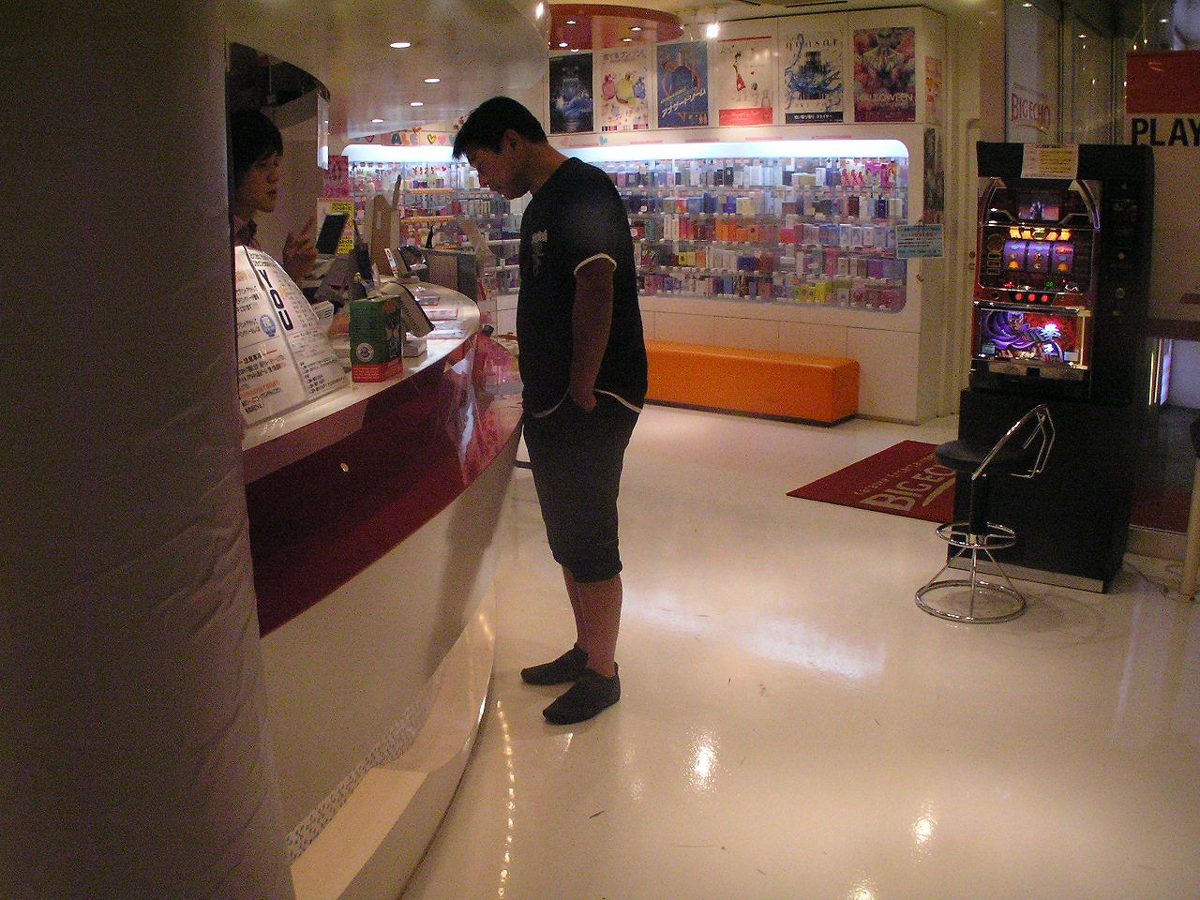
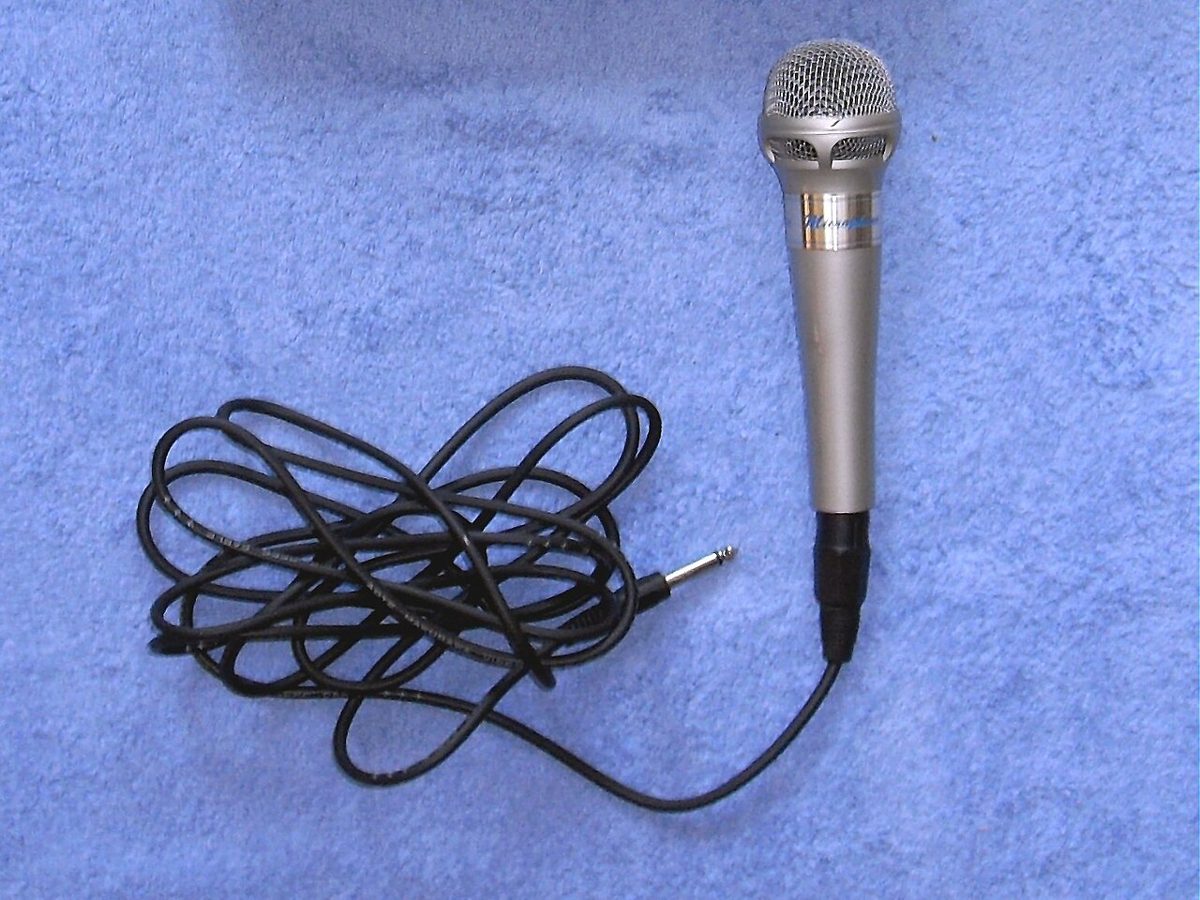
Forget singing in front of strangers. In Japan, karaoke almost always means a karaoke box (カラオケボックス): a multi-storey building carved into dozens of small private rooms. You check in at reception, get sent to your own room with a screen, two or three microphones, a couple of tambourines, a tablet to search for songs, and a phone or app to order food and drink without leaving your seat. The door closes. Nobody outside can hear you. That privacy is the entire point, and it is why people who “hate karaoke” back home end up loving it here.
Rooms scale with your group. A two-person booth is barely bigger than a sofa; a standard room seats four to six; party rooms swallow ten or more, sometimes with their own disco lighting and a small stage. You are charged for the room and the time, then the drink and food plans you add on top. There is no tipping, ever, and no pressure to perform — plenty of locals come to drink, eat, and bang a tambourine while someone else sings.
The five-minute walkthrough, start to finish
- Reception. Tell staff how many people and how long (30-minute or 1-hour blocks, or a flat-rate “free time”). You fill in a short form — name, phone, group size, drink plan. Some chains have an English screen or a check-in tablet.
- Choose a drink plan. The big decision is whether to add nomihoudai (all-you-can-drink). Order this at the desk, not later.
- Go to your room. Staff hand you a slip with your room number and walk you over.
- Sing. Search songs on the tablet, queue them, grab a mic. Order food and drink on the in-room phone or tablet.
- Extend or check out. Near the end, a phone call or on-screen prompt asks if you want more time. When you are done, pay at reception on the way out — cash, IC card, and most credit cards work.
How much does karaoke in Tokyo cost?
Karaoke is one of the better-value nights out in the city, but the pricing has moving parts. You pay a base room rate per person per 30 minutes (or per hour), and that rate swings hard by day and time — weekday afternoons are cheap, Friday and Saturday nights are the dear ones. On top of that sit optional drink and food plans.
Here is a realistic example of standard-room pricing at a major chain in central Tokyo. Treat these as ballpark figures: every branch sets its own rates, and they drift over the year. The cheapest slot of the week is almost always a weekday before 7 p.m.; the most expensive is a weekend evening.
| Day & time | Approx. per person / 30 min (standard room) |
|---|---|
| Mon–Thu, 12 p.m.–7 p.m. | ¥150–¥250 |
| Mon–Thu, 7 p.m.–5 a.m. | ¥500–¥650 |
| Fri–Sun & holidays, 12 p.m.–7 p.m. | ¥350–¥450 |
| Fri–Sun & holidays, 7 p.m.–5 a.m. | ¥700–¥900 |
Free time vs per-hour — and when each wins
Free time (フリータイム) is a flat fee for a long, open-ended block — typically valid from late afternoon, from around 6 p.m., or from 11 p.m. until the morning. It usually runs ¥1,500–¥3,000 per person and is the obvious choice if you plan to stay more than two hours. Per-30-minute billing only beats it if you are popping in for a quick hour. My rule of thumb: groups settling in for the evening take free time; a duo killing time before a train pays by the half hour.
Nomihoudai, the drink bar, and tabehoudai
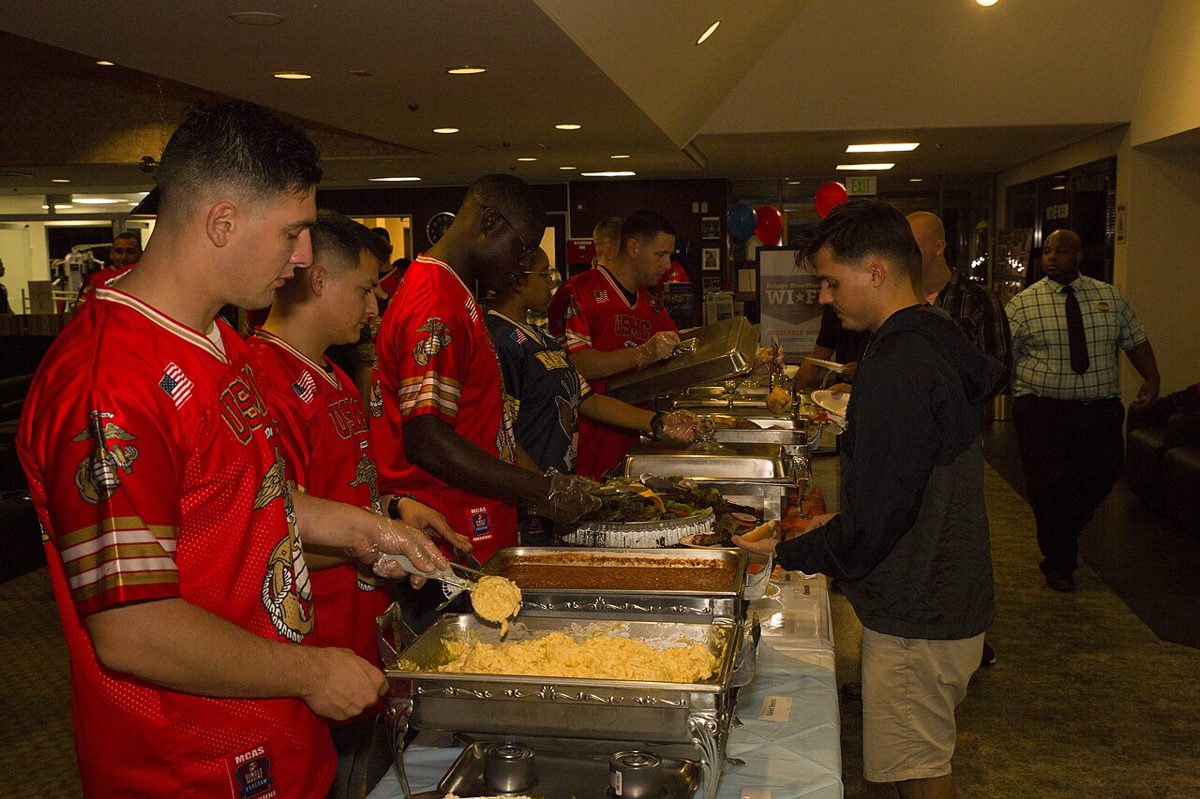
Almost every box has a self-serve drink bar (soft drinks, tea, coffee) that is either bundled into the room rate or a small add-on. Nomihoudai (飲み放題, all-you-can-drink) adds alcohol — draft beer, highballs, chuhai, wine, basic cocktails — usually for an extra ¥500–¥1,000 per person on top of the base rate, often in 90- or 120-minute windows. For non-drinkers it still unlocks the full soft-drink bar. A few chains offer tabehoudai (食べ放題, all-you-can-eat) too. Add it up and a two-to-three-hour evening with nomihoudai typically lands at roughly ¥2,500–¥4,500 per person before food — comparable to a mid-range izakaya, and you get a private room out of it. For a contrast in how the city drinks, our Tokyo bar hopping guide walks the tiny standing izakaya and alley counters.
The big karaoke chains, and what each is good for
You will see the same logos on repeat across the city. They are more alike than different, but the personalities are real — and the right pick depends on whether you want the cheapest room, the biggest English catalogue, or a specific bucket-list branch.
Big Echo
The red-signed giant, and the one I send first-timers to. Branches are everywhere in Shinjuku, Shibuya and around every major station; rooms are clean and well kept, the songbook is enormous, and the English selection is solid. The lighting system lets you recolour the room mid-song, which is sillier and more fun than it sounds. A reliable default that rarely disappoints.
Karaoke Kan — the “Lost in Translation” room
The chain itself is comfortable and a touch old-school, but one branch is a pilgrimage: Karaoke Kan in Shibuya, up the Dogenzaka slope, where Bill Murray and Scarlett Johansson sang in Lost in Translation. The film rooms are 601 and 602 in the annex building (602 has the window view). You cannot always pre-book the exact room, and there is usually a drink minimum, but staff are used to the request. Pricing here runs roughly ¥120–¥170 per 30 minutes before 7 p.m. and ¥530–¥650 after — cheap for a slice of cinema history. Go on a weekday afternoon for the best shot at the right room.
Joysound vs DAM — the machines, not just the chains
Two song systems dominate Japan, and which one a room uses matters more than the chain on the door. Joysound tends to have the deeper catalogue for English-language tracks, anime, vocaloid and K-pop, and lets you pair your phone with the machine. DAM (you will see “LIVE DAM”) has gorgeous audio, slick scoring, and live-action Japanese music videos. Joysound also runs standalone “Joysound 直営” boxes with a relaxed, music-nerd feel. If you are hunting obscure Western deep cuts, ask for a Joysound room; if you care about sound quality and scoring games, DAM is your friend.
Uta Hiroba, Manekineko, Pasela and the rest
- Uta Hiroba (歌広場): the budget champion, especially aggressive on late-night free-time deals. Functional rooms, low prices, popular with students. Best value if cost is your only concern.
- Karaoke Manekineko (まねきねこ): the lucky-cat chain, and one of the very few that lets you bring your own food and drink — a genuine money-saver. Rooms are bright and family-friendly.
- Pasela Resorts: the fancy one. Themed rooms, anime collaborations, party packages and a real food menu — burgers, pasta, and the famous tower of honey toast. Great for birthdays and groups. The Akihabara and Shibuya branches are the big ones.
- Round1 (ラウンドワン): not a pure karaoke chain but a whole entertainment block — bowling, arcades, sometimes karaoke floors — open very late. Handy if you want to mix singing with other games in one building.
Tokyo karaoke chains compared at a glance
A quick cheat sheet for picking a chain before you walk in. Prices are the typical evening base rate per person per 30 minutes in central Tokyo; all of these have branches in Shinjuku and/or Shibuya.
| Chain | Best for | Machines | Typical eve. rate /30 min | Note |
|---|---|---|---|---|
| Big Echo | Reliable all-rounder | DAM & Joysound | ¥500–¥800 | Everywhere; great English catalogue |
| Karaoke Kan | Lost in Translation room | DAM | ¥530–¥650 | Shibuya Dogenzaka branch, rooms 601/602 |
| Uta Hiroba | Cheapest late-night | Joysound/DAM | ¥300–¥600 | Budget pick; student crowd |
| Manekineko | BYO food & drink | DAM/Joysound | ¥400–¥700 | Bring your own snacks to save |
| Pasela Resorts | Parties & themed rooms | DAM/Joysound | ¥800+ | Real food menu, honey toast, anime themes |
| Joysound (直営) | Biggest English/anime library | Joysound | ¥500–¥800 | Phone pairing; deep catalogue |
Best areas in Tokyo to sing
Karaoke towers cluster where the nightlife is, which means the same handful of districts. Pick by the kind of night you want.
Shinjuku — the highest density in the city
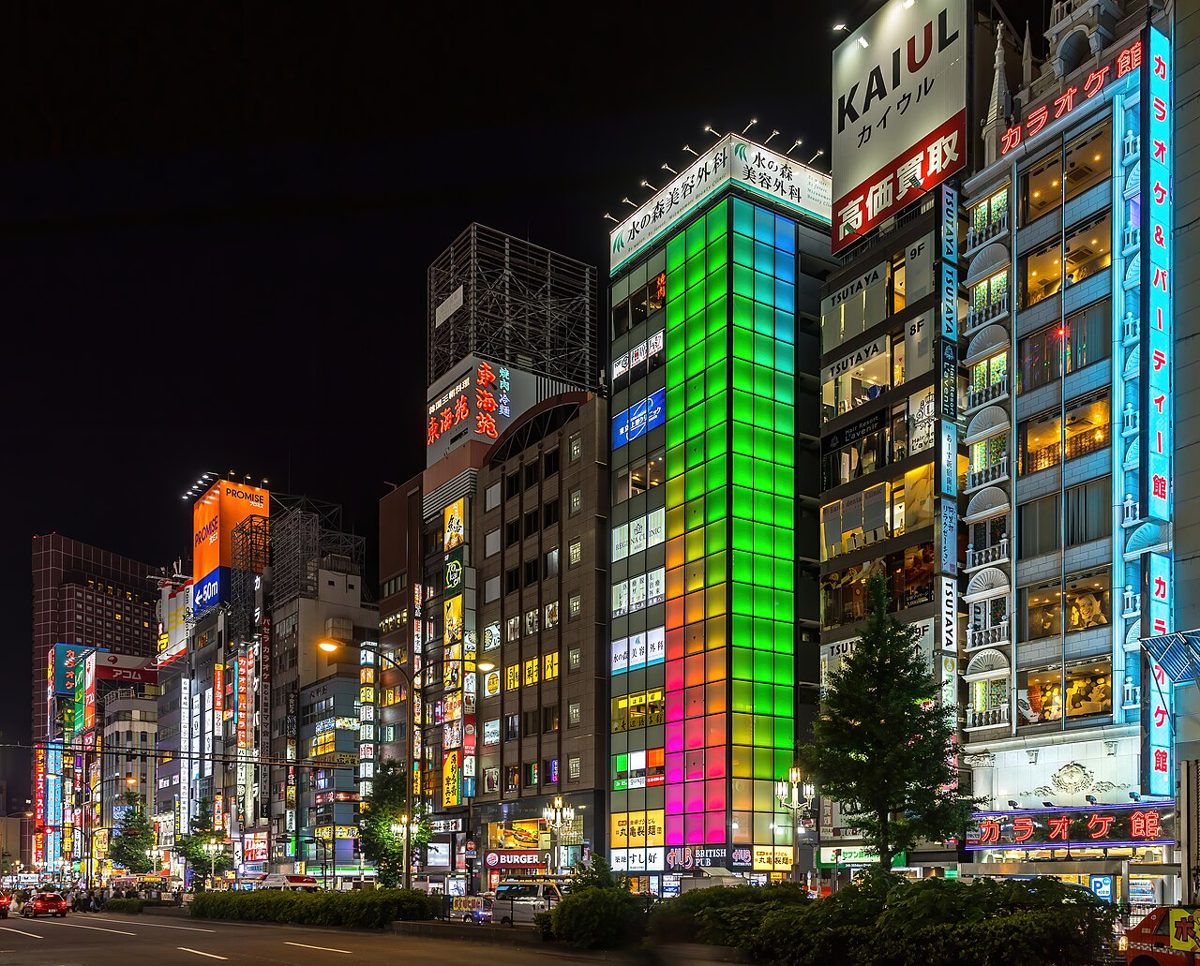
If you only sing once, sing in Shinjuku. The east exit and the Kabukicho entertainment quarter have the thickest concentration of karaoke in Japan — Big Echo, Karaoke Kan, Joysound and Uta Hiroba all within a few minutes of each other, competing on price and quality. It is loud, neon-drenched, open all night, and impossible to run out of options. Our deeper dive into Shinjuku covers the wider district, including where to eat before you sing and how to navigate the world’s busiest station.
Shibuya — younger, and the cinematic one
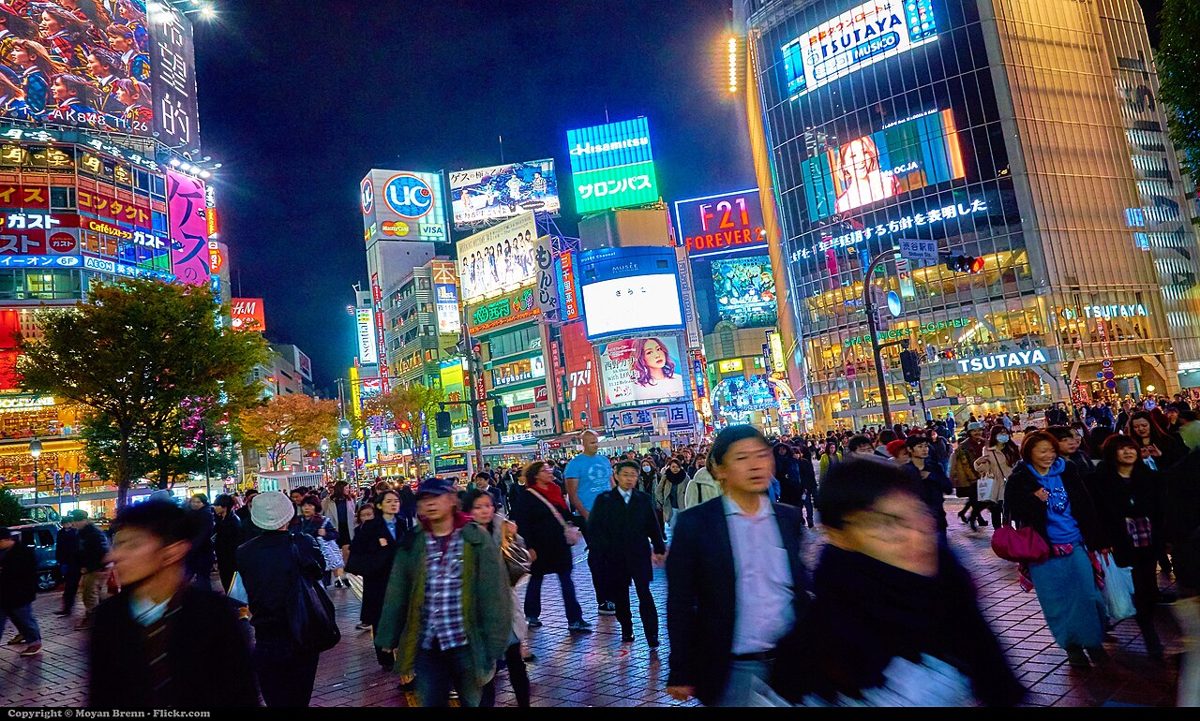
Shibuya stacks karaoke up the Dogenzaka slope, floor upon floor above the storefronts, with the famous Karaoke Kan branch at the top. The crowd skews young and the late-night options are plentiful. Walking up Dogenzaka at night, karaoke signs glowing overhead, is a very specific Tokyo feeling. Start here if you want to fold singing into a night that also takes in clubs or izakaya.
Ikebukuro — the budget pick
North of the centre, Ikebukuro is where locals go when they want the cheapest possible night. The east-side district around Sunshine City is dense with Uta Hiroba and other value chains, and prices undercut Shinjuku noticeably. Less polished, more functional, easier on the wallet — ideal for a long student-style session.
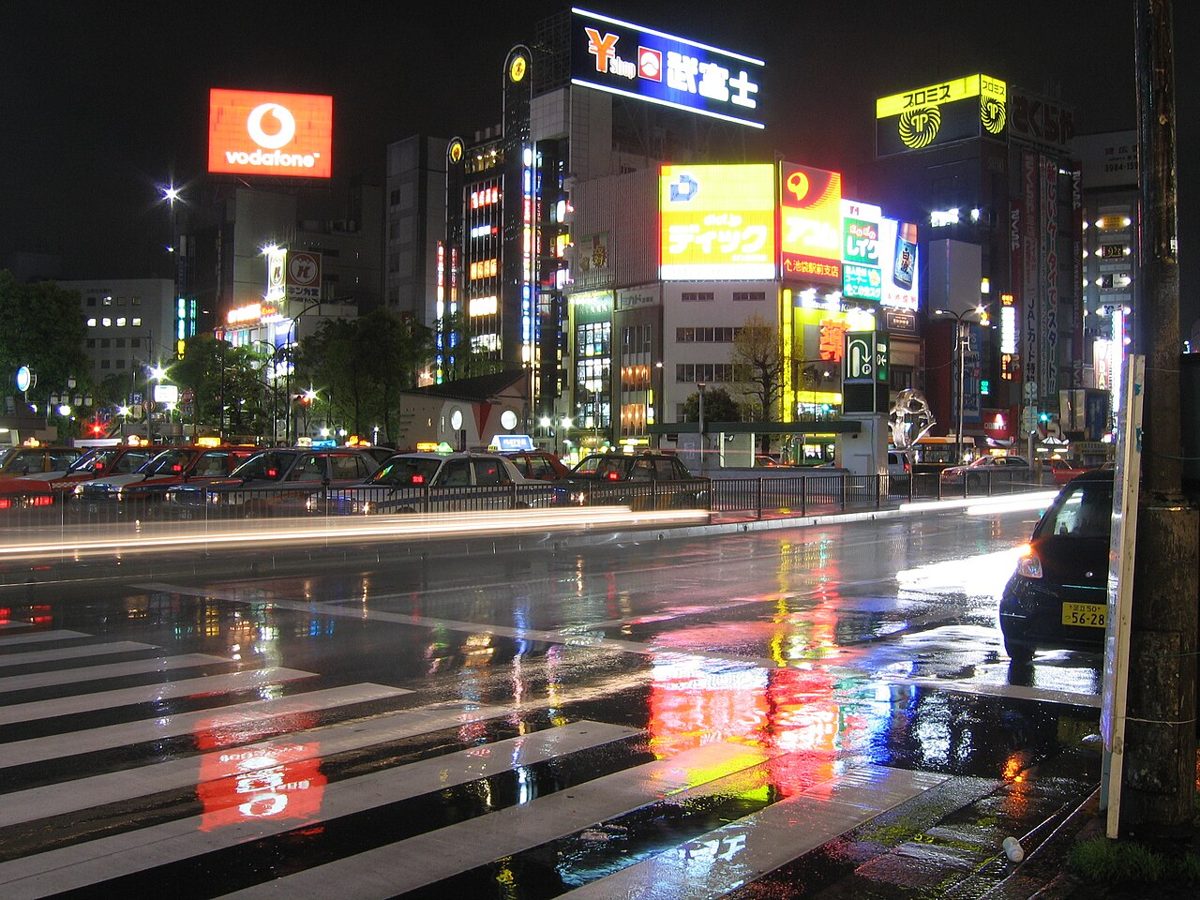
Akihabara — anime and J-pop heaven
If your group wants every anime opening ever recorded and a Pasela themed room to match, Akihabara is the move. Song libraries here go astonishingly deep on niche and otaku content, and it is convenient if you are already spending the day among the arcades and electronics shops.
Finding English songs and working the tablet
This is the thing first-timers fret about, and it is almost a non-issue. Both Joysound and DAM tablets have an English-language interface — look for the language toggle (英語 / “English”) on the controller. You can search by artist or song title typed in English, or by a song’s number code, which you can look up on the chain’s website before you go. The catalogues are huge: classic rock, 90s pop, current chart hits, hip-hop, K-pop and a near-infinite anime selection are all well covered. Only very recent or very obscure releases tend to be missing.
The tablet itself takes about ten minutes to learn by poking at it. The core actions — search, add to queue, skip, volume, echo, and key — are consistent across both systems. Songs go into a queue for your room only, so if one person stacks five tracks, everyone waits for those before the next singer. Be polite with the queue and the night runs smoothly.
Three tricks locals use that tourists miss
- Change the key. Every machine shifts the song up or down in semitones (キー, or +/- buttons). If a track sits just above your range, drop it two semitones. This is not cheating — everyone does it.
- Mind the echo. The mic reverb is usually set high, which flatters most voices. Turning it all the way off makes you sound harsh; most people keep echo around 60–80%.
- Use the scoring game — or ignore it. DAM’s scoring function rates your performance out of 100 and is brilliant fun in a group. It also rewards steady pitch over showing off, which humbles a lot of people.
Going solo: hitokara
Singing alone has its own name in Japan — hitokara (ヒトカラ, “one-person karaoke”) — and it is completely normal. Plenty of locals book a small single room to practise, decompress after work, or simply belt out a few songs without an audience. Specialist booths like 1Kara in Akihabara are built for one, with headphone-style setups and even ladies-only areas. Off-peak, solo rooms can run as little as roughly ¥100–¥200 per 10 minutes, often cheaper per person than a group room. Staff will not blink at a solo booking. If you have never tried it, an afternoon hitokara session is the lowest-pressure way to get comfortable before a group night.
Themed, luxury and one-of-a-kind karaoke
Beyond the standard boxes, Tokyo has karaoke that doubles as an experience in its own right:
- Pasela Resorts (Akihabara/Shibuya): anime and game collaboration rooms, party packages, and that absurd honey-toast tower for celebrations.
- Rainbow Karaoke (Shibuya): a live-house-themed room kitted out with real drums, guitars, bass and keyboards — your own private rock concert.
- Studio Himawari (Kabukicho): a Western-style karaoke snack bar where you sing alongside live instruments, run by warm husband-and-wife owners.
- Big O at Tokyo Dome City: karaoke gondolas on a Ferris wheel — pick from a list of pop songs and sing through a 15-minute ride high over the city. Gloriously gimmicky.
When you are done singing, these districts roll straight into the rest of the night. If you would rather dance than sing next, see our Tokyo nightclubs guide for where the floors stay open until dawn.
Late-night and all-night karaoke
Most karaoke boxes run until 5 or 6 a.m., and many never close. This makes karaoke the default last-train escape hatch: miss the final train (usually around midnight to 1 a.m.) and a free-time room until the morning is cheaper and far more fun than a capsule hotel or a taxi across the city. After midnight on weeknights especially, many chains slash free-time prices — starting at 1 a.m. and singing through to 5 a.m. for roughly ¥1,500–¥2,000 is a genuinely common, and genuinely cheap, way to wait out the night. Bring a 100-yen coin for the entrance coin lockers if you are carrying bags.
Karaoke etiquette: the unwritten rules
Nobody will throw you out for breaking these, but stick to them and everyone has a better time:
- Do not hog the mic. Queueing two of your own songs back-to-back is the ceiling. Spread it around.
- Do not skip other people’s songs. It is the rudest thing you can do in a karaoke room.
- Be the hype person when you are not singing. Grab a tambourine, cheer, sing backup. Dead air kills the room.
- Do not vanish when your song is next. If you must step out, tell someone to skip your turn.
- Pick a crowd-pleaser to break the ice. An older song most people know loosens everyone up faster than your obscure favourite.
Mistakes to avoid (the ones that cost money)
- Ordering off the wrong menu. Nomihoudai only covers a set list of drinks. Order something outside it and you are charged à la carte on top. Check the included list first.
- Overstaying your block. Run past your time and you get billed for the next increment. You usually get a phone warning near the end — answer it.
- Singing on a Friday or Saturday night when you did not need to. The same room can cost two to three times more than a weekday afternoon. Shift your session if you can.
- Skipping the student or member discount. Signing up to a chain’s free membership or showing a student card (a Japanese one is safest) often shaves 20–30% off. Following the chain on social media can unlock coupons too.
- Forgetting the cheaper hours exist. Free-time daytime plans on weekdays are the secret value play. Look for them on the rate board at the door.
Karaoke rooms have a second life in the daytime that most visitors never hear about: several chains rent them to remote workers, because a soundproofed private room with a table and a socket is the best place in Tokyo to take a video call. Our guide to working from Tokyo cafes explains how that and the other alternatives to a cafe table work.
Frequently Asked Questions
What is the best karaoke in Tokyo for first-timers?
For a smooth first time, head to a Big Echo in Shinjuku or Shibuya: branches are easy to find, rooms are clean, the tablets switch to English, and the song catalogue is huge. If you want a bucket-list twist, the Karaoke Kan in Shibuya has the rooms from Lost in Translation. Either way, go on a weekday for the cheapest rate and the most relaxed staff.
How much does karaoke cost per person in Tokyo?
Base room rates run roughly ¥150–¥250 per person per 30 minutes on weekday afternoons and ¥500–¥900 on weekend evenings. Add ¥500–¥1,000 for all-you-can-drink. A typical two-to-three-hour evening session with nomihoudai works out to about ¥2,500–¥4,500 per person before food, and late-night free-time deals can be far cheaper.
Can I sing English songs at karaoke in Tokyo?
Yes. Both the Joysound and DAM machines have English-language interfaces and large English catalogues — classic rock, current pop, hip-hop and K-pop are all well covered. Switch the tablet to English using the language toggle and search by artist or song title. Joysound generally has the deepest English and anime selection.
Do I need a reservation for karaoke in Tokyo?
Usually not. Walking in is standard, even at night. The exceptions are large groups and Friday or Saturday evenings in busy areas like Shinjuku, when a short wait is possible — for those, call ahead or book online via the chain’s site. For the specific Lost in Translation rooms at Karaoke Kan, go off-peak since you cannot always reserve the exact room.
Is solo karaoke (hitokara) normal in Tokyo?
Completely. Hitokara is an established practice with purpose-built single rooms, and staff treat solo bookings as routine. It is often cheaper per person than a group room — sometimes around ¥100–¥200 per 10 minutes off-peak — and it is the least intimidating way to get comfortable before singing with a crowd.
Photo Credits
- A private karaoke box — the standard way to sing in Tokyo — Photo: 松岡明芳 / CC BY-SA 3.0 via Wikimedia Commons
- Kabukicho in Shinjuku, dense with karaoke towers — Photo: Basile Morin / CC BY-SA 4.0 via Wikimedia Commons
- Twin mics and the tablet remote you use to queue songs — Photo: Elmschrat / CC BY-SA 3.0 via Wikimedia Commons
- Shibuya’s Dogenzaka slope after dark — karaoke alley — Photo: Moyan Brenn from Italy / CC BY 2.0 via Wikimedia Commons
- Nomihoudai keeps the drinks coming during a long karaoke session — Photo: Lance Cpl. Stephen Campbell / Public domain via Wikimedia Commons
- Ikebukuro — a budget-friendly karaoke district north of the centre — Photo: James Jin from North Yorkshire, UK / CC BY-SA 2.0 via Wikimedia Commons