Tokyo Nightlife · Guide №139
Kabukicho Entertainment District: What to Expect & Safety Tips
A calm, practical Kabukicho Shinjuku guide: what to expect, how to get there, the landmarks worth seeing, the bottakuri scams and touts to avoid, and honest safety advice for solo travelers and women.
目次 — Contents
- What Kabukicho is — and what it isn’t
- How to get to Kabukicho
- The landmarks worth seeing
- What’s genuinely fun vs what to skip
- Kabukicho safety: scams and how to avoid them
- The “Toyoko Kids” and Cinecity Square
- Is Kabukicho safe for solo travelers and women?
- LGBTQ nightlife: Shinjuku Ni-chome next door
- Where to eat in Kabukicho
- How late does Kabukicho run?
- Inside Tokyu Kabukicho Tower
- A sample evening in Kabukicho
- Frequently Asked Questions
- Photo Credits
This article contains advertising. Our booking links are routed through a partner that adds commission tracking automatically, so if you book through one we earn a commission from the provider, at no extra cost to you. It never affects what we recommend. Affiliate disclosure
This Kabukicho Shinjuku guide cuts through the reputation: Tokyo’s most famous entertainment district is loud, neon-soaked and genuinely fun, and for a visitor who sticks to the lit main streets and ignores the men trying to walk you somewhere, a night here is safer than the equivalent in most Western cities. The real risk is not violence — it is your wallet. Get the few rules right and Kabukicho is one of the best nights out in Tokyo.
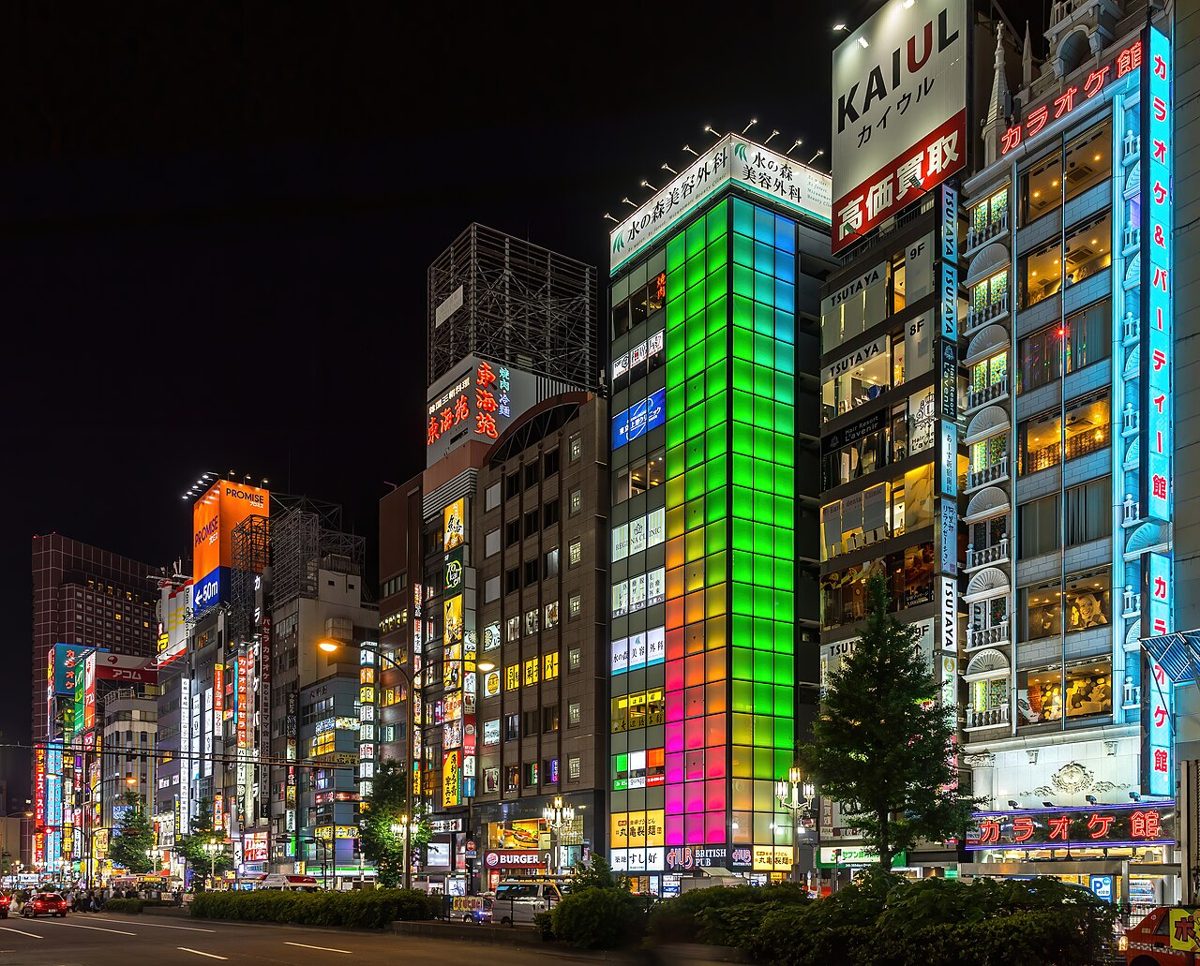
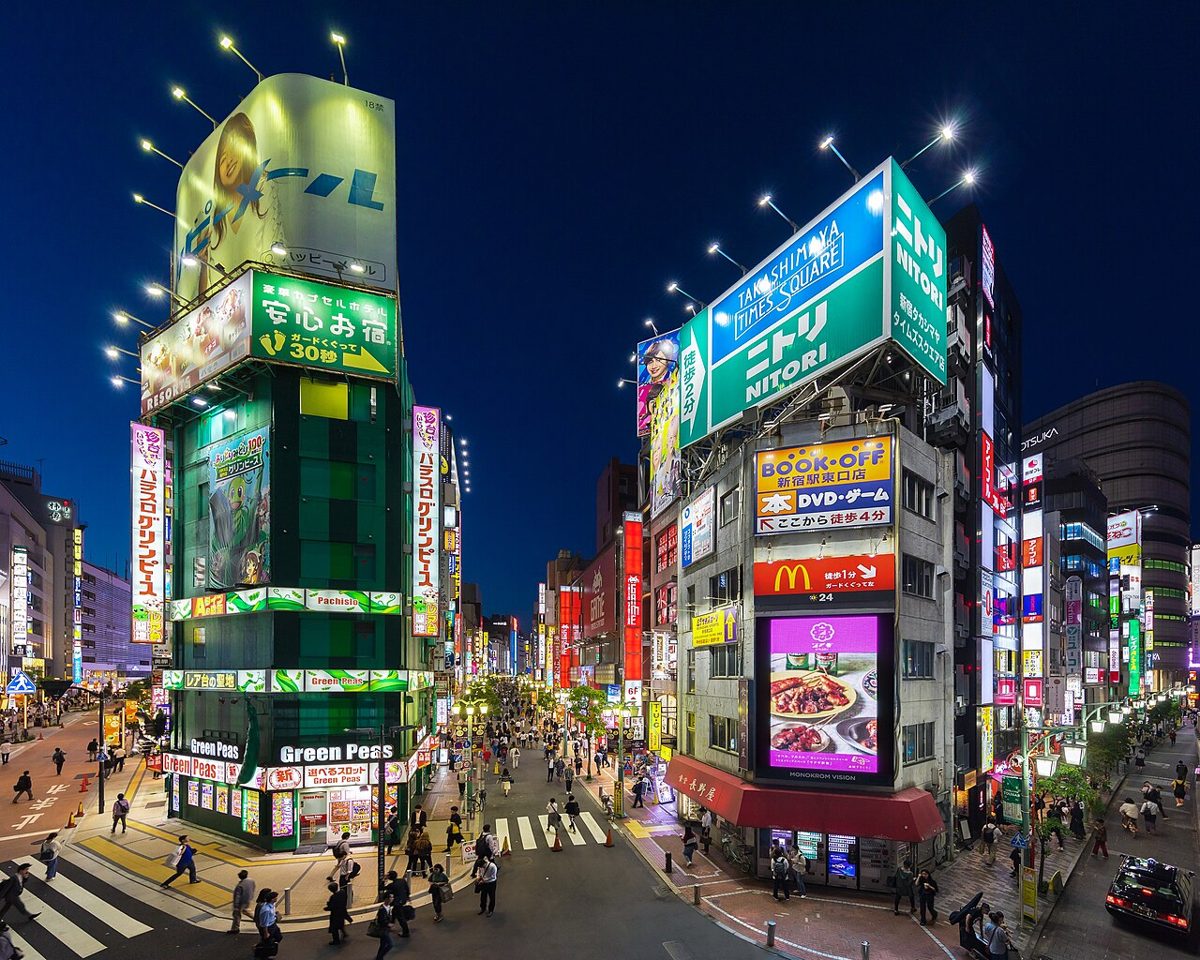
Kabukicho sits directly behind Shinjuku Station’s east side, a dozen-odd blocks of restaurants, bars, karaoke, cinemas, hostess clubs and game centres lit up around the clock — locals call it Nemuranai Machi, the “Sleepless Town.” Since the Tokyu Kabukicho Tower opened in 2023 the main spine has gone noticeably more mainstream, with daytime tourists and families wandering up to photograph the Godzilla head. This guide covers what Kabukicho is and isn’t, how to get there, the landmarks worth your time, the scams to dodge, and honest answers on safety for solo travelers and women. For the bigger after-dark picture, pair it with our guide to nights out in Tokyo.
What Kabukicho is — and what it isn’t
Kabukicho is Japan’s largest entertainment district, a compact grid in Shinjuku ward that never really closes. It is named for a kabuki theatre that was planned here after the war and never actually built — the name stuck anyway. Yes, it contains a red-light element: host and hostess clubs, “girls bars,” love hotels and adult venues are woven through the side streets. But that is one layer of a much bigger neighbourhood that is mostly ramen shops, izakayas, arcades, karaoke towers, cinemas and the new Tokyu tower.
What it isn’t is dangerous in the way films suggest. Violent crime against tourists is rare. The accurate way to think about it: physically safe, financially risky. Nobody is going to mug you on Yasukuni-dori; somebody might try to talk you into a bar that bills you ¥50,000 for two beers. Keep that distinction in your head and most of your decisions make themselves. If you have played the Yakuza / Like a Dragon games, this is the real-life Kamurocho — the archway, the batting cages and the alleys are all here.
How to get to Kabukicho
Kabukicho is a 5-minute walk from Shinjuku Station’s East Exit, the busiest railway station on earth, served by the JR Yamanote and Chuo lines, the Marunouchi and Oedo subways, and the private Keio and Odakyu lines. The single most useful tip for a first visit is to follow the yellow signs for “East Exit” or “Kabukicho” the moment you get off your train — Shinjuku Station is a labyrinth, and it is easy to surface on the wrong (west) side among the office towers. Even closer is Seibu-Shinjuku Station, whose exit puts you 2–3 minutes from the famous red gate. From the east-exit area, walk north across Yasukuni-dori and the neon wall of Kabukicho is right in front of you.
The landmarks worth seeing
The Kabukicho Ichibangai gate
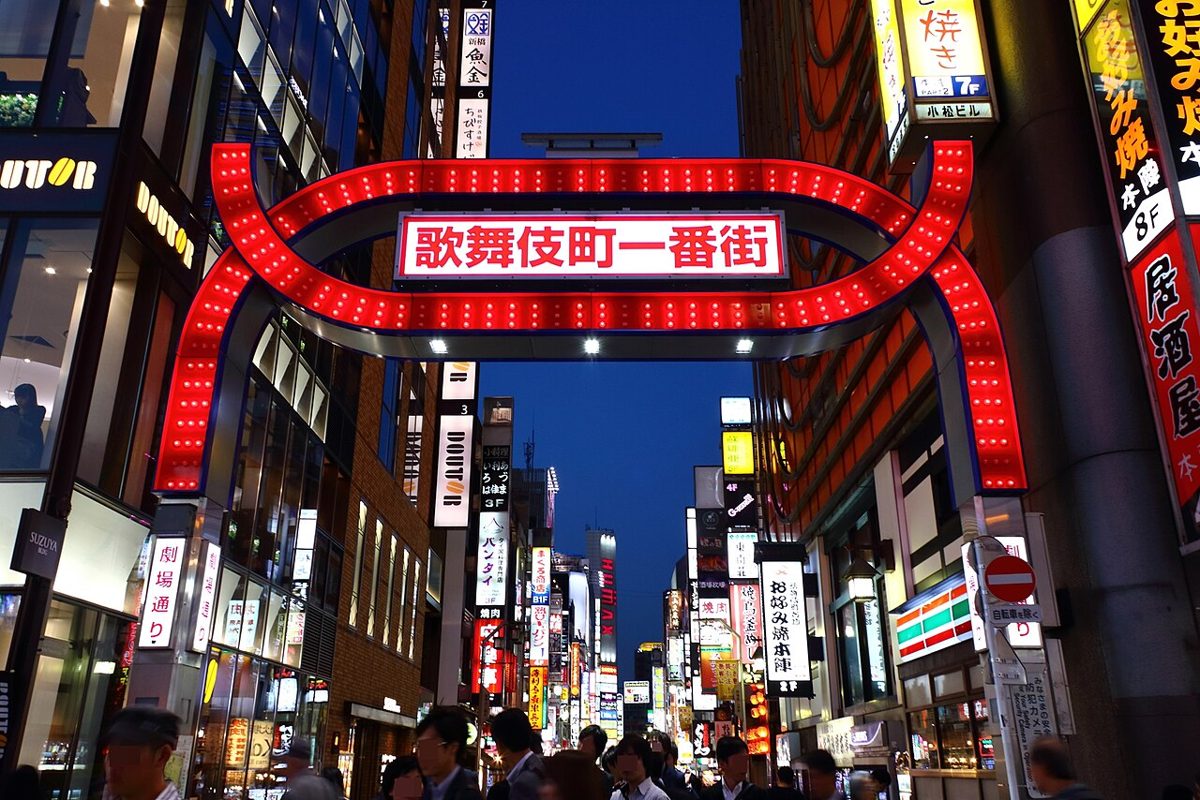
The bright red archway reading “Kabukicho Ichibangai” is the district’s front door and its most photographed spot. Stand under it for the obligatory neon photo, then walk straight up the main drag — Ichibangai is well-lit, busy and lined with restaurants and arcades. This central street is the spine you should stick to after dark.
The Godzilla head (Hotel Gracery / Toho Cinemas)
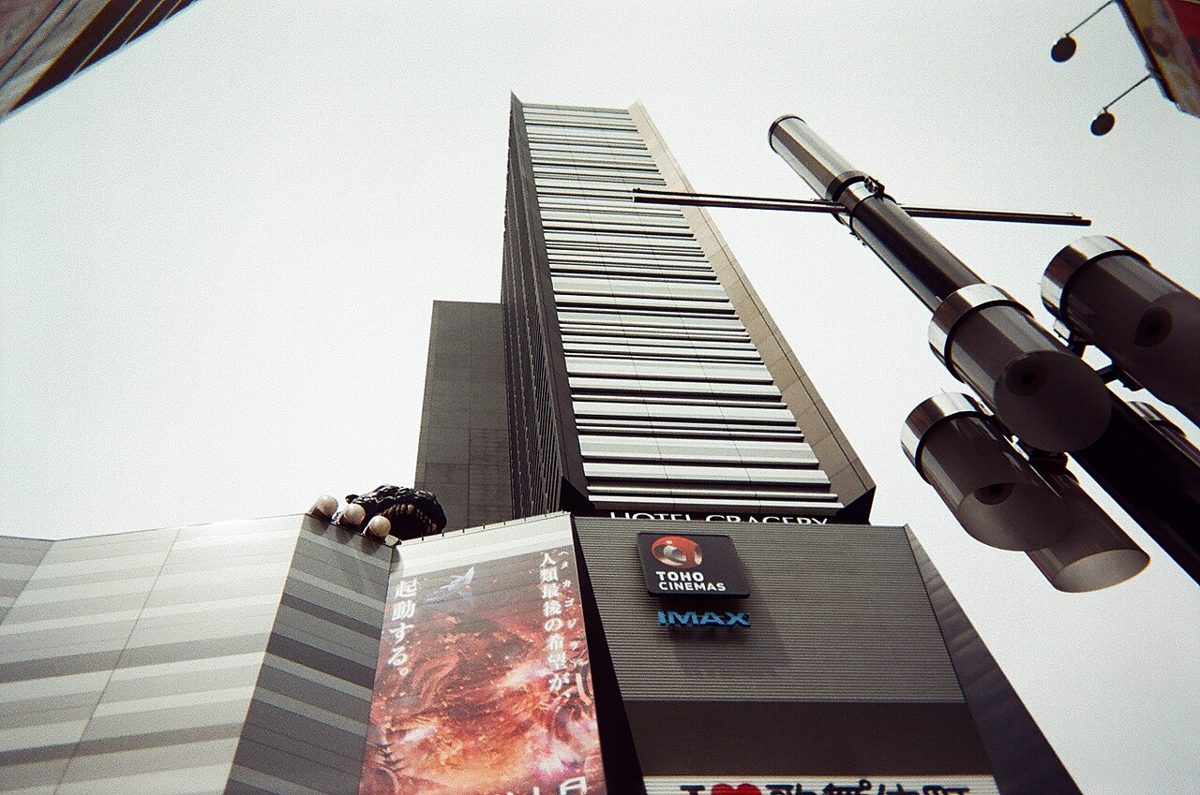
Looming over the centre of the district from the roof of the Toho building is a life-sized Godzilla head, mounted above Hotel Gracery Shinjuku and the Toho Cinemas complex. On the hour it lights up, roars and breathes smoke. You can see it free from the street below in Cinecity Square, or get a closer look from the hotel’s 8th-floor café terrace. It is pure tourist theatre and completely worth two minutes of your night.
Tokyu Kabukicho Tower
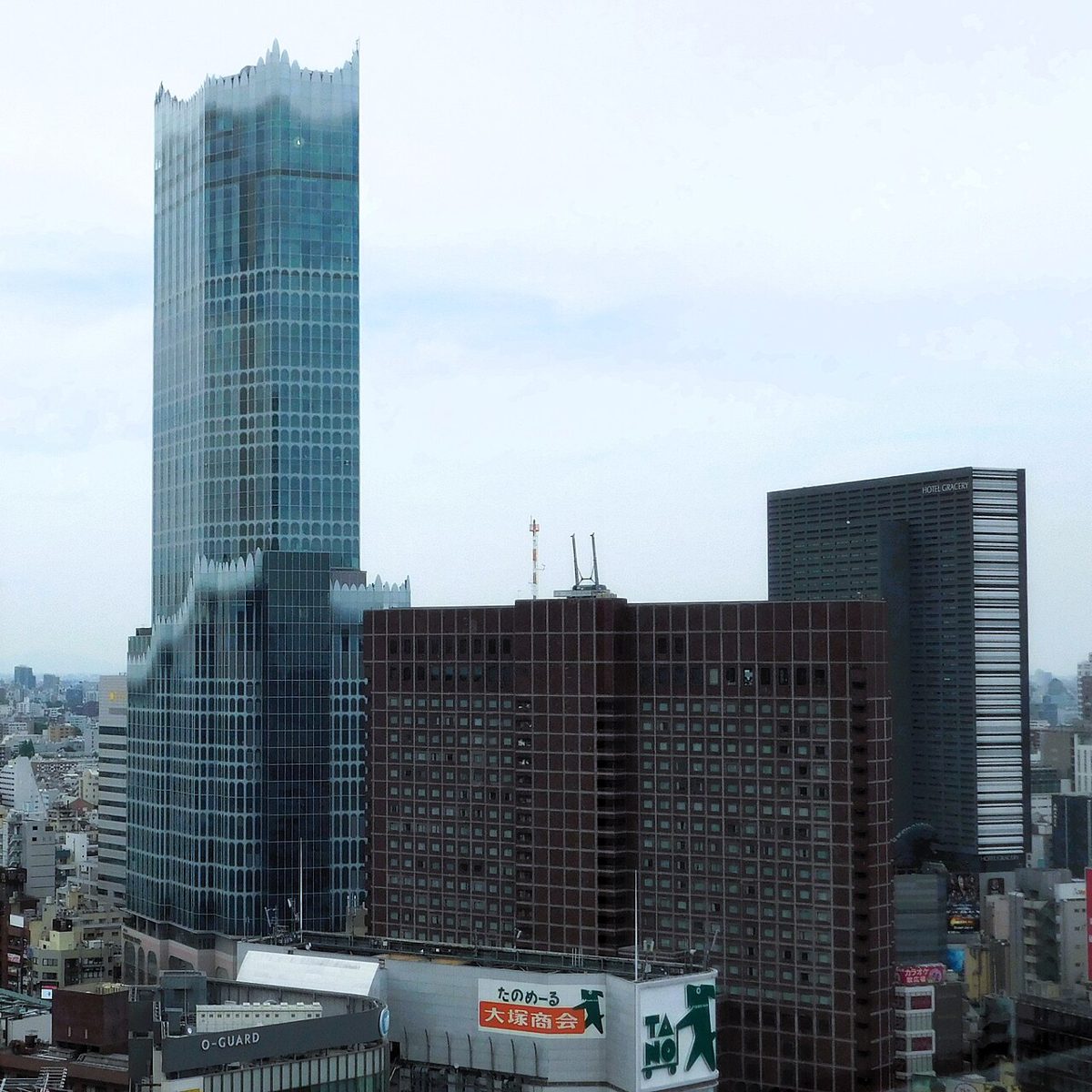
The 225-metre Tokyu Kabukicho Tower, opened in 2023, is Japan’s first skyscraper built entirely around entertainment, and it has transformed the district’s image. The lower floors are a Gen-Z playground: Namco Tokyo, a neon arcade with a bar and DJ sets; Kabuki Yokocho, an indoor food hall styled like an old Japanese alley but tourist-friendly and English-easy; and Zepp Shinjuku, a live-music venue in the basement. Higher up are a cinema, hotels and the Bellustar luxury floors. If the back streets feel intimidating, the tower is the safe, fun, scam-free heart of modern Kabukicho — start here.
Golden Gai, on the edge
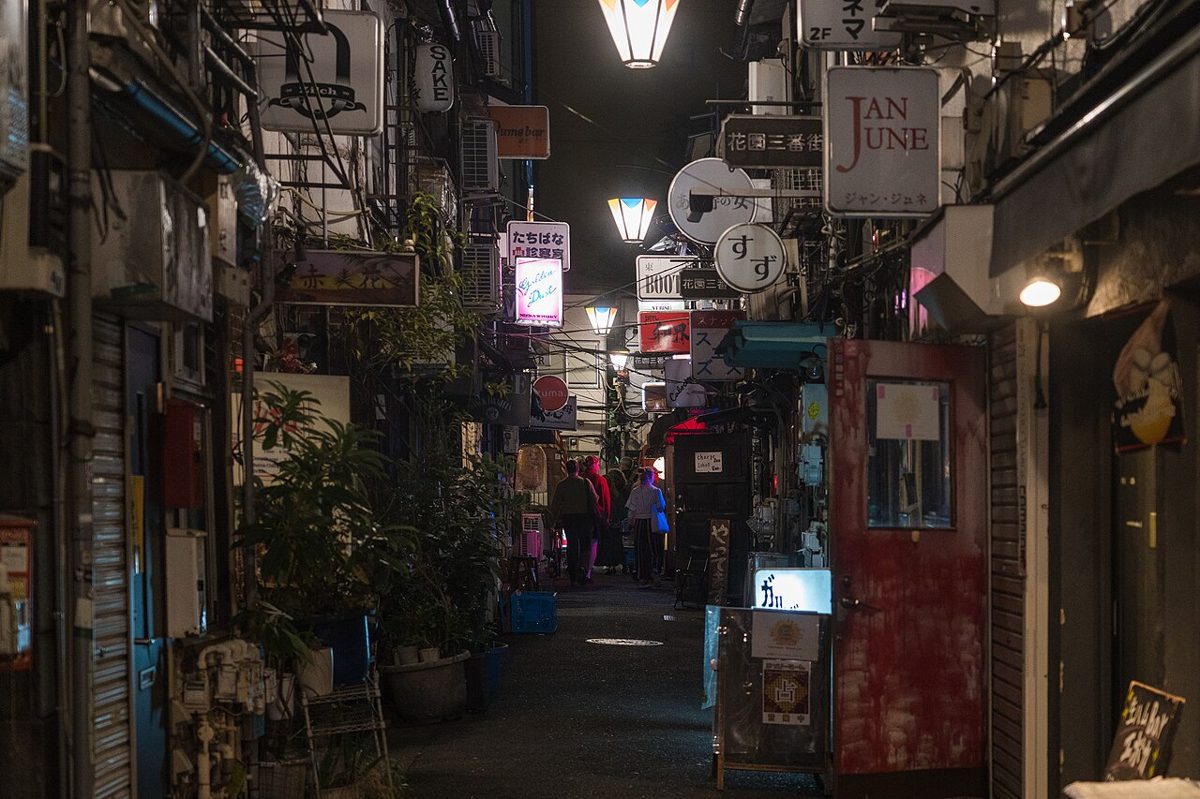
On Kabukicho’s eastern fringe sits Golden Gai: six tiny alleys holding roughly 200 micro-bars, most seating only a handful of people, each with its own theme. It is one of Tokyo’s great drinking experiences, but it has its own etiquette — many bars charge a ¥500–¥1,500 cover, some are regulars-only, and photography is often banned, so look for “English OK” stickers and read the door. It pairs perfectly with a Kabukicho night; we cover the crawl in detail in our Tokyo izakaya bar hopping guide.
What happened to the Robot Restaurant?
If you have an old guidebook, you may be looking for the Robot Restaurant — the famously chaotic neon-and-robots dinner show. It closed permanently in 2020 and is not coming back in its old form. The same creators opened the Samurai Restaurant nearby in Kabukicho as a spiritual successor; it runs a similar over-the-top variety show (note it is an 18+ venue, though the show itself isn’t adult). Don’t waste an evening hunting for the old one.
What’s genuinely fun vs what to skip
Plenty of Kabukicho is straightforwardly great. The Oslo Batting Center lets you swing at fastballs just like the Yakuza mini-game; it is cheap and a brilliant way to burn off energy. The ramen here is some of Tokyo’s best — there is an Ichiran branch, plus dozens of ticket-machine shops (put money in first, press the top-left button for the house special, hand the ticket over). Karaoke towers run all night. The Samurai Museum and Ninja Trick House are kitschy but fun. And simply walking the lit streets, looking up at the vertical neon, is the experience for many people.
What to skip: anything a stranger on the street is steering you toward. That means “free drink” bars, unadvertised hostess clubs reached by following a tout, and any venue that won’t show you a price list before you sit. You are not missing out — the good stuff in Kabukicho is advertised, reviewed and easy to find on Google Maps. The hidden stuff a tout offers is hidden for a reason.
Kabukicho safety: scams and how to avoid them
Here is the part that actually matters. The danger in Kabukicho is financial, and it is organised. A handful of clear rules keeps you out of all of it.
The bottakuri (rip-off bar) scam
A bottakuri bar lures you in with a cheap promise — “¥3,000 all-you-can-drink,” “free beer,” “special price” — and then hits you with a five-figure bill built from invented charges: ice fees, seat charges, “service,” weekend surcharges, a fee per person per hour. A four-minute drink becomes a ¥50,000 demand at the door, sometimes far more, with a large man blocking your exit. This is the single most common way tourists lose money in Kabukicho, and it nearly always starts with someone approaching you on the street.
Touts and scouts (“kyakuhiki”) — ignore them
Touting on the streets of Shinjuku is actually illegal, and the city plays recorded warnings in English from street speakers telling you not to follow anyone. Listen to them. A good bar in Japan does not need to drag customers off the pavement. So the rule is absolute: if someone approaches you offering drinks, girls or a “secret” bar, keep walking and don’t engage. Don’t even stop to politely decline — making eye contact and talking is what gets a tout to follow you down the block. A flat non-response and steady pace ends it.
The host/hostess club economy and dating-app traps
Kabukicho runs on host clubs (where women pay for the attention of charming young men) and hostess clubs (the reverse). These are a legal, distinctive part of Tokyo nightlife, but they are designed to part you from a lot of money fast, and walk-in pricing for a tourist is opaque at best. A related modern scam: a match on a dating app suggests meeting at a specific Kabukicho bar; once you arrive, your “date” orders round after round through drinking games where each penalty drink costs thousands of yen, and the bill reaches ¥50,000–¥200,000 before the contact vanishes. If a new online match insists on one exact bar in Kabukicho, propose somewhere else — or don’t go.
Drink awareness and basic precautions
- Watch your drink. Drink-spiking is rare but not unheard of in scout-led venues. Don’t leave a drink unattended, and don’t accept one in a bar you were walked into by a stranger.
- Use konbini ATMs. Withdraw cash from machines inside 7-Eleven or FamilyMart, which take foreign cards — not standalone ATMs in dark alleys.
- Carry limited cash. Bring enough yen for the night plus a buffer; leave the rest and spare cards at your hotel. A bottakuri bar can only take what you have on you, and you cannot be forced to a withdraw.
- Stick to the lit main streets — Ichibangai and Yasukuni-dori — especially late. Side alleys behind the love hotels are fine for a daytime photo but not for solo wandering at 2am.
- Check the price before you sit, anywhere. Any venue that won’t show a menu and prices up front is one to walk away from. Glance at the 1-star Google reviews — that is where the scams are confessed.
What to do if you’re scammed
If you are presented with an outrageous bill, the most effective move is to visibly reach for your phone and say you are calling the police (110). Padded bills often shrink fast at that point, because the bar does not want the attention. There is a koban (police box) in Kabukicho — locate the nearest one on Google Maps before your night out, and the main Shinjuku Police Station is about a ten-minute walk away. Be aware of one limitation: police sometimes treat an overcharge as a civil dispute between you and a business rather than a crime, so they may not force a refund — but their arrival almost always changes the bar’s tune. The Tokyo Metropolitan Police also run an English-language assistance line for foreign visitors. Prevention beats all of this: don’t follow the tout in the first place.
The “Toyoko Kids” and Cinecity Square
Near the Toho building, Cinecity Square is the open plaza under the Godzilla head. In recent years it has become a gathering spot for the so-called “Toyoko Kids” — often runaway or at-risk young people who congregate here to form a community. For a tourist the guidance is simple and humane: be respectful and keep your distance. Do not photograph them without permission, and don’t loiter in the square late at night, when tensions and police presence both rise. It is a real social issue, not a tourist attraction; treat it as such and move along.
Is Kabukicho safe for solo travelers and women?
Broadly, yes. Tokyo is one of the safest big cities in the world, and Kabukicho’s main streets are busy, well-lit and full of ordinary people eating ramen and queueing for karaoke late into the night. Solo travelers and women regularly enjoy the district without incident, and plenty of visitors happily book a hotel a few streets away. The precautions are the same for everyone: ignore touts completely, stay on the lit streets, keep an eye on your drink, and don’t follow anyone to an unadvertised venue. The one population specifically targeted is people who can be talked into a bar — so the harassment a solo woman is most likely to face is persistent touts, which you handle by not engaging and walking on. If a tout becomes physically blocking, head straight to the nearest koban or a brightly lit chain restaurant.
LGBTQ nightlife: Shinjuku Ni-chome next door
A short walk east of Kabukicho is Shinjuku Ni-chome, Tokyo’s LGBTQ+ district and one of the densest concentrations of queer venues anywhere on earth — an estimated 300-plus bars and clubs packed into about five city blocks. It is welcoming, walkable and a completely different, friendlier energy from Kabukicho’s hustle. Good first stops with no cover include open-front bars like Aiiro Cafe, recognisable by its rainbow torii gate, where people spill onto the street to mingle. Many of the larger “mix” bars have English-speaking staff and ¥1,500 all-you-can-drink happy hours. Watch for the same small-bar seki-ryo seat charges (¥500–¥1,000) in the tiny multi-tenant buildings, and respect the strict no-unapproved-photos rule, since not everyone is out. Trains stop around midnight, but the area runs until the 5am restart if you stay out.
Where to eat in Kabukicho
You will not go hungry. Kabukicho is a ramen battleground — the Ichiran branch (solo booths, famously long lines), plus dozens of independent ticket-machine shops where you buy a meal ticket from the vending machine before you sit. Kabuki Yokocho inside the Tokyu tower is the easiest option for a group: an indoor food hall with regional Japanese dishes, picture menus and no scam risk. For a proper izakaya meal, the alleys around the edges deliver yakitori, sashimi and oden. And the under-the-tracks and konbini options mean you can refuel cheaply at any hour. For the full Shinjuku food-and-sights picture beyond the entertainment quarter, see our guide to the rest of Shinjuku.
How late does Kabukicho run?
Effectively all night — this is the Sleepless Town. Bars, karaoke, ramen and game centres keep going into the small hours, and many run 24 hours. The practical constraint is the last train, which on most Tokyo lines departs around midnight to 12:30am. Once that’s gone, your options are a taxi (expensive from Shinjuku), a capsule hotel or manga café, or simply staying out until trains restart around 5am — which, in a district built for exactly that, plenty of people do. If you want to keep the party going indoors after the alleys wind down, our Tokyo nightclubs guide and best karaoke in Tokyo guide cover where to go until sunrise.
Inside Tokyu Kabukicho Tower
The tower deserves more than a passing mention, because for most visitors it is the easiest and safest way to spend a few hours in Kabukicho. It opened on 14 April 2023, runs 48 floors and 225 metres, and sits right against Seibu-Shinjuku Station, a two-minute walk from the JR East Exit. The layout is stacked by purpose: shops and food low down, theatres and a cinema in the middle, hotels up top. You do not need a reservation to wander the lower floors, and there is a tourist information centre on the 1st floor (10:00 to 19:00) plus a Starbucks (from 7:00) if you just want to get your bearings.
The 2nd floor is the part I send people to first: Shinjuku Kabuki Hall, branded “Kabuki Yokocho,” a themed food court built to look like a festival alley, with around ten stalls each tied to a region of Japan — Hokkaido seafood, Osaka street food, Kyushu, a Korean counter — plus picture menus and one shared seating area. It is loud, colourful and open from 6:00 in the morning to 5:00 the next day, so it works for a group at almost any hour with zero scam risk. Above it on the 3rd floor is namco TOKYO, an arcade with claw machines, a bar and event tie-ins to anime and game characters; it runs 11:00 to 23:00 on weekdays and until 25:00 (1am) Friday through Sunday and pre-holidays. The 5th floor is an adults-only sauna-and-amusement zone you can skip unless that is your thing.
The middle floors are for shows. THEATER MILANO-za spans the 6th to 8th floors with about 900 seats and hosts plays, music and live events, while the 9th and 10th floors hold 109 Cinemas Premium, a high-end cinema with reclining seats. Down in the basement, Zepp Shinjuku (B1 to B4, capacity 1,500) is one of central Tokyo’s better mid-size live-music halls, sharing those lower levels with ZEROTOKYO, a large late-night club. If you only go up once, make it the 17th floor: JAM17 has a restaurant, a gelateria (10:00 to 22:00) and a bar that stays open until 26:00 (2am), set around an open atrium with a view back over the district. The very top floors are hotels — Hotel Groove Shinjuku (18F to 38F) and the luxury Bellustar Tokyo (39F to 47F), whose 45th-floor restaurants and bar sit under a dramatic three-storey atrium. You can ride up for a drink without staying the night, which is the cheapest way to get the high view here.
A sample evening in Kabukicho
Here is a route I have walked with first-timers that stays fun and low-stress. Arrive around 18:00 at the JR East Exit and start with an early dinner. For a group, Kabuki Yokocho in the Tokyu tower is the path of least resistance; if you would rather have the old-Tokyo atmosphere, cut across to Omoide Yokocho on the far side of the tracks, a cramped lane of postwar yakitori counters where ¥2,000 to ¥3,000 buys a few skewers and a beer (carry cash, most stalls do not take cards). Eat by 19:30 so you have the evening ahead of you.
Next, walk to Cinecity Square for the Godzilla head on the Toho building above Hotel Gracery — try to time it for the top of the hour, when it lights up and roars. From there it is a short walk into Golden Gai, the warren of tiny postwar bars east of the main drag. Pick a bar with an English menu or a “welcome” sign in the window: those are used to visitors, and you avoid the awkwardness of walking into a regulars-only room. Budget for a seat charge, usually somewhere between ¥500 and ¥1,500 per person on top of drinks, and treat each bar as one or two rounds before you move on — this is bar hopping by design, since the rooms only fit a handful of people. An hour and two bars is a sensible dose.
By around 22:30 you have a choice to make. Wind down with karaoke — the big chains here rent a private room by the half-hour and pour cheap drinks until dawn — or burn off the energy at namco TOKYO or the nearby batting centre. Then comes the only real piece of planning Kabukicho demands: the last train on most lines leaves Shinjuku between roughly midnight and 12:30am, so check your line’s time before you settle into that last bar. If you miss it, the district is built for it — keep going until the first trains restart around 5:00, or duck into a capsule hotel or a 24-hour manga café for a few hours. Either way the area is busy and well lit all night, which is exactly why an evening here can run as long as you want it to.
Frequently Asked Questions
Is Kabukicho safe for tourists?
Yes, for visitors who stick to the lit main streets and ignore touts. Violent crime against tourists is rare; the real risk is financial — overpriced “bottakuri” scam bars and aggressive scouts. If you never follow a stranger to a bar, check prices before sitting, and stay on Ichibangai and Yasukuni-dori, a night in Kabukicho is safer than the equivalent in most Western cities.
What are the main scams in Kabukicho?
The big one is the bottakuri bar: a tout promises cheap or free drinks, then presents a ¥50,000+ bill built from invented ice, seat and service fees. Related traps include host/hostess club walk-ins with opaque pricing and dating-app meetups that steer you to one specific bar where penalty drinking games run up a huge tab. The common thread is someone approaching you first — ignore them.
How do I get to Kabukicho from Shinjuku Station?
Take the East Exit of Shinjuku Station and walk about 5 minutes north across Yasukuni-dori; follow the yellow “East Exit” or “Kabukicho” signs the instant you leave your train so you don’t surface on the west side. Seibu-Shinjuku Station is even closer — its exit is 2–3 minutes from the red Kabukicho Ichibangai gate.
What should I do if a bar overcharges me?
Visibly reach for your phone and say you’re calling the police on 110 — padded bills often shrink immediately because the bar wants no attention. Head to the Kabukicho koban (police box), which you should locate on Google Maps beforehand. Note police may treat an overcharge as a civil matter and not force a refund, but their presence usually resolves it. The Tokyo Metropolitan Police also run an English help line.
Is the Robot Restaurant still open in Kabukicho?
No. The Robot Restaurant closed permanently in 2020 and has not reopened in its original form. The same creators run the Samurai Restaurant nearby in Kabukicho as a similar over-the-top variety show (an 18+ venue, though the show is not adult content). Don’t spend an evening searching for the old Robot Restaurant.
Photo Credits
- Kabukicho at night, Tokyo’s ‘Sleepless Town’ — Photo: Basile Morin / CC BY-SA 4.0 via Wikimedia Commons
- The Godzilla head on the Toho building above Hotel Gracery Shinjuku — Photo: Suginami / CC BY-SA 4.0 via Wikimedia Commons
- The red Kabukicho Ichibangai gate, the district’s main entrance — Photo: Kakidai / CC BY-SA 4.0 via Wikimedia Commons
- Tokyu Kabukicho Tower, opened in 2023, now anchors the district — Photo: Akonnchiroll / CC BY-SA 4.0 via Wikimedia Commons
- Golden Gai sits on the eastern edge of Kabukicho — Photo: Alexkom000 / CC BY 4.0 via Wikimedia Commons
- Shinjuku Station, your way in and out of Kabukicho — Photo: Basile Morin / CC BY-SA 4.0 via Wikimedia Commons