Tokyo Shopping · Guide №100
Harajuku & Takeshita Street Shopping Guide: Fashion & Kawaii
A zone-by-zone guide to Harajuku and Takeshita Street shopping: kawaii fashion, luxury Omotesando, Cat Street streetwear, vintage backstreets, crepes, stations, a walking route, and budget tips.
目次 — Contents
- The Geography: How Harajuku’s Shopping Zones Differ
- Takeshita-dori: Kawaii Fashion and 100-Yen Everything
- Laforet and the Meiji-dori Fashion Buildings
- Omotesando: Luxury Flagships and Showpiece Architecture
- Cat Street and Ura-Harajuku: Streetwear and Backstreet Boutiques
- Kiddy Land and Character Goods
- Where to Eat: Crepes, Cotton Candy and Street Snacks
- Getting There and Best Times to Go
- A Sample Harajuku Walking Route (Half a Day)
- Budget Tips for Shopping Harajuku
- What to Buy in Harajuku (and What to Skip)
- Cat Street Streetwear and Sneakers in Detail
- Beyond Omotesando: Aoyama and GYRE
- Practicalities: Payment, Lockers, Tax-Free and Crowds
- Combining Harajuku with the Rest of Your Day
- Practical tips for shopping Takeshita Street and Harajuku
- Frequently Asked Questions
- Photo Credits
This article contains advertising. Our booking links are routed through a partner that adds commission tracking automatically, so if you book through one we earn a commission from the provider, at no extra cost to you. It never affects what we recommend. Affiliate disclosure
Harajuku and Takeshita Street shopping is built around four very different zones packed into one walkable square kilometre: Takeshita-dori for teen kawaii fashion and 100-yen buys, Omotesando for luxury flagships and showpiece architecture, Cat Street for streetwear, and the Ura-Harajuku backstreets for boutiques and vintage. Most shops open around 11:00, and you reach it all from JR Harajuku Station.
This is where Tokyo invented kawaii. On a single afternoon you can buy a ¥330 hair clip, eat a cream-stacked crepe, try on a Vivienne Westwood piece in Laforet, and window-shop a Tadao Ando building — then duck into a backstreet vintage store nobody else has found. The trick is knowing which street does what, because Harajuku changes character every two blocks. Below is the zone-by-zone map, the specific stores worth your time, where to eat the famous street snacks, and a walking route that hits the highlights without doubling back. For the wider picture, see our guide to shopping the rest of the city, and for everything else in the area — Meiji Shrine, cafes, nightlife — the Harajuku neighborhood guide.
The Geography: How Harajuku’s Shopping Zones Differ
Harajuku isn’t one shopping street — it’s four moods stitched together. Get oriented before you go and you’ll spend your time in the zones that match what you actually want to buy. Here’s how each area breaks down by vibe, anchor stores, and price level.
| Zone | Vibe | Key stores | Price level |
|---|---|---|---|
| Takeshita-dori | Teen, kawaii, loud, cheap, crowded | WEGO, Daiso Harajuku, Spinns, Bubbles, ACDC RAG | ¥ (budget) |
| Omotesando | Upscale, calm, designer flagships & architecture | Tokyu Plaza Omotesando, Dior, Louis Vuitton, GYRE | ¥¥¥ (luxury) |
| Cat Street | Laid-back, streetwear, sneakers, cafes | BAPE, Stussy, adidas, RAGTAG, independent labels | ¥¥ (mid-high) |
| Ura-Harajuku (backstreets) | Indie boutiques, vintage, low-key | BerBerJin, Flamingo, Kinji, small Tokyo labels | ¥¥ (mixed) |
| Meiji-dori crossing | Fashion buildings, anchor retailers | Laforet, Tokyu Plaza Harakado, Kiddy Land nearby | ¥-¥¥¥ (range) |
Takeshita-dori: Kawaii Fashion and 100-Yen Everything
Takeshita Street (Takeshita-dori) runs about 350 metres from directly across the road from JR Harajuku Station down to Meiji-dori, and it’s lined with roughly 130 shops crammed shoulder to shoulder. This is the loud, colourful, teenager-dense core of Harajuku. Most stores open around 11:00 and close near 20:00, so there’s no point arriving at 09:00 expecting shutters up — though the empty street at that hour is great for photos.
WEGO and budget fashion
WEGO is the street’s go-to for trendy, cheap clothing — think ¥1,000–¥3,000 tops, secondhand-style pieces, and accessories that copy whatever’s trending on Japanese social media this month. Nearby, Spinns, Bubbles, and ACDC RAG push the brighter, more costume-adjacent end of kawaii: pastel goth, decora, fairy-kei, and Y2K. If your goal is a Harajuku outfit on a teenager’s budget, you can assemble a head-to-toe look here for under ¥6,000.
Daiso Harajuku: the 100-yen megastore
The Daiso Harajuku branch spreads ¥100 (plus tax, so ¥110) goods across several floors — stationery, snacks, cosmetics, phone accessories, traditional toys, and souvenir-friendly knick-knacks. It’s one of the best-value stops in the whole neighbourhood and a reliable place to load up on cheap gifts. Bring a basket and a bit of patience; it gets packed on weekends.
Harajuku’s fashion subcultures
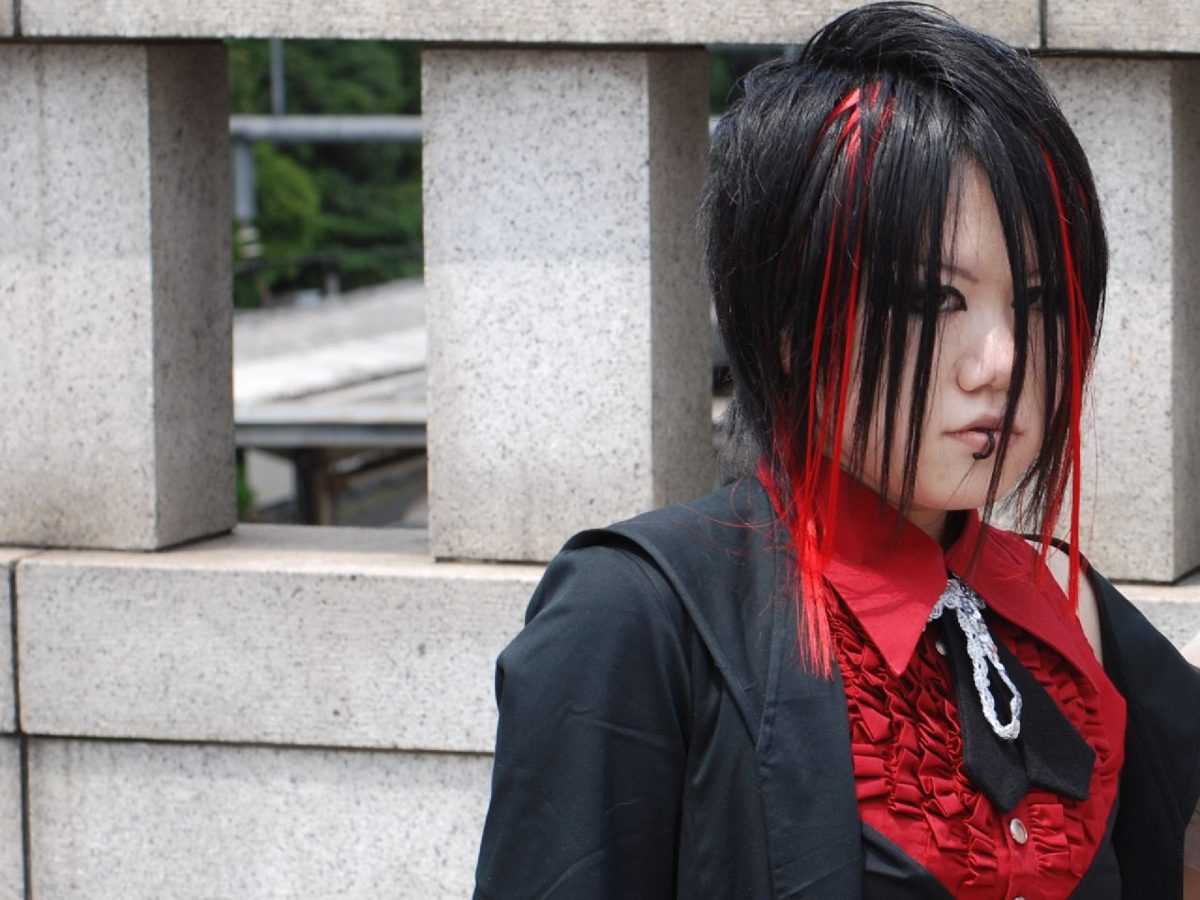
Harajuku is the birthplace of several distinct street-fashion subcultures, and you’ll still spot them — especially on weekends. Decora piles on dozens of plastic clips, toys, and clashing colours. Lolita (in Gothic, Sweet, and Classic variants) builds Victorian-doll silhouettes with petticoats and bonnets; Laforet is the best place to shop the brands. Fairy-kei leans pastel and 1980s-toy nostalgic. The big 2025–2026 shift has been away from years of all-black minimalism back toward colour — locals call it “datsu-kuro,” ditching black. You don’t need to dress the part to shop the part; staff are used to curious visitors.
Laforet and the Meiji-dori Fashion Buildings
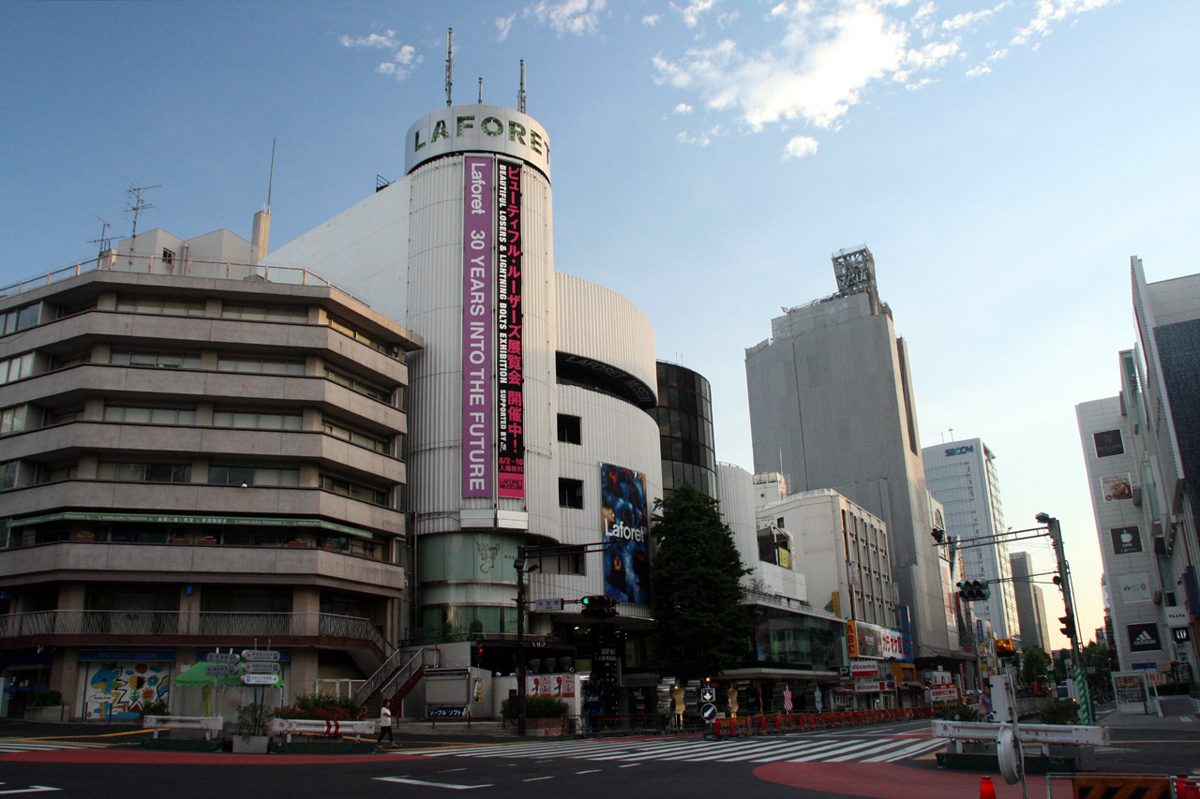
Where Takeshita-dori meets Meiji-dori, a cluster of fashion buildings marks the transition from teen Harajuku to grown-up Omotesando. Laforet Harajuku, open since 1978, is the maze-like landmark with around 140 shops spread across its floors — everything from Vivienne Westwood and other established names down to tiny Tokyo-based labels and accessory stands. It’s the single best building for Lolita, gothic, and creative Japanese brands under one roof. The basement floors host rotating designer pop-ups worth checking even if you’re just browsing.
Across the Jingumae intersection, Tokyu Plaza Harajuku “Harakado” opened in April 2024 — nine floors from basement to a 7th-floor rooftop terrace, with around 75 shops and restaurants. Combined with the long-running Tokyu Plaza Omotesando “Omokado” a short walk up the hill, you get two contrasting mega-buildings within a few minutes of each other.
Omotesando: Luxury Flagships and Showpiece Architecture
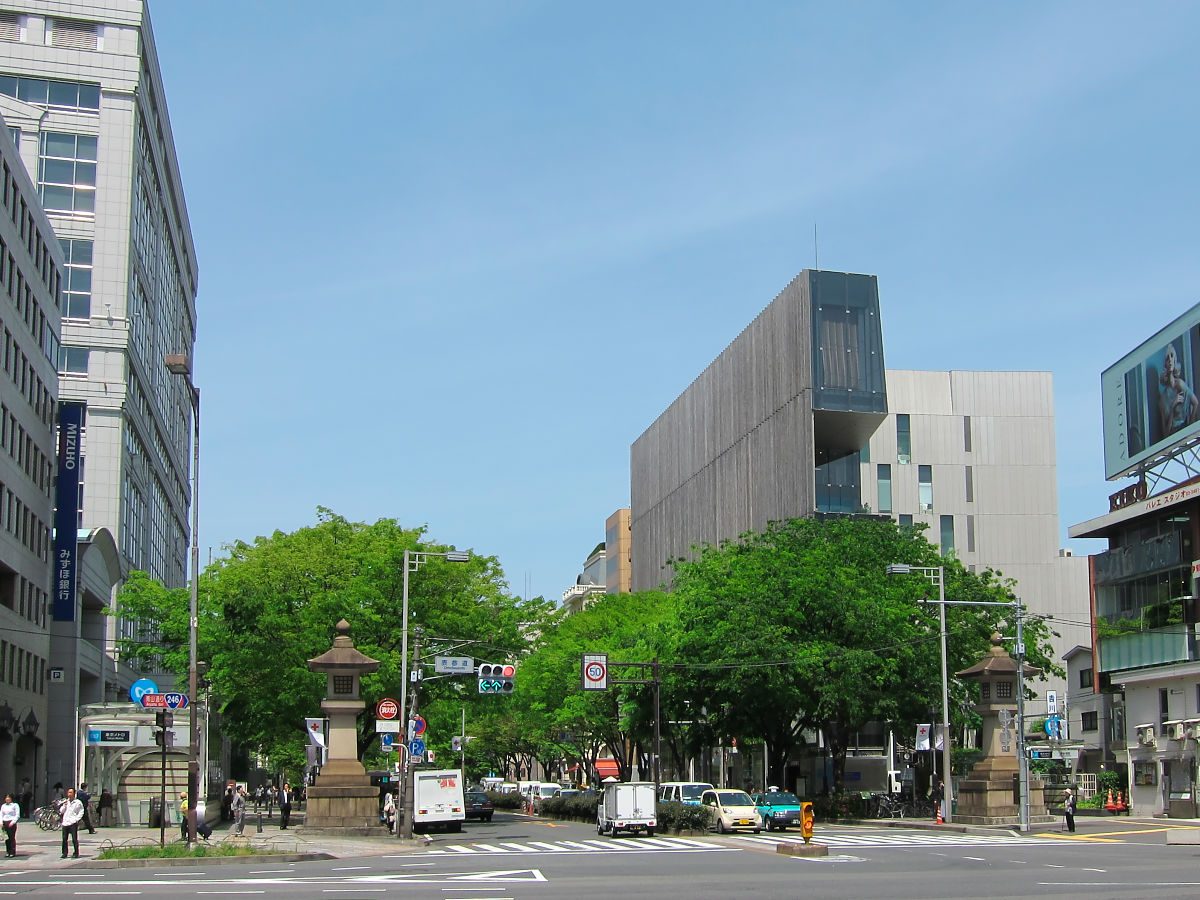
Omotesando is the antidote to Takeshita-dori’s chaos: a kilometre-long, zelkova-lined avenue running from Harajuku down toward Aoyama, often called Tokyo’s Champs-Elysees. The crowd is older, the pace is slower, and the wallets are heavier. This is where the global luxury houses build their flagship statements — and several are destination architecture in their own right. Even if you’re not buying, walking Omotesando is a free outdoor museum of contemporary design: the Prada “bubble” building by Herzog & de Meuron, Dior, Louis Vuitton, and the twisting glass of Tokyu Plaza Omotesando “Omokado”, whose mirror-clad entrance funnels you up to the “Omohara Forest” rooftop garden.
Tokyu Plaza Omokado runs from the first basement floor up to the 5th, mixing fashion, cosmetics, and accessories — the cosmetics floors in particular draw crowds. GYRE, a little further down, packs Chanel, MoMA Design Store, and rotating art-meets-retail concepts into one building. For most visitors, Omotesando is where you come to look, photograph, and maybe splurge on one nice thing rather than fill a bag.
Cat Street and Ura-Harajuku: Streetwear and Backstreet Boutiques
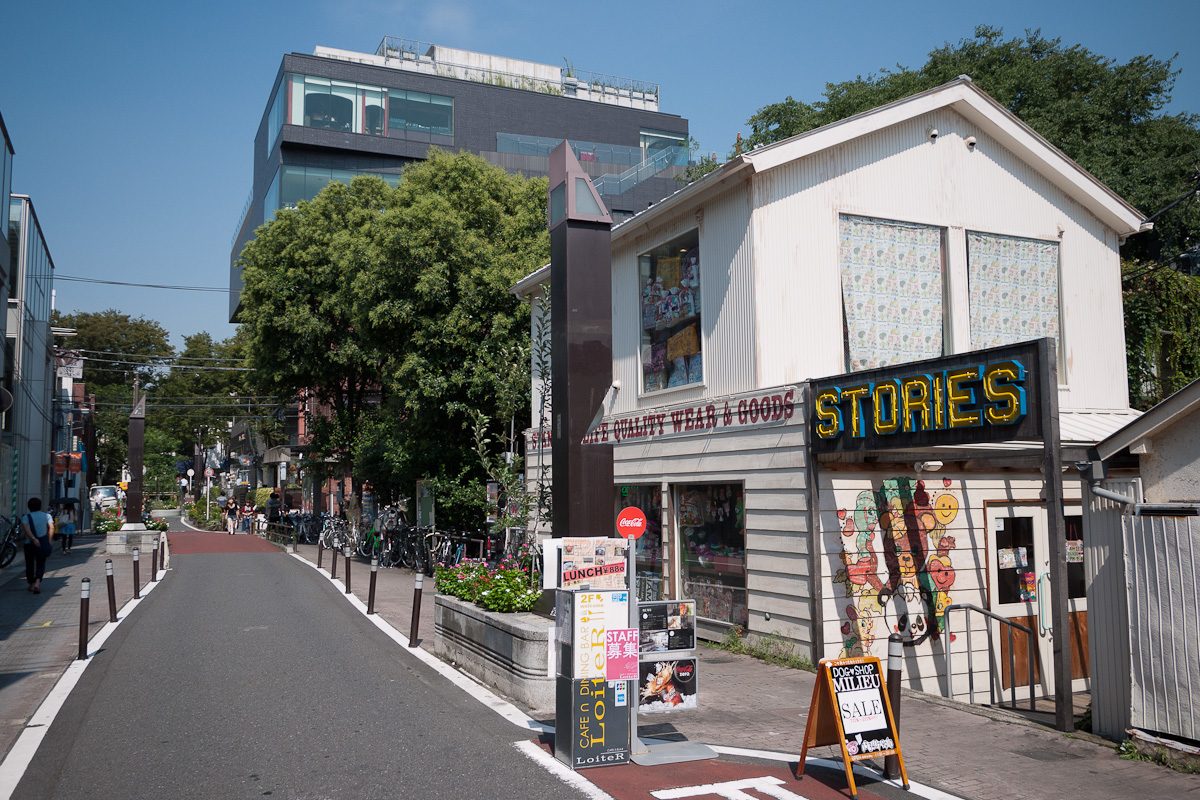
Cat Street runs roughly parallel to the action, slipping between Omotesando and the Shibuya side along the path of a covered-over river. It’s pedestrian-friendly, calmer than Takeshita-dori, and the home of Harajuku’s streetwear scene — BAPE, Stussy, adidas, plus a steady churn of independent labels, sneaker shops, and good cafes. The vibe is closer to the Minami-Aoyama fashion district than to the teen chaos a few blocks north. It connects Harajuku to Shibuya’s shopping streets on foot, so it’s a natural way to walk between the two districts.
Ura-Harajuku — literally “behind Harajuku” — is the warren of backstreets north of Omotesando, and it’s where serious shoppers go. This is vintage and indie-boutique territory: BerBerJin for vintage flannels, sweatshirts, and denim; Flamingo and Kinji for American secondhand; and a constant rotation of small Tokyo labels too new to have made it onto the main drags. If you want to dig into the secondhand side properly, it deserves its own trip — we cover the whole scene, including Ura-Harajuku, in our Tokyo vintage and thrift shopping guide.
Kiddy Land and Character Goods
On Omotesando, Kiddy Land is the area’s character-goods landmark — five floors of Sanrio (Hello Kitty, Kuromi), Studio Ghibli, Snoopy, Rilakkuma, Pokemon, and whatever character is having a moment. It’s a tourist favourite for good reason: if it’s cute and Japanese, it’s probably stocked here. The Ghibli and Sanrio floors are the busiest, and the ground-floor seasonal displays are worth a look even empty-handed. For deeper anime, manga, and collector goods beyond the cute-character mainstream, see our Tokyo anime shopping guide.
Where to Eat: Crepes, Cotton Candy and Street Snacks
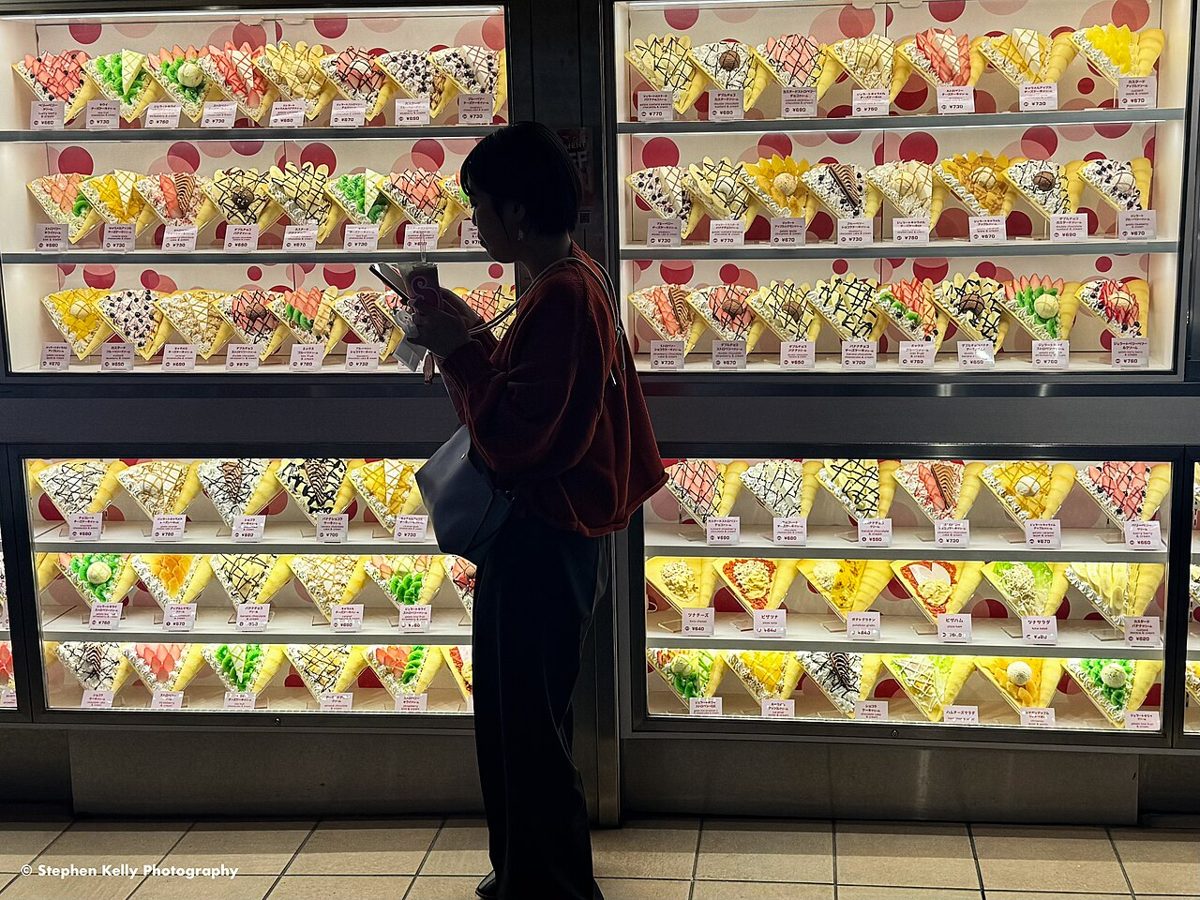
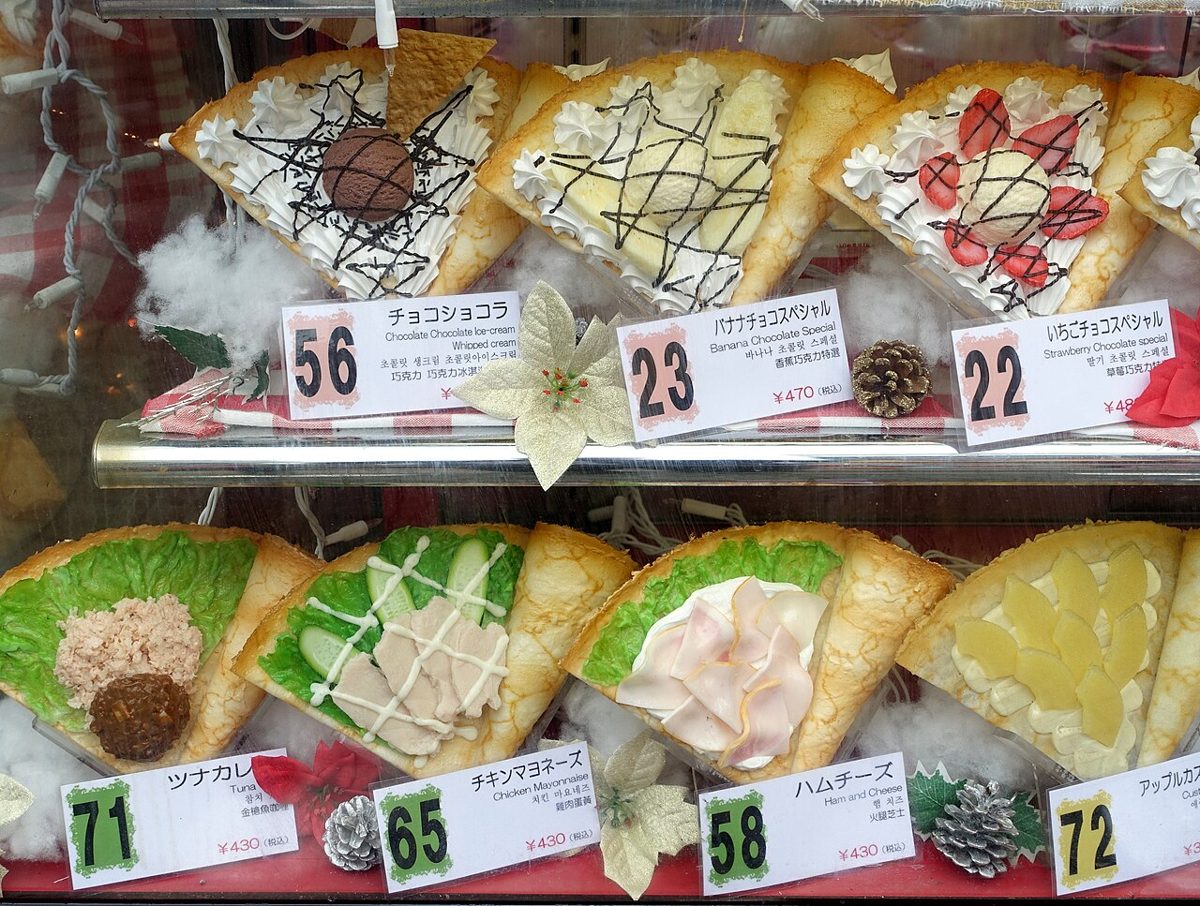
Takeshita-dori is as much a food street as a fashion one, and the signature item is the crepe. The two big names are Marion Crepes — the brand that pioneered the paper-wrapped, hold-in-your-hand Japanese crepe back in 1976 — and Santa Monica Crepes, styled like a retro LA diner with well over 100 fillings. A cream-and-fruit crepe runs roughly ¥400–¥700, making it one of the cheapest and most photogenic snacks in Tokyo.
The other viral item is rainbow cotton candy from Totti Candy Factory, whose oversized candy floss became a social-media staple. The three-colour size is around ¥700 and the five-colour “rainbow” runs about ¥1,000 — absurdly large, very sweet, built for photos more than eating. Beyond those, the street has bubble tea stands, Korean corn dogs, and a rotating cast of trend snacks. Eat as you walk, but step to the side — the street is too narrow to stop in the middle.
Getting There and Best Times to Go
Harajuku is on the JR Yamanote Line — get off at Harajuku Station, and the Takeshita-dori entrance is directly across the road from the station exit. It’s a two-minute ride from Shibuya and about four from Shinjuku, so it slots easily into any central-Tokyo day. The station was rebuilt and reopened with a larger modern building, so the old crush at the exit has eased.
If you’re on the subway instead, Meiji-jingumae (Harajuku) Station sits right at the Takeshita-dori/Meiji-dori corner and is served by the Tokyo Metro Chiyoda and Fukutoshin lines — handy if you’re coming from Ginza, Omotesando, or Ikebukuro. For Omotesando’s luxury end, Omotesando Station (Ginza/Hanzomon/Chiyoda lines) drops you at the Aoyama end of the avenue.
When to go (and when to avoid)
Takeshita-dori on a Saturday or Sunday afternoon is genuinely shoulder-to-shoulder — fun once, exhausting if you actually want to shop. Aim for a weekday late morning: arrive around 10:30–11:00 as shutters go up and you’ll get the street near its calmest. If you can only come on a weekend, get there by 09:00–10:00 for near-empty photos before the shops open, then shop the moment they do. Spring and autumn are the most comfortable seasons; midsummer humidity makes the crowded street rough, and you’ll want the air-conditioned fashion buildings.
A Sample Harajuku Walking Route (Half a Day)
- Start: JR Harajuku Station → cross to the Takeshita-dori entrance. Walk the full 350 m, ducking into WEGO, Spinns, and Daiso Harajuku. Grab a crepe at Marion or Santa Monica.
- Meiji-dori crossing → hit Laforet Harajuku for creative Japanese brands and Lolita, then Tokyu Plaza Harakado across the intersection.
- Up Omotesando → window-shop the luxury flagships and the architecture; ride up Tokyu Plaza Omokado to the Omohara Forest rooftop. Visit Kiddy Land for character goods.
- Cut to Cat Street → between GYRE and Kiddy Land, drop onto Cat Street for streetwear, sneakers, and a coffee break.
- Ura-Harajuku backstreets → wander north of Omotesando for vintage (BerBerJin, Flamingo) and indie boutiques.
- Finish → continue down Cat Street into the Shibuya district on foot (about 15 minutes), or loop back to Harajuku Station.
Budget Tips for Shopping Harajuku
- Anchor your spending to the zone. Do your volume buying on Takeshita-dori (WEGO, Daiso) where ¥1,000–¥3,000 goes far; treat Omotesando as look-don’t-buy unless you’re splurging on one piece.
- Carry cash for small shops. Big buildings take cards and IC, but tiny Takeshita-dori stalls and some vintage stores prefer cash. Coins for the ¥110 Daiso haul help too.
- Ask about tax-free. Larger stores and fashion buildings offer tax-free shopping with your passport over the spending threshold — worth it once you’re buying clothes in bulk.
- Travel light. A small crossbody beats a backpack in the Takeshita-dori crush, and coin lockers at Harajuku Station hold the day’s bags.
- Eat the cheap stuff. A ¥500 crepe is the best-value lunch in the area; you don’t need a sit-down restaurant to eat well here.
What to Buy in Harajuku (and What to Skip)
Harajuku rewards shoppers who know what the area does best. Some categories are genuinely worth buying here; others are cheaper or better elsewhere in Tokyo. Use this as a quick filter before you start handing over yen.
| What to buy | Best spot in Harajuku | Rough price | Worth it? |
|---|---|---|---|
| Trend fast-fashion (tops, skirts) | WEGO, Spinns, Bubbles | ¥1,000–¥3,000 | Yes — cheap and on-trend |
| Lolita / gothic / decora pieces | Laforet Harajuku | ¥5,000–¥30,000+ | Yes — the brands live here |
| Sanrio / Ghibli character goods | Kiddy Land | ¥500–¥3,000 | Yes — widest selection |
| 100-yen souvenirs & stationery | Daiso Harajuku | ¥110 each | Yes — unbeatable value |
| Streetwear & sneakers | Cat Street | ¥8,000–¥40,000+ | Yes — flagship-level range |
| American vintage denim | Ura-Harajuku (BerBerJin) | ¥6,000–¥30,000+ | Yes — curated, but not cheap |
| Electronics / cameras | (go to Akihabara instead) | — | No — wrong district |
| Luxury handbags (new) | Omotesando flagships | ¥100,000+ | Only for the experience/architecture |
The pattern is clear: Harajuku is strongest on youth fashion, kawaii goods, streetwear, and curated vintage. For electronics, head to Akihabara; for serious luxury bargains, the secondhand luxury shops elsewhere in the city beat new Omotesando prices. Keep your Harajuku budget aimed at clothes, accessories, and character goods and you’ll get the most out of the day.
Cat Street Streetwear and Sneakers in Detail
Cat Street deserves more than a passing mention, because it’s where Tokyo’s streetwear reputation was built. The strip running from the Jingumae crossing down toward Shibuya is dense with brand flagships and sneaker boutiques. A Bathing Ape (BAPE) has long been associated with the area, alongside Stussy, adidas Originals, and a steady rotation of skate and street labels. Independent Japanese brands set up here precisely because the foot traffic is fashion-literate without being a teenage crush.
Sneaker hunters should treat Cat Street and the surrounding Ura-Harajuku blocks as a single grid and walk it slowly. Limited Japan-exclusive colourways turn up in the brand stores, and the secondhand and consignment shops nearby (including a large RAGTAG branch in Harajuku) carry barely-worn designer pieces at a discount. Prices for streetwear run higher than Takeshita-dori — a graphic hoodie from a name brand sits comfortably in the ¥10,000–¥25,000 range — but this is destination shopping, not impulse buying. Build in time for a coffee; Cat Street’s cafe game is part of the appeal.
Beyond Omotesando: Aoyama and GYRE
If Omotesando’s flagships leave you wanting more design-forward shopping, keep walking toward Aoyama at the avenue’s southern end. This is where Japanese designers like Comme des Garcons, Issey Miyake, and Yohji Yamamoto cluster their boutiques, and the architecture gets even more ambitious — the Prada Aoyama building is a frequent stop for design pilgrims. The crowd thins, the shops get quieter, and the price tags climb, but it’s the most concentrated stretch of high Japanese fashion in the city.
Back on the main avenue, the GYRE building is worth a dedicated stop. Its spiralling floors mix luxury (Chanel, among others) with the MoMA Design Store — one of the best places in Tokyo for design-led gifts, from clever stationery to homewares — plus rotating exhibitions and pop-ups in its gallery space. It’s the kind of building where you can buy a serious gift and see free contemporary art in the same visit, which makes it a useful rainy-day anchor.
Practicalities: Payment, Lockers, Tax-Free and Crowds
Paying and tax-free
The big fashion buildings — Laforet, Tokyu Plaza, GYRE — and chains like WEGO and Daiso take credit cards and IC cards (Suica/PASMO) without fuss. The smaller Takeshita-dori stalls, food vendors, and some independent boutiques still lean toward cash, so carry a few thousand yen in notes plus coins. For tax-free shopping, bring your passport: many department-style stores and larger retailers process duty-free purchases once you pass the spending threshold, which is genuinely worth it if you’re buying several clothing items in one place. Ask at the register or look for the tax-free signage.
Bags, lockers and getting around on foot
Harajuku is compact and entirely walkable — you won’t need a train once you arrive. Coin lockers at Harajuku Station and inside the larger buildings let you stash purchases and travel light through the Takeshita-dori crush; they fill up fast on weekends, so grab one early. The whole zone, from the JR station to the Aoyama end of Omotesando, is about a 15-minute walk end to end, and Cat Street links it down to Shibuya in roughly the same time. There’s no need for taxis here.
Common mistakes to avoid
- Arriving before 11:00 expecting to shop. Takeshita-dori shutters are down until late morning; come early only for photos, then wait for opening.
- Doing only Takeshita-dori. Most first-timers walk the one street and leave, missing Cat Street, Ura-Harajuku, and the Omotesando architecture — the parts many people end up liking most.
- Stopping mid-street to eat. The crepe line spills into a narrow, packed street; step to the edge so you’re not blocking the flow.
- Coming on a weekend afternoon with a big agenda. The crowds make serious browsing slow. Weekday mornings are dramatically calmer.
- Assuming everything is cheap. Takeshita-dori is budget; Omotesando, Cat Street, and curated vintage are not. Match your wallet to the zone.
Combining Harajuku with the Rest of Your Day
Harajuku slots neatly into a bigger Tokyo itinerary. Right next to the station sits the forested approach to Meiji Shrine — a complete change of pace from the shopping, and a natural morning stop before the stores open. Walk Cat Street south and you arrive in the heart of Shibuya for the Scramble Crossing, more shopping, and dinner. With a full day, pair Harajuku’s youth fashion with a secondhand deep-dive: our Tokyo vintage and thrift shopping guide maps the city’s best recycle chains and flea markets, several of which have branches right here in Ura-Harajuku.
If your trip is built around buying things, Harajuku is one stop on a wider circuit. Our citywide shopping rundown covers how it fits alongside Shinjuku’s department stores, Ginza’s luxury, and Akihabara’s electronics and anime — and for character-goods fans, the Tokyo anime shopping guide picks up where Kiddy Land leaves off. Treat Harajuku as the youth-fashion and kawaii anchor of that bigger map, and plan the rest of the day around it.
Practical tips for shopping Takeshita Street and Harajuku
Timing makes or breaks a Harajuku trip. Most Takeshita-dori shops open around 11:00, and weekday mornings are the only time the 350-metre lane feels walkable. By Saturday afternoon it is shoulder-to-shoulder, and the crepe stands have lines 20 deep. Come early, shop the lane first, then drift to the calmer backstreets of Ura-Harajuku and Cat Street as the crowds build.
A few things that save money and hassle once you are there:
- Pay with a Suica or Pasmo IC card or a credit card at larger stores; many tiny Takeshita boutiques still prefer cash, so carry a few thousand yen in small notes.
- Bigger retailers (Daiso Harajuku, the fashion buildings, drugstores) run tax-free counters — bring your passport and keep purchases from one store on one receipt to clear the minimum spend.
- Sizing runs small by Western standards and a lot of teen-fashion pieces are one-size; check the measurements on the tag rather than the label letter before you buy.
- Hit the January and summer sales for real markdowns, and look for fukubukuro ‘lucky bags’ of mystery stock right after New Year.
- Use the coin lockers at Harajuku Station and Meiji-jingumae Station to ditch your bags, then combine shopping with a quiet break in next-door Yoyogi Park or at Meiji Shrine.
Getting there is simple: take the JR Yamanote Line to Harajuku Station and leave by the Takeshita exit, or ride the Chiyoda or Fukutoshin subway lines to Meiji-jingumae, which puts you steps from both Takeshita-dori and the Omotesando boutiques.
Frequently Asked Questions
What time do shops on Takeshita Street open?
Most shops on Takeshita-dori open around 11:00 and close near 20:00 daily. Arriving at 10:30–11:00 on a weekday lets you shop as shutters go up, before the afternoon crowds build. Early morning (before 09:00) is great for empty-street photos but the stores won’t be open yet.
What is the difference between Takeshita Street and Omotesando?
Takeshita-dori is a narrow, ~350 m pedestrian street packed with cheap teen fashion, kawaii shops, and crepe stands — loud, colourful, and crowded. Omotesando is a wide, tree-lined avenue of luxury flagships, designer architecture, and upmarket cafes. They sit a few minutes apart but feel like different worlds.
How much does a Harajuku crepe cost?
A cream-and-fruit crepe from Marion Crepes or Santa Monica Crepes on Takeshita-dori costs roughly ¥400–¥700, depending on the fillings. Totti Candy Factory’s giant rainbow cotton candy runs about ¥700 for three colours and ¥1,000 for the five-colour version.
Which station is best for Harajuku shopping?
For Takeshita-dori, use JR Harajuku Station on the Yamanote Line — the street entrance is right across the road. For the subway, Meiji-jingumae (Harajuku) Station (Chiyoda and Fukutoshin lines) sits at the Takeshita/Meiji-dori corner. For the luxury end of Omotesando, Omotesando Station is closer.
When is the best day to visit Harajuku?
A weekday is far more comfortable than the weekend, when Takeshita-dori becomes shoulder-to-shoulder. If you can only go on a Saturday or Sunday, arrive early. Spring and autumn offer the best weather; in summer, lean on the air-conditioned fashion buildings like Laforet and Tokyu Plaza.
Photo Credits
- Takeshita-dori, the kawaii heart of Harajuku — Photo: Daderot / CC0 via Wikimedia Commons via Wikimedia Commons
- Harajuku street style near Takeshita-dori — Photo: su.bo / CC BY 2.0 via Wikimedia Commons via Wikimedia Commons
- Omotesando, Harajuku’s upscale boulevard — Photo: Rs1421 / CC BY-SA 3.0 via Wikimedia Commons via Wikimedia Commons
- Laforet Harajuku at the Meiji-dori crossing — Photo: Morio / CC BY-SA 3.0 via Wikimedia Commons via Wikimedia Commons
- A Takeshita-dori crepe, Harajuku’s signature snack — Photo: Stephen Kelly from San Francisco, CA, USA / CC BY 2.0 via Wikimedia Commons via Wikimedia Commons
- Cat Street, Harajuku’s streetwear backstreet — Photo: Rs1421 / CC BY-SA 3.0 via Wikimedia Commons via Wikimedia Commons