Tokyo Neighborhoods · Guide №070
Harajuku Guide: Fashion, Food & Kawaii Culture in Tokyo
A complete Harajuku guide: Takeshita Street crepes and kawaii fashion, Meiji Shrine, Omotesando and Cat Street, the best food, plus hours, prices and how to get there.

目次 — Contents
- Takeshita Street: the heart of kawaii Harajuku
- Meiji Shrine and Yoyogi Park: the green other half
- Omotesando: the Champs-Elysees of Tokyo
- Cat Street and Ura-Harajuku: streetwear in the backstreets
- Kawaii culture, Lolita fashion, and animal cafes
- Harajuku fashion: a short history and where to shop now
- Where and what to eat in Harajuku
- Getting to Harajuku: stations and exits
- How Harajuku, Omotesando, and Shibuya connect
- What is nearby: extending your Harajuku day
- Practical tips for visiting Harajuku
- A half-day Harajuku itinerary
- Best time to visit, and mistakes to avoid
- Frequently Asked Questions
- Photo Credits
This article contains advertising. Our booking links are routed through a partner that adds commission tracking automatically, so if you book through one we earn a commission from the provider, at no extra cost to you. It never affects what we recommend. Affiliate disclosure
This Harajuku Tokyo guide covers Tokyo’s capital of youth fashion and kawaii culture: the crepe-and-candy chaos of Takeshita Street, the calm forest of Meiji Shrine next door, the tree-lined luxury of Omotesando, the streetwear backstreets of Ura-Harajuku and Cat Street, plus the best food and exactly how to get there. Plan a half day, and come on a weekday if you can.
Harajuku is the stretch of Tokyo around Harajuku Station on the JR Yamanote Line, in Shibuya ward, and it pulls off a strange trick: within a few hundred meters you can go from a screaming-pink candy shop full of teenagers to a 170-acre primeval forest where you bow at a torii gate, to a boulevard of glass flagship stores designed by famous architects. That collision — loud and quiet, cheap and luxe, cute and serious — is the whole point of Harajuku, and it is what makes it one of the most rewarding half-days in the city.
The name became shorthand worldwide for a kind of fearless street style, and while the peak “Harajuku girls” era of the early 2000s has mellowed, the area is still where Tokyo’s fashion tribes shop, pose, and people-watch. This guide breaks down each piece — Takeshita Street, Meiji Shrine, Omotesando, Cat Street, the food, and the kawaii cafes — with current 2026 prices, hours, and the station exits that save you time. For how Harajuku sits among the city’s districts, start with our complete guide to Tokyo’s neighborhoods.
Takeshita Street: the heart of kawaii Harajuku
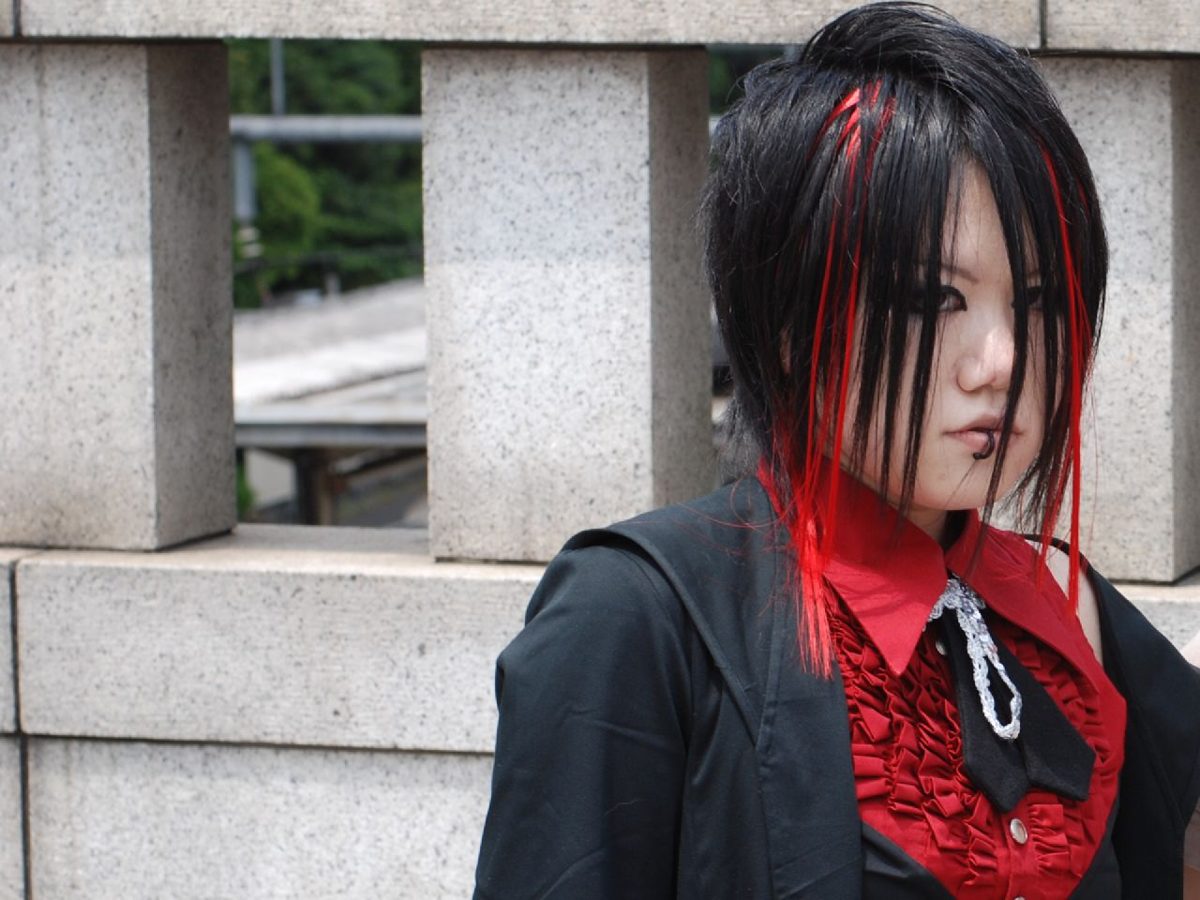
Step out of Harajuku Station’s Takeshita exit and you are staring straight down Takeshita-dori, a narrow pedestrian lane about 400 meters long, crammed with boutiques, crepe stands, candy shops, photo booths, and several thousand teenagers. It is loud, pastel, and gloriously over the top. This is the engine room of Harajuku’s kawaii (“cute”) culture, and walking it end to end takes maybe ten minutes — or two hours if you stop for everything, which you will.
What to do as you walk it:
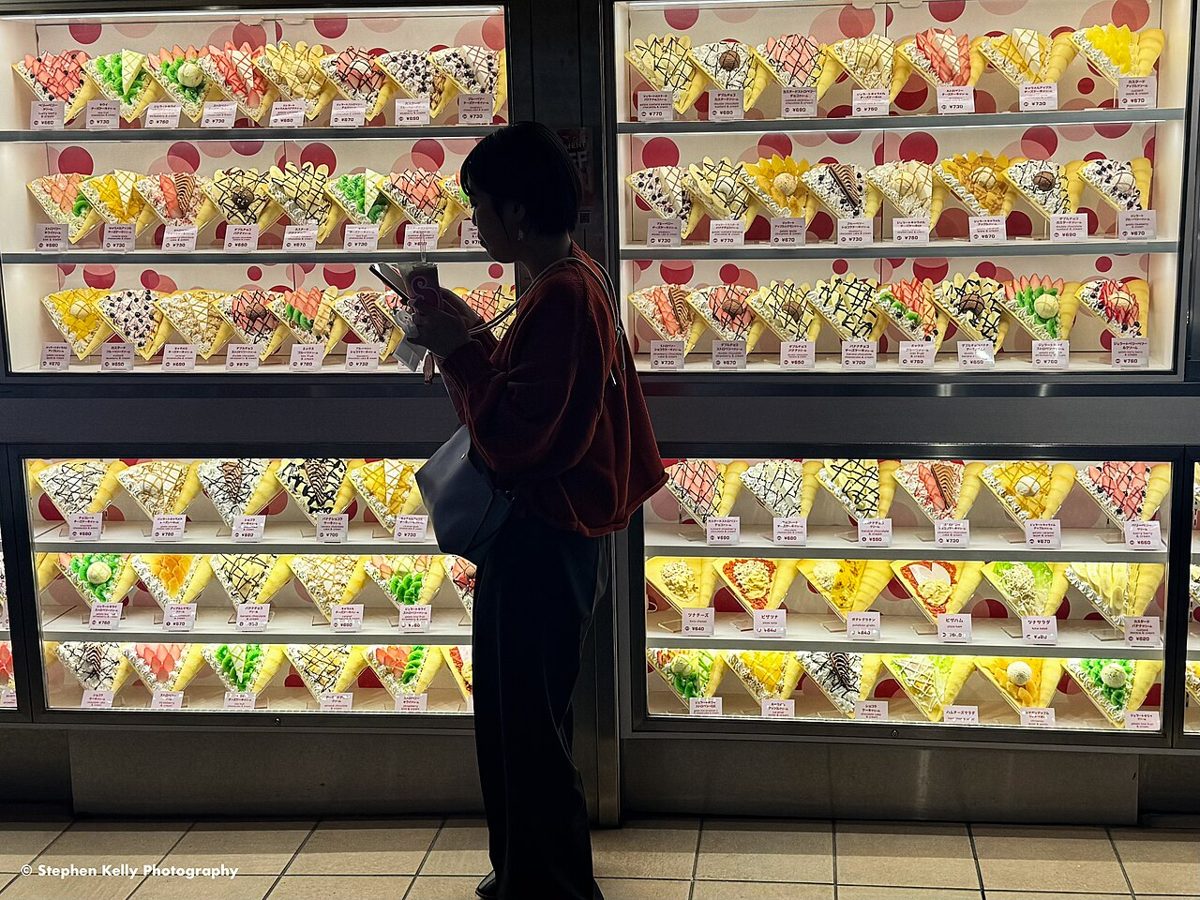
- Crepes are the signature Takeshita snack. Marion Crepes (Japan’s first creperie, opened 1976) and Angel’s Heart face off near the entrance, each with photo menus of 70-plus varieties — banana-chocolate-whipped-cream classics around ¥500–¥700, the loaded “mega” versions about ¥1,000.
- Totti Candy Factory, up a staircase mid-street, sells the giant rainbow cotton candy that launched a thousand Instagram posts — a multicolored cloud taller than your head, the big “Harajuku” size around ¥1,000.
- Calbee Plus serves freshly fried potato chips and Jagarico snacks hot from the fryer, often topped with soft-serve.
- Purikura photo booths upstairs at the arcades let you take heavily filtered, sticker-decorated print-club photos — a rite of passage, roughly ¥400–¥500 a session.
- Daiso Harajuku, a multi-floor 100-yen store, is the best cheap-souvenir stop in the neighborhood — snacks, stationery, cosmetics, and quirky gadgets, most items ¥110.
- Fashion ranges from ¥100 accessories to Lolita and decora boutiques, second-hand “gal” style, and bold Y2K revival pieces that are back in a big way.
One reality check: Takeshita Street on a weekend afternoon is a slow-moving wall of people, and many shops are cash-friendly but small. Come on a weekday morning (it wakes up around 10–11 a.m.) for room to breathe. For serious shopping context across the city, our Tokyo shopping guide covers where Harajuku fits among the districts.
Meiji Shrine and Yoyogi Park: the green other half
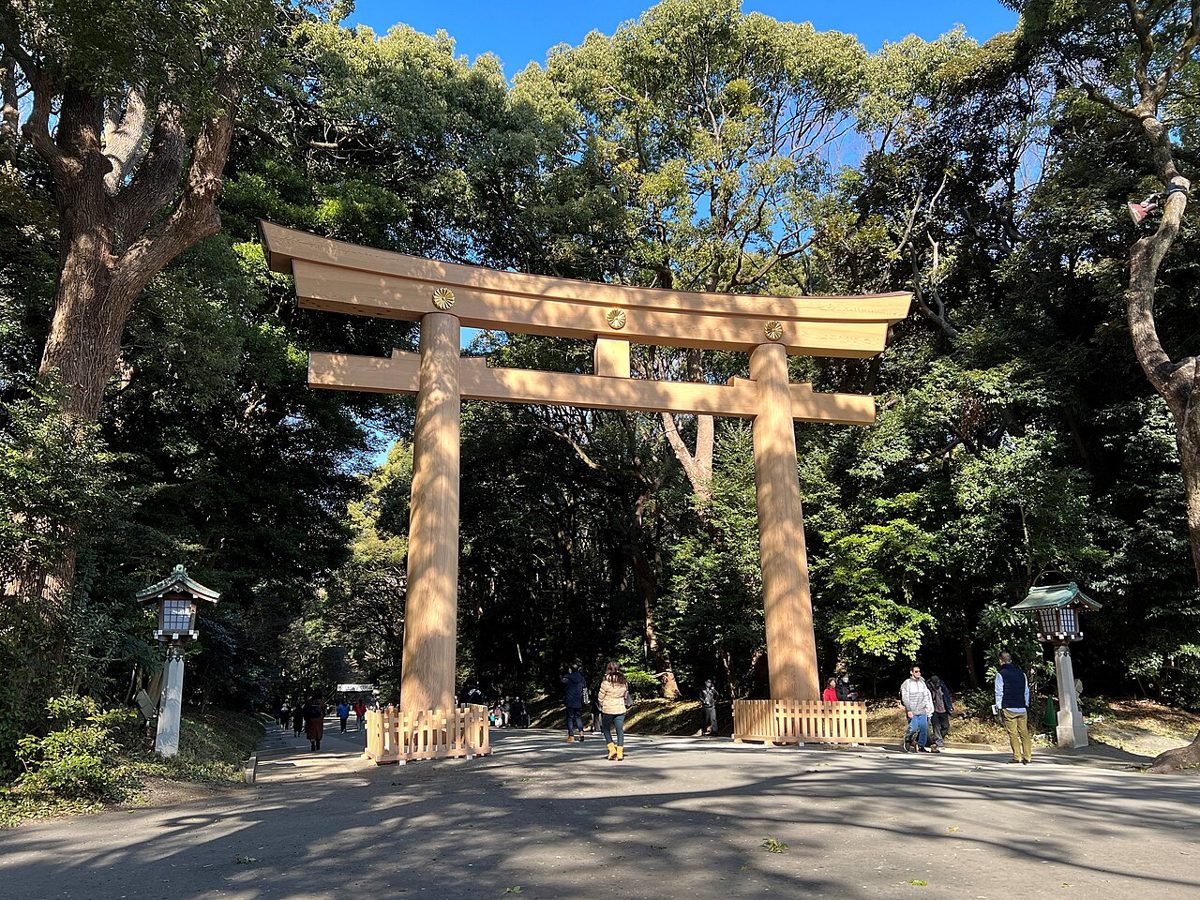
Two minutes from the candy chaos, across from the station, a massive wooden torii gate marks the entrance to Meiji Jingu (Meiji Shrine) — Tokyo’s grandest Shinto shrine, hidden inside a forest of roughly 100,000 trees that were planted by hand from donations a century ago. Entry to the shrine grounds and the forest is free, and the gravel approach under the canopy is one of the most peaceful walks in central Tokyo. The shrine opens at sunrise and closes at sunset, so hours shift with the season (roughly 5:00 a.m. to 6:30 p.m. in June, shorter in winter). Allow 45 to 60 minutes for a round-trip walk to the main hall.
Along the way you pass the famous wall of sake barrels (and, opposite, a row of French wine barrels), and at the main shrine you can write a wish on an ema plaque or draw a fortune. The only paid spots are the Inner Garden (a ¥500 maintenance contribution; spectacular for its irises in mid-June, open about 9:00 a.m. to 4:30 p.m.) and the Meiji Jingu Museum (around ¥1,000). We cover the shrine’s history, the correct way to pray, the torii, and a step-by-step route in depth in our dedicated Meiji Shrine guide — read it if the shrine is a priority, and treat this section as the quick orientation.
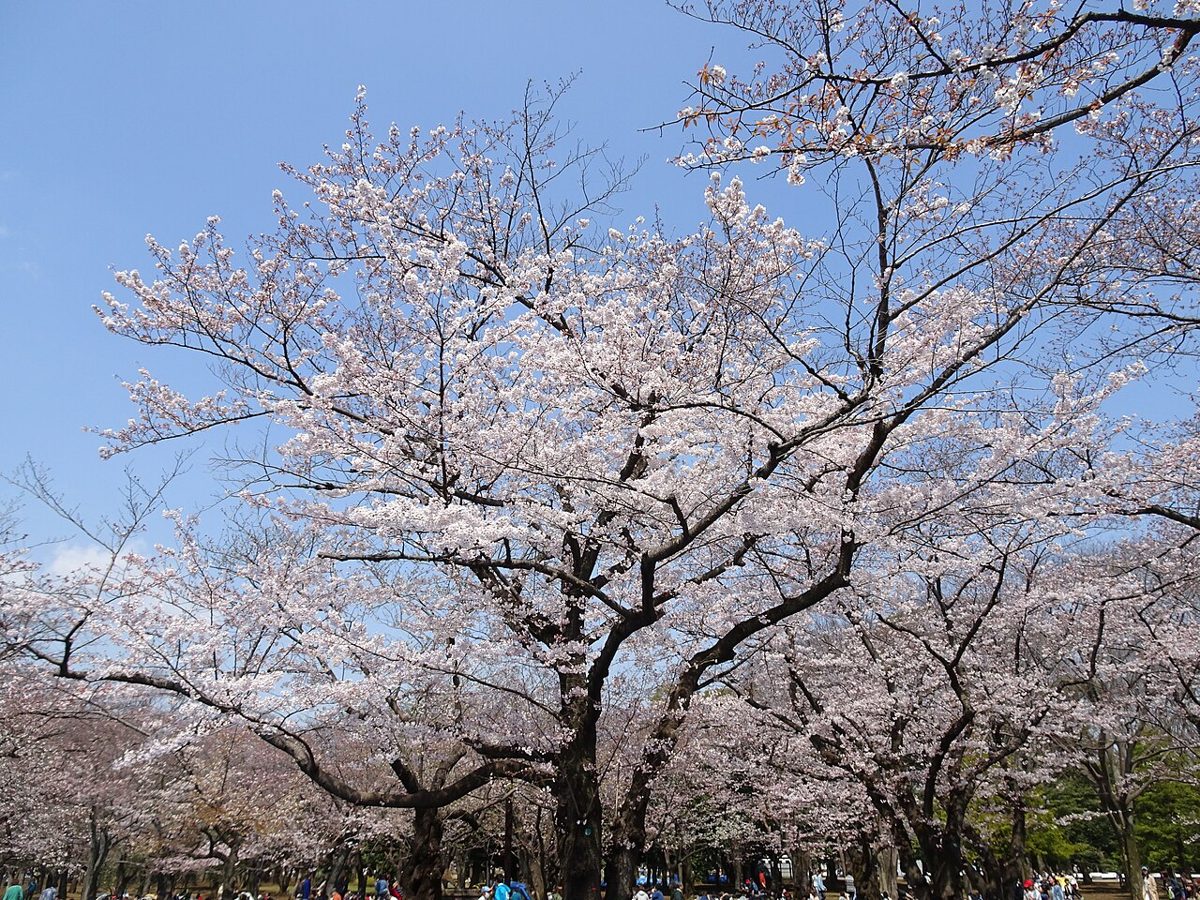
Next door, Yoyogi Park is one of Tokyo’s largest and most relaxed green spaces — wide lawns where locals picnic, jog, and nap, free to enter. On Sundays the park entrance near Harajuku has long been a stage for the city’s subcultures: the leather-clad, pompadour-wearing rockabilly dancers who twist to 1950s rock by the gate, plus cosplayers, drum circles, and amateur bands. There is no schedule, so catching them is partly luck, but a Sunday afternoon is your best bet. In spring the park is a top cherry-blossom picnic spot; in autumn the ginkgo avenue turns brilliant gold.
Omotesando: the Champs-Elysees of Tokyo
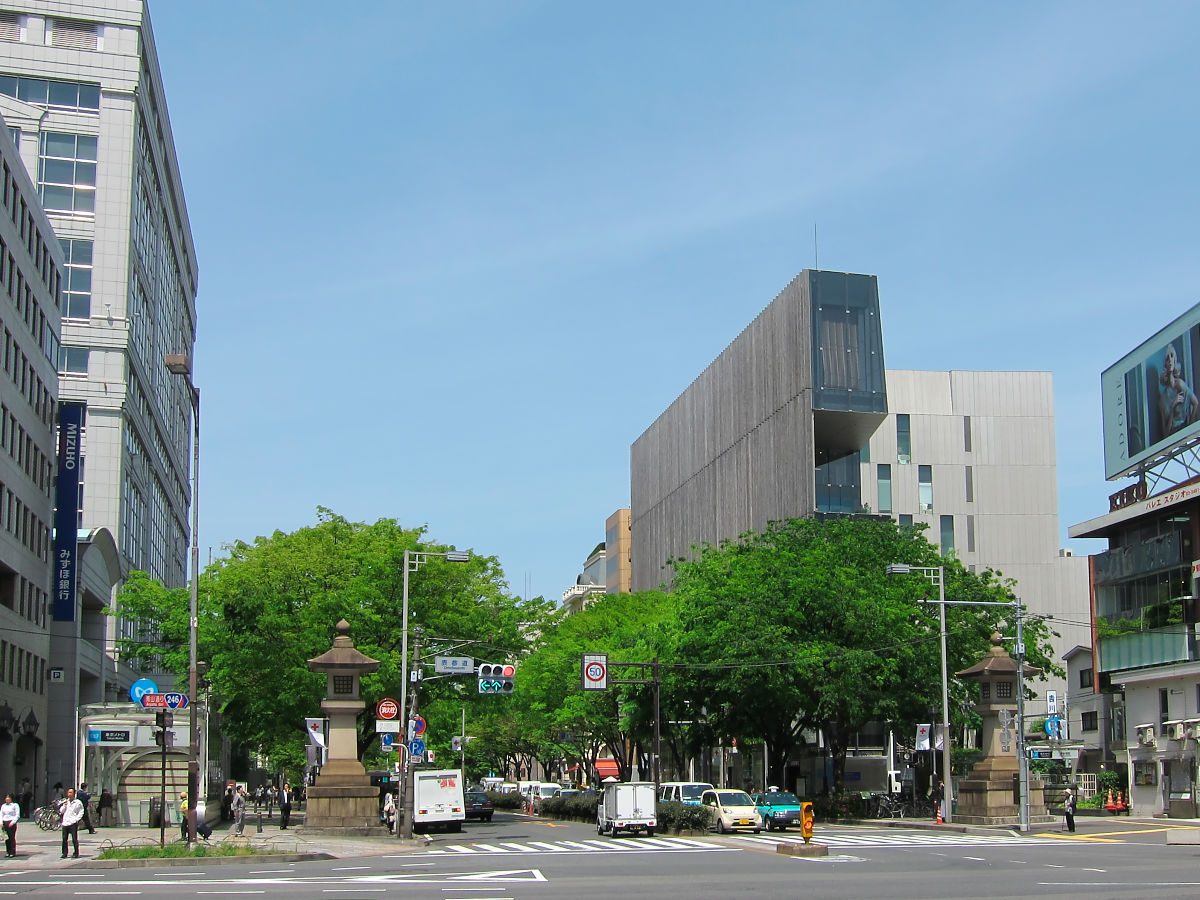
Just south of Takeshita Street, and its complete opposite in mood, runs Omotesando — a broad, zelkova-lined avenue often called “the Champs-Elysees of Tokyo.” It is the original tree-lined approach to Meiji Shrine, and over the past two decades it has become an open-air museum of contemporary architecture, with global luxury brands commissioning star architects to design their flagships. Even if you are not shopping, the buildings are the attraction:
- The Dior flagship’s translucent, fabric-like facade and Toyo Ito’s organic Tod’s building wrapped in concrete “branches.”
- Herzog & de Meuron’s faceted glass Prada tower in neighboring Aoyama — a crystalline bubble of a building.
- Omotesando Hills, a Tadao Ando shopping complex built around a long internal ramp that spirals up past boutiques and cafes.
- Kiddy Land, five floors of character goods (Sanrio, Studio Ghibli, Snoopy, Rilakkuma) — the best toy and souvenir stop in the area.
Omotesando is roughly twice the length of Takeshita and a world calmer — wide pavements, leafy shade, and a noticeably older, more polished crowd. It is the place to slow down, sit at a sidewalk cafe, and watch well-dressed Tokyo go by.
Cat Street and Ura-Harajuku: streetwear in the backstreets
Between the spectacle of Takeshita and the polish of Omotesando lies the part long-time Harajuku fans love most: the backstreets known as Ura-Harajuku (“behind Harajuku”) and the pedestrian lane called Cat Street. This is the home of Tokyo streetwear — independent boutiques, vintage racks worth digging through, sneaker shops, skate brands, and the small labels that built Harajuku’s global fashion reputation. Cat Street runs roughly from Omotesando down toward Shibuya, following the path of a covered-over river, and it is mostly low-rise, walkable, and free of big-bus tour groups.
Wander these lanes with no fixed plan. You will find concept stores, third-wave coffee, galleries, and the kind of carefully curated thrift shops Tokyo does so well. It is also the natural walking route between Harajuku and Shibuya: Cat Street delivers you, in about 10 to 15 minutes on foot, to the edge of the Shibuya scramble crossing and its neon canyons — making the two neighborhoods an easy single-day pairing.
Kawaii culture, Lolita fashion, and animal cafes
Harajuku is the spiritual home of kawaii, Japan’s all-encompassing cult of cuteness, and the neighborhood wears it on its sleeve. You will spot Lolita fashion (elaborate, doll-like dresses with petticoats), decora (piled-on plastic accessories in candy colors), gothic styles, and the Y2K-gal revival, especially around Takeshita and in the Laforet Harajuku fashion building, a long-running incubator of alternative style. Even if you are just watching, the street-style theater is a free show.
The cute extends to the area’s themed and animal cafes. You will find hedgehog, owl, and micro-pig cafes, plus rotating character cafes tied to anime and Sanrio. A word of judgment: animal welfare standards vary a lot between venues, so choose places with good ventilation, space, and limited handling, and skip anywhere the animals look stressed. Entry to an animal cafe typically runs ¥1,000–¥2,000 including a drink and a set time slot. For straightforward cute without the ethics question, the character-goods stores (Kiddy Land, the Sanrio shops, Daiso) and the dessert cafes deliver plenty.
Harajuku fashion: a short history and where to shop now
Harajuku’s reputation as a fashion capital is not marketing — it was earned on the street. After World War II the area sat near the U.S. military’s Washington Heights housing, and Western styles trickled in early. By the 1980s and 1990s, Takeshita Street and the Hokoten (a pedestrian-only Sunday street that once filled with dancing teenagers) turned Harajuku into a laboratory where young people invented looks the rest of the world later copied. Street-snap magazines like FRUiTS documented decora, Lolita, gothic, and visual-kei styles that became global shorthand for Tokyo cool.
That energy has shifted rather than vanished. The pure subculture peak of the early 2000s has mellowed, fast fashion and a Y2K “gal” revival have moved in, and a lot of the experimentation now lives on social media. But the physical neighborhood is still where you shop it. Here is roughly where each style clusters:
- Takeshita Street & Laforet Harajuku — teen fashion, Lolita and alternative brands, fast trend pieces, accessories from ¥100 up. Laforet, the wedge-shaped fashion building at the Meiji-dori end, has long been the incubator for edgier labels.
- Cat Street & Ura-Harajuku — streetwear, sneakers, skate brands, and the small independent labels that built Harajuku’s name; the place for grown-up street style.
- Omotesando & Omotesando Hills — international luxury, designer flagships, and high-end Japanese brands in architect-designed stores.
- Vintage and second-hand — excellent across the backstreets, from curated archive shops to bargain bins; Tokyo’s resale game is world-class.
Most shops open around 11:00 a.m. and stay open until 8:00 p.m. or later. Tax-free shopping is available at many stores for tourists who spend over ¥5,000 and show a passport, so carry yours if you plan to buy.
Where and what to eat in Harajuku
Beyond crepes and cotton candy, Harajuku eats well across every budget. A few reliable picks:
- Afuri (near Harajuku, in Sendagaya) made its name with delicate, citrusy yuzu shio ramen — a clear, fragrant broth that is lighter than the usual pork-heavy bowls. A bowl runs roughly ¥1,200–¥1,500; there is a ticket machine at the door.
- Harajuku Gyoza Lou is a no-frills institution serving just one thing — pan-fried or boiled gyoza dumplings — at around ¥300 a plate, with beer and bean sprouts. Expect a short queue and a fast, cheap, delicious meal.
- Maisen, in a converted bathhouse off Omotesando, is the area’s famous tonkatsu (breaded pork cutlet) restaurant; sets from about ¥1,600.
- Themed and dessert cafes abound — rainbow grilled cheese, towering parfaits, and seasonal character cafes — mostly aimed at the photo as much as the food.
- Omotesando and Cat Street hide excellent specialty coffee and bakeries if you want a calm break from the sugar rush.
As on Takeshita Street, carry some cash — the smallest stands and oldest shops do not always take cards, though the bigger restaurants and IC cards (Suica/PASMO) cover most situations.
Getting to Harajuku: stations and exits
Harajuku is one of the easiest neighborhoods in Tokyo to reach, sitting on the JR Yamanote loop with a metro stop right beneath it. Here is what connects where:
| Station | Line(s) | Best exit | Drops you at |
|---|---|---|---|
| Harajuku | JR Yamanote Line | Takeshita exit | Top of Takeshita Street |
| Harajuku | JR Yamanote Line | Omotesando / West exit | Meiji Shrine torii & Omotesando |
| Meiji-jingumae | Tokyo Metro Chiyoda & Fukutoshin lines | Exit 2 / 3 | Bottom of Takeshita, shrine entrance |
| Omotesando | Ginza, Hanzomon & Chiyoda lines | Exit A1 / A2 | Omotesando avenue, Aoyama end |
From Shinjuku or Shibuya, Harajuku is one or two stops on the JR Yamanote Line (about 3–5 minutes), and Shibuya is genuinely close enough to walk via Cat Street. From Tokyo Station, take the Yamanote Line directly (about 25 minutes). The freshly rebuilt Harajuku Station has a clearly signed Takeshita exit (for the fashion street) and an Omotesando/West exit (for the shrine and the boulevard) — pick the right one and you save yourself a loop around the block. Tap through with a Suica or PASMO IC card and don’t worry about individual fares.
How Harajuku, Omotesando, and Shibuya connect
These three areas form one continuous walk, and understanding the geography turns three separate trips into one smooth day. Picture a north-to-south line: Meiji Shrine and Takeshita Street sit at the top around Harajuku Station; Omotesando runs southeast as a grand tree-lined avenue; and Cat Street threads south from Omotesando down to Shibuya and its famous scramble crossing, a 10-to-15-minute stroll.
The classic route: start early with the calm of Meiji Shrine and Yoyogi Park, hit Takeshita Street as it opens for the kawaii energy, walk Omotesando for architecture and a coffee, then drift down Cat Street and Ura-Harajuku into Shibuya for the evening. You can do the whole chain on foot with almost no trains, which is exactly why it is one of Tokyo’s most popular days out.
If it helps to picture the contrast before you go, here is how the three faces of the area compare at a glance:
| Area | Mood | Best for | Typical crowd |
|---|---|---|---|
| Takeshita Street | Loud, pastel, frenetic | Kawaii fashion, crepes, cheap souvenirs, purikura | Teens and tourists |
| Omotesando | Calm, leafy, upscale | Luxury flagships, architecture, cafes | Polished, older shoppers |
| Cat Street / Ura-Harajuku | Low-key, creative | Streetwear, vintage, concept stores, coffee | Fashion locals |
What is nearby: extending your Harajuku day
Harajuku sits in the middle of some of Tokyo’s best neighborhoods, so it is easy to bolt on more without much travel. A few natural extensions:
- Shibuya — a 10-to-15-minute walk south down Cat Street, or one stop on the Yamanote Line. The scramble crossing, Shibuya Sky’s open-air observation deck, the Hachiko statue, and the city’s best nightlife are all here. It is the obvious evening pairing.
- Aoyama — the quieter, more grown-up continuation of Omotesando, with designer flagships, the Nezu Museum (a serene art collection with a famous garden, around ¥1,400), and elegant cafes.
- Shinjuku — two stops north on the Yamanote Line, for the skyscrapers, the neon of Kabukicho, the lantern-lit alleys of Omoide Yokocho, and the calm of Shinjuku Gyoen national garden.
- Yoyogi and Sangubashi — the residential backside of the park, with low-key bakeries and coffee, if you want to decompress after the crowds.
Because Harajuku is on the Yamanote loop, almost every major district — Shibuya, Shinjuku, Ikebukuro, Ueno, Tokyo Station — is a direct, no-transfer ride away, which makes it a smart anchor point for a day of city-hopping. Two or three neighborhoods strung along the loop is an easy and very Tokyo way to spend a day.
Practical tips for visiting Harajuku
- Money: Carry ¥3,000–¥5,000 in cash for small stalls and purikura; IC cards and bigger shops handle the rest. Bring your passport if you want tax-free shopping (spend over ¥5,000).
- Toilets: Clean free restrooms are inside Harajuku Station, the big fashion buildings (Laforet, Omotesando Hills), and the park; Takeshita Street itself has very few.
- Luggage: Coin lockers fill up fast at Harajuku Station on weekends — try Meiji-jingumae or Omotesando stations if the ones at Harajuku are taken.
- Crowds and photos: Takeshita Street is narrow; step to the side to take photos rather than stopping in the flow, and ask before photographing people in elaborate fashion.
- Weather: Much of a Harajuku day is outdoors. The shrine forest and Omotesando offer shade in summer; carry an umbrella in the June rainy season, when the Inner Garden irises are at their best.
A half-day Harajuku itinerary
- 9:00 a.m. — Enter Meiji Shrine through the great torii while it is still quiet; walk the forest path to the main hall, see the sake barrels, write an ema or draw a fortune.
- 10:00 a.m. — Stroll into Yoyogi Park for a few minutes of green (on a Sunday, look for the rockabilly dancers and cosplayers near the gate).
- 10:30 a.m. — Cross to Takeshita Street as the shops open. Grab a crepe, brave the giant rainbow cotton candy, browse Daiso and the fashion boutiques, snap a purikura.
- 12:00 p.m. — Lunch: yuzu ramen at Afuri, cheap gyoza at Harajuku Gyoza Lou, or tonkatsu at Maisen.
- 1:00 p.m. — Walk Omotesando for the flagship architecture, Omotesando Hills, and Kiddy Land; sit for a coffee.
- 2:00 p.m. — Explore Cat Street and Ura-Harajuku for streetwear, vintage, and concept stores — then continue on foot into Shibuya if you want to keep going.
Best time to visit, and mistakes to avoid
The single biggest lever is when you go. A weekday morning gives you a calm shrine, an empty-ish Takeshita Street, and room to actually shop. Sunday is the most colorful for street fashion and park performers but also the most crowded. Avoid weekend mid-afternoons if crowds bother you. Spring (cherry blossoms in Yoyogi) and autumn (golden ginkgo on Omotesando) are the prettiest seasons.
- Taking the wrong station exit. Use Harajuku’s Takeshita exit for the fashion street and the Omotesando/West exit (or Meiji-jingumae) for the shrine. Guessing wrong means a long detour.
- Trying to do it all on a weekend afternoon. Takeshita Street becomes a standstill. Go early or on a weekday.
- Treating Harajuku as only Takeshita Street. The best of the area — the shrine, Omotesando, Cat Street — is a short walk away. Don’t stop at the candy.
- Eating only on Takeshita. The crepes are fun, but the real meals (ramen, gyoza, tonkatsu) are on the side streets and around Omotesando.
- Skipping cash. Small stalls, purikura booths, and some boutiques are cash-preferred. Carry a few thousand yen.
- Loud behavior at the shrine. Meiji Jingu is a sacred, working shrine, not a theme park — keep your voice down, bow at the torii, and follow the prayer etiquette.
- Choosing a bad animal cafe. If you visit one, pick a humane, well-run venue and walk away from anywhere the animals seem stressed.
Frequently Asked Questions
How much time do you need in Harajuku?
A half day — about three to four hours — is enough to see Meiji Shrine, walk Takeshita Street, and stroll Omotesando. Add a couple of hours if you want to explore Cat Street and Ura-Harajuku properly, sit in a cafe, or continue on foot into Shibuya. Many visitors combine Harajuku, Omotesando, and Shibuya into one full, mostly walkable day.
What is the best day and time to visit Harajuku?
A weekday morning is best for comfortable shopping and a peaceful shrine, since Takeshita Street wakes up around 10–11 a.m. and is far less crowded midweek. Sunday is the most vibrant for street fashion and the rockabilly dancers and cosplayers at Yoyogi Park, but it is also the busiest. Weekend afternoons on Takeshita Street can be a slow-moving crush.
Is Meiji Shrine free, and how do I get there from Harajuku?
Yes, entry to Meiji Shrine and its forest is free. From Harajuku Station, take the Omotesando/West exit and the great torii gate is about a two-minute walk; from the metro, use Meiji-jingumae Station. The grounds open at sunrise and close at sunset, so hours change with the season. Only the Inner Garden (a ¥500 contribution, famous for June irises) and the museum (around ¥1,000) cost money.
Can you walk from Harajuku to Shibuya?
Yes, and it is the recommended route. Walking from Harajuku to Shibuya via Cat Street and the Ura-Harajuku backstreets takes about 10 to 15 minutes and passes some of the best streetwear and vintage shops in the area. By train it is a single stop on the JR Yamanote Line, but the walk is more interesting and roughly the same in total time once you factor in the platforms.
What is Harajuku famous for?
Harajuku is famous as the center of Tokyo’s youth fashion and kawaii (cute) culture, anchored by Takeshita Street’s candy-colored boutiques, crepe stands, and giant rainbow cotton candy. It is equally known for the contrast next door: the serene Meiji Shrine and its forest, the luxury flagship architecture of Omotesando, and the streetwear backstreets of Cat Street and Ura-Harajuku.
Photo Credits
- Takeshita-dori, the crowded heart of Harajuku’s youth fashion scene — Photo: Daderot / CC0 via Wikimedia Commons
- Harajuku is the home of Tokyo’s bold, colorful street fashion — Photo: su.bo / CC BY 2.0 via Wikimedia Commons
- A great torii gate marks the forest entrance to Meiji Jingu, beside Harajuku Station — Photo: Asanagi / CC0 via Wikimedia Commons
- Omotesando, the tree-lined avenue often called the Champs-Elysees of Tokyo — Photo: Rs1421 / CC BY-SA 3.0 via Wikimedia Commons
- Yoyogi Park, the relaxed green space next to Meiji Shrine — Photo: ウィキ太郎 (Wiki Taro) / CC0 via Wikimedia Commons
- Crepes are the signature Takeshita Street snack — Photo: Stephen Kelly from San Francisco, CA, USA / CC BY 2.0 via Wikimedia Commons