Tokyo Shopping · Guide №105
Tokyo Vintage & Thrift Shopping: Best Stores & Flea Markets
Where to shop vintage and thrift in Tokyo: Shimokitazawa, Koenji, Ura-Harajuku and Jimbocho, plus recycle chains like 2nd Street and RAGTAG, flea markets, denim, kimono, tax-free tips and etiquette.
目次 — Contents
- Best Neighborhoods and Markets for Vintage in Tokyo
- Shimokitazawa: Tokyo’s Vintage Capital
- Koenji: Punk, Retro and Cheap Americana
- Ura-Harajuku and Shibuya: Curated and Designer Secondhand
- The Big Recycle Shop Chains, Explained
- Americana, Denim and What You’ll Actually Find
- Jimbocho: The Used-Book District
- Flea Markets and Antique Fairs
- Haggling, Tax-Free and Etiquette
- Getting Around the Vintage Districts
- Kichijoji: A Relaxed Half-Day of Vintage
- Sample Itineraries for Vintage Hunters
- How Tokyo Vintage Compares to Shopping New
- How to shop secondhand like a local
- Frequently Asked Questions
- Photo Credits
This article contains advertising. Our booking links are routed through a partner that adds commission tracking automatically, so if you book through one we earn a commission from the provider, at no extra cost to you. It never affects what we recommend. Affiliate disclosure
Tokyo vintage and thrift shopping centres on a handful of neighbourhoods — Shimokitazawa for bohemian secondhand, Koenji for punk and retro Americana, Ura-Harajuku for curated vintage, and Jimbocho for old books — backed by nationwide “recycle shop” chains like 2nd Street, Book Off, and RAGTAG. Add a weekend flea market and you can dig through decades of clothing, denim, kimono, cameras, and records.
Japan treats secondhand goods completely differently from most countries. Used clothing here is clean, sorted, often barely worn, and sold with the same care as new stock — the local term is “recycle shop” (risaikuru shoppu), not thrift store, and the quality reflects it. That means Tokyo is one of the best cities on earth for vintage hunting, whether you’re after ¥800 flannels, 1960s Levi’s, a discounted Chanel bag, or a 50-year-old film camera. This guide maps the neighbourhoods, the chains, the flea markets, and the etiquette so you can shop secondhand like someone who lives here. It’s a natural companion to our citywide shopping guide, and a smart move for anyone watching their yen — see our wider budget guide for how secondhand fits a cheap trip.
Best Neighborhoods and Markets for Vintage in Tokyo
Each vintage district in Tokyo has a personality and a specialty. Here’s the quick map — where to go, what it’s known for, the nearest station, and who each area suits best — before we dig into the detail.
| Area / market | Specialty | Nearest station | Best for |
|---|---|---|---|
| Shimokitazawa | Bohemian vintage, all-secondhand mix | Shimo-Kitazawa (Odakyu / Inokashira) | First-timers; widest variety |
| Koenji | Punk, retro, American vintage | Koenji (JR Chuo / Chuo-Sobu) | Quieter digging; subculture style |
| Ura-Harajuku | Curated vintage & denim | Harajuku (JR) / Meiji-jingumae | Premium, trend-led pieces |
| Shibuya / Meiji-dori | Designer secondhand, big chains | Shibuya (JR / Metro) | Brand bargains in one stop |
| Kichijoji | Relaxed vintage + recycle chains | Kichijoji (JR Chuo / Inokashira) | Half-day with a park nearby |
| Jimbocho | Used & antiquarian books | Jimbocho (Metro / Toei) | Books, prints, vintage media |
| Oedo Antique Market | Antiques, ceramics, kimono | Yurakucho (Tokyo Int’l Forum) | 1st & 3rd Sunday treasure hunt |
| Setagaya Boroichi | Huge twice-yearly flea market | Setagaya / Kamimachi (Setagaya Line) | December & January only |
Shimokitazawa: Tokyo’s Vintage Capital
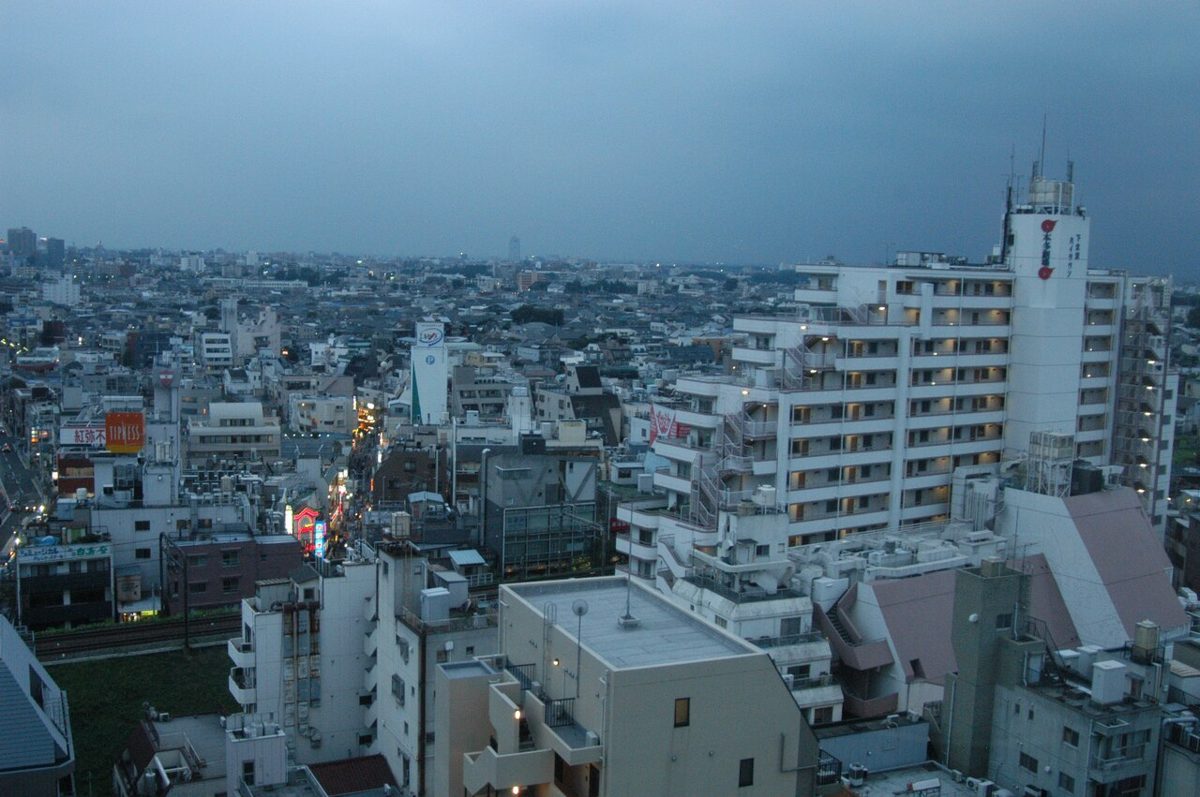
If you only have time for one vintage neighbourhood, make it Shimokitazawa (“Shimokita” to locals). This low-rise warren of narrow streets in Setagaya is synonymous with secondhand — clothing, yes, but also records, books, dishware, and homeware — wrapped in a bohemian, indie-music, cafe-heavy atmosphere. It’s a three-minute ride from Shibuya on the Keio Inokashira Line, or about ten minutes from Shinjuku on the Odakyu Line, and the area around the rebuilt station has only added more shops in recent years. Full coverage of the neighbourhood beyond shopping lives in our Shimokitazawa neighborhood guide.
The range of stores is what makes Shimokita special. At the cheap end, Stick Out sells used clothing and accessories where almost everything is a flat ¥800 — the kind of place you leave with an armful. Ocean Blvd, steps from the station, packs in affordable used and handmade pieces across styles from feminine chic to streetwear. Move up a tier and KINJI offers a big selection of trendy contemporary and vintage clothes, mostly in the ¥2,000–¥5,000 band, with the occasional couple-hundred-yen find buried in the racks.
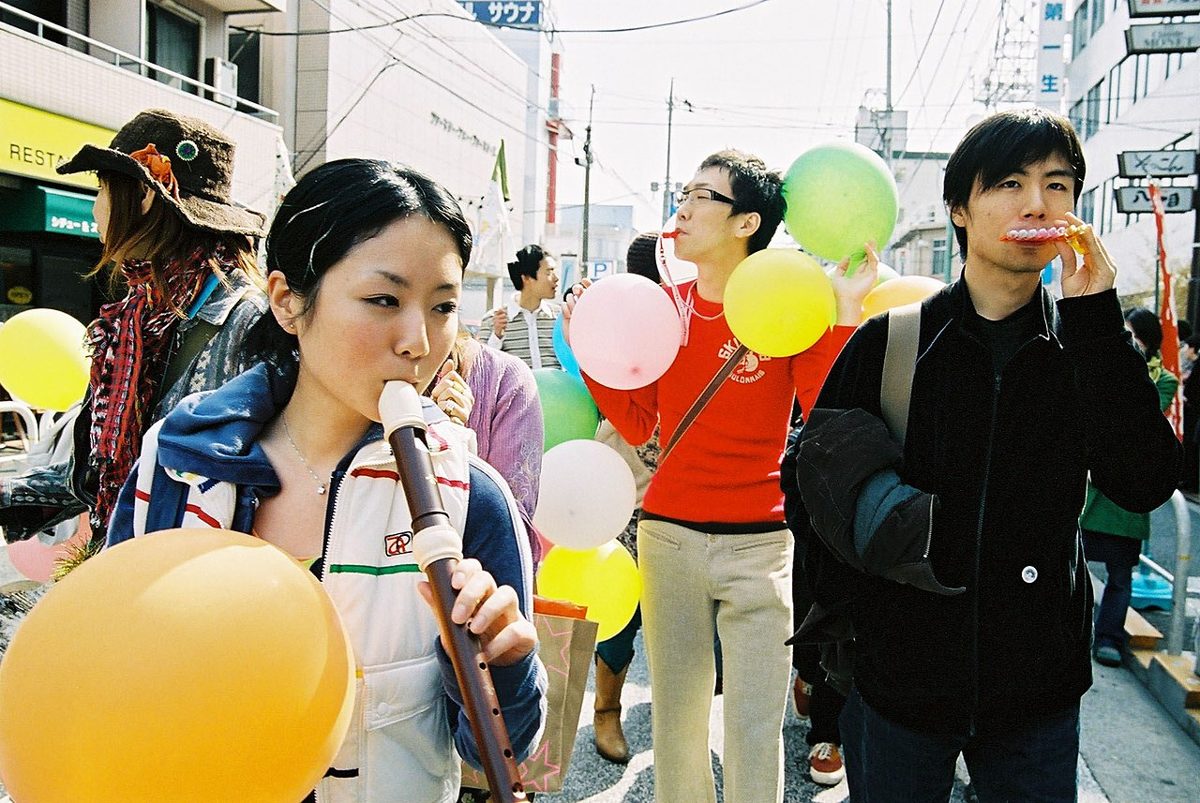
For American vintage, Flamingo (running in Shimokita since around 2005, marked by its neon flamingos) imports mid-20th-century US clothing refreshed by a US-based buyer, with most pieces ¥3,000–¥7,000. Chicago, in business over 25 years, carries a classic American collection of graphic tees, hoodies, and tie-dye — and, unusually, a section of secondhand kimono and yukata. For something different, Toyo Department Store is a warehouse housing 10-plus tiny vintage, secondhand, and handmade-accessory stalls under one roof — the best spot in the area for one-of-a-kind gifts. Several stores now run hybrid staffed/unstaffed hours, so you can shop with English-speaking staff by day or browse self-serve later.
Koenji: Punk, Retro and Cheap Americana
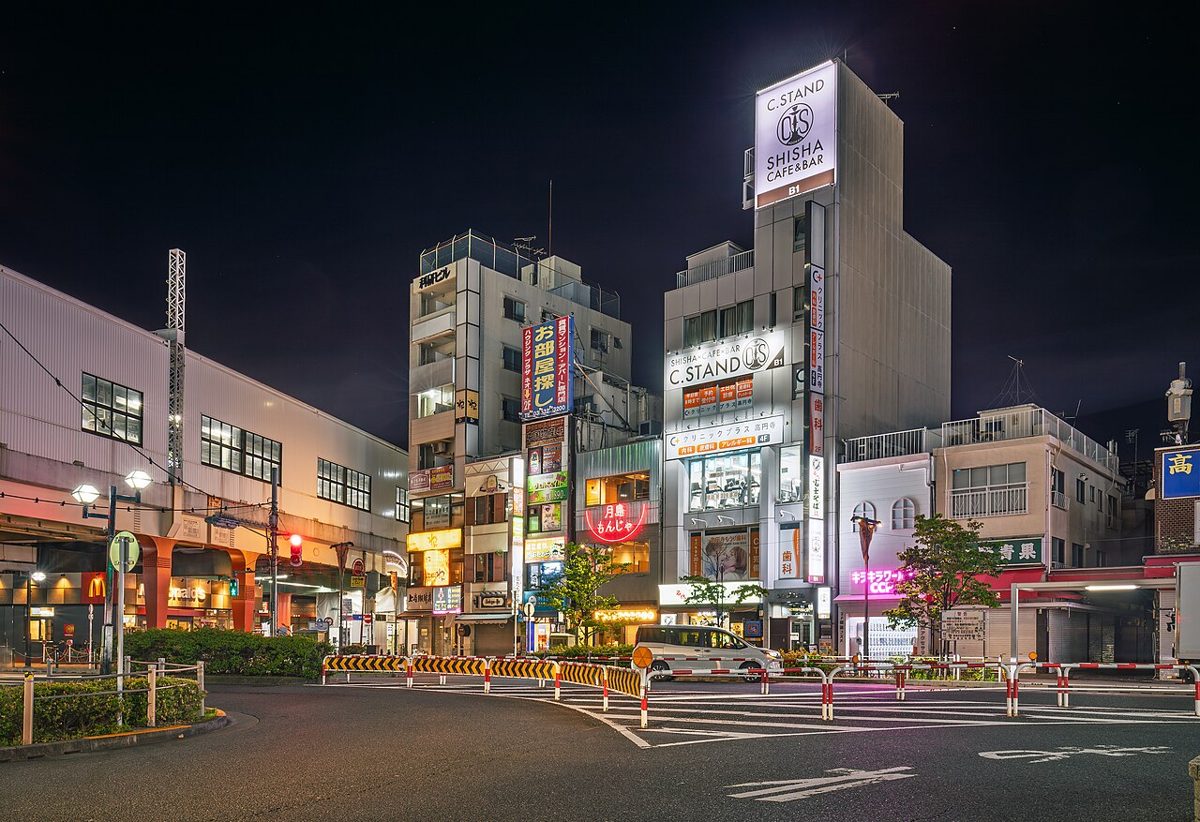
Koenji, about ten minutes west of Shinjuku on the JR Chuo or Chuo-Sobu Line, is Shimokitazawa’s grittier cousin. This is Tokyo’s longtime punk-rock stronghold, still full of “live houses” (small music clubs), and the vintage scene matches that energy — quirkier, cheaper, and far less crowded with tourists. The area’s covered shotengai (shopping arcades) and back alleys are packed with secondhand stores you can dig through at your own pace.
Look for Hayatochiri, instantly recognisable by its monster-face facade, selling colourful and deliberately weird fashion, and Whistler, an American-vintage specialist focused on clothing from the 1940s through the 60s. Big recycle chains like TreFacStyle, MODE OFF, and 2nd Street all have Koenji branches too, so you can mix curated indie stores with high-volume chain digging in a single afternoon. Koenji pairs naturally with a coffee and an early-evening drink; the neighbourhood comes alive at night.
Ura-Harajuku and Shibuya: Curated and Designer Secondhand
The backstreets of Ura-Harajuku are where vintage gets curated and pricey. BerBerJin is the standout, famous among collectors for vintage flannels, sweatshirts, sports jerseys, and especially denim — this is destination-level stuff, priced accordingly. JAM stocks high-quality vintage from names like Levi’s, Dr. Martens, and Ralph Lauren, typically ¥4,000–¥11,000. The Harajuku area also has multiple branches of Chicago and Kinji. If you’re already shopping the area’s fashion, our Harajuku and Takeshita Street shopping guide covers how the vintage backstreets fit alongside the kawaii main drags.
Around Shibuya and along Meiji-dori, the focus shifts to designer secondhand and the big chains in one convenient cluster. RAGTAG specialises in secondhand designer clothing, bags, and accessories — Hermes, Chanel, Louis Vuitton, Gucci, Prada and more at a discount, with a wide spread from around ¥1,000 up into the tens of thousands. For luxury watches, jewellery, and bags authenticated and resold, KOMEHYO (with popular branches in Shinjuku, Shibuya, Ginza, and Aoyama) is the go-to. These are the places to find a real designer piece for far less than retail.
The Big Recycle Shop Chains, Explained
Beyond the cool neighbourhoods, Tokyo is blanketed with secondhand chains — the everyday backbone of Japanese reuse culture. Knowing what each one does saves you a lot of wandering. Here’s the lineup, roughly cheapest to priciest.
- Tanpopo House — founded back in 1889, famous for rock-bottom prices, with some items from around ¥105 and roughly 20,000 pieces per store. Branches include Shinjuku, Koenji, and Ueno.
- MODE OFF / HARD OFF / BOOK OFF — the Off chains. MODE OFF (clothing) and HARD OFF (electronics, instruments) are cheap and unfussy; BOOK OFF handles books, games, and discs, and larger branches carry authenticated brand-name goods. Found all over the city.
- BAZZSTORE — domestic and foreign brands plus non-brand fashion, mostly ¥1,000–¥5,000, with branches in Shimokitazawa, Harajuku, Koenji, and Ikebukuro.
- 2nd Street — one of Japan’s largest chains, 800-plus stores nationwide and 70-plus across Tokyo (Shimokitazawa, Koenji, Shibuya, Shinjuku, Harajuku and more). Expect a broad mix, roughly ¥4,000–¥10,000, with dedicated luxury-brand store formats too.
- TreFacStyle (Treasure Factory) — contemporary designer and non-designer clothing, mostly ¥4,000–¥9,000, with 40-plus Tokyo branches including Kichijoji and Shimokitazawa.
- New York Joe Exchange — imported and domestic secondhand in Shimokitazawa, Kichijoji, and Shibuya, averaging ¥2,000–¥3,000 — and everything is 50% off on the first Sunday of every month.
- RAGTAG & KOMEHYO — the luxury-secondhand end, covered above; the place for discounted designer pieces.
Americana, Denim and What You’ll Actually Find
Japan’s obsession with American vintage runs deep, and Tokyo’s denim culture is taken as seriously as anywhere on earth. Stores like BerBerJin, Flamingo, Whistler, and JAM specialise in imported US clothing — vintage Levi’s, Lee, and Wrangler jeans, faded band and college tees, varsity jackets, flannels, and workwear. Collectors come specifically for pre-1980s denim and rare graphics, and prices reflect that: a sought-after vintage pair of jeans can run well into five figures of yen, while everyday pieces stay affordable.
But vintage in Tokyo goes far beyond Americana. You’ll find secondhand kimono and yukata (Chicago is a reliable source, and flea markets are even better), retro film cameras and lenses, vinyl records in Shimokitazawa and Koenji shops, vintage watches and jewellery at Komehyo, mid-century ceramics and lacquerware at the antique markets, and old books, prints, and posters in Jimbocho. If you collect something, Tokyo probably has a specialist shop for it.
Jimbocho: The Used-Book District
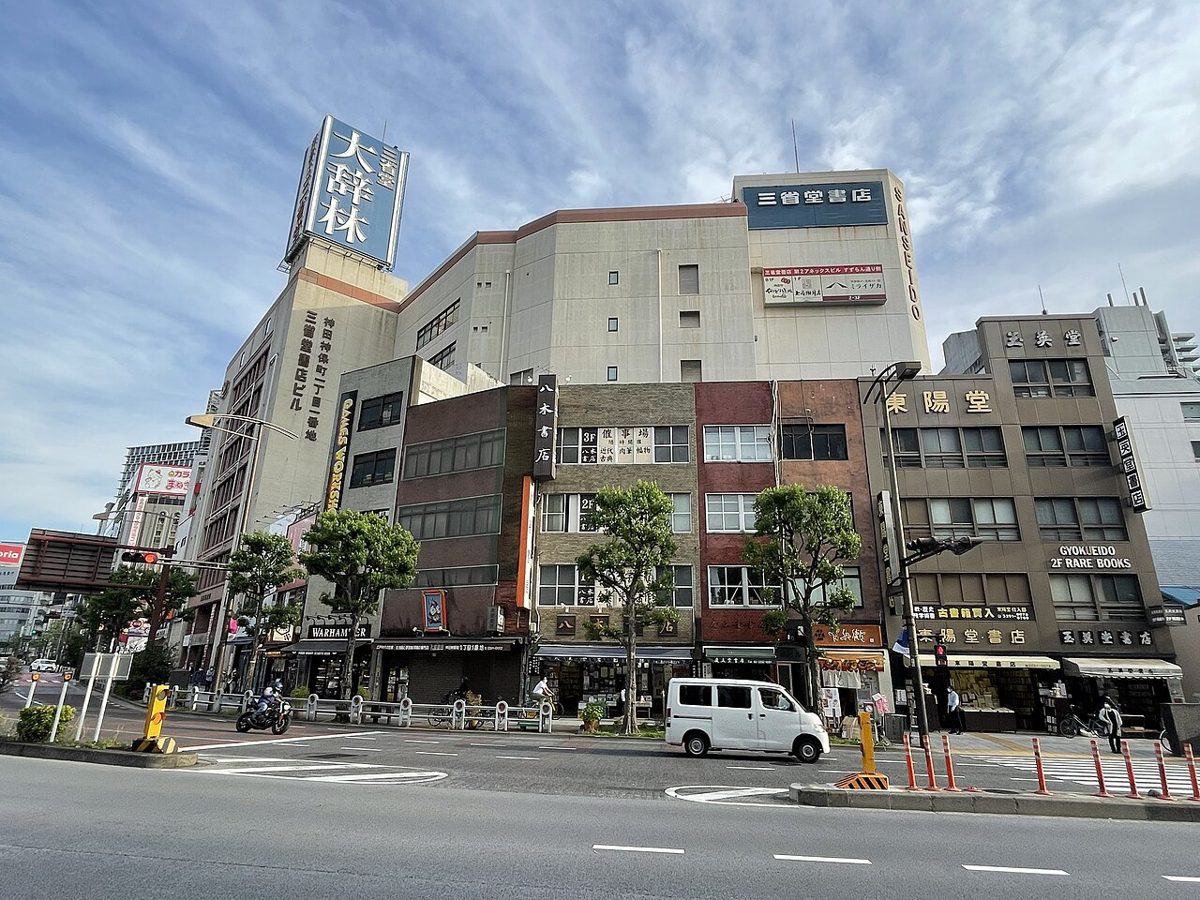
Jimbocho (Jinbocho) is one of the world’s largest concentrations of used and antiquarian bookshops — somewhere between 150 and 180 stores, most lined along the south side of Yasukuni-dori, where awnings shade the books from sun. It’s a short Metro ride from central Tokyo (Jimbocho Station on the Hanzomon, Mita, and Shinjuku lines). Shops specialise: classic literature, philosophy, art and photography, film memorabilia, foreign-language and rare antiquarian books, manga, and ukiyo-e prints.
Even if you don’t read Japanese, Jimbocho rewards a browse — vintage posters, magazines, film and idol ephemera, woodblock prints, and English-language secondhand books all turn up, and the prices on art and photo books can be excellent. It’s also a famous curry and coffee district, so it’s an easy half-day: dig through bookshops, eat a plate of curry, and caffeinate at an old-school kissaten. Many stores accept cards now, but bring cash for the smaller stalls.
Flea Markets and Antique Fairs
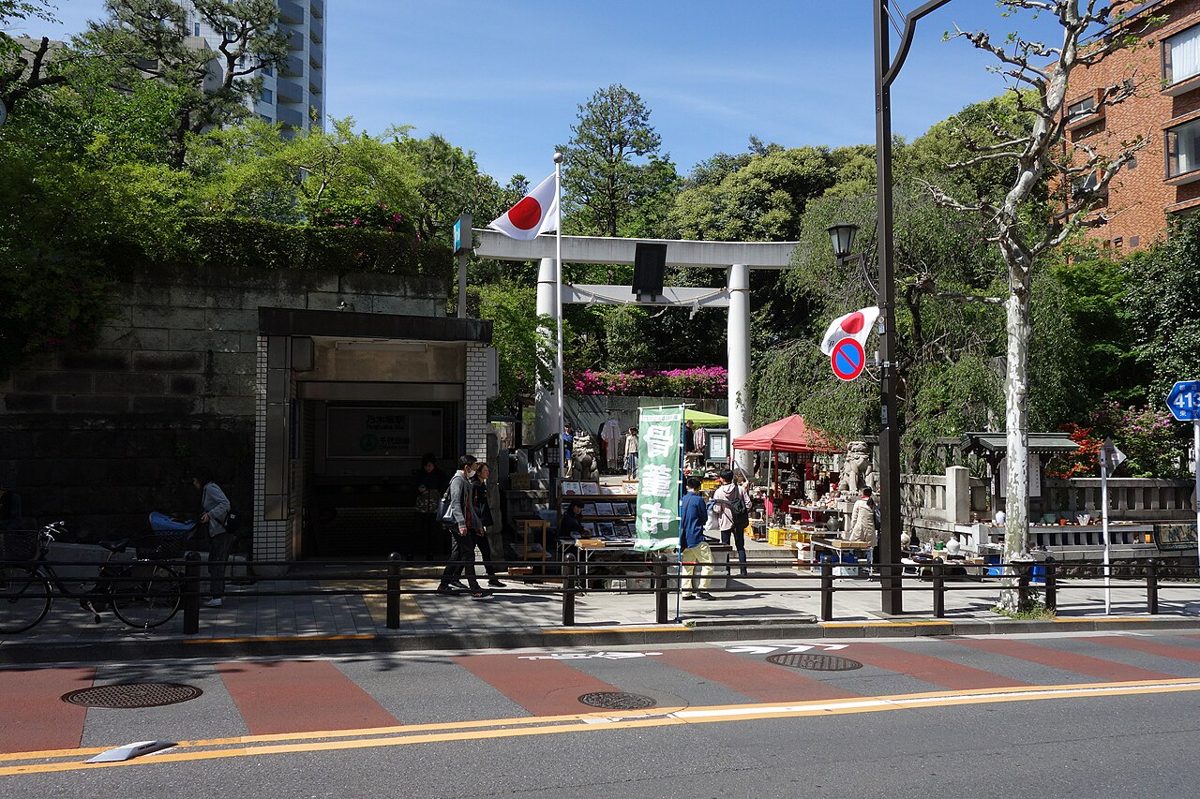
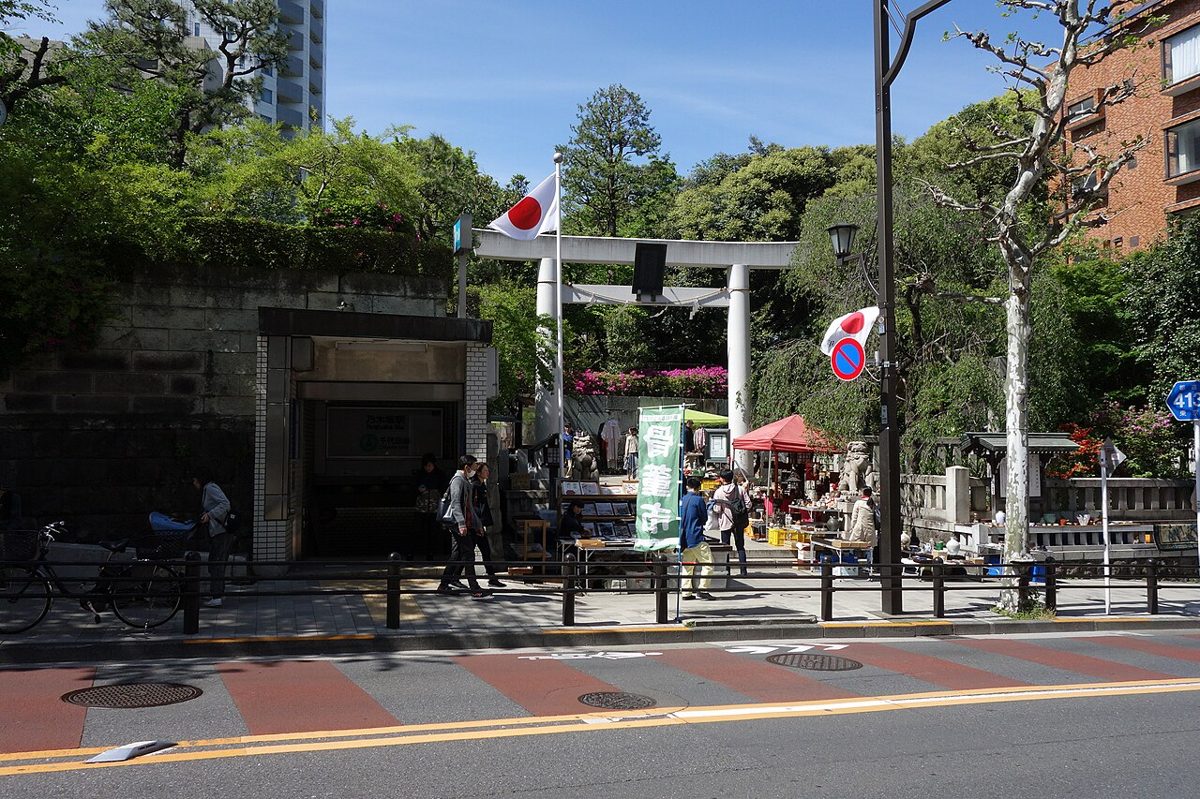
Tokyo’s flea markets are where the real treasure hunting happens — and prices are more negotiable than in shops. The biggest regular fair is the Oedo Antique Market, held outdoors at the Tokyo International Forum near Yurakucho/Tokyo Station, usually on the first and third Sunday of the month from about 9:00 to 16:00, with free admission. (Dates shift around — there’s often no August fair due to heat — so check the official calendar before you go.) Hundreds of dealers spread out ceramics, lacquerware, vintage kimono and obi, old toys, glassware, jewellery, and bric-a-brac. The same market also runs sometimes at the Tomioka Hachiman shrine in Koto; the International Forum site is the larger and more central of the two.
The legendary one-off is Setagaya Boroichi, a massive flea market held since 1578 and recognised as one of Tokyo’s Intangible Folk Cultural Properties. It runs just twice a year — over two days in mid-December and again in mid-January — filling the streets near Setagaya and Kamimachi stations (Tokyu Setagaya Line) with around 700 stalls selling antiques, clothing, plants, tools, and street food. Beyond these, many temples and shrines host smaller regular flea markets (the Toji-style temple markets, Nogi Shrine, Hanazono Shrine and others run on fixed days each month), so it’s always worth checking what’s on during your dates. Arrive early for the best selection and bring cash — vendors don’t take cards.
Haggling, Tax-Free and Etiquette
Can you haggle?
In shops — recycle chains, vintage boutiques, bookstores — prices are fixed, and bargaining is not the done thing. At flea markets and antique fairs, polite, gentle negotiation is acceptable, especially if you buy several items or shop near closing time. Keep it friendly and low-key; aggressive haggling goes nowhere in Japan. A smile and “a little cheaper?” (mou sukoshi yasuku) is the right register, and accepting the dealer’s counter graciously matters more than squeezing the last yen.
Tax-free at secondhand shops
This surprises a lot of visitors: many large secondhand chains do offer tax-free shopping. Branches of 2nd Street, Book Off, Komehyo, and others in tourist areas will process duty-free purchases if you present your passport and meet the spending threshold. It applies to secondhand goods just as it does to new ones, so a designer bag from RAGTAG or a stack of clothing from 2nd Street can come tax-free. Always ask at the register and look for the tax-free logo — small independent vintage stores and flea-market stalls generally can’t do it.
General etiquette
Handle goods carefully, refold what you unfold, and ask before photographing inside shops or stalls. Many smaller stores are tiny, so mind your bag in tight aisles. Bring your own tote — Japan charges for plastic bags — and carry cash, since the best deals tend to live in the cash-only corners of the market.
Getting Around the Vintage Districts
The good news is that Tokyo’s main vintage areas line up neatly on a couple of train lines, so you can chain them together. The Keio Inokashira Line links Shibuya → Shimokitazawa → Kichijoji, making a three-stop vintage crawl easy. The JR Chuo/Chuo-Sobu Line runs Shinjuku → Koenji → Kichijoji, so you can combine Koenji and Kichijoji in a day. Ura-Harajuku and Shibuya are a short walk or one stop apart on the Yamanote Line. Jimbocho and the central flea markets sit on the subway and JR loop near Tokyo Station.
A realistic plan: do Shimokitazawa in a morning, hop the Inokashira Line to Kichijoji for the afternoon (with Inokashira Park as a break), or pair Koenji with Shibuya’s chains the next day. Save a Sunday for the Oedo Antique Market if your dates line up. Travel with an IC card (Suica or PASMO), wear comfortable shoes, and keep your purchases light — stash bigger hauls in station coin lockers between neighbourhoods. For squeezing maximum value out of all this, our money-saving guide to the city shows how secondhand shopping pairs with cheap eats and transit, and the Tokyo gift guide covers what makes the best gifts to take home — vintage finds included.
Kichijoji: A Relaxed Half-Day of Vintage
Often voted one of Tokyo’s most liveable neighbourhoods, Kichijoji makes an easy, lower-key addition to a vintage trip — especially paired with Shimokitazawa, since both sit on the Keio Inokashira Line. The area balances shopping with greenery: Inokashira Park is a few minutes from the station, and the Studio Ghibli animation museum is nearby. For secondhand, you get a mix of indie vintage stores and chain branches in one walkable cluster.
Standouts include Nico, a secondhand shop open late (around 11pm) selling on-trend European and US clothing, and Amber Lion, which specialises in 1970s and 80s American casual wear. Big chains like 2nd Street, TreFacStyle, MODE OFF, and New York Joe Exchange all have Kichijoji branches, and the lantern-lit Harmonica Yokocho alley is the place to eat and drink once you’ve finished digging. It’s a gentler pace than Koenji or Shibuya, and a good choice if you want shopping plus a park afternoon.
Sample Itineraries for Vintage Hunters
Vintage shopping in Tokyo works best when you batch neighbourhoods by train line rather than crisscrossing the city. Here are three ready-made plans depending on your time and interests.
- The classic crawl (1 day): Start in Shimokitazawa mid-morning, work the Stick Out / Flamingo / Toyo Department circuit, lunch locally, then ride the Inokashira Line three stops to Kichijoji for the afternoon and Inokashira Park at golden hour.
- The subculture day (1 day): Koenji in the morning for punk and American vintage (Hayatochiri, Whistler, the arcades), then the JR Chuo Line into Shinjuku or down to Shibuya for the big chains and designer secondhand (RAGTAG, Komehyo) in the afternoon.
- The collector’s weekend: Hit Ura-Harajuku (BerBerJin, JAM) for premium denim and curated pieces on Saturday; spend Sunday morning at the Oedo Antique Market for ceramics, kimono, and bric-a-brac, then browse Jimbocho for books and vintage prints in the afternoon.
Whichever you pick, start early — many vintage stores don’t open until 11:00 or noon, but the flea markets and the best stock reward early arrival. Carry an empty tote, keep some cash for the cash-only stalls, and use station coin lockers so you’re not lugging a day’s haul between neighbourhoods.
How Tokyo Vintage Compares to Shopping New
It’s worth understanding why secondhand is such a strong play in Tokyo specifically. Japanese consumers tend to keep clothing and goods in excellent condition, replace items frequently, and value presentation — so the secondhand supply is unusually clean and well-maintained. Resale chains grade and price methodically, authenticate luxury goods in-house, and rotate stock fast. The result is a secondhand market where “used” rarely means “worn out.”
For travellers, that translates into real savings on items that would cost far more new: designer bags and watches at Komehyo or RAGTAG, vintage denim with character you simply can’t buy new, and everyday fashion at a fraction of high-street prices. Pair the secondhand circuit with the discount-store and tax-free angles from our wider look at where to shop, and shopping becomes one of the better-value things you can do in an otherwise pricey city — which is exactly why it earns a place in any budget Tokyo plan.
How to shop secondhand like a local
Tokyo’s secondhand scene rewards a little know-how. Japanese resale culture means used goods are unusually clean and carefully kept, and the big ‘recycle’ chains grade condition openly — look for the S, A or B rank on the tag so you know what you are paying for before you fall for a piece.
- Luxury resellers such as Komehyo, RAGTAG and Brand Off authenticate their stock, so designer bags and watches bought there are reliable rather than a gamble.
- Sizing skews smaller than Western norms; try things on and read the measurements printed on the tag instead of trusting the size letter.
- Haggling is not customary inside shops, but a polite ask can work at flea markets, especially late in the day as sellers pack up.
- Carry cash for markets and tiny independents, though the chains (2nd Street, Book Off, Hard Off) take cards and IC payment and offer tax-free with a passport over the minimum spend.
- Time it right: arrive early at flea markets for the best selection, or go late for the deepest discounts, and bring a foldable bag for whatever you drag home.
Routes matter when several neighbourhoods are in play. Pair Shimokitazawa with Koenji on the same line for a full day of vintage, or combine Harajuku’s Ura-Harajuku backstreets with Shibuya’s secondhand floors when you want to stay central.
One more habit worth copying from Tokyo locals: shop with a plan for what you already own. Because the secondhand stock turns over constantly and prices are low, it is easy to over-buy on a single afternoon in Shimokitazawa or Koenji. Photograph the labels and measurements of jackets or denim you love at home, keep them on your phone, and you will buy pieces that actually fit your wardrobe rather than a suitcase of impulse finds you never wear.
Frequently Asked Questions
Where is the best area for vintage shopping in Tokyo?
Shimokitazawa is the top pick for most visitors — a bohemian neighbourhood packed with secondhand stores at every price point, from the flat-¥800 Stick Out to designer secondhand. Koenji is the best alternative for punk and American vintage with fewer crowds, and Ura-Harajuku is where the curated, higher-end vintage lives.
What are thrift shops called in Japan?
They’re usually called “recycle shops” (risaikuru shoppu). The term covers everything from independent vintage boutiques to big chains like 2nd Street and Book Off, and from clothing to electronics, furniture, and luxury goods. Secondhand clothing in Japan is typically clean, well-sorted, and high quality.
Is thrift and vintage shopping in Tokyo expensive?
It ranges widely. You can buy flat-¥800 pieces at Stick Out or ¥105 items at Tanpopo House, while curated vintage denim at BerBerJin and designer secondhand at RAGTAG or Komehyo run much higher. The spread means Tokyo works for both bargain hunters and serious collectors.
When are Tokyo’s flea markets held?
The Oedo Antique Market at the Tokyo International Forum runs on the first and third Sunday of most months, roughly 9:00 to 16:00, free to enter (dates shift and there’s often no August fair). The Setagaya Boroichi is huge but only twice a year, over two days in mid-December and mid-January. Many shrines and temples also hold monthly markets, so check your travel dates.
Can you get tax-free at secondhand stores in Tokyo?
Yes — many large secondhand chains, including 2nd Street, Book Off, and Komehyo, offer tax-free shopping in tourist areas if you show your passport and meet the spending threshold. It applies to used goods, so designer secondhand can come tax-free. Small independent vintage shops and flea-market stalls usually can’t process it.
Photo Credits
- Shimokitazawa, Tokyo’s vintage capital — Photo: urbzoo / CC BY 2.0 via Wikimedia Commons via Wikimedia Commons
- A secondhand clothing shopfront in Tokyo — Photo: urbzoo / CC BY 2.0 via Wikimedia Commons via Wikimedia Commons
- Koenji, Tokyo’s punk and vintage neighbourhood — Photo: Ximonic (Simo Räsänen) / CC BY-SA 4.0 via Wikimedia Commons via Wikimedia Commons
- Stalls at a Tokyo open-air market — Photo: 茶でもすするか / CC BY-SA 4.0 via Wikimedia Commons via Wikimedia Commons
- Jimbocho, Tokyo’s used-book district — Photo: しんぎんぐきゃっと / CC BY-SA 4.0 via Wikimedia Commons via Wikimedia Commons
- A Tokyo antique market — Photo: 茶でもすするか / CC BY-SA 4.0 via Wikimedia Commons via Wikimedia Commons