Tokyo Shopping · Guide №099
Tokyo Souvenir Guide: Best Gifts & Where to Buy Them
What to buy in Tokyo: the best edible, craft, beauty and character souvenirs, where to find them, 2026 prices, plus tax-free and packing tips.
目次 — Contents
- Tokyo souvenirs at a glance: type, where to buy, price
- Edible souvenirs: the safest crowd-pleasers
- Traditional crafts: chopsticks, fans, furoshiki and ceramics
- Stationery: Tokyo’s underrated souvenir
- Character and pop-culture goods
- Beauty and drugstore items
- Where to buy souvenirs in Tokyo
- Souvenirs by budget
- Souvenirs by recipient
- Claiming tax-free on your souvenirs
- Packing, customs and bringing it home
- What not to buy as a Tokyo souvenir
- Frequently Asked Questions
- Photo Credits
This article contains advertising. Our booking links are routed through a partner that adds commission tracking automatically, so if you book through one we earn a commission from the provider, at no extra cost to you. It never affects what we recommend. Affiliate disclosure
The best Tokyo souvenirs fall into a few reliable categories: edible gifts like Tokyo Banana, regional Kit Kats and Royce chocolate; traditional crafts such as furoshiki cloths, sensu fans, tenugui towels, chopsticks and ceramics; character and anime goods; cult-favourite drugstore beauty; and world-class stationery. If you are wondering what to buy in Tokyo, the short answer is to mix one or two “wow” items with a stack of cheap, packable snacks for coworkers.
Where you buy matters as much as what you buy. A box of sweets from an Isetan depachika is wrapped like a jewellery purchase; the same brand from a convenience store costs less and skips the ribbon. This guide covers exactly what to buy, where to find it, what it costs in 2026 yen, and how to get it home without paying for broken pottery or a confiscated bottle of sake. It is a companion to our full guide to shopping across the city, focused entirely on gifts, and it pairs with our Tokyo tax-free shopping guide so you do not overpay the consumption tax.
Tokyo souvenirs at a glance: type, where to buy, price
Use this as a cheat sheet. Prices are typical 2026 ranges for a single gift box or item; you will pay less at convenience stores and 100-yen shops, more at department stores and the airport.
| Souvenir type | Best place to buy | Typical price (¥) |
|---|---|---|
| Tokyo Banana (8-pack) | Tokyo Station, airports, depachika | 1,200–2,000 |
| Regional / seasonal Kit Kats | Don Quijote, supermarkets, airport | 100–1,000 |
| Royce’ nama chocolate (20 pc) | Depachika, Royce’ shops, airport | about 780 |
| Senbei rice crackers (gift tin) | Nakamise-dori, depachika | 800–2,500 |
| Matcha sweets & powder | Depachika, tea shops, Don Quijote | 500–3,000 |
| Furoshiki wrapping cloth | Asakusa, Muji, department stores | 800–4,000 |
| Sensu folding fan | Nakamise-dori, craft shops | 800–5,000+ |
| Tenugui hand towel | Asakusa, specialty shops | 600–2,000 |
| Lacquered chopsticks (pair) | Asakusa, department stores, Daiso | 100–3,000 |
| Ceramic cup or small dish | Asakusa, Kappabashi, depachika | 500–5,000+ |
| Drugstore beauty (mask, sunscreen) | Matsumoto Kiyoshi, Don Quijote | 200–2,000 |
| Stationery (pens, washi tape) | Muji, Itoya, Loft, Tokyu Hands | 110–2,000 |
| Character goods (Pokemon, Ghibli) | Pokemon Center, Donguri Republic | 500–5,000+ |
| Daruma doll | Nakamise-dori, temple shops | 500–3,000 |
| 100-yen souvenirs | Daiso, Seria, Can Do | 110–330 |
Edible souvenirs: the safest crowd-pleasers
Food is the default Tokyo gift for a reason. It is light, it is individually wrapped (huge for sharing with an office), and Japanese packaging design turns a ¥1,000 box of cookies into something that looks expensive. The one rule that trips people up is shelf life. Many fresh sweets last only a week, so buy those at the very end of your trip; hard-baked and dried items keep for a month or more and can go in your bag on day one.
Tokyo Banana
This is the official mascot of Tokyo souvenirs: a soft banana-shaped sponge cake filled with banana custard. An eight-piece box runs about ¥1,200–¥2,000, and you will see it at every major station, both airports, and department store basements. Tokyo Banana announced a price revision on some products from July 1, 2026, so expect the upper end of that range. Beyond the original, look for the leopard-print chocolate-marble version, the “caramel” and seasonal limited flavours, and the Tokyo Banana Kit Kat collaboration. Shelf life is roughly a week, so treat it as an end-of-trip or airport buy.
Regional and seasonal Kit Kats
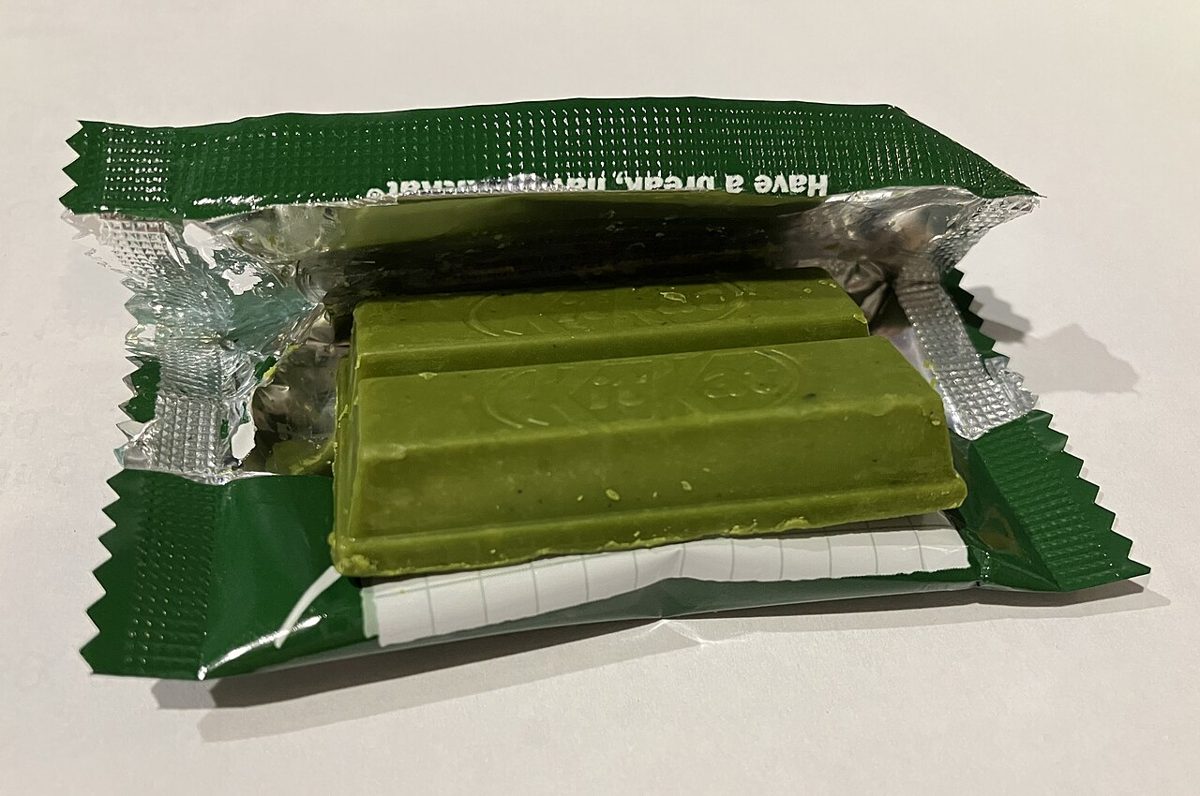
Japan has produced hundreds of Kit Kat flavours, and the matcha (green tea), strawberry, sake, dark chocolate, and Tokyo-only varieties are the ones friends actually ask for. A single bar at a convenience store is ¥100–¥200; a multi-pack of 7–12 minis at a supermarket or Don Quijote is ¥300–¥1,000; and premium boxes from a Kit Kat Chocolatory (there is a flagship in Ginza) cost more per piece but make a genuine gift. For sheer variety and price, the souvenir wall at Don Quijote is hard to beat. Kit Kats keep for months, so buy them early without worry. The same logic applies to other Japan-exclusive snack bars and chocolates: Meiji, Pocky variants, and Hi-Chew flavours you will not find at home.
Royce’ nama chocolate and depachika sweets
Royce’ (a Hokkaido brand sold across Tokyo) makes melt-in-your-mouth “nama” raw chocolate; a 20-piece box is around ¥780, which is a remarkable price-to-impressiveness ratio. Because it needs to stay cool, buy it last and pack it fast. The department store basement, or depachika, is the single best room in Tokyo for edible gifts. Isetan Shinjuku, Mitsukoshi Ginza, and Takashimaya all carry exquisite cookies, financiers, castella sponge, baumkuchen, and yokan bean-jelly bars in giftable boxes, with free wrapping on request. Look for depachika-only names like Henri Charpentier, YOKU MOKU cigar cookies, and Press Butter Sand, all of which travel well and look far pricier than they are.
Senbei, ningyo-yaki and traditional wagashi
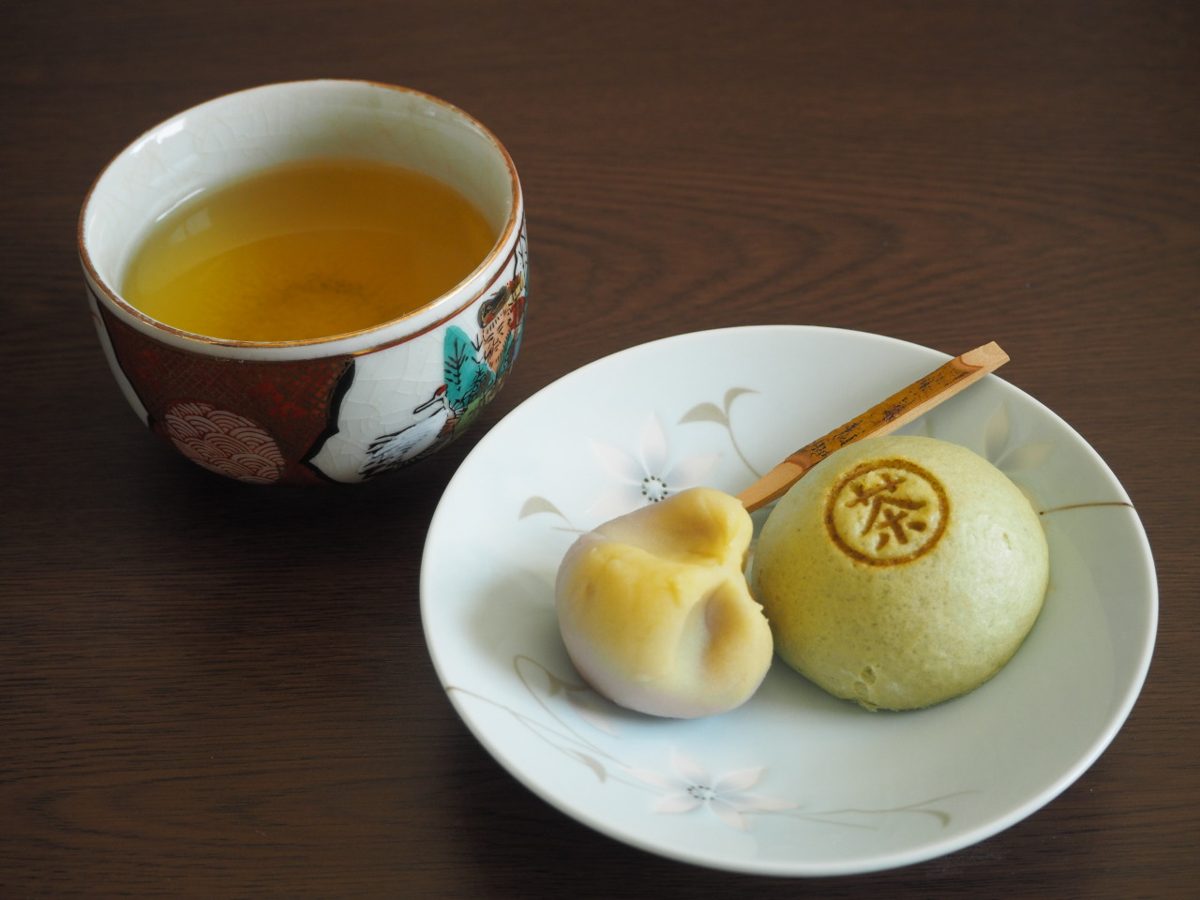
For something more traditional, senbei (savoury rice crackers) come in beautiful gift tins for ¥800–¥2,500 and last for weeks, making them the easiest hard-keeping snack. In Asakusa, buy ningyo-yaki, little sponge cakes shaped like dolls and filled with red bean paste, fresh off the griddle along Nakamise-dori, plus crunchy kaminari-okoshi puffed-rice candy that keeps far longer. Yokan, a dense sweet-bean jelly, often survives a month at room temperature and packs without a worry. If you want a true wagashi experience, the long-established confectioners like Toraya (yokan) and Funawa (imo-yokan, sweet-potato jelly, an Asakusa specialty) are the names locals give as gifts. These traditional sweets photograph beautifully and tell a story your recipient will not get from a chocolate bar.
Bring Tokyo flavours home: dashi, matcha and furikake
For the cook on your list, skip the sweets and buy ingredients. Tea-bag-style dashi packs (¥500–¥1,500) make instant restaurant-grade stock; baking-grade matcha powder (¥800–¥3,000) is far cheaper here than abroad; and furikake rice seasoning is light, cheap, and genuinely useful. A small bottle of good soy sauce, a tube of yuzu kosho paste, a bag of Japanese curry roux blocks, or a tin of sansho pepper all travel well and cost little. Loose-leaf sencha and hojicha green tea from a specialist like Lupicia make elegant, lightweight gifts. Just remember the airport liquid rules below if you are carrying any liquids or pastes in hand luggage.
Traditional crafts: chopsticks, fans, furoshiki and ceramics
Crafts are the gifts people keep. They photograph well, they are usually flat or small, and they carry a clear sense of place. The richest hunting ground is the approach to Senso-ji temple in Asakusa, where Nakamise-dori and the side streets are packed with shops selling exactly this. Our Asakusa guide maps the area if you want to make a half-day of it. For a more curated, design-forward take on the same crafts, Nakagawa Masashichi Shoten and the craft floors of department stores are worth the higher prices.
Sensu and uchiwa fans
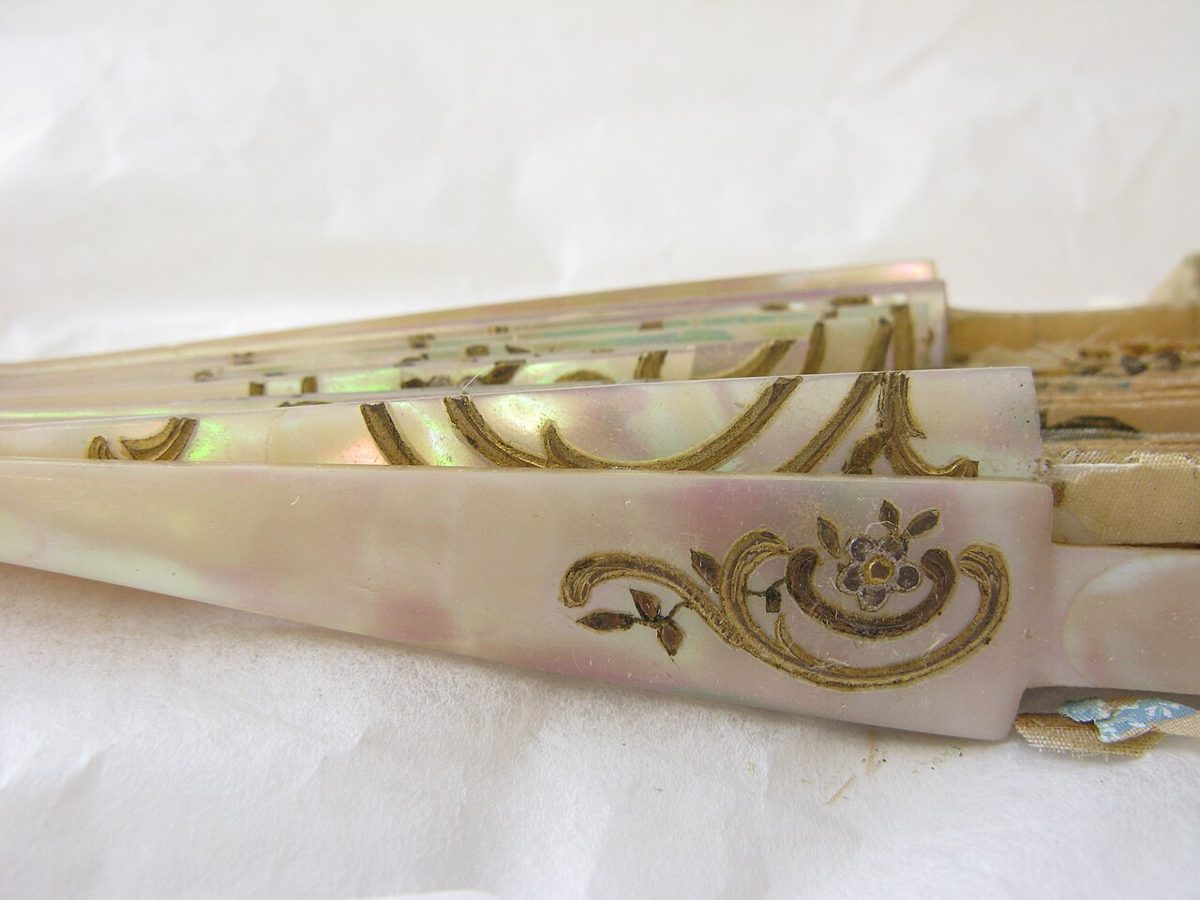
A folding sensu fan is the ideal craft souvenir: it is genuinely useful in Tokyo’s brutal summer, it folds flat into a suitcase, and prices start around ¥800 for a printed cotton design and climb past ¥5,000 for hand-painted silk on a lacquered frame. The flat, paddle-shaped uchiwa fans are even cheaper and lighter, often under ¥1,000, and many shops will print a design while you wait. Both come in patterns from classic ukiyo-e waves and Mount Fuji to pop characters. A fan is the souvenir to buy if you need something attractive, regional, and under ¥1,000 for a long gift list.
Furoshiki cloths and tenugui towels
Furoshiki are square wrapping cloths used to carry or gift-wrap almost anything; a quality one runs ¥800–¥4,000 and doubles as a scarf, bag, or wall hanging back home. Muji sells minimalist versions, while Asakusa shops carry bold traditional prints and Isetan stocks designer collaborations. Tenugui are thin, flat-woven cotton hand towels (¥600–¥2,000) with the same decorative range; they dry fast, weigh nothing, and frame beautifully as cheap wall art. Specialist tenugui shops like Kamawanu and Eirakuya carry hundreds of seasonal designs. Buy a few of each and you have solved half your gift list in one shop, with zero risk of breakage in transit.
Chopsticks, ceramics and kitchen knives
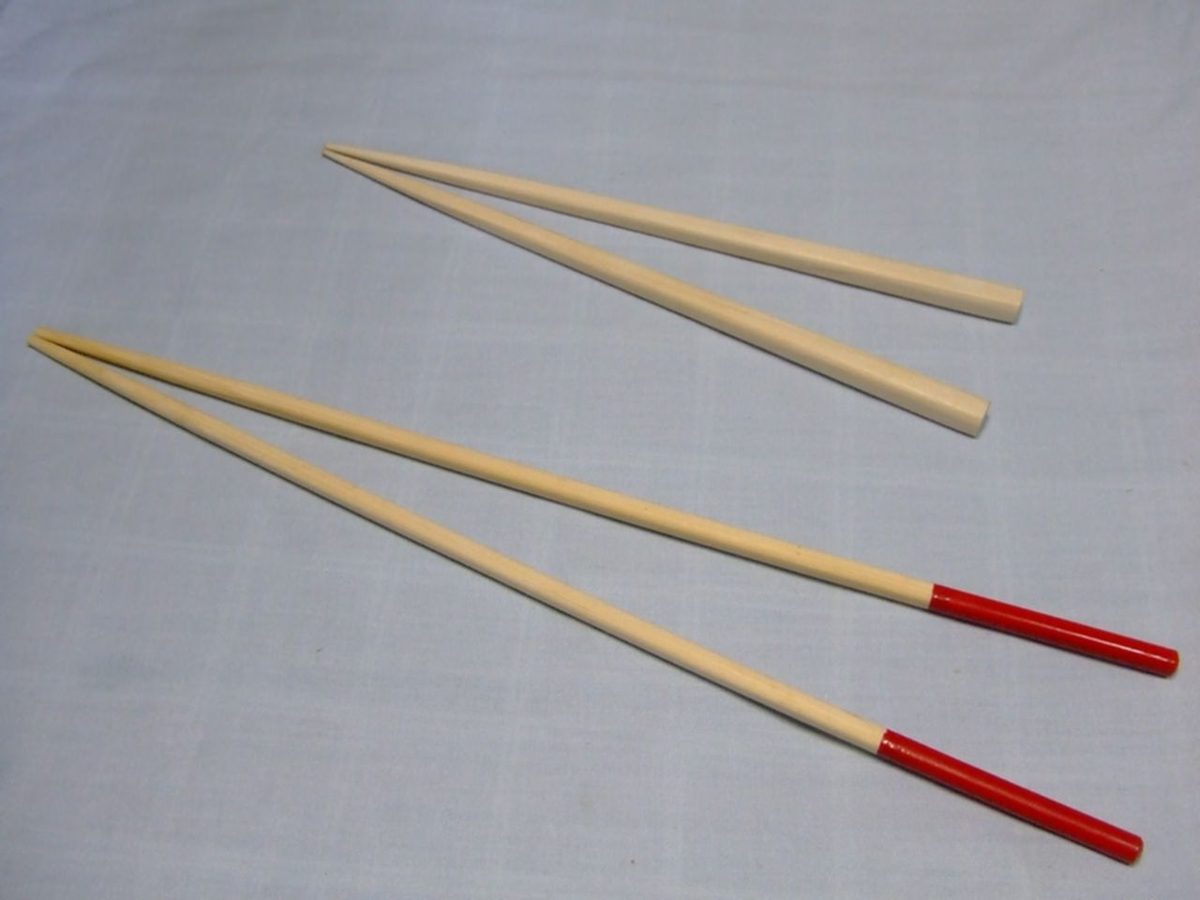
Lacquered chopsticks are the classic lightweight gift: a basic pair costs as little as ¥100 at Daiso, while a hand-finished set with a matching rest in a gift box runs ¥1,500–¥3,000 at Asakusa specialists or a department store. Many shops will engrave a name for a small fee. For ceramics, a single sake cup, matcha bowl, or small plate (¥500–¥5,000+) carries real character, and a tokkuri-and-cup sake set makes a memorable present. The kitchenware district of Kappabashi, a ten-minute walk from Asakusa, is the deep end for pottery, ceramics, and the famous Japanese kitchen knives that chefs travel here for; a good petty or santoku knife (¥5,000 and up) is a serious gift. Wrap fragile pieces in clothing and pack them in the centre of your bag, and note that knives must go in checked luggage. Tax-free counters can bubble-wrap purchases on request.
Daruma dolls, maneki-neko and omamori charms
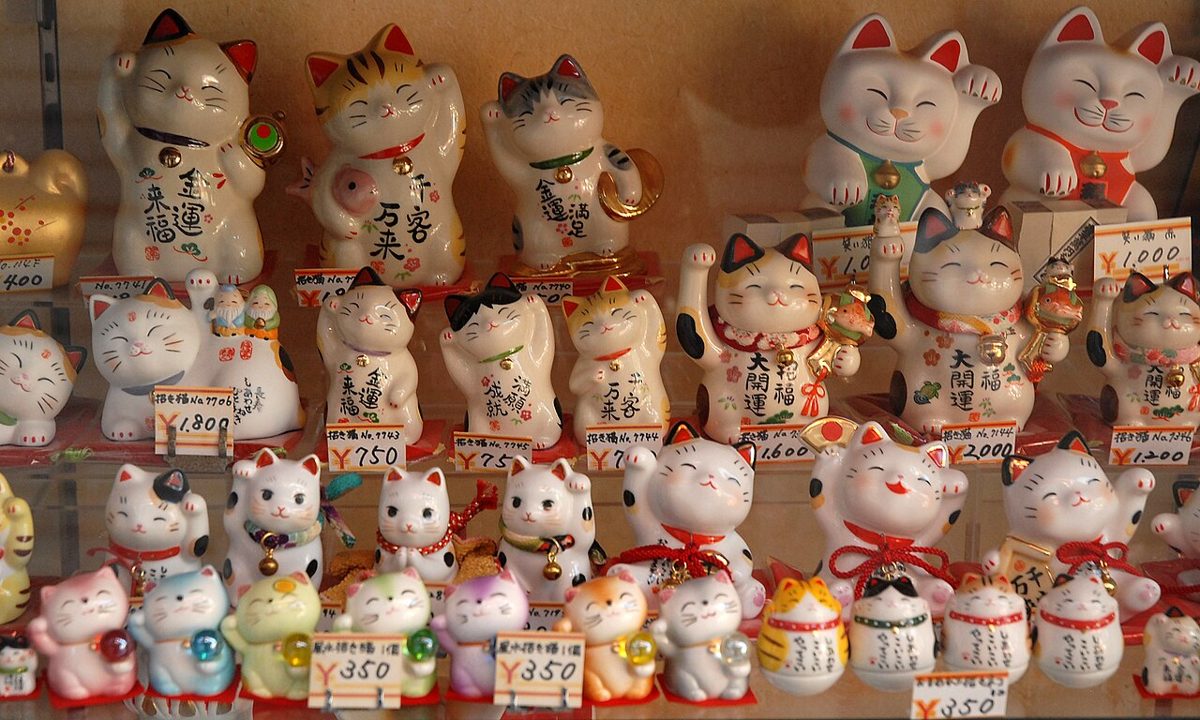
If you want a souvenir with meaning, a red daruma doll (¥500–¥3,000) represents perseverance: you fill in one eye when you set a goal and the other when you reach it. A maneki-neko beckoning cat invites luck and money, and omamori charm pouches from temple and shrine shops (often ¥500–¥1,000) cover everything from safe travel and health to study success and love. Senso-ji in Asakusa and Meiji Shrine in Harajuku both sell beautiful versions. These are small, meaningful, unbreakable, and very easy to pack, which makes them ideal last-minute gifts with a personal touch.
Stationery: Tokyo’s underrated souvenir
Japanese stationery is genuinely world-class, and it is one of the most underrated Tokyo souvenirs because it is cheap, flat, and unbreakable. Pens, notebooks, washi masking tape, and scissors that cost ¥110–¥2,000 here often sell for two or three times as much abroad, when you can find them at all. The big destinations are Itoya in Ginza (a twelve-floor stationery temple), Loft and Tokyu Hands (lifestyle stores in Shibuya and Shinjuku), and Muji for minimalist notebooks and pens. Even a convenience store carries surprisingly good gel pens.
- Gel and fountain pens — Uni-ball, Pilot, Sailor, and Zebra; smooth writers from ¥150 to several thousand yen for a nice fountain pen.
- Washi masking tape — mt brand and countless designs for ¥150–¥500 a roll; light, colourful, endlessly giftable.
- Notebooks — Kokuyo Campus, Midori MD, and Muji; the paper quality is the selling point.
- Origami and chiyogami paper — patterned sheets for a few hundred yen, beautiful and weightless.
- Stamps and seals — decorative rubber stamps and a personalised hanko name stamp make a distinctive gift.
Character and pop-culture goods
For anyone who likes anime, games, or Japanese character culture, these are the souvenirs that land hardest, and many are Japan-exclusive, which is the whole point. Akihabara is the obvious base for figures, trading cards, and retro games; see our Akihabara shopping guide for the best multi-floor stores. Beyond Akihabara, character flagships are scattered across Shibuya, Ikebukuro, and Tokyo Station.
- Pokemon Center — plush, stationery, and region-exclusive designs; branches in Ikebukuro (the flagship Mega Center), Shibuya, and Tokyo Station. Plush from about ¥1,500.
- Studio Ghibli / Donguri Republic — Totoro and Kiki goods without a museum reservation; the Tokyo Station Character Street branch is the most convenient.
- The Gundam Base & life-size Gundam, Odaiba — build-it-yourself Gunpla model kits, including store exclusives, from a few hundred yen.
- Mugiwara Store (One Piece) — figures and apparel; Shibuya is the easiest branch.
- Nintendo Tokyo & Capcom / Jump shops — Mario, Zelda, and Shonen Jump merch in Shibuya PARCO.
- Sanrio (Hello Kitty) and Disney Store — kawaii goods for all ages, with Japan-only designs.
The single most efficient stop is Tokyo Character Street in the basement of Tokyo Station (First Avenue Tokyo Station), a corridor of around 30 character shops side by side, from Pokemon and Ghibli to Sanrio, NHK, and TV-network stores. Right next to it, Tokyo Okashi Land gathers official outlets from snack giants Calbee, Glico, and Morinaga selling fresh-made and station-exclusive treats. You can knock out edible and character gifts in twenty minutes here, which is why it features so heavily in our main Tokyo shopping guide. Gachapon capsule-toy machines, found in every station and arcade, are a fun ¥300–¥500 way to grab tiny, weird, very Japanese gifts.
Beauty and drugstore items
Japanese drugstore beauty is one of the most requested souvenir categories, because the quality-to-price ratio is excellent and many items are hard to find at the same price abroad. Head to a Matsumoto Kiyoshi, Welcia, Sundrug, or the cosmetics floor of Don Quijote, which stays open late and runs a tax-free counter. These chains are everywhere, so you are never far from one.
- Sheet masks — brands like Lululun and Kose Clear Turn sell multi-packs for ¥400–¥1,500; superb low-cost gifts.
- Sunscreen — Biore UV Aqua Rich and Anessa are cult buys at ¥800–¥3,000.
- Cleansing oils and balms — DHC, Shu Uemura, and similar makeup removers.
- Hada Labo and Hatomugi lotions — hydrating toners loved worldwide, often under ¥1,000.
- Steam eye masks (Megurism) — self-warming masks that always surprise people, around ¥1,000 a box.
- Shiseido and SK-II — if you want a premium gift, the department-store beauty halls carry the full ranges, sometimes with tax-free pricing.
Cosmetics count as a tax-free “consumable,” so they will be sealed in a bag you cannot open until you leave Japan. They also count toward the airport liquid limit, so keep gels, lotions, and liquids over 100ml in checked luggage if you are flying carry-on only.
Where to buy souvenirs in Tokyo
Don Quijote: the one-stop bargain run
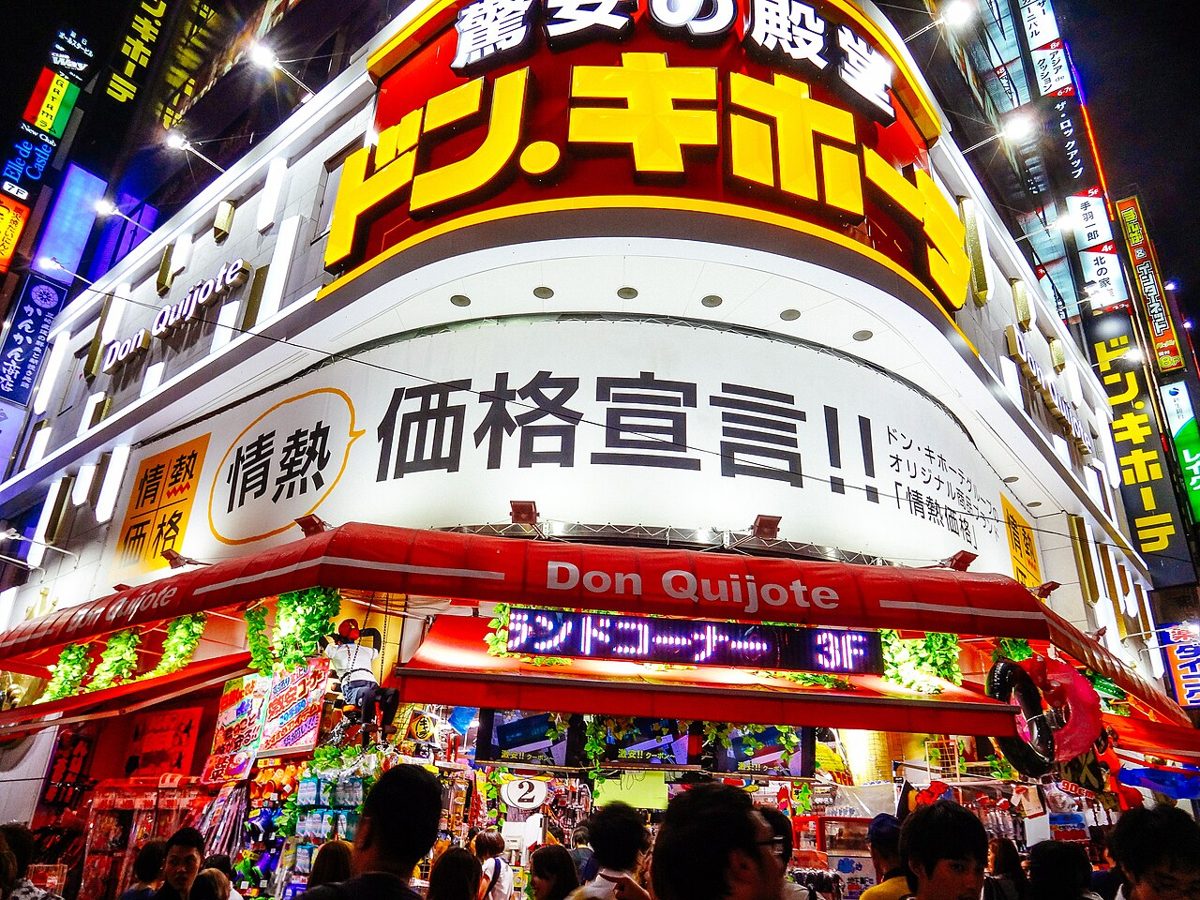
If you only have time for one souvenir stop, make it a Don Quijote (“Donki”). The big branches in Shibuya, Shinjuku, Asakusa, and Akihabara stack snacks, Kit Kats, cosmetics, character goods, and quirky gifts floor to ceiling; many are open 24 hours; and there is a dedicated tax-free counter. Prices beat department stores, though packaging is plainer and the stores are a sensory overload. Our full Don Quijote guide covers the best branches, the tax-free process there, and the app coupons that shave a little more off.
Depachika and Tokyo Station
For premium edible gifts and flawless wrapping, the depachika at Isetan, Mitsukoshi, and Takashimaya are unbeatable, though you will pay department-store prices. Tokyo Station is the most efficient single building: Character Street and Okashi Land underground, Gransta food hall, plus Daimaru department store attached, mean you can buy for everyone during a train connection. It is the natural last stop before a Shinkansen or the Narita Express, and the Gransta depachika keeps long hours.
Nakamise-dori and Asakusa
Nakamise-dori, the roughly 250-metre shopping street running up to Senso-ji temple, is Tokyo’s most concentrated stretch of traditional souvenirs: fans, tenugui, daruma, chopsticks, folk toys, yukata, and freshly made ningyo-yaki and senbei. It is touristy and prices run slightly higher than a 100-yen shop, but the atmosphere and selection are worth it. Go early to beat the crowds and to watch ningyo-yaki being griddled. Combine it with the kitchenware shops of nearby Kappabashi for ceramics and knives, and you have a complete souvenir morning.
100-yen shops: Daiso, Seria, Can Do
Do not sleep on the 100-yen stores. At ¥110–¥330 per item, Daiso (the giant Harajuku and Ginza branches span several floors), Seria, and Can Do sell Japanese-print coin purses, chopsticks, ceramic dishes, origami, washi tape, masking tape, and folding fans that look far more expensive than they cost. Seria in particular leans design-forward. Buy a basket of small items and assemble your own gift sets; this is the single cheapest way to bring something back for a long list of coworkers without anyone guessing the price.
Airport vs city: where to buy what
Narita and Haneda have excellent souvenir halls and are the perfect place for short-shelf-life sweets like Tokyo Banana and Royce’, since you buy them minutes before you fly. Airport prices on packaged food are broadly similar to the city, and buying after security means no tax-free paperwork at all because exports are already untaxed. But the airport selection of crafts, beauty, and character goods is thinner and pricier than the city, so shop for those downtown and save the airport for last-minute edibles and anything you forgot. Give yourself 30 minutes airside; the sweet shops get busy before big departures.
Souvenirs by budget
- Under ¥500: washi tape, origami paper, a gel pen, a single Kit Kat or snack, a daiso fan or coin purse, a gachapon capsule toy, an omamori charm.
- ¥500–¥1,500: a box of regional Kit Kats, a Royce’ nama chocolate box, a tenugui towel, a printed sensu fan, a sheet-mask pack, a small ceramic dish.
- ¥1,500–¥5,000: a Tokyo Banana gift box, a lacquered chopstick set with rest, a quality furoshiki, a Pokemon or Ghibli plush, a depachika cookie assortment, premium skincare.
- ¥5,000 and up: a Japanese kitchen knife, a hand-painted silk fan, a fine ceramic sake set, a Porter bag, a designer-collaboration craft item.
Souvenirs by recipient
- Coworkers and big groups: individually wrapped senbei, Kit Kat multi-packs, or a box of depachika cookies you can hand out one by one.
- Foodies and home cooks: dashi packs, curry roux, yuzu kosho, good soy sauce, baking matcha, and a nice tea.
- Kids and anime fans: Pokemon plush, Gunpla kits, gachapon toys, character stationery, Hi-Chew and unusual snacks.
- Design lovers: Muji and Itoya stationery, washi tape, a minimalist furoshiki, a single beautiful ceramic piece.
- Grandparents and traditional tastes: a folding fan, a tenugui, yokan, sencha tea, or a daruma doll.
Claiming tax-free on your souvenirs
As a temporary visitor you can buy souvenirs free of Japan’s 10% consumption tax (8% on food) once you spend ¥5,000 or more in a single store on the same day, with your passport in hand. Shops split purchases into “general goods” (crafts, electronics, clothing, stationery) and “consumables” (food, drink, cosmetics); consumables get sealed in a clear bag you must not open until you leave Japan. Plenty of souvenir spots, including Don Quijote, the big department stores, and chain drugstores, run tax-free counters, and many now process it at the regular till. For the full step-by-step, the spending thresholds, and the rules on opening sealed bags, read our dedicated Tokyo tax-free shopping guide.
Packing, customs and bringing it home
- Wrap the fragile stuff in clothing. Ceramics and sake bottles ride safest in the centre of a checked bag, cushioned by socks and shirts.
- Knives and large liquids go in checked luggage. Kitchen knives, sauces, bottled drinks, sake, and any cosmetics over 100ml cannot go in carry-on.
- Keep tax-free consumables sealed. Opening the bag before you leave Japan can mean paying the tax back at the airport.
- Check your own country’s food rules. Sealed commercial sweets, tea, and snacks are usually fine; fresh fruit, meat, and some dairy are commonly restricted. Declare food if your customs form asks.
- Alcohol allowances vary. Most countries allow one to two litres of sake or spirits duty-free; buy beyond that and you may owe duty back home.
- Buy short-shelf-life sweets last. Fresh cakes and nama chocolate are end-of-trip or airport purchases; dried and baked goods can go in your bag on arrival.
What not to buy as a Tokyo souvenir
- A full kimono on impulse. A real one is heavy, expensive, and hard to wear correctly; a yukata, obi, or haori jacket is a lighter, cheaper, more wearable alternative.
- Cheap “samurai” swords. Tourist replicas are flimsy, and real blades carry export paperwork and customs hassle; most travellers should skip them.
- Bulky electronics you can buy at home. The weak yen helps, but check warranty and voltage; many gadgets are global anyway. Buy genuinely Japan-exclusive accessories instead.
- Perishable fresh food for a long flight. Fresh seafood, fruit, and unsealed bakery items rarely survive customs; stick to sealed, shelf-stable snacks.
- Mass-produced trinkets not made in Japan. Flip the box; if you want a real souvenir, the 100-yen shops and Asakusa still sell plenty made or designed in Japan for the same money.
One more money tip: souvenir shopping adds up fast, so if you are watching costs, combine tax-free purchases with the tactics in our wider guide to spending less and lean on cheap snacks and 100-yen gifts rather than a few pricey department-store boxes. A smart split is one impressive item per person plus a shared box of snacks for everyone else.
A few habits make souvenir shopping smoother. Carry some cash; while cards and IC payment are widely accepted, some small Asakusa stalls and 100-yen shops are cash-first. Shops will almost always gift-wrap on request, and many ask whether a purchase is a gift (okurimono) so they can wrap it properly, so say yes. Keep your passport on you whenever you expect to spend over the tax-free threshold, because tax-free has to be processed at the time of purchase, not afterward. And pace your shelf-stable buys early in the trip and your fresh sweets for the final day, so nothing is stale or squashed by the time it reaches the people you bought it for.
For coffee drinkers, the best edible souvenir in the city is a bag of beans from a Tokyo roaster, bought in the last day or two of the trip. Koffee Mameya in Omotesando will even write out a brewing recipe for the bag it sells you. Our Tokyo specialty coffee guide lists the roasters worth buying from and what beans and drip bags cost.
For about ¥300 a turn, capsule toys beat most of what a souvenir shop sells: miniature ramen bowls, absurd animal figures, things nobody at home has seen. Our gachapon guide covers which categories are genuinely well made and which are landfill by Christmas.
Frequently Asked Questions
What is the most popular souvenir to buy in Tokyo?
Tokyo Banana is the single most iconic Tokyo souvenir, a banana-shaped sponge cake with banana custard, sold in gift boxes for about ¥1,200–¥2,000 at every major station and both airports. Regional Kit Kats, Royce’ chocolate, matcha sweets, and senbei rice crackers round out the most-requested edible gifts, while folding fans, furoshiki cloths, chopsticks, and Japanese stationery lead the non-food souvenirs.
Where is the cheapest place to buy souvenirs in Tokyo?
For cheap souvenirs, the 100-yen shops (Daiso, Seria, Can Do) sell Japanese-print purses, chopsticks, ceramics, and stationery for ¥110–¥330, and Don Quijote stacks low-priced snacks, Kit Kats, and cosmetics with a tax-free counter. Both undercut department stores, though depachika gifts come with far nicer wrapping.
Can I get tax-free souvenirs in Tokyo?
Yes. Temporary visitors can buy souvenirs free of the 10% consumption tax (8% on food) once they spend ¥5,000 or more in one store on the same day, with a passport. Food and cosmetics are sealed as consumables you cannot open until you leave Japan. Don Quijote, department stores, and chain drugstores all offer it.
What food souvenirs are allowed through customs?
Sealed, commercially packaged sweets, snacks, tea, and instant items are generally fine in most countries. Fresh fruit, meat, and some dairy are commonly restricted, so avoid them. Always check your home country’s rules and declare food if your customs form asks; sealed Tokyo Banana, Kit Kats, and senbei almost never cause problems.
What should I buy at Tokyo Station for souvenirs?
Tokyo Station is a one-stop gift shop. Tokyo Character Street in the basement lines up around 30 character shops (Pokemon, Ghibli’s Donguri Republic, Sanrio), and the adjacent Tokyo Okashi Land has official Calbee, Glico, and Morinaga outlets with station-exclusive snacks. The Gransta food hall and the attached Daimaru department store cover premium sweets, perfect before a train.
Photo Credits
- Nakamise-dori in Asakusa, lined with traditional souvenir stalls — Photo: GuillemMedina / CC BY-SA 4.0 via Wikimedia Commons
- Regional and seasonal Japanese Kit Kats make easy, packable gifts — Photo: Hameltion / CC BY-SA 4.0 via Wikimedia Commons
- Traditional wagashi sweets, a classic edible Tokyo souvenir — Photo: Toukou Sousui / CC BY 2.0 via Wikimedia Commons
- An antique-style Japanese folding fan, a lightweight traditional craft souvenir — Photo: Auckland Museum / CC BY 4.0 via Wikimedia Commons
- Lacquered-tipped wooden chopsticks pack flat and travel well — Photo: user:Potesara / CC BY-SA 2.5 via Wikimedia Commons
- Don Quijote stocks cheap snacks, cosmetics and tax-free souvenirs under one roof — Photo: Dick Thomas Johnson / CC BY 2.0 via Wikimedia Commons