Tokyo Anime & Pop Culture · Guide №170
Manga Cafes and Net Cafes in Tokyo: Including Sleeping There Overnight
A private booth and thousands of comics for about 2,500 yen a night, with a shower at many branches. How Tokyo's manga kissa work, what the booth types mean, and the honest case for and against sleeping in one.
目次 — Contents
This article contains advertising. Our booking links are routed through a partner that adds commission tracking automatically, so if you book through one we earn a commission from the provider, at no extra cost to you. It never affects what we recommend. Affiliate disclosure
A manga cafe Tokyo locals call a manga kissa will sell you a private booth, unlimited soft drinks, tens of thousands of comics and a shower for about ¥2,500 a night. It is the cheapest legal bed in the city. It is also not really a bed, and that distinction is the whole article.
These places exist for commuters who missed the last train, for people killing four hours between shifts, and increasingly for a permanent underclass who live in them. They are not hotels, which is why they are cheap and why they are uncomfortable. Used knowingly, they are one of the most useful things in Tokyo. Used as a hotel substitute for a week, they will break you.
Two names for the same room
Manga kissa (short for manga kissaten, comic coffee shop) and net cafe are used interchangeably in Tokyo and describe the same business: a floor of partitioned booths, a wall of manga, a free drink machine, and a per-hour charge. Older independents lean more towards the comics; the big chains lean towards the PCs, the showers and the overnight trade. Functionally you get the same thing.
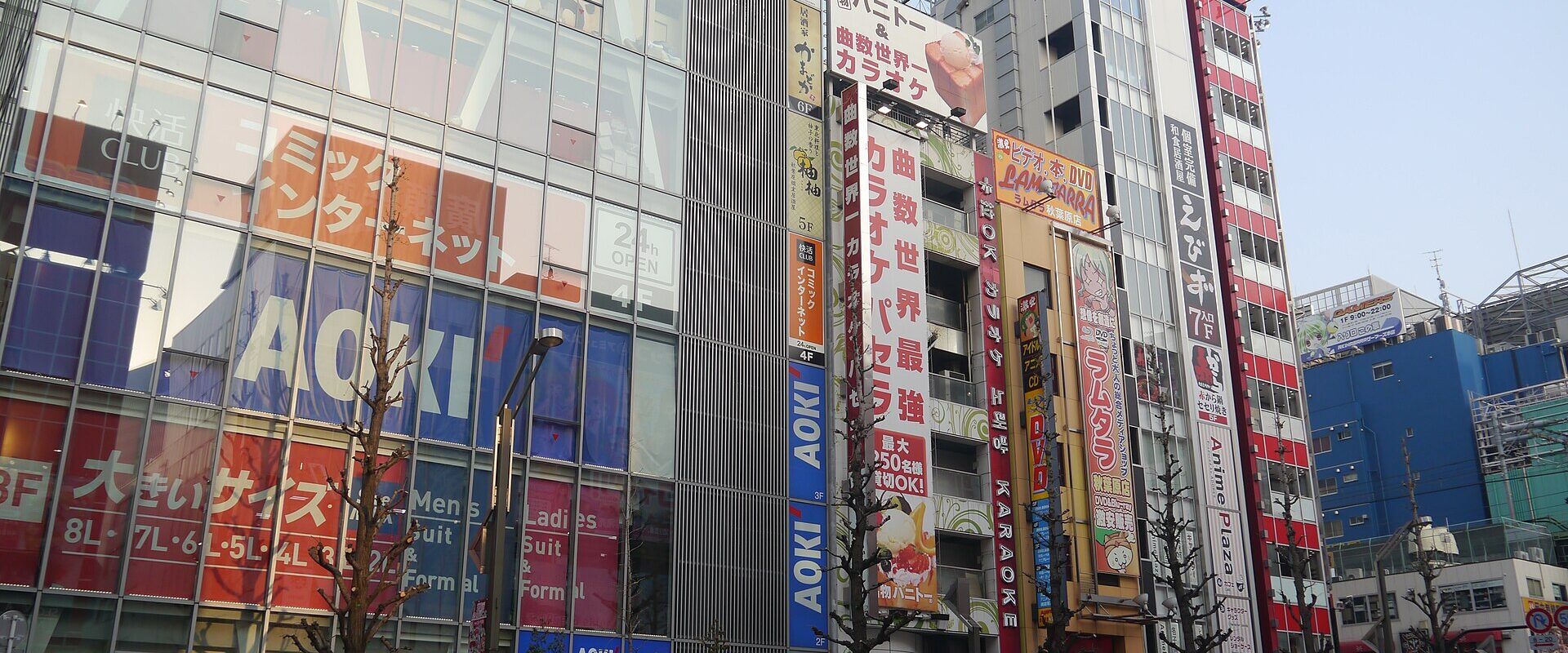
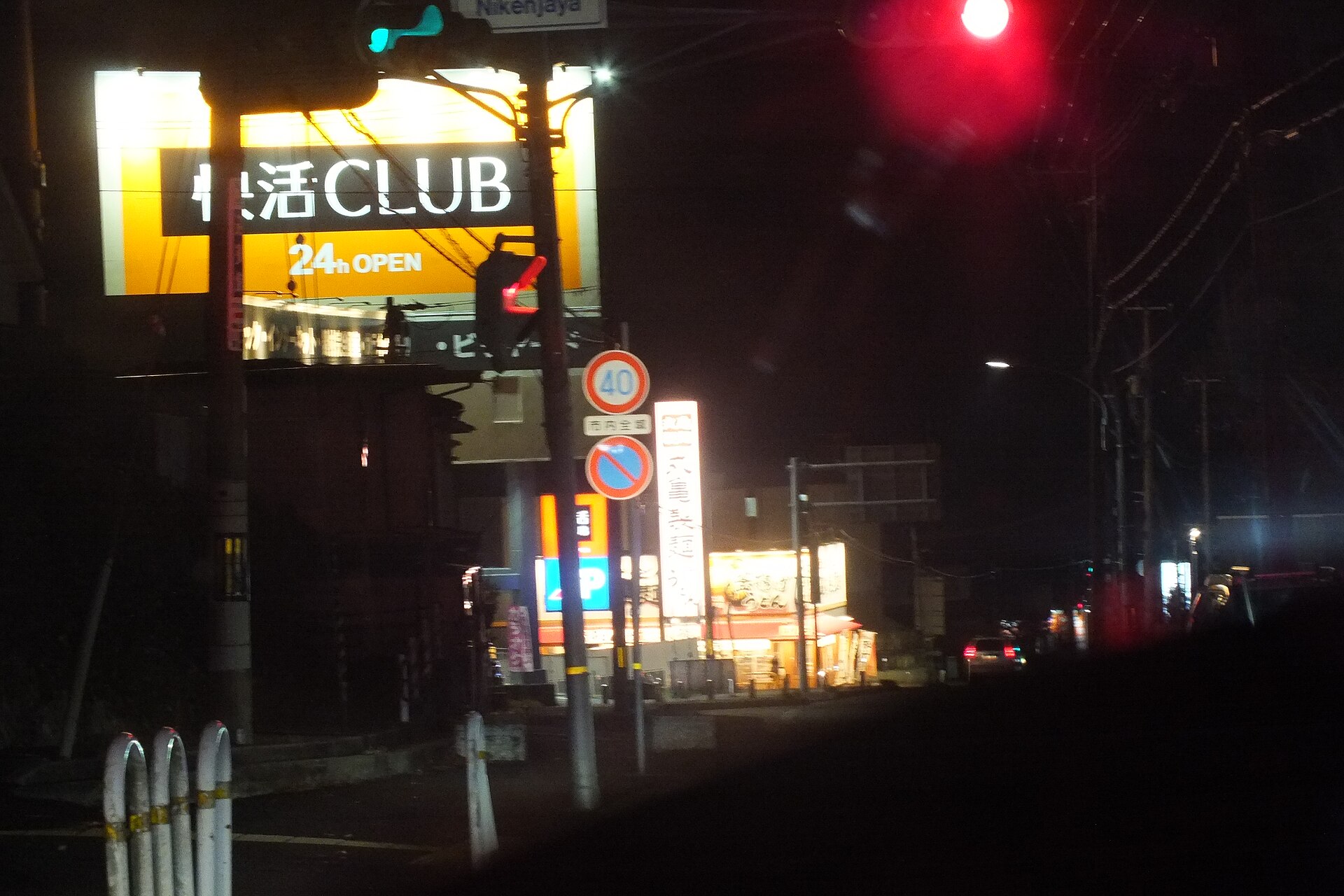
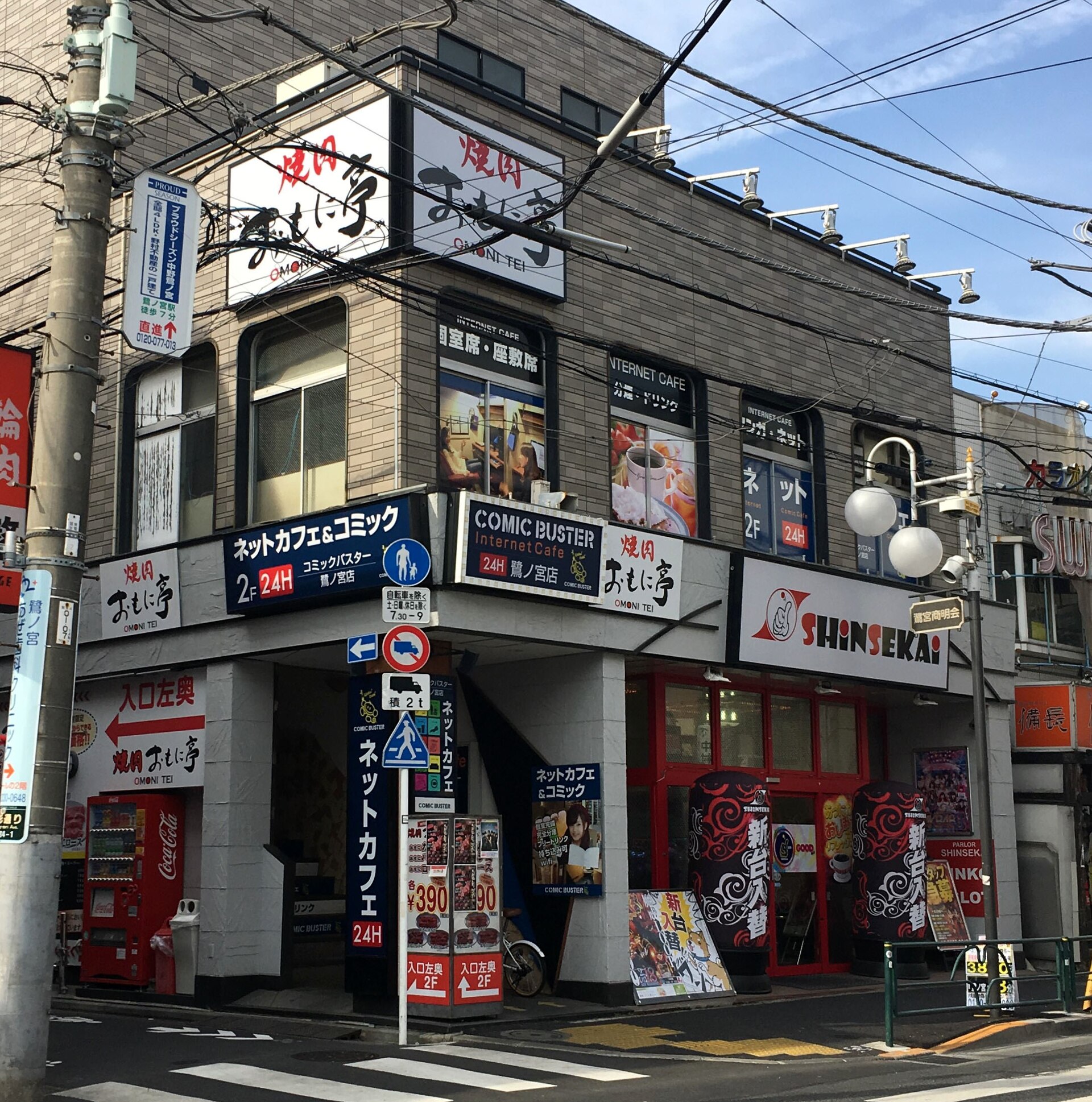
They are almost always on an upper floor or a basement, above a pachinko parlour or beside a karaoke place, signposted from street level by a lightbox with the chain’s name and the hours. You will walk past a dozen without noticing them until you know what you are looking for.
What you actually get
The seat is the product, and picking the wrong one is the single most common mistake. Ask for the type you want by name at reception.
| Booth type | Japanese | What it is | Sleeping on it |
|---|---|---|---|
| Open seat | オープンシート | A desk in a row, low partitions | No. Do not book this overnight |
| Reclining seat | リクライニング | Private booth, chair that leans back | Tolerable. Aeroplane-seat sleep |
| Flat booth / mat | フラット | Private booth with a flat floor mat | Yes. This is the one you want |
| Pair booth | ペアシート | Wider booth for two | Yes, if you like each other |
| Locked private room | 鍵付き完全個室 | Fully enclosed room with a door lock | Best available. Costs more, sells out |
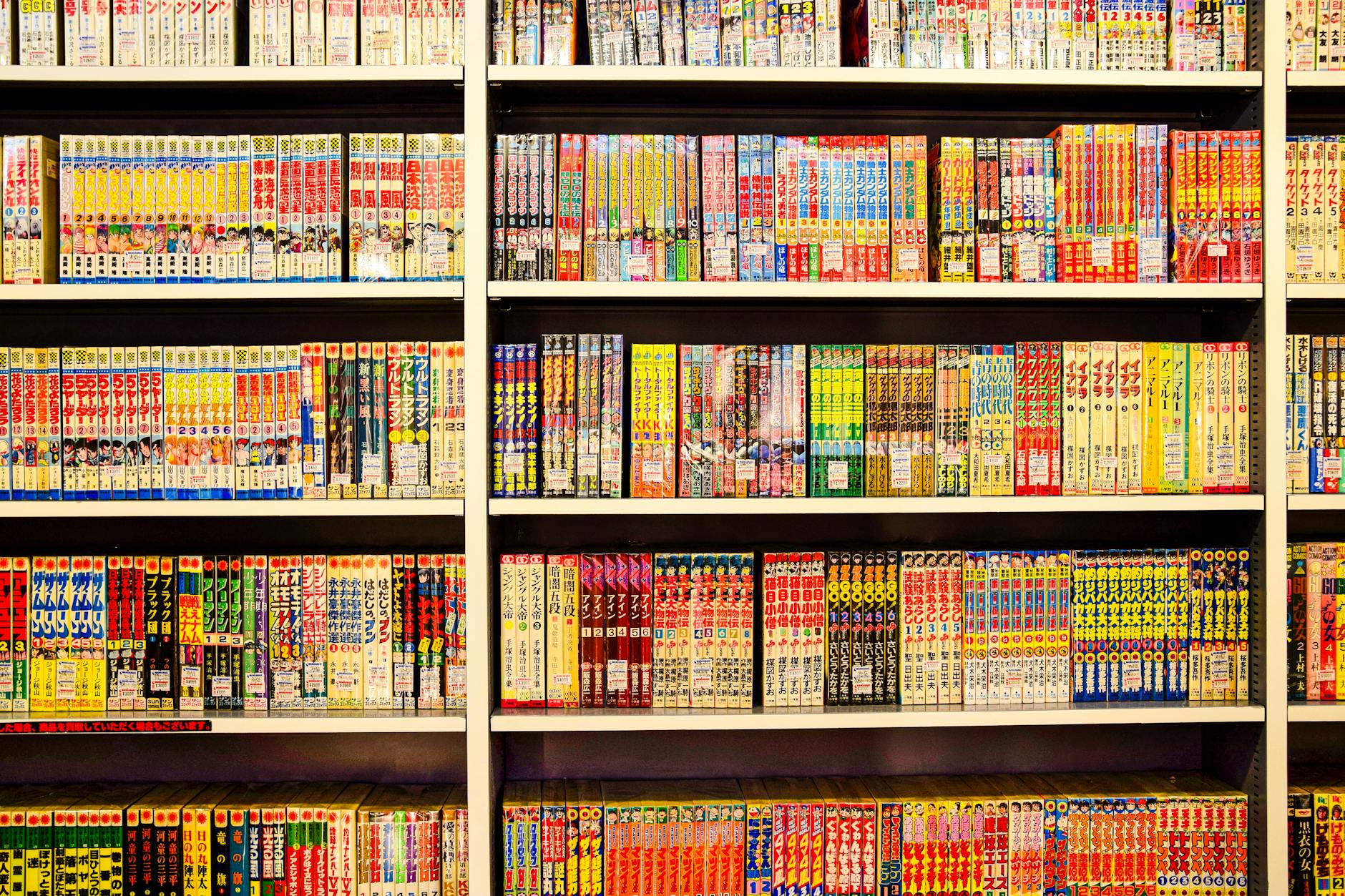
Included in the price at almost every chain: unlimited soft drinks from a machine (coffee, tea, juice, sometimes soup), wifi, a PC with headphones, and the entire manga library, which at a decent branch runs to tens of thousands of volumes. Many branches add free soft-serve ice cream, which is treated with more excitement than it probably deserves at two in the morning.
Extra: showers at many branches, with the fee, towel terms and booking varying by branch, so ask at reception. Kaikatsu CLUB Akihabara Ekimae No. 2 offers free showers. Food is ordered to the booth from a short menu of the fried, the reheated and the carbohydrate-heavy. Some larger branches add karaoke rooms, darts, table tennis and laundry machines.
What it costs
Pricing is per hour with heavily discounted packs. The packs are the only sensible way to buy.
| Package | Typical 2026 price | Notes |
|---|---|---|
| Per hour, no pack | ¥400–600 | Bad value beyond two hours |
| 3-hour pack | ¥1,000–1,500 | The rainy-afternoon option |
| 6-hour night pack | ¥1,200–1,800 | Weekday, suburban branch |
| 8–12 hour night pack | ¥2,000–3,500 | The overnight stay |
| Flat booth, central Tokyo | ¥2,500–3,000 | Shinjuku, Shibuya, Ikebukuro |
| Shower | ¥200–400 | Towel usually extra |
| Membership card | Free to ¥300, one-off | Per chain, permanent |
Two things move the price: night packs only start after a set hour, which each branch sets for itself, and weekend nights can cost more. Check the branch’s tariff before you go. Arrive before the night pack begins and you pay the hourly rate for the gap, which is how people end up paying ¥4,000 for a ¥2,400 stay.
Overstaying is the other trap. Go past your pack by ten minutes and you are back on the hourly rate, rounded up. Set an alarm for fifteen minutes before your time expires.
Registering, with a passport
First visit to any chain means membership. You fill in a short form, show photo ID — a passport works and is what foreign visitors should present — and receive a card valid at every branch of that chain in Japan. It takes five minutes, it is free or close to it, and after that you are checking in at a touchscreen in thirty seconds.
This is not optional and there is no anonymous entry; the requirement is a legal one, introduced after the booths acquired a reputation as somewhere to disappear. Staff at branches in Shinjuku, Shibuya, Ikebukuro and Akihabara handle foreign registration routinely. At a suburban branch you may be the first passport they have seen that month, so allow a little patience.
Sleeping there: the honest version
Here is what nobody tells you until you have done it.
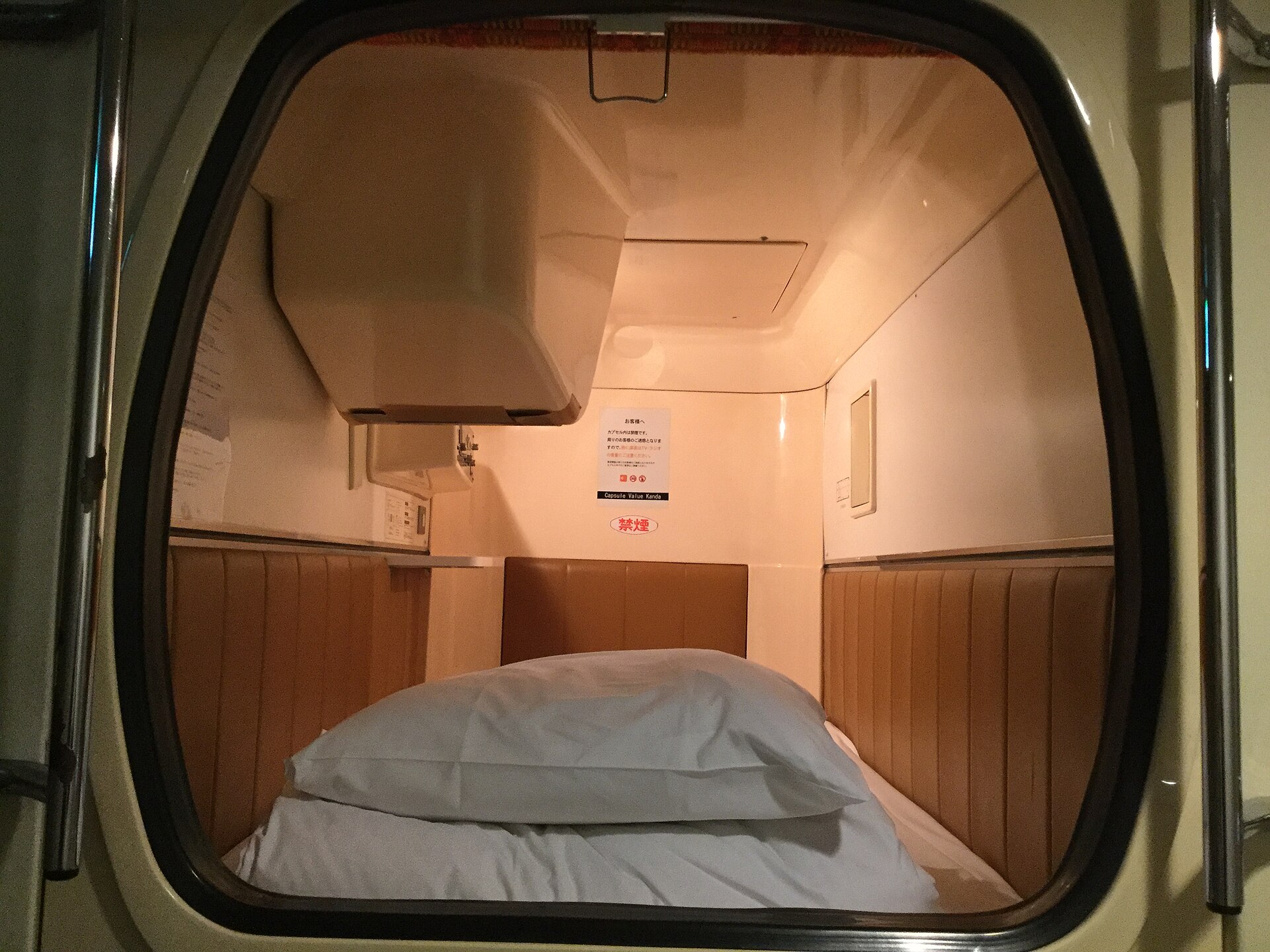
The partitions do not reach the ceiling. Every booth is open at the top. You will hear the person two booths over typing, the person opposite coughing, and staff walking the aisle. Bring earplugs; this is the single highest-value item in your bag.
The lights stay on. Not in your booth necessarily, but the floor is lit all night. An eye mask is the second-highest-value item.
You may not be able to lie flat. If you booked a reclining seat rather than a flat booth, you are sleeping the way you would on a long-haul flight, and you will feel it in the morning.
It can be smoky. Most chains now separate smoking and non-smoking floors properly — Kaikatsu advertises full separation — but older independents do not, and the smell carries. Ask for kin’en (non-smoking) at reception and confirm.
Your luggage is a problem. Booths are small. A cabin bag fits, awkwardly. A large suitcase does not, and some branches will not accept one at all. If you are doing this deliberately, put the big bag in a coin locker first; our luggage storage guide covers where and what it costs.
Age limits apply overnight. Kaikatsu CLUB bars guests under 18, including high-school students, from 22:00 to 07:00, and guests under 16 from 20:00 to 07:00; local rules may take precedence. This is not a family option.
Done once, as a deliberate choice, it is fine and even quite fun. Done three nights running, it is genuinely grim, and the sleep deficit will cost you more of your trip than the money saved was worth.
A night, step by step
If you have never done it, the sequence removes most of the anxiety. You take the lift to the floor and find a reception desk, usually staffed by one person. You hand over your membership card, or fill in the form and show your passport if it is your first time. You say which pack you want and which booth type — furatto for a flat booth, kin’en for non-smoking — and whether you want a shower. You pay at the end, not the start, at most chains.
You are given a booth number and walk down a corridor of identical doors or curtains to find it. Inside: a screen, a keyboard, a chair or a mat, a blanket at some chains, a set of headphones, a coat hook and very little floor. You take your shoes off. You fetch drinks from the machine whenever you want, and browse the manga wall the same way. Staff do not disturb you.
At the end, you take your card to the desk, they read the time off the system, and you pay. Late at night the whole transaction is done in silence with a screen showing the total, which suits most people at four in the morning.
What to bring
- Earplugs and an eye mask. Non-negotiable. This is the difference between four hours of sleep and none.
- A small towel if you plan to shower, unless you want to pay for one.
- A phone charger, though most booths have USB power.
- Something warm. Air conditioning runs cold all night and blankets are not guaranteed.
- Your passport, which you need anyway in Japan and specifically need here.
How it compares with the actual alternatives
| Manga cafe | Capsule hotel | Hostel dorm | |
|---|---|---|---|
| Typical night | ¥2,000–3,500 | ¥3,500–6,500 | ¥3,000–5,500 |
| Lie flat | Only in a flat booth | Yes | Yes |
| Proper bedding | No | Yes | Yes |
| Shower | Extra, ¥200–400 | Included | Included |
| Luggage | Difficult | Lockers provided | Lockers provided |
| Book ahead | Rarely needed | Usually yes | Yes |
| Best for | Missed last train, one-off | Cheap real sleep | Multi-night budget stay |
The honest verdict: as a planned accommodation strategy, a capsule hotel beats a manga cafe, because the extra cost buys you a bed-sized sleeping space. The manga cafe wins in exactly one scenario, which happens to be common — it is 01:00, the trains have stopped, you are not where your hotel is, and everything else is either full or a taxi fare that costs more than the room. In that situation it is a genuinely excellent piece of infrastructure, and knowing it exists removes a whole category of panic from a Tokyo night out.
The chains worth knowing
Kaikatsu CLUB (快活CLUB) is the one to default to. Many branches offer showers, and there are branches all over Tokyo including Akihabara.
Jiyu Kukan (自遊空間) is the sister chain under the same parent company, and adds entertainment: karaoke, darts, table tennis, VR at some sites. Slightly more of a night-out venue, slightly less of a place to sleep, though the booths are the same idea.
Customa Cafe, Manboo and Bagus fill out the field, with Manboo the budget end and Bagus running some genuinely comfortable central branches. Independents vary from excellent to dismal with no way to tell from the street, which is the argument for sticking to a chain on your first visit.
Women travelling alone should know that most chains run women-only floors or sections, marked at reception and worth asking for explicitly — the booths are identical, the aisle traffic is not. Our solo travel guide covers the broader picture.
Using one without sleeping in it
This is the underrated case, and the one most visitors should actually care about.
Rain. A few hours in a private booth with a shelf of manga to hand is a cheap wet-afternoon plan. Our rainy day guide has the rest.
Work. A booth with a door, power, wifi and unlimited coffee beats a crowded cafe for anything requiring a call or concentration, and nobody is waiting for your table. If you would rather have daylight and better coffee, our laptop-friendly cafe guide lists the alternatives.
A shower and a nap on a travel day. Landed at dawn, room not ready until three, carrying the fatigue of a twelve-hour flight — a three-hour pack plus a ¥300 shower solves the whole problem for under ¥2,000 and is a far better use of the morning than dragging a suitcase around a museum.
Waiting out a gap in a long day. Tokyo punishes anyone with four hours and nowhere to be. Cafes want their table back, department stores get tiring, parks are weather-dependent. A booth with a door removes the problem entirely, and you pay only for the hours you use.
The manga. Obvious but worth saying: if you read Japanese, this is an unlimited library that you pay for by the hour. If you do not, the appeal drops sharply — English-language volumes exist at a handful of central branches but are a rounding error in the collection.
Where they are
One thing that surprises visitors: the format is in visible decline as a comics business and visible growth as a housing one. Younger customers read on their phones, so the manga wall matters less every year, while the chains have leaned into locked private rooms, showers and laundry — amenities that make sense for someone staying a week, not an hour. Japanese media have covered the phenomenon of long-term net cafe residents for two decades now, and the newer fit-outs quietly acknowledge it. You are not going to notice this as a one-night visitor, but it explains why a business ostensibly about comics keeps adding washing machines.
Densest around the big entertainment districts, for the obvious reason that those are where people miss trains: Shinjuku’s east side, Shibuya’s centre, Ikebukuro around the station, and Akihabara along the main drag. Almost any station on the Yamanote line will have at least one within five minutes of an exit.
On the night you need one, the practical method is to search the chain name plus your station on a map app rather than wandering, because the street-level frontage is small and the entrance is a lift. If a branch is full — and on a Friday night in Shinjuku they do fill — the next one is usually two hundred metres away.
For the wider budget picture, including where a night like this actually fits in a trip’s finances, see our Tokyo on a budget guide and the backpacking guide. And if you have come to this page from the fan-culture side rather than the budget side, the rest of that world is mapped in our Tokyo anime guide.
Frequently Asked Questions
Can tourists sleep in a manga cafe in Tokyo?
Yes. Foreign visitors can use manga cafes and net cafes overnight, and staying the night is entirely normal and legal. You must register as a member on your first visit to a chain and show photo identification — a passport is accepted and is what visitors should bring. Kaikatsu CLUB does not admit under-18s from 22:00 to 07:00.
How much does it cost to sleep in a Tokyo manga cafe?
An overnight pack of eight to twelve hours typically costs ¥2,000–3,500, with a flat booth in central Shinjuku, Shibuya or Ikebukuro nearer the top of that range and a suburban reclining seat nearer the bottom. Weekend nights can cost more. Showers, towels and drinks vary by branch, so check the tariff at the branch you choose.
Is a manga cafe better than a capsule hotel?
Cheaper, not better. A capsule hotel gives you a bed-sized sleeping space, commonly with shared showers and a locker for your luggage. The manga cafe wins when the trains have stopped, everything is full, and you need somewhere warm and safe for six hours right now. As a planned strategy for several nights, take the capsule.
Do manga cafes in Tokyo have showers?
Most of the big chains do, including Kaikatsu CLUB and Jiyu Kukan. Fees, towel terms and booking vary by branch, so ask at reception; Kaikatsu CLUB Akihabara Ekimae No. 2 offers free showers. Some branches also have laundry machines.
What is the difference between a manga kissa and a net cafe?
In practice, nothing. The terms are used interchangeably in Tokyo for the same business — private booths, a manga library, free soft drinks and hourly pricing. Older independents tend to emphasise the comics and newer chain branches emphasise the computers, showers and overnight packages, but you are buying the same thing either way.
Photo Credits
- Illuminated 24-hour Kaikatsu CLUB sign at night – 2024-12-26 Kaikatsu Club 快活CLUB 鈴蘭台店 DSCF5281 by 明芳 松岡, CC BY-SA 4.0, via Wikimedia Commons.
- Kaikatsu Club signs in Akihabara: Akihabara Electric Town 09 by Zairon, CC BY-SA 4.0, via Wikimedia Commons.
- A sleeping pod at Capsule Value Kanda: カプセルホテル 2017 (39567426191) by inunami (Flickr), CC BY-SA 2.0, via Wikimedia Commons.
- Comic Buster in Saginomiya: Comic Buster Saginomiya branch 2019-02-24 by Asanagi, CC0, via Wikimedia Commons.