Tokyo on a Budget · Guide №125
Backpacking Tokyo: The Complete Shoestring Budget Guide
A true shoestring plan for Tokyo: daily budget in yen, best cheap neighborhoods, hostels and capsules, cheap airport transit, free sights, and a 4-day itinerary.
目次 — Contents
- What a backpacker actually spends in Tokyo per day
- Best budget neighborhoods to base in
- Accommodation types, ranked by price
- Getting in cheap from Narita and Haneda
- Cheap transit once you’re in the city
- Free and nearly-free things to do
- Saving on food without eating badly
- Connectivity, lockers and luggage
- A sample 4-day shoestring itinerary
- Budget mistakes backpackers make in Tokyo
- Safety and etiquette on a budget
- Cheap escapes: budget day trips from Tokyo
- Frequently Asked Questions
- Photo Credits
This article contains advertising. Our booking links are routed through a partner that adds commission tracking automatically, so if you book through one we earn a commission from the provider, at no extra cost to you. It never affects what we recommend. Affiliate disclosure
You can do Tokyo on a shoestring. A realistic backpacking Tokyo guide budget sits around ¥8,000-10,000 a day once you have a flight and travel insurance sorted — that covers a dorm or capsule bed, konbini-and-ramen meals, a transit pass, and a stack of free sights. Spend smart and Tokyo is one of the safest, easiest cities in Asia to travel cheap.
The trick is knowing where the money leaks. Accommodation and food eat most of a backpacker’s cash, and both have brilliant cheap options here that most first-timers walk straight past. This guide breaks down a daily budget in real yen, the neighborhoods worth basing in, every accommodation type from hostels to manga cafes, how to get in from the airport without overpaying, and a four-day plan you can copy. For the wider picture, our guide to seeing Tokyo on the cheap is the pillar this sits under.
What a backpacker actually spends in Tokyo per day
Tokyo has a reputation for being eye-wateringly expensive, and it can be — if you sleep in business hotels and eat sit-down dinners with beer. Strip that away and the numbers drop fast. I have done Tokyo both ways, and the gap between a careless day and a careful one is enormous. Here is what a genuine shoestring day looks like versus a slightly comfier one, in current yen. (At the time of writing roughly ¥150 = US$1, so a lean day is around US$55-65.)
| Daily expense | Shoestring (¥) | Comfortable budget (¥) | Notes |
|---|---|---|---|
| Bed (dorm / capsule) | 3,000-3,800 | 4,500-6,000 | Cheapest proper bed; manga cafe under ¥2,000 in a pinch |
| Breakfast | 200-400 | 500-800 | Konbini onigiri + coffee, or a standing-soba bowl |
| Lunch | 500-800 | 900-1,200 | Gyudon, ramen counter, or a supermarket bento |
| Dinner | 700-1,100 | 1,500-2,500 | Ramen, curry, or izakaya small plates |
| Transit | 600-800 | 800-1,200 | Metro 24-hour pass ¥800, or pay-as-you-go on Suica |
| Sights & activities | 0-700 | 1,000-2,500 | Most of Tokyo’s best views are free |
| Drinks / snacks / extras | 300-700 | 1,000-2,000 | Vending-machine tea, one konbini beer, ice cream |
| Daily total | ~¥8,000-10,000 | ~¥13,000-16,000 | Excludes flights, insurance, eSIM, souvenirs |
Two things blow this budget faster than anything else: taxis (a short hop can be ¥1,500-2,000, so walk or take the train) and alcohol in bars (a couple of draft beers adds ¥1,000+). Drink your konbini beer in the park like everyone else and you keep the day cheap. For a longer list of cuts, our cheap-Tokyo hacks go deep on the small habits that add up over a week.
One more budgeting reality: front-load your big costs. Flights and insurance are fixed before you leave, an eSIM is a one-off, and a few souvenirs are inevitable. Keep those out of your daily figure so a single splurge doesn’t feel like you blew the whole trip. Track spending in a notes app for the first two days and you’ll quickly see your own pattern — most people find food, not beds, is where they overspend.
Best budget neighborhoods to base in
Where you sleep decides half your costs, because transit and convenience either work for you or against you. These four areas have the densest cluster of hostels, capsules and cheap food, and all sit on lines that reach the rest of the city fast.
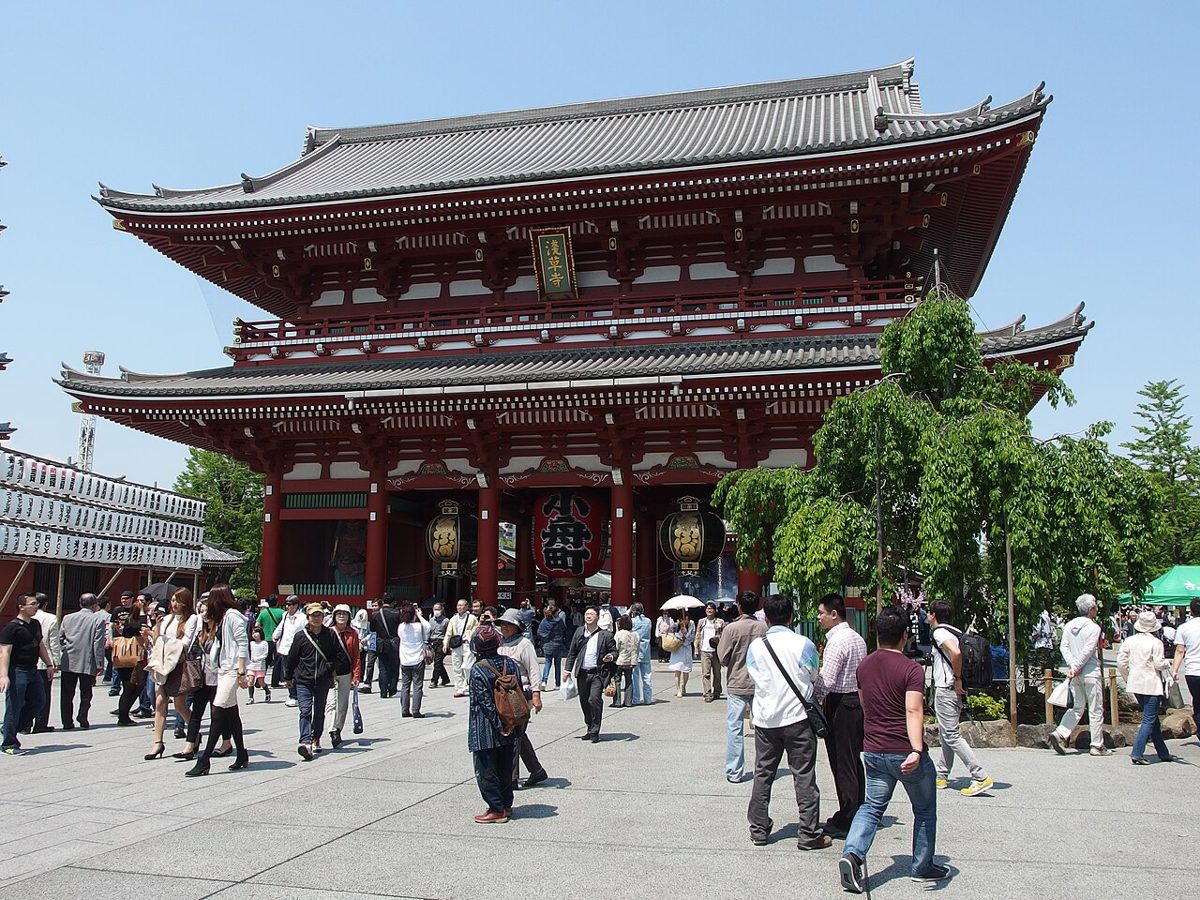
Asakusa — old Tokyo, cheap beds, free temple on your doorstep
Asakusa is the classic backpacker base. It is full of hostels in the ¥3,000-4,500 range, the streets are walkable, and Tokyo’s oldest temple, Senso-ji, is free and lit up beautifully at night. You are on the Ginza and Asakusa subway lines, and the Keisei line from Narita drops you nearby. Mornings here, before the tour buses arrive, are the Tokyo people picture in their heads — lantern-strung lanes, the smell of senbei crackers grilling, monks crossing the temple courtyard.
Ueno — transport hub with a giant free park
Ueno is where the Keisei Skyliner and Access Express from Narita terminate, so it is a logical first night. It has cheap hostels, the sprawling free Ueno Park, the cheap-eats chaos of Ameyoko market, and the JR Yamanote line that loops the whole city. If you want one base that minimizes airport-to-bed hassle, Ueno is hard to beat. The area around the station is unglamorous but extremely practical, with konbini, cheap chains and coin lockers everywhere.
Ikebukuro — underrated, well-connected, cheap to eat
Ikebukuro gets overlooked, which keeps prices sane. It is a major Yamanote and Marunouchi-line hub with capsule hotels, business hotels and ramen on every corner. Sunshine City and a wall of cheap restaurants mean you rarely walk far for a ¥700 dinner. The east and west sides have different personalities — explore both and you’ll find your cheap-eats favourite within a block.
Shinjuku-adjacent — nightlife within stumbling distance
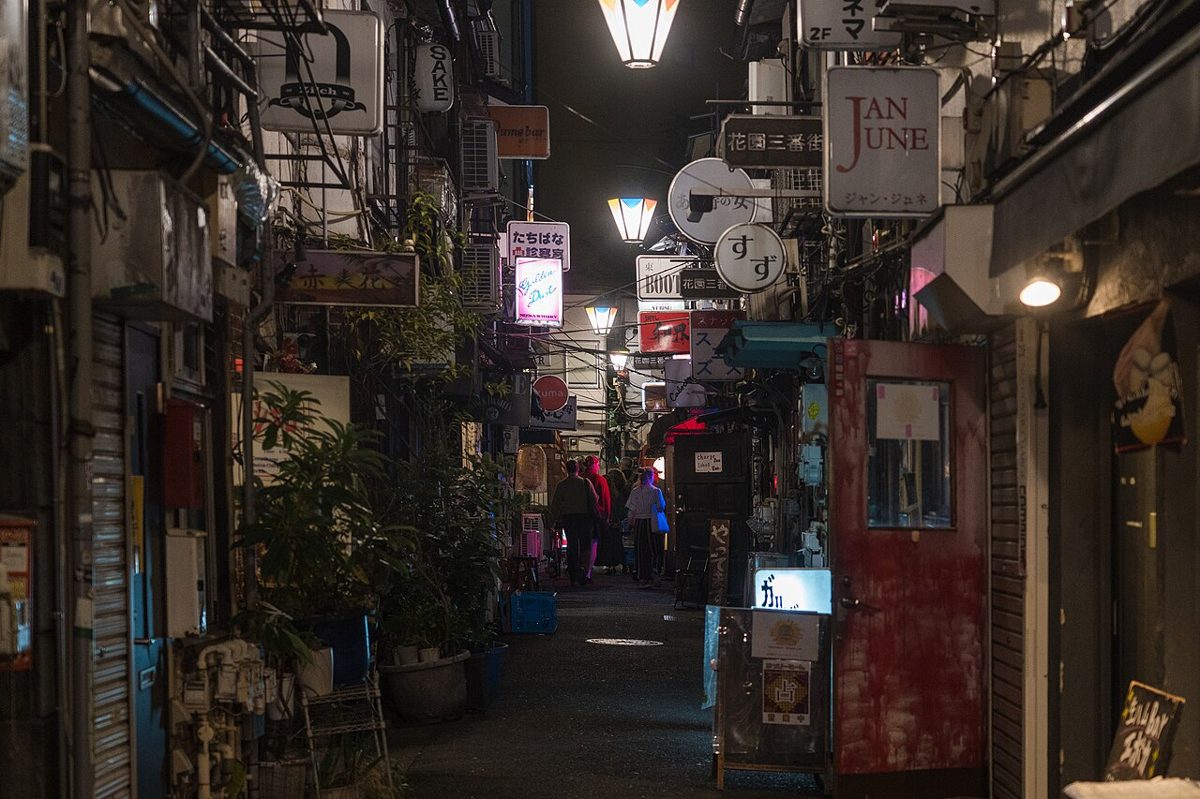
Staying in central Shinjuku can be pricey, but bases just outside it — around Shin-Okubo, Takadanobaba or Higashi-Shinjuku — give you Golden Gai, the free Tokyo Metropolitan Government observation decks, and Kabukicho a short walk or one stop away, without the central markup. Takadanobaba in particular is a student district, so the food is cheap and generous, and the late-night ramen is some of the best value in the city.
Accommodation types, ranked by price
Tokyo has a wider spread of budget sleep than almost any city on earth. Here is each type, what it costs, and when it makes sense. For a full breakdown of options and bookings, see our guides to Tokyo budget hotels and where to stay in Tokyo.
Hostels (¥3,000-5,000 a dorm bed)
The backpacker default. A dorm bed in a decent, central hostel runs roughly ¥3,000-5,000 and usually buys you a privacy-curtained bunk, a locker, free fast Wi-Fi, a shared kitchen and a common room where you actually meet people. Tokyo’s hostels are clean to a standard that shames a lot of Europe — expect spotless shared bathrooms and quiet, considerate dorm-mates. Book the first couple of nights ahead in cherry-blossom (late March-early April) and autumn-foliage season, when beds vanish and prices spike.

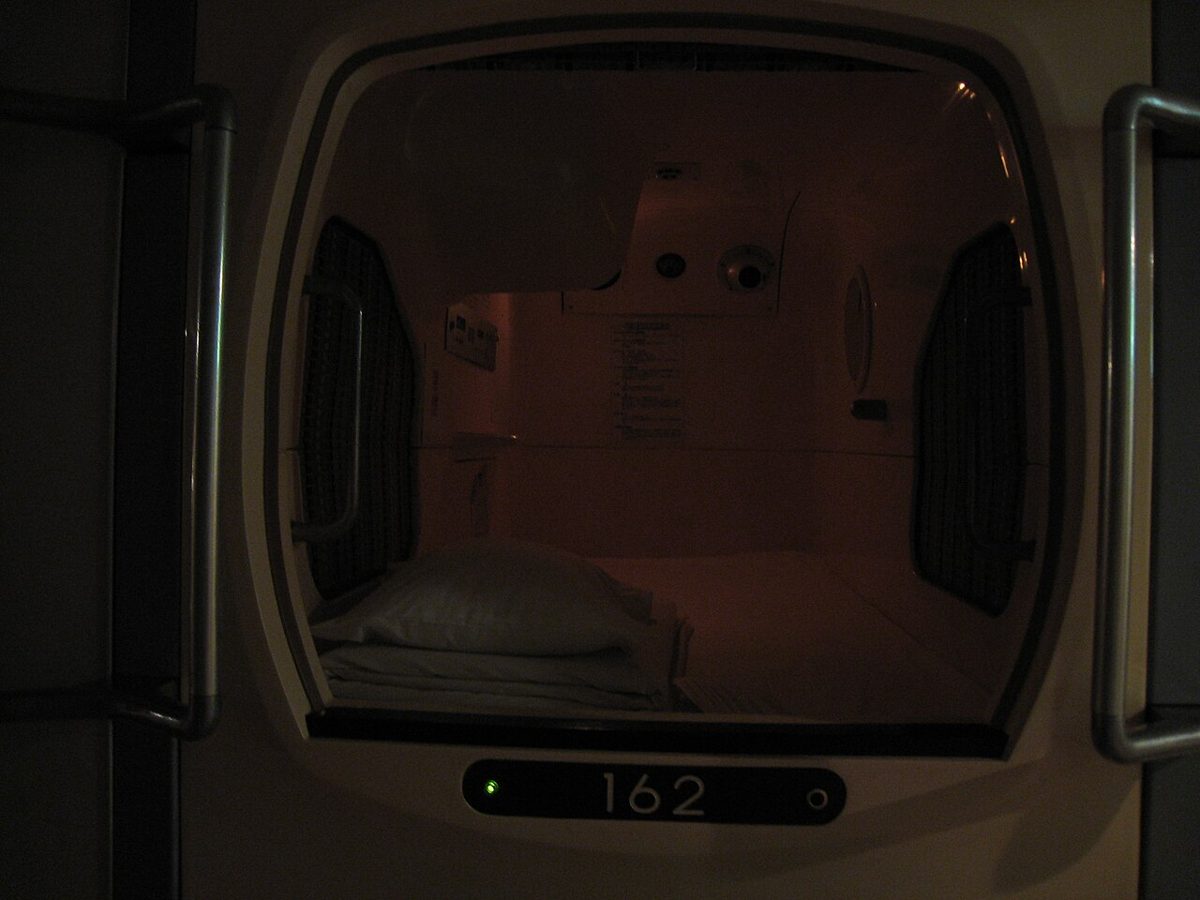
Capsule and pod hotels (¥3,000-4,500+)
A capsule is your own enclosed sleeping pod — a fitted bed, a light, a power socket, often a little TV — with shared bathrooms and, in the nicer ones, a big communal bath (sento). Chains like Nine Hours, Wise Owl and First Cabin run from around ¥3,500-4,500. Modern “pod hotels” such as The Millennials add a personal lounge space and app-controlled beds. They are spotless, quiet, and a genuinely fun Tokyo experience — the first time you slide your bag into the locker and climb into the pod, it feels like sleeping inside a sci-fi film. Our Tokyo capsule hotels guide covers the best ones and how to book.
Manga cafes / net cafes (under ¥2,000 — last-resort sleep)
This is the budget traveler’s secret weapon for a missed last train or a desperate night. A manga kissa (manga cafe) night pack — usually 8-12 hours of open or booth seating — often comes in under ¥2,000 and includes free soft drinks and tea, frequently a free shower, and walls of comics. You sleep in a reclining chair or a flat-mat booth, not a bed, so it is not a strategy for every night, but chains like GeraGera, Manboo, Bagus and Popeye are open 24/7 across Shinjuku, Shibuya and Ikebukuro and will save you when nothing else is open. Bring earplugs and an eye mask — the lights stay on.
Business hotels (¥6,000-9,000 a single room)
When you want a door that locks and your own tiny bathroom, business-hotel chains like APA, Toyoko Inn and Super Hotel deliver a compact en-suite single from around ¥6,000-9,000. Rooms are small but immaculate, and the price often includes a simple breakfast. Worth it every few nights to recharge, especially if a dorm has worn you down or you have an early flight and want guaranteed quiet.
Getting in cheap from Narita and Haneda
The fastest train is rarely the cheapest, and the gap is real. Sort the paperwork before you fly — what your passport needs to enter Japan depends on your nationality, though most travelers get 90 visa-free days on landing. Here is how to reach central Tokyo without overpaying on arrival.
From Narita (NRT)
Narita is far out, so this is where people overspend. The Keisei Skyliner is fastest — about 36 minutes to Nippori/Ueno — at ¥2,580 (around ¥2,310 if you book the e-ticket online). But the budget move is the Keisei Access Express, which uses the same tracks for most of the way, takes roughly 60-75 minutes, and costs noticeably less (around ¥1,300 to central Tokyo). If you are not in a hurry, the Access Express is the obvious backpacker choice. Highway buses to Tokyo Station or Ginza are another cheap, comfortable option in the ¥1,300-1,900 band, and you get a guaranteed seat after a long flight.
From Haneda (HND)
Haneda is much closer to the city and cheap by default. The Keikyu Airport Line reaches Shinagawa in about 20 minutes for roughly ¥327 on an IC card, with onward Yamanote-line connections. The Tokyo Monorail to Hamamatsucho is about ¥519 and 13 minutes, then transfer to the JR Yamanote line. Either way you are in the city for well under ¥600 — no need for a taxi or limousine bus unless you land after the trains stop.
Buy or load a Suica or Welcome Suica IC card at the airport before you go anywhere. You tap it on every train, bus and at most konbini, and it saves you fighting ticket machines for the rest of the trip. The Welcome Suica is aimed at tourists and needs no deposit.
Cheap transit once you’re in the city
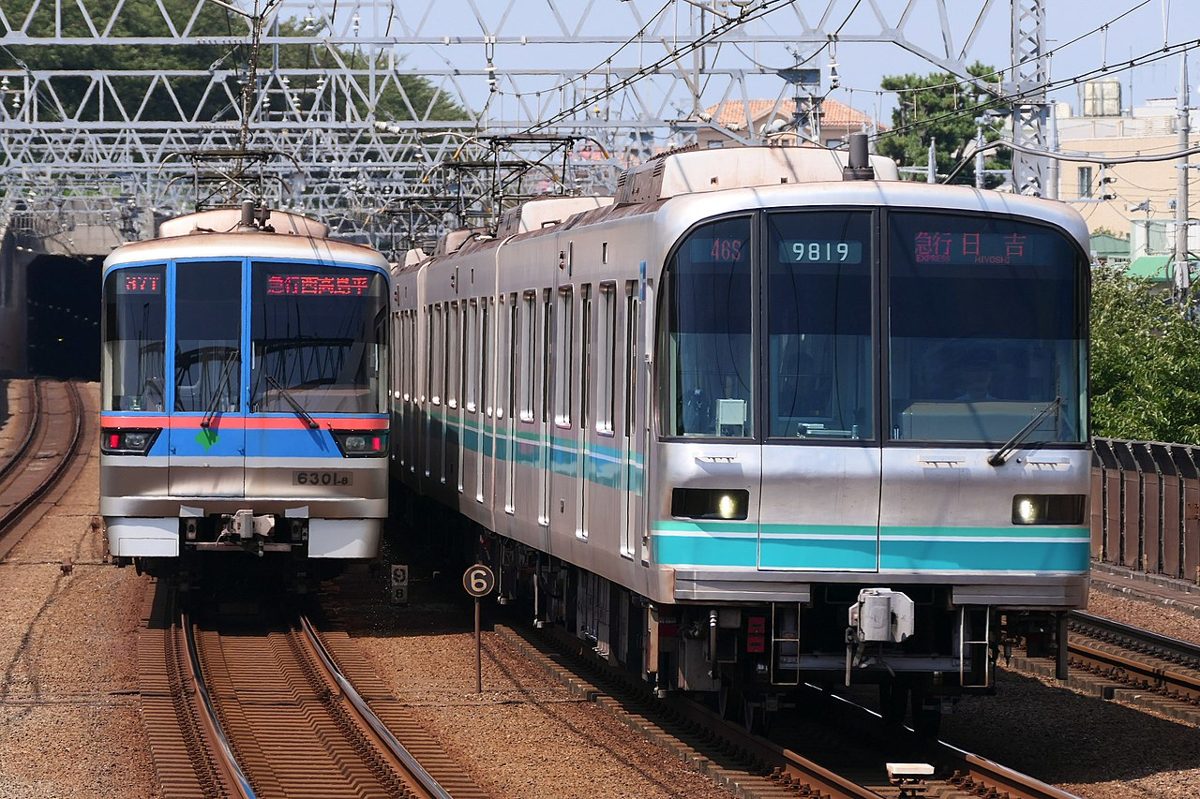
Tokyo’s rail map looks terrifying and is genuinely the cheapest, fastest way around. A few rules keep costs down:
- Use an IC card (Suica/Pasmo) for everything. Tap-in fares are a few yen cheaper than paper tickets and you never miscalculate a fare.
- Day passes only pay off if you ride a lot. The Tokyo Metro 24-hour pass is ¥800, 48-hour ¥1,200, and 72-hour ¥1,500. If you take four or more Metro rides in a day, the 24-hour pass wins; otherwise pay-as-you-go is cheaper.
- Mind the line operators. Tokyo Metro, Toei subway and JR are separate companies, so a journey crossing systems can cost more — plan routes that stay on one network where you can.
- Walk the short hops. Shibuya to Harajuku, or Asakusa around the river, are pleasant 15-20 minute walks. Walking is free and you see more of the city at street level.
- Last trains run around midnight. Miss them and you either pay for a taxi or sleep in a manga cafe — factor it into a big night out.
- Use Google Maps for routing. It knows the exact platform, fare and transfer, and it is accurate to the minute in Tokyo.
Free and nearly-free things to do
Here is the part that makes Tokyo a backpacker’s dream: the best of the city is free. You could fill three full days spending almost nothing on sights, and never feel short-changed.
- Tokyo Metropolitan Government Building observation decks (free). The 45th-floor decks in Shinjuku give you a skyline view that rivals the paid towers, and on a clear day you can see Mt. Fuji. Open late, so go at sunset and watch the city light up.
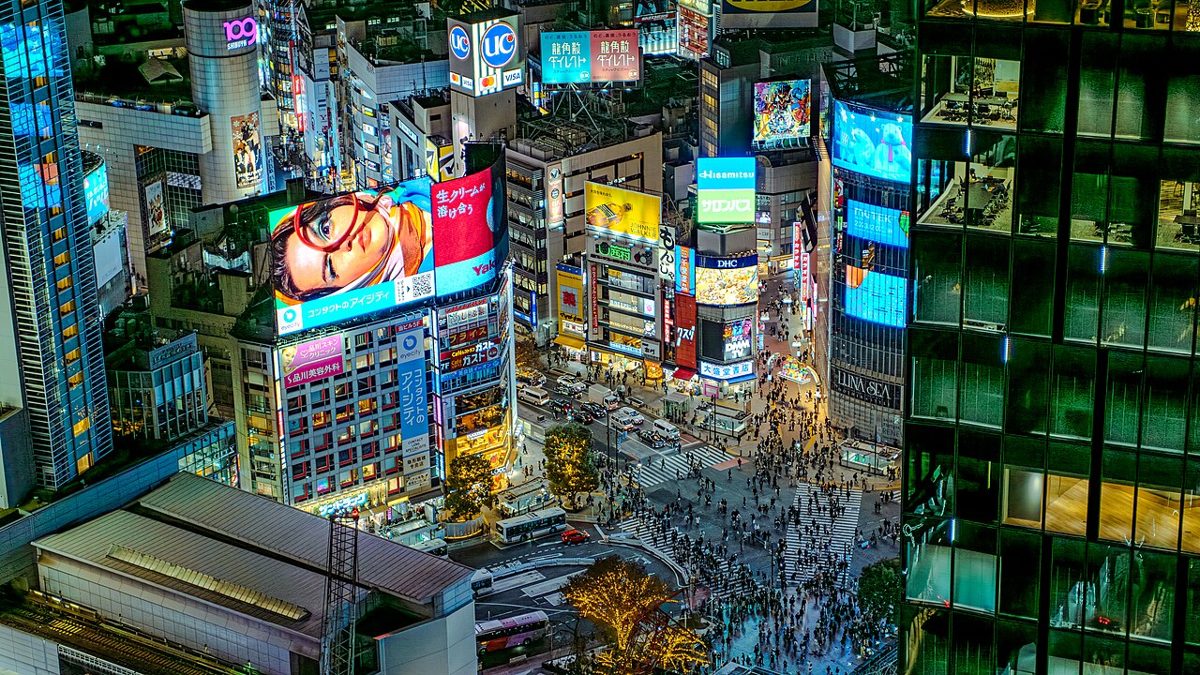
- Shibuya Crossing (free). The world’s busiest pedestrian scramble. Watch from the street, then from the second-floor windows of the Starbucks for the classic overhead shot.
- Senso-ji Temple, Asakusa (free). Tokyo’s oldest temple, the giant Kaminarimon lantern, and the Nakamise shopping street — all free to wander.
- Meiji Shrine, Harajuku (free). A vast forested shrine minutes from the chaos of Takeshita Street. Quiet, atmospheric, costs nothing.
- Imperial Palace East Gardens (free). The former grounds of Edo Castle, beautifully kept, with stone walls and seasonal flowers.
- Ueno Park and its grounds (free). Wander the park, the shrines and the pond; the zoo and museums charge, but the green space does not.
- Window-shopping the districts. Akihabara’s electronics arcades, Harajuku’s fashion lanes, and Golden Gai’s bar alleys cost nothing to stroll.
The Scramble at Shibuya deserves a second visit after dark — the neon, the crowds and the energy are a free spectacle that beats most paid attractions, and standing in the middle of it once the lights change is a quintessential Tokyo moment.
Saving on food without eating badly
Cheap eating in Tokyo is not a compromise — some of the best meals you will have are under ¥1,000. The konbini (convenience store) is the backpacker’s canteen, and our Tokyo konbini food guide is worth reading before you arrive.
- Konbini breakfast and snacks. An onigiri (rice ball) is around ¥150, a decent sandwich ¥250-400, and the coffee is genuinely good. 7-Eleven, Lawson and FamilyMart are everywhere and open 24/7.
- Gyudon chains for fast, cheap lunch. Yoshinoya, Sukiya and Matsuya serve a beef-on-rice bowl for roughly ¥400-500. Filling, fast, and you order from a machine, so no language barrier.
- Ramen and curry counters. A bowl of ramen runs ¥800-1,100; a plate of Japanese curry at CoCo Ichibanya or a chain is similar. Standing soba shops near stations do a hot bowl for ¥350-500.
- Supermarket bento after 7pm. Supermarkets and depachika (department-store food halls) slap discount stickers on fresh bento and sushi as closing nears — 30-50% off restaurant-quality food.
- Tap water is free and safe. Carry a bottle and refill it. Vending-machine tea is cheap (¥100-160) when you want a change.
- 100-yen shops sell snacks too. Daiso and Seria stock cheap drinks, sweets and instant noodles — handy for a hostel-kitchen dinner.
A note on tipping: there isn’t any. You never add a tip in Japan, which quietly shaves 10-20% off every meal compared with what you’d pay back home. The price on the menu is the price you pay (plus tax, which is usually already included).
Connectivity, lockers and luggage
eSIM vs pocket Wi-Fi
For a solo backpacker, an eSIM is the clear winner: a 7-10 day data plan costs roughly US$8-25 depending on the allowance, installs on your phone before you fly, and there is no device to return. A pocket Wi-Fi router runs about US$38-80 for the same period — only worth it if you are a group of three or four sharing one device, where the per-person cost drops below an eSIM. Buy the eSIM from home and activate it on landing so you have maps and translation working the moment you step off the plane.
Coin lockers and luggage forwarding
Station coin lockers cost roughly ¥300 (small), ¥500 (medium) and ¥700-800 (large) per day — perfect for stashing a bag between check-out and a late train. If you are moving cities, Yamato Transport’s “Kuroneko” door-to-door luggage forwarding sends a bag from your hostel to your next one (or the airport), usually overnight, for around ¥1,500-2,500. Travelling hands-free on a packed rush-hour train is worth every yen, and your hostel front desk can usually arrange it for you.
A sample 4-day shoestring itinerary
Here is a copy-able plan that keeps you near cheap beds and free sights, with most days landing inside the ¥8,000-10,000 budget. Base yourself in Asakusa or Ueno so the airport transfer and the sights line up.
Day 1 — Arrival and old Tokyo
- Land, grab a Suica, take the Keisei Access Express from Narita (or Keikyu from Haneda) to your Asakusa/Ueno hostel.
- Drop your bag, eat a ¥500 gyudon lunch.
- Walk Senso-ji and Nakamise (free), then the Sumida riverside.
- Sunset over the river; konbini dinner or a cheap ramen near the hostel.
Day 2 — West side and free views
- Yamanote line to Harajuku; Meiji Shrine (free) then Takeshita Street.
- Walk to Shibuya; the Scramble Crossing and back streets (free).
- Cheap lunch at a ramen or curry counter.
- Evening: Shinjuku, the free Tokyo Metropolitan Government observation deck at sunset, then wander Golden Gai (one drink optional).
Day 3 — Culture, geek streets and parks
- Ueno Park and Ameyoko market (free to wander; museums optional).
- Akihabara for the electronics arcades and retro-game floors (free to browse).
- Supermarket bento dinner with discount stickers after 7pm.
- Optional: a cheap izakaya with small plates if the budget allows.
Day 4 — Imperial gardens and last wanders
- Imperial Palace East Gardens (free), then the Ginza streets for window-shopping.
- Stash your bag in a coin locker if you check out early.
- Last konbini or depachika lunch.
- Head to the airport with plenty of buffer — the cheap train takes longer.
Got a fifth day and a little spare cash? A cheap day trip is easy: Kamakura (the great bronze Buddha and beach) is about an hour and under ¥1,000 each way on the JR line, and the Nikko or Hakone areas are doable too if you catch an early train and pack konbini snacks. Keep the day-trip transport on regular trains rather than limited expresses and it stays cheap.
Budget mistakes backpackers make in Tokyo
A few avoidable errors quietly drain a shoestring budget. Sidestep these and your money stretches noticeably further:
- Taking taxis after the last train. A cross-town cab can cost more than a night’s dorm. Plan to be near home by midnight, or duck into a manga cafe.
- Buying paper tickets instead of using an IC card. You overpay slightly every ride and waste time at machines.
- Eating in tourist-trap restaurants near the big sights. Walk two streets back from Senso-ji or Shibuya Crossing and prices halve.
- Renting pocket Wi-Fi as a solo traveler. An eSIM does the same job for a third of the price.
- Not booking beds in peak season. Cherry-blossom and autumn weekends sell out, and last-minute walk-ins pay a premium.
- Over-packing. Tokyo stairs and crowded trains punish big bags; a carry-on plus a daypack keeps you mobile and avoids forwarding fees.
- Ignoring the discount sticker. Skipping the half-price evening bento at supermarkets is leaving money on the table every single night.
Safety and etiquette on a budget
Tokyo is one of the safest big cities anywhere — solo travelers, including women, routinely walk home late without trouble, and lost wallets famously get handed in. That said, a few etiquette points keep you out of awkward moments and protect your budget:
- Carry some cash. Cards are widely taken now, but small shops, some ramen counters and older izakaya are cash-only. Konbini ATMs (7-Eleven especially) take foreign cards.
- Keep quiet on trains. No phone calls, keep music in your headphones. Locals notice.
- Don’t eat while walking. Eat near the shop or in a park; it reads as rude on the move.
- No tipping. It is not expected anywhere and can confuse staff — great news for your budget.
- Carry your trash. Public bins are rare; pocket your rubbish until you find one (often by konbini or vending machines).
- Respect quiet hours in hostels and capsules. Thin walls and shared space mean late noise will not be appreciated.
Cheap escapes: budget day trips from Tokyo
After a few days of neon and crush, the cheapest reset is a day trip, and Tokyo is ringed by them. Kamakura is the classic run: the JR Yokosuka Line from Tokyo Station gets you there in about an hour for roughly ¥940 each way, a short walk from the Great Buddha, a chain of temples, and a scruffy surf beach. Bring konbini onigiri and you have lunch sorted before you leave.
For a free workout with a view, Mount Takao is the backpacker favourite. The Keio Line from Shinjuku reaches Takaosanguchi in under an hour for around ¥430, and climbing Trail 1 on foot (skip the cable car) costs nothing but sweat. Nikko’s UNESCO shrines sit further out; the budget routing is Tobu’s local trains from Asakusa, roughly ¥1,400 and about two and a half hours, rather than the limited express. Yokohama barely counts as a trip at all, about 30 minutes and ¥480 from Shibuya on the Tokyu Toyoko Line, and Chinatown plus the harbour fill a cheap half-day.
The trick on all of them is the same: pack your own snacks, tap through with your IC card, and pick the cheapest local-train option instead of the express. Any of these works out to little more than the train fare and a cheap lunch. For more routes and ideas, see our full guide to day trips from Tokyo.
Most backpackers in Tokyo are travelling alone, and the city makes that easy: counter restaurants built for one, ticket machines that remove the language problem, capsule hotels priced per person and tiny bars where the regulars talk to newcomers. Our solo travel Tokyo guide covers where to stay, how to meet people and the few safety points lone travellers should know.
Keep the manga kissa in reserve. When the last train has gone and the hostels are full, a net cafe booth for ¥2,000–3,500 solves the night, and a ¥300 shower solves the morning. Our manga cafe guide explains registration, booth types and what to ask for at reception.
Frequently Asked Questions
How much money do you need per day to backpack Tokyo?
A genuine shoestring day in Tokyo costs around ¥8,000-10,000 (about US$55-65), covering a dorm or capsule bed, konbini-and-ramen meals, a transit pass, and free sights. A more comfortable budget day with the occasional sit-down meal runs closer to ¥13,000-16,000. Flights, insurance, an eSIM and souvenirs are extra.
Is Tokyo cheaper than other major cities for backpackers?
For day-to-day costs, Tokyo is surprisingly affordable — often cheaper than Western Europe, Australia or New York once you use hostels, konbini and cheap eats. Meals can be under ¥1,000, transit is efficient, and many top sights are free. The expensive parts are flights to get there and any taxis or bar tabs you let creep up.
What is the cheapest place to sleep in Tokyo?
The cheapest proper bed is a hostel dorm or capsule pod at roughly ¥3,000-4,500. For a one-off emergency — a missed last train, say — a manga cafe night pack comes in under ¥2,000 with free drinks and often a shower, though you sleep in a reclining chair rather than a bed.
How do I get from Narita Airport to Tokyo on a budget?
Take the Keisei Access Express, which costs around ¥1,300 to central Tokyo and takes roughly 60-75 minutes — far cheaper than the ¥2,580 Skyliner. Highway buses to Tokyo Station or Ginza are similarly priced. From Haneda, the Keikyu line to Shinagawa is about ¥327 on an IC card.
Do I need a lot of cash to travel Tokyo cheaply?
Carry some, but you do not need to go all-cash. Cards and IC cards (Suica/Pasmo) are accepted on trains, in konbini and most chains. However, small restaurants, older izakaya and some markets remain cash-only, and 100-yen shops can be cash-preferred, so keep a few thousand yen on you. 7-Eleven ATMs reliably accept foreign cards.
Photo Credits
- Capsule hotels are a classic Tokyo backpacker sleep for around 3,000-4,500 yen a night — Photo: Syced / CC0 via Wikimedia Commons
- Senso-ji in Asakusa is free to visit and one of Tokyo’s best budget bases — Photo: Guilhem Vellut from Annecy, France / CC BY 2.0 via Wikimedia Commons
- Golden Gai’s tiny bars in Shinjuku are free to wander even if you only buy one drink — Photo: Alexkom000 / CC BY 4.0 via Wikimedia Commons
- A dorm bed is the cheapest proper bed in Tokyo, roughly 3,000-5,000 yen — Photo: AlasdairW / CC BY-SA 3.0 via Wikimedia Commons
- A Suica card and a day pass keep Tokyo transport costs low — Photo: Unknown / see source via Wikimedia Commons
- Ueno Park is a free green base near cheap hostels and the Keisei line from Narita — Photo: Syced / CC0 via Wikimedia Commons
- Shibuya Crossing costs nothing and is pure free Tokyo spectacle — Photo: David Kernan / CC BY 4.0 via Wikimedia Commons