Tokyo Itineraries · Guide №083
Rainy Day Tokyo Itinerary: Best Indoor Activities & Plans
A practical Tokyo rainy day itinerary: indoor day plans by area, real 2026 prices for teamLab, museums, onsen and depachika, plus how to stay dry on the trains.

目次 — Contents
- Why Tokyo Is the Best Big City to Be Stuck Indoors
- What’s Open in Heavy Rain: A Quick Comparison
- Ueno: A Museum Day That Ignores the Forecast
- Tokyo Skytree Town: Aquarium, Shopping, and a View Above the Clouds
- Digital Art: teamLab Planets and the Immersive Boom
- Underground Cities: Eat and Shop Without Seeing the Sky
- Covered Shopping Streets: Old Tokyo Without the Soaking
- Hot Springs and Spas: The Best Way to Spend a Wet Afternoon
- Themed Cafés, Arcades, and Rainy-Day Curveballs
- Three Ready-Made Rainy Day Plans
- Gear and Staying Dry on Tokyo’s Trains
- Mistakes to Avoid on a Rainy Day in Tokyo
- Frequently Asked Questions
- Make the Rain Part of the Trip
- Photo Credits
This article contains advertising. Our booking links are routed through a partner that adds commission tracking automatically, so if you book through one we earn a commission from the provider, at no extra cost to you. It never affects what we recommend. Affiliate disclosure
A great Tokyo rainy day itinerary leans on the city’s genius for indoor life: digital-art museums, century-old covered market streets, palatial department-store food halls, jellyfish-lit aquariums and 24-hour hot springs you can reach without an umbrella. Below are exact plans by neighborhood, real 2026 prices, and how to stay dry on the trains.
I’ve been caught in Tokyo downpours more times than I can count — June’s tsuyu rainy season, September typhoons, the random afternoon cloudburst in April. The good news: Tokyo barely slows down. Whole districts connect underground, and some of the best things you can do here happen indoors anyway. This guide turns a washout into one of the better days of your trip.
If you want the full multi-day picture, this slots neatly into our master set of ready-made Tokyo trip plans — treat the day plans below as drop-in replacements for whenever the forecast turns against you.
Why Tokyo Is the Best Big City to Be Stuck Indoors
Tokyo gets rain on roughly 110 days a year, so the city is engineered around it. Major stations — Tokyo, Shinjuku, Shibuya, Otemachi — sit on top of sprawling underground malls where you can shop, eat a full meal, and walk a kilometer between exits without seeing the sky. Department stores stack ten floors of shopping over a basement food hall. Museums, aquariums, and onsen complexes are designed for all-weather crowds.
Two practical truths shape a smart wet-weather plan. First, cluster your day so you’re not hopping on and off trains in the rain — pick one or two neighborhoods and go deep, and on the wettest days it’s worth knowing when a taxi beats the train. Second, lead with the things that are genuinely better indoors (digital art, hot springs, food halls) rather than gritting your teeth through an outdoor sight in a poncho. Save Senso-ji and the gardens for a clear morning; today is for the stuff below.
What’s Open in Heavy Rain: A Quick Comparison
When it’s genuinely pouring — not drizzle, but typhoon-edge rain — you want places that are fully enclosed and don’t involve a long exposed walk from the station. Here’s how the headline options stack up, with 2026 prices and the nearest station.
| Place | Area / nearest station | Adult price (2026) | Typical hours | Stay-dry rating |
|---|---|---|---|---|
| teamLab Planets | Toyosu / Shin-Toyosu | approx. ¥3,800 | 9:00–22:00 (last entry 21:00) | High — enclosed; you wade barefoot through water inside |
| Tokyo National Museum | Ueno / Ueno Park | ¥620 (under 18 & 70+ free) | 9:30–17:00; Fri–Sat to 21:00; closed Mon | High — ~8-min walk from station |
| Sumida Aquarium | Oshiage / Tokyo Skytree | ¥2,700 | Weekdays 10:00–20:00; weekends 9:00–21:00 | Very high — inside Skytree Town |
| Thermae-Yu onsen | Shinjuku / Kabukicho | ¥2,364 wkday / ¥2,688 wkend | Open 24 hours | Very high — short covered walk from Shinjuku |
| Isetan Shinjuku depachika | Shinjuku-sanchome (B1) | Free to browse | Roughly 10:00–20:00 | Very high — direct underground access |
| Tokyo Station underground | Marunouchi / Tokyo Station | Free; ramen approx. ¥1,000 | Shops to ~22:00 | Total — never leave the building |
| Kabukiza single act | Higashi-Ginza (direct exit) | ¥1,000–¥2,000 | Most days; book same-day at door | Very high — exit opens into the theatre |
Ueno: A Museum Day That Ignores the Forecast
No neighborhood absorbs a rainy day better than Ueno. Step off the Park Exit and you’re a few minutes from a cluster of world-class museums, all of them happy to swallow three or four hours each. The walk across Ueno Park gets you wet, so bring the umbrella, but once you’re inside you’re set for the afternoon.
Tokyo National Museum
Start at the Tokyo National Museum, Japan’s oldest and largest, with over 110,000 objects spanning swords, ceramics, Buddhist sculpture, kimono, and ukiyo-e. General admission is a bargain ¥620 (free for under-18s and over-70s), and the main Honkan gallery alone is an easy two hours. It opens 9:30–17:00, stays open until 21:00 on Fridays and Saturdays, and closes Mondays — so don’t build a Monday rainy plan around it. For a deeper run-down of which halls to prioritize, see our guide to the best museums in Tokyo.
What else is in the park
Within the same covered-by-trees radius you have the National Museum of Nature and Science (great with kids, real dinosaur skeletons), the National Museum of Western Art (a Le Corbusier building, a UNESCO site), and the Ueno Royal Museum for rotating blockbuster shows. If you’re museum-hopping, the discount Grutto Pass (around ¥2,500 for two months) bundles entry or discounts to dozens of Tokyo museums and pays for itself in a single rainy day. The connecting paths are open-air, so plan to dash between two or three buildings rather than five. With children in tow, our guide to the hands-on museums children actually enjoy sorts these by age and attention span.
Tokyo Skytree Town: Aquarium, Shopping, and a View Above the Clouds
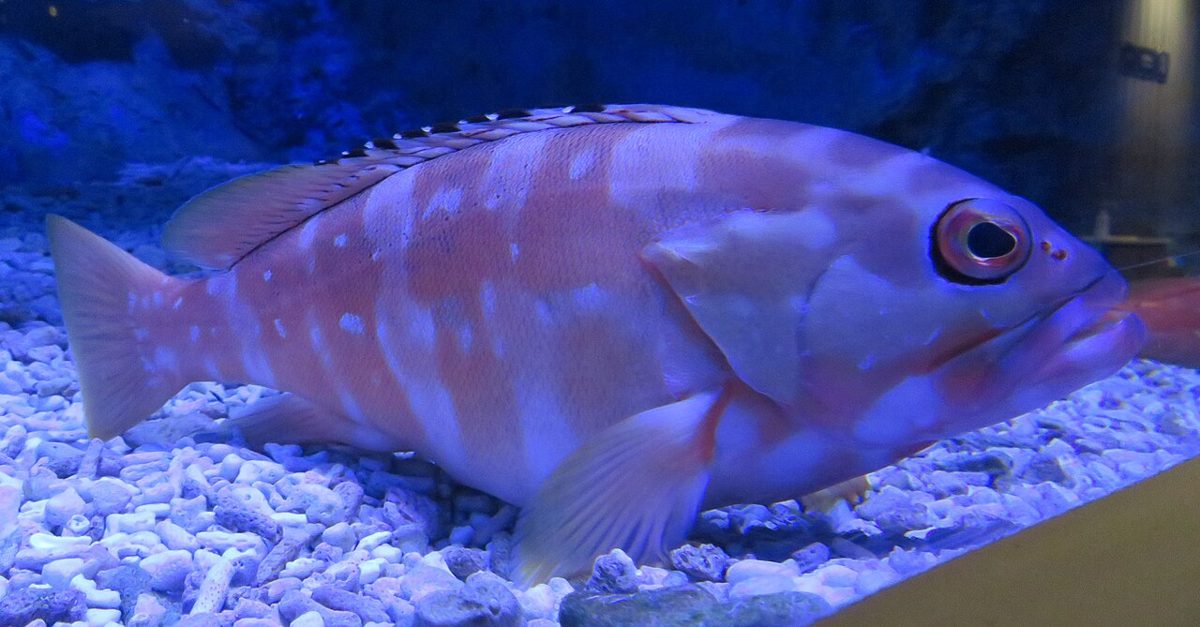
Skytree Town is built for weather like this. The Oshiage and Tokyo Skytree stations feed straight into the complex, so you can spend a whole day inside without an umbrella. The Sumida Aquarium on floors 5–6 is the anchor: a beautifully designed, low-lit space with a huge open-pool tank of penguins and fur seals, a wall of moon jellyfish that drifts in slow motion, and a recreated Tokyo-islands coral environment. Adults are ¥2,700, kids from ¥900; it runs 10:00–20:00 on weekdays and 9:00–21:00 on weekends, with last entry an hour before close.
When you’re done, the Solamachi mall wrapped around the tower has hundreds of shops and restaurants, a postal museum, and an aquarium-adjacent planetarium. And here’s the rainy-day trick most visitors miss: a low cloud ceiling can make the Skytree observation decks oddly magical. On a clear day you see the whole Kanto plain; in rain you ride up through the clouds and pop out into a glowing grey nothing, with the city dissolving below. Tickets to the 350m deck start around ¥2,100 booked online. It’s a gamble — sometimes you’re just inside a cloud — but it’s a memorable one.
Digital Art: teamLab Planets and the Immersive Boom
If there’s one thing to do in Tokyo when it rains, it might be this. teamLab Planets in Toyosu is a barefoot, body-in-the-art experience: you wade knee-deep through warm water lit with projected koi, lie under an infinite canopy of LED lights, and walk through a mirrored room of hanging orchids. It’s right next to Shin-Toyosu Station on the Yurikamome line, runs 9:00–22:00, and costs roughly ¥3,800 — and you absolutely must book a timed slot in advance, because walk-up tickets sell out days ahead in peak season. A 2025 expansion added new rooms, so budget 90 minutes to two hours.
Two practical notes from experience: you’ll be barefoot and partly in water, so wear shorts or roll up trousers (the venue lends wraps), and the mirrored floors mean skirts aren’t ideal. If Planets is sold out, its sister venue teamLab Borderless at Azabudai Hills is fully indoors and dry, a maze of rooms where the art literally moves between spaces. Our dedicated teamLab Tokyo guide breaks down which of the two suits you and exactly how to grab tickets.
For something quieter and more cinematic, the Ghibli Museum in Mitaka is the dream rainy-day ticket — but it is not a walk-up. Tickets are released on the 10th of the month for the following month and sell out within minutes, so it only works if you planned ahead. If you did, our Ghibli Museum guide covers the booking scramble and what to expect inside.
Underground Cities: Eat and Shop Without Seeing the Sky
This is Tokyo’s secret weapon against rain. Several major stations sit atop entire subterranean towns, and you can spend hours in them dry, warm, and very well fed.
Tokyo Station
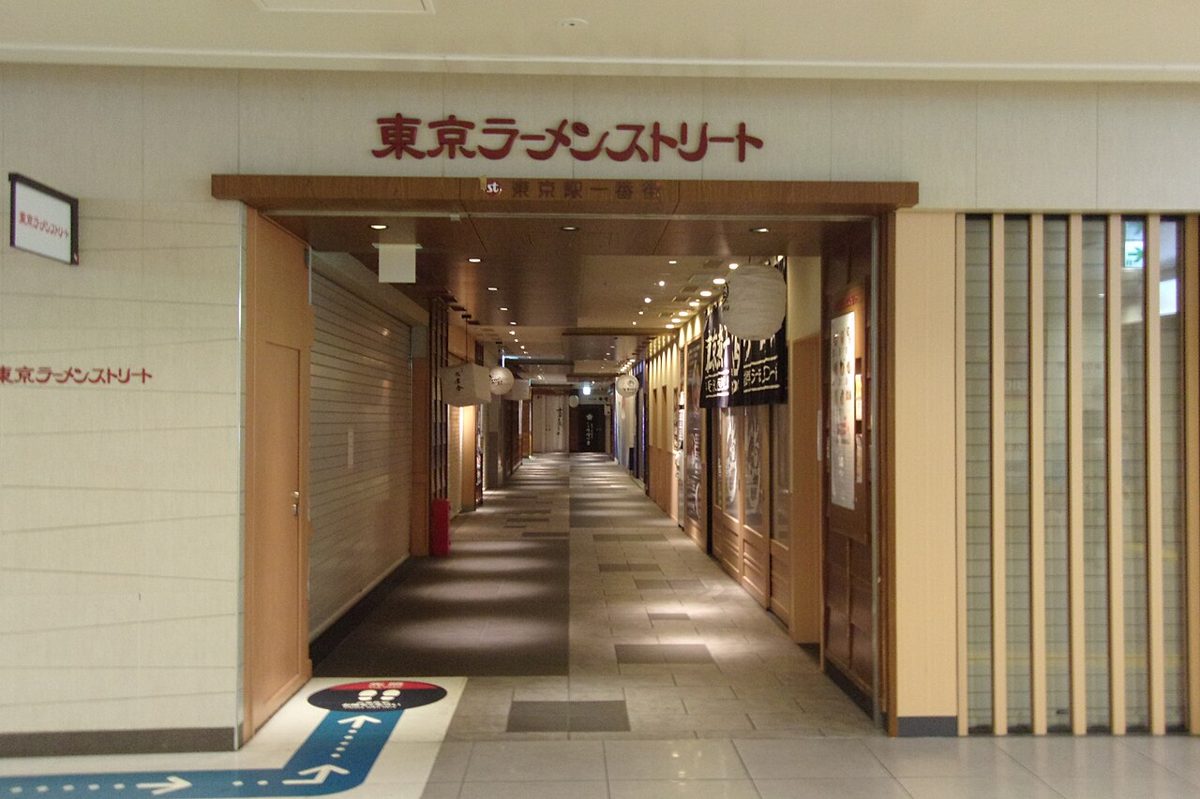
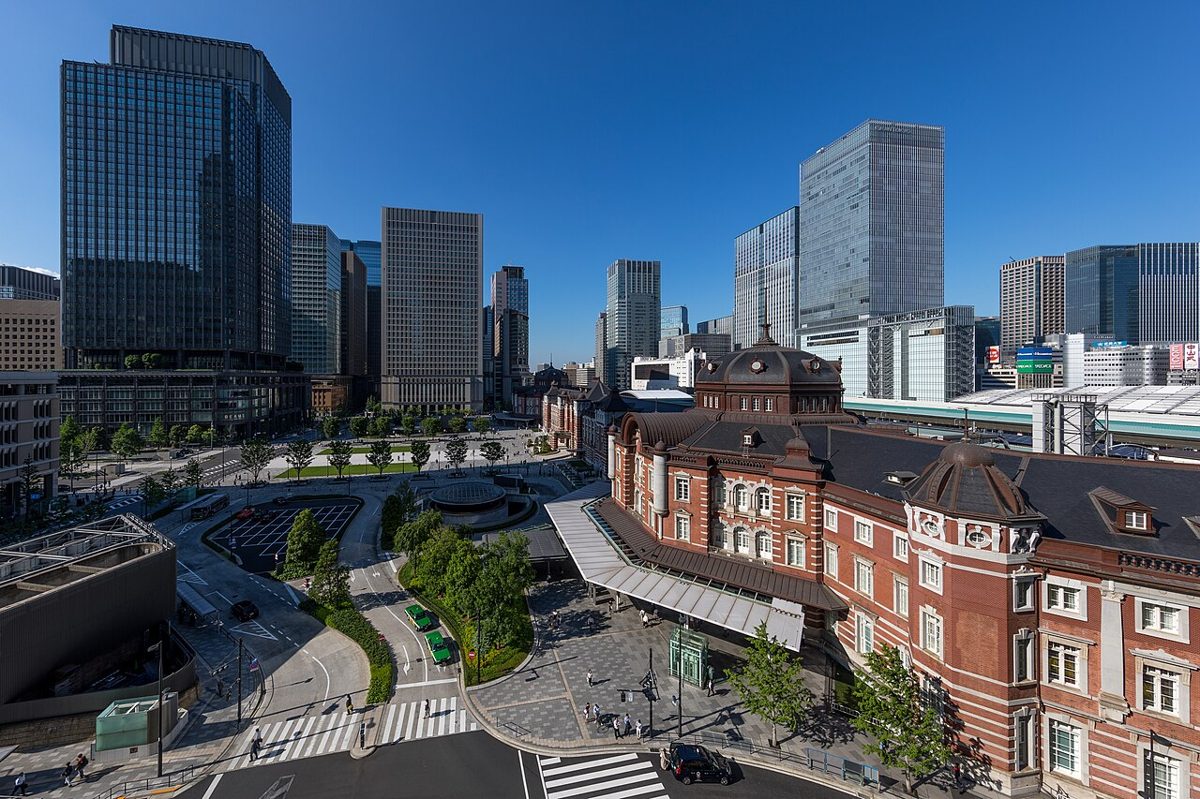
The Marunouchi side of Tokyo Station is a 1914 red-brick landmark above ground and a small city below it. Head for Tokyo Ramen Street, where eight celebrated ramen shops sit side by side (expect to queue 15–20 minutes and pay around ¥1,000 a bowl), then Tokyo Character Street for Pokémon, Studio Ghibli, and Rilakkuma official stores, and the izakaya-lined Kitchen Street and Black Fence Alley for a proper sit-down meal. You can arrive, eat lunch, shop for souvenirs, and have dinner without once stepping outside.
Depachika: the food-hall basements
Every big department store hides a depachika — a basement food hall — in its lowest level, and they are a spectacle in their own right. The best of the lot is Isetan Shinjuku (B1 of the Main Building, with direct underground access from Shinjuku-sanchome): glistening wagyu, jewel-box wagashi sweets, perfect tempura, French patisserie, sake and wine counters, and a rotating Kitchen Stage where guest chefs cook. Browsing is free, samples are common, and you can assemble a picnic-grade dinner to take back to your hotel. Other standouts are Takashimaya in Nihonbashi and the Tokyu Food Show beneath Shibuya Station.
Underground Shinjuku and Shibuya deserve special mention: the passageways below both stations stretch for what feels like forever, connecting department stores, restaurants, and — in Shinjuku — reaching all the way toward the Metropolitan Government Building. If you love to shop, pair this with our guide to the best shopping districts for where to actually spend your yen.
Covered Shopping Streets: Old Tokyo Without the Soaking
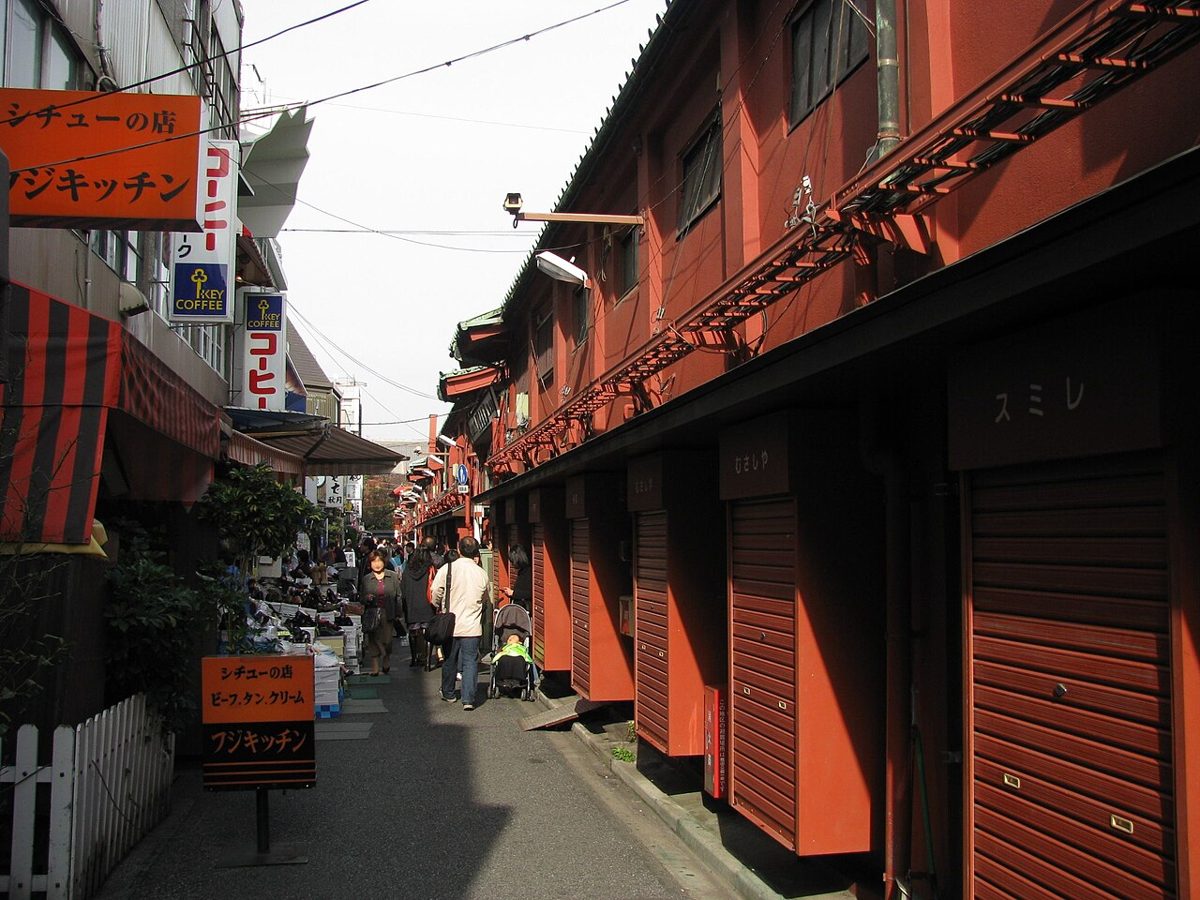
Tokyo’s traditional shopping streets — shotengai — are often roofed, which makes them ideal when light rain rules out the open lanes. Nakamise-dori, the approach to Senso-ji in Asakusa, has a covered stretch lined with stalls selling fresh ningyo-yaki cakes, senbei crackers, and folding fans; you stay mostly dry while still getting the old-Tokyo atmosphere (the final approach to the temple gate is exposed, so time your dash).
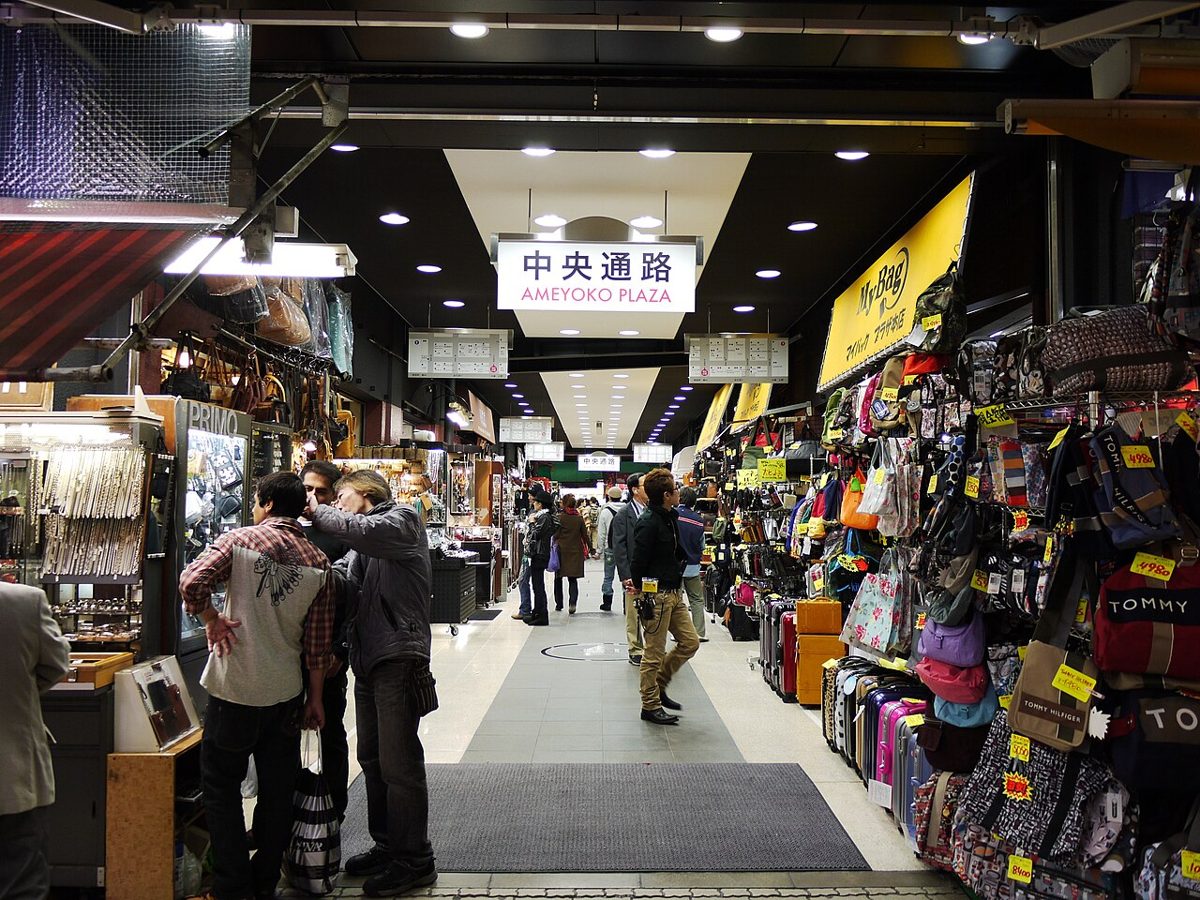
Over in Ueno, the Ameyoko market sprawls under and alongside the elevated JR tracks — a loud, cheap, brilliant tangle of dried-seafood stalls, fruit vendors, sneaker shops, and stand-up seafood bars. Much of it is sheltered by the railway above, so it shrugs off a shower. For pure indoor browsing, head to Nakano Broadway, a four-floor warren of anime, manga, vintage toys, and used watches, or Daikanyama T-Site (Tsutaya Books), three linked buildings of books, magazines, and a café where losing two hours is the point.
Hot Springs and Spas: The Best Way to Spend a Wet Afternoon
Nothing beats sinking into a hot bath while rain hammers the windows. Tokyo has several large onsen and spa complexes where you can soak, sauna, nap in a recliner, and eat — easily a half-day on its own.
Thermae-Yu, Shinjuku
A few minutes’ walk from Shinjuku Station on the edge of Kabukicho, Thermae-Yu pumps in genuine hot-spring water trucked from Nakaizu. It’s open 24 hours; admission is ¥2,364 on weekdays and ¥2,688 on weekends and holidays, including a towel and loungewear. There’s a carbonated bath, a high-concentration jet bath, multiple saunas, and a relaxation lounge. Crucially for many visitors, it’s tattoo-friendly within limits — cover small tattoos with the 14.5×10cm seals sold on-site for ¥300 (two per person).
Spa LaQua and Toyosu Manyo Club
At Tokyo Dome City, Spa LaQua is a polished 22-hour hot-spring complex with natural spring baths, low-temperature saunas, bedrock baths, and beauty treatments; you check in, change into supplied loungewear, and drift between bathing and dining all day. Out east, the Toyosu Manyo Club inside the Senkyaku Banrai complex is one of Tokyo’s biggest, with indoor and outdoor baths and bay views (from around ¥2,200). One rule worth knowing before you go: at traditional baths you wash thoroughly at the seated showers before entering the communal water, and you keep the small towel out of the bath. Get that right and you’ll fit in fine.
Themed Cafés, Arcades, and Rainy-Day Curveballs
When you just want to be somewhere warm and fun for a couple of hours, Tokyo overdelivers — and if you’d rather come away with a skill, a two-hour sushi or ramen class fills a wet afternoon nicely.
- Themed cafés: Aoyama Flower Market Tea House surrounds you with blooms; the Pokémon Cafe and various Sanrio cafés need reservations, but the Snoopy-themed Peanuts Cafe at the Snoopy Museum and many character cafés take walk-ins. A pour-over at one of Tokyo’s design cafés is a fine way to wait out a squall.
- Arcades: Akihabara is the heartland — GiGO and HEY are floors of claw machines, rhythm games, and retro cabinets at Super Potato. Round1 branches and Red° Tokyo Tower add VR and bowling.
- Indoor theme parks: Joypolis in Odaiba packs Sega VR rides across three floors; Sanrio Puroland (about 30 minutes from Shinjuku in Tama) is an all-indoor Hello Kitty world; the Warner Bros. Studio Tour Tokyo (Harry Potter) is a half-day, mostly indoors, booked ahead.
- Karaoke and cinema: Private karaoke rooms (Big Echo, Karaoke Kan) are cheap by the hour and gloriously dry; cinemas like Toho Shinjuku show films in English with Japanese subtitles for around ¥1,800–¥2,000.
- Kabuki, the easy way: at the Kabukiza in Ginza you can buy a single-act hitomaku-mi ticket for ¥1,000–¥2,000 and watch 45–60 minutes of traditional theatre without committing to a full show. The Higashi-Ginza subway exit opens right into the building.
Three Ready-Made Rainy Day Plans
Pick the one that matches your mood and base. Each keeps train-hopping to a minimum and ends somewhere warm.
Plan A — Art & Soak (Toyosu + Shinjuku)
- Morning: pre-booked teamLab Planets slot in Toyosu (90 min–2 hr).
- Lunch: ramen or sushi inside the connected Toyosu complex / Senkyaku Banrai.
- Afternoon: train to Shinjuku; graze the Isetan depachika and underground arcades.
- Evening: unwind at Thermae-Yu until the trains are quiet, dinner in the relaxation lounge.
Plan B — Culture Crawl (Ueno + Ginza)
- Morning: Tokyo National Museum Honkan, then a second Ueno museum.
- Lunch: Ameyoko stand-up seafood or a covered-arcade café.
- Afternoon: train to Ginza; browse the depachika at Mitsukoshi and the floors of Itoya stationery.
- Evening: a single act of kabuki at the Kabukiza, then dinner in the theatre basement.
Plan C — Family Day (Skytree + Odaiba)
- Morning: Sumida Aquarium and Solamachi at Skytree Town.
- Lunch: food court inside Solamachi.
- Afternoon: train to Odaiba; Joypolis VR rides or the indoor activities at DiverCity.
- Evening: dinner in a mall food hall; if the sky clears, Odaiba’s covered mall decks keep you dry either way.
Need to fit a rainy day into a packed schedule? Our Tokyo weekend itinerary shows how to swap one of these plans in without wrecking the rest of your trip.
Gear and Staying Dry on Tokyo’s Trains
The conbini umbrella ritual
Forget to pack an umbrella? You’re fine. The moment rain starts, every 7-Eleven, FamilyMart, and Lawson rolls a rack of clear vinyl umbrellas to the front door for about ¥400–¥800. They’re flimsy but they work, and they’re so ubiquitous that the see-through konbini umbrella is practically Tokyo’s civic symbol on a wet day. For something sturdier, a windproof folding umbrella from Tokyu Hands or a Muji shop runs ¥1,500–¥3,000 and survives typhoon gusts that turn the cheap ones inside out.
Umbrella etiquette and the little stuff
- Most shops, museums, and restaurants have an umbrella stand or a locking umbrella rack at the entrance — use it; dripping inside is frowned upon.
- Some places hand you a thin plastic umbrella sleeve at the door, or have an automatic bag-it machine. Sleeve your umbrella before you browse.
- Pack a small microfiber towel and a zip-lock bag for your phone — useful on crowded platforms.
- Waterproof your shoes or wear ones you don’t mind soaking; Tokyo crossings pool fast in heavy rain.
Move between sights underground
The single best rain hack is the subway map itself. Use the Toei and Tokyo Metro underground passages to change neighborhoods without surfacing: Otemachi, Tokyo, Ginza, Shinjuku, and Ikebukuro stations all connect to vast networks of covered corridors and basement malls. Buy a Suica or Pasmo IC card (or use your phone) so you’re not fumbling for change at a wet ticket machine, and aim your transfers through the big interchange stations where the walk is entirely indoors.
Mistakes to Avoid on a Rainy Day in Tokyo
- Trying to do Ghibli or teamLab on a whim. Both need advance tickets; a rainy morning is too late. Book the moment you know your dates.
- Planning around a Monday. Many museums, including the Tokyo National Museum, close on Mondays (or the following day after a holiday Monday). Check before you commit.
- Spreading yourself across the city. Five short hops in the rain is miserable. Pick one or two districts and go deep.
- Forgetting taxis vanish in storms. During heavy rain and typhoons, taxis get scarce and surge; the trains keep running, so default to rail.
- Underdressing in June. Rainy-season Tokyo is warm and extremely humid — a breathable rain jacket beats a heavy one, and you’ll want a towel for the sweat as much as the rain.
- Skipping the depachika. Visitors walk past the single most atmospheric free indoor experience in the city. Go downstairs.
The month you are most likely to need this page is October, which quietly delivers around 200 mm of rain across ten or so days plus the tail of typhoon season. Our guide to Tokyo in October sets out how to build an itinerary that survives a washout without wasting the clear days either side.
The most underrated wet-afternoon option costs about ¥600 and has no queue: an old kissaten, where the deal has always been that a single cup of coffee buys you a seat for as long as you want it. Jimbocho, Shinjuku and Yanaka have the best survivors — see our Tokyo kissaten guide for which ones and what to order.
Frequently Asked Questions
What is the best thing to do in Tokyo when it rains?
For most visitors, the standout rainy-day activity is immersive digital art at teamLab Planets or Borderless — it’s indoors, unforgettable, and arguably better than any outdoor sight. Close runners-up are a long soak at an onsen like Thermae-Yu and a museum afternoon in Ueno. Whatever you choose, book timed-entry venues in advance.
Does it rain a lot in Tokyo, and when is the rainy season?
Tokyo sees rain on around 110 days a year. The official rainy season, tsuyu, runs from roughly early June to late July, but the wettest months by volume are actually September and October because of typhoons. Spring and autumn also bring the odd sudden shower, so it’s smart to have a wet-weather plan ready year-round.
Can you get around Tokyo without going outside in the rain?
Largely, yes. Major hubs like Tokyo, Otemachi, Shinjuku, Shibuya, and Ikebukuro connect to extensive underground malls and passages, and big attractions such as Skytree Town and most department stores link directly to their stations. With a Suica card and a bit of route planning through interchange stations, you can shop, eat, and sightsee for hours barely touching the rain.
Are Tokyo onsen open to people with tattoos?
Many traditional onsen still refuse tattoos, but several big-city facilities are flexible. Thermae-Yu in Shinjuku, for example, admits guests with small tattoos as long as they’re covered with the 14.5×10cm seals sold on-site for ¥300 (two per person). Larger tattoos may need a private bath or a fully tattoo-friendly venue, so check each facility’s policy in advance.
How much does a rainy day in Tokyo cost?
It scales to your taste. A budget day of free depachika browsing, an Ameyoko lunch, and a ¥620 museum can run under ¥3,000. A mid-range day with teamLab Planets (¥3,800), lunch, and an onsen (¥2,400) lands around ¥8,000–¥10,000 per person before dinner. Buying a Grutto Pass or booking attraction tickets online ahead of time usually saves money.
Make the Rain Part of the Trip
A wet day in Tokyo isn’t a write-off — it’s an excuse to do the things the sunshine crowd skips. Soak in a hot spring while the city blurs outside, wander a food-hall basement that feels like an edible art gallery, or stand inside a cloud at the top of the Skytree. Save the gardens and temples for a clear sky, lean into the indoor city today, and you’ll come away with a better story than a perfect-weather visitor. For the bigger picture and more day-by-day plans, head back to our itinerary hub for Tokyo.
Photo Credits
- Wading through light at teamLab Planets, Toyosu — Photo: Maarten Heerlien from Voorschoten, The Netherlands / CC BY 2.0 via Wikimedia Commons
- Tokyo Station’s Marunouchi side — Photo: Basile Morin / CC BY-SA 4.0 via Wikimedia Commons
- Sumida Aquarium inside Tokyo Skytree Town — Photo: Totti / CC BY-SA 4.0 via Wikimedia Commons
- Nakamise-dori, Asakusa — Photo: Aimaimyi / CC BY-SA 3.0 via Wikimedia Commons
- Tokyo Ramen Street beneath Tokyo Station — Photo: 電車(新幹線)でゴー! / CC BY-SA 4.0 via Wikimedia Commons
- Ameyoko market near Ueno Station — Photo: Yoshikazu TAKADA from Tokyo, Japan / CC BY 2.0 via Wikimedia Commons