Tokyo Nightlife · Guide №131
Best Rooftop Bars in Tokyo: Skyline Views & Cocktails
The best rooftop bars in Tokyo for skyline views and cocktails — from the Park Hyatt's New York Bar to Andaz, Shibuya Sky and Bellovisto, with real prices and tips.
目次 — Contents
- The five kinds of Tokyo rooftop bar
- The standout rooftop and high-floor bars
- Tokyo rooftop bars compared
- Cheaper alternatives that still deliver a view
- Which view are you actually buying? Tower vs Skytree vs Fuji
- When to go: season, time of day, and weather
- Booking, dress code and etiquette
- Tokyo’s rooftop beer gardens (summer only)
- How to pick the right rooftop bar for your night
- Frequently Asked Questions
- Photo Credits
This article contains advertising. Our booking links are routed through a partner that adds commission tracking automatically, so if you book through one we earn a commission from the provider, at no extra cost to you. It never affects what we recommend. Affiliate disclosure
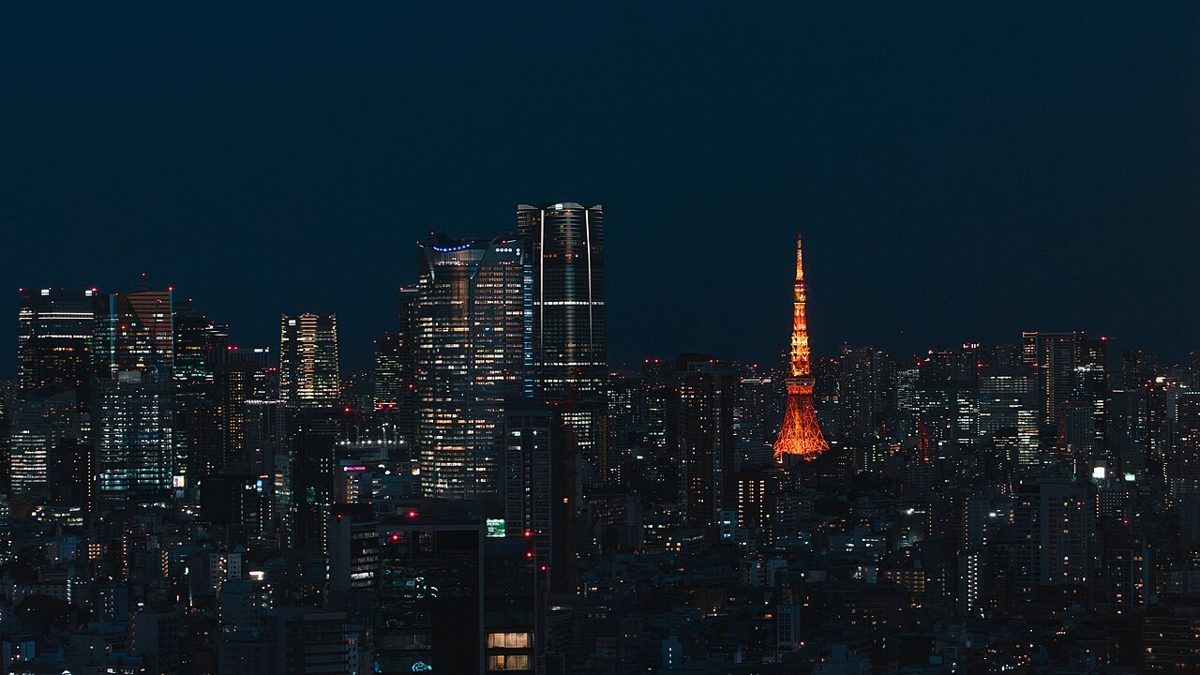
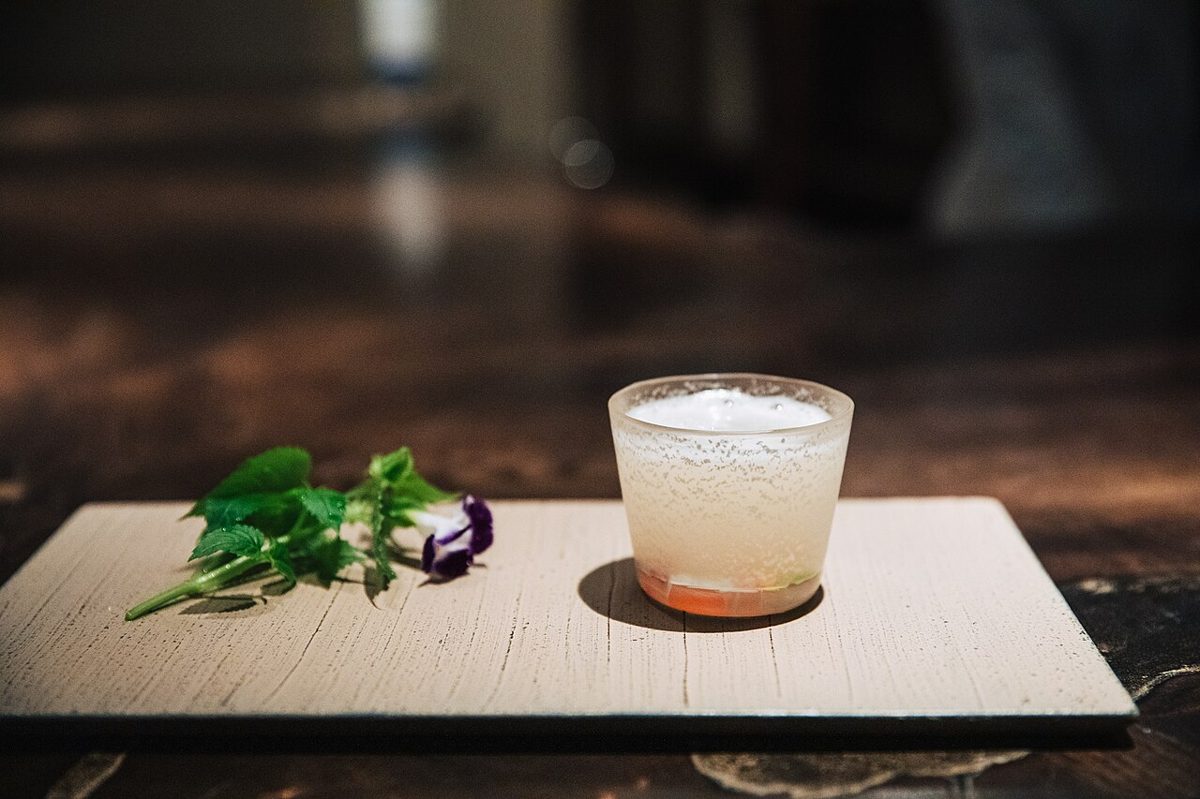
The best rooftop bars in Tokyo trade on one thing the city has in unfair abundance: the view. From the 52nd-floor New York Bar at the Park Hyatt to the open-air deck at Shibuya Sky, a great Tokyo sky bar puts Tokyo Tower, the Skytree, the endless grid of lights and — on a clear winter evening — Mount Fuji at the bottom of your cocktail glass. Expect to pay for the altitude: ¥2,000–¥3,500 a drink, sometimes a cover charge, almost always a dress code.
Here is the honest version, from someone who has nursed a lot of expensive highballs at these places. Tokyo does not have the wall-to-wall rooftop culture of Bangkok or Singapore — earthquake-resistant building codes and a cautious approach to outdoor terraces mean the good ones are rarer, and the gap between exceptional and mediocre is wide. This guide is only the rooftop bars where the height genuinely earns its keep: named venues, real prices, dress codes, when to book, and which view you are actually buying. It pairs naturally with our wider Tokyo bar and nightlife guide.
The five kinds of Tokyo rooftop bar
Before the venues, a quick framework — because “rooftop bar” in Tokyo covers wildly different experiences, and knowing which tier you want saves you money and disappointment.
- Hotel sky bars (30F+): the highest, most polished and most expensive. Date-night and special-occasion territory — think Park Hyatt, Andaz, Conrad. Cocktails ¥2,000–¥3,500, dress codes, sometimes cover charges.
- Observation decks with a bar: purpose-built viewing platforms that added real bar service — Shibuya Sky, Mori Tower Sky Deck. You pay an admission fee (around ¥2,000) instead of a per-drink minimum, and you get the highest open-air views in the city.
- Mid-rise building terraces (6–20F): the sweet spot of view and accessibility. Standalone bars or restaurant rooftops like Two Rooms or CÉ LA VI — often walk-in, often gorgeous.
- Department-store rooftops: Tokyo’s hyakkaten often have rooftop garden-bars that blur into beer gardens. Less dramatic, more neighbourhood, often cheaper.
- Seasonal beer gardens: summer-only rooftops (roughly May–September) on hotels and department stores, all-you-can-drink-and-eat plans, casual and fun.
The standout rooftop and high-floor bars
These are the venues I send people to, grouped roughly from highest-end to most accessible. Each one earns its place for a specific reason — not just “it is high up.”
New York Bar — Park Hyatt Tokyo (52F, Shinjuku)
The famous one, and still the benchmark. On the 52nd floor of the Park Hyatt in Nishi-Shinjuku, the New York Bar is the bar from Lost in Translation, and it earns the reference: floor-to-ceiling windows over the west-Shinjuku skyscrapers, Mount Fuji on clear days, nightly live jazz from 6:30 p.m., and murals inspired by Carnegie Hall. It is open daily 5 p.m. to midnight. Reservations are not accepted, there is a ¥3,300 cover charge per person (tax included), and you must be 20 or older with ID. Cocktails run roughly ¥2,000–¥3,500 — try the signature LIT cocktail, a nod to the film. Dress code: no shorts, beach sandals, sportswear, tank tops or sleeveless tops. The trick to dodging a long wait is to arrive right at 5 p.m. before the jazz crowd. Worth doing once even if the bill stings.
Rooftop Bar — Andaz Tokyo (52F, Toranomon)
My pick for the best pure rooftop experience in central Tokyo. On the 52nd floor of Andaz Tokyo in Toranomon Hills, the aptly named Rooftop Bar is a sophisticated, semi-open-air terrace with sweeping views over the skyline and Tokyo Bay, and a clear line to Tokyo Tower. The cocktails lean Japanese — built around seasonal fruit, with a deep sake and champagne list — and run about ¥2,000–¥3,000. Dress code is smart casual. There is no seating charge for outside guests between 17:00 and 20:00; after 20:00 (March to December) a ¥2,200 per-person terrace seating charge applies. Reservations are taken for outdoor seating and worth making for a sunset table. If you only do one elevated bar in Tokyo, I would point you here over the Park Hyatt for the open-air terrace alone. It sits a short walk from the bars and clubs of Roppongi.
Shibuya Sky — Scramble Square (229m roof, Shibuya)
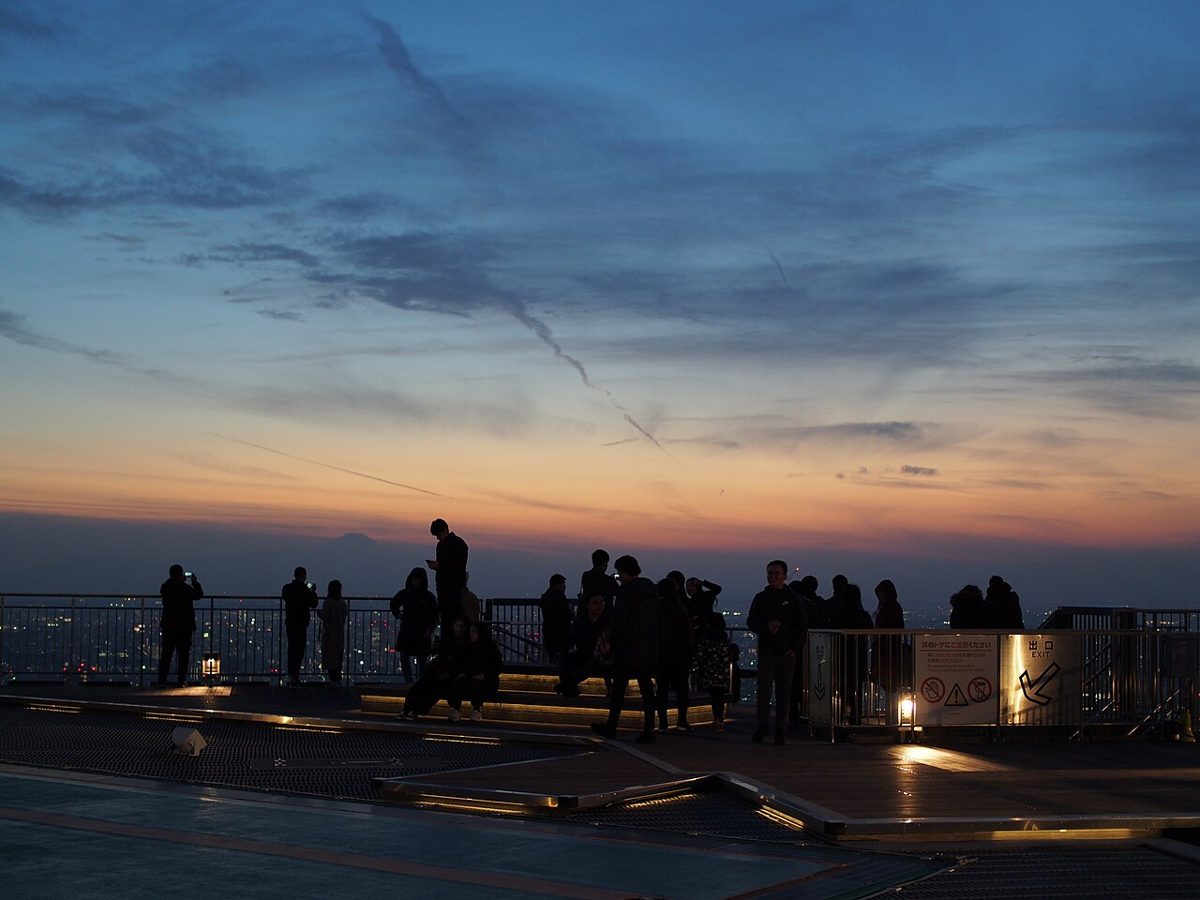
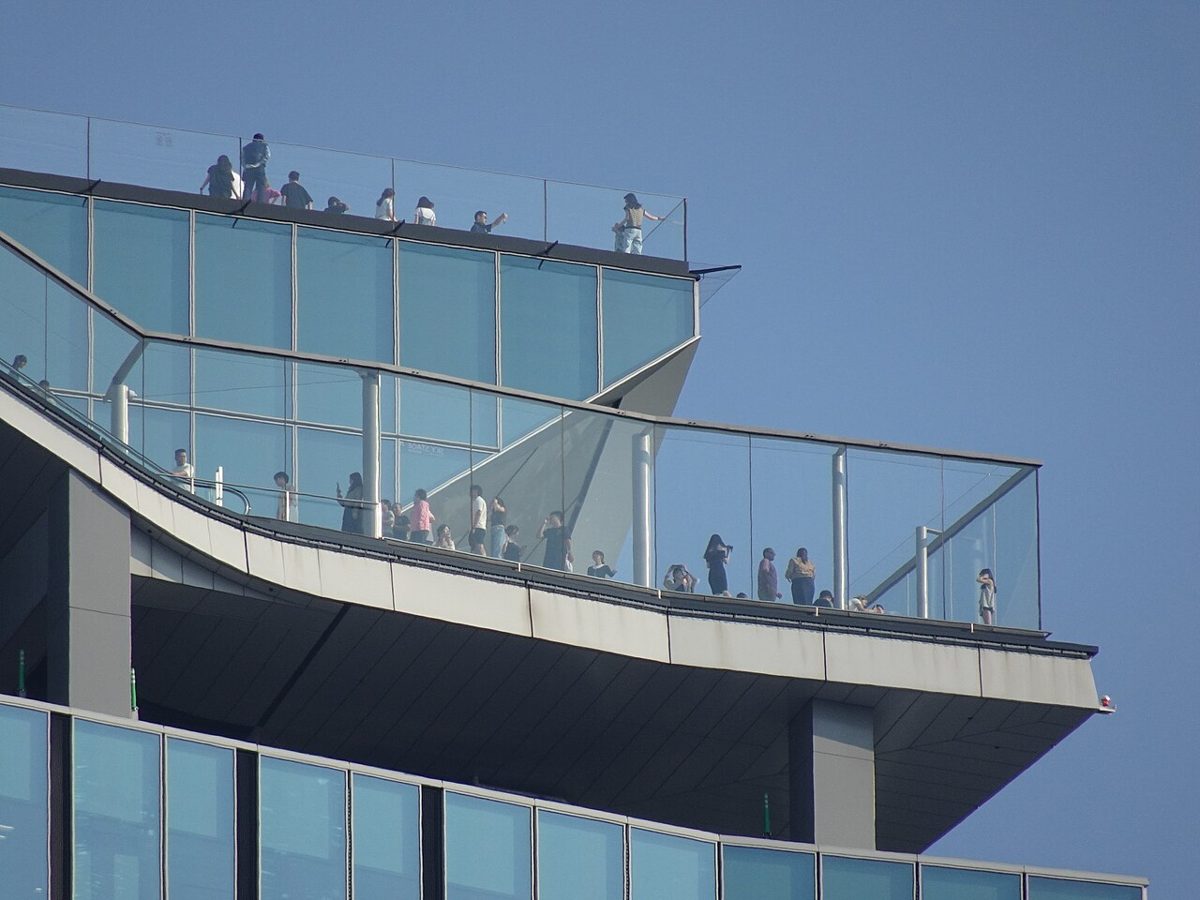
Not a bar in the traditional sense, but the highest open-air view in Shibuya and one of the best in Tokyo. Shibuya Sky caps the Scramble Square tower at 229 metres with a fully open rooftop deck and a 360-degree panorama from Tokyo Tower to Shinjuku and, on clear days, Mount Fuji. There is a small bar up top with a limited menu, and the admission ticket (around ¥2,000, cheaper booked online in advance) covers access. Go at dusk — arriving 30–45 minutes before sunset gets you the gradient sky and then the city lights switching on. It can be windy and busy; book a timed slot and you are fine.
Sky Deck — Roppongi Hills Mori Tower (238m, 54F, Roppongi)
The best view in the city, full stop. The Sky Deck on the roof of Mori Tower is a genuine open-air deck at 238 metres — higher than the indoor observation floor below it — with an unobstructed 360-degree sweep that takes in Tokyo Tower glowing in the foreground. There is bar service, so you can stand at the railing with a real drink. Admission is around ¥2,000 (combined with the museum and indoor deck), open until about 11 p.m. with last entry at 10:30 p.m. If you are in Roppongi and want altitude over atmosphere, this is the one.
Two Rooms Grill | Bar (5F, Aoyama)
Proof that you do not need 50 floors. Two Rooms, in the Aoyama fashion district near Omotesando, sits only five storeys up, but the stylish open-air terrace feels far higher and frames a genuinely panoramic slice of the skyline. It is a polished grill and bar with crafted signature cocktails, an impressive wine list and tasty bar bites. Time it for sunset and it is one of the loveliest early-evening drinks in the city. Reservations are strongly recommended, especially for a terrace table at golden hour, and the crowd is smart and design-conscious — dress accordingly.
CÉ LA VI Tokyo (17–18F, Shibuya)
The closest Tokyo gets to a Singapore-style rooftop party venue. CÉ LA VI spreads across the 17th and 18th floors atop the Shibuya Fukuras building, mixing a vibrant club lounge, a contemporary-Asian restaurant and open-air spots, all wrapped in a spectacular Shibuya view. It is louder and more social than the hotel sky bars — good for a group that wants the view and a scene. Drinks are upmarket; reserve for dinner or a sky-bar table, particularly on weekends.
Tokyo EDITION Toranomon — The Jade Room + Garden Terrace (31F)
Sleek, precise and seasonal. On the 31st floor of the Tokyo EDITION in Toranomon, the Garden Terrace is a lush open-air summer escape (the indoor Jade Room runs year-round), with a Tokyo Tower sightline and cocktails made with the kind of exactitude Marriott’s luxury tier does well. It is expensive and very on-trend; book ahead and expect smart-casual-plus.
Twentyeight Bar — Conrad Tokyo (28F, Shiodome)
For a calmer, bay-facing alternative to the Shinjuku and Roppongi intensity, the Conrad’s Twentyeight Bar on the 28th floor looks out over Tokyo Bay and the Hamarikyu Gardens. The bay at night is quieter and softer than the city-centre skylines — ideal if neon overload is not your thing. Drinks are hotel-bar priced; the setting justifies it on the right evening.
Bellovisto — Cerulean Tower Tokyu Hotel (40F, Shibuya)
A slightly old-school, romantic high-floor bar that long-time residents love. Bellovisto (“beautiful view”) sits on the 40th floor of the Cerulean Tower above Shibuya Station, with views toward Shinjuku, the Meiji Jingu greenery, Tokyo Tower and Mount Fuji from dusk into the night, plus live piano every evening. It is gentler on the wallet than the marquee hotel bars — cocktails from around ¥1,300, a bottle of Sapporo from about ¥1,200 — and the “Symphonie” two-person window seats are made for a date. Call ahead to lock in a window table.
Tokyo rooftop bars compared
A side-by-side to help you match a venue to your night — by area, height, vibe, what you will pay, and the signature view.
| Venue | Area | Floor | Vibe | Price band | Signature view |
|---|---|---|---|---|---|
| New York Bar (Park Hyatt) | Shinjuku | 52F | Iconic, live jazz | ¥¥¥¥ (+¥3,300 cover) | Shinjuku towers, Mt Fuji |
| Rooftop Bar (Andaz) | Toranomon | 52F | Open-air, refined | ¥¥¥¥ (seat charge after 8pm) | Tokyo Tower & Tokyo Bay |
| Shibuya Sky | Shibuya | 229m roof | Observation deck + bar | ¥¥ (~¥2,000 entry) | 360°: Tower to Fuji |
| Mori Tower Sky Deck | Roppongi | 238m / 54F | Highest open-air | ¥¥ (~¥2,000 entry) | 360°, Tokyo Tower close-up |
| Two Rooms | Aoyama | 5F | Stylish sunset terrace | ¥¥¥ | Aoyama/Shinjuku skyline |
| CÉ LA VI | Shibuya | 17–18F | Party / social | ¥¥¥ | Shibuya panorama |
| Twentyeight Bar (Conrad) | Shiodome | 28F | Calm, bay-facing | ¥¥¥ | Tokyo Bay & Hamarikyu |
| Bellovisto (Cerulean Tower) | Shibuya | 40F | Romantic, live piano | ¥¥¥ | Shinjuku, Tower, Fuji |
Cheaper alternatives that still deliver a view
If hotel-bar pricing is a deterrent, Tokyo has good lower-cost options where you trade a little altitude or polish for a much friendlier bill:
- Top of Shinjuku, Keio Plaza Hotel (47F): a materially cheaper stand-in for the Park Hyatt with a comparable Shinjuku-skyline view and competent cocktails.
- ROOF GARDEN, Tokyu Plaza Ginza: a genuinely good department-store rooftop with decent cocktails and a Ginza view, walk-in and moderately priced.
- ROOF at Shibuya Stream: reasonable prices, a properly laid-out outdoor space, and usually no reservation needed — adequate view, no fuss.
- Roof Dogs, Aloft Tokyo Ginza (17F): a fun, American-style terrace with a retro food truck, hot dogs and sparkling wine at decent prices — great for casual sundowners.
- Department-store beer gardens (summer): all-you-can-drink-and-eat rooftop plans, often ¥3,000–¥5,000 for a couple of hours including food.
Which view are you actually buying? Tower vs Skytree vs Fuji
The “best” rooftop depends on which landmark you want in frame — and they are in different directions, so no single bar gives you all of them.
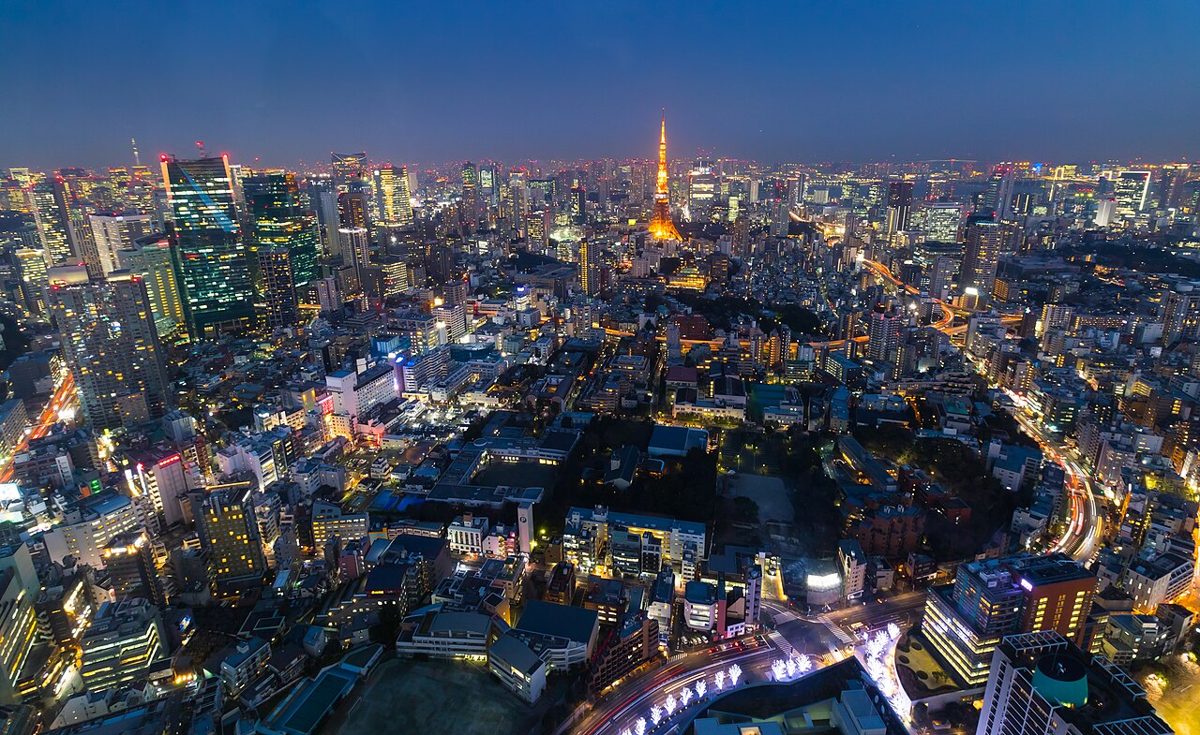
- Tokyo Tower: the orange lattice tower photographs best from central and southern vantage points — Toranomon (Andaz, Tokyo EDITION) and Roppongi (Mori Sky Deck) put it front and centre.
- Tokyo Skytree: the tallest structure, out east. For the Skytree lit at night you want eastern Tokyo — the rooftop at The Gate Hotel Asakusa Kaminarimon has arguably the best Skytree sightline of any bar.
- Mount Fuji: only on clear days, best in the cold, dry months from December to February, and only looking west. West-facing Shinjuku bars — the Park Hyatt and Keio Plaza — and Bellovisto in Shibuya give you the silhouette at dusk.
- The 360° everything: for all directions at once, only the open-air observation decks deliver — Shibuya Sky and Mori Tower Sky Deck.
When to go: season, time of day, and weather
Outdoor rooftops in Tokyo live and die by the weather, so timing matters more here than at a basement bar.
Best seasons are late April to early June and mid-September to November — comfortable temperatures and clearer skies. July and August are viable but hot and sticky; winter is cold enough that many terraces close their outdoor sections or set up heated tents, though winter also brings the clearest Mount Fuji days. Best time of day is the sunset-to-dark transition, roughly 6–8 p.m. depending on season: arrive 30–45 minutes before sunset to catch the gradient light and then the lights coming on. Weekdays (Tuesday to Thursday) are far calmer than weekends, when the hotel bars and observation decks fill fast. And always check the forecast — a fully overcast night erases the view entirely, while partly cloudy can actually make the city lights more dramatic.
Booking, dress code and etiquette
- Reservations: The New York Bar does not take them (arrive early), but most other hotel sky bars do and you should book for weekends and cherry-blossom season. Observation decks (Shibuya Sky, Mori Tower) need a timed ticket bought online. Department-store and mid-rise terraces are usually walk-in.
- Dress code: Hotel sky bars expect smart casual at minimum — no shorts, vests, beach sandals or sportswear, and the Park Hyatt explicitly bans sports shoes. A collared shirt or a nice top is a safe bet. Casual rooftops and beer gardens have no rules.
- Cover and seating charges: Read the fine print. The New York Bar adds ¥3,300 per person; the Andaz terrace adds ¥2,200 after 8 p.m. for non-hotel guests. These are normal and worth knowing before the bill lands.
- Age: hotel bars are strictly 20-plus with ID — Japan’s drinking age. Bring your passport.
- Photography: personal photos are fine almost everywhere; some hotel bars quietly discourage tripods or professional cameras. Ask if unsure, and never block the window for other guests.
A rooftop is the natural opener or finale to a Tokyo evening. Start high with a sunset cocktail, then drop down to street level — the alley izakaya in our Tokyo bar hopping guide, or the late-night floors in our Tokyo nightclubs guide — for the rest of the night.
Tokyo’s rooftop beer gardens (summer only)
From roughly mid-May to the end of September, Tokyo grows a second tier of open-air drinking that disappears the rest of the year: the seasonal beer garden. These are not bars in the year-round sense — they are pop-ups on department-store roofs and hotel terraces, set up with fairy lights, long communal tables and a grill, and they almost always run on an all-you-can-eat-and-drink format the Japanese call tabehoudai and nomihoudai. You pay one fixed price, get a fixed time window (most often two hours, sometimes 90 minutes), and order draught beer, highballs, chu-hai, wine and a shared spread of grilled food as fast as you reasonably can. If you are in town in summer, this is the cheapest way to drink outdoors with a city backdrop, and it is where Tokyo office workers actually go.
The Ginza institution is the rooftop beer garden at Matsuya Ginza (the department store at 3-6-1 Ginza, two minutes from Ginza Station), which has run every summer since 2013 and reopens around May 20 through late September. It leans into a theme each year — recent editions have gone Mexican, with self-grill BBQ towers of beef sirloin, pork and chorizo alongside tacos, guacamole and tequila-based cocktails like the Paloma. Plans are tiered: a standard two-hour free-flow package, a premium tier with a wider international beer rotation, and a splurge wagyu course. Expect roughly the ¥7,000–¥8,000 band for the standard plan, more for the premium and luxury tiers; weekends open from noon, so you can also catch the blue-sky lunch slot rather than only the evening Ginza glow.
Hotel terraces run their own versions and tend to be the more comfortable, better-styled option. The Hilton Tokyo in Nishi-Shinjuku sets up a full beach-resort rooftop on its 7th floor — tiki bar, loungers, sweeping views over Shinjuku Central Park — with two-hour seating from around ¥7,000. Kimpton Shinjuku Tokyo runs a “Grill & Chill” terrace garden off its second-floor brasserie with a chef-curated grill spread and several draught beers on free-flow, and it keeps indoor seating in reserve if the weather turns. The Strings Omotesando does a polished Tex-Mex garden across two venues near Omotesando Station, with group-friendly private rooms. Prices at the hotels generally land in the ¥7,000–¥10,000 range because the food and drink list are a clear step up from a department-store roof.
A few practical notes. Almost all of these need a reservation, usually online through TableCheck or the venue’s own page, and the popular hotel gardens sell out on Friday and Saturday nights — book a few days ahead for a weekend. They are weather-dependent and will close or move you indoors in rain or strong wind, so check the forecast and the venue’s social feed on the day. Last entry is typically 8:00–8:30 p.m. even when the garden stays open until 10 or 11, so this is an early-evening plan, not a late-night one. And read what each price includes: some quote food plus drinks together, others price the grill course and the free-flow drinks as add-ons, and the per-person figure can shift with the season.
How to pick the right rooftop bar for your night
With this many rooftop bars in Tokyo, the right answer depends less on which one is “best” and more on what kind of night you are planning. Here is how I match the venue to the occasion.
For sunset. Book a west-facing room and arrive 30 to 45 minutes before the sun drops so you get the gradient light and then the lights coming on. The Shinjuku high-floor bars — the Park Hyatt’s New York Bar and, far cheaper, Top of Shinjuku at the Keio Plaza on the 47th floor — both look west over the skyline, and on the clear, dry days of December to February you may get Mount Fuji in silhouette. A summer beer garden also works beautifully for golden hour because you are outdoors in the open air rather than behind glass.
For a late night. Go for a year-round indoor sky bar that runs past midnight rather than an open-air terrace or an observation deck, which close earlier (Shibuya Sky’s last entry is mid-evening). The hotel bars hold their atmosphere late and are the natural place to land after dinner.
For a date. You want a table you can keep, low light and a proper view — a reserved sofa with a window, or the booked sofa-seat sets at The Roof Shibuya Sky, which bundle a couple of drinks and a snack with the admission. For groups, the opposite logic applies: pick a casual terrace or a beer-garden plan with shared grills and round-table seating, like Roof Dogs at Aloft Ginza or one of the hotel beer gardens with private rooms, so nobody is straining to talk across a tiny cocktail table.
For the view you specifically want. Tokyo Tower photographs best from the central and southern rooftops around Toranomon and Roppongi; the Skytree wants an eastern vantage like Asakusa; Mount Fuji only appears on clear cold days and only looking west from Shinjuku. No single rooftop frames all three, so decide which landmark you care about and choose its direction.
On booking and the bill. Reserve for weekends and cherry-blossom season; observation decks need a timed online ticket; department-store and mid-rise terraces are usually walk-in. Hotel sky bars expect smart casual — no shorts, vests, beach sandals or sportswear, and some explicitly ban sports shoes — so a collared shirt or a nice top keeps you safe. Watch for cover and seating charges, which are normal at the higher-end rooms and can add a few thousand yen per person before you have ordered a drink.
The cheaper alternative: an observation-deck bar. If a reserved sofa or a cover charge is more than you want to spend, you can still drink at altitude for the price of a ticket. Shibuya Sky’s open-air rooftop has a standing bar where, even without a sofa reservation, you can order craft beer, champagne and snacks à la carte once you are up there on a normal admission ticket — 229 metres over the Scramble Crossing, directly above Shibuya Station. Tokyo City View on the 52nd floor of Roppongi Hills’ Mori Tower works the same way: pay the deck admission (cheaper booked online) and have a drink at the bar with the whole city laid out around you, no dress code and no minimum spend.
Frequently Asked Questions
What is the best rooftop bar in Tokyo?
For the iconic experience, the Park Hyatt’s New York Bar on the 52nd floor in Shinjuku — the Lost in Translation bar — is unbeatable, with live jazz and Mount Fuji views on clear days. For the best open-air terrace, the Andaz Tokyo Rooftop Bar in Toranomon (also 52F) wins, with Tokyo Tower and bay views. For pure altitude, Shibuya Sky’s 229m open-air deck has a small bar and a 360-degree panorama.
Are Tokyo rooftop bars expensive?
Hotel sky bars are Tokyo’s priciest drinking option: cocktails run ¥2,000–¥3,500, and some add a cover charge (¥3,300 at the New York Bar) or a terrace seating charge (¥2,200 at Andaz after 8 p.m.). Cheaper routes exist — observation-deck bars charge around ¥2,000 entry that covers access, and department-store rooftop gardens and summer beer gardens are far more affordable.
Do you need a reservation for rooftop bars in Tokyo?
It varies. The New York Bar does not accept reservations, so arrive at opening (5 p.m.) to beat the queue. Most other hotel sky bars take bookings and you should reserve for weekends and cherry-blossom season. Observation decks like Shibuya Sky and Mori Tower Sky Deck require a timed ticket booked online. Mid-rise terraces and department-store rooftops are generally walk-in.
When is the best time to visit a Tokyo rooftop bar?
Aim for the sunset-to-dark window, roughly 6–8 p.m., arriving 30–45 minutes before sunset to catch the changing light and the city lights switching on. The best seasons are late April to early June and mid-September to November; winter brings the clearest Mount Fuji views but cold terraces. Weekday evenings are much less crowded than weekends.
Can you see Mount Fuji from rooftop bars in Tokyo?
Yes, but only on clear days — most reliably in the cold, dry months from December to February — and only from west-facing venues. The Park Hyatt’s New York Bar, the Keio Plaza, and Bellovisto in Shibuya all face the right direction to catch Fuji’s silhouette at dusk. Haze in summer often hides it.
Photo Credits
- Tokyo after dark — the view that makes a rooftop bar worth the price — Photo: David Kernan / CC BY 4.0 via Wikimedia Commons
- Nishi-Shinjuku, where the Park Hyatt’s 52nd-floor New York Bar looks out over the city — Photo: Syced / CC0 via Wikimedia Commons
- Expect to pay ¥2,000–¥3,500 for a cocktail at a Tokyo hotel sky bar — Photo: City Foodsters / CC BY 2.0 via Wikimedia Commons
- Roppongi Hills Mori Tower — its 238m Sky Deck has a bar attached — Photo: Kestrel / CC BY-SA 4.0 via Wikimedia Commons
- Tokyo Tower is the trophy view from Toranomon and Roppongi rooftops — Photo: Kakidai / CC BY-SA 4.0 via Wikimedia Commons
- Shibuya Sky’s open-air roof sits 229m up, with a small bar at the top — Photo: RuinDig/Yuki Uchida / CC BY 4.0 via Wikimedia Commons