Tokyo Neighborhoods · Guide №074
Roppongi Guide: Art, Nightlife & International Dining in Tokyo
A complete Roppongi guide: the Art Triangle museums, Tokyo City View, Roppongi Hills and Tokyo Midtown, teamLab Borderless and nightlife, with 2026 prices, hours and a safety note.

目次 — Contents
- Getting to Roppongi
- The Art Triangle: three museums, one ticket trick
- Tokyo City View: the skyline from Roppongi Hills
- Roppongi Hills and Tokyo Midtown
- Azabudai Hills and teamLab Borderless nearby
- International dining in Roppongi
- Roppongi nightlife — and an honest safety note
- Roppongi at a glance
- Best time to visit and how a day flows
- Mistakes to avoid in Roppongi
- Frequently Asked Questions
- Photo Credits
This article contains advertising. Our booking links are routed through a partner that adds commission tracking automatically, so if you book through one we earn a commission from the provider, at no extra cost to you. It never affects what we recommend. Affiliate disclosure
This Roppongi Tokyo guide covers central Tokyo’s most cosmopolitan district, where world-class art and late-night clubs share the same streets. By day you visit the Art Triangle museums and the Tokyo City View observation deck atop Roppongi Hills; by night Roppongi turns into one of the city’s biggest nightlife zones. Here is how to do both well, plus an honest safety note.
Roppongi (六本木) in Minato City has long had a split personality, and that is exactly what makes it interesting. On one side it is one of Tokyo’s most upmarket addresses: three superb art museums, the Mori and Midtown skyscraper complexes, Michelin-starred dining, luxury flagships, and one of the best skyline views in the city. On the other, it is among Tokyo’s most raucous after-dark neighborhoods, full of bars and clubs that run until dawn and draw a heavily international crowd. The two sides do not really clash — you can spend the afternoon with contemporary art and the evening with a craft cocktail, all within a few hundred meters.
Roppongi is one of the most rewarding of Tokyo’s neighborhoods for visitors who want culture and a night out in the same place. The heart of it is Roppongi Crossing, the busy intersection under the expressway where the neon spells out the district’s name. From here, the two big complexes sit in opposite corners: Roppongi Hills to the southwest, Tokyo Midtown to the north, roughly a kilometer (15–20 minutes’ walk) apart.
Getting to Roppongi
Roppongi is genuinely central and easy to reach. Roppongi Station is served by two subway lines: the Tokyo Metro Hibiya Line and the Toei Oedo Line. From Shinjuku it is about nine minutes on the Oedo Line; from Tokyo Station, take the Marunouchi Line to Kasumigaseki and change to the Hibiya Line (around 26 minutes). Exit 1C brings you up beside Roppongi Hills; exit 4A/7 is closest to the crossing and Tokyo Midtown.
Two nearby stations are useful depending on your plan. Nogizaka Station on the Tokyo Metro Chiyoda Line connects directly to The National Art Center, Tokyo — there is an underground passage straight into the museum, which is a blessing in rain or summer heat. Azabu-juban Station (Oedo and Namboku lines) is a short walk south and drops you in a relaxed, restaurant-lined neighborhood that makes a calmer base than central Roppongi. Note there is no direct train from the major airports; you will change at least once, with Haneda about 50 minutes and Narita about an hour out.
The Art Triangle: three museums, one ticket trick
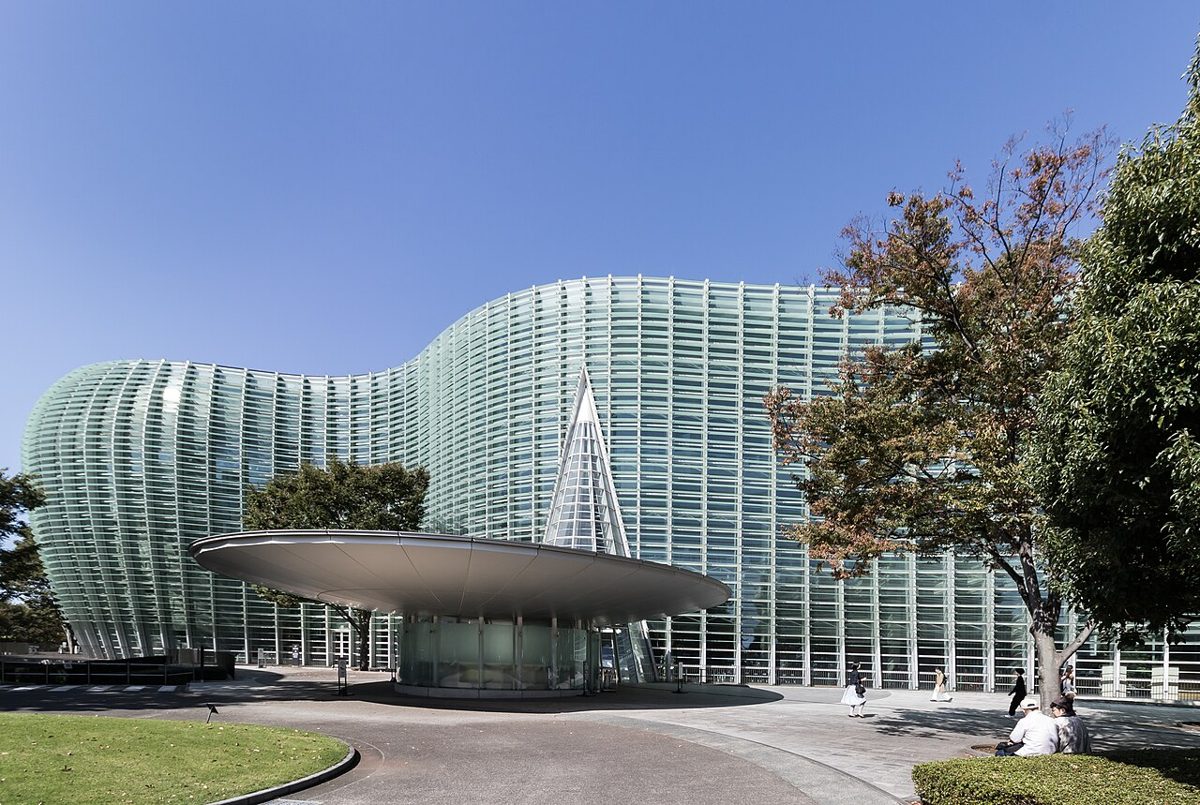
Roppongi’s cultural anchor is the Art Triangle Roppongi (Roppongi Art Triangle), three first-rate museums within walking distance of each other. They run a reciprocal-discount scheme called Atoro-wari: keep your ticket stub from one and you get a small discount at the other two, which makes an art-focused day cheaper if you visit more than one. For more context on the city’s wider scene, see our roundup of the best museums in Tokyo.
Mori Art Museum
The Mori Art Museum sits on the 53rd floor of the Roppongi Hills Mori Tower — one of the highest art museums in the world. It shows ambitious, well-curated contemporary art from Japan, Asia and beyond, with major special exhibitions running for months at a time rather than a permanent collection. Its great advantage for travelers is the late opening: it generally runs 10:00 to 22:00 (last entry 21:30), closing earlier only on Tuesdays (around 17:00), so it is one of the few world-class museums you can visit in the evening. Most Mori Art Museum tickets are sold together with the Tokyo City View observation deck (below), so you usually get the art and the panorama in one go.
The National Art Center, Tokyo
A short walk away near Nogizaka, The National Art Center, Tokyo is one of Japan’s largest exhibition spaces and unusual in that it holds no permanent collection — it exists purely to host rotating special exhibitions and artist-association shows. The building itself is the draw even between exhibitions: architect Kisho Kurokawa’s undulating, wave-like glass facade is one of the most photographed pieces of architecture in Tokyo, and the soaring atrium with its inverted-cone cafe is free to walk into. You only pay for the specific exhibitions you choose to enter, so it is easy to drop in, admire the building, browse the excellent art bookshop, and leave without spending anything.
Suntory Museum of Art
The third point of the triangle, the Suntory Museum of Art, is on the 3rd floor of Tokyo Midtown and focuses on traditional Japanese art and craft — lacquerware, ceramics, glass, textiles and paintings — under the theme of “art in life.” The serene interior was designed by architect Kengo Kuma in warm wood and washi, a deliberate contrast to the high-tech towers around it. It is the calmest and most contemplative of the three, and a lovely antidote if the rest of Roppongi feels too brash.
Tokyo City View: the skyline from Roppongi Hills

For one of Tokyo’s best views, head up Mori Tower to Tokyo City View, the indoor observation deck on the 52nd floor. The 360-degree windows take in Tokyo Tower glowing red in the foreground, the bay, and on clear days Mount Fuji at sunset. Tickets are generally around ¥2,200 in advance or ¥2,400 on the day, and the deck stays open late (commonly to 22:00, last entry 21:30), which makes it a superb spot for night views. Because the Mori Art Museum shares the same upper-floor complex, a combined ticket usually covers both the art and the view — excellent value for a single trip up the tower.
Down at the base of the tower you will find the Maman sculpture — Louise Bourgeois’s giant bronze-and-steel spider, more than nine meters tall, carrying a sac of marble eggs beneath her body. It has become Roppongi Hills’ unofficial mascot and meeting point; you will see people arranging to “meet under the spider.” In winter, the Keyakizaka Illumination drapes the zelkova trees along Keyakizaka Street in blue-white lights with Tokyo Tower framed at the end — one of the city’s most romantic seasonal sights.
Roppongi Hills and Tokyo Midtown
The two mega-complexes are destinations in themselves, and you could happily spend a full day moving between them. Roppongi Hills is centered on Mori Tower, with luxury and high-street shopping and restaurants on the lower floors, the museum and observation deck up top, and the leafy Mohri Garden — a small traditional Japanese landscape garden with a pond, tucked surprisingly amid the skyscrapers — at ground level.
Tokyo Midtown, about a kilometer north, is the sleeker, calmer counterpart. Its centerpiece, Midtown Tower, houses the Ritz-Carlton on its upper floors; the Galleria shopping arcade and the Garden Terrace handle the retail and dining. Behind the complex stretches Hinokicho Park, a genuinely pleasant green space, and within Midtown sits 21_21 Design Sight, a striking partly-underground design gallery created by fashion designer Issey Miyake and architect Tadao Ando, focused on design rather than fine art. Together with the Suntory Museum, Midtown gives you a quieter, design-led half day. In winter, Midtown’s Starlight Garden light display is a highlight to rival Roppongi Hills’.
Azabudai Hills and teamLab Borderless nearby
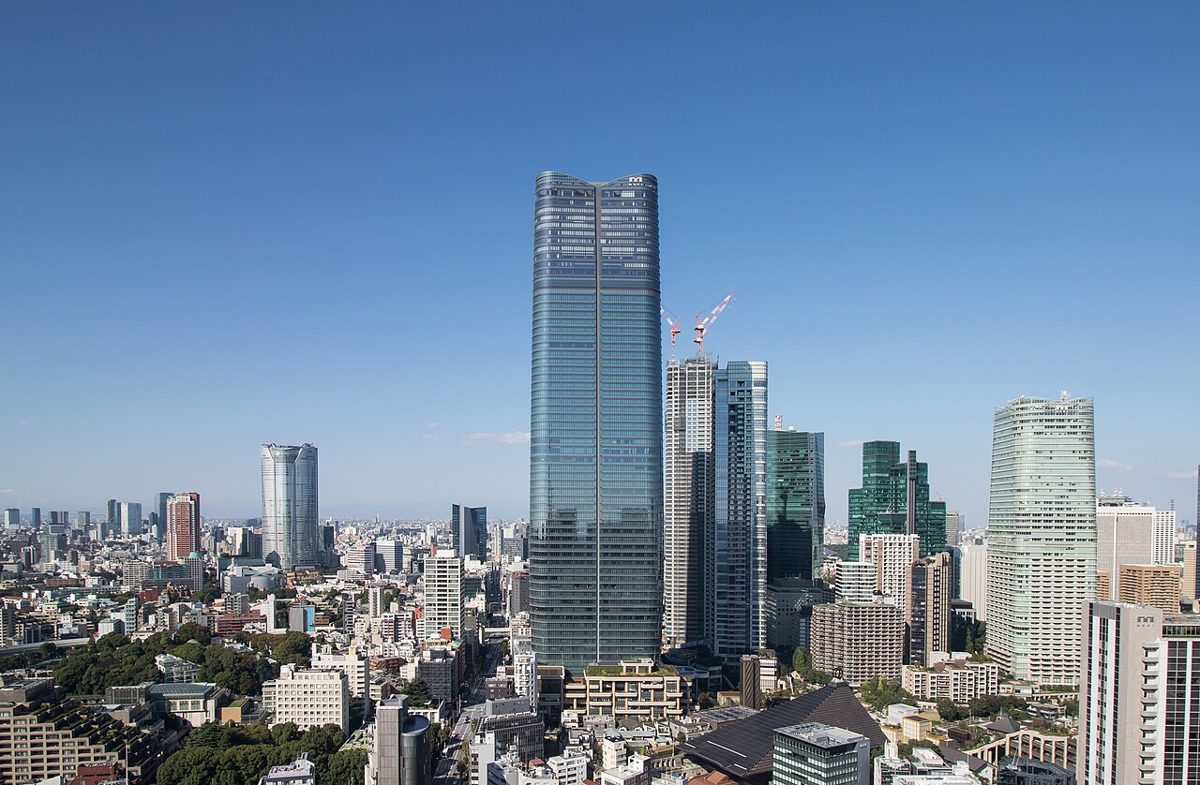
Just south of Roppongi, within easy walking distance, is Tokyo’s newest landmark district: Azabudai Hills, opened in late 2023. Its Mori JP Tower is currently the tallest skyscraper in Japan at about 330 meters, and the development is a striking, green, terraced cluster of towers, gardens and shops designed in part by Thomas Heatherwick.
The big draw for most visitors is teamLab Borderless, the immersive digital-art museum that relocated here in February 2024 from its former Odaiba home. Spread across a dim, maze-like basement in Garden Plaza B, it has no map and no fixed route — the artworks flow between rooms and respond to your movement, so you wander and let it surprise you. Tickets are timed-entry, fluctuate with demand (roughly ¥3,800 and up for adults), and frequently sell out, so book online for a specific slot well before you go. It is a different, more wander-led experience than teamLab’s barefoot Planets museum in Toyosu — see our dedicated teamLab Tokyo guide for how the two compare and which to choose.
International dining in Roppongi
Roppongi’s international character shows up most clearly at the table. This is one of the easiest places in Tokyo to eat well in English, and the range runs from world-famous fine dining to 3am ramen. At the high end, the Roppongi branch of Sukiyabashi Jiro (of Jiro Dreams of Sushi fame) sits in Roppongi Hills, though reservations are famously near-impossible; Jean-Georges Tokyo and The Moon, a French restaurant on the 52nd floor of Mori Tower, offer destination meals with a view.
Below that, Roppongi covers every craving: sushi, kaiseki and shabu-shabu; Italian, French, Indian, Thai, Mexican and American; and the late-night staples of yakitori, ramen, burgers and doner kebab for when you stumble out of a bar. International chains like the Hard Rock Cafe have Tokyo outposts here, and for cheap, chaotic souvenir shopping the multi-floor Don Quijote Roppongi is open very late. Because so many staff are used to foreign customers, Roppongi is a comfortable place to eat if your Japanese is limited.
Roppongi nightlife — and an honest safety note
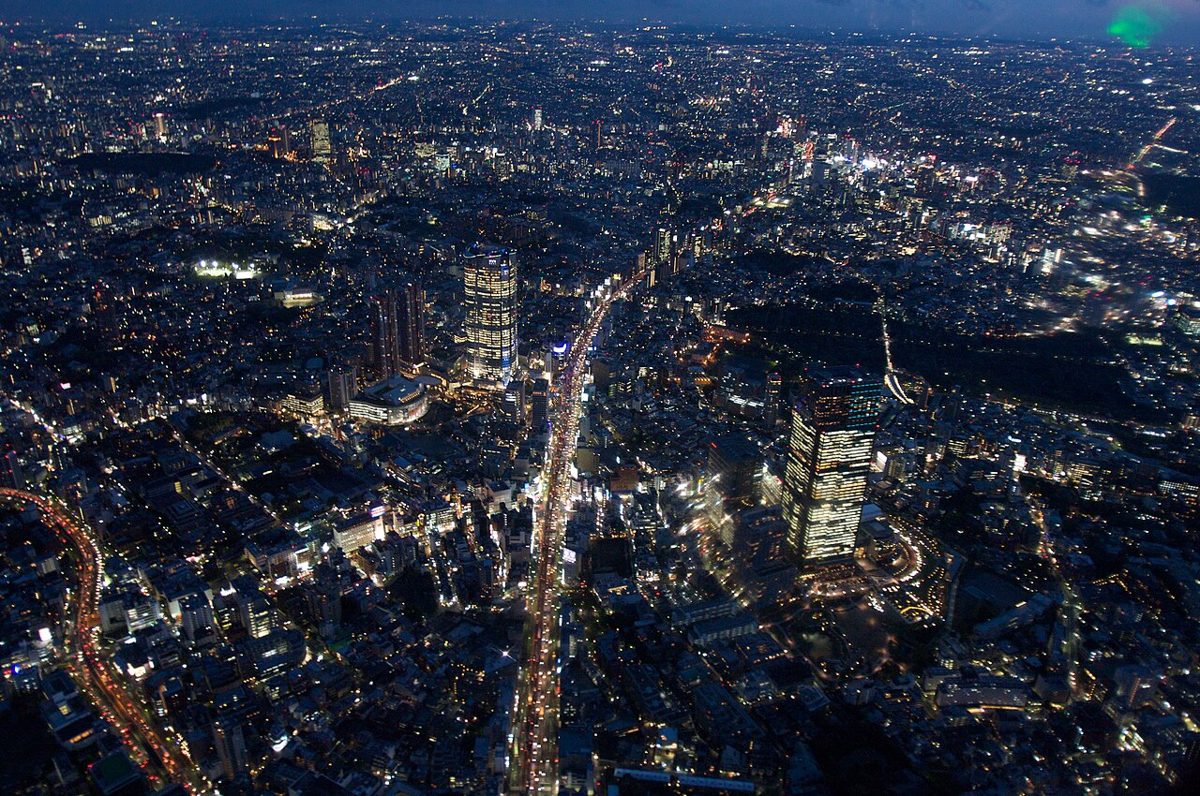
After dark, the other Roppongi takes over. The area around Gaien-Higashi-dori and the side streets off Roppongi Crossing hold one of Tokyo’s densest concentrations of clubs, bars and live venues, drawing a famously mixed international crowd. There is everything from rooftop cocktail bars and craft-beer spots to big clubs that pump until sunrise. For a night out with travelers from all over the world, it delivers. For a fuller picture of the city after hours, see our guide to Tokyo nightlife.
That said, Roppongi is the one Tokyo nightlife district where you should keep your guard up, and it would be dishonest to pretend otherwise. Its main strips have more street touts (kyakuhiki) than anywhere else in the city — men who approach in English with a laminated menu, photos on a phone, or an offer of “free drinks” to steer you into a particular bar. Foreign embassies, including the US Embassy and the UK’s FCDO, have repeatedly warned visitors about drink-spiking and inflated-bill scams in a small number of Roppongi venues, where solo visitors have reported memory loss and large unauthorized charges on their cards. The practical rules are simple and effective:
- Do not follow street touts into bars. Choose venues yourself, ideally ones with reviews and clearly posted prices.
- Confirm cover charges and minimum spend before you sit down. Scam bars hide these or spring them on the bill.
- Never leave your drink unattended, and decline drinks from strangers you did not choose to drink with.
- Pay as you go rather than running a tab, and watch your card if you can.
- If you suddenly feel disproportionately unwell after one drink, get outside, get to a busy area, and contact someone you trust.
None of this should scare you off — the overwhelming majority of Roppongi’s bars are perfectly fine, and Tokyo remains an extremely safe city. The reputable clubs, hotel bars, the craft-beer scene and venues inside Roppongi Hills and Midtown carry essentially none of this risk. Just skip the touts, and you will have a great, trouble-free night. For a completely different, more old-school nightlife mood — tiny, atmospheric bars in a postwar warren rather than big international clubs — pair Roppongi with our Golden Gai guide in Shinjuku.
Roppongi at a glance
| Spot | What it is | Price / hours (2026) | Nearest station / exit |
|---|---|---|---|
| Mori Art Museum (53F) | Contemporary art, top of Mori Tower | Usually sold with City View; ~10:00–22:00, Tue closes ~17:00 | Roppongi (Hibiya/Oedo) |
| Tokyo City View (52F) | Indoor observation deck | ~¥2,200 adv / ¥2,400 day; open to ~22:00 | Roppongi (1C) |
| National Art Center, Tokyo | Rotating exhibitions, Kurokawa glass facade | Building/atrium free; exhibitions priced separately | Nogizaka (Chiyoda, direct) |
| Suntory Museum of Art | Traditional Japanese art, Tokyo Midtown 3F | Priced per exhibition; Kengo Kuma interior | Roppongi / Midtown |
| 21_21 Design Sight | Design gallery (Ando + Miyake) | Modest admission; in Tokyo Midtown garden | Roppongi / Nogizaka |
| teamLab Borderless | Immersive digital art, Azabudai Hills | Timed ticket ~¥3,800+; book ahead, sells out | Roppongi-itchome / Kamiyacho |
| Nightlife strip | Clubs & bars | Many open till dawn; avoid touts | Roppongi Crossing / Gaien-Higashi-dori |
Best time to visit and how a day flows
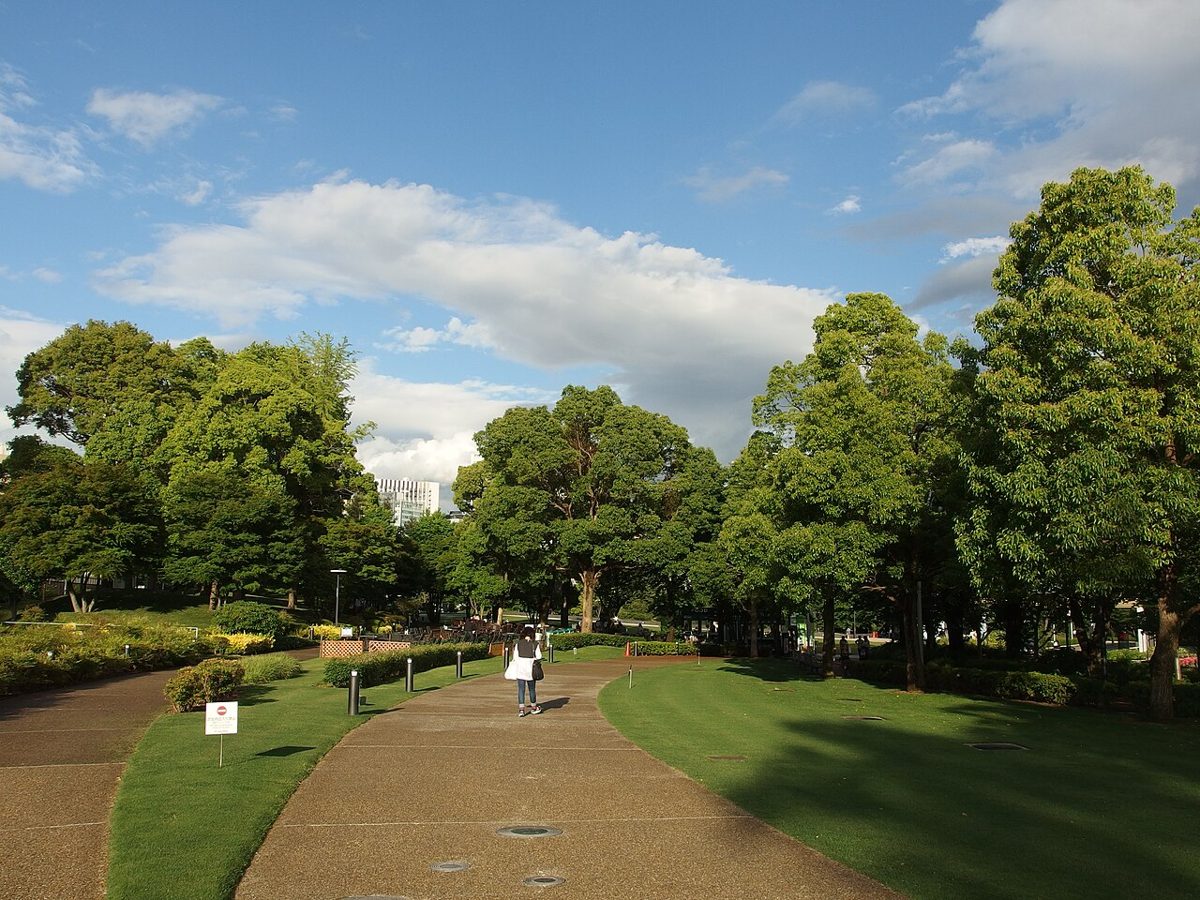
Roppongi suits a late start and a long evening better than an early morning. A satisfying rhythm: arrive around midday and begin at The National Art Center (in from Nogizaka, out of the heat), walk to Tokyo Midtown for the Suntory Museum or 21_21 Design Sight and lunch in the Galleria, then stroll the kilometer to Roppongi Hills in the late afternoon. Time your trip up Mori Tower for around sunset so Tokyo City View and the Mori Art Museum give you both daylight and the lit-up night skyline in one visit. Then come down for dinner and, if you want it, a night out — choosing your own bar, not a tout’s.
Weekday afternoons are the most comfortable for the museums and the observation deck; weekend evenings get busy at City View and rowdy on the nightlife strips. If you are visiting in winter, plan an evening specifically around the Keyakizaka and Midtown illuminations, which are among the best in Tokyo. And if you happen to catch Roppongi Art Night, the annual all-night art festival that fills the district with installations and performances, build your whole visit around it.
Mistakes to avoid in Roppongi
- Following street touts into a bar. This is the single biggest avoidable mistake. Pick venues yourself.
- Going only for nightlife. You would miss world-class art and one of Tokyo’s best skyline views — Roppongi by day is arguably better than by night.
- Looking for teamLab in Odaiba. Borderless moved to Azabudai Hills beside Roppongi; only the separate Planets remains near Odaiba, in Toyosu.
- Turning up to teamLab Borderless without a ticket. It is timed-entry and regularly sells out; book your slot online first.
- Buying separate Mori Art Museum and City View tickets. They are usually offered together — check for the combined option before paying.
- Trying to walk everywhere in summer heat. Use the Nogizaka underground link to the National Art Center and the subway between complexes rather than baking on the pavement.
Tokyo City View on the 52nd floor of Mori Tower is still the best place in the city to photograph Tokyo Tower at night, although the open-air Sky Deck on the roof has been closed to the public since April 2024. If you are deciding between it, Shibuya Sky and Skytree, our Tokyo observation decks comparison sets out what each one costs and when to go.
Frequently Asked Questions
Is Roppongi safe at night?
Tokyo is very safe overall, and most of Roppongi’s bars are fine, but it is the one nightlife district where you should take care. Foreign embassies have warned about drink-spiking and inflated-bill scams in a small number of venues, almost always linked to street touts. Do not follow touts into bars, choose places with reviews and posted prices, never leave your drink unattended, and pay as you go. Follow those rules and a night in Roppongi is trouble-free.
What is the Roppongi Art Triangle?
It is the name for three major art museums within walking distance of each other: the Mori Art Museum atop Roppongi Hills, The National Art Center, Tokyo near Nogizaka, and the Suntory Museum of Art in Tokyo Midtown. Through the Atoro-wari scheme, a ticket stub from one earns you a discount at the other two, so visiting more than one in a day is cheaper.
How much is Tokyo City View at Roppongi Hills?
Tokyo City View, the indoor observation deck on the 52nd floor of Mori Tower, is generally around ¥2,200 in advance or ¥2,400 on the day, and it stays open late (commonly to 22:00, last entry 21:30). Because it shares the upper-floor complex with the Mori Art Museum, tickets are usually sold as a combination covering both the deck and the art, which is the better value.
Is teamLab Borderless in Roppongi?
It is right next to Roppongi, in Azabudai Hills, where it reopened in February 2024 after leaving its old Odaiba location. It is an immersive, maze-like digital-art museum with no fixed route. Tickets are timed-entry, vary with demand (roughly ¥3,800 and up for adults) and often sell out, so book a slot online in advance. The separate teamLab Planets, the barefoot water-based museum, is over in Toyosu near Odaiba.
How do I get to Roppongi?
Take the Tokyo Metro Hibiya Line or the Toei Oedo Line to Roppongi Station — about nine minutes from Shinjuku on the Oedo Line. For The National Art Center, use Nogizaka Station on the Chiyoda Line, which has a direct underground entrance. Azabu-juban Station is a short walk south and makes a calmer base. There is no direct airport train, so expect at least one change.
Photo Credits
- Roppongi Hills, anchored by the Mori Tower, the district’s cultural and shopping hub — Photo: Kestrel / CC BY-SA 4.0 via Wikimedia Commons
- The National Art Center, Tokyo and its undulating glass facade by Kisho Kurokawa — Photo: Kakidai / CC BY-SA 4.0 via Wikimedia Commons
- The skyline and Tokyo Tower seen from Roppongi Hills — Photo: Kakidai / CC BY-SA 4.0 via Wikimedia Commons
- Azabudai Hills and the Mori JP Tower, home to teamLab Borderless — Photo: Kakidai / CC BY-SA 4.0 via Wikimedia Commons
- Roppongi after dark, one of Tokyo’s biggest nightlife districts — Photo: Lukas / CC BY 2.0 via Wikimedia Commons
- Tokyo Midtown, the sleeker, quieter counterpart to Roppongi Hills — Photo: Guilhem Vellut from Annecy, France / CC BY 2.0 via Wikimedia Commons