Tokyo Onsen & Wellness · Guide №179
Tokyo Sauna Guide: Where to Try the Totonou Sauna Culture
Hot room, cold plunge, rest, three times over. How the Japanese sauna ritual works, the best Tokyo saunas from neighbourhood sento to design-led facilities, and what to know as a woman, with tattoos, or on your first try.
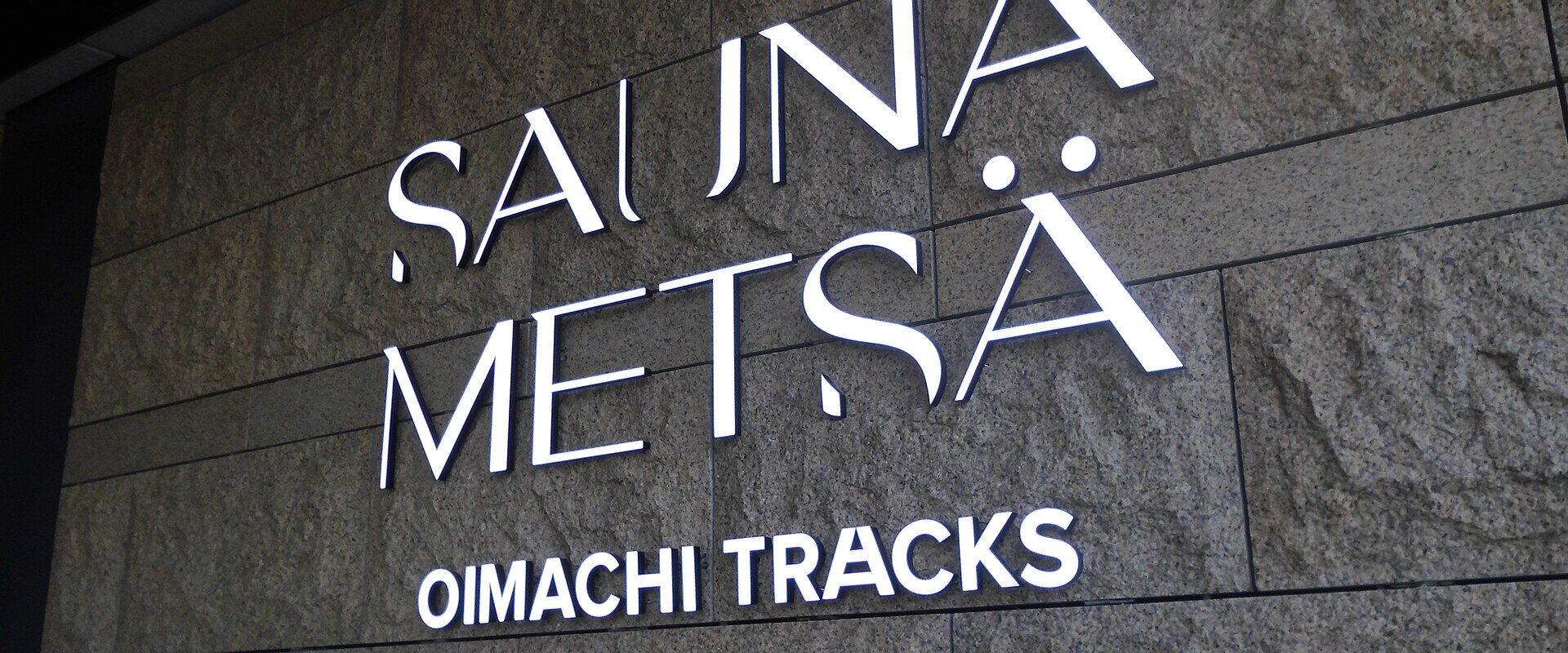
目次 — Contents
- What “totonou” means
- The five kinds of sauna in Tokyo
- Sento saunas: the best value in the city
- The dedicated sauna facilities
- Private saunas
- Saunas in super sento and capsule hotels
- Women and Tokyo saunas
- Tattoos
- Your first visit: what to bring and how to stay well
- Sauna etiquette in Japan
- The furthest Tokyo sauna
- What a sauna day costs
- Which Tokyo sauna should you choose?
- Frequently Asked Questions
- Photo Credits
This article contains advertising. Our booking links are routed through a partner that adds commission tracking automatically, so if you book through one we earn a commission from the provider, at no extra cost to you. It never affects what we recommend. Affiliate disclosure
The budget way into a Tokyo sauna is a neighbourhood bathhouse: at Daikoku-yu, for example, it is the ¥600 bath plus a ¥300–400 sauna supplement. The city also has a run of excellent dedicated sauna facilities, from TOTOPA to Shibuya SAUNAS. What they all share is the ritual: hot room, cold plunge, rest, three times over, until you reach the state the Japanese call totonou.
Japan is in the middle of a sauna boom, and Tokyo is its capital. Ten years ago sauna was something middle-aged salarymen did in a capsule hotel basement. Today there are queues at weekends, designer cold plunges and a dedicated vocabulary, and a twenty-something on the Yamanote line is as likely to be heading for a sauna as a bar. Here’s how the ritual works, where to do it, what it costs, and what to know if you’re a woman, have tattoos, or have never done this before.
What “totonou” means
Totonou (ととのう) translates loosely as “to be put in order”, and in sauna slang it describes the light-headed, deeply calm, slightly floaty feeling you get after alternating heat and cold and then lying still. Finnish bathers would recognise it. The Japanese have turned it into a method.
The standard cycle:
- Sauna, 6–12 minutes. Japanese dry saunas run hot. Sit on the upper benches for more heat, the lower ones for less. Leave when you want to, not when the clock says so.
- Rinse, then cold bath, about 1 minute. Rinse the sweat off under the shower first, then lower yourself into the mizuburo, the cold plunge. Breathe out slowly as you go in.
- Rest, 5–10 minutes. Dry off lightly and lie back in one of the reclining plastic chairs, ideally outside. This part, the gaikiyoku or “outside-air bath”, is where totonou actually happens.
- Repeat two or three times. Three sets is the classic number.
Drink water between rounds. Skip the cold bath entirely if you have a heart condition, and skip alcohol before. Neither the heat nor the cold is a test of endurance; nobody is impressed by the person who stays in longest.
The boom has a clear starting point. Sa-Do (“The Way of Sauna”), a manga by Katsuki Tanaka about sauna as a near-spiritual practice, became a TV drama in 2019, and a nation of tired office workers took it seriously. Since then the vocabulary has multiplied: sakatsu (sauna activity), sauna-meshi (the meal you eat afterwards, which matters to people), neppashi (the staff who stage heat sessions), and totonoi-isu (those reclining chairs). You’ll also see people in felt sauna hats, which keep your head cool so you can stay in longer.
The five kinds of sauna in Tokyo
| Type | Typical cost | What it’s like | Best for |
|---|---|---|---|
| Sento with a sauna | ¥600 bath + ¥300–600 sauna | A small hot room and a cold tub inside a neighbourhood bathhouse | Value, local atmosphere, a first try |
| Dedicated sauna facility | Charged by time slot | Several saunas, deep cold plunges, outdoor rest areas, scheduled heat sessions | People who already love sauna |
| Super sento | ¥2,900–3,850, all day | Saunas as one part of a big bath complex | A long afternoon with baths and a meal |
| Private sauna | Around ¥4,000 per hour | Your own small room and cold shower, booked by the slot | Couples, tattoos, anyone shy |
| Capsule hotel sauna | Included with the bed | Old-school sauna and cold tub downstairs from a capsule floor | Combining sauna with a cheap night |
Sento saunas: the best value in the city
About 400 of Tokyo’s neighbourhood bathhouses take part in the Tokyo Sento Association’s 2026 stamp rally, and many of them have a sauna, usually for a small supplement on top of the regulated ¥600 bath. It’s the cheapest way in, and arguably the best: you’re sweating alongside regulars from the surrounding streets, not a crowd of fellow enthusiasts.
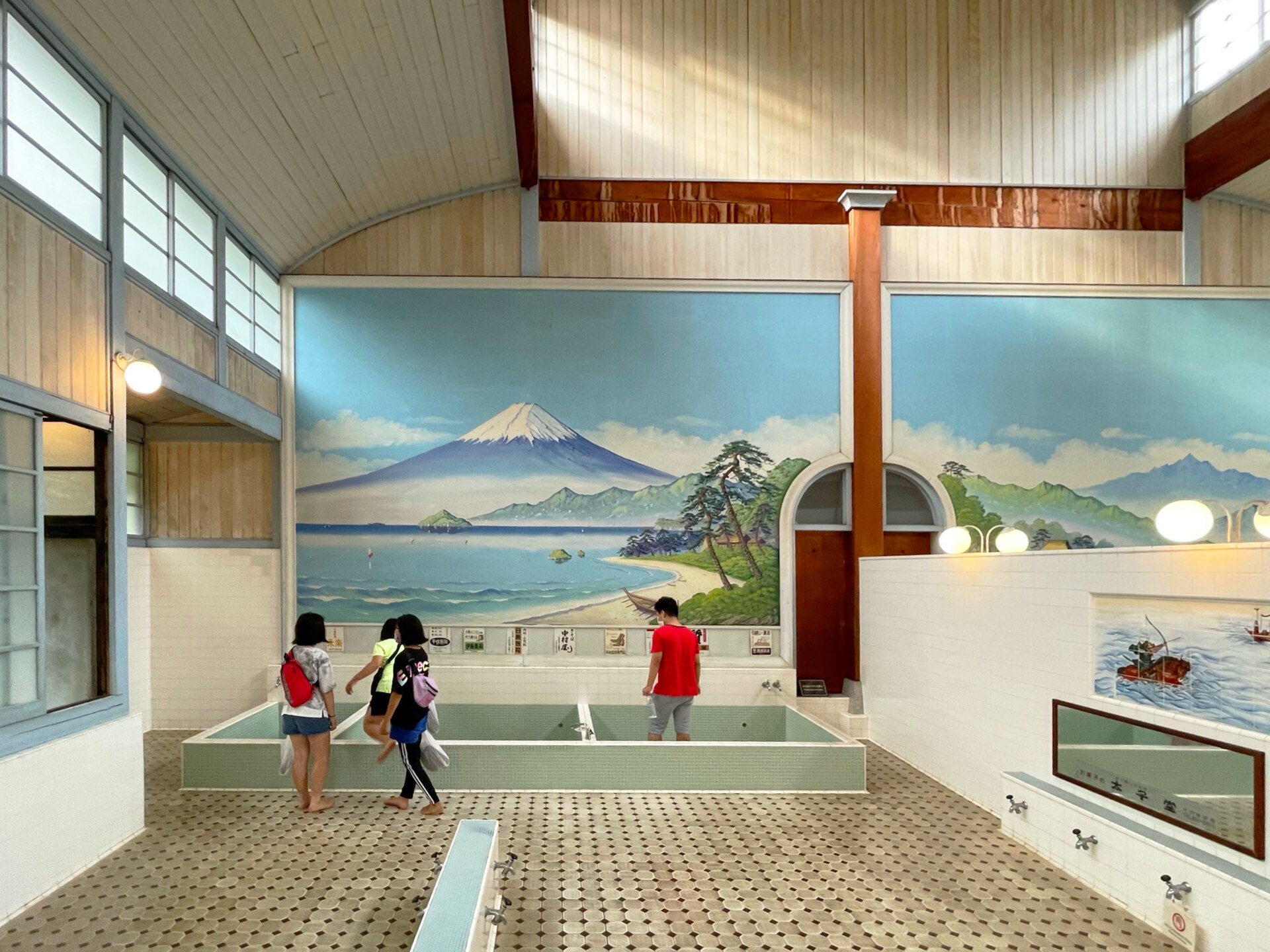
Expect a small room, often holding six to ten people, a TV in the corner at the older places, and a cold tub fed by well water or a chiller. The sauna is usually a separately keyed room, and you’ll be given a wristband or a towel of a particular colour at the counter to show you’ve paid.
Two good examples:
- Koganeyu, Kinshicho. A renovated bathhouse that’s become one of the most talked-about in the city, with a beer counter at the front. Sauna entry is a separate ticket on top of the ¥600 bath, so check the current rates on the bathhouse’s own site. It’s a short walk from Kinshicho station on the JR Sobu line and the Hanzomon line.
- Daikoku-yu, Oshiage. A big, late-opening bathhouse near Tokyo Skytree with two saunas charged separately: ¥370 on weekdays and ¥400 at weekends for the one by the large outdoor bath, ¥300 and ¥330 for the smaller one by the carbonated bath. It opens in the afternoon and runs until 10:00 the next morning, and it closes on Tuesdays.
Our Tokyo sento guide covers the bathhouse side of things: the sequence from shoe locker to bottle of milk, and how to find one near your hotel.
A handful of Tokyo bathhouses also sit on genuine mineral water, often the dark-brown kuroyu that is a Kanto speciality, and following a sauna round with a soak in real hot spring water rather than heated tap water is a noticeable step up. The Tokyo onsen guide lists them.
The dedicated sauna facilities
These are places where the sauna is the point, not an add-on. They charge by time slot, often have multiple hot rooms at different temperatures and humidities, take the cold plunge seriously, and have rest areas designed around totonou. Many require or strongly suggest booking, especially at weekends.
Shibuya SAUNAS
The flagship of the new wave, and the place to go if you want to see how far the Japanese sauna has come. It has several distinct saunas with different designs and temperatures, a choice of cold baths, and a rest area that feels more like a design hotel than a bathhouse. It’s a short walk from Shibuya station, and our Shibuya guide has the rest of the neighbourhood for afterwards.
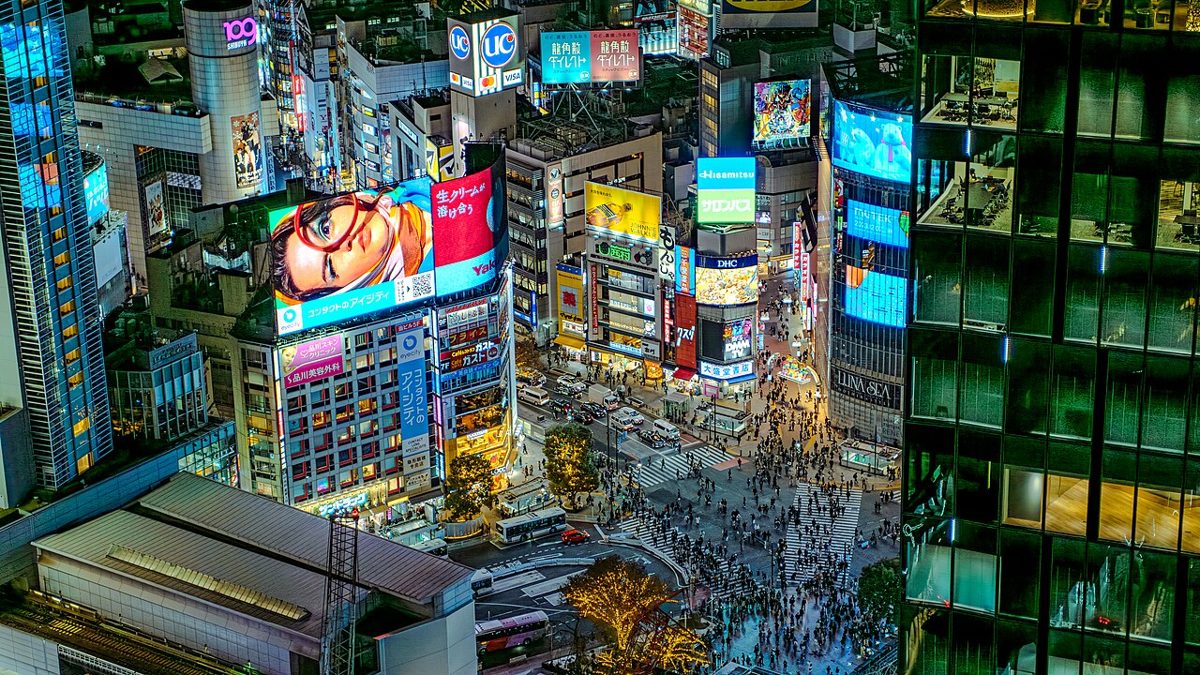
Standard admission is ¥3,200 on weekdays and ¥3,900 at weekends, on holidays and on designated dates. That buys two and a half hours for men and three and a half hours for women. That’s expensive by sento standards and very good value by the standards of a spa anywhere else in the world. If you’re a sauna person, this is the visit that justifies the trip.
Sauna Tokyo, Akasaka
A large, multi-floor facility in Akasaka with a range of saunas and cold baths, aimed squarely at the post-work crowd. It’s one of the new-style places, so check the booking page for the current rate. A short slot is tight for three full cycles, so be realistic about how much you can fit in or pay for longer.
TOTOPA, Meiji Park
TOTOPA sits inside the newly redeveloped Toritsu Meiji Park beside the National Stadium. It’s one of the most ambitious of the recent openings: concept saunas, a deep cold bath, and a park setting that makes the outdoor rest unusually pleasant. It charges by time and isn’t cheap: up to three hours is ¥4,378 on weekdays and ¥4,928 at weekends and holidays, tax included. Worth it for an enthusiast; for a first-timer, a sento sauna teaches the same ritual for a fraction of the price.
SaunaLab Kanda
Built from the start as a women-friendly sauna, with separate men’s and women’s zones that are both properly equipped, which is rarer than it should be. The highlights are a forest-themed sauna and an “ice sauna” chilled to −25°C, which you step into to cool down between rounds. A 90-minute session costs ¥2,600, and you can turn up without a reservation. It has been reported as tattoo-friendly; confirm when you book.
Sauna & Capsule Hotel Hokuo, Ueno
The old guard. Hokuo is a classic Tokyo sauna-and-capsule place near Ueno, with a very hot sauna, a properly cold plunge and an outdoor rest area, and it’s long been a pilgrimage spot for Japanese sauna fans. It’s men-only, as many of the old sauna-and-capsule places are, and the atmosphere is more salaryman than design magazine. That’s exactly why people like it.
Private saunas
A small but growing category: book a slot, get your own room with a sauna, a cold shower or plunge and a place to rest, and do the whole cycle without anyone else around. Solo Sauna Tune in Kagurazaka offers private Finnish-style sauna rooms, with a single room at ¥4,000 for 60 minutes, plus ¥300 on holidays and designated dates. Rooms for up to three cost more.
Private saunas are expensive per hour, and you lose the communal side, which is half of what makes the Japanese sauna interesting. But they solve three problems at once. Tattoos don’t matter. Couples and mixed groups can go together. And anyone who isn’t comfortable being naked in front of strangers can still have the experience. For some visitors that makes them the only realistic option, and they’re very good at it.
Saunas in super sento and capsule hotels
Every large bath complex has several saunas, and at the good ones they’re excellent. If you want sauna as part of a long afternoon of baths, food and a nap, our Tokyo super sento guide compares the big ones, such as Spa LaQua at Tokyo Dome and the Toyosu Manyo Club. Bear in mind that the sauna is one attraction among many there, and the hot rooms can be crowded at peak times.
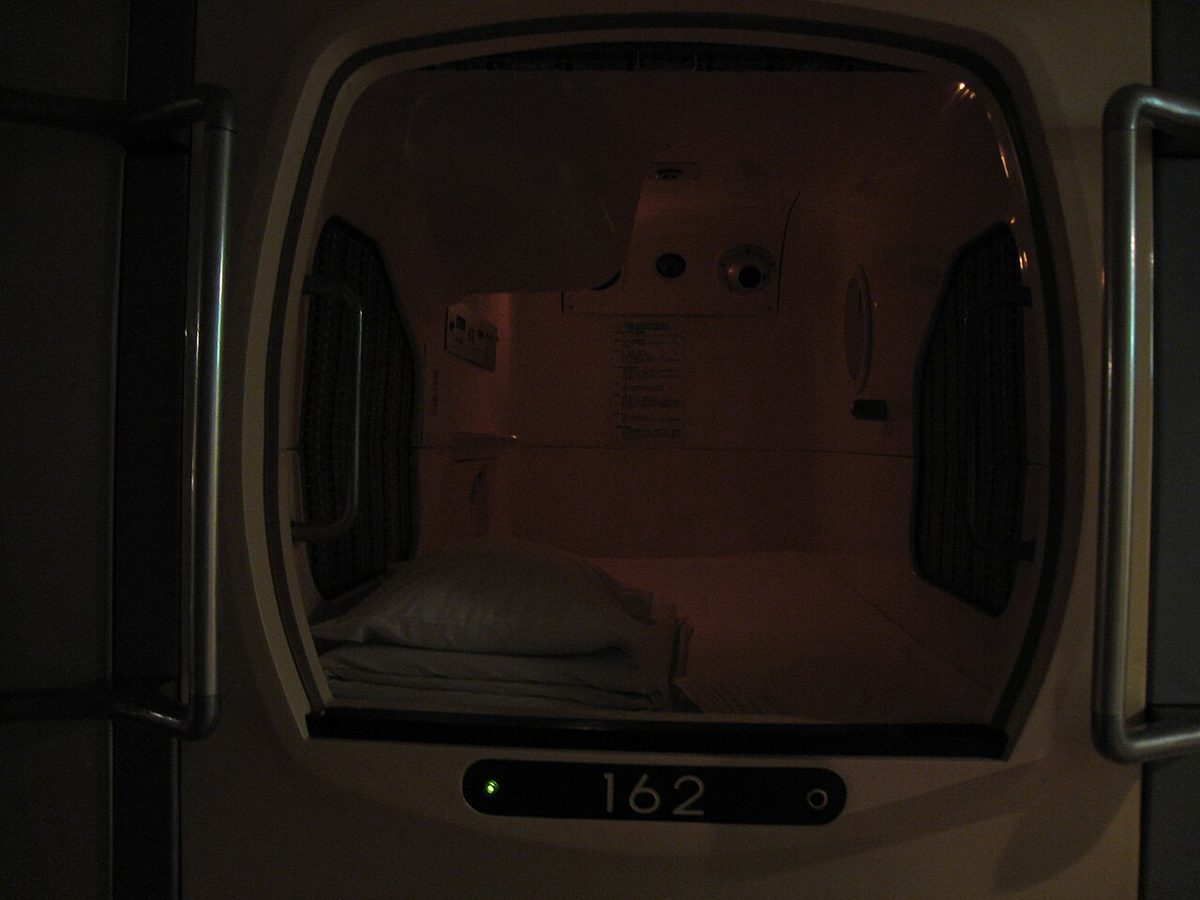
Capsule hotels are the sauna’s original home in Tokyo. Many of the older ones are really saunas with beds: you check in, spend the evening in the bath floor’s hot room and cold tub, then climb into a capsule. If you’re travelling solo and on a budget, picking a capsule with a good sauna is one of the best-value nights you can have in the city. Our capsule hotel guide covers which ones are worth staying in. Many are still men-only, so check before you book.
Women and Tokyo saunas
The honest picture: Japanese sauna culture grew up male, and in many places it still is. Several of the classic sauna-and-capsule places are men-only, and at sento and super sento the women’s side often has a smaller sauna, sometimes a gentler one, and occasionally none at all.
That is changing quickly, and the options are good if you know where to look:
- SaunaLab Kanda, designed around women from the start.
- Sento saunas, where the women’s sauna is often cheaper than the men’s (as at Koganeyu), and usually quieter.
- Super sento, which give the women’s side proper facilities because women are half their customers.
- Private saunas, which sidestep the question entirely.
Some sauna facilities run women’s days or change which side is for whom on a rota; the venue’s own site will say. Our solo travel guide also lists women-only capsule hotels, some of which have their own baths.
Tattoos
Saunas are generally less strict about tattoos than onsen, and the new-wave facilities in particular tend to be relaxed about them. But there’s no general rule, and the bath floor of a sauna is usually governed by the same policy as the rest of the building.
The practical tip: Sauna Ikitai (sauna-ikitai.com), the Japanese sauna database that every enthusiast uses, has a filter for venues that accept tattoos. It’s in Japanese, but it works fine through a browser translation. Check the venue’s own site before you go, and read our tattoo-friendly onsen guide for the bathhouses that welcome tattoos openly. A private sauna removes the question entirely.
Your first visit: what to bring and how to stay well
What to bring
- A small towel. Most places rent or sell them, but bringing your own saves a few hundred yen. At the dedicated sauna facilities, towels are usually included.
- A water bottle. You’ll lose more fluid than you expect over three rounds. Many saunas sell drinks at the counter; few let you bring glass into the bath area.
- A hair tie if you have long hair. It shouldn’t touch the cold bath.
- A sauna hat, if you want one. Not essential. The busier facilities sell them, and they make a good souvenir.
- An IC card or cash. Sento are often cash only; the new-wave facilities take cards and book online.
Staying well
Japanese saunas are hotter and their cold baths colder than many visitors are used to, and the combination asks a lot of your circulation. A few sensible rules:
- Don’t drink alcohol before or between rounds. Save the beer for afterwards. Alcohol plus heat is the classic cause of sauna accidents everywhere.
- Get up slowly. The moment you stand up from the cold bath or the rest chair is when people feel dizzy. Hold the rail.
- Shorten everything on your first visit. Five minutes of heat, thirty seconds of cold, and a long rest is a perfectly respectable round.
- Skip the cold plunge if you have a heart condition or high blood pressure, and talk to a doctor before using a sauna at all if you’re pregnant. A cool shower does most of the same job.
- Watch it in winter. Japan has a word, heat shock, for the sudden blood-pressure swing of moving between a cold changing room and very hot water. It mostly affects older bathers, but the advice holds for everyone: warm up gradually.
Sauna etiquette in Japan
The basic bathhouse rules all apply (wash before you get in anything, no swimsuits in single-sex areas, towels out of the water), and our onsen etiquette guide covers them. The sauna adds a few of its own:
- Dry off before you go in. Wet bodies drip on the benches and cool the room.
- Sit on a mat or your towel. Many saunas provide mats by the door; use one and put it back.
- Rinse before the cold bath. This is the rule people care about most. Nobody wants your sweat in their plunge pool. Use the shower or the scoop and basin by the tub.
- Keep your head out of the cold bath unless a sign explicitly allows it.
- Silence. Since the pandemic many saunas post signs for mokuyoku, silent bathing. Even where they don’t, the hot room is a quiet place.
- Don’t pour water on the stones unless it’s a self-service löyly sauna and there’s a ladle for that purpose.
- Wipe down before the rest chairs. Sit on a towel, and don’t hog a chair for half an hour when people are waiting.
Heat sessions
The better facilities run scheduled heat sessions, called löyly or aufguss: a staff member pours scented water on the stones and wafts the steam around the room with a towel, sometimes to music, sometimes with real theatre. In Japan the towel-wavers are called neppashi, and the good ones have fans. Arrive a few minutes early, sit where you’ll be comfortable for ten minutes or so, and if it gets too much, leave quietly at a pause rather than mid-wave.
The furthest Tokyo sauna
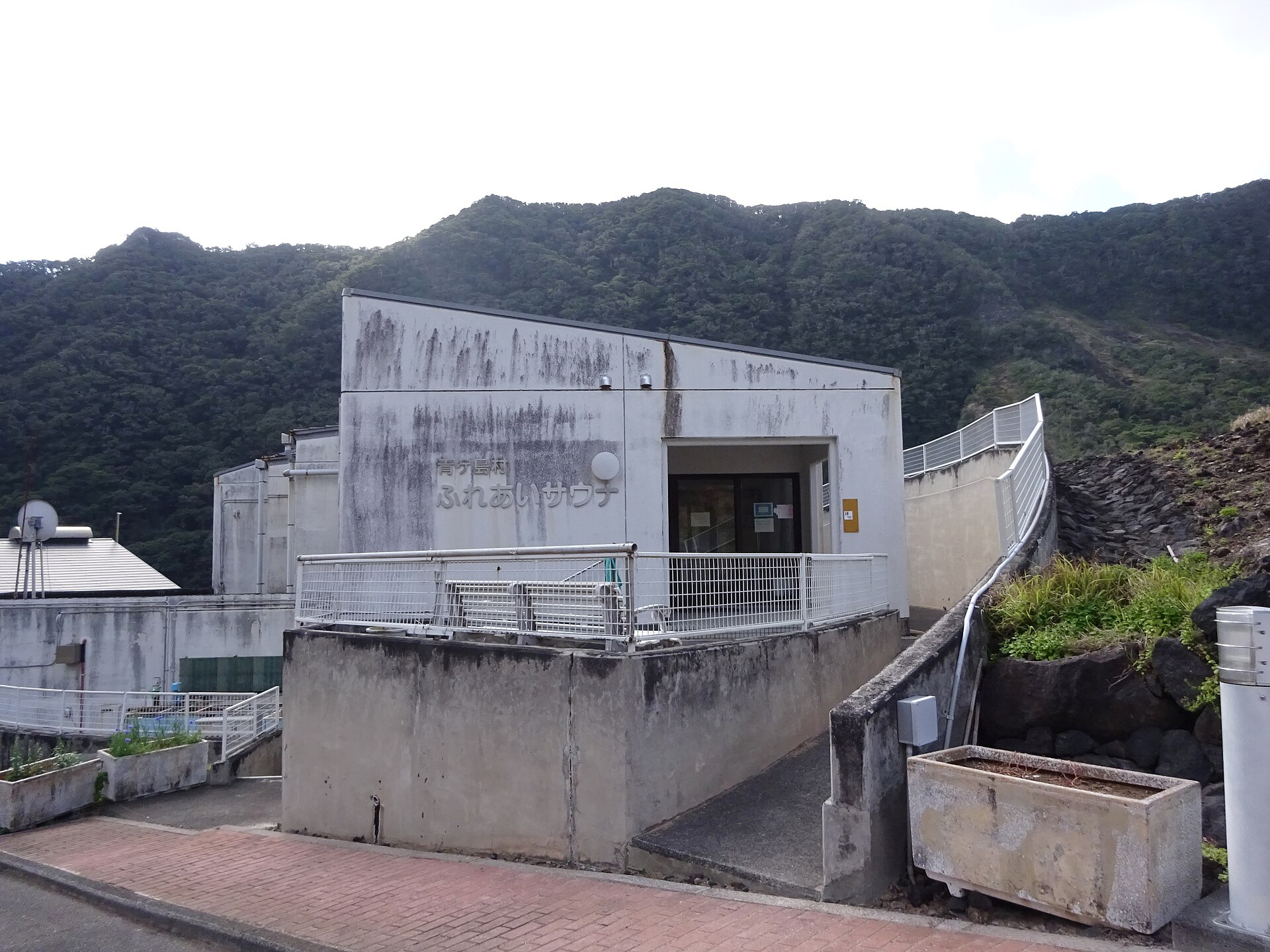
One footnote for the completists. Tokyo prefecture stretches hundreds of kilometres south into the Pacific through the Izu Islands, and on Aogashima, a tiny volcanic island reached from Hachijojima by boat or helicopter, the village runs a small sauna heated by volcanic steam from the ground. Almost nobody gets there. If you do, you can claim the most remote sauna in the capital.
What a sauna day costs
| Option | Price | Time |
|---|---|---|
| Sento with sauna (e.g. Daikoku-yu) | ¥900–1,000 | Bath ¥600 plus sauna ¥300–400 |
| Sento with sauna (Koganeyu, men / women, weekday) | ¥1,150 / ¥950 | 2 h sauna ticket |
| Sauna Tokyo, Akasaka | Around ¥1,800 weekday / ¥2,400 weekend | 1 h |
| SaunaLab Kanda | ¥2,600 | 90 min, no reservation needed |
| Shibuya SAUNAS | ¥3,200 weekday / ¥3,900 weekend and holidays | 2.5 h men, 3.5 h women |
| TOTOPA | ¥4,378 weekday / ¥4,928 weekend and holidays | Up to 3 h |
| Private sauna (Solo Sauna Tune) | Around ¥4,000 | 1 h |
Dedicated sauna facilities adjust prices often and many have peak-time rates, so check the booking page.
Add something for sauna-meshi. The post-sauna meal is part of the ritual, and a cold beer and a plate of gyoza after three rounds is one of the great small pleasures available in this city.
Which Tokyo sauna should you choose?
- First try, any budget: a sento sauna. Koganeyu or Daikoku-yu, under ¥1,200 all in.
- You already love sauna: Shibuya SAUNAS, booked ahead. TOTOPA if you want the newest thing.
- Women: SaunaLab Kanda first, a sento second.
- Tattoos, couples, or shy: a private sauna.
- A long rainy afternoon: a super sento, where the sauna is one part of the day.
- Solo and saving money: a capsule hotel with a proper sauna floor.
One last thing. The best Tokyo sauna experience isn’t necessarily in the fanciest place. It’s the third round on a cold evening, lying outside in a plastic chair with the city humming somewhere beyond the wall, when everything goes quiet in your head for a minute or two. You can get that for the price of a bath and a small sauna supplement at a place like Daikoku-yu. It’s the most Tokyo thing you’ll do all week, and almost no visitors do it.
Frequently Asked Questions
What does totonou mean?
Totonou (ととのう) is Japanese sauna slang for the calm, light-headed, deeply relaxed state you reach after alternating a hot sauna, a cold plunge and a rest. The usual method is three rounds of 6–12 minutes in the sauna, about a minute in the cold bath and 5–10 minutes resting, ideally outdoors.
How much does a sauna cost in Tokyo?
A neighbourhood sento charges the regulated ¥600 bath fee plus a sauna supplement: at Daikoku-yu that is ¥300–400, depending on the day and which side of the building you use. Dedicated facilities charge by time. TOTOPA is ¥4,378 on weekdays and ¥4,928 at weekends and holidays for up to three hours, and Shibuya SAUNAS is ¥3,200 on weekdays and ¥3,900 at weekends. A single room at Solo Sauna Tune is ¥4,000 for 60 minutes.
Can women use saunas in Tokyo?
Yes, though options are narrower than for men, and several classic sauna-and-capsule places are men-only. SaunaLab Kanda has separate men’s and women’s sauna areas. Many sento have a sauna, so check each one’s facilities, and private saunas set their own rules on groups and age, so check when you book.
Can I use a Tokyo sauna with tattoos?
Often, yes. Saunas tend to be less strict than onsen, and many new-style facilities accept tattoos, but policies vary by venue. The Japanese site Sauna Ikitai has a tattoo-accepted filter, and private saunas avoid the issue entirely.
Do you wear clothes in a Japanese sauna?
Not in single-sex sauna areas, where everyone is naked and sits on a towel or mat. Private saunas and mixed areas in some complexes let you wear a swimsuit or supplied sauna wear. Stone saunas such as ganbanyoku are done fully clothed in loungewear.
Photo Credits
- Traditional sento bathing hall with a Mount Fuji mural – Japanese communal bathhouse SENTO Sentō 銭湯の浴室 by ウィキ太郎 (WikiTaro), public domain, via Wikimedia Commons.
- Aogashima Fureai Sauna – Aogashima fureai sauna by ブルーノ・プラス, CC BY-SA 4.0, via Wikimedia Commons.
- Sauna Metsä at Oimachi Tracks: OIMACHI TRACKS SAUNA METSĀ by ドクター・イエロー, CC0, via Wikimedia Commons.