Tokyo Culture & Traditions · Guide №106
Onsen Etiquette: Complete Guide to Japanese Hot Spring Bathing
A been-there onsen etiquette guide for Japan: the full bathing process, the tattoo rules, nudity, what to bring, health tips and where to soak in and near Tokyo.
目次 — Contents
- Onsen vs sento: what is the difference?
- The step-by-step onsen bathing process
- Nudity, gender-separated baths and konyoku
- The tattoo question: which onsen allow tattoos?
- Onsen do’s and don’ts at a glance
- What to bring to an onsen
- Health and safety: the rules nobody tells you
- Types of onsen baths you will encounter
- Where to go near Tokyo (day onsen inside the city)
- Onsen towns for a day trip or overnight
- Common mistakes to avoid
- Best time to go and how an onsen fits your trip
- Frequently Asked Questions
- Photo Credits
This article contains advertising. Our booking links are routed through a partner that adds commission tracking automatically, so if you book through one we earn a commission from the provider, at no extra cost to you. It never affects what we recommend. Affiliate disclosure
This onsen etiquette guide japan first-timers actually need comes down to one rule: an onsen is for soaking, not washing, so you scrub yourself spotless at the shower stations before you ever touch the communal water. You bathe naked, keep your small towel out of the bath, stay quiet, and leave your phone in the locker. Get those right and the rest is detail.
I have soaked in everything from a 24-hour super-sento in Shinjuku to a snow-rimmed open-air bath in Kusatsu, and the same handful of mistakes trip up almost every visitor. Below is the full step-by-step process, the truth about tattoos, what to bring, the health rules nobody mentions, and exactly where near Tokyo you can go this week. No fluff, just what works.
Onsen vs sento: what is the difference?
People use the words interchangeably, but they are not the same thing. An onsen is a bath fed by natural geothermal hot spring water, legally defined in Japan as water that emerges at 25°C or above, or that contains a set level of specific minerals. A sento is a public bathhouse that heats ordinary tap water. Both follow identical etiquette, so everything in this guide applies to either, but only an onsen gives you the mineral water and, often, the scenery.
A third term you will see is super sento — a large, modern bathing complex with multiple baths, saunas, restaurants and relaxation lounges. Many of Tokyo’s most accessible onsen are technically super sento that happen to pump up genuine hot spring water from deep underground; Spa LaQua at Tokyo Dome is a good example. For etiquette purposes, the label does not matter. The water rules do.
The step-by-step onsen bathing process
This is the sequence locals follow without thinking. Do it in this order and you will look like you have done it a hundred times.
1. Find the right entrance
Baths are gender-separated. The men’s curtain (noren) is usually blue; the women’s is usually red. Colours occasionally swap, so trust the kanji over the colour: 男 marks men, 女 marks women. At some onsen the men’s and women’s sides rotate morning and evening, so the bath you used last night may be the opposite sex’s in the morning — check the curtain every single time.
2. Undress completely in the datsuijo
The changing room is the datsuijo. Take off your shoes before stepping onto the tatami or raised floor if you have not already. Strip down fully — no swimsuit, no underwear, nothing — and put everything in a basket or coin locker. You carry only your small towel into the bathing area. Long hair must be tied up so it never touches the water; bring a hair tie or use the ones often provided.
3. Wash thoroughly at the kakeyu or shower stations
This is the step foreigners skip and locals never do. Before entering any communal bath you must clean your whole body. Sit on one of the low plastic stools at a shower station, and wash and rinse completely — soap, shampoo, the lot — until there is not a trace of suds left. Soap and shampoo are almost always provided. If you are in a hurry, at minimum perform kakeyu: scoop water from the bath with the wooden or plastic basin and pour it over yourself several times to rinse and acclimatise. But a proper seated wash is the expectation. Stay seated while you wash so you do not spray the person next to you.
4. Enter the bath slowly — towel out of the water
Onsen water runs hot, commonly 40–42°C and sometimes hotter, so lower yourself in gradually rather than plunging. Never let your small towel touch the water. Most people fold it and rest it on their head, or set it on the rim or a nearby rock. Keep splashing, swimming and loud talking to nothing — the mood is quiet and slow. Quiet conversation is fine; a stag-party volume is not.
5. Soak, cool, repeat — and to rinse or not to rinse
Keep each soak to about 10–15 minutes, then sit on the edge or step out to cool down before going back in. Many regulars cycle between the hot bath, a cold plunge or fresh air, and back again. When you finish, here is the one genuinely debated point: with most mineral springs you do not rinse off at the end, because the minerals continuing to work on your skin is part of the benefit. The exceptions are strongly acidic or sulphur springs (like Kusatsu) that can irritate sensitive skin — there a quick rinse is sensible. Always pat yourself down with the towel before stepping back into the datsuijo so you do not flood the changing-room floor.
Nudity, gender-separated baths and konyoku
Communal bathing in Japan is done nude, full stop. This is the single biggest hurdle for first-timers, and the honest reassurance is that nobody is looking. Everyone is naked, everyone is relaxed, and staring is the one thing that is genuinely rude. The small modesty towel (about the size of a hand towel) is the social compromise: you can hold it in front of you as you walk to and from the bath, then it goes on your head or the side once you are in.
Almost all baths today are gender-separated. Konyoku, mixed-gender bathing, was once common but is now rare and mostly survives at a few remote rural and mountain onsen; some of those provide women-only hours or a bathing wrap. If you are travelling as a couple and want to share a bath, the realistic option in or near Tokyo is to book a kashikiri (private rental) bath or a room with its own en-suite onsen at a ryokan — see our guide to the best ryokan in Tokyo for places that offer private baths.
The tattoo question: which onsen allow tattoos?
This is the most-asked onsen question by visitors, so let me be direct. Historically many Japanese baths ban tattoos because of their old association with the yakuza, and plenty of traditional onsen still post a no-tattoos sign and mean it. But the situation has loosened a lot, and you have four practical routes:
- Cover it. A small tattoo can be hidden with a waterproof cover sticker or skin-tone patch (sold at drugstores, Don Quijote and often at the onsen front desk). Many facilities explicitly allow entry if ink is covered. Thermae-Yu in Shinjuku, for instance, sells cover stickers but limits you to a set number, so a large piece that they cannot fully cover will still be refused.
- Choose a tattoo-friendly onsen. A growing number of super sento and bathhouses welcome tattoos outright. The community-maintained site tattoo-friendly.jp lists hundreds across Japan and dozens in Tokyo — check it before you go.
- Book a private bath. A kashikiri or in-room onsen at a ryokan sidesteps the rule entirely because no one else is sharing the water.
- Go to a public day onsen with a relaxed policy. Several large Tokyo facilities (covered below) are known to admit tattooed guests.
Whatever you do, confirm the policy before you pay, ideally by checking the website that day, because rules change and some baths enforce them inconsistently. For the broader cultural background on why this rule exists and how attitudes are shifting, our overview of Japanese etiquette puts it in context.
Onsen do’s and don’ts at a glance
| Do | Don’t |
|---|---|
| Wash and rinse completely before entering | Get in dirty or with soap still on you |
| Tie up long hair | Let hair or your towel touch the water |
| Enter the bath slowly and quietly | Jump, splash, swim or dunk your head |
| Keep your voice low and relaxed | Make phone calls or play music |
| Hold the small towel in front of you walking around | Wrap a swimsuit or big towel around you in the water |
| Hydrate before and after | Soak drunk or straight after a big meal |
| Pat yourself dry before re-entering the changing room | Drip all over the datsuijo floor |
| Cover or declare tattoos as the facility requires | Assume every onsen allows tattoos |
| Leave phones and cameras in your locker | Take any photos in the bathing area |
What to bring to an onsen
At a paid day onsen or super sento, most things are provided or rentable. At a basic neighbourhood sento or a remote spring, bring more of your own. A safe kit:
- A small towel (the modesty/washing towel) and a larger towel to dry off — rentable for ~¥100–300 if you forget.
- A hair tie for long hair.
- Coins for the locker (often a refundable ¥100) and any vending machines.
- Tattoo cover stickers if relevant.
- A water bottle for after your soak. Many facilities sell drinks; cold milk or fruit milk by the baths is a beloved post-bath tradition.
- Toiletries only if heading somewhere basic — super sento supply shampoo, conditioner, body wash and often skincare.
Health and safety: the rules nobody tells you
Hot mineral water is wonderful, but it puts real strain on your body. A few safety points matter more than etiquette:
- Hydrate. You sweat far more than you realise. Drink water before and after, and do not soak if you are dehydrated.
- Avoid alcohol. Bathing while drunk is dangerous — hot water plus alcohol can drop your blood pressure sharply and cause fainting. Save the beer for afterwards.
- Mind your blood pressure and heart. If you have high or low blood pressure, heart conditions, or you are pregnant, keep soaks short, lukewarm, and check with a doctor first. The rapid temperature swings of hot-then-cold can be a shock to the system.
- Do not soak right after a big meal or strenuous exercise; wait 30–60 minutes.
- Get out if you feel dizzy or light-headed. Overheating can creep up fast. Cool down and rest.
- Absolutely no phones or cameras in the bathing area — this is privacy law and basic respect, not just etiquette.
Types of onsen baths you will encounter
Half the fun is the variety. The terms worth knowing:
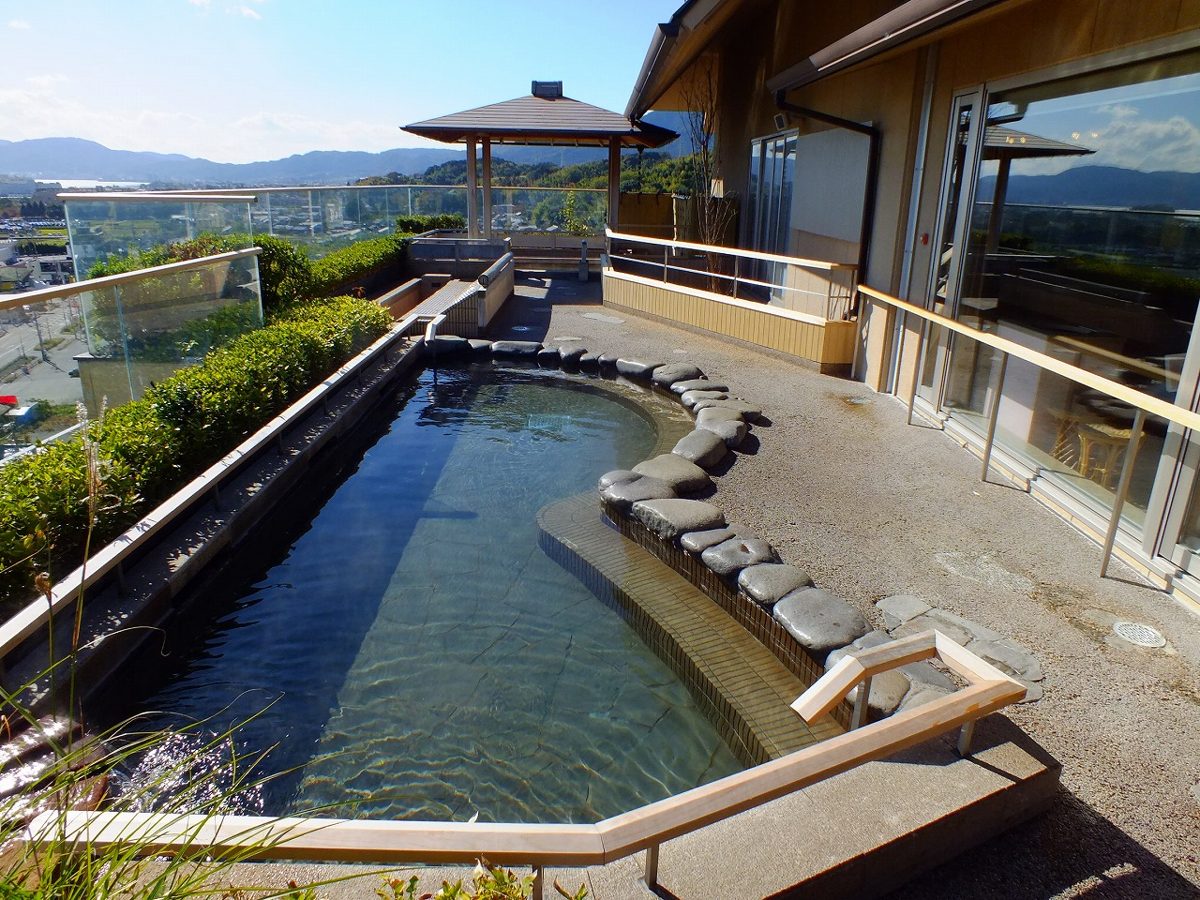
- Rotenburo — an open-air outdoor bath. The signature onsen experience: soaking under the sky, ideally with a mountain, garden or sea view, and unbeatable with snow falling.
- Uchiyu — the indoor bath, usually where the main washing stations and largest tubs are.
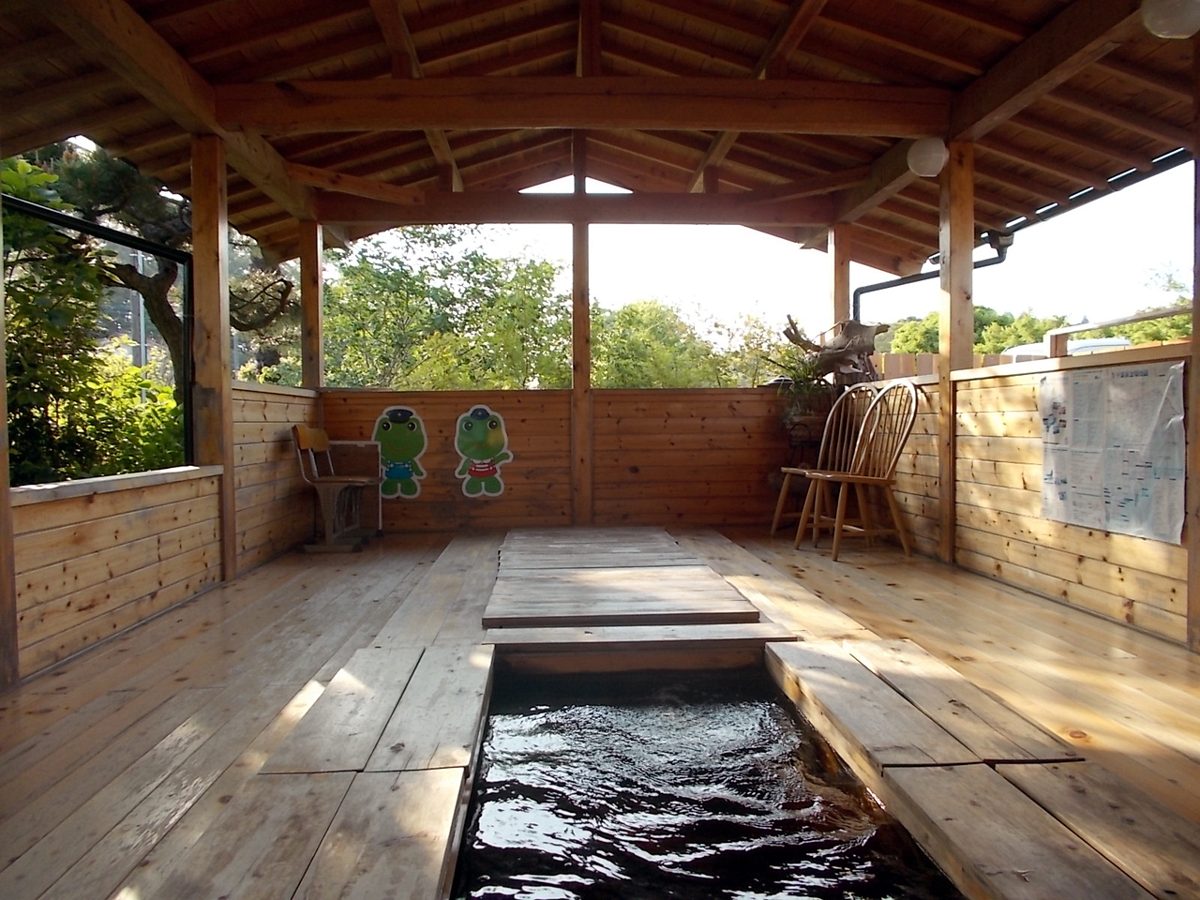
- Ashiyu — a public footbath. Free, clothed, no nudity, no commitment — the perfect way to dip a toe (literally) into hot spring culture if you are nervous. You will find them dotted around onsen towns like Hakone and Kusatsu.
- Kashikiri / kazokuburo — a private bath you rent by the hour, ideal for couples, families or anyone with tattoos.
- Denkiburo — an electric bath with a mild current. Surprising the first time; skip it if you have a heart condition.
Where to go near Tokyo (day onsen inside the city)
You do not have to leave Tokyo to soak in real hot spring water. A quick, important note first: Oedo Onsen Monogatari in Odaiba closed for good on 5 September 2021 and the building has since been demolished, so ignore any old blog that still recommends it. Here is where to actually go, with the day-onsen prices I confirmed for this guide (always re-check the website, as rates shift between weekday, weekend and late night):
- Thermae-Yu, Shinjuku — the most convenient hot spring to central Tokyo, about an 8-minute walk from Shinjuku Station’s east side in Kabukicho. Open almost 24 hours (with a short early-morning cleaning break), with natural hot spring water trucked in, multiple indoor and outdoor baths, saunas and loungewear included. Weekday off-peak admission dips to roughly ¥1,836; it is relatively tattoo-tolerant if your ink is covered with their stickers, though large pieces may still be refused. Great for a soak after a late night out in Tokyo.
- Spa LaQua, Tokyo Dome City — directly connected to Korakuen Station, this upscale spa draws genuine natural hot spring water from about 1,700 m underground. Open from late morning through to the next morning, with indoor and outdoor baths, high-end saunas, a stone-sauna (ganbanyoku) zone and restaurants; towels and loungewear are included. Weekday admission is around ¥3,500, with about ¥1,000 off if you check in after 7 pm. A polished, comfortable introduction.
- Maenohara Onsen Saya-no-Yudokoro, Itabashi — my pick for the most authentic city onsen, an 8-minute walk from Shimura-Sakaue Station on the Toei Mita Line. It is the only facility in Tokyo’s 23 wards using 100% natural, free-flowing hot spring water with no filtration or additives, set in a beautiful traditional building with open-air and pot baths. Admission is about ¥900 on weekdays and ¥1,200 on weekends and holidays; open 10 am to midnight. Private baths are bookable from around ¥2,100 per hour.
Onsen towns for a day trip or overnight
For the full ryokan-and-rotenburo experience, head out of the city. These three are the classic escapes from Tokyo:
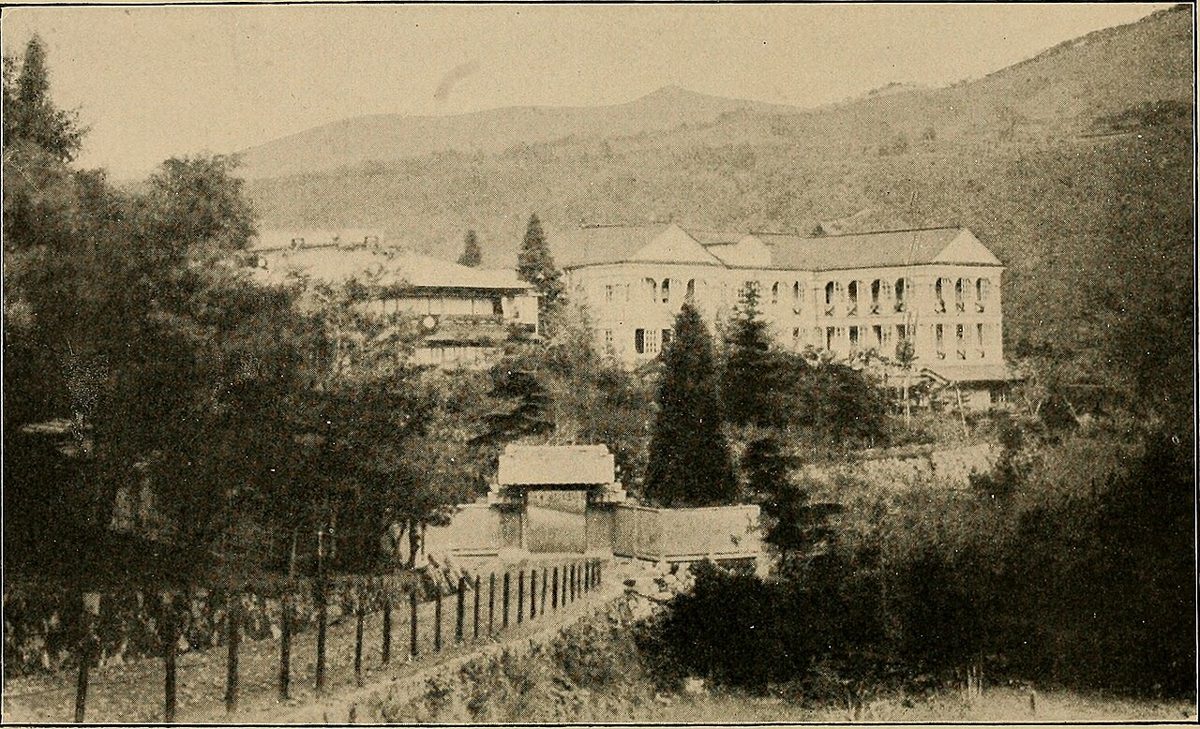
- Hakone — the easiest and most popular, roughly 85–100 minutes from Shinjuku on the Odakyu line (the Romancecar gets you there in comfort). Dozens of ryokan and day baths, plus art museums, a pirate-ship lake cruise and Mount Fuji views on clear days. See our day-trip guide to the Tokyo area for how to plan it, and the dedicated Mount Fuji day trip if you want to combine onsen with the mountain.
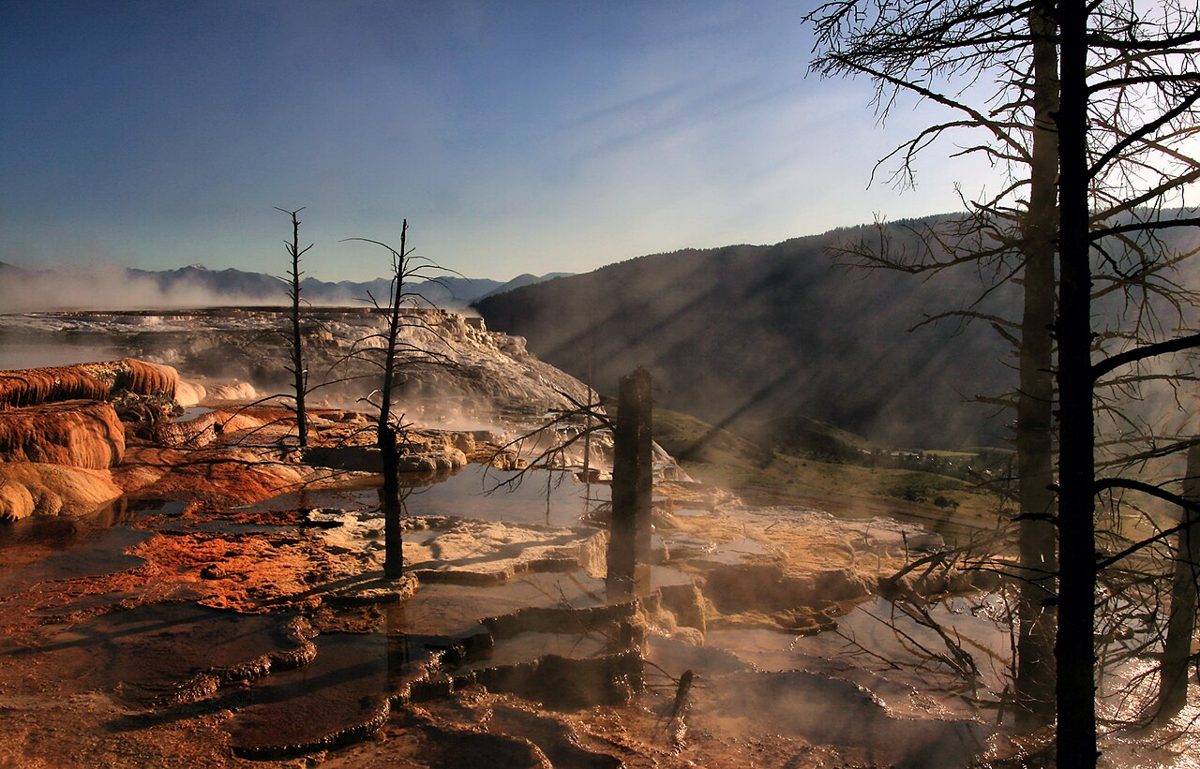
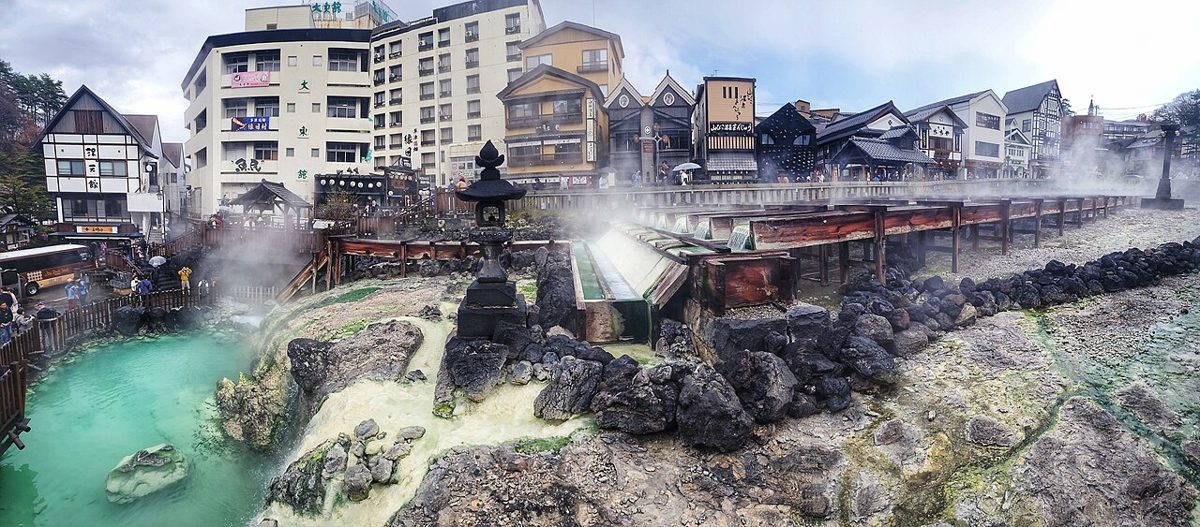
- Kusatsu — in Gunma, one of Japan’s most famous hot spring resorts, built around the steaming Yubatake hot-water field in the town centre. The water is strongly acidic and sulphuric (this is a case where rinsing at the end is wise) and the town puts on the rhythmic yumomi water-stirring show. About 3–4 hours from Tokyo, so better as an overnight.
- Kinugawa Onsen — a riverside resort in Tochigi, easy to combine with Nikko’s shrines and waterfalls. Around 2 hours from Asakusa on the Tobu line, with big riverside ryokan and open-air baths.
Common mistakes to avoid
- Getting in without washing first — the cardinal sin.
- Letting the towel (or your hair) dip into the water.
- Wearing a swimsuit into a traditional onsen — it is bath-water only, no fabric.
- Treating it like a pool: no swimming, splashing or dunking your head.
- Bringing your phone in just for a quick photo.
- Soaking too long or after drinking, then feeling faint.
- Assuming your tattoo will be fine without checking.
- Walking into the wrong-coloured curtain — read the kanji.
Best time to go and how an onsen fits your trip
An onsen is good in any season, but a few timing notes help. Winter is the connoisseur’s choice: there is nothing like sinking into a steaming rotenburo while snow settles on the rocks, and the cold air makes the heat feel twice as good. Autumn pairs the baths with red and gold foliage, especially out in Hakone, Nikko and Kusatsu. Summer can be sticky for a long hot soak, so favour evening sessions, footbaths and the cold plunge. For the time of day, early morning and late evening are quietest; weekend afternoons at popular day-onsen are the busiest, so go on a weekday if you can — you will also pay less, since most Tokyo facilities charge a lower weekday rate.
Build the onsen into a rest day rather than cramming it between sights. After a soak you will feel pleasantly drained, not energised, so it works best in the late afternoon or as the cap on a day of walking. Many travellers fold a hot spring into a wider plan around the region’s temples, gardens and traditions covered in our Tokyo culture and traditions pillar, then return to the city relaxed for dinner.
Onsen with children and as a group
Children are welcome at most onsen and bathe with the same-gender parent; very young children can usually go on either side. Keep an eye on them for the no-running, no-swimming rules and watch for overheating, since small bodies warm up fast — short dips only. Travelling as a mixed group is the one case where a private kashikiri bath earns its cost: you all soak together, talk freely, and tattoos and shyness stop being an issue. Book it ahead at the front desk or when you reserve your ryokan, as the private slots fill quickly on weekends.
A few words of onsen vocabulary
You do not need Japanese to enjoy a bath, but a handful of words smooth the way. Yu means hot water and marks a bathhouse; you will see it on the curtains and on the giant hiragana symbol over many sento. Kakeyu is the rinse before you enter. Agari-yu is the clean water some baths provide for a final rinse. Yukata is the light cotton robe you wear around a ryokan or super-sento between soaks. And if a staff member points and says irezumi, they are asking about tattoos. Following this onsen etiquette guide and knowing these few terms, you will move through the whole ritual like a regular.
The best month to put all of this into practice is February, when an outdoor bath in near-freezing air stops being a novelty and becomes the entire point. It is also the cheapest month of the year for a ryokan night out of the city — see Tokyo in February for what else the month is good for.
Frequently Asked Questions
Do you have to be completely naked in an onsen?
Yes. In a traditional gender-separated onsen you bathe fully nude — no swimsuit or underwear. You may carry a small modesty towel in front of you while walking around, but it does not go into the water. The only exceptions are private (kashikiri) baths and the rare mixed-gender konyoku spots that provide a wrap.
Can I go to an onsen with tattoos?
Often, yes, but it depends on the facility. Many traditional onsen still ban visible tattoos, while a growing number of super sento and tattoo-friendly baths welcome them. Small tattoos can usually be hidden with waterproof cover stickers, and booking a private bath avoids the issue entirely. Always confirm the policy before you pay.
Do you wash before or after the onsen?
Before, always. You wash and rinse your entire body at the seated shower stations before entering the communal bath, because the bath is purely for soaking in clean water. At the end, most people do not rinse off mineral spring water (it keeps benefiting your skin), though a quick rinse makes sense at strongly acidic or sulphur springs.
How long should you stay in an onsen?
Keep each soak to about 10–15 minutes, then cool down before going back in. The hot water (often 40–42°C) raises your core temperature quickly, so cycling between the bath and a cool-down is healthier and more enjoyable than one long soak. Get out immediately if you feel dizzy.
Where can I experience an onsen in Tokyo without leaving the city?
Good in-city options include Thermae-Yu in Shinjuku (very central, near-24-hour, from about ¥1,836 off-peak), Spa LaQua at Tokyo Dome City (natural spring water, around ¥3,500 on weekdays), and Maenohara Onsen Saya-no-Yudokoro in Itabashi (the only 100% natural-source onsen in the 23 wards, about ¥900 on weekdays). Note that the old Odaiba Oedo Onsen Monogatari closed in 2021.
Photo Credits
- A rotenburo (open-air bath) is the classic Japanese onsen experience — Photo: イーゴス108 / CC BY-SA 3.0 via Wikimedia Commons via Wikimedia Commons
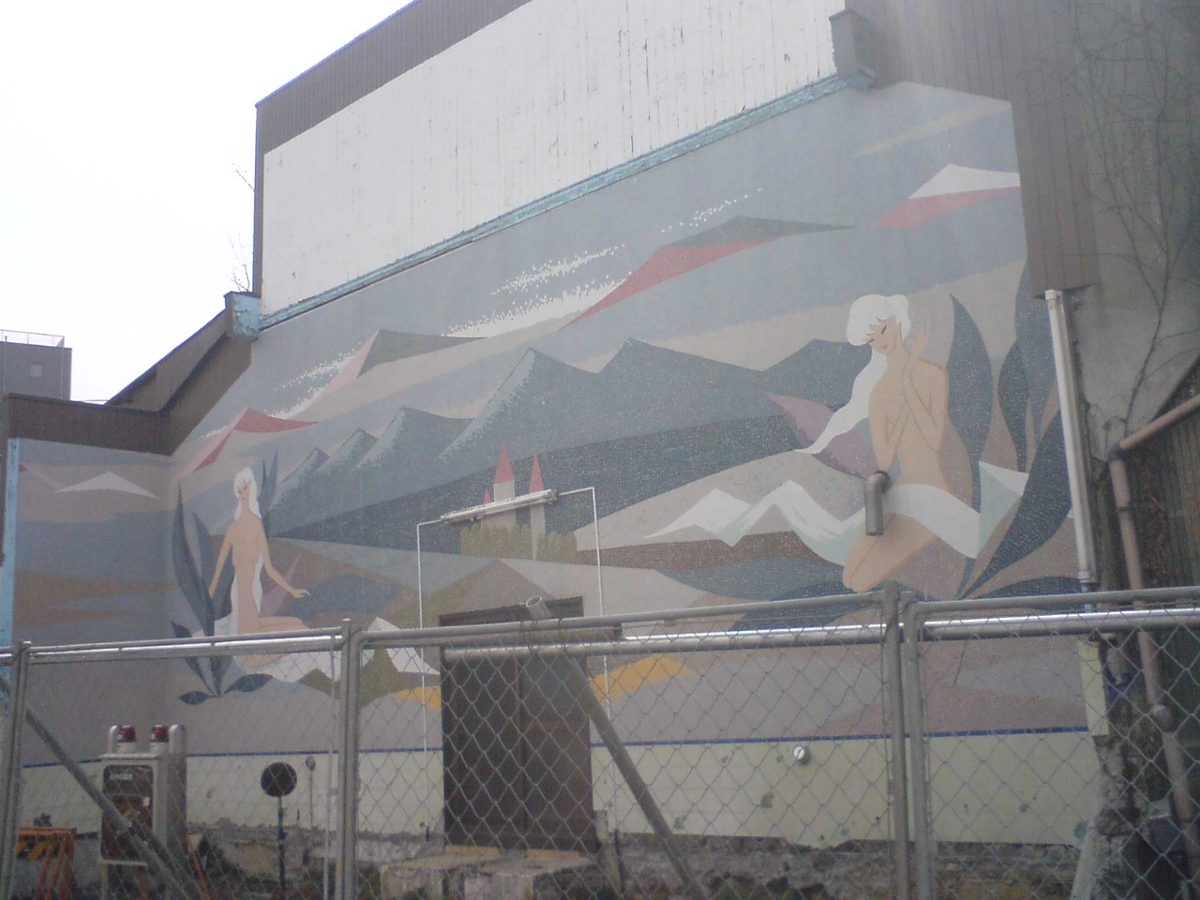
- Indoor bathing room (uchiyu) with washing stations along the wall — Photo: Brocken Inaglory / CC BY-SA 3.0 via Wikimedia Commons via Wikimedia Commons
- A neighbourhood sento (public bathhouse) heats ordinary tap water rather than spring water — Photo: craz1230 / CC BY-SA 3.0 via Wikimedia Commons via Wikimedia Commons
- The Yubatake (hot water field) at the centre of Kusatsu Onsen — Photo: YedidyaPopper / CC BY 4.0 via Wikimedia Commons via Wikimedia Commons
- Hakone is the easiest onsen day trip or overnight from central Tokyo — Photo: Internet Archive Book Images / No restrictions via Wikimedia Commons via Wikimedia Commons
- A free ashiyu (footbath) is a low-commitment way to try hot spring water — Photo: Crunkys / CC BY-SA 3.0 via Wikimedia Commons via Wikimedia Commons