Tokyo Neighborhoods · Guide №072
Ueno Guide: Museums, Parks & Budget-Friendly Tokyo
A complete Ueno guide: the free park and its world-class museums, Ueno Zoo, Shinobazu Pond and Bentendo, Tosho-gu Shrine, cherry blossoms, the Ameyoko market, budget tips, and how to get there.

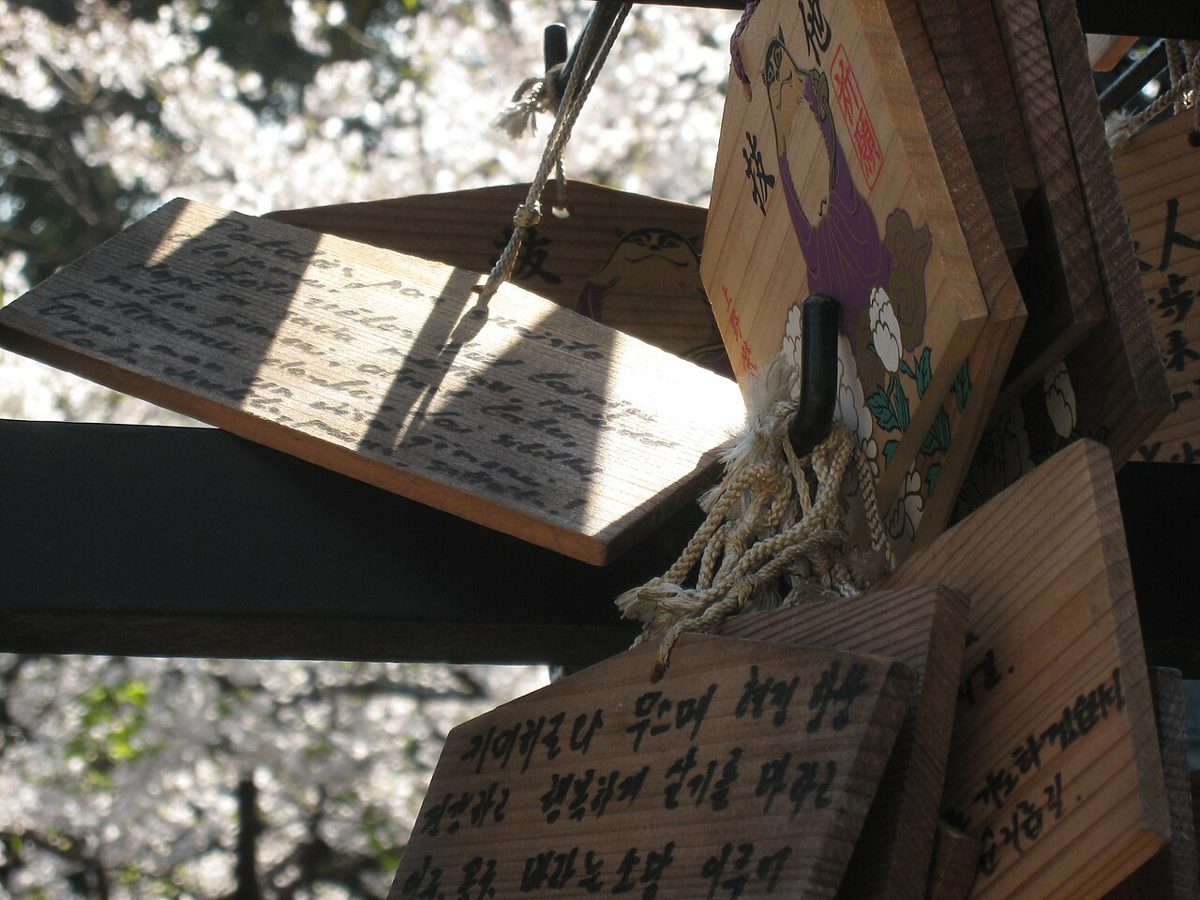
目次 — Contents
- Ueno Park: Japan’s first public park
- The museum cluster: Tokyo’s best in one place
- Ueno Zoo: pandas, shoebills, and a historic menagerie
- Shinobazu Pond and Bentendo
- Tosho-gu Shrine and Ueno’s temples
- Cherry blossoms: Ueno’s spring spectacle
- Ameyoko: Ueno’s bargain street market
- Where to eat around Ueno
- How to get to Ueno
- A half-day Ueno plan
- Mistakes to avoid in Ueno
- Frequently Asked Questions
- Photo Credits
This article contains advertising. Our booking links are routed through a partner that adds commission tracking automatically, so if you book through one we earn a commission from the provider, at no extra cost to you. It never affects what we recommend. Affiliate disclosure
This Ueno Tokyo guide covers one of the city’s best-value days out: a huge free park that holds Tokyo’s densest cluster of major museums, a historic zoo, a lotus-covered pond, old shrines, and the rowdy Ameyoko street market right outside the station. You can fill a full day here for the price of a couple of museum tickets, and the whole area sits on the Yamanote Line, one stop from Akihabara.
Ueno is a district in Taito ward in northeast Tokyo, built around Ueno Park (Ueno Onshi Koen) and Ueno Station. The park opened in 1873 as one of Japan’s first public parks, on the grounds of a temple complex that was largely destroyed in the 1868 Battle of Ueno, and it has been the city’s culture-and-nature hub ever since. Within its borders sit four of Japan’s most important museums, a famous zoo, a pond full of lotus, several shrines and temples, and — for two weeks each spring — one of Tokyo’s most crowded and joyful cherry-blossom parties. For how Ueno fits among the city’s areas, start with our complete guide to Tokyo’s neighborhoods.
The appeal of Ueno is partly the concentration — museums, zoo, pond, shrines, and market are all within a 15-minute walk — and partly the value. The park itself is free, the market is free to wander, and even the paid attractions (museums around ¥500-¥1,000, the zoo ¥600) are gentle by Tokyo standards. This guide walks you through the park, the museum cluster, the zoo, Shinobazu Pond, the shrines, the cherry blossoms, and Ameyoko, with current 2026 prices, hours, and exactly how to get here.
Ueno Park: Japan’s first public park
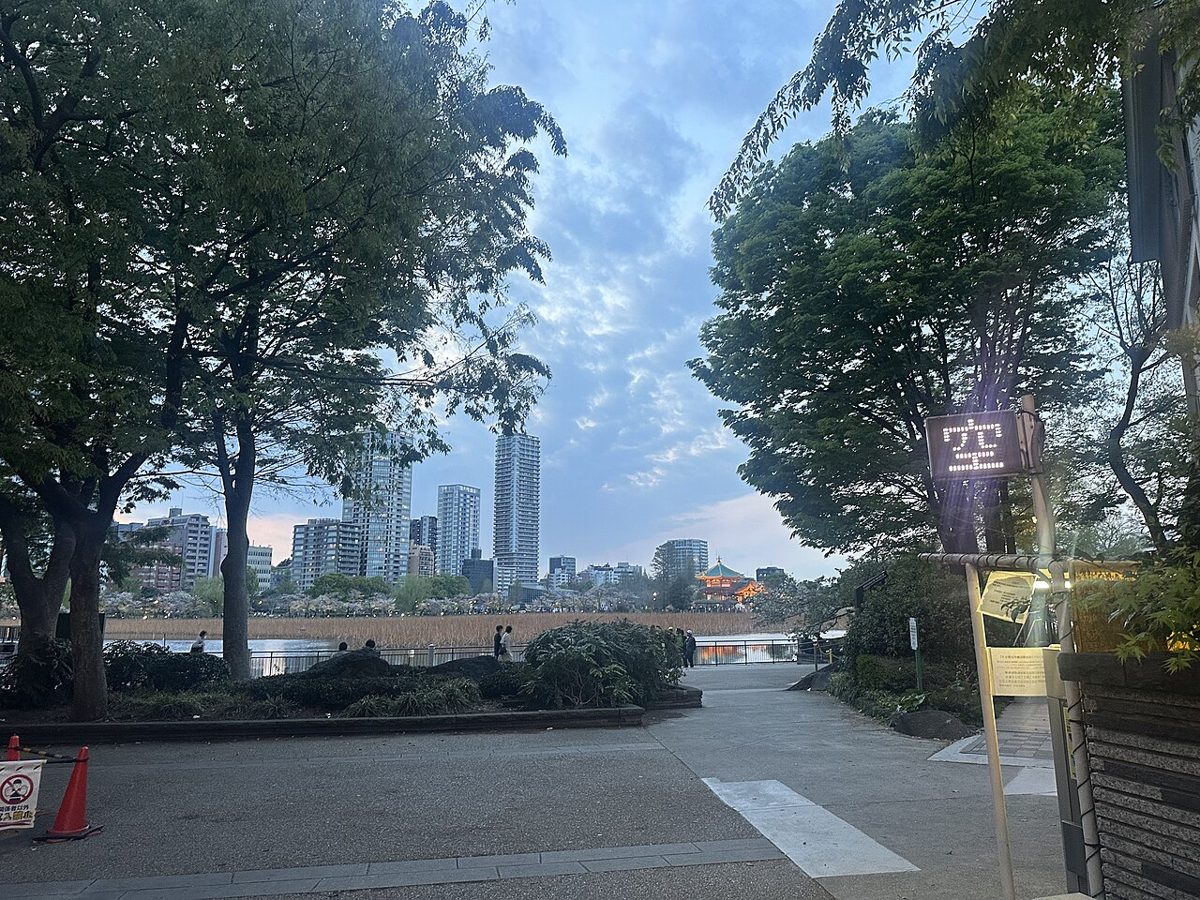
Ueno Park is large, green, and entirely free to enter, open around the clock (though individual attractions inside keep their own hours). From the JR station’s Park Exit you climb a gentle slope into a wide plaza, and from there paths fan out to everything else. It is a genuine local park as much as a tourist site: you will see office workers eating lunch, families with strollers heading for the playground near the zoo, students sketching, buskers, and in spring an almost unbelievable density of picnickers under the cherry trees.
Worth knowing as you walk in: near the southern entrance stands the bronze statue of Saigo Takamori, the “last samurai,” walking his dog — a popular meeting point. Scattered through the park are the Tokyo Bunka Kaikan concert hall, a small amusement area, food kiosks, and quiet sub-temples. We cover Ueno alongside the city’s other great green spaces in our guide to Tokyo’s parks and gardens, but the short version is that few parks anywhere pack this much in.
The museum cluster: Tokyo’s best in one place
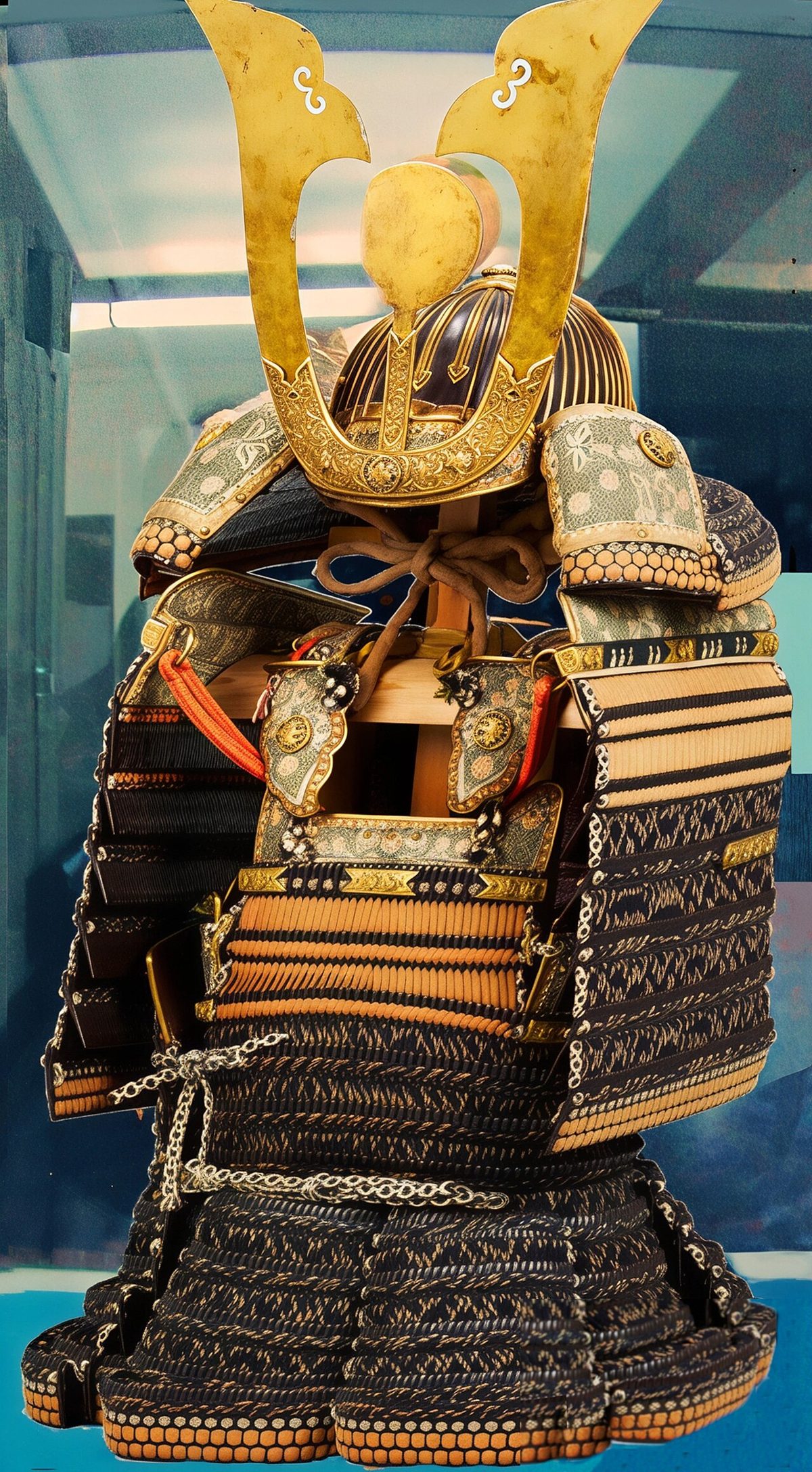
Ueno Park’s headline draw is its concentration of world-class museums — nowhere else in Japan can you walk between this many major institutions in ten minutes. If you only do one thing in Ueno, make it a museum (or two) — and if you are here with children, our roundup of Tokyo’s most kid-friendly collections flags which ones hold their attention longest. Here is the lineup with current 2026 admission for the permanent collections:
| Museum | What it holds | Adult admission | Hours / closed |
|---|---|---|---|
| Tokyo National Museum | Japan’s oldest and largest museum; the world’s best collection of Japanese art, samurai swords, Buddhist sculpture, and the famous National Treasure galleries | ¥1,000 (university ¥500; under 18 and 70+ free) | 9:30-17:00; closed Mondays |
| National Museum of Nature and Science | Dinosaur skeletons, a blue-whale model out front, Japan’s natural history and science; great with kids | ¥630 | 9:00-17:00; closed Mondays |
| National Museum of Western Art | Impressionist and modern European art (Monet, Rodin’s bronzes in the forecourt); the building itself is a Le Corbusier design and a UNESCO World Heritage Site | ¥500 | 9:30-17:30 (to 20:00 Fri/Sat); closed Mondays |
| Tokyo Metropolitan Art Museum | Major rotating special exhibitions; entry to the building is free, exhibition tickets vary | Building free; exhibitions vary | 9:30-17:30; closed some Mondays |
| Ueno Royal Museum | Privately run; blockbuster touring exhibitions and popular art shows | Varies by exhibition | Varies; check current show |
A few practical notes. The Tokyo National Museum is the big one — budget at least two hours, and note its enormous main galleries (the Honkan) are the place to see swords, kimono, and screens. The National Museum of Western Art is a twofer: a UNESCO-listed Le Corbusier building and a strong collection, for just ¥500. Special exhibitions at any of these cost extra and often need a timed online ticket, so check before you go. Almost everything in the cluster is closed on Mondays (or the following day when Monday is a public holiday), which is the single most important scheduling fact in Ueno — do not come Monday expecting museums. For the full rundown of what to prioritize, see our guide to the best museums in Tokyo.
Ueno Zoo: pandas, shoebills, and a historic menagerie
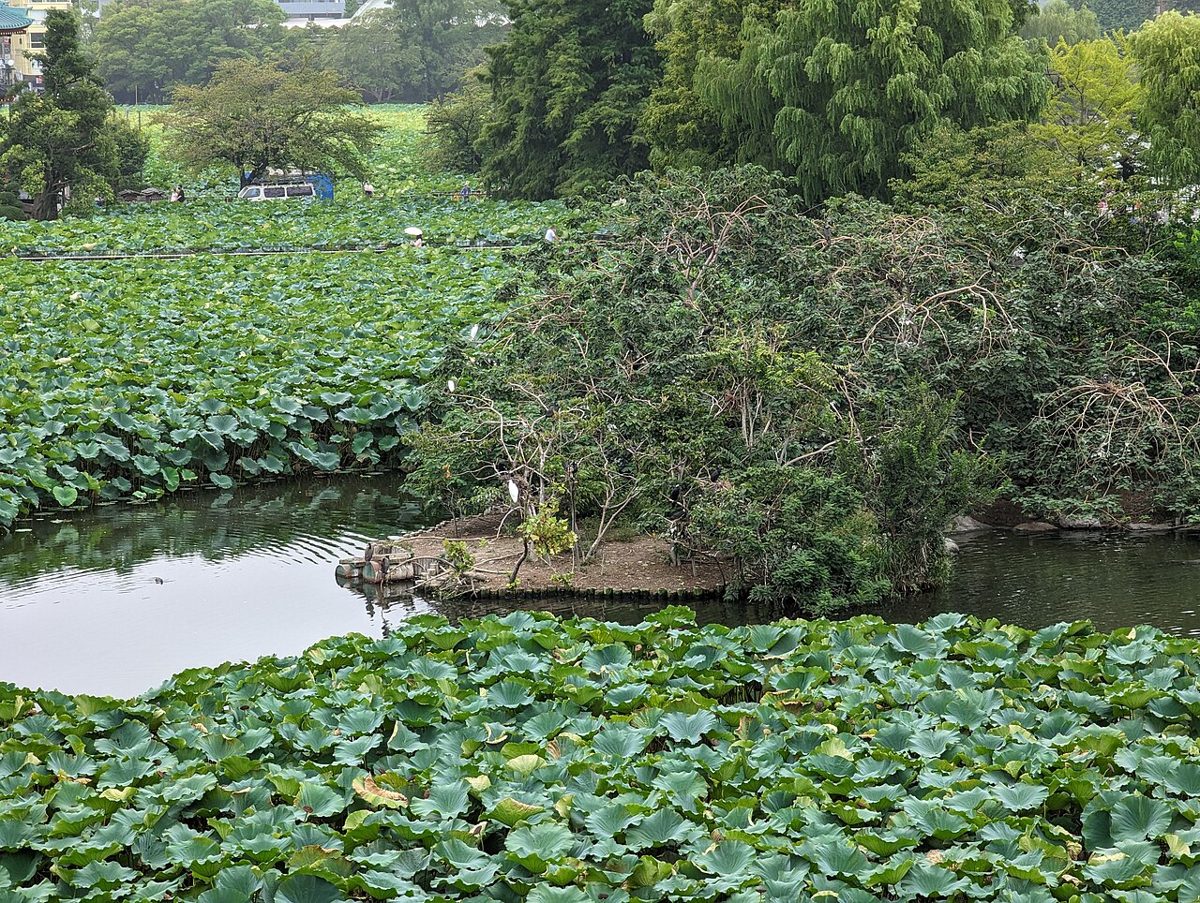
Ueno Zoo (Ueno Zoological Gardens), opened in 1882, is Japan’s oldest zoo and sits right inside the park. Admission is ¥600 for adults (high-school age and up), ¥300 for seniors 65 and over, ¥200 for junior-high students, and free for elementary-school children and younger. Hours are 9:30 a.m. to 5:00 p.m., with last entry an hour before closing, and like the museums it is closed on Mondays.
Important 2026 update on the pandas: Ueno Zoo’s giant pandas, long its biggest celebrity draw, returned to China in 2025-2026 under the terms of Japan’s loan agreement, so as of 2026 there are no giant pandas on display at Ueno. Check the zoo’s official site for the latest, as panda diplomacy can change. In their absence the headline animals are the extraordinary shoebill stork (a prehistoric-looking giant that barely moves), the Pallas’s cat, diving polar bears, plus gorillas, tigers, elephants, and a small-mammal house. The zoo is split into East and West gardens linked by a monorail-style ride and a footpath, and it borders Shinobazu Pond.
Shinobazu Pond and Bentendo
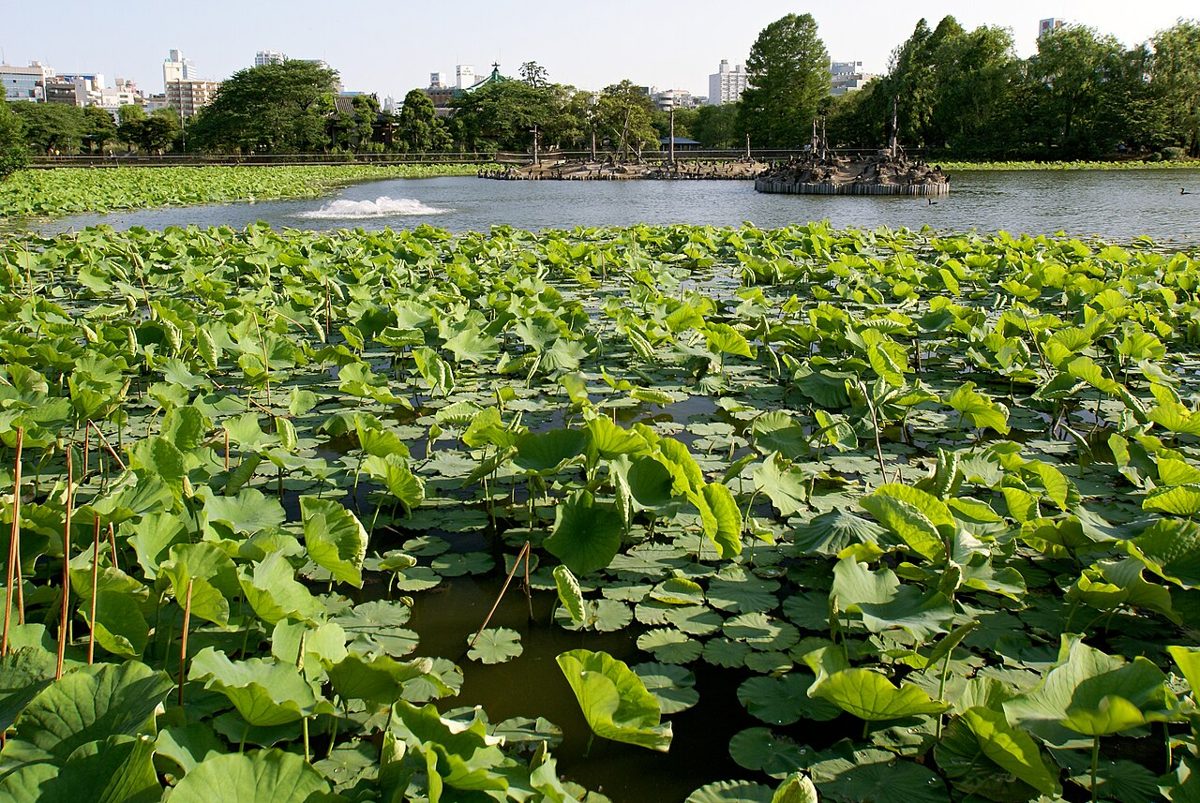
At the southwest corner of the park lies Shinobazu Pond, a large natural pond divided into three parts: a lotus pond that fills wall-to-wall with green leaves and pink blooms in July and August, a cormorant/bird pond, and a boating pond where you can rent rowboats and the famous pedal-powered swan boats (roughly ¥800-¥1,000 per boat for a session; cash, daytime hours). Walking the perimeter is free and takes about 30-40 minutes.
On an island in the middle sits Bentendo, a striking octagonal vermilion temple hall dedicated to Benzaiten, the goddess of music, wisdom, and fortune. It is free to approach across the causeway, and the surrounding paths are lined with food stalls during cherry-blossom season and summer festivals. In high summer the early-morning view across the lotus from the Bentendo causeway is one of the prettiest free scenes in central Tokyo.
Tosho-gu Shrine and Ueno’s temples
Tucked among the trees northwest of the pond, Ueno Tosho-gu is a lavish 17th-century Shinto shrine dedicated to Tokugawa Ieyasu, the shogun who founded Edo (old Tokyo). It survived the wars and earthquakes that flattened much of the area, so the gold-leaf Karamon gate and the gleaming main hall are original Edo-period work. You can view the shrine and walk the avenue of stone and copper lanterns for free; entering the inner precinct to see the Golden Shrine (Kiniro-den) up close costs ¥500 (a combined ticket including the peony garden, the Botan-en, runs around ¥1,100 when the peonies are in bloom in winter and spring).
Elsewhere in the park you will find the Kiyomizu Kannon-do, a temple modeled on Kyoto’s famous Kiyomizu-dera with a “moon pine” framing the view of Shinobazu Pond, and the small Gojoten Shrine and Hanazono Inari with its tunnel of red torii gates. None of these takes long, and together they give Ueno a layer of history beneath the museums.
Cherry blossoms: Ueno’s spring spectacle
Ueno Park is one of Tokyo’s most famous and rowdiest hanami (cherry-blossom viewing) spots. More than 1,000 cherry trees line the park’s central avenue, and when they bloom — usually late March to early April — the path becomes a tunnel of pink and the lawns vanish under blue picnic tarps. It is loud, crowded, and a wonderful slice of Tokyo at play; evening illuminations with paper lanterns add a festival atmosphere.
If you come for the blossoms, arrive early (mornings are far calmer than afternoons), do not expect to find an empty spot to sit by midday, and treat the museums as your rain-or-crowd backup. Bloom timing shifts each year, so check the season’s forecast a week or two ahead. Outside spring, the park is gorgeous in autumn foliage and far quieter year-round.
Ameyoko: Ueno’s bargain street market

Just outside the park, running alongside and under the elevated JR tracks from Ueno Station to Okachimachi Station, is Ameyoko (Ameya-Yokocho) — a loud, packed open-air market that is the gritty, affordable counterpoint to the park’s calm. It grew from a post-war black market (the name nods to the candy and “American goods” once sold here), and today its few hundred shops sell fresh fish and seafood, dried foods and spices, sweets, sneakers, cosmetics, bags, and cheap clothing, with vendors shouting prices over each other.
Most shops open around 10:00 a.m. and close by 8:00 p.m., though hours vary by stall, and it is busiest in the late afternoon and on weekends. Come hungry: Ameyoko is a brilliant street-food graze — grilled seafood skewers, fresh oysters, kebabs, takoyaki, fruit, and standing bars tucked into the railway arches. Unlike most of Japan, the market vendors here will sometimes haggle, especially on bulk food and toward closing time. Bring cash. It is one of the cheapest, most atmospheric places to eat and shop in central Tokyo, and a perfect late-afternoon end to a Ueno day.
Where to eat around Ueno
You won’t go hungry here. Ameyoko is half market, half open-air food court, so the simplest plan is to graze your way down the lane: skewers of grilled seafood, doner kebabs, takoyaki, cut fruit, and bowls of chirashi piled with tuna and salmon at the seafood stalls toward the Okachimachi end. The arches under the JR tracks — the gado-shita — hide cheap standing bars and izakaya that fill up and get loud after dark, and they’re a fun, unpretentious spot for a beer and a plate of grilled fish once the shops close.
For something calmer, Innsyoutei has served Japanese set meals inside Ueno Park since 1875; its lunch bento in a lacquered box is one of the prettier meals in the area, though you pay for the garden setting, and you’ll want a reservation in cherry-blossom season. Tonkatsu fans cross to Yamabe in nearby Okachimachi for thick, crisp pork cutlets, while Ueno Yabu Soba does honest hand-cut buckwheat noodles in a low-key old dining room. Coffee chains cluster around the Park Exit, but the older kissaten on the back streets toward Yushima have far more character.
Shopping for snacks to carry home? Niki no Kashi in Ameyoko is the go-to for discount chocolate, dried fruit and bulk sweets, and the croquette and menchi-katsu counters along the market make perfect few-hundred-yen walking food. Keep some cash on you — plenty of these stalls still don’t take cards.
Ueno also pairs naturally with the old-Tokyo lanes just to the north. From the park’s northwest corner you can walk through Yanaka Cemetery into the low-rise, shitamachi streets of Yanaka in about 15 minutes; our Yanaka neighborhood guide covers the Yanaka Ginza shopping street and its famous sunset stairs. It’s an easy way to swap Ueno’s crowds and museum halls for a quiet, nostalgic afternoon without getting back on a train.
How to get to Ueno
Ueno is a major transport hub, which makes it easy to reach and a logical base for the northeast of the city:
- JR Ueno Station — on the Yamanote Line (the loop that connects Tokyo, Shibuya, Shinjuku, and more), the Keihin-Tohoku Line, and the Joban Line, plus several Shinkansen (bullet train) lines heading north. Use the Park Exit for the museums and zoo, the Shinobazu Exit for the pond, and the Ueno-koen / Central Exit for Ameyoko.
- Ueno Station (Tokyo Metro) — on the Ginza Line and Hibiya Line, with exits feeding directly into Ameyoko and the park.
- Keisei Ueno Station — the terminal for the Keisei Skyliner, the fastest train to and from Narita Airport (about 45 minutes). This makes Ueno an excellent first or last stop on a Tokyo trip — drop your bags and explore the park straight off the airport train.
Ueno also pairs beautifully with Akihabara, the electronics-and-anime district just one stop south on the Yamanote Line (or about a 15-minute walk). It is easy to combine a cultured morning of museums in Ueno with an afternoon of arcades and gadget hunting — see our Akihabara guide for how to plan that half. Asakusa and Senso-ji are also close by to the east.
A half-day Ueno plan
A practical half-day (avoid Mondays, when the museums and zoo close):
- 9:30 a.m. — Enter at the Park Exit and head straight to the Tokyo National Museum before the crowds (¥1,000, allow two hours).
- 11:30 a.m. — Walk over to the National Museum of Western Art (¥500) to see the Le Corbusier building and the Rodin bronzes, or the Nature and Science museum if you have kids.
- 12:30 p.m. — Stroll down to Shinobazu Pond and Bentendo, optionally renting a swan boat, then loop past Tosho-gu Shrine.
- 2:00 p.m. — Visit Ueno Zoo (¥600) for the shoebill and the big animals, or skip it if you are short on time.
- 3:30 p.m. — Finish in Ameyoko for street food, cheap shopping, and a beer in the railway arches.
- 5:00 p.m. — Hop one stop on the Yamanote Line to Akihabara if you still have energy.
Mistakes to avoid in Ueno
- Coming on a Monday. The Tokyo National Museum, the Nature and Science museum, the Western Art museum, and Ueno Zoo are all closed Mondays (or the next day if Monday is a holiday). The park, pond, shrines, and Ameyoko stay open, but you lose the headline sights.
- Expecting pandas. As of 2026 the giant pandas have returned to China. Do not build the trip around them — check the zoo’s site first.
- Trying to do every museum. Five major institutions in one park is too much for one visit. Pick one or two and enjoy them properly.
- Underestimating cherry-blossom crowds. In late March and early April the park is mobbed; come early, or use the museums as your quiet backup.
- Skipping Ameyoko. Many visitors do the museums and leave. The market just outside the station is half the fun and the best-value food in the area.
- Not bringing cash to the market. Many Ameyoko stalls and the swan boats are cash-only, and cash is what lets you haggle.
Frequently Asked Questions
Is Ueno Park free to enter?
Yes. Ueno Park itself is completely free and open around the clock, and walking its paths, the perimeter of Shinobazu Pond, and the outside of the shrines costs nothing. The attractions inside the park charge separately — the museums run about ¥500-¥1,000 for their permanent collections, the zoo is ¥600, and special exhibitions cost extra — but you can have a rich, almost-free day just exploring the grounds, the pond, and Ameyoko.
Does Ueno Zoo still have pandas in 2026?
No. Ueno Zoo’s giant pandas returned to China in 2025-2026 under the loan agreement between Japan and China, so as of 2026 there are no giant pandas on display. The zoo’s current highlights are the prehistoric-looking shoebill stork, the Pallas’s cat, diving polar bears, gorillas, tigers, and elephants. Panda arrangements can change, so check the official Ueno Zoo website for the latest before planning a visit around them.
Which museum in Ueno is the best to visit?
For most first-time visitors the Tokyo National Museum is the standout — it holds the world’s finest collection of Japanese art, samurai swords, and Buddhist sculpture, and admission to the permanent galleries is ¥1,000. If your interest is European art, the National Museum of Western Art (¥500) is excellent value and the building is a UNESCO-listed Le Corbusier design. Families with children often prefer the National Museum of Nature and Science (¥630) for its dinosaurs and hands-on exhibits.
When is the best time to see cherry blossoms in Ueno?
Ueno Park’s roughly 1,000 cherry trees usually bloom from late March to early April, with peak bloom lasting only about a week. It is one of Tokyo’s busiest hanami spots, so come early in the morning for space and calmer crowds, and check the season’s bloom forecast a week or two ahead since timing shifts year to year. Evening lantern illuminations make it especially atmospheric after dark.
How do you get from Ueno to Akihabara?
Akihabara is just one stop south of Ueno on the JR Yamanote Line (and the Keihin-Tohoku Line), about three minutes by train, or roughly a 15-minute walk. This makes it easy to combine the two: spend a cultured morning among Ueno’s museums and the park, then head to Akihabara in the afternoon for electronics, anime, and arcades. Ueno is also a short ride from Asakusa and is the Tokyo terminal for the Keisei Skyliner to Narita Airport.
Photo Credits
- Ueno Park, Japan’s first public park, opened in 1873 — Photo: Syced / CC0 via Wikimedia Commons
- The park’s wide paths connect the museums, zoo, pond, and shrines — Photo: Nesnad / CC BY 4.0 via Wikimedia Commons
- The Tokyo National Museum holds the world’s largest collection of Japanese art — Photo: Pierre André Leclercq / CC BY-SA 4.0 via Wikimedia Commons
- Ueno Zoo, opened in 1882, is Japan’s oldest zoo — Photo: Syced / CC0 via Wikimedia Commons
- Shinobazu Pond, famous for its summer lotus and swan boats — Photo: 663highland / CC BY 2.5 via Wikimedia Commons
- Ameyoko, the bargain market under the JR tracks beside Ueno Station — Photo: AugustGresh / CC BY-SA 4.0 via Wikimedia Commons
