Tokyo Shopping · Guide №102
Tax-Free Shopping in Tokyo: How to Save with Duty-Free
A 2026 guide to tax-free shopping in Tokyo: who qualifies, the 5000 yen rule, general vs consumables, where to shop, and the new refund-at-departure system.
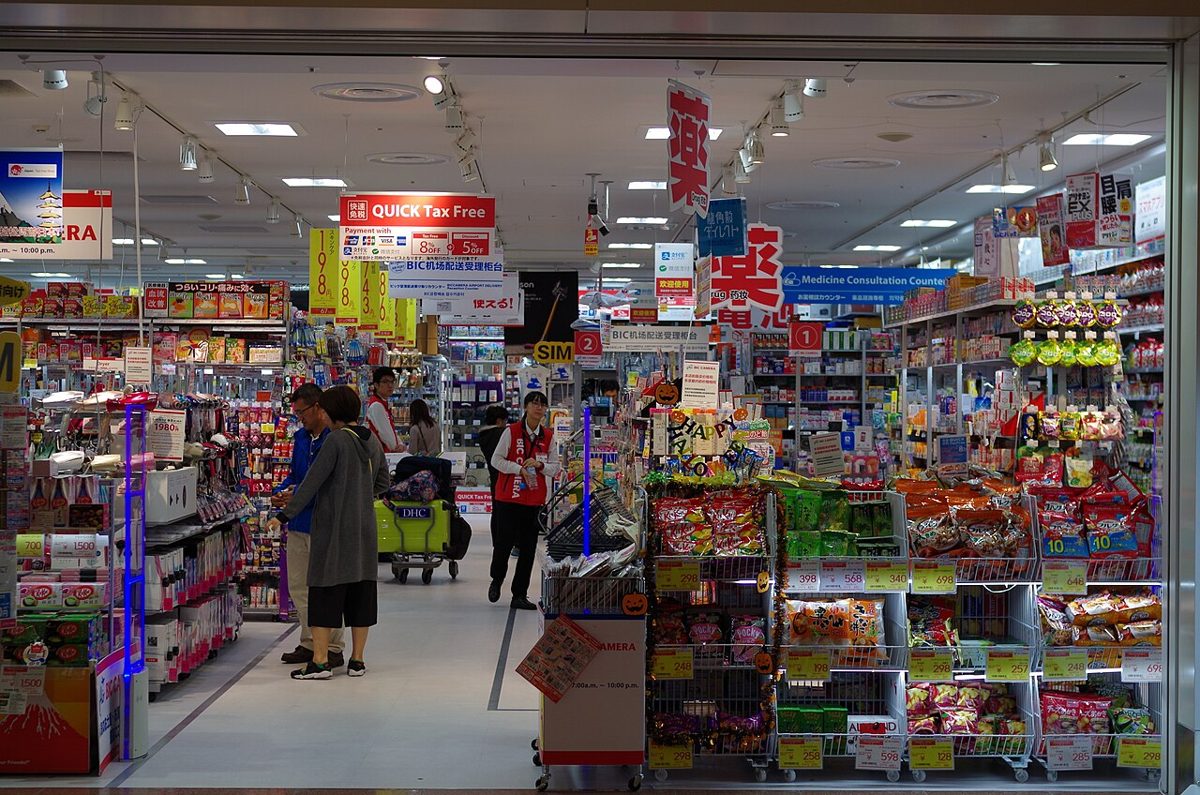
目次 — Contents
- How Japan’s consumption tax works
- Who qualifies for tax-free shopping
- The current system: general goods vs consumables
- Step by step: claiming tax-free in store (current method)
- Where to shop tax-free in Tokyo
- The big change: refund-at-departure from November 1, 2026
- Restrictions, sealed goods and airport customs
- Tips to make tax-free shopping smoother
- A worked example: how much you actually save
- Tax-free electronics and the weak yen
- Common tax-free mistakes to avoid
- Frequently Asked Questions
- Photo Credits
This article contains advertising. Our booking links are routed through a partner that adds commission tracking automatically, so if you book through one we earn a commission from the provider, at no extra cost to you. It never affects what we recommend. Affiliate disclosure
Tax-free shopping in Tokyo lets temporary visitors buy goods without Japan’s consumption tax, which is 10% on most items and 8% on food and drink. To qualify you spend at least ¥5,000 (before tax) in one store on the same day and show your passport. Big electronics chains, department stores, drugstores, and Don Quijote all offer it. One important change is coming: from November 1, 2026, Japan switches to a “pay tax, claim a refund at the airport” system.
That timing matters, so this guide covers both the current in-store method you will use through October 31, 2026, and the new refund-at-departure system that starts the next day. We walk through who qualifies, the ¥5,000 minimum, the difference between general goods and consumables, the sealed-bag rule, the Visit Japan Web QR shortcut, exactly where to shop, and what happens at airport customs. It pairs with our full shopping rundown and our cash-and-cards explainer for the wider currency picture.
How Japan’s consumption tax works
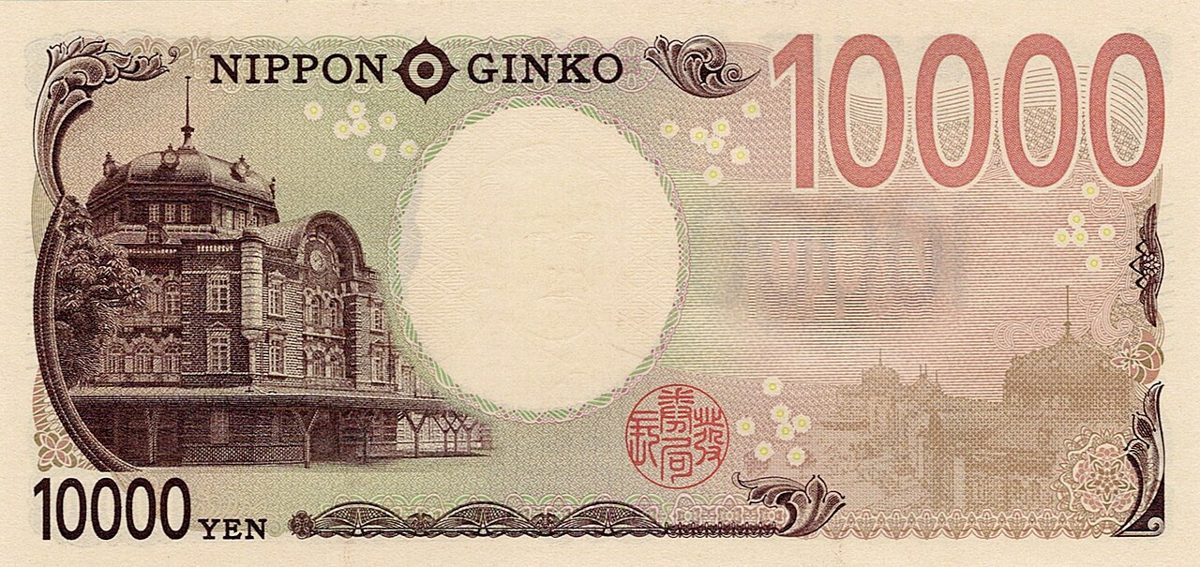
Japan charges a consumption tax (the local equivalent of VAT or sales tax) on almost everything you buy. The standard rate is 10%. A reduced rate of 8% applies to food and non-alcoholic drinks, including takeaway and groceries, which is why a convenience-store receipt often shows two tax lines. Prices on shelves are usually shown tax-included (the bigger number) with the pre-tax price in smaller print, so the 10% is already baked into what you pay at the register.
Tax-free shopping removes that tax for eligible foreign visitors. On a ¥50,000 camera, skipping the 10% saves you about ¥4,545 (the tax portion of the tax-inclusive price), which is real money on a big electronics or fashion haul. The weak yen of recent years has made Tokyo an even better place to buy cameras, watches, and skincare, and the tax break stacks on top of that. It is one of the simplest ways to cut costs, alongside the tips in our guide to a cheaper Tokyo trip.
Who qualifies for tax-free shopping
Tax-free shopping is for non-residents, meaning short-term foreign visitors. You qualify if you entered Japan as a “temporary visitor” (the status most tourists get on arrival) and have been in the country for less than six months. Japanese citizens who live overseas can also qualify with extra proof of foreign residence, and cruise passengers with a landing permit are eligible too.
- You need your actual passport. A photo or photocopy is not accepted; the store scans the passport you entered Japan on.
- Foreign residents of Japan do not qualify, including those on work, student, or long-stay visas.
- The goods must leave Japan with you and are for personal use, not resale.
- Make sure your entry record is on your passport. If you used the automated gates, ask for an entry stamp on arrival or register on Visit Japan Web, or the QR tax-free process will not work.
The current system: general goods vs consumables
Through October 31, 2026, Japan uses an in-store, tax-exempt-at-checkout system. The key concept is the split between two categories, each with a ¥5,000 minimum spend per store per day:
- General goods — electronics, clothing, bags, watches, shoes, toys, stationery, and homewares. You can use these in Japan, and they are not sealed.
- Consumables — food, drinks, cosmetics, medicines, and other items meant to be used up. These are sealed in a clear bag you must not open until you leave Japan, and there is a ¥500,000 daily cap.
You reach the ¥5,000 threshold within each category separately, though many large stores now let you combine general goods and consumables to hit ¥5,000 if they bag everything as sealed consumables. The ¥5,000 is measured before tax, so do not stop at ¥4,900 thinking you have qualified. Here is the head-to-head:
| General goods | Consumables | |
|---|---|---|
| Examples | Electronics, clothing, bags, watches | Food, drink, cosmetics, medicine |
| Minimum spend (pre-tax) | ¥5,000+ per store per day | ¥5,000+ per store per day |
| Daily maximum | No upper limit | ¥500,000 |
| Sealed in a bag? | No | Yes, clear sealed bag |
| Can you use it in Japan? | Yes | No, keep it sealed until you leave |
| Must leave Japan with it? | Yes | Yes |
Step by step: claiming tax-free in store (current method)
- Look for the “Japan Tax-Free Shop” sign (a red and white logo). Not every shop is registered, so check before you load up your basket.
- Hit the ¥5,000 pre-tax minimum in that store on that day.
- Bring your purchases and passport to the till or a dedicated tax-free counter. Big stores like BIC Camera and department stores have a separate counter; you may need your original receipts if you paid at a normal register first.
- Pay the tax-free price, or get the tax refunded on the spot. Some stores ring you up without tax; others charge full price and hand back the tax in cash or to your card at the counter.
- Let them seal consumables. Food and cosmetics go into a sealed bag with your receipt; do not open it until you are out of Japan.
- Keep the receipt with your goods. The purchase record is logged digitally, so you usually do not hand over paper at the airport, but keep everything together.
The Visit Japan Web QR shortcut
To speed things up, register on Visit Japan Web before or during your trip and generate a tax-free QR code that bundles your passport and entry record into one scannable code. At a participating store you show the QR instead of digging out your passport, and the staff scan it to register the purchase. A few caveats: your passport must carry an entry record, a screenshot of the QR is not accepted (open the live code), and not every shop supports it yet, so keep your physical passport handy as a backup.
Where to shop tax-free in Tokyo
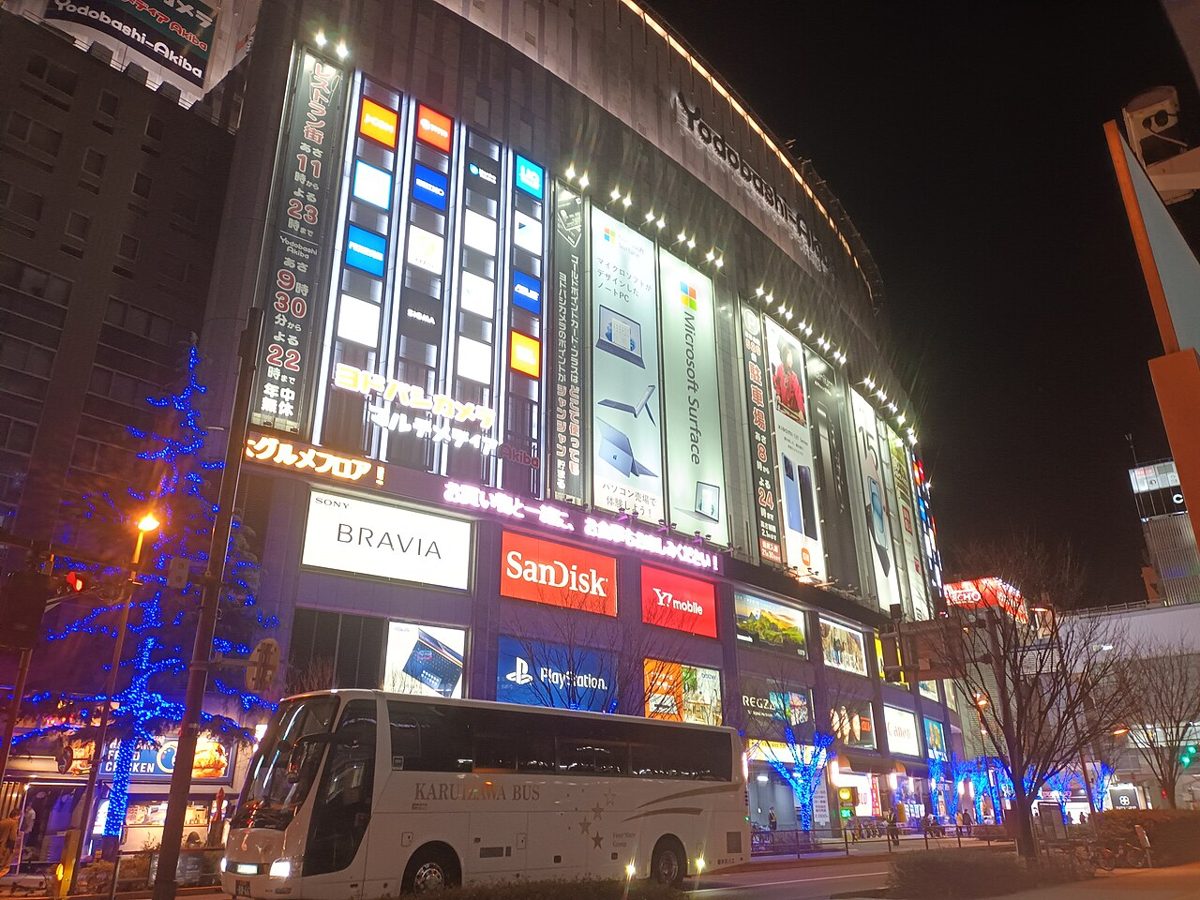
Most major retailers aimed at visitors are registered tax-free shops. These are the reliable ones for tax-free shopping in Tokyo:
- BIC Camera and Yodobashi Camera — the two big electronics chains, with huge tax-free counters in Yurakucho, Shinjuku, Shibuya, and Akihabara. They sell far more than electronics: cosmetics, toys, watches, and alcohol too.
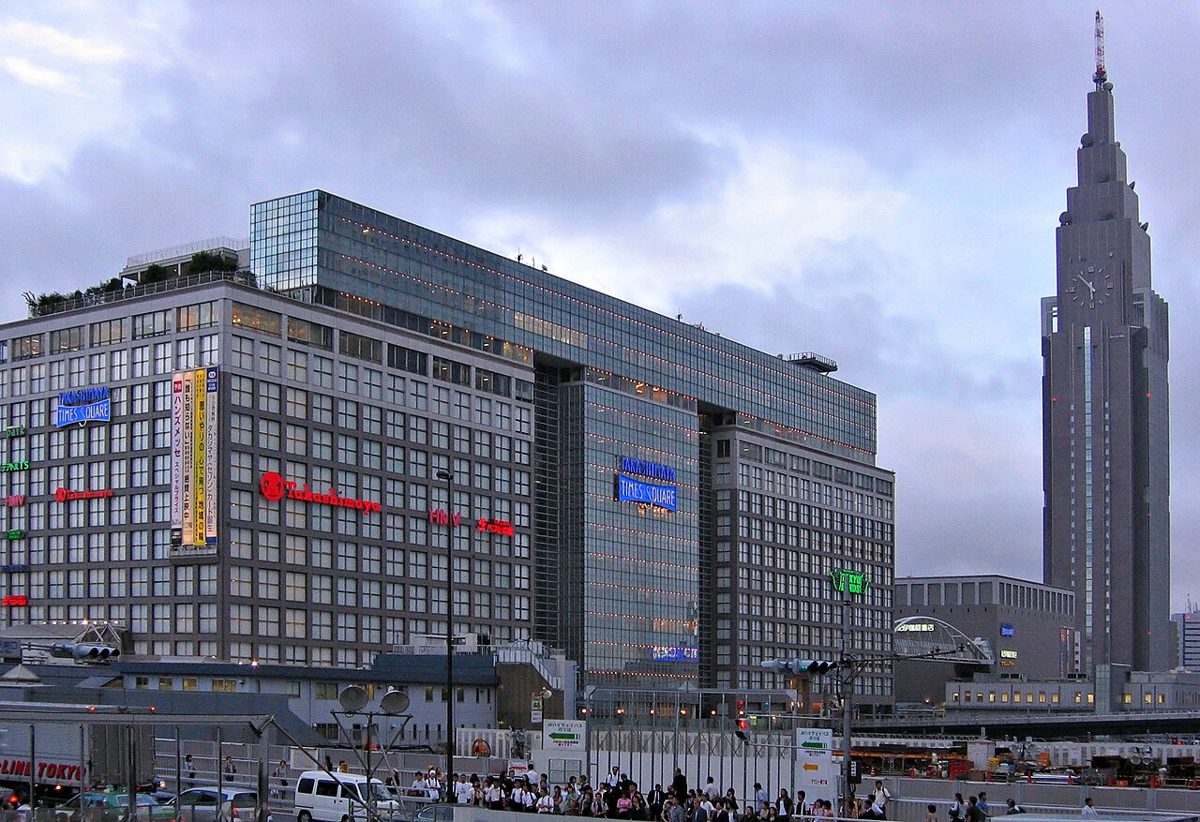
- Department stores — Isetan, Mitsukoshi, Takashimaya, Matsuya, and Daimaru all have a central tax-free counter, usually on an upper or basement floor. Bring your same-day receipts there.
- Don Quijote (“Donki”) — the discount mega-store stocks snacks, cosmetics, and electronics with dedicated tax-free counters in its larger branches. See our Don Quijote guide for the specifics.
- Uniqlo, GU, and major fashion stores — flagship branches process tax-free at the register.
- Drugstores — Matsumoto Kiyoshi, Sundrug, and Welcia handle tax-free on cosmetics and medicine once you hit ¥5,000.
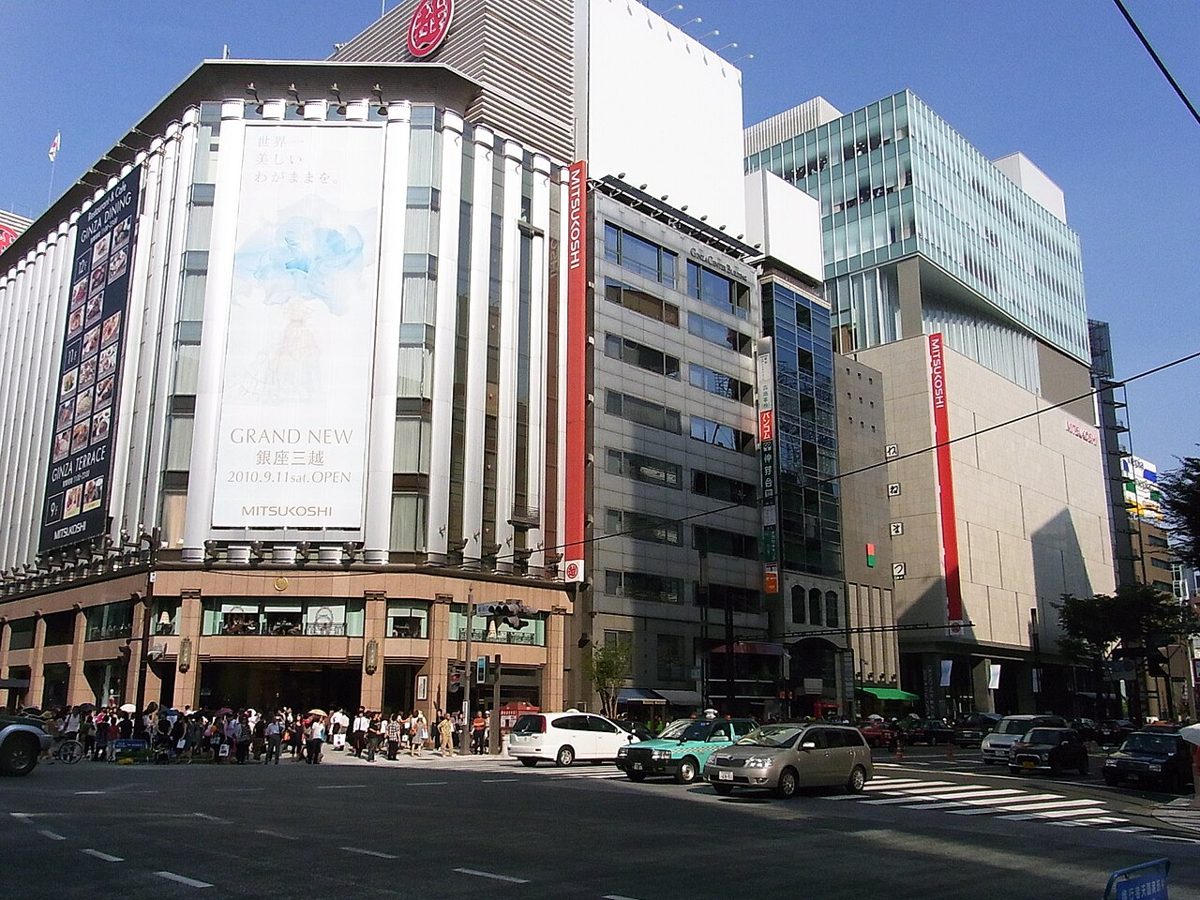
For a concentrated tax-free run, Ginza and Shinjuku are ideal: both pack department stores, electronics giants, and fashion flagships within walking distance, so it is easy to clear ¥5,000 in several stores in an afternoon. If souvenirs are your goal, our shopping guide for Tokyo gifts shows which are worth claiming the tax back on and which are cheap enough not to bother.
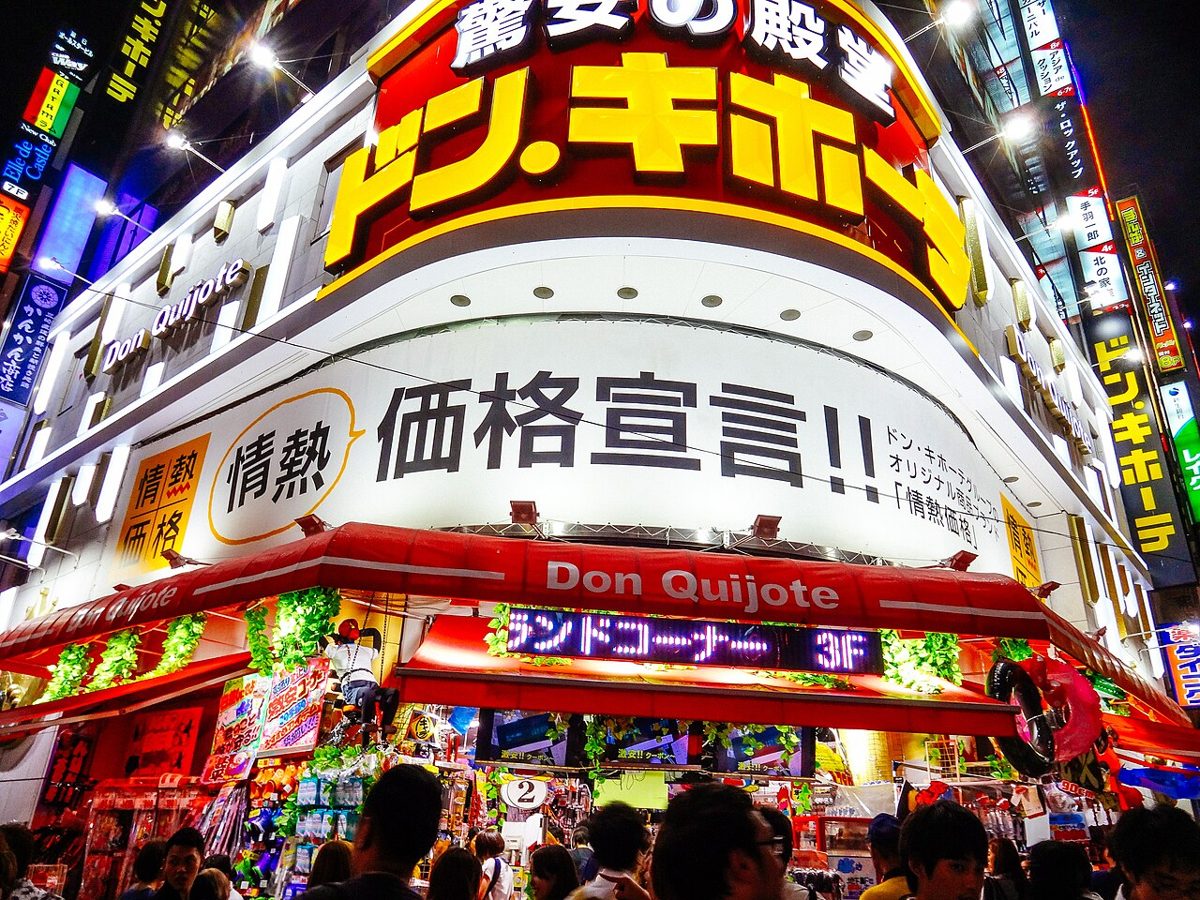
Tax-free at Don Quijote
Don Quijote deserves its own note because it is where many visitors do their bulk souvenir and cosmetics shopping. The big, often 24-hour branches have a clearly marked tax-free counter, usually near the entrance or on a specific floor. Buy throughout the store, then take everything plus your passport to that counter to process the exemption in one go. Because so much of a Donki haul is consumables, expect most of it to be sealed in bags under the current rules.
The big change: refund-at-departure from November 1, 2026
Japan is overhauling the whole system. From November 1, 2026, the in-store tax exemption ends and a refund model replaces it. There is no overlap period: a purchase on October 31 follows the old rules, and a purchase on November 1 follows the new ones. If you are shopping right around that date, this is the single most important thing to understand.
Under the new system you pay the full tax-inclusive price in the shop, the store registers your purchase against your passport and sends the record to customs, and you claim the tax back at the airport when you leave. The upsides are real: the general-versus-consumables split disappears, the ¥500,000 consumables cap is gone, and the sealed-bag rule is abolished, so you can finally use or pack your purchases freely. The trade-off is that you front the tax and reclaim it at departure, which means arriving at the airport with extra time.
| Feature | Now (until Oct 31, 2026) | From Nov 1, 2026 |
|---|---|---|
| When you save the tax | At checkout (pay tax-free) | Refunded at airport on departure |
| Minimum spend | ¥5,000+ per store per day | ¥5,000+ per store per day |
| General vs consumables | Two categories | Distinction abolished |
| ¥500,000 consumables cap | Yes | Removed |
| Sealed bag for consumables | Required | No longer required |
| Use items in Japan? | Consumables must stay sealed | Allowed |
How the new airport refund will work
- In the shop: show your passport, pay the full tax-inclusive price. The store logs the purchase to Japan’s customs system.
- Before departure: complete the refund procedure within 90 days of purchase, so the tax-free status stays valid.
- At the airport: scan your passport at a customs KIOSK. The system pulls up your purchase records and decides whether a manual check is needed.
- Verification: you may be asked to show the goods. In principle every item on a receipt must be presented; if something is missing, that whole receipt can lose its tax-free status.
- Get refunded: via the store or its contracted refund service. Cash is immediate where offered; credit-card refunds take roughly 1–2 weeks and bank transfers 2–4 weeks.
Restrictions, sealed goods and airport customs
- Do not open sealed consumables (current system). If customs finds an opened tax-free food or cosmetics bag before you leave, you can be charged the tax you saved.
- Carry tax-free goods with you, not in shipped parcels. Since April 2025, items posted overseas separately are no longer tax-free unless the retailer handles the export directly. Present your goods at customs as hand or checked luggage.
- Show the goods if asked. Keep tax-free purchases accessible until you clear customs, especially big-ticket electronics and watches.
- Very large purchases get extra paperwork. Buy ¥1,000,000 or more (pre-tax) of a single category and detailed product registration applies for customs verification.
- Airport duty-free is different. Shops past security sell goods already free of consumption, liquor, and tobacco tax at the till, with no refund process; that is unaffected by the 2026 change.
- Mind your home country’s allowances. Tax-free in Japan does not exempt you from import duty back home if you exceed your personal allowance.
Tips to make tax-free shopping smoother
- Carry your passport whenever you plan to spend. No passport, no exemption, with no exceptions.
- Consolidate purchases in one store to clear the ¥5,000 minimum rather than spreading small buys across many shops.
- Shop earlier in the day at department-store tax-free counters; queues build in late afternoon.
- Register on Visit Japan Web for the QR code if you expect to shop a lot under the current system.
- From November 2026, budget for the upfront tax and reclaim it later, and leave extra time at the airport for the KIOSK and any customs check.
- Keep receipts and goods together until you have left Japan, under either system.
A worked example: how much you actually save
It helps to see the numbers. Because the 10% is already inside the shelf price, the saving is the tax portion of the tax-inclusive total, which works out to roughly 9.1% off the sticker. On a ¥30,000 jacket you keep about ¥2,727; on a ¥80,000 camera, about ¥7,273; on a ¥150,000 watch, about ¥13,636. Food and drink are taxed at 8%, so the saving there is nearer 7.4% of the sticker. None of this is life-changing on a single ¥1,500 box of snacks, which is exactly why many travellers skip the paperwork on small consumable buys and only bother once a basket clears ¥10,000 or so.
The category where tax-free really pays off is big-ticket general goods: cameras and lenses, high-end watches, premium skincare sets, designer bags, and electronics. Stack the exemption on top of the weak yen and Tokyo becomes one of the cheapest places in the world to buy a Japanese camera or a luxury watch. If that is your plan, do it at BIC Camera or Yodobashi, where staff handle tax-free dozens of times an hour and can also advise on international warranties and voltage.
Tax-free electronics and the weak yen
Electronics are the classic tax-free buy in Tokyo, and Akihabara is the spiritual home of the category, though the big chains in Shinjuku and Yurakucho are just as good for tax-free service. A few things to check before you commit: confirm the item is a global or dual-voltage model (Japan runs on 100V), ask whether the warranty is international, and check that the menu language can be switched to English on cameras and game consoles. Game hardware is often region-locked, so verify compatibility. For phones and SIM-related gear, make sure devices are unlocked. None of this is unique to tax-free shopping, but spending the saved tax on an item you cannot use at home is a false economy.
Prices on identical models barely move between the major chains, so do not waste a day chasing tiny differences; the point-card systems and bundled accessories matter more than the headline price. Most chains will let you stack their store points on a tax-free purchase, which is a small extra win. If you are weighing a large electronics haul against your wider trip budget, our advice on paying in Japan covers cards, cash, and how to avoid losing money on conversion.
Common tax-free mistakes to avoid
- Forgetting the passport. The most common slip. Without the physical passport (with its entry record), you cannot claim the exemption, full stop.
- Falling short of ¥5,000. The minimum is pre-tax and per store per day; a ¥4,800 basket does not qualify, so add a small item to cross the line if you are close.
- Opening the sealed bag. Under the current system, tearing into tax-free snacks or cosmetics in your hotel can cost you the tax back at customs.
- Assuming every shop is registered. Only stores with the Japan Tax-Free Shop sign can process it; plenty of small shops cannot.
- Shipping goods home separately. Since April 2025 that breaks tax-free eligibility unless the store itself exports the item; carry purchases with you instead.
- Leaving no time at the airport from November 2026. The new refund happens at departure, so a tight connection can mean missing the refund entirely.
Plan your tax-free shopping around a couple of anchor stores rather than dozens of small ones, and you will spend far less time at counters. A typical efficient day: hit one electronics chain for the big-ticket item, one department store depachika and gift floor on a single combined receipt, and one Don Quijote for snacks and cosmetics. That is three tax-free transactions instead of ten, three queues instead of ten, and three clean records to show at customs if asked. Keep every receipt in one envelope or a phone photo folder, and you will breeze through departure under either the current or the new system.
Frequently Asked Questions
What is the minimum spend for tax-free shopping in Tokyo?
You need to spend at least ¥5,000 before tax in a single store on the same day. Under the current system that ¥5,000 applies separately to general goods and to consumables, though many large stores let you combine them if everything is sealed as consumables. The ¥5,000 minimum stays the same under the new system from November 2026.
Do I need my passport for tax-free shopping in Japan?
Yes, always. Stores scan your physical passport to confirm your temporary-visitor status; a photo or photocopy is not accepted. Make sure your passport carries an entry record, so if you used the automated arrival gates, register on Visit Japan Web or ask for an entry stamp, or the tax-free process will not work.
What is changing about tax-free shopping in Japan in 2026?
From November 1, 2026, Japan ends in-store tax exemption and switches to a refund model: you pay the full tax-inclusive price in the shop and claim the tax back at an airport customs KIOSK on departure. The general-versus-consumables split, the ¥500,000 consumables cap, and the sealed-bag rule are all abolished, but you front the tax and reclaim it later.
Can I open tax-free food or cosmetics before leaving Japan?
Under the current system, no. Consumables are sealed in a clear bag, and if customs finds it opened before you depart you can be charged the tax you saved. From November 2026 the sealed-bag rule ends and you can use purchases in Japan, since the tax is refunded at the airport instead.
Which stores in Tokyo offer tax-free shopping?
Most visitor-focused retailers are registered tax-free shops: BIC Camera and Yodobashi Camera, department stores like Isetan, Mitsukoshi, Takashimaya, and Daimaru, Don Quijote, Uniqlo and GU flagships, and chain drugstores such as Matsumoto Kiyoshi. Look for the red-and-white Japan Tax-Free Shop sign before you shop.
Photo Credits
- BIC Camera, one of Tokyo’s biggest tax-free electronics stores — Photo: Tokyoship / CC BY 4.0 via Wikimedia Commons
- Tax-free shopping refunds Japan’s 10% (or 8%) consumption tax — Photo: RegoParkRen / CC BY 4.0 via Wikimedia Commons
- Department stores run dedicated tax-free counters — Photo: Gorgo / Public domain via Wikimedia Commons
- Yodobashi Camera in Akihabara runs busy tax-free counters — Photo: Tokyoship / CC BY 4.0 via Wikimedia Commons
- Don Quijote runs dedicated tax-free counters in its big branches — Photo: Dick Thomas Johnson / CC BY 2.0 via Wikimedia Commons
- Ginza’s department stores are a tax-free hub — Photo: Wpcpey / CC BY 3.0 via Wikimedia Commons