Tokyo Travel Planning · Guide №058
Tokyo Money Guide: Currency, ATMs, Credit Cards & Tipping
How money works in Tokyo: yen notes and coins, withdrawing cash with foreign cards, where cards work, IC cards, tax-free shopping and the no-tipping rule.
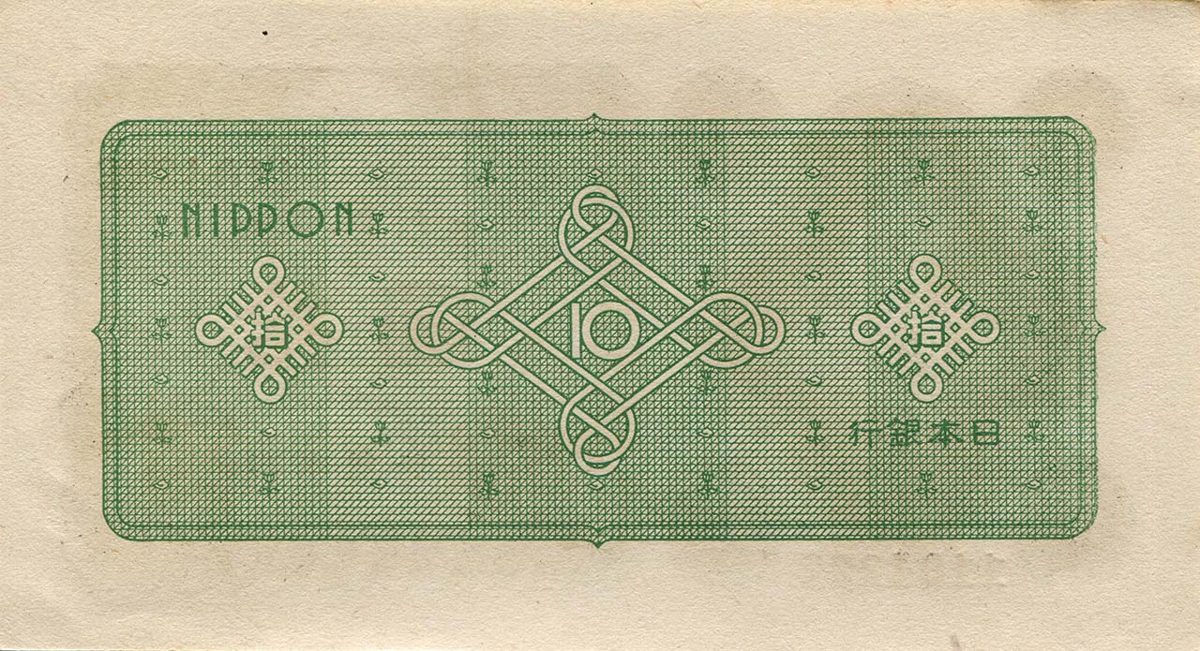
目次 — Contents
- The Yen: Notes and Coins You will Actually Use
- How Much Cash to Carry, and Why Cash Still Matters
- Getting Yen: The Best Way to Withdraw Cash
- Credit and Debit Cards: What Works Where
- IC Cards: Suica, Pasmo, and Welcome Suica
- Tax-Free Shopping in 2026
- No Tipping: How to Handle It Politely
- Rough Daily Costs: Budgeting Your Yen
- Is It Safe to Carry Cash in Tokyo?
- Frequently Asked Questions
- The Bottom Line on Money in Tokyo
- Photo Credits
This article contains advertising. Our booking links are routed through a partner that adds commission tracking automatically, so if you book through one we earn a commission from the provider, at no extra cost to you. It never affects what we recommend. Affiliate disclosure
If you take one thing from this Tokyo money currency guide, make it this: carry some cash. Japan’s currency is the yen, and while Tokyo is going cashless faster than it used to, plenty of small restaurants, shrines, ticket machines, and family-run shops still want paper money. The good news is that getting yen is easy: foreign cards work in the ATMs inside any 7-Eleven and any post office, 24 hours a day, and nobody expects you to tip. Here is exactly how money works in Tokyo in 2026, from the notes in your wallet to the tax-free counter.
I have spent enough time in Tokyo to have made every money mistake at least once: changing cash at an airport desk at a terrible rate, fumbling for coins at a ramen vending machine, accidentally agreeing to “pay in US dollars” on a card terminal and eating a hidden markup. This guide is the version I wish someone had handed me on my first trip. We will cover the denominations and the new 2024 banknotes, how much cash to bring, the best places to withdraw yen, where cards do and do not work, the Suica and Pasmo IC cards, tax-free shopping, and Japan’s genuinely no-tipping culture.
The Yen: Notes and Coins You will Actually Use
The Japanese yen (¥, JPY) comes in four banknotes and six coins. There are no cents; the yen is the smallest unit, and a single ¥1 coin is roughly a US penny in value. Over recent years the exchange rate has hovered around the ¥150-per-US-dollar mark, though it moves constantly, so check the current rate before you travel and do quick mental math (at ¥150 to the dollar, ¥1,000 is about $6.70, and ¥10,000 is about $67).
| Denomination | Type | Rough value (at ~¥150/USD) | Where you’ll meet it |
|---|---|---|---|
| ¥1 | Coin (aluminium) | ~$0.01 | Change; consumption-tax rounding |
| ¥5 | Coin (brass, holed) | ~$0.03 | Considered lucky; offering coin at shrines |
| ¥10 | Coin (bronze) | ~$0.07 | Change; coin lockers, old vending machines |
| ¥50 | Coin (holed) | ~$0.33 | Change |
| ¥100 | Coin | ~$0.67 | Vending machines, lockers, small buys |
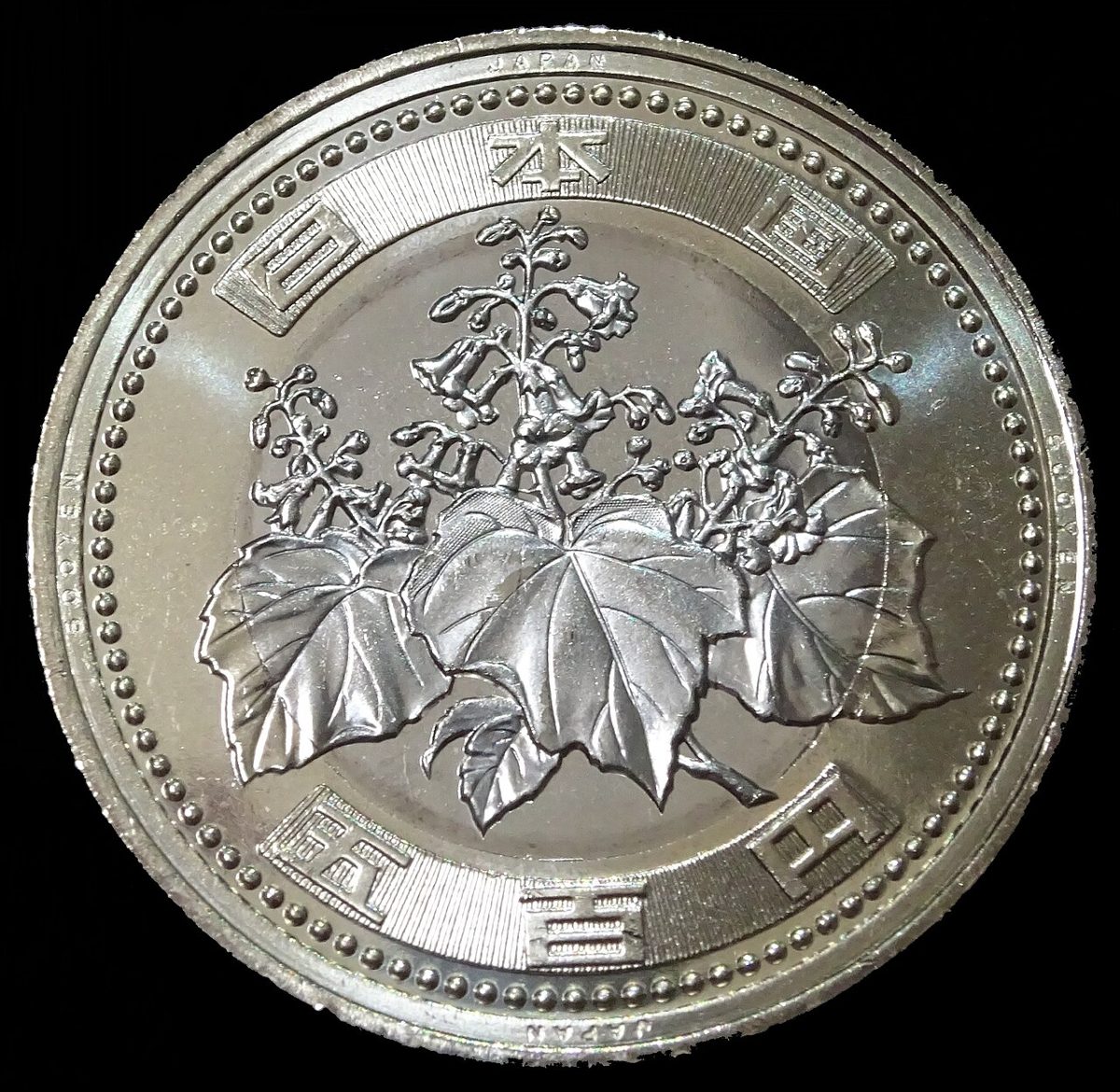
| ¥500 | Coin | ~$3.30 | One of the world’s highest-value coins; very useful |
| ¥1,000 | Banknote | ~$6.70 | Everyday note; most common for small payments |
| ¥2,000 | Banknote | ~$13 | Genuinely rare; you may never see one |
| ¥5,000 | Banknote | ~$33 | Common |
| ¥10,000 | Banknote | ~$67 | Largest note; widely used, no one minds it |
Two practical notes. First, the ¥500 coin is worth several dollars, so do not treat coins as throwaway shrapnel; a pocket of them adds up fast and is perfect for vending machines and lockers. Second, the ¥2,000 note is a curiosity you can essentially forget about; it almost never circulates. Unlike in some countries, paying for a ¥600 coffee with a ¥10,000 note is completely normal in Tokyo and no cashier will sigh at you.
The 2024 Banknote Redesign
On July 3, 2024, Japan issued a fresh series of banknotes, the first redesign in about two decades, partly for better anti-counterfeiting (including eye-catching 3D holograms of the portraits). The new faces are Eiichi Shibusawa, the “father of Japanese capitalism,” on the ¥10,000; educator Umeko Tsuda on the ¥5,000; and bacteriologist Shibasaburo Kitasato on the ¥1,000. You will see both old and new notes in circulation, and this matters: the older banknotes remain perfectly valid legal tender. Do not let anyone tell you your pre-2024 notes are “expired”; they spend exactly the same. The only real-world wrinkle is that some older vending machines and ticket machines took a while to be updated to accept the new notes, so if a machine rejects a crisp new bill, try a coin or a different (older) note, or pay at a staffed counter.
How Much Cash to Carry, and Why Cash Still Matters
Tokyo is more card-friendly every year, but it is still, in the words of the official city tourism board, “a relatively cash-based city.” Locals routinely carry ¥30,000 to ¥50,000 in their wallets, and I would start a Tokyo trip with something in that range per person, topping up from ATMs as you go rather than carrying your whole budget at once. Japan is famously safe, so carrying cash is far less nerve-wracking here than in many big cities, but there is no reason to walk around with a brick of ¥10,000 notes either.
Here is where cash is still king, even in 2026:
- Small and old-school restaurants. Tiny ramen counters, standing bars, and family izakaya often take cash only, sometimes via a vending-style ticket machine at the door.
- Temples, shrines, and festivals. Offering boxes, omamori charm stalls, goshuin (temple seal) desks, and festival food stalls run on coins and small notes.
- Some ticket and vending machines. Many take IC cards or coins but not foreign credit cards.
- Markets and tiny shops. Backstreet shops, certain Tsukiji Outer Market stalls, and rural day-trip destinations may be cash-only.
- Splitting bills and small change. Cash just smooths a lot of little moments, from a ¥150 vending-machine tea to a coin locker.
Meanwhile, cards, IC cards, and QR-code apps (PayPay and others, though those usually need a Japanese setup) keep spreading, so you will tap and swipe plenty too. The winning strategy in this Tokyo money currency guide is simple: a card for hotels, big stores, and department stores; cash and an IC card for everything small. If you are tracking a tight budget, our Tokyo budget travel guide pairs well with this, and for a realistic line-by-line picture of what a trip runs, see how much a Tokyo trip costs.
Getting Yen: The Best Way to Withdraw Cash
Forget the idea that you must arrive with a thick stack of pre-exchanged yen. The cleanest way to get cash in Tokyo is to withdraw it from an ATM that accepts foreign cards, and two networks blanket the city and accept overseas Visa, Mastercard, and more.
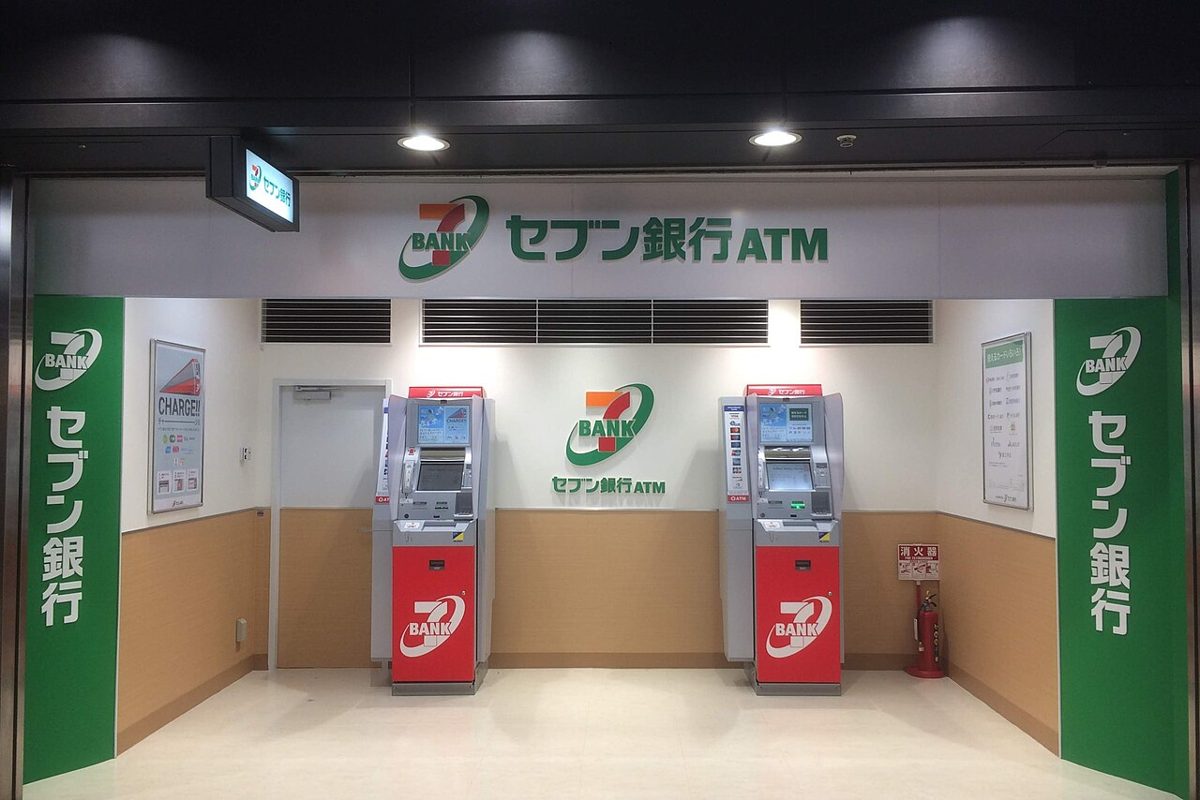
Seven Bank (7-Eleven) ATMs
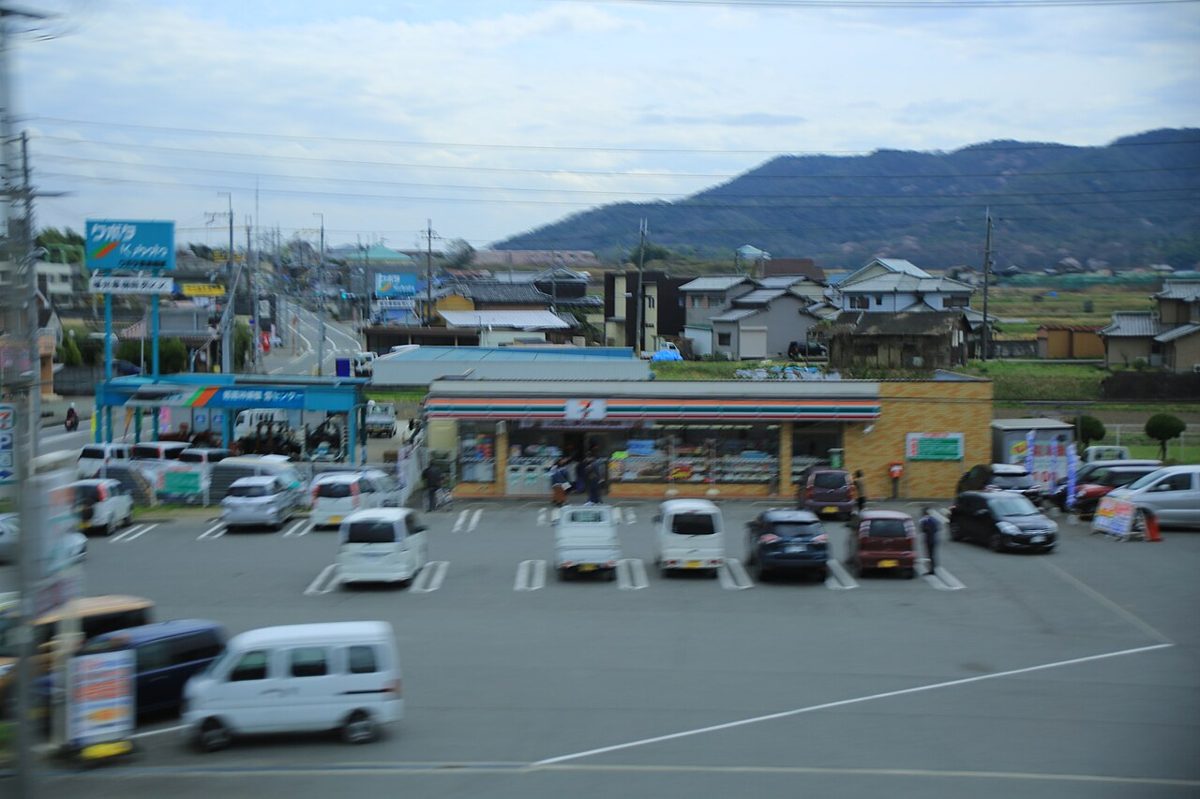
Seven Bank operates more than 20,000 ATMs nationwide, almost all of them inside 7-Eleven convenience stores, and they are the gold standard for tourists. They run essentially 24/7, the on-screen menus switch to English (and around a dozen other languages), and they reliably accept foreign-issued cards. Because there is a 7-Eleven on what feels like every other block in central Tokyo, you are never far from one. Withdrawal fees charged by Seven Bank itself are modest (on the order of a couple hundred yen, and waived on some cards); your own bank’s foreign-ATM and currency-conversion fees are usually the bigger factor, so check what your card charges before you go.
Japan Post Bank (Yucho) ATMs
The other dependable network is Japan Post Bank, found at post offices across the city. These ATMs also accept many foreign cards and offer English menus. Hours can be slightly more limited than 7-Eleven (some follow post-office hours), but they are a great backup, especially in residential neighborhoods. Major Japanese banks like Mizuho, MUFG, and SMBC have some international-capable ATMs too, but for simplicity I default to 7-Eleven first and the post office second.
Avoid the Airport Currency Desk and the DCC Trap
Two ways tourists quietly lose money:
- Airport and tourist-area exchange counters. Changing a wad of home cash at an airport currency desk almost always gives you a worse rate than an ATM withdrawal. If you want a little yen the moment you land (handy for the train), change a small amount and get the rest from a 7-Eleven ATM in the city.
- Dynamic Currency Conversion (DCC). When you pay by card or withdraw at an ATM, you may be asked whether to be charged “in JPY” or “in your home currency.” Always choose Japanese yen. Choosing your home currency hands the conversion to the machine’s operator at a marked-up rate, which is a worse deal than letting your own bank convert. This one tap can cost you several percent for no benefit.
Credit and Debit Cards: What Works Where
Card acceptance in Tokyo is broad at the places you would expect and patchy at the places you would not. Hotels, department stores, chain restaurants, big-box electronics shops, supermarkets, and most tourist attractions take cards happily. Tiny independent restaurants, market stalls, shrines, and some ticket machines may not.
| Card network | Acceptance in Tokyo | Notes |
|---|---|---|
| Visa | Very wide | Safest default card to carry |
| Mastercard | Very wide | Equally reliable as Visa |
| JCB | Wide (Japan’s home network) | Sometimes accepted where others aren’t |
| American Express | Common but less universal | Bring a Visa/MC backup |
| Diners Club | Limited | Don’t rely on it alone |
| Contactless (tap) | Increasingly common | Many terminals now take tap and phone wallets |
My rule: carry at least two cards on different networks (a Visa or Mastercard plus a backup), tell your bank you are traveling so they do not freeze the card, and never assume a small place takes plastic, ask “kaado, daijoubu?” or just look for the logos by the till. And always, always keep enough cash to cover a cash-only meal.
IC Cards: Suica, Pasmo, and Welcome Suica
An IC card is the single most useful piece of “money” in Tokyo after cash itself. These rechargeable tap cards, Suica and Pasmo being the big two, started as transit passes but now work as a fast e-wallet for small purchases all over the city. You load yen onto the card, then tap it on the gates to ride almost any train, subway, or bus, and tap it again to pay at convenience stores, station kiosks, many vending machines, coin lockers, and a growing number of cafes and shops.

How to get one:
- Regular Suica/Pasmo: buy and top up at station machines. (Note: physical card sales have at times been limited by chip shortages; mobile Suica/Pasmo on a phone wallet sidesteps this entirely if your phone supports it.)
- Welcome Suica: a tourist version sold at the airport and major stations, valid for 28 days, with no deposit. It is aimed squarely at visitors and is a fine choice for a short trip.
- Mobile IC cards: if you have an iPhone or a compatible device, you can add Suica or Pasmo to your phone’s wallet and recharge it with a card, which means no plastic and no machine queue.
For the full breakdown of which card to pick and how they differ, we have a dedicated comparison, but for money purposes just know this: an IC card turns the konbini, the vending machine, and the ticket gate into a one-tap transaction, and it is the smoothest way to spend small amounts without juggling coins.
Tax-Free Shopping in 2026
Japan charges a 10% consumption tax on most goods (8% on many food and drink items), and as a short-term foreign visitor you can shop tax-free at participating stores. The system went fully electronic on November 1, 2024, replacing the old paper-sticker-in-your-passport method, so the process is cleaner than it used to be. Here is how it works in practice:
- Shop at a store displaying “Tax-Free” signage (department stores, big electronics chains, drugstores, and many others).
- Spend at least ¥5,000 (before tax) in that single store on the same day. The threshold groups “general goods” and “consumables” categories.
- Show your physical passport at the tax-free counter (a photo or copy is not accepted; bring the real thing). Your purchase is linked electronically to your immigration entry record.
- The 10% (or 8%) is deducted on the spot, so you pay the tax-free price rather than claiming a refund later at the airport.
A couple of things to remember: tax-free goods are technically for export, so consumables are sealed and you are meant to take them home unopened, and customs can ask to see them when you leave. Keep your receipts. Tax-free shopping is one of the few genuine discounts built into a Tokyo trip, so for any sizeable electronics, cosmetics, or souvenir purchase, ask for it.
No Tipping: How to Handle It Politely
Japan does not have a tipping culture, full stop. In restaurants, bars, taxis, and hotels, you simply pay the amount on the bill. Service is included in the price and delivered with genuine care regardless, and leaving extra coins on the table can cause confusion or even a server chasing you down the street to return the “money you forgot.” This is not stinginess on your part; it is how the system is designed, and respecting it is the courteous thing to do.
A few nuances worth knowing:
- Service charge: some upscale restaurants, hotels, and izakaya add a fixed service charge (often around 10%) or a small table charge (otoshi) to the bill. That is the bill, not a tip, and you just pay it.
- How to pay: in many restaurants you take the bill to a register by the door rather than paying at the table. Cash often goes onto a small tray rather than handed directly.
- If you really want to show thanks: a sincere “gochisousama deshita” (thank you for the meal) after eating, or “arigatou gozaimasu,” means far more than money. For private guides or some ryokan, a small wrapped gift is a culturally appropriate gesture where cash would be awkward.
Getting this right is part of the broader etiquette that makes Tokyo such a pleasant place to be a guest; our Japanese etiquette guide covers the rest, from how to behave on trains to onsen rules. If this is your first trip, the Tokyo first-time tips guide is the natural next read.
Rough Daily Costs: Budgeting Your Yen
Exact spending depends entirely on your style, but here is a realistic snapshot of daily costs in Tokyo in 2026 to help you plan how much yen to keep flowing. These are per-person, excluding accommodation and flights.
| Travel style | Food per day | Local transport/day | Attractions/day | Rough daily total |
|---|---|---|---|---|
| Budget (konbini, ramen, free sights) | ¥2,000–¥3,500 | ¥600–¥1,000 | ¥0–¥1,500 | ~¥3,000–¥6,000 |
| Mid-range (casual restaurants, a paid sight or two) | ¥4,000–¥7,000 | ¥800–¥1,500 | ¥1,500–¥3,500 | ~¥7,000–¥12,000 |
| Comfortable (nicer dinners, taxis, experiences) | ¥8,000–¥15,000+ | ¥1,500–¥3,000 | ¥3,000–¥6,000 | ~¥13,000–¥25,000+ |
For most independent travelers, a mid-range day in Tokyo lands somewhere around ¥8,000 to ¥12,000 per person all-in for food, transport, and sightseeing. That makes a starting cash float of ¥30,000–¥50,000 enough for a few days, after which you simply top up at a 7-Eleven ATM. For the complete budgeting picture, including accommodation and how to shave costs, see our full breakdown of Tokyo trip costs.
Is It Safe to Carry Cash in Tokyo?
Yes, remarkably so. Tokyo is one of the safest major cities on earth, pickpocketing is rare, and it is genuinely common to see locals carrying substantial cash. People famously hand in lost wallets, often with the money still inside, to the nearest police box (koban). None of this means you should be careless, keep your wallet secure in crowded spots like Shibuya Crossing or a packed rush-hour train, and split your cash and cards so a single loss is not a disaster, but you can relax in a way that is hard to imagine in many big cities. If you do lose something, the nearest koban is the place to report it, and there is a decent chance it turns up.
Frequently Asked Questions
How much cash should I bring to Tokyo?
Plan to start with roughly ¥30,000–¥50,000 per person and top up from ATMs as you go, rather than carrying your whole budget. Locals carry similar amounts day to day. Cash still matters for small restaurants, shrines, markets, and some machines, even though cards and IC cards are increasingly accepted. Because foreign cards work in 7-Eleven and post-office ATMs around the clock, you never need to arrive with a huge stack of pre-exchanged yen.
Can I use foreign credit and debit cards in Tokyo?
Yes, at hotels, department stores, chain restaurants, electronics shops, and most attractions. Visa and Mastercard are the most widely accepted; JCB is Japan’s home network; American Express is common but less universal, so carry a Visa or Mastercard backup. Small independent restaurants, market stalls, shrines, and some ticket machines may be cash-only, so always keep cash on hand. When a terminal asks whether to charge in yen or your home currency, always choose yen.
Where can I withdraw yen with a foreign card?
The two best options are Seven Bank ATMs inside 7-Eleven convenience stores, which run essentially 24/7 with English menus and accept foreign cards, and Japan Post Bank ATMs at post offices. There is a 7-Eleven on seemingly every block in central Tokyo, so they are the easiest. Avoid airport currency desks for large amounts, as ATM withdrawals usually give a better rate, and always decline ‘dynamic currency conversion’ so you are charged in yen.
Do you tip in Tokyo?
No. Japan has no tipping culture. You pay exactly what is on the bill in restaurants, bars, taxis, and hotels, and leaving extra cash can cause confusion. Some upscale venues add a service charge or a small table charge (otoshi), but that is part of the bill, not a tip. To show appreciation, a sincere ‘gochisousama deshita’ or ‘arigatou gozaimasu’ means more than money.
How does tax-free shopping work in Japan in 2026?
Spend at least ¥5,000 (before tax) in a single tax-free store on the same day, show your physical passport at the tax-free counter, and the 10% consumption tax (8% on many food items) is deducted on the spot. Since November 2024 the system is fully electronic, linked to your immigration entry record, so there is no paper sticker. Tax-free consumables are sealed for export, so keep them unopened and hold onto your receipts in case customs asks.
The Bottom Line on Money in Tokyo
As this Tokyo money currency guide has shown, money in Tokyo is easier than the cashless headlines suggest, as long as you blend old and new: carry a sensible float of yen and an IC card for everything small, keep a Visa or Mastercard for the big stuff, pull more cash from a 7-Eleven ATM when you run low, always pay in yen, claim your tax-free discount on big purchases, and never tip. Do that and you will glide through every transaction from a ¥150 vending-machine coffee to a department-store splurge. When you are ready to plan the rest, the Tokyo travel planning hub pulls together budgeting, transport, and everything else you need.
Photo Credits
- Japanese yen banknotes in 1,000, 5,000 and 10,000 denominations — Photo: Eclipse2009 / Public domain via Wikimedia Commons via Wikimedia Commons
- Yen coins, from the 1-yen aluminium piece to the 500-yen coin — Photo: Heavy Frisker / CC BY-SA 4.0 via Wikimedia Commons via Wikimedia Commons
- Seven Bank ATMs accept foreign cards around the clock — Photo: Rebirth10 / CC BY-SA 4.0 via Wikimedia Commons via Wikimedia Commons
- 7-Eleven stores are everywhere and house Seven Bank ATMs — Photo: Ray Swi-hymn from Sijhih-Taipei, Taiwan / CC BY-SA 2.0 via Wikimedia Commons via Wikimedia Commons
- A Suica IC card taps you onto trains and pays at konbini — Photo: Cassiopeia sweet / Public domain via Wikimedia Commons via Wikimedia Commons
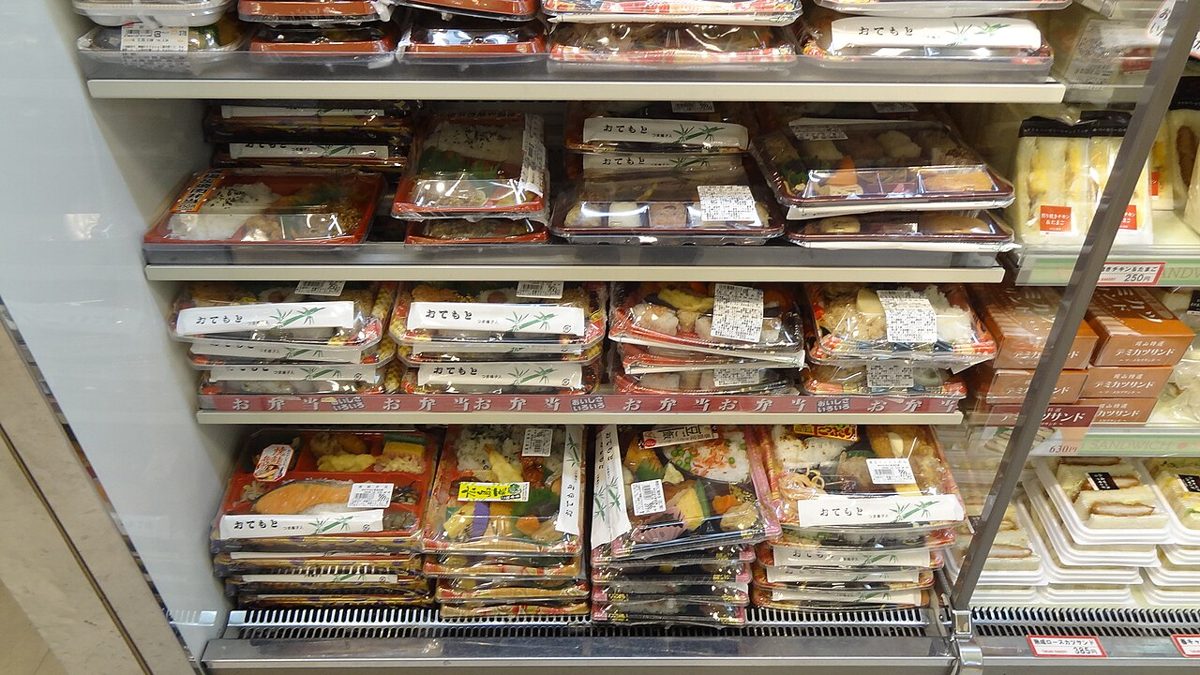
- Konbini take cash, cards and IC cards alike — Photo: Martin Lewison / CC BY-SA 2.0 via Wikimedia Commons via Wikimedia Commons