Day Trips from Tokyo · Guide №088
Yokohama Day Trip from Tokyo: Chinatown, Ramen & Waterfront
A complete Yokohama day trip from Tokyo: train routes and real prices, Minato Mirai, Chinatown food, the Cup Noodles Museum, the Red Brick Warehouse, Sankeien Garden, and a one-day itinerary.

目次 — Contents
- Why Yokohama Is the Easiest Day Trip from Tokyo
- Getting to Yokohama from Tokyo
- Yokohama Chinatown: Japan’s Largest, and the Heart of the Day
- The Two Noodle Museums: Cup Noodles and the Ramen Museum
- Minato Mirai 21: The Futuristic Waterfront
- Yamashita Park and the Hikawa Maru
- Sankeien Garden: The Quiet Highlight
- Other Yokohama Stops Worth Knowing
- A Sample Yokohama Day Trip Itinerary
- What a Yokohama Day Trip Costs
- Evening: Why You Should Stay for the Illuminations
- Mistakes to Avoid on a Yokohama Day Trip
- Best Time to Visit Yokohama
- Frequently Asked Questions
- Photo Credits
This article contains advertising. Our booking links are routed through a partner that adds commission tracking automatically, so if you book through one we earn a commission from the provider, at no extra cost to you. It never affects what we recommend. Affiliate disclosure
A Yokohama day trip from Tokyo is one of the easiest escapes you can make from the capital, and one of the most rewarding. In about 30 minutes from Shibuya you trade Tokyo’s density for a breezy harbour city with Japan’s largest Chinatown, a futuristic waterfront, two noodle museums, and a 17-acre classical garden. Here is exactly how to do it in a single, well-paced day.
I have made this trip more times than I can count, in every season, and the version of the day I keep coming back to is simple: noodles and skyline in the morning, dumplings in Chinatown for lunch, parks and a harbour walk in the afternoon, and the bay lighting up as you head home. Yokohama is close enough that you do not need an early alarm, but big enough that you will wish you had a second day. This guide gives you the trains, the prices in yen, the opening hours I confirmed for 2026, a sample itinerary, a cost table, and the mistakes that trip up first-timers.
Yokohama is Japan’s second-largest city by population, and it has been an international port since 1859, which is why it feels different from anywhere else near Tokyo. There is salt in the air, the streets are wider, and the city’s history as Japan’s gateway to the West shows up in everything from the brick warehouses to the foreign cemetery on the bluff. If you want one more idea for a coastal escape after this, the seaside temple town in our Kamakura day trip guide pairs beautifully with Yokohama and sits on the same rail corridor south of the city.
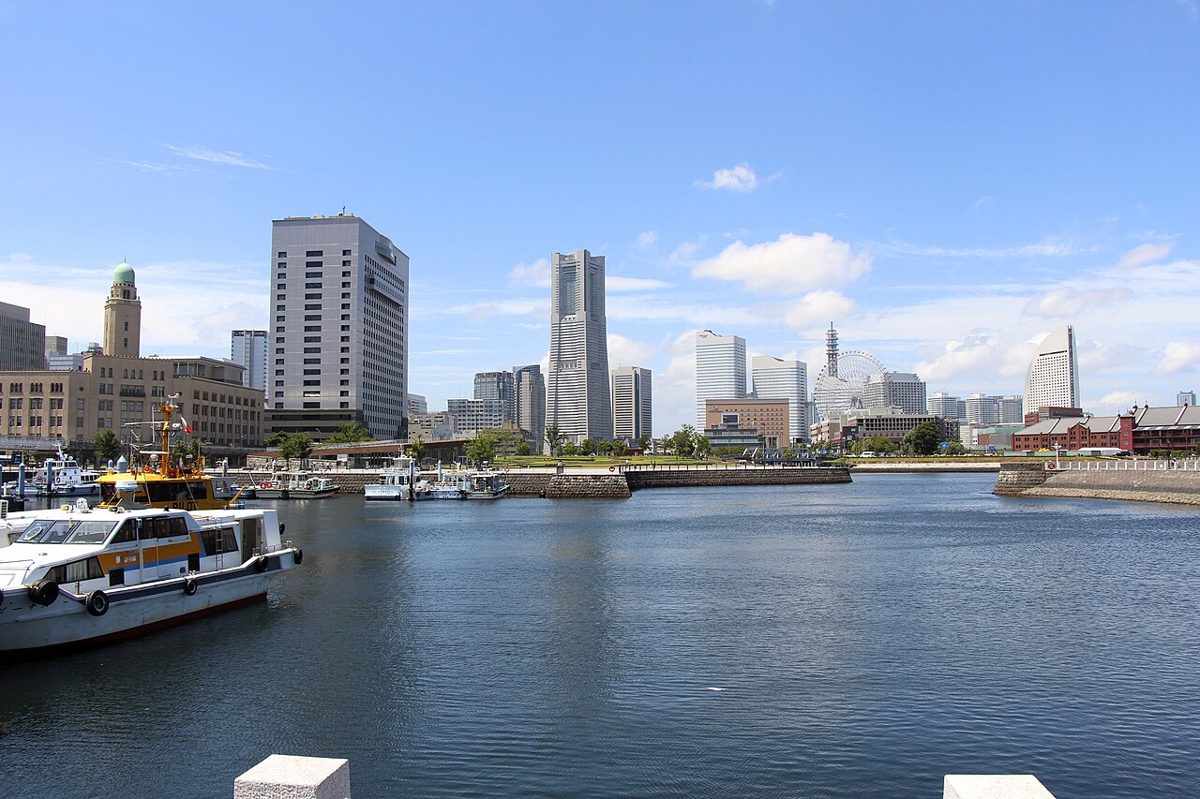
Why Yokohama Is the Easiest Day Trip from Tokyo
Most day trips out of Tokyo ask you to commit. Nikko is two hours each way; Hakone is a full logistical project. Yokohama asks for almost nothing. The ride is short, the trains run constantly, and the major sights cluster into two walkable zones connected by one subway line. You can leave central Tokyo at 9am and still be back for dinner with a camera roll full of harbour shots, a full stomach, and money left over.
The city splits neatly for visitors. To the north sits Minato Mirai 21, the redeveloped docklands with the skyscrapers, the ferris wheel, the Red Brick Warehouse, and the noodle museums a couple of stops further out. To the south, around a ten-minute hop, sit Yokohama Chinatown, Yamashita Park, and the harbour promenade. Sankeien Garden is a short bus ride beyond that. Plan your day to flow from one zone to the next and you will barely touch a train after you arrive.
Getting to Yokohama from Tokyo
There is no single “Yokohama station” for sightseeing, and this is the first thing that confuses people. Which station you aim for depends on which part of the city you want first. The good news is that all the options are cheap and quick. Here is how the main routes compare.
| Route from Tokyo | Time | Approx. fare | Best for |
|---|---|---|---|
| Tokyu Toyoko Line from Shibuya (to Minatomirai Line) | ~30-35 min | ~¥480 | Straight to Minato Mirai or Chinatown |
| JR Tokaido / Keihin-Tohoku from Tokyo Station | ~25-40 min | ~¥490 | Yokohama Station, then transfer |
| JR Shonan-Shinjuku from Shinjuku/Shibuya | ~30-35 min | ~¥580 | Starting on the west side |
| JR to Shin-Yokohama (Yokohama Line) | ~30-40 min | ~¥490 | The Ramen Museum first |
The route I recommend for most people is the Tokyu Toyoko Line from Shibuya, because it runs directly onto the Minatomirai Line without a transfer. Stay on the train past Yokohama Station and get off at Minatomirai Station for the skyscrapers and the ferris wheel, or ride two more stops to Motomachi-Chukagai Station, which deposits you about a minute’s walk from both Chinatown and Yamashita Park. One train, no fuss, under ¥500.
If you are coming from Tokyo Station, JR is the obvious choice, but note that JR drops you at Yokohama Station, a commercial hub rather than a sightseeing one. From there you switch to the Minatomirai Line or hop on the JR Negishi Line for Sakuragicho and Kannai. Either works; it is just one extra step. For a fuller breakdown of passes, IC cards, and how the private and JR lines interlock, our guide to Tokyo’s trains and tickets covers the whole system. A Suica or PASMO card tapped at the gate handles every route above.
Should you buy a special pass? For a standard day, no. The total train cost of a Yokohama day trip rarely tops ¥1,500 round trip even with the local hops, so a tourist pass usually will not pay for itself. The one exception is the Minatomirai Line one-day pass (¥460), which makes sense only if you plan four or more rides on that line. Most visitors just tap their IC card and go.
Yokohama Chinatown: Japan’s Largest, and the Heart of the Day
If you do one thing in Yokohama, do Chinatown. Spread across about 0.2 square kilometres around Motomachi-Chukagai Station, it holds more than 600 shops and restaurants behind ten ceremonial gates, and it has been the centre of Chinese life in Japan since the port opened in 1859. It is louder, brighter, and tastier than you expect, and it is where I would spend the middle of any day trip here.
Come hungry. The move is to graze rather than sit down for one big meal, at least on a first visit. Stalls and takeaway windows line the main streets, and most snacks run ¥300 to ¥700, so a few people can taste a dozen things between them. Here is what I steer everyone toward.
- Nikuman and shoronpo — Fat steamed pork buns (nikuman) are the signature street snack; the shops near the Zenrinmon gate sell them hot from towering bamboo steamers for around ¥500. Shoronpo (xiaolongbao, soup dumplings) are the other essential, ordered by the basket.
- Peking duck pancakes — Several windows do single duck wraps for roughly ¥500 to ¥700, crispy skin folded into a thin pancake with cucumber and sauce. No need to commit to a whole bird.
- Mapo tofu and other Sichuan plates — If you want to sit, the restaurants here range from cheap to serious. Mapo tofu done properly, numbing and rich, is a benchmark dish worth ordering.
- Goma dango and almond tofu — Finish sweet. Sesame balls fried to order and chilled almond tofu (annin dofu) are the classic Chinatown desserts, usually a couple of hundred yen each.
- Tapioca and Chinese tea — Bubble tea shops are everywhere, and a few old tea houses sell loose-leaf oolong worth taking home.
Many casual restaurants run an all-you-can-eat (tabehodai) order-by-tablet deal for around ¥2,000 to ¥3,500 for 90 minutes, which can be great value if you want to sit down with a group and eat dim sum until you tap out. Quality varies, so look for places with a queue of locals rather than the flashiest sign.
Kanteibyo Temple
In the middle of all the eating sits Kanteibyo, a gloriously over-the-top temple dedicated to Guan Yu, the deified Chinese general worshipped as a god of business, prosperity, and good fortune. First built by Chinese settlers in 1862 and rebuilt several times since, it is a riot of red lacquer, gold dragons, and carved stone. Entry to the grounds is free; if you want to go inside and offer incense, there is a small charge of a few hundred yen. It takes ten minutes to look around and it is the visual anchor of the neighbourhood. The nearby Masobyo temple, dedicated to the sea goddess Mazu, is the quieter second temple if you want to compare.
The Two Noodle Museums: Cup Noodles and the Ramen Museum
Yokohama has two noodle museums, they are very different, and people constantly mix them up. One is a slick, hands-on design museum about instant noodles, in Minato Mirai. The other is a nostalgic basement food court of real regional ramen shops, out by Shin-Yokohama Station. If you have time for only one, choose based on whether you want to make something or eat something.
Cup Noodles Museum Yokohama
The Cup Noodles Museum (officially CUPNOODLES MUSEUM YOKOHAMA) sits a short walk from the Red Brick Warehouse in Minato Mirai, so it slots neatly into the waterfront half of your day. It tells the story of Momofuku Ando, who invented instant ramen in 1958 and the cup version in 1971, through genuinely well-designed, interactive exhibits. As of 2026 it is open 10:00 to 18:00 (last admission 17:00) and closed on Tuesdays plus the New Year holidays. General admission is ¥500 for adults, and high-school age and younger get in free.
The real draw is the My CUPNOODLES Factory, where for ¥500 per cup you design your own packaging with markers, then choose your soup base and four toppings to seal inside a souvenir cup. Kids and adults love it equally. It is the main reason Yokohama tops our list of day trips that work with children. The hands-on Chicken Ramen Factory, where you make noodles from scratch by hand, costs ¥1,200 for adults and ¥600 for elementary-school children and requires a reservation, which often sells out, so book ahead online. There is also the CUPNOODLES Park play area (¥500) and an international food court, the NOODLES BAZAAR, selling half-size bowls of noodle dishes from around the world for ¥500 each. Note that same-day admission tickets are sold on a first-come, numbered-ticket basis at the door, while timed online tickets can be bought in advance.
Shin-Yokohama Ramen Museum
The Shin-Yokohama Ramen Museum is my personal favourite of the two, and it is the one to time around a meal. Opened in 1994 as the world’s first ramen-themed amusement park, its basement two floors recreate a Tokyo shitamachi street from 1958 down to the dim lantern light, the painted sunset sky, and the retro shopfronts. Tucked into that set are around seven or eight real ramen shops, each flown in from a different region of Japan: a fierce spicy-miso bowl from Yamagata at Ryu Shanghai, Kumamoto tonkotsu at Komurasaki (there since opening day), Okinawan shio ramen, Hakata tonkotsu so frothy it is nicknamed “tonkotsu cappuccino,” and rotating guest shops.
Admission is cheap: ¥450 for adults (19 and over), ¥100 for ages 6 to 18, and free for under-sixes. The museum is open 11:00 to 21:00 on weekdays and 10:30 to 21:00 on weekends and holidays, closing only on 31 December and 1 January. It is about a five-minute walk from Shin-Yokohama Station (one minute from Exit 10 of the new Sotetsu/Tokyu Shin-Yokohama Line). The clever trick here: most shops sell mini-size half bowls, so you can try three or four different regional ramen in one sitting instead of filling up on one. Order from the ticket vending machine outside each shop, hand the ticket to staff, and expect to queue at the most popular counters. Adults are expected to order at least one bowl per shop they enter. Budget ¥600 to ¥1,100 for a full bowl, less for the minis. Allow 90 minutes to two hours. If ramen is your thing, our roundup of where to eat ramen in Tokyo is the natural follow-up once you are back in the city.
One scheduling note: the Ramen Museum is out near Shin-Yokohama, away from the harbour cluster, so it works best either as your very first stop (arrive by JR Yokohama Line) before heading to the waterfront, or skipped entirely if your day is already full. Trying to tack it on at the end usually means backtracking.
Minato Mirai 21: The Futuristic Waterfront
Minato Mirai 21, which translates roughly to “harbour of the future,” is the gleaming district of towers, malls, and reclaimed dockland that defines the Yokohama skyline. It is the photogenic counterweight to Chinatown’s old-world bustle, and it is best in the late afternoon and evening when everything lights up over the water. Most of it is walkable, and a single elevated promenade links the main sights.
Landmark Tower and the Sky Garden (important 2026 update)
The 296-metre Yokohama Landmark Tower is the district’s centrepiece, and its 69th-floor observation deck, the Sky Garden, long offered the best high view in the city, reached by one of the fastest elevators in the world. Here is the news you need before you plan around it: the Sky Garden closed at the end of 2025 for a major, multi-year renovation and is not expected to reopen until around 2028. So for a 2026 visit, do not build your day around the Sky Garden, because it is shut. I am flagging this because almost every older guide still lists it as open.
The good news is that Yokohama has plenty of other ways to get up high and look out over the bay, and honestly some of them are more fun than a standard observation deck. Here is how the alternatives stack up while the Sky Garden is closed.
| View option | Adult price | What you get |
|---|---|---|
| Cosmo Clock 21 ferris wheel | ¥1,000 | ~15-minute loop, 112m up, best at night |
| Yokohama Air Cabin ropeway | ¥1,000 one-way / ¥1,800 return | Gondola gliding over the harbour by night-lit towers |
| Rooftop bars / mall terraces (free) | Free | Open-air harbour views with no ticket |
| Landmark Tower Sky Garden | Closed until ~2028 | Currently unavailable |
Cosmo World and the Cosmo Clock 21 Ferris Wheel
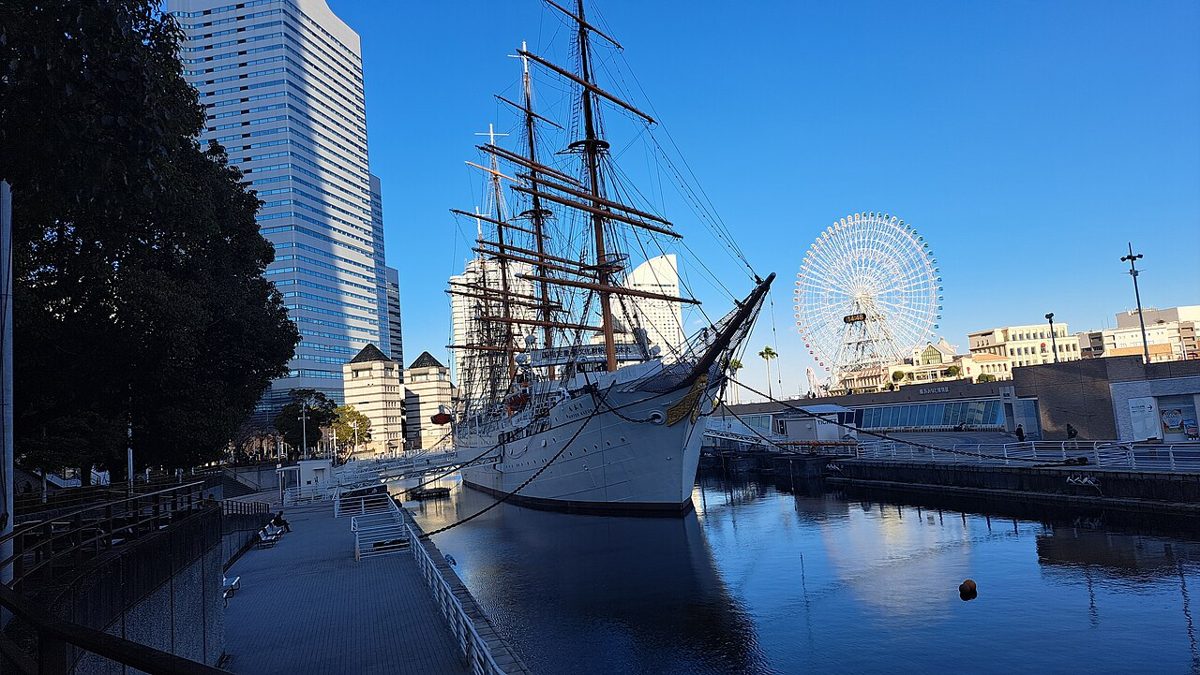
Yokohama Cosmo World is a free-entry amusement park wedged into the middle of the district, and you pay per ride. Its icon is the Cosmo Clock 21, a 112.5-metre ferris wheel that doubles as the world’s largest clock, glowing through colour-changing light shows after dark. A rotation takes about 15 minutes and costs ¥1,000, and riding it at dusk as the towers switch on is the single best-value “view” in Yokohama right now. The park also has a drenching water-coaster, the Vanish, that plunges into a tunnel, plus gentler rides for kids. Cosmo World generally runs from around 11:00 to 21:00, with hours extended on busy days; some attractions close in poor weather, so check on arrival.
Yokohama Air Cabin
Opened in 2021, the Yokohama Air Cabin is an urban gondola that floats between Sakuragicho Station and the Unga Park area by the Red Brick Warehouse, a roughly five-minute glide right over the harbour. A one-way ticket is ¥1,000 for adults and ¥500 for children; round trip is ¥1,800 and ¥900. It runs 10:00 to 21:00 on weekdays and to 22:00 on weekends and holidays. It is more of an experience than a transport shortcut, and it is worth it at night for the reflections, though purists will say the same view is free from the promenade below.
The Red Brick Warehouse (Akarenga)
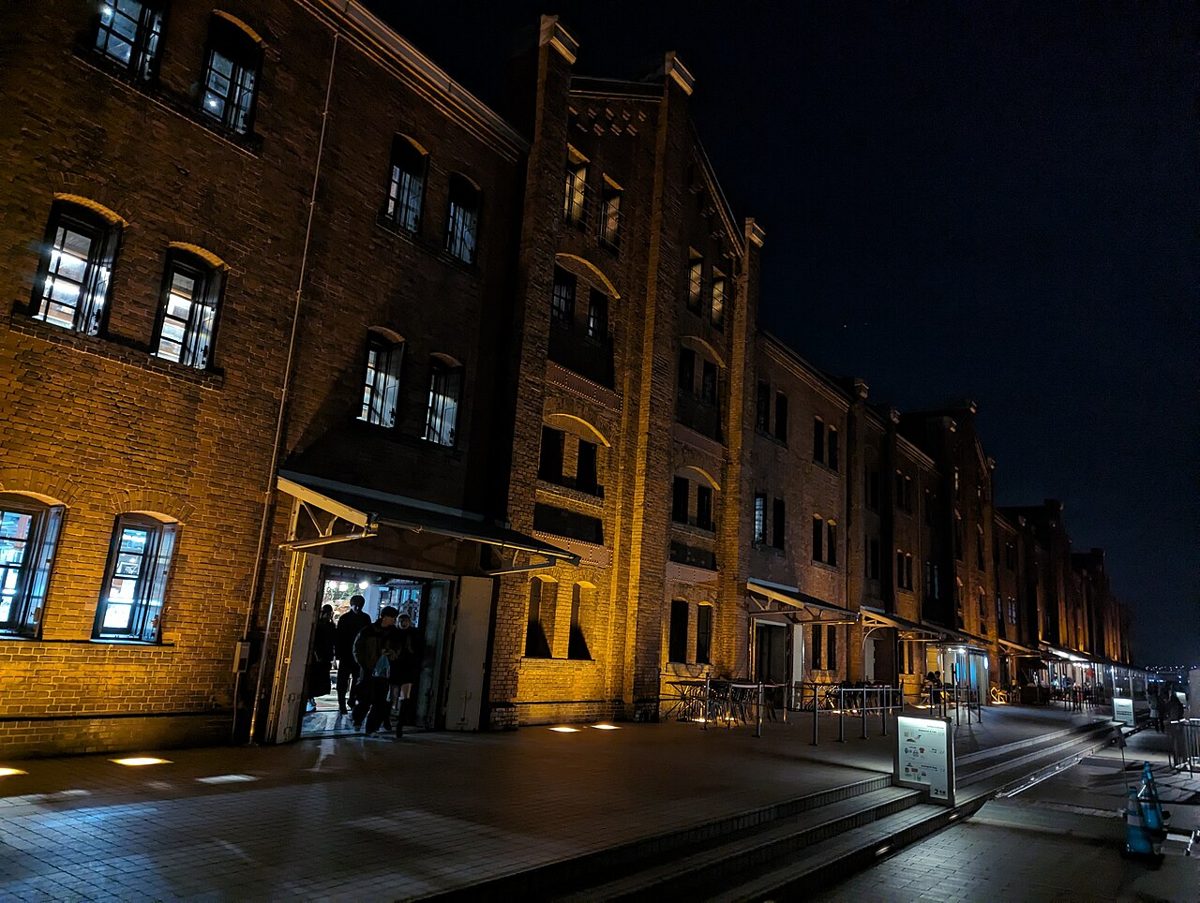
The Red Brick Warehouse, or Akarenga Soko, is a pair of handsome early-1900s customs warehouses on the water, now full of boutiques, craft shops, cafes, and restaurants. The buildings themselves are the draw: brick, iron, and harbour light, with a plaza out front that hosts seasonal events all year, from a summer beer festival to a German-style Christmas market and a winter ice rink. Shops generally open around 10:00 to 19:00, with restaurants later. There is no admission; it is a place to wander, eat, and photograph. It sits a few minutes’ walk from both the Cup Noodles Museum and Yamashita Park, which is why it anchors the waterfront leg of the day.
Yamashita Park and the Hikawa Maru
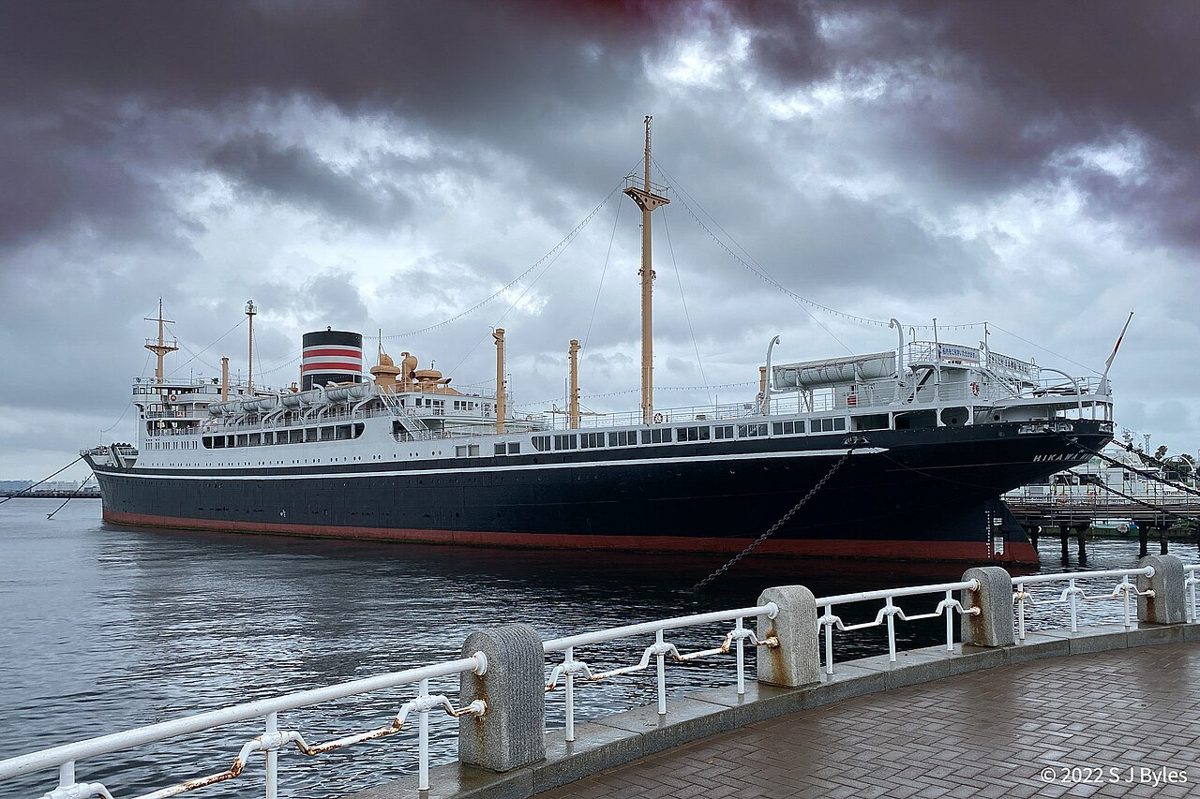
Yamashita Park is Yokohama’s seafront promenade, a long ribbon of lawn, roses, and benches running right along the water a minute from Motomachi-Chukagai Station. It was built in the 1930s on rubble cleared after the 1923 Great Kanto Earthquake, and today it is where locals stroll, couples sit, and you get the postcard view back across the bay to the Minato Mirai towers. It costs nothing, and it is the perfect place to slow down after Chinatown.
Moored alongside is the Hikawa Maru, a 1930 ocean liner that once carried passengers, including Charlie Chaplin, between Yokohama and Seattle, and later served as a hospital ship. You can board and tour the restored art-deco interiors, the bridge, and the engine room for a modest admission of around ¥300 for adults. It is a quick, atmospheric stop and a good rainy-hour backup. From the park you can also catch a Sea Bass water bus back toward Minato Mirai or Yokohama Station, a pleasant way to see the harbour from the water for a few hundred yen.
Sankeien Garden: The Quiet Highlight
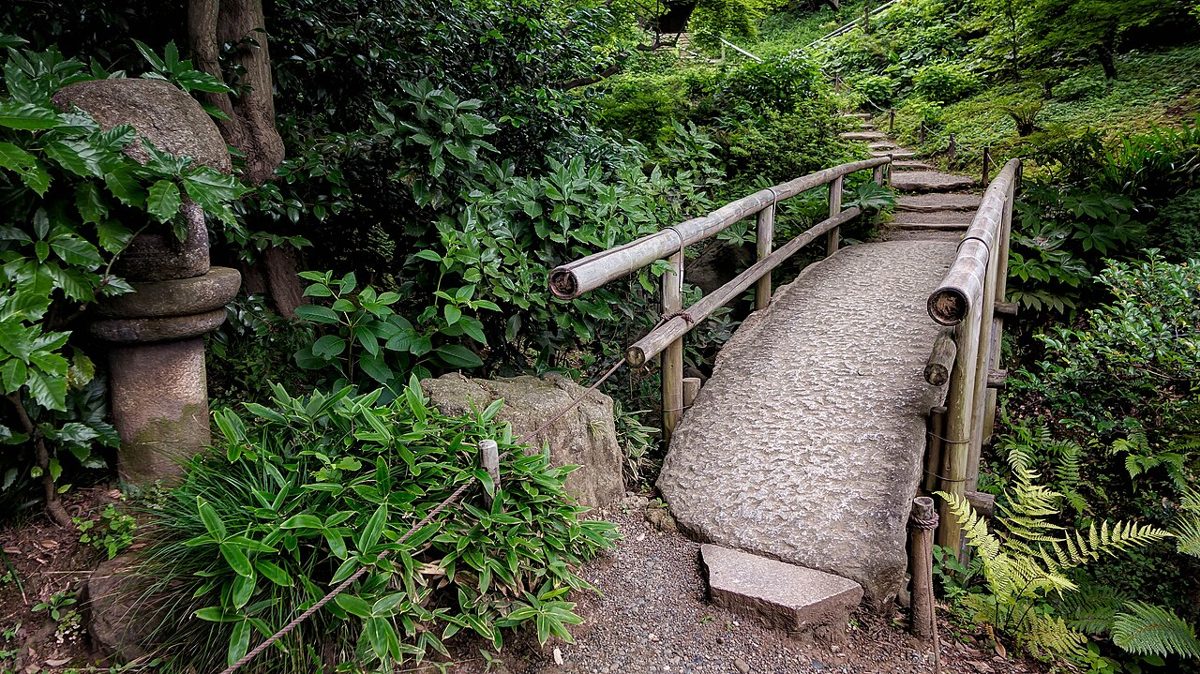
If you want one genuinely peaceful, traditional counterpoint to all the harbour buzz, give an hour or two to Sankeien Garden. This 17.5-hectare classical landscape garden in the Honmoku district was opened to the public in 1906 by Hara Sankei, a wealthy silk merchant who relocated historic buildings here from Kyoto, Kamakura, and beyond. The result is a stroll garden of ponds, streams, and seasonal planting dotted with genuinely old architecture, including a three-storey pagoda from 1457 brought from a temple near Kyoto, several Important Cultural Properties, and a teahouse where you can pause for matcha.
Admission is ¥700 for adults and ¥200 for children, and the garden is open 9:00 to 17:00 with last entry at 16:30. It shines in every season: plum and cherry blossom in late winter and spring, irises and lotus in summer, and fiery maples in November, when evening illuminations sometimes run. The catch is location: Sankeien is not on the train network. From Yokohama or Sakuragicho Station you take a city bus (roughly 25 to 35 minutes) or a short taxi. Because of that, treat it as a deliberate half-trip rather than a casual add-on. If your day is already packed with Chinatown and Minato Mirai, save Sankeien for a second visit; if you crave calm and greenery, it is the most rewarding thing in the city.
Other Yokohama Stops Worth Knowing
- Motomachi Shopping Street — An elegant European-flavoured shopping lane just inland from Chinatown, good for boutiques and bakeries.
- Yamate (The Bluff) — The hillside former foreign residential quarter above Motomachi, with restored Western-style houses, gardens, and a historic cemetery; quiet and atmospheric.
- Hammerhead pier — A newer cruise terminal and dining complex on the waterfront, handy if you want a sit-down dinner with a view.
- Nippon Maru and the Yokohama Port Museum — A preserved sail training ship near Sakuragicho, a nice quick maritime stop for families.
A Sample Yokohama Day Trip Itinerary
Here is the day I would actually run, balancing the waterfront and Chinatown without rushing, and ending with the harbour lit up. Adjust the start time to taste; nothing here needs an early train.
- 9:30 — Leave Shibuya on the Tokyu Toyoko/Minatomirai Line; arrive Minatomirai Station around 10:05.
- 10:15 — Walk the waterfront to the Cup Noodles Museum; make your own cup at the My CUPNOODLES Factory.
- 11:45 — Stroll to the Red Brick Warehouse for a coffee and a browse; photos along the promenade.
- 12:45 — Ride the Minatomirai Line two stops to Motomachi-Chukagai; lunch grazing through Chinatown (nikuman, soup dumplings, duck wraps).
- 14:30 — Visit Kanteibyo temple, then walk to Yamashita Park and board the Hikawa Maru.
- 15:45 — Optional: city bus to Sankeien Garden for greenery, or stay in the harbour zone.
- 17:30 — Back to Cosmo World; ride the Cosmo Clock 21 ferris wheel at dusk as the towers light up.
- 18:30 — Dinner with a view at Hammerhead or back in Chinatown; train home by 20:00.
If the Ramen Museum is a must, swap the Cup Noodles Museum for it and do it first thing: take the JR Yokohama Line to Shin-Yokohama, eat a couple of mini bowls when it opens, then head to the harbour for the rest of the plan. Trying to do both noodle museums and Chinatown and Sankeien in one day is too much; pick three anchors and leave the rest for next time. For more route ideas around the capital, the full guide to nearby escapes lays out every option by distance and theme.
What a Yokohama Day Trip Costs
Yokohama is an easy city to do cheaply, because the parks, Chinatown wandering, the Red Brick Warehouse, and the harbour promenade are all free. Here is a realistic per-person budget for the day, excluding what you spend on food beyond a couple of items.
| Item | Budget day | Comfortable day |
|---|---|---|
| Round-trip train from Tokyo | ¥960 | ¥1,200 |
| Local trains / buses in Yokohama | ¥300 | ¥700 |
| One noodle museum (admission + activity) | ¥500 | ¥1,500 |
| Chinatown food | ¥1,500 | ¥3,000 |
| Cosmo Clock 21 ferris wheel | ¥0 (skip) | ¥1,000 |
| Sankeien Garden or Hikawa Maru | ¥300 | ¥700 |
| Approx. total | ~¥3,560 | ~¥8,100 |
So a frugal but full day comes in around ¥3,500 to ¥4,000, and a generous one with rides, two museum activities, and a sit-down dinner still lands well under ¥10,000. By Tokyo-day-trip standards, that is excellent value, especially compared with the pricier Tokyo food scene back in the city.
Evening: Why You Should Stay for the Illuminations
If you can, do not leave at 5pm. Yokohama transforms at night. The Minato Mirai towers switch on, the Cosmo Clock 21 runs its colour shows, the Red Brick Warehouse glows, and the whole bay reflects it back. The promenade between the warehouse and the ferris wheel is one of the best free night walks in the Tokyo area, and the harbour breeze keeps it pleasant even in summer. A ride on the ferris wheel or the Air Cabin at this hour is the memory people take home. In winter the Red Brick plaza usually hosts a Christmas market and an outdoor ice rink, and illumination events run along the waterfront from roughly November into February. Trains back to Tokyo run late, so there is no rush.
Mistakes to Avoid on a Yokohama Day Trip
A few avoidable errors take the shine off an otherwise effortless day. I have made most of them so you do not have to.
- Getting off at Yokohama Station expecting sights. Yokohama Station is a giant transit and shopping complex with nothing to see for tourists. Ride on to Minatomirai or Motomachi-Chukagai.
- Planning around the Landmark Tower Sky Garden. It is closed for renovation until roughly 2028. Use the ferris wheel, the Air Cabin, or a free terrace for your high view instead.
- Confusing the two noodle museums. The Cup Noodles Museum (make-your-own, Minato Mirai) and the Shin-Yokohama Ramen Museum (eat regional ramen, near Shin-Yokohama Station) are in different parts of the city. Decide which one before you go.
- Trying to cram in everything. Chinatown, both museums, Sankeien, and the whole waterfront in one day means a stressful march. Choose three anchors.
- Sitting down for one giant Chinatown meal. You will see far more flavour by grazing on street snacks across several stalls than by filling up at the first restaurant.
- Leaving before dark. The illuminations are half the point of Minato Mirai. Stay for at least the blue hour.
- Booking nothing for the Chicken Ramen Factory. The hands-on noodle-making session at the Cup Noodles Museum needs a reservation and sells out; book online before you arrive if you want it.
- Underestimating Sankeien’s distance. It needs a bus and a real time commitment. Do not pencil it in as a quick stop between two harbour sights.
Best Time to Visit Yokohama
Yokohama works year-round, but the shoulder seasons are kindest. Spring (late March to April) brings cherry blossom along the Ooka River and at Sankeien. Autumn (October to November) is crisp and clear, with maples at Sankeien and comfortable harbour walking. Winter is cold but rewarded with the year’s best illuminations and the Christmas market at the Red Brick Warehouse. Summer is humid and busy, though the sea breeze helps and there are fireworks and beer gardens. Weekends and Japanese holidays pack out Chinatown and the museums, so a weekday visit is calmer everywhere. Whatever the season, aim to be on the waterfront for sunset.
From late November to Christmas Day the Red Brick Warehouse hosts the largest Christmas market in the Tokyo area — a proper hut layout on the waterfront, ticketed entry, and a tall tree at the centre of it. It is the one seasonal reason to make this trip after dark rather than in the afternoon; see Christmas in Tokyo for how it compares with the city’s own markets.
Frequently Asked Questions
Is Yokohama worth a day trip from Tokyo?
Yes. Yokohama is one of the best-value day trips from Tokyo: it is only about 30 minutes from Shibuya, the main sights cluster into two walkable zones, and a frugal but full day costs around ¥3,500 to ¥4,000. You get Japan’s largest Chinatown, a futuristic illuminated waterfront, noodle museums, and a classical garden, all without an early start.
How do I get from Tokyo to Yokohama?
The simplest route is the Tokyu Toyoko Line from Shibuya, which runs directly onto the Minatomirai Line; stay on to Minatomirai Station (for the towers) or Motomachi-Chukagai Station (for Chinatown), about 30 to 35 minutes and roughly ¥480. From Tokyo Station, JR lines reach Yokohama Station in 25 to 40 minutes, where you transfer. Just tap a Suica or PASMO card at the gate.
How much time do you need in Yokohama?
A full day, roughly 9am to 8pm, is ideal and lets you cover three main anchors plus the evening illuminations. You can see the highlights of Chinatown and Minato Mirai in half a day if pressed, but staying for sunset over the harbour is what makes the trip memorable, so plan to be there into the evening.
Is the Yokohama Landmark Tower Sky Garden open in 2026?
No. The Sky Garden observation deck on the 69th floor of the Yokohama Landmark Tower closed at the end of 2025 for a large-scale renovation and is not expected to reopen until around 2028. For a high view in the meantime, ride the Cosmo Clock 21 ferris wheel (¥1,000) or the Yokohama Air Cabin ropeway, or use a free mall terrace.
What is the difference between the two Yokohama noodle museums?
The Cup Noodles Museum in Minato Mirai is an interactive design museum where you make your own custom cup of instant noodles (admission ¥500, factory ¥500). The Shin-Yokohama Ramen Museum, near Shin-Yokohama Station, is a nostalgic 1958-themed basement food court of real regional ramen shops where you eat mini bowls (admission ¥450). Choose the first to make something, the second to eat something.
Photo Credits
- Yokohama Chinatown’s ornate gate — Photo: Syced / CC0 via Wikimedia Commons via Wikimedia Commons
- Minato Mirai 21 across the harbour — Photo: Kanchi1979 / CC BY-SA 4.0 via Wikimedia Commons via Wikimedia Commons
- The Red Brick Warehouse — Photo: Syced / CC0 via Wikimedia Commons via Wikimedia Commons
- Cosmo Clock 21 lit up at night — Photo: Matthide127 / CC0 via Wikimedia Commons via Wikimedia Commons
- Sankeien Garden’s historic pagoda — Photo: Mustang Joe / CC0 via Wikimedia Commons via Wikimedia Commons
- The Hikawa Maru at Yamashita Park — Photo: Steven Byles from Yokohama, Japan / CC BY-SA 2.0 via Wikimedia Commons via Wikimedia Commons