Day Trips from Tokyo · Guide №086
Kamakura Day Trip from Tokyo: Great Buddha, Temples & Beach
A been-there guide to a Kamakura day trip from Tokyo: the Great Buddha, Hase-dera, Tsurugaoka Hachimangu, the Enoden line, shirasu lunch, costs, the best season and a one-day plan.
目次 — Contents
- Why Kamakura Makes Such a Good Day Trip
- Getting to Kamakura from Tokyo
- How to Get Around Kamakura
- Riding the Enoden Line
- The Great Buddha at Kotoku-in
- Hase-dera Temple
- Tsurugaoka Hachimangu Shrine
- Hokoku-ji: The Bamboo Temple
- Eating in Kamakura: Komachi-dori and Shirasu
- Kamakura Beach
- Best Time to Visit Kamakura
- A Perfect One-Day Kamakura Itinerary
- Temple and Shrine Etiquette
- Mistakes to Avoid
- Combining Kamakura with Enoshima or Yokohama
- Is a Kamakura Day Trip Right for You?
- A Little History: Why Kamakura Matters
- The Zen Temples of Kita-Kamakura
- Hiking the Daibutsu Trail
- What a Kamakura Day Trip Costs
- What to Bring and Other Practical Tips
- Frequently Asked Questions
- Photo Credits
This article contains advertising. Our booking links are routed through a partner that adds commission tracking automatically, so if you book through one we earn a commission from the provider, at no extra cost to you. It never affects what we recommend. Affiliate disclosure
A Kamakura day trip from Tokyo is the easiest way to swap the city for sea air, giant bronze Buddhas and forested temples. The coastal town sits under an hour south by direct JR train, and one day is enough to see the Great Buddha, a clifftop temple, an 800-year-old shrine and a beach.
I have made this run more times than I can count, in every season, and it never gets old. Below is exactly how to do a Kamakura day trip from Tokyo well: the train that actually saves you time, what each temple costs and when it opens, where to eat the local whitebait, and the small mistakes that cost first-timers an hour of daylight. For the bigger picture, see our guide to the best trips out of the capital.
Why Kamakura Makes Such a Good Day Trip
Kamakura was Japan’s de facto capital from 1185 to 1333, the seat of the country’s first samurai government. That single century left behind a density of temples and shrines you would normally have to travel to Kyoto to match, which is why people call it the “Kyoto of eastern Japan.” The difference is the setting: Kamakura is wedged between green hills and a surfable Pacific beach, so a day here mixes ancient Zen with salt air and tofu doughnuts.
Everything sits close together. The town breaks neatly into three clusters, each built around its own station, and you can walk or ride between them in minutes. That is what makes it work as a single day rather than a sprawling region: you are never far from the next temple, the next bowl of shirasu, or the next train. It is the classic pick for day four of a five-day Tokyo trip.
Getting to Kamakura from Tokyo
The fast, no-stress option is the JR Yokosuka Line, which runs directly from Tokyo Station to Kamakura Station without a transfer. The trip takes about 55-60 minutes and costs roughly 1,040 yen one way. Trains leave every 10-15 minutes, and the line stops at Shinagawa, Yokohama and Kita-Kamakura on the way, so you can board at whichever is closest. The whole route is covered by the Japan Rail Pass and by JR’s Tokyo-area IC fares, so just tap your Suica or Pasmo if you do not have a pass.
Coming from the west side of Tokyo? The JR Shonan-Shinjuku Line connects Shinjuku directly to Kamakura in about an hour for the same 1,040 yen, though only trains bound for Zushi run straight through. Catch the wrong one and you transfer at Ofuna, which is painless but adds a few minutes. From Shinagawa the Yokosuka Line is quicker still, around 45-50 minutes and about 810 yen.
There is also a budget-and-scenery route via Odakyu’s Enoshima-Kamakura Free Pass, covered further down. It is great value if you are pairing Kamakura with Enoshima, but it nearly doubles your travel time, so I would not use it if Kamakura is your only stop. For the full picture on tickets, IC cards and the Japan Rail Pass, see our guide to trains in and around Tokyo.
Tokyo to Kamakura: Routes Compared
| Route | From | Time | One-way fare | Notes |
|---|---|---|---|---|
| JR Yokosuka Line | Tokyo Station | ~55-60 min | ~¥1,040 | Direct, every 10-15 min, JR Pass OK |
| JR Yokosuka Line | Shinagawa | ~45-50 min | ~¥810 | Fastest from south/west Tokyo |
| JR Shonan-Shinjuku Line | Shinjuku | ~60 min | ~¥1,040 | Direct only on Zushi-bound trains |
| Odakyu + Enoden (Free Pass) | Shinjuku | ~90 min | ¥1,640 (pass) | Best if adding Enoshima; slower |
How to Get Around Kamakura
Kamakura’s sights cluster around three stations, and knowing them turns a confusing map into a simple plan:
- Kita-Kamakura Station (one stop before Kamakura on the Yokosuka Line) — the great Zen temples Engaku-ji and Kencho-ji, plus the hydrangea temple Meigetsuin.
- Kamakura Station — the town center, Tsurugaoka Hachimangu shrine, Komachi-dori food street, and the start of the Enoden line.
- Hase Station (3 stops west on the Enoden) — the Great Buddha at Kotoku-in and Hase-dera temple.
Within each cluster you walk. Between Kamakura and Hase you ride the Enoden, the little seaside train described below. A few outlying temples like Hokoku-ji are reached by a short city bus (flat 200-ish yen, pay with your IC card) or a 30-40 minute walk. The town is compact enough that strong walkers can do most of it on foot, and rental bicycles near Kamakura Station are a fun option on a clear day.
Riding the Enoden Line
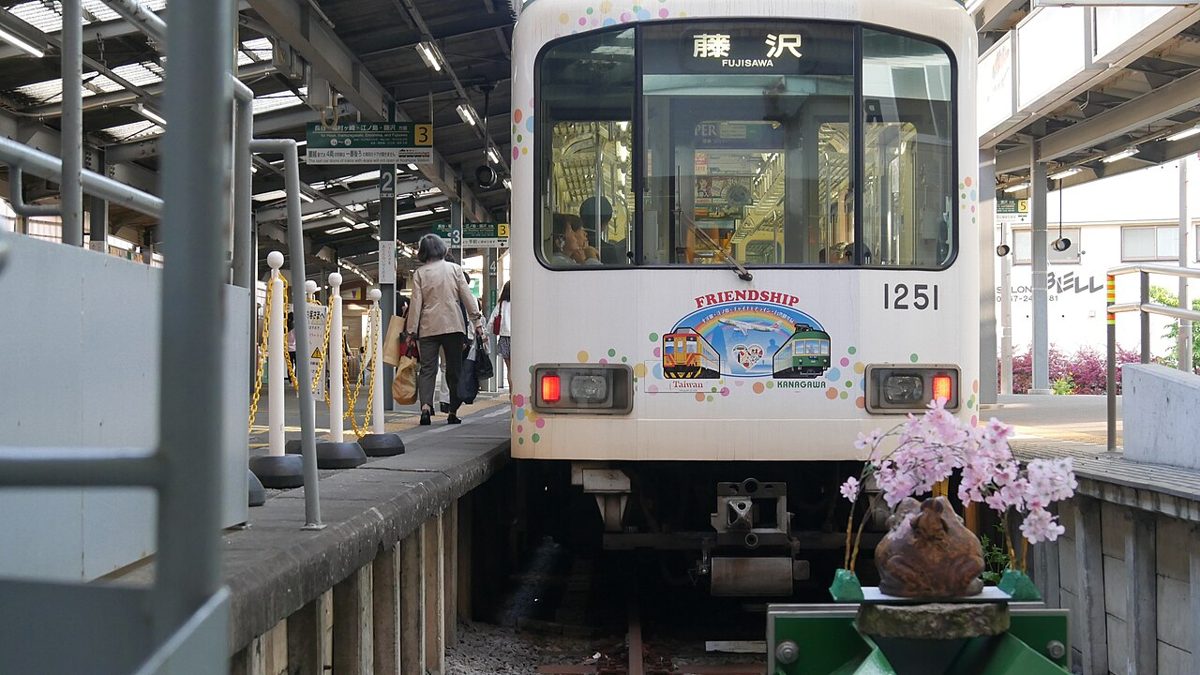
Half the fun of Kamakura is the Enoden, formally the Enoshima Electric Railway. This single-track, green-and-cream tram has trundled along this coast since 1902, squeezing so close to houses you could almost grab someone’s laundry, then bursting out beside the open sea near Kamakurakokomae. It runs from Kamakura Station west to Hase, Yuigahama, Enoshima and on to Fujisawa, leaving roughly every 10-12 minutes.
For a day trip you will mostly use the short Kamakura-to-Hase hop (3 stops, about 4 minutes, ¥200) to reach the Great Buddha. If you ride the full line out to Enoshima it takes about 25 minutes and costs ¥260 one way. A one-day Enoden “Noriorikun” pass (around ¥800) pays off the moment you make three or more hops, and it is the relaxed way to hop on and off along the coast. Many travelers pair Kamakura with an afternoon on the island — see our full Enoshima day trip guide for that combination.
The Great Buddha at Kotoku-in
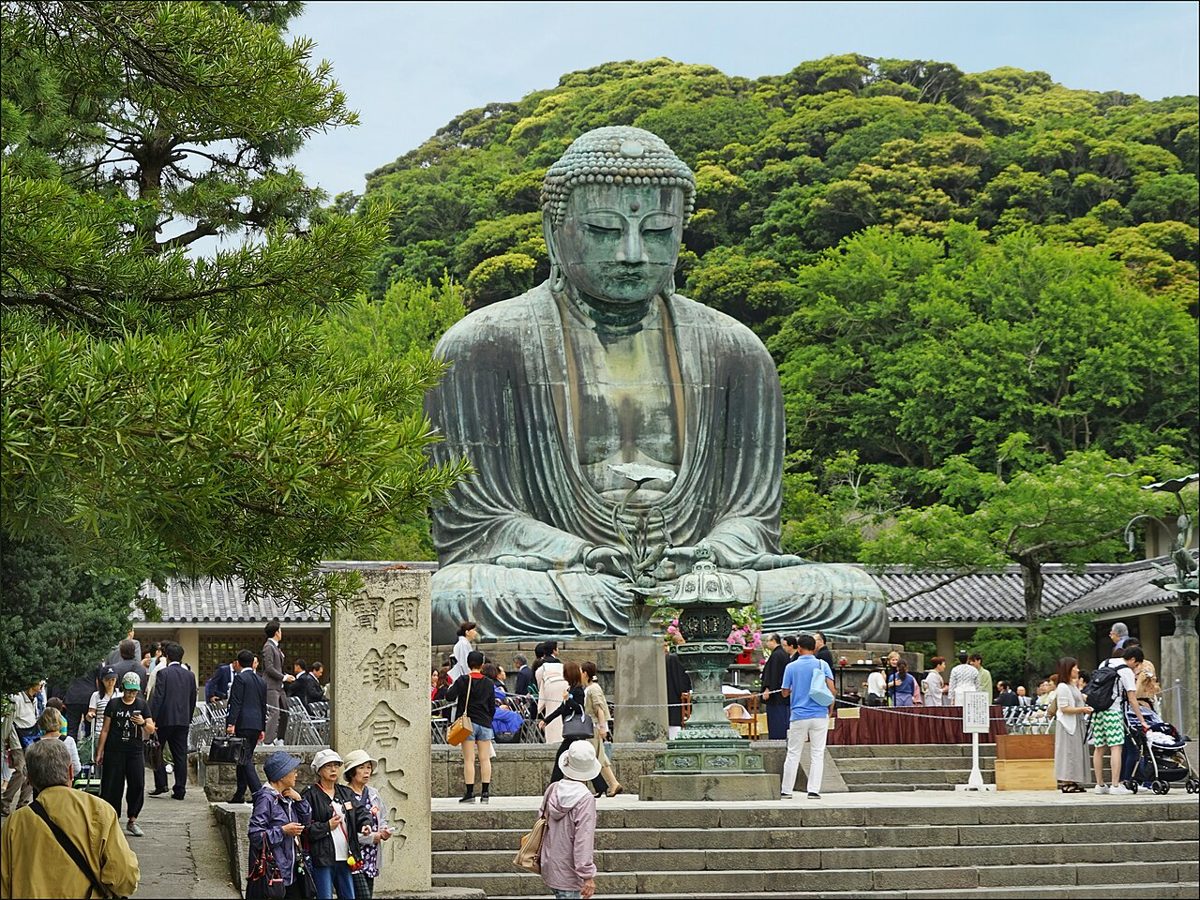
The Great Buddha, or Daibutsu, is Kamakura’s signature image and the reason most first-timers come. Cast in bronze in 1252, this seated figure of Amida Buddha stands about 11.3 meters tall and weighs roughly 121 tons, making it the second-largest bronze Buddha in Japan after the one in Nara. What gives it such presence is the open sky: a tsunami swept away the wooden hall that once enclosed it in 1495, and it has sat outdoors, calm and weathered green, ever since.
Admission to Kotoku-in is 300 yen for adults, and for an extra 20 yen you can duck inside the hollow statue to see how the bronze plates were joined — a quick, quirky detour worth doing once. The temple opens at 8:00 daily and closes at 17:30 from April through September, 17:00 from October through March, with last entry 15 minutes before. Get there from Hase Station, a flat 5-7 minute walk. Arrive by 9:00 if you can; by late morning the forecourt fills with tour groups and the serene photo gets a lot harder.
Hase-dera Temple
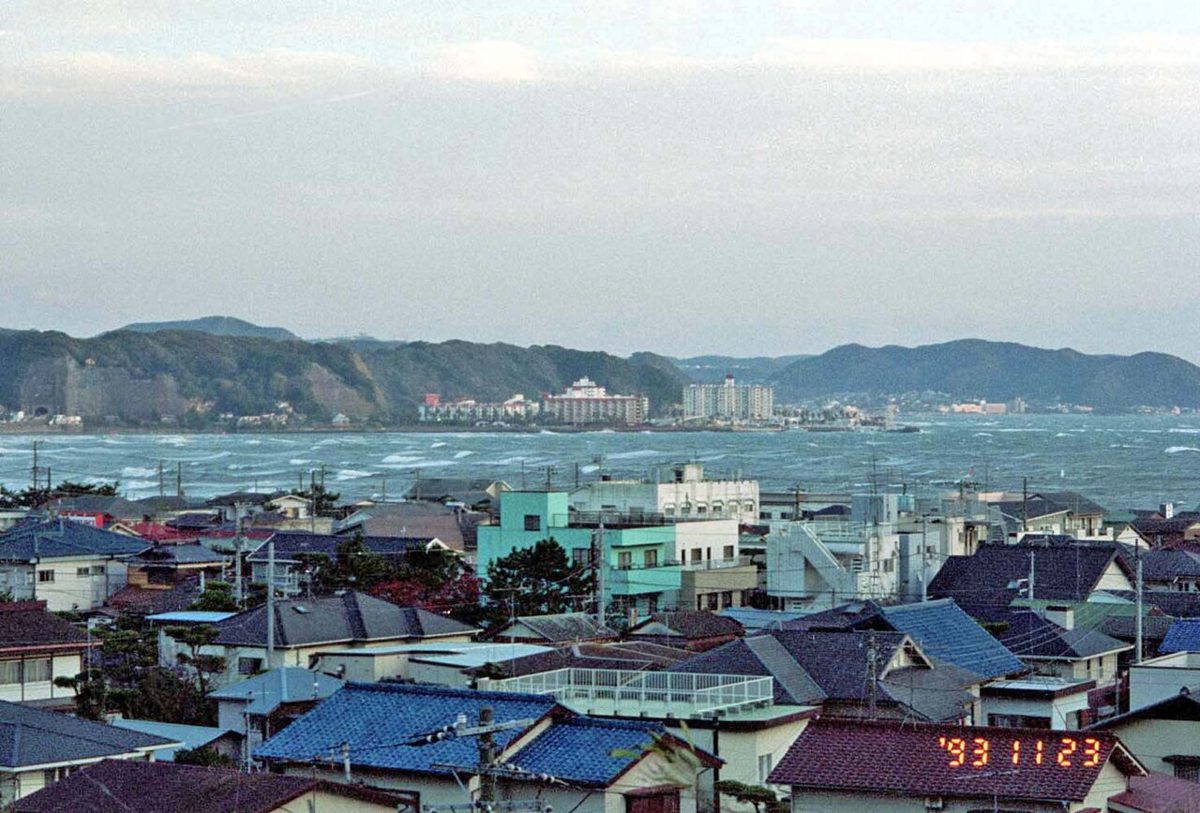
A five-minute walk back toward the station brings you to Hase-dera, and for many people it is the highlight of the day. The temple climbs a wooded hillside, and from its upper terrace you look out over the rooftops of Hase to Yuigahama beach and Sagami Bay — the best free view in town. Inside the main hall stands a gilded, nine-meter wooden Kannon with eleven heads, one of the largest wooden statues in Japan.
Two things stay with you. The first is the ranks of small Jizo statues, guardians of children and travelers, lined up in their hundreds along the paths, many wearing tiny knitted caps. The second is the Benten-kutsu, a low candlelit cave beside the entrance carved with images of the goddess Benzaiten. Admission is 400 yen for adults and 200 yen for children; hours are 8:00-17:00 (to 17:30 in April-June), last entry 30 minutes before close. Time your visit for mid-June and the hillside blazes with some 2,500 hydrangea bushes along a dedicated path — stunning, but expect a numbered-ticket queue on weekends.
Tsurugaoka Hachimangu Shrine
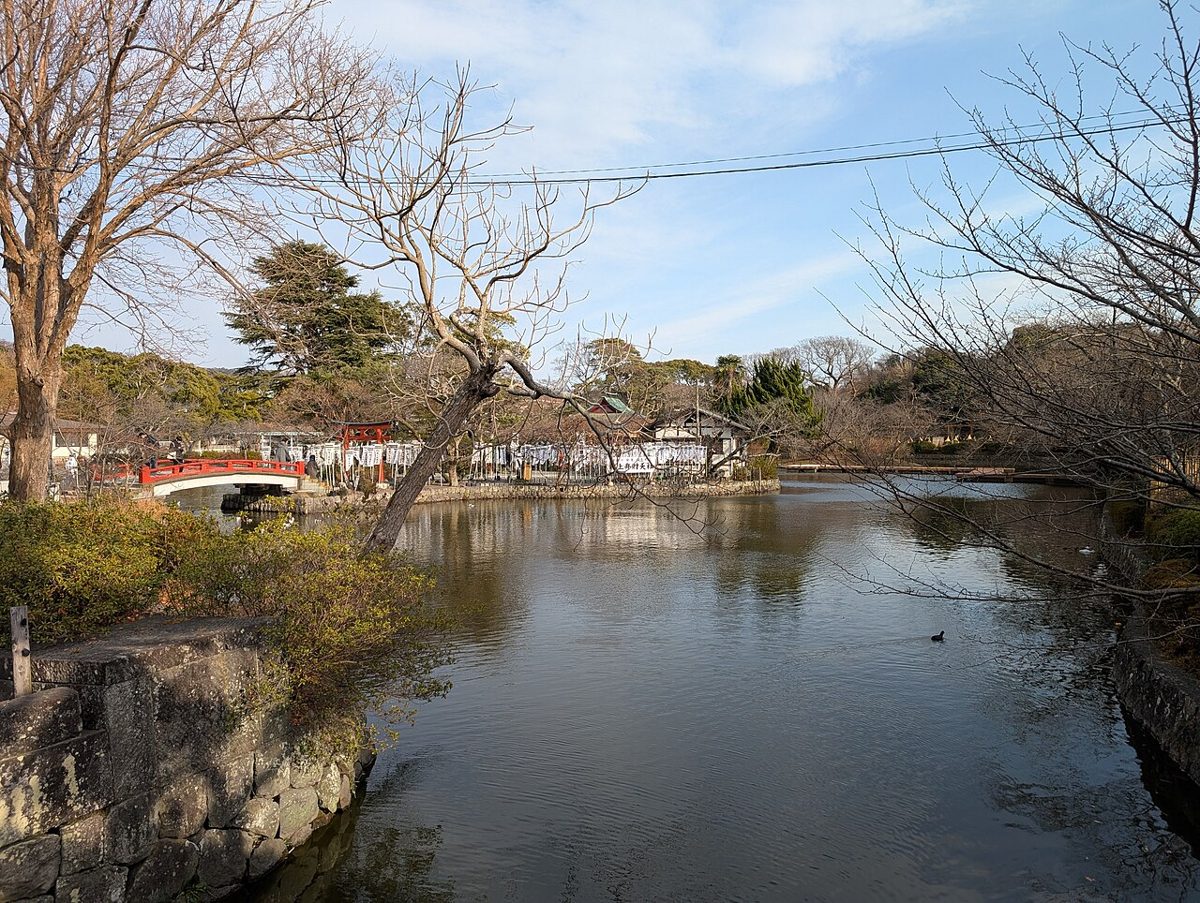
Back in the center of town, Tsurugaoka Hachimangu is Kamakura’s most important shrine and its civic heart. Minamoto no Yoritomo, the warlord who founded the Kamakura shogunate, moved it to this spot in 1180 and laid out the town around it. You approach along the Dankazura, a raised central path that runs nearly two kilometers from the beach to the shrine, lined with cherry trees that turn the walk into a pink tunnel in early April. If you have seen the crowds and incense of Senso-ji in Asakusa, Hachimangu offers a calmer, more spacious counterpoint — a shrine rather than a temple, with room to breathe.
From the torii you climb a broad stone staircase to the vermilion main hall, with wide views back down the approach. The grounds also hold two lotus ponds, a small museum, and an open stage where ceremonial dances are performed during festivals. Entry to the grounds is free, and they open early — from 5:00 (6:00 October to March) until around 21:00 — so this is a good place to start or end the day away from the temple-admission crowds. Allow 45 minutes to an hour.
Hokoku-ji: The Bamboo Temple
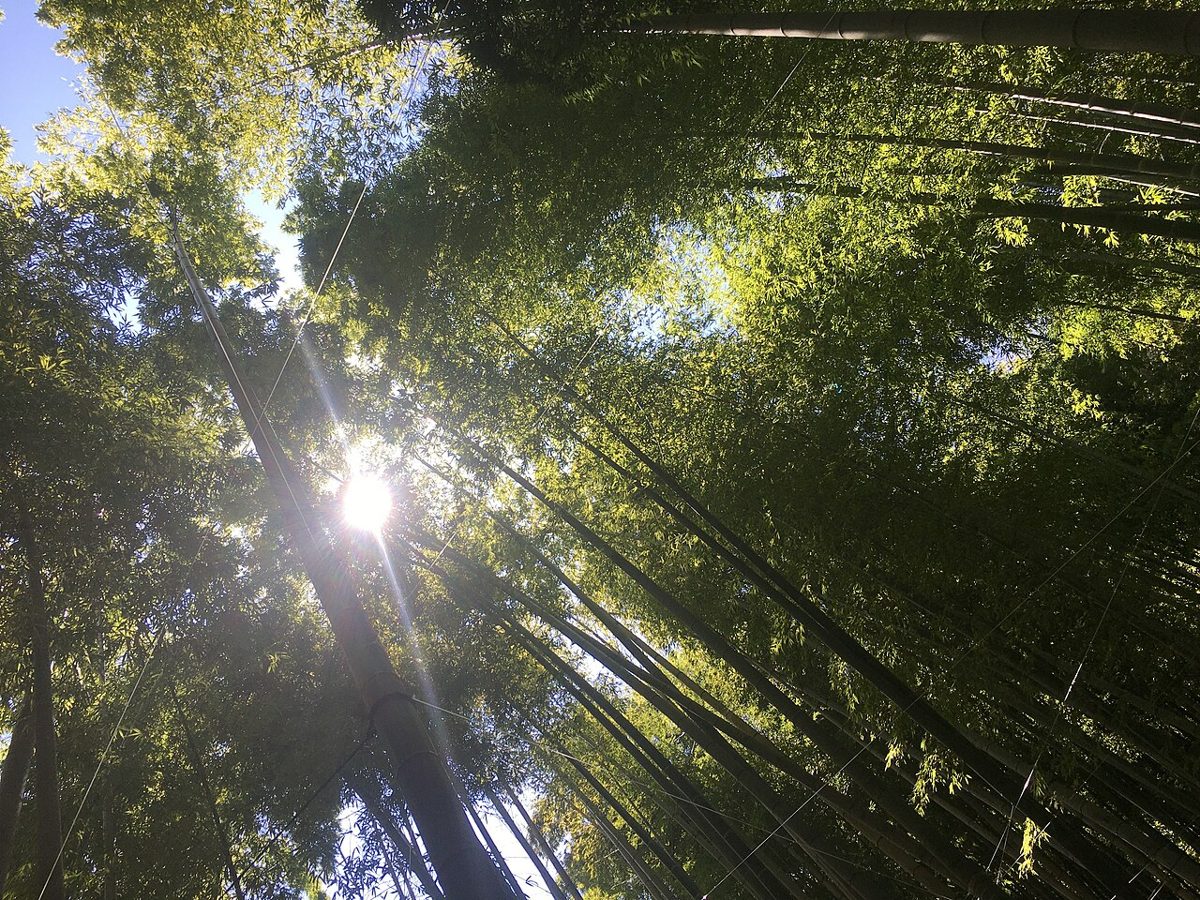
If you have seen photos of Kyoto’s Arashiyama bamboo grove and dreaded the crowds, Hokoku-ji is the answer. This small Zen temple east of the center hides a grove of about 2,000 slender moso bamboo behind its main hall, and because it takes a little effort to reach, it stays calm even when the rest of Kamakura is heaving. Paths wind among the stalks to a quiet tea house at the back.
Admission is 400 yen, and I would not skip the extra 600 yen for a bowl of matcha with a sweet, served at a covered bench looking straight into the green. The temple is open 9:00-16:00 (tea orders stop at 15:30). To get here, take bus 23, 24 or 36 from Kamakura Station to Jomyoji (about 10 minutes), then walk a couple of minutes, or walk the whole way in 30-40 minutes if the weather is good.
Eating in Kamakura: Komachi-dori and Shirasu
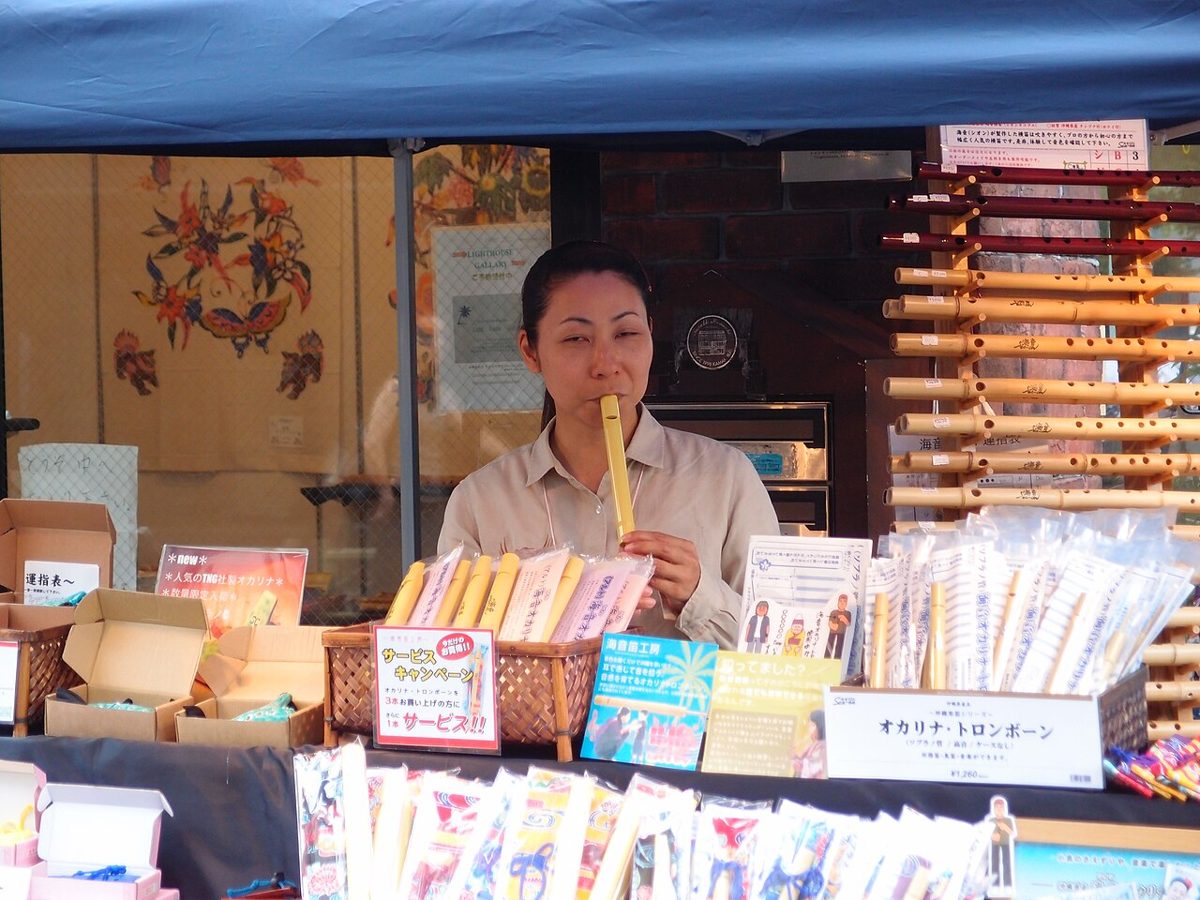
Walk out of Kamakura Station’s east exit and you are at the mouth of Komachi-dori, a narrow pedestrian street packed with snack stalls, tea shops, craft stores and cafes running parallel to the shrine approach. It is touristy and it is fun: grab a purple sweet-potato soft serve, a stick of dango, freshly fried satsuma-age fish cake, or a shirasu croquette and graze your way north toward the shrine.
The local dish to seek out is shirasu-don — a bowl of rice topped with shirasu, the tiny translucent whitebait netted in Sagami Bay just offshore. You will see it two ways: nama-shirasu (raw, glossy and only available when the boats land, often not in winter) and kama-age (briefly boiled, soft and mild). Many places top it with both, sometimes with salmon roe. It is light, fresh and unmistakably coastal. For more on regional dishes and where Tokyo’s food scene fits in, browse our guide to what to eat around the city.
Other Kamakura specialties worth a bite: kamakura-bori lacquerware as a souvenir rather than a snack, hato sabure (the dove-shaped shortbread sold by Toshimaya since 1894), and the vegetarian Buddhist cuisine, shojin ryori, served at a few temples if you want a proper sit-down lunch.
Kamakura Beach
It is easy to forget Kamakura is a beach town until the Enoden pops out beside the water. Yuigahama, a short walk from Hase or Yuigahama stations, is the main strand — a wide arc of gray-gold sand that fills with families and surfers in summer. In July and August it sprouts temporary beach huts (umi-no-ie) selling cold beer and yakisoba, and the swimming area is roped and patrolled.
Outside summer the beach is quieter and arguably nicer for a stroll: surfers bob offshore year-round, and on a clear winter afternoon you can see the silhouette of Mount Fuji across the bay, especially from the Inamuragasaki headland a little further west on the Enoden. Bring layers — the sea breeze has a bite from autumn onward.
Best Time to Visit Kamakura
Kamakura rewards timing. Here is how the year shapes up:
- Late March-early April: cherry blossoms along the Dankazura approach and at the temples. Beautiful, busy, brief.
- Mid-June: hydrangea season. Hase-dera and Meigetsuin are the stars; go on a weekday morning and expect timed-entry tickets.
- July-August: beach season. Lively and hot; the Enoden and the coast get crowded, the temples less so.
- November-early December: autumn maples, mild air, and the clearest Fuji views. My favorite window, especially around the Zen temples of Kita-Kamakura.
- Winter (Jan-Feb): cold but crisp and quiet, with the best odds of seeing Fuji from the coast.
Whatever the season, come on a weekday if you possibly can. Weekends draw day-trippers from across the Kanto region, and the single-track Enoden simply cannot move everyone quickly — queues for the train at Hase can run 20-30 minutes on a sunny Sunday.
A Perfect One-Day Kamakura Itinerary
Here is the route I give friends. It front-loads the busiest sight, keeps backtracking to a minimum, and ends near the beach for sunset.
- 8:50 — Arrive at Kita-Kamakura Station. Walk to Engaku-ji or Kencho-ji while the Zen temples are empty and cool (admission ~¥500 each).
- 10:15 — Stroll the wooded path or ride one stop to Kamakura Station; walk the Dankazura up to Tsurugaoka Hachimangu (free).
- 11:15 — Graze down Komachi-dori; early shirasu-don lunch before the queues build.
- 12:30 — Enoden from Kamakura to Hase (~4 min). Great Buddha at Kotoku-in (¥300), then Hase-dera next door (¥400).
- 14:45 — Optional: bus back toward Jomyoji for Hokoku-ji bamboo and a matcha break, or stay coastal.
- 16:00 — Walk down to Yuigahama beach, or ride the Enoden to Inamuragasaki for a Fuji-and-sea sunset.
- 17:30 — Easy direct train back to Tokyo from Kamakura Station.
Tighter on time? Drop the Zen temples and start at Kamakura Station; you can still cover the shrine, Komachi-dori, the Great Buddha and Hase-dera comfortably between late morning and dusk. Want a slower pace or the full set of Zen monasteries and a hike? That is when Kamakura earns a second day. Either way, our roundup of the best Tokyo temples and shrines is a useful companion if Kamakura whets your appetite for more.
Temple and Shrine Etiquette
A few small courtesies go a long way and keep you from standing out for the wrong reasons:
- At a shrine torii, give a slight bow as you pass, and walk to the side rather than straight down the center, which is reserved for the deity.
- At the purification basin, rinse your left hand, then right, then cup water to rinse your mouth — never drink directly from the ladle.
- To pray at Tsurugaoka Hachimangu: toss a coin, bow twice, clap twice, make your wish, bow once more.
- Photography of grounds is usually fine, but look for signs banning photos inside main halls and of certain statues; at Hase-dera the Kannon hall is off-limits for photos.
- Keep your voice down on temple paths and inside the bamboo grove — quiet is the whole point.
- Carry cash. Several temple gates and the Enoden ticket machines for paper passes prefer coins and small notes.
Mistakes to Avoid
The errors I see again and again, and how to dodge them:
- Going on a sunny weekend. The Enoden bottlenecks and every temple courtyard is shoulder to shoulder. A weekday is a different town.
- Starting too late. The Great Buddha and Hase-dera are calm at 9:00 and mobbed by 11:00. Reverse a normal sleep-in and your photos will thank you.
- Buying the Enoshima-Kamakura Free Pass for Kamakura alone. It only pays off if you are also doing Enoshima; otherwise the direct JR train is faster and simpler.
- Trying to see every temple. Kamakura has dozens. Pick the cluster that fits your day rather than sprinting; quality beats a checklist.
- Assuming raw shirasu is always available. Bad weather and the winter off-season mean no boats and no nama-shirasu; the boiled kind is the reliable fallback.
- Forgetting it is a beach town with hills. Wear shoes you can walk and climb in, and bring a layer for the coastal wind.
Combining Kamakura with Enoshima or Yokohama
Kamakura pairs naturally with two neighbors. Ride the Enoden 25 minutes west and you reach Enoshima, a small shrine-topped island with caves, an observation tower and the area’s best Fuji-at-sunset views — an easy half-day add-on, especially with the Enoshima-Kamakura Free Pass; here is our full Enoshima guide. In the other direction, the Yokosuka Line runs back through Yokohama, so you can break the journey home for dinner in Chinatown or a harbor stroll — see our Yokohama day trip for ideas. Both turn a single Kamakura outing into a fuller coastal loop.
Is a Kamakura Day Trip Right for You?
If you want a single day that balances Japan’s medieval history with sea air and good food, Kamakura is hard to beat from Tokyo. Hop the Yokosuka Line early, anchor your day around the Great Buddha and Hase-dera, walk the shrine approach, eat shirasu on Komachi-dori, and finish by the water. Do that and you will understand why this little town has pulled travelers down from the capital for the better part of a thousand years. If you would rather trade sea air for mountain shrines and waterfalls, compare it with our Nikko day trip guide before you decide.
A Little History: Why Kamakura Matters
Understanding why Kamakura is so dense with temples makes the day richer. In 1185 Minamoto no Yoritomo defeated the rival Taira clan and, rather than govern from the imperial court in Kyoto, set up Japan’s first warrior government here, ringed by hills on three sides and the sea on the fourth — a natural fortress. For nearly 150 years this small town ran the country. The shoguns and the powerful Hojo regents who followed them were patrons of Zen Buddhism, freshly imported from China, and they founded the great monasteries you can still walk through today.
That golden age ended in 1333, when imperial forces breached the passes and the last Hojo regent and hundreds of his retainers took their own lives at Toshoji temple. Power shifted back west, and Kamakura faded into a quiet provincial town — which is precisely why so much survived. While Kyoto kept being rebuilt and burned in later wars, Kamakura was left alone with its Buddha, its shrine and its forest temples. Walking the Dankazura or the wooded trails, you are moving through an almost intact medieval landscape.
The Zen Temples of Kita-Kamakura
Most day-trippers ride straight to Kamakura Station and miss the cluster one stop earlier, around Kita-Kamakura. If you have any interest in Zen, gardens or simply fewer crowds, get off here first. These are working monasteries, hushed and shaded, and they are at their best in the early morning before the tour buses arrive.
Engaku-ji
Engaku-ji sits almost on top of Kita-Kamakura Station and is one of Kamakura’s five great Zen temples, founded in 1282 to honor soldiers who died repelling the Mongol invasions. Its grounds climb a wooded valley past a massive thatched-roof gate (Sanmon), a main hall, and Japan’s largest temple bell, the Ogane, cast in 1301 and designated a National Treasure. Admission is around 500 yen, open roughly 8:00-16:30. The maples here are spectacular in late November.
Kencho-ji
A 15-minute walk toward town brings you to Kencho-ji, founded in 1253 and ranked first among the five great Zen temples — the oldest full-scale Zen training monastery in Japan. The long central axis of gate, juniper trees grown from seeds brought from China, lecture hall and abbot’s quarters is textbook Zen layout. Climb the steps behind the temple toward Hansobo and you reach a viewpoint where, on a clear day, Mount Fuji floats above the ridgelines. Admission is about 500 yen.
Meigetsuin, the Hydrangea Temple
In June, Meigetsuin is the single most photographed spot in Kamakura. A small Zen temple tucked up a side lane from Kita-Kamakura, it overflows with some 2,500 Japanese hydrangeas in a particular soft blue locals call “Meigetsuin blue,” and its round “window of enlightenment” frames a maple-filled garden that glows red in autumn. Admission is around 500 yen (a little more in hydrangea and autumn seasons). Expect serious queues in mid-June; arrive at opening, 9:00, on a weekday.
Hiking the Daibutsu Trail
If the weather is dry and you like a walk, the Daibutsu Hiking Trail is the best way to connect the two main temple clusters. It runs roughly 3 kilometers through the forested hills from near Jochi-ji at Kita-Kamakura over to the Great Buddha at Hase, taking about 60-90 minutes at an easy pace. The path is mostly shaded and well-trodden, with a couple of short rooty scrambles, and along the way you can detour to Zeniarai Benten, a cave shrine where visitors wash their money in a spring believed to multiply it.
Wear proper shoes — after rain the clay turns slick — and skip it in wet weather, when it gets genuinely muddy and the views vanish. Done right, it turns a temple-hopping day into a small hike that drops you out a few minutes from Daibutsu, neatly stitching the morning’s Zen temples to the afternoon’s Buddha without a single train.
What a Kamakura Day Trip Costs
Kamakura is gentle on the wallet by Tokyo standards. Here is a realistic per-person budget for a full day of sightseeing, eating and getting there and back from central Tokyo:
| Item | Approx. cost (¥) |
|---|---|
| Round-trip JR train Tokyo ↔ Kamakura | ~2,080 |
| Enoden hops (Kamakura ↔ Hase, or 1-day pass) | ~400-800 |
| Great Buddha / Kotoku-in | 300 (+20 inside) |
| Hase-dera | 400 |
| One Zen temple (Engaku-ji or Kencho-ji) | ~500 |
| Hokoku-ji + matcha | 1,000 |
| Shirasu-don lunch + Komachi-dori snacks | ~1,500-2,500 |
| Typical total | ~6,500-8,000 |
If you hold a Japan Rail Pass, the train legs are already covered, which makes Kamakura close to free to reach. Carry around 5,000 yen in cash regardless — several temple gates, the Enoden paper-pass machines and many Komachi-dori stalls are cash-first.
What to Bring and Other Practical Tips
A few things make the day smoother:
- Comfortable walking shoes. You will cover several kilometers and climb temple steps; the hiking trail needs real shoes.
- Cash and coins. Temple admissions and the inside-the-Buddha fee want coins; not everywhere takes cards.
- A charged Suica or Pasmo. Tap straight onto JR, the Enoden and local buses without buying tickets.
- A layer and sun protection. The coast is breezy and exposed; temple valleys are cool and shaded.
- An early start. The first hour after temples open is the quietest and coolest of the whole day.
- Coin lockers at Kamakura Station let you ditch bags; they fill up by mid-morning on busy days, so stash early.
One more logistical note: the last comfortable direct trains back to Tokyo run well into the evening, so you do not need to rush a 17:30 departure if you would rather watch the sunset from Inamuragasaki first. Check the final Yokosuka or Shonan-Shinjuku Line times on the day, especially if you are connecting to a later train elsewhere in the city.
Anime fans will recognise the level crossing by Kamakurakokomae station on the Enoden line from the opening of Slam Dunk. It is now so crowded that guards are posted at busy times, so stay on the pavement and never step into the road for a photo. Our anime pilgrimage Tokyo guide lists more locations and the etiquette that keeps them welcoming.
Frequently Asked Questions
Is Kamakura worth a day trip from Tokyo?
Yes. Kamakura packs a giant bronze Buddha, a clifftop temple with ocean views, an 800-year-old samurai shrine, a bamboo grove, beaches and a great snack street into an area you can cross by train in minutes. It sits under an hour from Tokyo Station by direct train, so you get a genuine change of scenery without an overnight stay.
How many days do you need in Kamakura?
One full day is enough to see the headline sights: the Great Buddha, Hase-dera, Tsurugaoka Hachimangu, Komachi-dori and a beach or the bamboo temple. If you want to add the Zen temples around Kita-Kamakura, hike the Daibutsu Trail, and ride the Enoden out to Enoshima at a relaxed pace, give it two days.
What is the best way to get from Tokyo to Kamakura?
Take the JR Yokosuka Line directly from Tokyo Station to Kamakura Station. It runs about every 10-15 minutes, takes roughly 55-60 minutes and costs about 1,040 yen one way, and it is fully covered by the Japan Rail Pass. From Shinjuku, the JR Shonan-Shinjuku Line reaches Kamakura in a similar time for the same fare.
How much does it cost to visit the Great Buddha in Kamakura?
Admission to Kotoku-in, the temple that houses the Great Buddha, is 300 yen for adults. For an extra 20 yen you can step inside the hollow bronze statue. Cash is the safest bet at the gate. The temple opens at 8:00 daily, closing at 17:30 from April to September and 17:00 from October to March.
When is the best time to visit Kamakura?
Weekday mornings in spring or autumn are ideal: mild weather, cherry blossoms in early April or maples in November, and far smaller crowds. Mid-June is special for the hydrangeas at Hase-dera, but it is also one of the busiest times. Summer brings beach crowds, and weekends year-round get packed on the Enoden line.
Photo Credits
- The Great Buddha of Kamakura at Kotoku-in — Photo: Jean-Pierre Dalbéra from Paris, France / CC BY 2.0 via Wikimedia Commons
- Hase-dera, a hillside temple above the Kamakura coast — Photo: Ik T / CC BY 2.0 via Wikimedia Commons
- Tsurugaoka Hachimangu, the spiritual heart of Kamakura — Photo: Syced / CC0 via Wikimedia Commons
- The Enoden line links Kamakura with Enoshima and the sea — Photo: tenz1225 / CC BY-SA 2.0 via Wikimedia Commons
- Hokoku-ji’s bamboo grove, Kamakura’s quiet alternative to Arashiyama — Photo: Nesnad / CC BY 4.0 via Wikimedia Commons
- Komachi-dori, the snack-and-souvenir street near Kamakura Station — Photo: Guilhem Vellut from Annecy, France / CC BY 2.0 via Wikimedia Commons