Where to Stay in Tokyo · Guide №093
Best Budget Hotels & Hostels in Tokyo Under $50/Night
Named budget hotels and hostels in Tokyo under $50: real 2026 prices, a comparison table, the cheapest neighbourhoods, the new lodging tax, and booking tips.

目次 — Contents
- What does a budget hotel in Tokyo actually cost in 2026?
- Best budget business hotels in Tokyo (private room, your own bathroom)
- Best hostels in Tokyo (dorms and cheap private rooms)
- Budget guesthouses and ryokan
- Named budget picks: comparison table
- Best budget neighbourhoods in Tokyo
- Money-saving booking tips (and the new accommodation tax)
- What to avoid
- What each budget tier really feels like
- Where to book and how the sites compare
- Getting around cheaply from your budget base
- Frequently Asked Questions
- Photo Credits
This article contains advertising. Our booking links are routed through a partner that adds commission tracking automatically, so if you book through one we earn a commission from the provider, at no extra cost to you. It never affects what we recommend. Affiliate disclosure
Yes, you can sleep well in Tokyo for under $50 a night. The best budget hotels in Tokyo are clean, central business hotels, social hostels with private rooms, and old-school guesthouses, mostly clustered in Asakusa, Ueno, Ikebukuro and Minami-Senju. Below are named picks with real 2026 prices, a comparison table, the neighbourhoods to target, and the booking and tax details that save you money.
Tokyo’s “expensive” reputation is half-true: luxury towers cost a fortune, but the city is full of affordable beds because Japanese business travellers demand them. At roughly ¥130 to the US dollar in 2026, $50 is about ¥6,500 — enough for a private business-hotel room with your own bathroom, or a dorm bed plus money to spare. I’ve stayed across all these tiers; here’s how to spend it well.
What does a budget hotel in Tokyo actually cost in 2026?
Budgeting is easier once you see the tiers. These are realistic 2026 ranges per night for the room types most travellers book, before the small accommodation tax (more on that below). Prices spike during cherry-blossom season (late March to early April), Golden Week (early May) and New Year, so the low end assumes you book early and travel midweek or off-season.
| Tier (USD/night) | Typical ¥ price | What you get |
|---|---|---|
| Rock-bottom (under $25) | ¥2,000–¥3,200 | Doya-gai room or basic dorm bed; shared bath/toilet; tiny ~3-tatami room or a bunk; Wi-Fi |
| Backpacker ($25–$40) | ¥3,200–¥5,200 | Good design-hostel dorm bed, often with breakfast and a bar/lounge; or a budget private room with shared bath |
| Budget private (under $50) | ¥5,200–¥6,500 | Compact business-hotel single with private bathroom and a lock; chain reliability; sometimes free breakfast |
| Smart budget ($50–$75) | ¥6,500–¥9,800 | Twin/double business-hotel room (splits cheap between two), or a boutique-hostel private room |
The headline: solo travellers get the best value from a hostel dorm or a basic business-hotel single, while pairs should book a twin business-hotel room and split it — often the cheapest per person way to get a private bathroom. For the bigger picture on stretching yen across food and transport too, see our budget guide to the whole trip.
Best budget business hotels in Tokyo (private room, your own bathroom)
Business hotels are Japan’s budget-travel secret weapon: small, spotless, reliable private rooms aimed at travelling workers, with en-suite bathrooms, free Wi-Fi and often free breakfast. The rooms are tiny (12–15 sq m is normal) but you get a door that locks and your own toilet. These chains have branches by nearly every major station.
Toyoko Inn — the dependable default
Toyoko Inn is Japan’s largest budget-hotel chain, with dozens of Tokyo branches and a simple free breakfast (rice balls, miso soup, salad) included. Singles often start around ¥5,500–¥7,000. The membership card (cheap to join) shaves a bit off and helps with Sunday/holiday discounts. Rooms are formulaic but you always know exactly what you’re getting.
APA Hotel — ultra-compact, everywhere
APA is the chain with the bright signage and famously small rooms — efficient pods of a room with a wall-mounted TV over the bed. Singles can start near ¥5,000 off-peak, though APA flexes prices hard with demand, so book early. Many branches have a large communal bath, which makes the tight rooms easier to forgive.
Super Hotel — free breakfast and a hot-spring bath
Super Hotel punches above its price with a genuine free breakfast and, at many branches, a natural hot-spring or large communal bath even in the city. Rooms from around ¥6,000–¥8,000, with a “choose your pillow” wall and a focus on a good night’s sleep. A strong pick if a bath and breakfast matter to you.
Sotetsu Fresa Inn — a step up in comfort
Sotetsu Fresa Inn sits at the upper edge of budget: slightly larger, more stylish rooms than the bare-bones chains, with good beds and branches in handy spots like Kinshicho, Kyobashi and Higashi-Shinjuku. Expect roughly ¥7,000–¥10,000. Worth it if you want budget reliability without feeling boxed in. Other solid options in this band include Dormy Inn (free late-night ramen and onsen baths) and Hotel MyStays.
Best hostels in Tokyo (dorms and cheap private rooms)
Tokyo’s hostel scene has gone seriously upmarket on design while staying cheap. These are social, English-friendly places with good common areas; most have both dorm beds and a few private rooms. Dorm beds typically run ¥3,000–¥5,500.
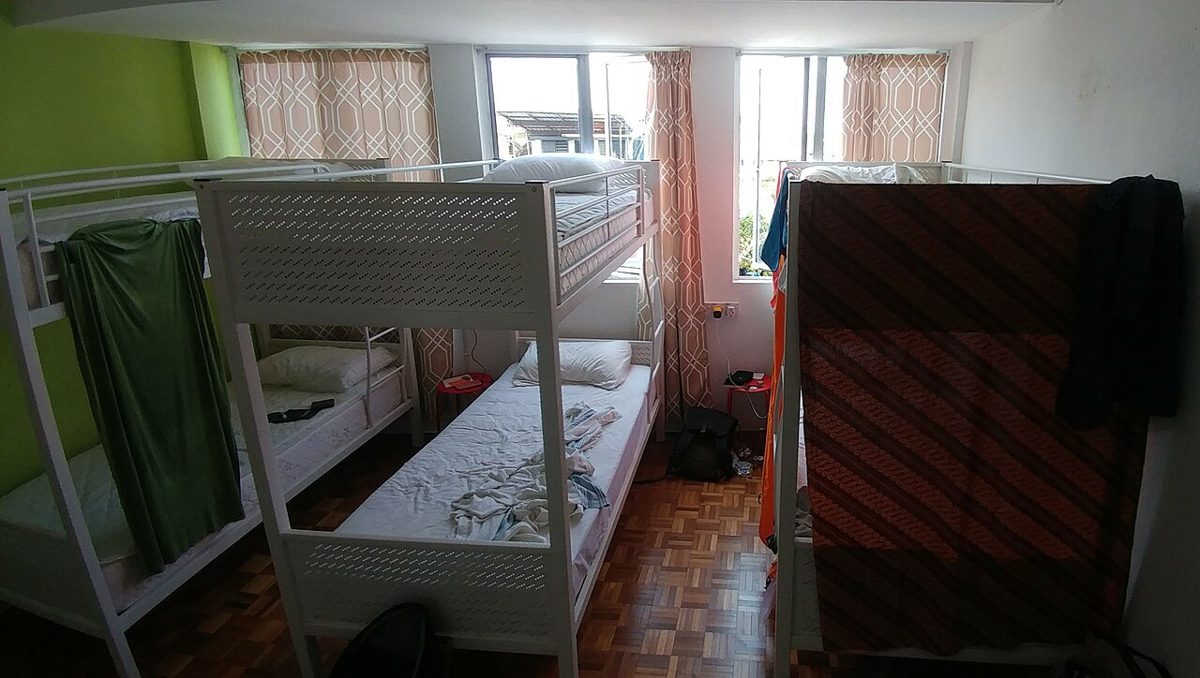
- UNPLAN Kagurazaka — a modern, beautifully run hostel in the “little Paris” Kagurazaka district, 3 minutes from Kagurazaka Station, with a rooftop terrace and free breakfast. Dorms from around ¥3,500–¥4,500; private rooms available. There’s also an UNPLAN Shinjuku with pod-style dorms near Kabukicho.
- Nui. Hostel & Bar Lounge — a converted warehouse in Kuramae (4 minutes from Kuramae Station) with a dramatic double-height ground-floor bar that locals love. Great atmosphere; dorms from roughly ¥3,500, plus private rooms.
- Wise Owl Hostels Tokyo — boutique-industrial hostel in central Hatchobori (3 minutes from the station), with custom wooden bunks, premium mattresses and a cafe-bar. Handy for both sightseeing and the business district.
- IRORI Nihonbashi Hostel & Kitchen — a sociable, design-led hostel built around a communal kitchen and hearth (irori), central in Nihonbashi. Good for travellers who want to cook and meet people.
- Khaosan Tokyo (Asakusa) — a long-running backpacker brand with several Asakusa properties (Khaosan World, Samurai Capsule, Origami), walking distance to Senso-ji. Reliable cheap dorms and a buzzy crowd.
- Book and Bed Tokyo Shinjuku — the famous “sleep in a bookshop” hostel with pods tucked behind bookshelves, 3 minutes from Seibu-Shinjuku Station. It’s more about the aesthetic than deep sleep (thin mattresses, some noise), but it’s a fun one-nighter from around ¥3,700.
Budget guesthouses and ryokan
If you want something with more character than a chain hotel, Tokyo’s budget guesthouses and urban ryokan deliver tatami floors and futons at backpacker prices, usually with shared bathrooms.
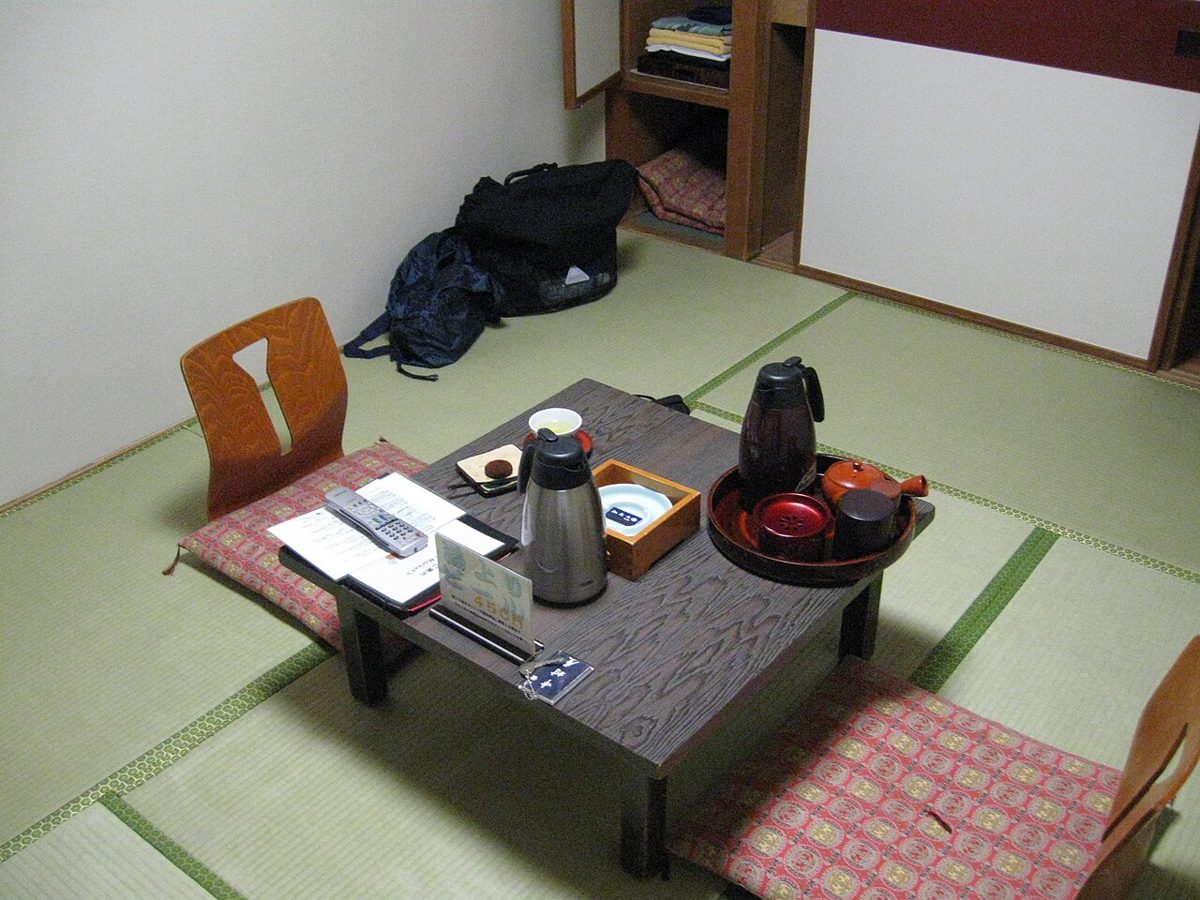
- Andon Ryokan (Minowa/Taito) — an award-winning, design-forward urban ryokan with tatami rooms, futons, a hot tub, free bicycle rental and made-to-order Western breakfast; shared bathrooms. About 5 minutes from Minowa Station, 20 minutes from Asakusa.
- Hotel Graphy Nezu — a relaxed, residential-feeling budget hotel in artsy Yanaka with a shared kitchen, lounge and rooftop, 5 minutes from Nezu Station. Great base for the old-Tokyo Yanaka-Nezu walks.
- Khaosan World Asakusa Ryokan & Hostel — a stylish hybrid offering both Japanese-style rooms and dorms near Senso-ji, a good middle ground between ryokan atmosphere and hostel price.
- Sakura Hostel / Sakura Hotel Asakusa — one of Tokyo’s biggest, most international budget houses, with cheap dorms, simple private rooms and a 24-hour cafe; very easy for first-timers.
Named budget picks: comparison table
A spread of properties across types and areas, with approximate 2026 starting prices. Dorm prices are per bed; hotel prices are per room (so split a twin between two for the real per-person cost).
| Property | Type | Area / station | From |
|---|---|---|---|
| Economy Hotel Hoteiya | Doya-gai budget room | Minami-Senju | ~¥2,700 |
| Kangaroo Hotel | Budget hotel/hostel | Minami-Senju (Iriya) | ~¥3,000 |
| Khaosan Tokyo Samurai | Hostel dorm / capsule | Asakusa | ~¥3,000 |
| UNPLAN Kagurazaka | Design hostel (dorm) | Kagurazaka | ~¥3,800 |
| Book and Bed Shinjuku | Capsule hostel | Seibu-Shinjuku | ~¥3,720 |
| Sakura Hotel Asakusa | Hostel + private rooms | Asakusa/Tawaramachi | ~¥4,000 |
| Toyoko Inn (various) | Business hotel (single) | Citywide | ~¥5,500 |
| APA Hotel (various) | Business hotel (single) | Citywide | ~¥5,000 |
| Super Hotel (various) | Business hotel + bath | Citywide | ~¥6,000 |
| Sotetsu Fresa Inn | Business hotel (better) | Kinshicho/Kyobashi | ~¥7,000 |
| Andon Ryokan | Urban ryokan | Minowa | ~¥7,000 |
Travelling solo and want the cheapest novelty bed of all? Compare these against a pod in our Tokyo capsule hotels guide. Travelling as a group or staying a week? An apartment can undercut everything — see the Tokyo Airbnb guide.
Best budget neighbourhoods in Tokyo
Where you stay matters as much as the property. These four areas combine low prices with good train access — you want to be on or near the JR Yamanote loop or a fast line into it.
Asakusa — old Tokyo, loads of cheap beds
Asakusa is my top all-round budget pick: atmospheric temple-town streets around Senso-ji, the riverside, and a dense supply of hostels, guesthouses and business hotels. It’s on the Ginza and Asakusa subway lines and a short hop from Ueno. You trade a little central-ness for character and value, and the Skytree is right across the river.
Ueno — Yamanote loop + airport train
Ueno is the practical winner: it’s on the Yamanote Line (so the whole loop is a single ride), has the Keisei Skyliner straight to Narita, a big park and museums, and the cheap, gritty Okachimachi/Ameyoko area next door. Lots of business hotels and hostels at fair prices.
Ikebukuro — the cheapest big hub
Ikebukuro is a giant transport hub on the Yamanote loop with some of the lowest business-hotel rates in central Tokyo, plus endless cheap food, Sunshine City and anime shops on the Otome Road side. Rooms here regularly start in the low ¥5,000s. Less postcard-pretty, very convenient.

Minami-Senju — Tokyo’s budget basement
Minami-Senju is the doya-gai — a former day-labourers’ district that’s now Tokyo’s cheapest place to sleep, with simple private rooms from around ¥2,000–¥3,200 (Economy Hotel Hoteiya ~¥2,700, Kangaroo Hotel ~¥3,000, Business Hotel Fukusen ~¥2,800). Rooms are tiny (about 3 tatami) with shared baths, but they’re clean, safe and have Wi-Fi, and you’re a short Hibiya Line ride from Akihabara and Ueno. It’s the move for hardcore budget travellers who just need a base.
Money-saving booking tips (and the new accommodation tax)
A few habits make the difference between a $30 bed and a $70 one for the same room.
- Book early — really early. Aim for 2–3 months ahead for normal dates, and 6+ months for cherry-blossom (late March–early April) and autumn-foliage seasons, when prices can double and the cheapest places sell out first.
- Avoid the peak weeks entirely if you can. Golden Week (late April–early May), Obon (mid-August) and New Year send rates soaring. Mid-January to early March and June often have the best deals.
- Travel midweek. Friday and Saturday nights cost noticeably more at hostels and capsules; shift a night earlier where your itinerary allows.
- Compare the hotel’s own site with Booking.com, Agoda, Klook and Rakuten Travel. Rates differ, and chains like Toyoko Inn and APA reward booking direct or via membership.
- Split a twin when travelling as a pair. Two people in a business-hotel twin almost always beats two dorm beds, and you get a private bathroom.
- Factor in the 2026 accommodation tax. From March 1, 2026, Tokyo levies a per-person, per-night lodging tax based on the room rate: rooms under ¥10,000 are exempt, ¥10,000–¥15,000 is ¥100, and ¥15,000+ is ¥200. For genuine budget stays you usually pay nothing — one more reason to stay under ¥10,000.
- Watch for small extras. Some places charge for late check-in, in-room fridges or safes; most Japanese rates already include consumption tax and service, so the quoted price is usually what you pay.
What to avoid
A few traps that turn a cheap stay sour.
- Don’t book on location alone. A ¥3,000 room 50 minutes out can cost you ¥700+ a day in trains and an hour each way. Staying on or near the Yamanote loop usually pays for itself.
- Don’t expect Western room sizes. Budget rooms are 12–15 sq m (less in doya-gai); a big suitcase can leave no floor space. Pack light or pick a place with luggage storage.
- Don’t assume a “ryokan” near the station is a serene mountain inn. Urban budget ryokan are more functional than the postcard version — lovely, but manage expectations.
- Don’t ignore reviews on noise and walls. The cheapest hostels and capsules can be thin-walled; if you sleep lightly, pay a little more for a quieter business hotel.
- Don’t leave booking to the last minute in spring/autumn. Walk-up budget beds in peak season are scarce and overpriced.
For the full strategy on where in the city to base yourself — and how budget areas compare with the action — read our pillar guide to where to stay in Tokyo.
What each budget tier really feels like
Numbers in a table only tell you so much. Here’s what you actually walk into at each price point, so you can match the spend to how you travel.
The ¥2,000–¥3,200 doya-gai room
Picture a single room about the size of three tatami mats — a bed or futon, a tiny TV, a window, and not much floor. The toilet and shower are shared down the corridor, usually as lockable single booths kept scrupulously clean. There’s Wi-Fi, a coin laundry and a microwave. It is basic and a little institutional, but safe and quiet, and unbeatable value if you’re out all day and only need somewhere to sleep. Minami-Senju is the heartland of this tier.
The ¥3,200–¥5,200 design hostel
This is where Tokyo shines. Modern hostels like UNPLAN, Nui. and Wise Owl give you a sturdy wooden bunk with its own curtain, reading light and outlet, plus a genuinely nice common space — a cafe-bar, a rooftop, a shared kitchen. Many include a simple breakfast. You’ll meet other travellers if you want to, or retreat to your curtained bunk if you don’t. Bathrooms are shared but plentiful and clean. For a solo traveller this is often the sweet spot of price, comfort and atmosphere.
The ¥5,200–¥6,500 business-hotel single
Now you have a door that locks, your own compact bathroom (the famous moulded “unit bath” with tub, shower and toilet in one), a desk, a kettle and reliable air-con. The room is small — your suitcase may live on the spare bit of floor — but it’s private, soundproofed reasonably well, and consistent across every branch of the chain. This is the tier I recommend to most first-time visitors who value a good night’s sleep over socialising.
Where to book and how the sites compare
The same room can vary by 10–20% across platforms, and a few sites are much stronger for Japan specifically. Check two or three before you commit.
| Platform | Why use it for Tokyo budget stays |
|---|---|
| Booking.com | Widest hostel and guesthouse coverage, free cancellation on many rooms, easy English. The default for backpacker places. |
| Agoda | Often the cheapest headline rates for Asia, with frequent member discounts; watch that taxes/fees are shown before you pay. |
| Rakuten Travel / Jalan | Japanese-facing sites with rooms (and plan deals) you won’t always see elsewhere; some interface friction but good value, and Rakuten points if you have an account. |
| Hotel’s own website | Best for chains — Toyoko Inn members and APA direct bookers get discounts and flexible rates. |
| Hostelworld | Strong for comparing dorm beds specifically, with detailed hostel reviews on atmosphere and cleanliness. |
Two practical habits: search with your exact dates (Tokyo pricing is heavily demand-based, so a shift of one night can drop the rate), and always read the most recent reviews for comments on noise, wall thickness and how strict check-in is. A ¥500 saving isn’t worth a sleepless week next to a thin wall.
Getting around cheaply from your budget base
A budget bed only stays a bargain if you’re not bleeding money on trains. The good news: from any of the areas above you’re a short, cheap ride from the sights. A typical Tokyo Metro or JR hop is ¥180–¥210, and a 30-minute cross-town trip rarely tops ¥330 each way. Tap on with a Suica or PASMO IC card (add it to your phone) rather than buying paper tickets.
- From Asakusa: Ginza Line to Ueno (5 min) and on toward Ginza; Asakusa Line to Higashi-Ginza and the Skytree area is a 20-minute walk or short ride.
- From Ueno: Yamanote Line gets you to Tokyo, Akihabara, Shinjuku, Shibuya and Ikebukuro without changing trains — the single best-connected budget base.
- From Ikebukuro: Yamanote loop plus the Marunouchi and Fukutoshin subways spread you across the city; direct trains run to Shibuya, Shinjuku and even out to Yokohama.
- From Minami-Senju: Hibiya Line straight to Akihabara, Ueno (via a quick change), Ginza and Roppongi; the Tsukuba Express is next door for a fast run into Akihabara.
If you’re weighing a slightly pricier but more central base against the cheap outskirts, our pillar guide to the best areas to stay in Tokyo lays out the trade-offs neighbourhood by neighbourhood, and the capsule hotels guide covers the pod option if you only need a place to crash near a station.
Frequently Asked Questions
Can you stay in Tokyo for under $50 a night?
Yes, comfortably. Under $50 (about ¥6,500 in 2026) gets you a private business-hotel single with your own bathroom at chains like Toyoko Inn, APA or Super Hotel, or a dorm bed at a good hostel with money to spare. The cheapest doya-gai rooms in Minami-Senju start around ¥2,000–¥3,200.
What is the cheapest area to stay in Tokyo?
Minami-Senju is the cheapest, with simple private rooms from about ¥2,000–¥3,200 in its doya-gai guesthouses. For a better balance of price and atmosphere, Asakusa, Ueno and Ikebukuro all offer plenty of budget hotels and hostels while keeping you on or near the Yamanote loop.
Are business hotels or hostels cheaper in Tokyo?
For solo travellers, a hostel dorm bed (¥3,000–¥5,500) is usually cheapest, but you share a room. A basic business-hotel single (¥5,000–¥7,000) gives you privacy and a bathroom. For two people, splitting a business-hotel twin is normally the cheapest way to get a private room each night.
Do I have to pay a tourist tax for budget hotels in Tokyo?
From March 1, 2026, Tokyo charges a per-person, per-night accommodation tax based on the room rate: rooms under ¥10,000 are exempt, ¥10,000–¥15,000 is ¥100, and ¥15,000 or more is ¥200. Most genuine budget stays fall under ¥10,000, so you typically pay no lodging tax at all.
How far in advance should I book a budget hotel in Tokyo?
Book 2–3 months ahead for normal dates and 6+ months for cherry-blossom season (late March to early April) and autumn foliage, when prices can double and the cheapest rooms sell out first. Travelling midweek and avoiding Golden Week, Obon and New Year keeps rates low.
Photo Credits
- Asakusa packs in many of Tokyo’s best-value budget hotels and hostels — Photo: Aimaimyi / CC BY-SA 3.0 via Wikimedia Commons via Wikimedia Commons
- A dorm bed in a good Tokyo hostel runs roughly 3,000 to 5,000 yen, often with breakfast — Photo: Sgroey / CC BY 4.0 via Wikimedia Commons via Wikimedia Commons
- Business-hotel rooms are small but spotless, with your own bathroom and a lock on the door — Photo: O. Henry / Public domain via Wikimedia Commons via Wikimedia Commons
- Ueno sits on the Yamanote loop with a direct airport train and plenty of cheap rooms — Photo: Syced / CC0 via Wikimedia Commons via Wikimedia Commons
- Ikebukuro is a major hub with some of the city’s cheapest business hotels — Photo: Reinhard Link from Germany / CC BY-SA 2.0 via Wikimedia Commons via Wikimedia Commons
- Budget ryokan and guesthouses swap beds for futons on tatami at backpacker prices — Photo: ㇹヮィㇳ / CC BY 2.0 via Wikimedia Commons via Wikimedia Commons