Where to Stay in Tokyo · Guide №094
Best Hotels in Shinjuku: Where to Stay in Tokyo’s Central Hub
The best hotels in Shinjuku, Tokyo by sub-area and budget: luxury towers, the Godzilla hotel, value picks and capsules, with 2026 prices and transit tips.

目次 — Contents
- Why stay in Shinjuku as a first-timer?
- The sub-areas of Shinjuku, decoded
- Luxury hotels in Shinjuku
- Mid-range hotels in Shinjuku
- Budget hotels and capsules in Shinjuku
- Shinjuku hotels by price tier: comparison table
- Transit tips: which exit, which line
- Noise, the red-light district, and who each area suits
- Shinjuku vs other Tokyo neighbourhoods: a quick comparison
- Best Shinjuku hotel for each type of traveller
- Eating and nightlife around your Shinjuku hotel
- Practical tips for booking and arriving in Shinjuku
- Frequently Asked Questions
- Photo Credits
This article contains advertising. Our booking links are routed through a partner that adds commission tracking automatically, so if you book through one we earn a commission from the provider, at no extra cost to you. It never affects what we recommend. Affiliate disclosure
The best hotels in Shinjuku, Tokyo cluster in three pockets: the West Shinjuku skyscrapers (luxury and views), the Kabukicho/east side (nightlife and mid-range landmarks like the Godzilla hotel), and quieter Shinjuku-Sanchome. Shinjuku is the smartest first-timer base in the city — the world’s busiest station, direct trains to both airports, and somewhere to stay at every budget. Here are named picks with 2026 prices.
I keep coming back to Shinjuku because it solves the hardest part of a Tokyo trip: getting around. From here the JR Yamanote loop, a dozen subway and private lines, and the Narita Express and airport buses all radiate out. You can roll in from the airport, drop your bags, and be at the Shibuya scramble or a Mount Fuji bus in minutes. Below I’ll break down each sub-area and the hotels worth booking in each.
Why stay in Shinjuku as a first-timer?
Three reasons, mainly. Transport: Shinjuku Station handles around 3.5 million passengers a day and connects the Yamanote, Chuo and Sobu JR lines plus the Marunouchi, Oedo and Shinjuku subways and the Odakyu and Keio private railways. The Narita Express stops here, the Limousine Bus runs to both Narita and Haneda, and the Odakyu line is your gateway to Hakone and Mount Fuji.
Everything is open and walkable: department stores, the Omoide Yokocho and Golden Gai food alleys, Shinjuku Gyoen’s gardens, cinemas, and endless restaurants from ¥800 ramen to tasting menus. Range of stays: few districts let you choose between a Park Hyatt suite and a ¥3,000 capsule within the same ten-minute walk. If you only base yourself in one place in Tokyo, Shinjuku is the safest pick. Our wider Shinjuku neighbourhood guide covers what to do once you’re here.
The sub-areas of Shinjuku, decoded
“Shinjuku” is big, and which side of the station you pick changes your trip. Here’s the lay of the land before the hotel picks.
- West Shinjuku (Nishi-Shinjuku): the skyscraper district — luxury and upper-mid hotels with high-floor views, the Tokyo Metropolitan Government Building observation decks (free), and a calmer, corporate feel at night. Best for comfort, views and quiet.
- East Shinjuku & Kabukicho: the neon heart — restaurants, bars, cinemas, the Godzilla hotel, Golden Gai and Tokyo’s biggest red-light district. Lively and central, but noisier; great if nightlife is the point.
- Shinjuku-Sanchome: just east, more grown-up and walkable, with Isetan department store, good dining and the Shinjuku Gyoen gardens nearby. A quieter, stylish alternative a few minutes from the action.
- Okubo / Shin-Okubo: Tokyo’s Koreatown, just north — cheaper hotels and superb Korean food, a short walk or one stop from Shinjuku proper. Good value, grittier streets.
Luxury hotels in Shinjuku
The high end here means skyscraper views and serious service. These are the names to know, with rough 2026 nightly rates for a standard room (they swing with season and demand).
Park Hyatt Tokyo — the icon
The Park Hyatt occupies the top floors of a Kenzo Tange tower in West Shinjuku and is forever linked to Lost in Translation and the New York Bar on the 52nd floor. After a major renovation it remains the area’s most refined stay: huge rooms by Tokyo standards, a pool with a view, and impeccable service. Rates generally start around ¥90,000–¥130,000 a night. It’s a 12–15 minute walk (or shuttle) from the station — the trade-off for the calm and the views.
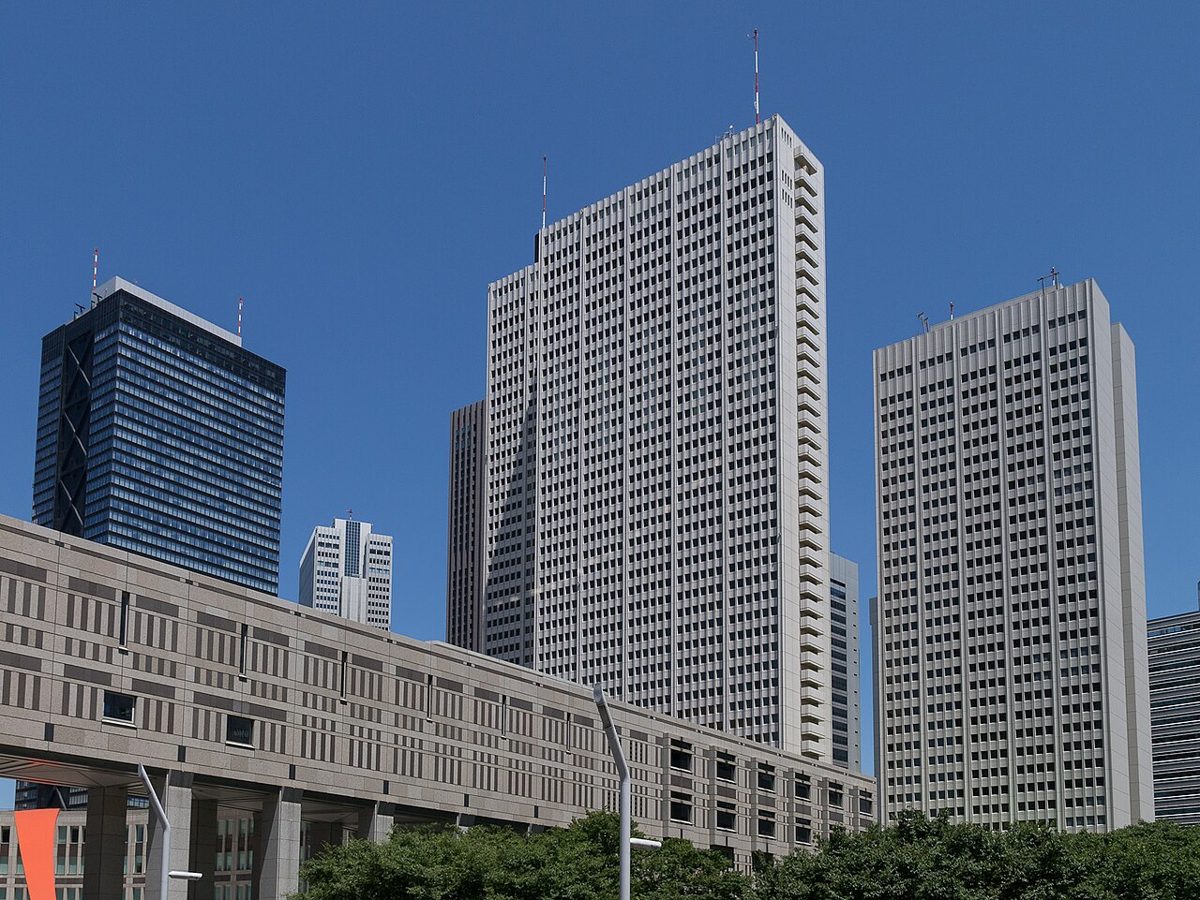
Keio Plaza Hotel Tokyo — grand and reliable
Keio Plaza was West Shinjuku’s first skyscraper hotel and still delivers big-hotel comfort: two towers, multiple restaurants, an outdoor pool in summer, and a near-unbeatable location a 5-minute covered walk from the station’s west side. It’s upper-mid rather than ultra-luxe, with standard rooms often around ¥30,000–¥50,000. A dependable, family-friendly choice that’s endlessly convenient.
Hilton Tokyo — West Shinjuku’s business-luxe stalwart
The Hilton Tokyo, slightly north in West Shinjuku, is a long-standing favourite with a free shuttle to the station and direct underground access to the Tochomae subway. Spacious rooms, a good executive lounge and a pool/gym make it a strong four-to-five-star pick; rates commonly start around ¥40,000–¥60,000 (deals from roughly $72 appear off-peak). Reliable, comfortable and well-run.
Hyatt Regency Tokyo — great value at the top end
The Hyatt Regency (formerly the Century Hyatt) sits among the West Shinjuku towers with a dramatic atrium lobby and large, recently refreshed rooms. It often undercuts its neighbours, with rates from around ¥32,000, making it the value play if you want a full-service international hotel near the skyscrapers. Walk or take the free shuttle from the west exit.
Want the city’s very top suites and the full comparison across districts? See our dedicated Tokyo luxury hotels guide.
Mid-range hotels in Shinjuku
This is the sweet spot for most travellers: comfortable private rooms, good locations, often ¥15,000–¥30,000 a night for two.
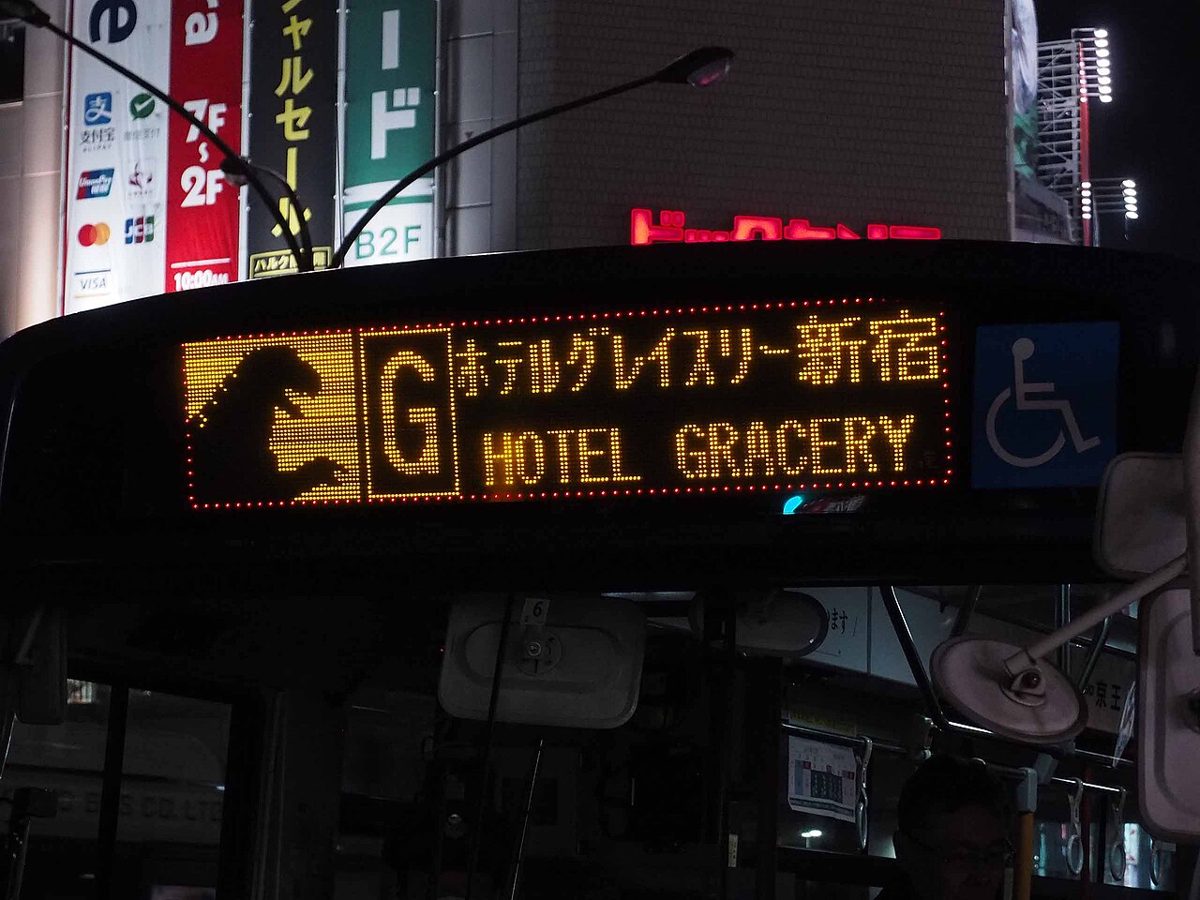
Hotel Gracery Shinjuku — the Godzilla hotel
You can’t miss the giant Godzilla head roaring over the 8th-floor terrace of Hotel Gracery, slap in the middle of Kabukicho. Beyond the gimmick it’s a genuinely good modern hotel: smart, well-soundproofed rooms, a sky lobby, and a location that puts every restaurant and cinema in Kabukicho at your feet. Rates typically run ¥18,000–¥30,000 (around $133+). Book a “Godzilla view” room if you want the monster outside your window.
Hotel Century Southern Tower — views without the luxury price
The Odakyu Hotel Century Southern Tower occupies floors 19–35 of a tower right on the south side of Shinjuku Station — arguably the most convenient luxury-feeling location in the area, with floor-to-ceiling city views. Early-bird twin rooms can be found around ¥17,000–¥25,000, excellent for the comfort and position. A perennial favourite for couples who want a view and a two-minute station walk.
Sunroute Plaza & Odakyu options
The Hotel Sunroute Plaza Shinjuku (now part of the Sotetsu group) on the south side is a long-time mid-range workhorse: solid rooms, fair prices around ¥14,000–¥22,000, and a few minutes from the New South Exit. The Odakyu Hotel chain and Hotel Rose Garden in the quieter west streets are reliable alternatives in the same band.
Budget hotels and capsules in Shinjuku
Shinjuku isn’t only for big budgets. The east side and Okubo edge have plenty of affordable rooms and pods.
- Tokyu Stay Shinjuku — a smart apartment-style hotel with in-room washing machines and kitchenettes, ideal for longer stays; rooms from roughly ¥12,000–¥18,000.
- Shinjuku Kuyakusho-mae Capsule Hotel — the classic central capsule, a 5-minute walk from the east exit with a 24-hour bath and sauna, from around ¥3,100.
- Nine Hours & Anshin Oyado — modern and premium capsule options near the station for solo travellers; see the full rundown in our Tokyo capsule hotels guide.
- Business hotels (Toyoko Inn, APA, Sotetsu Fresa) — compact private rooms with your own bathroom from around ¥6,000–¥10,000, scattered across the east side and toward Okubo.
- Book and Bed / UNPLAN Shinjuku — design-led hostels with pod beds and lounges for around ¥3,700–¥6,000, fun and social.
Shinjuku hotels by price tier: comparison table
Named picks across budgets, with approximate 2026 starting rates and the sub-area each sits in. Hotel prices are per room (luxury and mid), capsule prices per person.
| Hotel | Tier | Sub-area | From (per night) |
|---|---|---|---|
| Park Hyatt Tokyo | Luxury | West Shinjuku | ~¥90,000 |
| Hilton Tokyo | Luxury | West Shinjuku | ~¥40,000 |
| Keio Plaza Hotel | Upper-mid / luxury | West Shinjuku | ~¥30,000 |
| Hyatt Regency Tokyo | Upper-mid / luxury | West Shinjuku | ~¥32,000 |
| Hotel Century Southern Tower | Mid (with views) | South / station | ~¥17,000 |
| Hotel Gracery (Godzilla) | Mid | Kabukicho / East | ~¥18,000 |
| Sunroute Plaza Shinjuku | Mid | South | ~¥14,000 |
| Tokyu Stay Shinjuku | Budget / apartment | East | ~¥12,000 |
| Toyoko Inn / APA | Budget business | East / Okubo | ~¥6,000 |
| Shinjuku Kuyakusho-mae Capsule | Capsule | East | ~¥3,100 |
Transit tips: which exit, which line
Shinjuku Station is famously labyrinthine — over 200 exits — so a little planning saves a lot of suitcase-dragging.
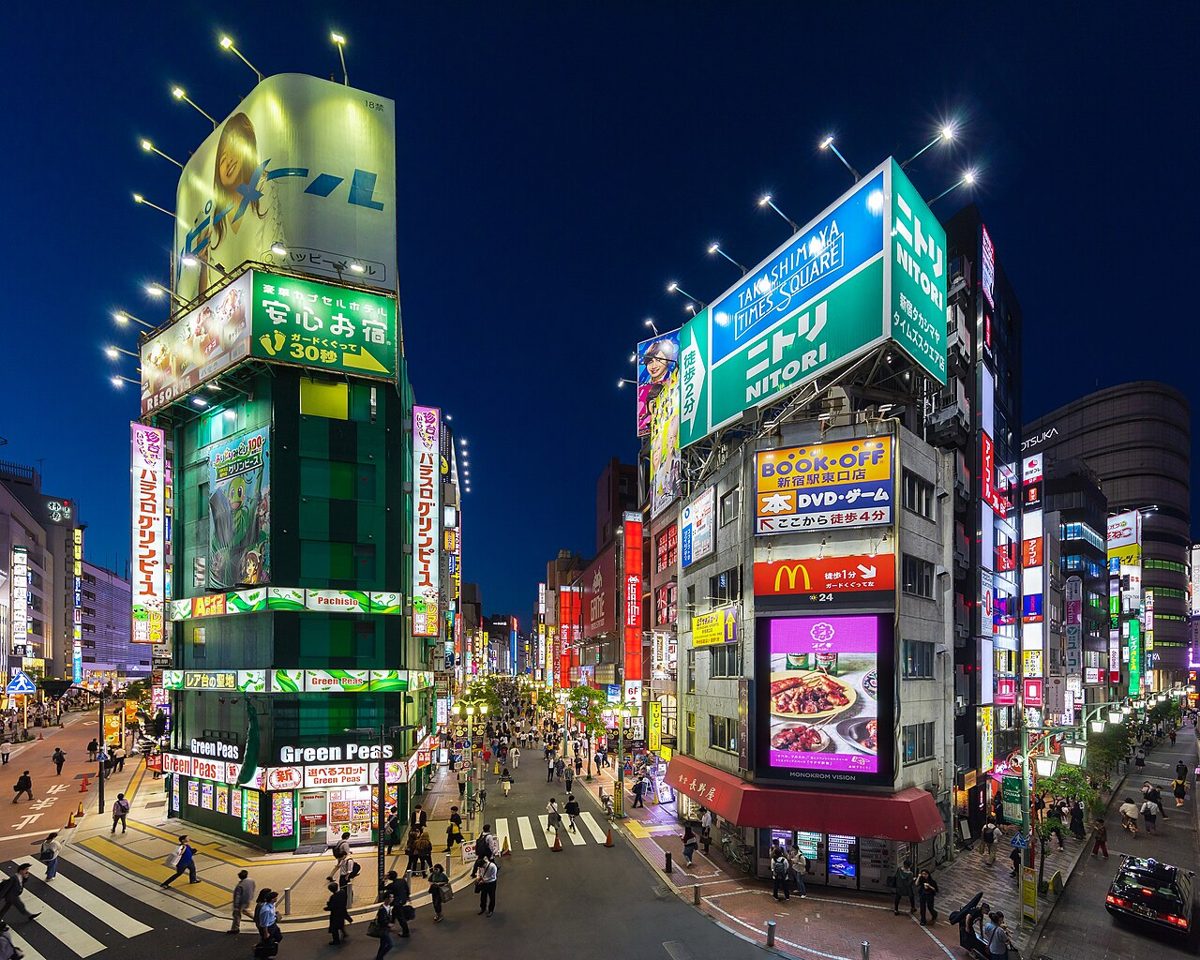
- West Exit (Nishi-guchi): for the skyscraper hotels — Keio Plaza, Hilton, Hyatt Regency, Park Hyatt. Look for the free hotel shuttles from the west side; the underground concourse keeps you out of the rain.
- South / New South Exit: for Century Southern Tower and Sunroute Plaza, plus the Busta Shinjuku long-distance bus terminal (airport and Mount Fuji buses) right above.
- East Exit (Higashi-guchi): for Kabukicho, the Godzilla hotel, Golden Gai, capsules and most budget options.
- Arriving from the airport: the Narita Express comes into the station directly; the Airport Limousine Bus drops at major hotels (Keio Plaza, Hilton, Hyatt Regency, Park Hyatt) and at Busta Shinjuku — often the easiest option with luggage.
- Tap, don’t queue: use a Suica or PASMO IC card (add it to your phone) for every train; a single hop is ¥180–¥210.
Noise, the red-light district, and who each area suits
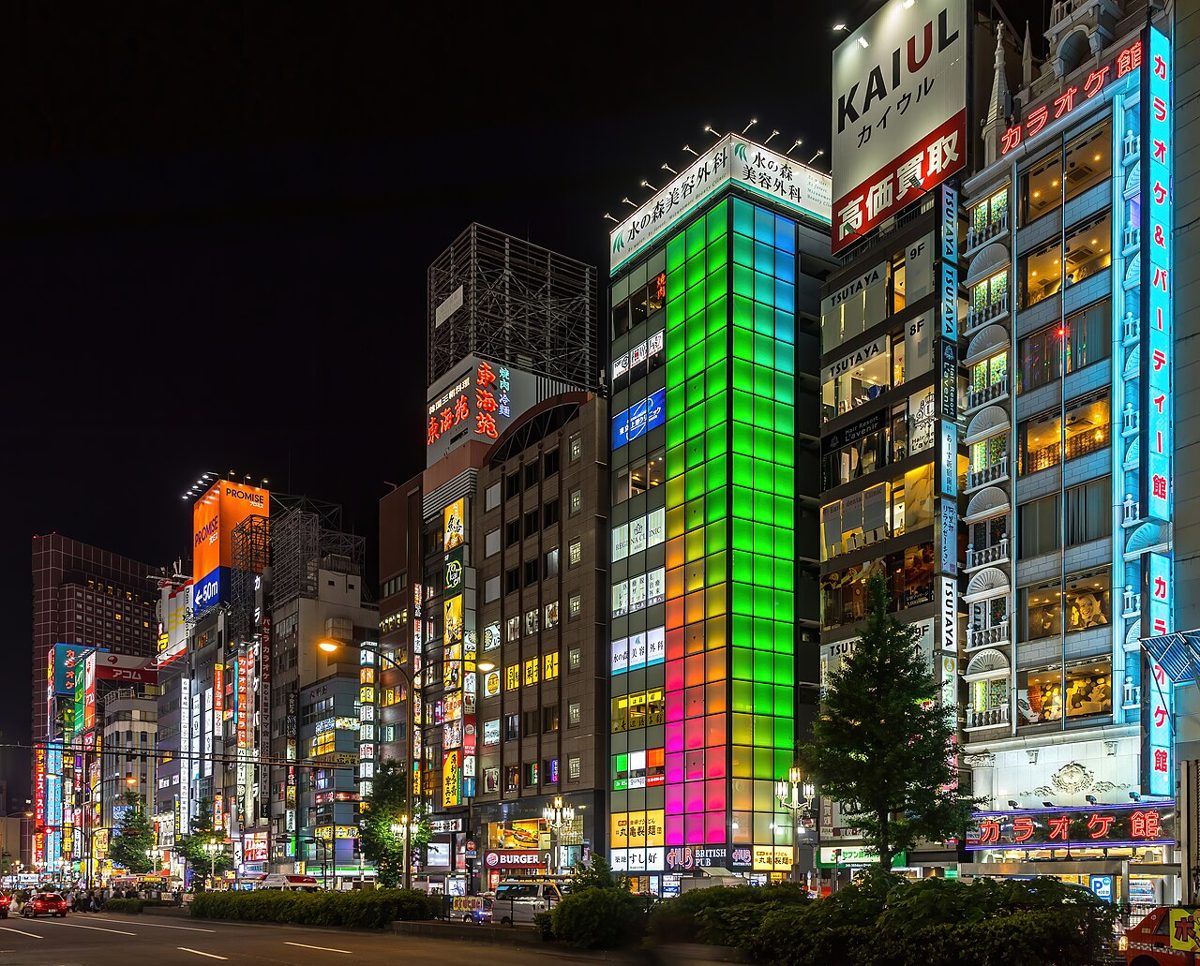
One honest caveat: Kabukicho is Tokyo’s largest nightlife and red-light district. It’s safe to walk and endlessly fun for food and bars, but expect touts on certain streets, crowds, and noise that runs late. That’s a feature if you came to go out and a problem if you came to sleep early.
- Light sleepers and families: stay in West Shinjuku (skyscraper hotels) or Shinjuku-Sanchome — quieter, with the station still minutes away.
- Nightlife and food lovers: the east side and Kabukicho put you in the middle of it; the Gracery is the obvious pick.
- Couples wanting views on a budget: Century Southern Tower on the south side is the standout.
- Value seekers: Okubo/Shin-Okubo and the east-side business hotels and capsules, with great Korean food on the doorstep.
If you’re torn between Shinjuku and other bases like Shibuya, Ginza or Asakusa, weigh them up in our pillar guide to where to stay in Tokyo.
Shinjuku vs other Tokyo neighbourhoods: a quick comparison
Shinjuku is my default recommendation, but it isn’t the only option. Here’s how it stacks up against the other popular bases so you can decide what fits your trip.
| Area | Best for | Vibe | Budget range |
|---|---|---|---|
| Shinjuku | First-timers, transport, nightlife, all budgets | Busy, neon, never sleeps | ¥3,000–¥130,000+ |
| Shibuya | Youth culture, shopping, fashion | Energetic, trend-driven | ¥4,000–¥80,000 |
| Ginza / Tokyo Station | Luxury, fine dining, business | Upscale, polished, quieter at night | ¥12,000–¥150,000+ |
| Asakusa | Budget, traditional atmosphere | Old-Tokyo, low-rise, calmer | ¥2,500–¥20,000 |
The short version: pick Shinjuku for unbeatable transport and the widest hotel range, Shibuya if you want to be in the youthful shopping core, Ginza or Tokyo Station for refined luxury, and Asakusa for old-Tokyo charm at lower prices. The full breakdown lives in our pillar guide to choosing a Tokyo neighbourhood.
Best Shinjuku hotel for each type of traveller
If you just want the answer for your situation, here are my one-line picks.
- Honeymoon / special occasion: Park Hyatt Tokyo — the views, the pool and the New York Bar are worth the splurge.
- Couples on a mid-range budget: Hotel Century Southern Tower — high-floor views and a two-minute station walk for far less than the luxury towers.
- Families: Keio Plaza Hotel — big rooms, a summer pool, multiple restaurants and a covered walk to the trains.
- Nightlife and foodies: Hotel Gracery in Kabukicho — you’ll roll out of bed into the action (and under Godzilla).
- Solo travellers and backpackers: a capsule like Shinjuku Kuyakusho-mae or a hostel such as UNPLAN Shinjuku — central, cheap and social.
- Longer stays / self-caterers: Tokyu Stay Shinjuku — kitchenette and in-room laundry make a week far easier.
Eating and nightlife around your Shinjuku hotel
One reason to base here is that you barely have to travel to eat well. Two legendary alleys sit within a minute or two of the station and most west- and east-side hotels.
Omoide Yokocho (“Memory Lane”, sometimes nicknamed less politely) is a cluster of tiny lantern-lit yakitori and ramen counters by the west exit — smoky, cheap and atmospheric, perfect for a first night in Tokyo. Golden Gai, on the east side near Kabukicho, packs over 200 minuscule themed bars into a few narrow lanes; some charge a small cover, so check the sign before you duck in. For something tamer, the department-store food halls (depachika) under Isetan and the Keio and Odakyu stores serve outstanding takeaway dinners until evening.
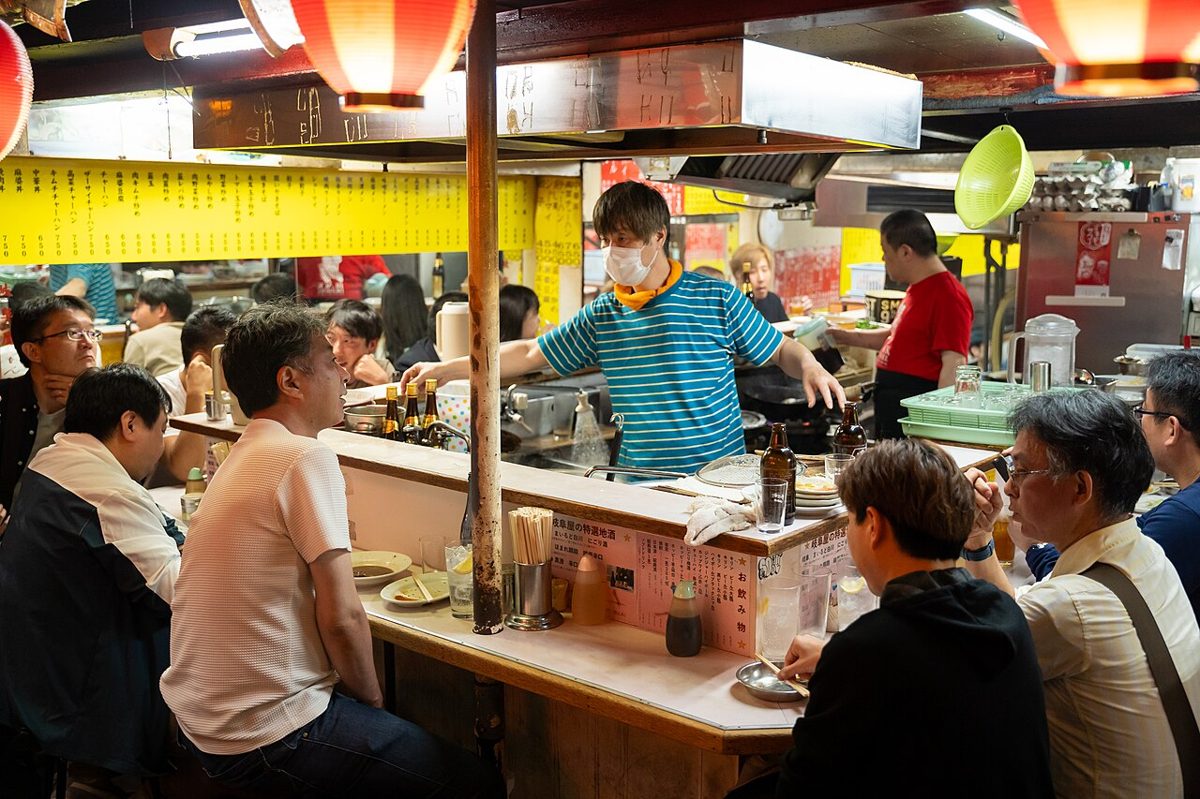
Beyond the alleys, Shinjuku has everything from ¥800 bowls of ramen to Michelin sushi, plus all-night izakayas, jazz bars and the observation decks of the Metropolitan Government Building (free, open late on some evenings) for a no-cost night view. Whatever your hotel’s tier, dinner is never more than a short walk away.
Practical tips for booking and arriving in Shinjuku
A few last things that make a Shinjuku stay smoother.
- Book early for the big names. The Park Hyatt, Hilton, Keio Plaza and Gracery fill up months ahead in cherry-blossom season (late March to early April) and autumn; reserve 2–3 months out, or 6+ for those peaks.
- Confirm your exact exit before you arrive. Screenshot your hotel’s station-exit instructions; navigating 200+ exits with luggage is the one genuinely stressful part of Shinjuku.
- Consider the Limousine Bus with heavy bags. It runs from both airports straight to the major Shinjuku hotels and the Busta terminal, sparing you the station scramble.
- Factor in the 2026 lodging tax. Tokyo’s per-night accommodation tax applies to pricier rooms (¥100 for ¥10,000–¥15,000, ¥200 above ¥15,000), so budget a little extra at the mid and luxury tiers; rooms under ¥10,000 are exempt.
- Use the underground. Many west-side hotels connect to the station via covered concourses — invaluable in summer heat or rain.
For pod-style stays specifically, the Tokyo capsule hotels guide covers Shinjuku’s best capsules in detail, and the Tokyo luxury hotels guide compares the Park Hyatt and Hilton against the city’s other five-star options.
When you choose between these hotels, look at which side of the station each one is on, not just the distance. Shinjuku Station is so large that a hotel five minutes from the West Exit can be twenty minutes from the platforms if you come out on the east side with a suitcase. Our Shinjuku Station guide maps out the exits and the step-free routes.
Frequently Asked Questions
Is Shinjuku a good area to stay in Tokyo for first-timers?
Yes — it’s arguably the best first-timer base. Shinjuku Station is the world’s busiest, with the JR Yamanote loop, multiple subway and private lines, the Narita Express and airport buses all here, so the whole city and both airports are easy to reach. You also get hotels at every budget within a short walk.
Which part of Shinjuku is best to stay in?
West Shinjuku (the skyscraper district) is best for comfort, views and quiet, with the luxury hotels. Kabukicho and the east side suit nightlife and mid-range landmarks like the Godzilla hotel. Shinjuku-Sanchome is a calmer, stylish middle ground, and Okubo offers the best value with great Korean food.
How much does a hotel in Shinjuku cost per night in 2026?
Budget business hotels and capsules start around ¥3,000–¥10,000, mid-range hotels like the Gracery or Century Southern Tower run roughly ¥14,000–¥30,000, and luxury hotels such as the Hilton, Keio Plaza and Park Hyatt range from about ¥30,000 to ¥130,000+. Prices rise in cherry-blossom season and holidays.
Is it safe to stay near Kabukicho in Shinjuku?
Yes, it’s generally safe to walk and stay, even at night — violent crime is rare. The main caveats are touts on some streets (ignore them), crowds and late-night noise. If you’re a light sleeper or travelling with kids, choose a hotel in West Shinjuku or Shinjuku-Sanchome instead of the heart of Kabukicho.
Which Shinjuku Station exit should I use for my hotel?
Use the West Exit for the skyscraper hotels (Keio Plaza, Hilton, Hyatt Regency, Park Hyatt), the South/New South Exit for Century Southern Tower and Sunroute Plaza plus the Busta bus terminal, and the East Exit for Kabukicho, the Godzilla hotel and most budget and capsule options.
Photo Credits
- West Shinjuku’s skyscraper district holds most of the area’s luxury hotels — Photo: Francisco Anzola / CC BY 3.0 via Wikimedia Commons via Wikimedia Commons
- The Godzilla head atop Hotel Gracery is Kabukicho’s most photographed hotel feature — Photo: Comyu / CC BY-SA 4.0 via Wikimedia Commons via Wikimedia Commons
- Keio Plaza was the first skyscraper hotel in West Shinjuku and remains a reliable upper-mid choice — Photo: Rs1421 / CC BY-SA 3.0 via Wikimedia Commons via Wikimedia Commons
- Shinjuku Station is the world’s busiest, which is exactly why it’s so convenient to stay nearby — Photo: Basile Morin / CC BY-SA 4.0 via Wikimedia Commons via Wikimedia Commons
- Kabukicho’s nightlife is a draw and a caveat depending on the traveller — Photo: Basile Morin / CC BY-SA 4.0 via Wikimedia Commons via Wikimedia Commons
- Omoide Yokocho’s lantern-lit yakitori alley sits a minute from the west exit — Photo: Dick Thomas Johnson from Tokyo, Japan / CC BY 2.0 via Wikimedia Commons via Wikimedia Commons