Where to Stay in Tokyo · Guide №097
Tokyo Airbnb Guide: Is It Legal? Best Areas & Tips
Is Airbnb legal in Tokyo? Yes, under the 2018 Minpaku law. Here's the 180-night cap, how to spot a licensed listing, best areas, costs vs hotels and legal aparthotel alternatives.

目次 — Contents
- Is Airbnb legal in Tokyo? The short answer
- The 180-night cap, explained
- How to spot a legal Airbnb listing in Tokyo
- Airbnb vs hotel vs capsule: which should you book?
- Best areas for an Airbnb in Tokyo
- What to check before you book
- Self check-in, keys, luggage, trash and neighbour etiquette
- Realistic costs: Airbnb vs hotels in Tokyo
- Legal alternatives to Airbnb: aparthotels and serviced apartments
- Frequently Asked Questions
- Photo Credits
This article contains advertising. Our booking links are routed through a partner that adds commission tracking automatically, so if you book through one we earn a commission from the provider, at no extra cost to you. It never affects what we recommend. Affiliate disclosure
Yes — Airbnb is legal in Tokyo, but only when the host plays by the rules. This Tokyo Airbnb guide walks through the legal framework (the 2018 Minpaku law), the 180-night cap, the licence number every honest listing must show, and how to avoid the cancelled-at-the-airport nightmare that catches travellers who book an unlicensed place.
I have stayed in apartments across Shimokitazawa, Nakameguro and Asakusa, and I have also watched friends get a 2 a.m. message that their “confirmed” place was gone. The difference almost always comes down to one thing: whether the listing was registered. Get that right and an Airbnb in Tokyo is brilliant value, especially for families and groups. Get it wrong and you are paying for a hotel last-minute anyway. For the bigger picture on neighbourhoods and hotel alternatives, start with our pillar guide on which area to book.
Is Airbnb legal in Tokyo? The short answer
Short version: Airbnb is legal in Tokyo if the property is registered under Japan’s Private Lodging Business Act (住宅學泊事業法), known to everyone as the Minpaku law. It came into force on 15 June 2018 and, almost overnight, Airbnb delisted roughly 80% of its Japanese listings — about 48,000 properties — because they had no registration. The company even set up a $10 million fund to rebook stranded guests. That single weekend is why “is this listing legal?” is the only question that really matters when you book.
A legally operating minpaku has done three things: filed a notification (届出) with the local government, received a registration number, and displayed that number on the listing. It also keeps a guest register, asks for your passport, and follows fire-safety rules. Registered hosts are obliged to record the passport details of foreign guests, so travel with it — and check the entry rules for your nationality long before you book. If a listing skips these steps it is operating illegally, and illegal listings are the ones that vanish without warning.
The three legal pathways (and why it matters to you)
Not every short-term rental in Tokyo is a “minpaku” in the strict sense. There are three legal routes, and the one a property uses determines how many nights it can host and how stable your booking is:
| Framework | Night limit | What it means for guests |
|---|---|---|
| Minpaku (Private Lodging Business Act) | 180 nights/year max (often fewer by ward) | Most Airbnb apartments. Can sell out of legal nights late in the year. |
| Simple Lodging (Hotel Business Act) | 365 nights | Guesthouses and small inns. Most stable; full hotel-grade fire rules. |
| Special Zone minpaku | 365 nights (2-night minimum) | Only in designated areas like Ota Ward; new applications largely frozen since late 2025. |
When a listing says “licensed” or shows a registration number, you do not need to memorise which pathway it uses. You just need to confirm the number exists. The frameworks matter mostly because a 180-night minpaku can run out of permitted nights, which is exactly when dodgy hosts start taking illegal bookings to keep the money flowing.
The 180-night cap, explained
Under the standard minpaku route, a property may be rented as short-term lodging for no more than 180 nights per year. The year runs noon-to-noon and nights are counted strictly (one night equals one day of the allowance). It sounds generous, but two things eat into it fast.
- Ward rules go further. Many Tokyo wards layer their own ordinances on top of the national cap. In residential Shinjuku, hosting is limited to weekends and national holidays; in residential Shibuya, only during school holidays; Toshima Ward dropped to 120 nights a year from April 2026, and Sumida restricts new facilities to roughly Friday-to-Sunday. Your “180 nights” can really be 60–150.
- Popular dates fill the quota. A well-run apartment burns through its legal nights during cherry-blossom season, Golden Week and autumn. By late in the year, a strictly legal host may simply have no nights left, and that is when an unlicensed operator might accept your booking anyway.
Why should you care about a cap that is the host’s problem, not yours? Because hosts who exceed it get business-suspension orders and their listings get pulled, sometimes after you have paid. Tokyo’s first criminal referral under the Minpaku law came in January 2026, when a Shinjuku operator who had hosted 590 tourists was sent to prosecutors for running on banned weekdays. Shinjuku alone suspended 12 operators in 2025 as complaints jumped from 70 a year to over 900. Booking a registered, within-the-rules listing keeps you out of that crossfire.
How to spot a legal Airbnb listing in Tokyo
This is the part to actually act on. Before you pay for any Tokyo Airbnb, run through this checklist. It takes two minutes and it is the single best protection against a cancelled booking.
- Find the registration/licence number. Every legal listing must display a notification number (届出番号). On Airbnb it appears in the listing details, often near the location or “things to know” section. Minpaku numbers usually look like
M130000123; some are shown as a prefecture-plus-number format. No number, no booking. - Check the host asks for your passport. Legal hosts must keep a guest register and record passport details for foreign guests. If nobody ever mentions ID, treat it as a red flag; it often means the place is not registered.
- Read the cancellation and check-in detail. Registered operators write clear self check-in instructions and house rules. Vague listings with no address until “after payment” and no rules are riskier.
- Look at the review history. A long run of recent, dated reviews is hard to fake and suggests a stable, compliant operation. Brand-new listings with no track record carry more risk.
- Cross-check the licence if you want certainty. Japan’s Minpaku System Portal (run by the Japan Tourism Agency) lists registered properties, so you can sanity-check that a number is real before you commit.
Airbnb itself now verifies registration numbers and removes listings without them, and from April 2026 a centralised system matches listings against the registry in real time. That has cleaned up the platform a lot. But enforcement sweeps also mean a borderline listing can disappear close to your dates, another reason to favour places with a clear number and a long review history.
Red flags that scream “unlicensed”
- No registration number anywhere in the listing or the host’s replies.
- The host discourages you from checking in officially, or asks you to say you are “friends staying for free” if a neighbour asks.
- Prices dramatically below everything comparable, often a sign the host is not paying tax or following rules.
- Pressure to move communication and payment off-platform (you also lose Airbnb’s protection if you do).
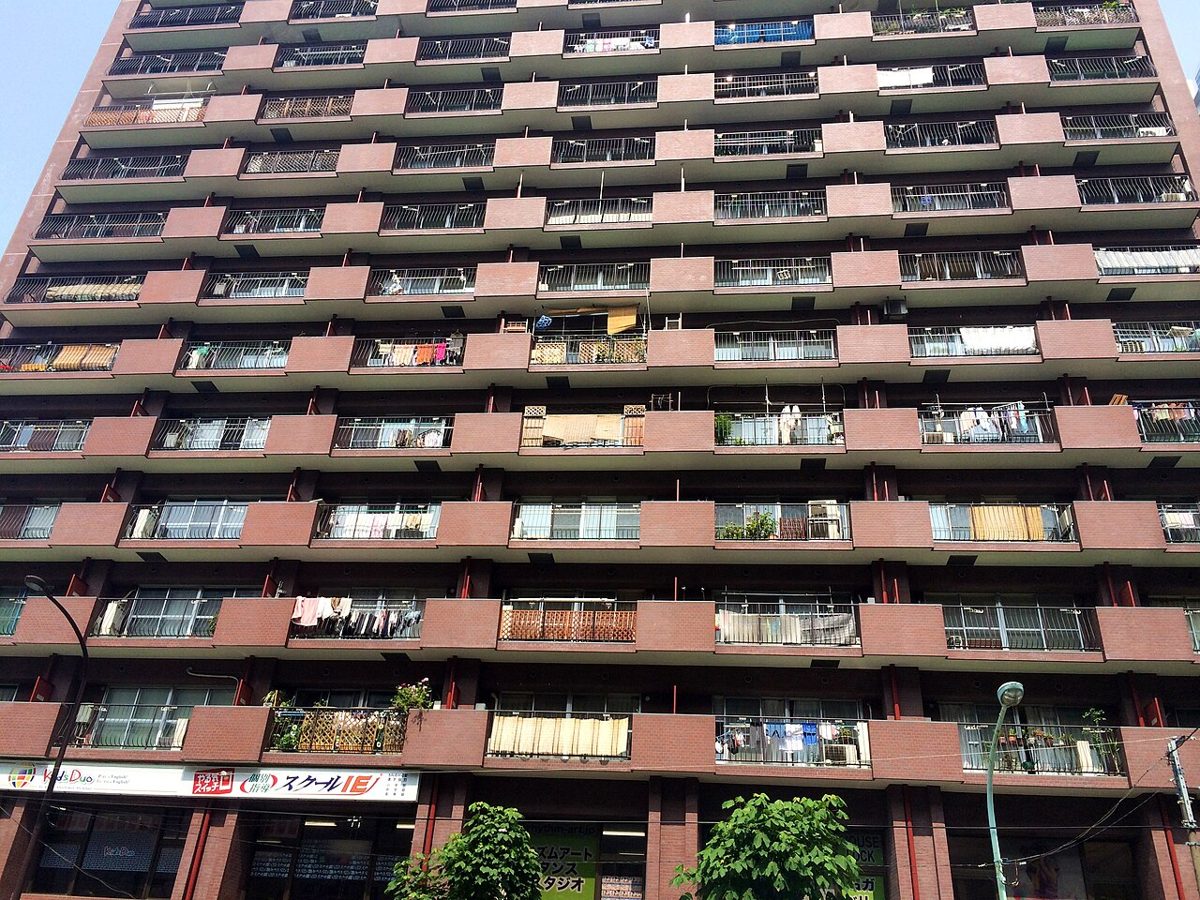
- A building you can see is a plain condominium full of residents; roughly 80% of Japanese condo associations ban short-term rentals outright, so a minpaku in an ordinary condo is a warning sign.
Airbnb vs hotel vs capsule: which should you book?
An Airbnb is not automatically cheaper or better in Tokyo. Here is how the three main options actually compare, based on staying in all of them.
| Option | Best for | Rough cost | Watch-outs |
|---|---|---|---|
| Airbnb / minpaku apartment | Families, groups of 3–6, stays of 4+ nights, self-catering | From ~¥12,000–25,000/night for a whole apartment | 180-night cap; legality; self check-in; strict trash rules |
| Business hotel (APA, Toyoko Inn, Mitsui Garden) | Solo travellers, couples, short stays, fuss-free | ~¥10,000–20,000/night per twin room | Rooms are small; limited space for luggage and kids |
| Capsule hotel | Solo budget travellers, one or two nights | ~¥3,500–6,000/night per pod | No private room; gendered floors; not for groups |
The maths usually breaks like this: for one or two people staying two or three nights, a business hotel wins on price and convenience once you add Airbnb cleaning fees. The break-even point for an apartment is roughly five to seven nights, or any time you have four-plus people. A whole apartment for five often lands near ¥15,000–20,000 a night, while two hotel rooms for the same group can be ¥25,000–35,000. If you want a deeper budget breakdown, our full cost-cutting guide compares the lot, and for cheap hotel picks specifically see our Tokyo budget hotels guide.
Best areas for an Airbnb in Tokyo
Where you base yourself matters more in an apartment than in a hotel, because you will actually live in the neighbourhood: buy breakfast, use the local konbini, take out the trash. These are the areas I keep coming back to, and who each one suits.
Shinjuku — connections and convenience
Shinjuku puts the world’s busiest station on your doorstep and trains to everywhere. It is ideal for first-timers and anyone doing day trips. The catch: residential Shinjuku has some of Tokyo’s strictest minpaku rules (weekends and holidays only), so legal whole-apartment listings here lean toward licensed guesthouses and Simple Lodging properties rather than ordinary flats. For hotels in this district specifically, see our guide to the best hotels in Shinjuku.
Shibuya — nightlife and walkability
Young, buzzy and central, Shibuya is great if you want to walk home from dinner and bars. Like Shinjuku, its residential zones are tightly regulated (school-holidays-only in places), so expect fewer ordinary-apartment listings and more aparthotels. Brilliant for couples and friends who prioritise being in the middle of it.
Nakameguro — stylish and calm
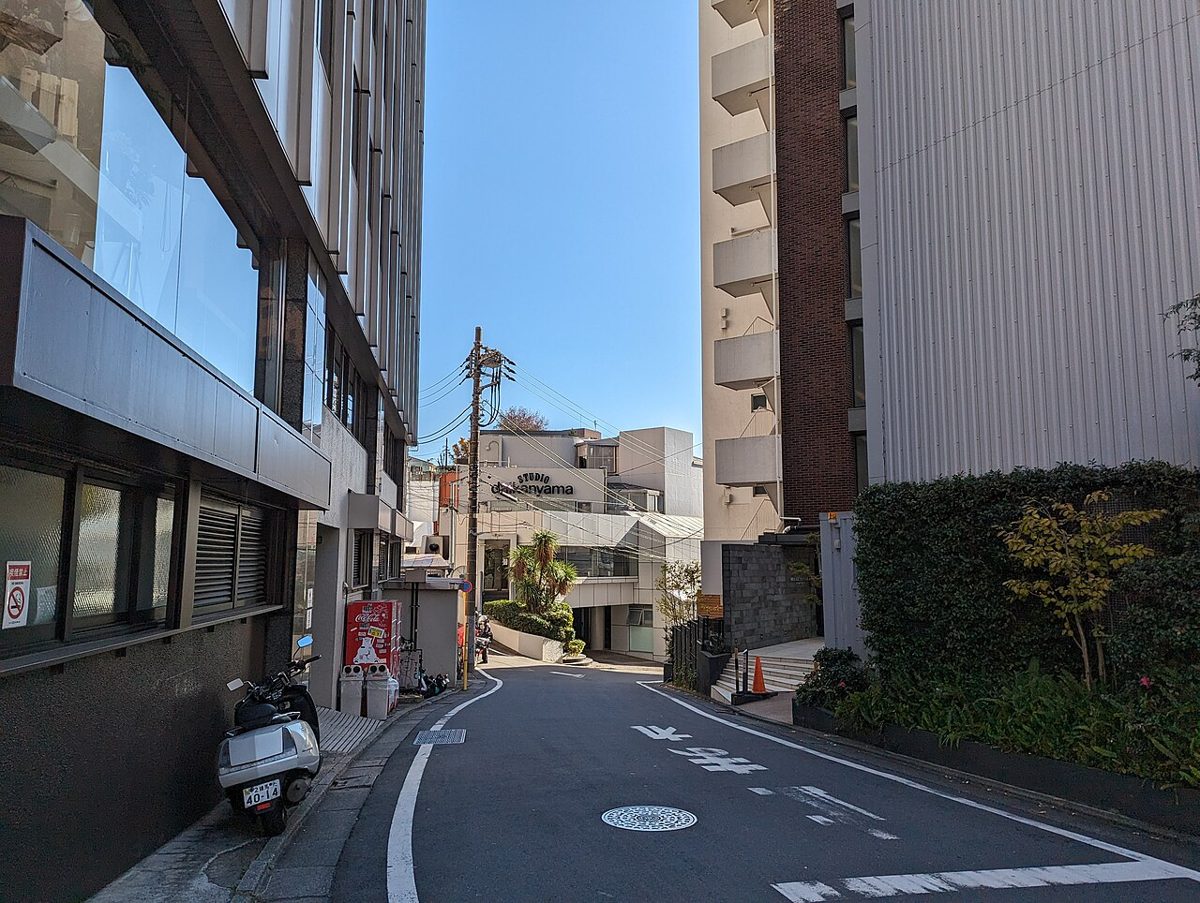
A couple of stops from Shibuya on the Tokyu Toyoko and Hibiya lines, Nakameguro hugs a canal lined with cafes, wine bars and design shops. It is one of my favourite bases: central enough to be easy, quiet enough to sleep. Suits couples and design-minded travellers who want a local feel without losing access.
Shimokitazawa — bohemian and walkable
“Shimokita” is vintage shops, tiny live-music venues, secondhand books and coffee, all packed into walkable lanes in Setagaya, just a few minutes from Shibuya and Shinjuku by the Keio Inokashira and Odakyu lines. Perfect for repeat visitors and creative types who want personality over polish.
Asakusa — old Tokyo and easier rules
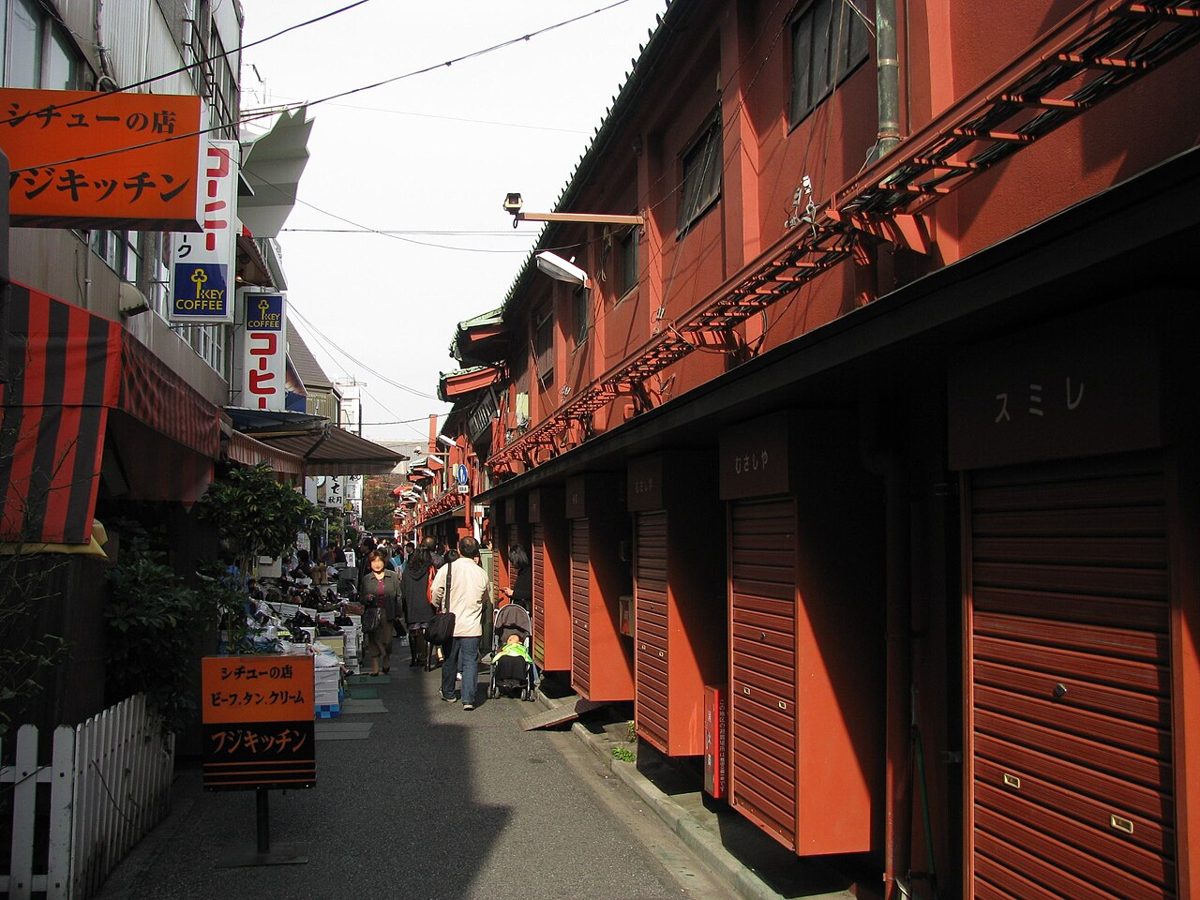
Asakusa, around Senso-ji temple and within sight of Tokyo Skytree, is tourist-friendly and, importantly, Taito Ward adds no extra restrictions beyond the national law, so legal listings are easier to find here. Great for first-timers, families and anyone who wants traditional atmosphere and good-value space.
Setagaya — residential and family-friendly
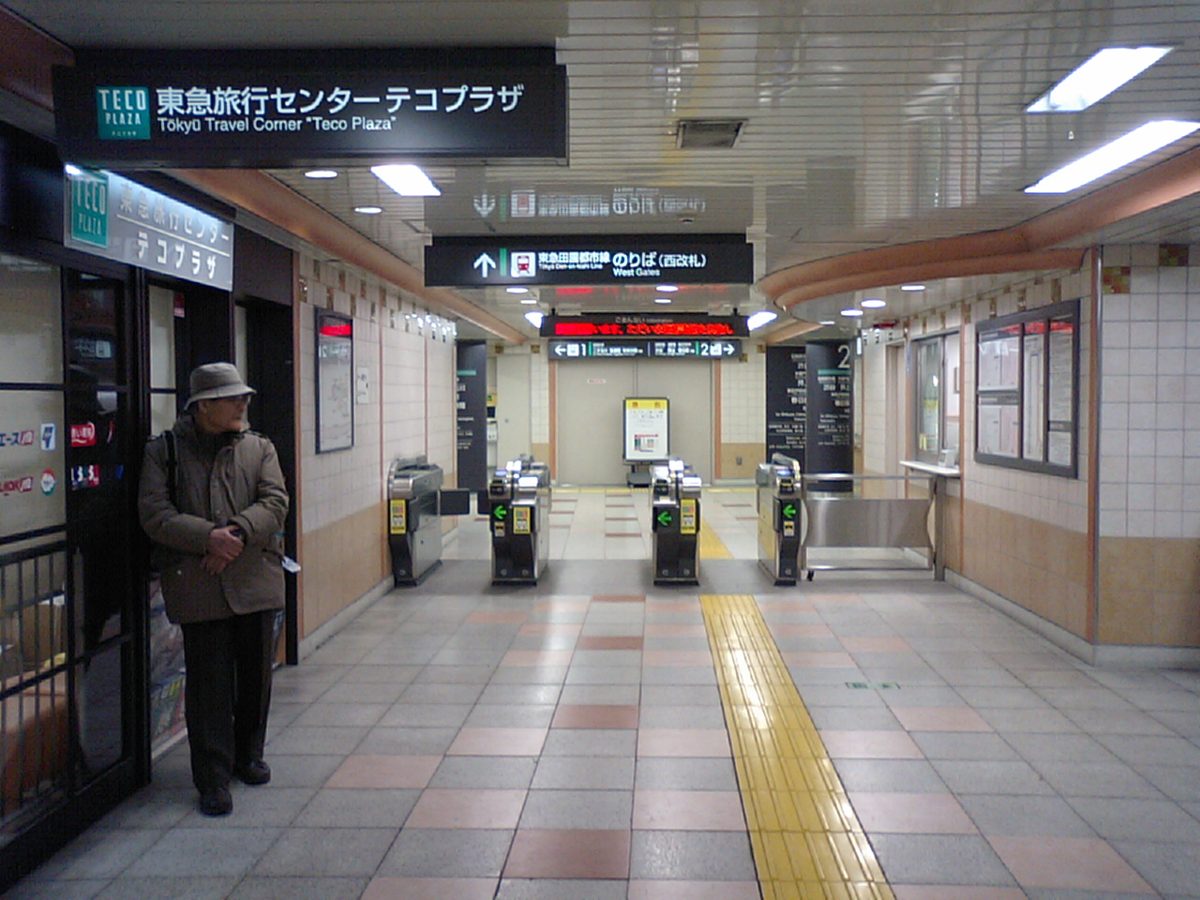
Greater Setagaya (which includes Shimokitazawa and Sangenjaya) is leafy, residential and very local: wider streets, parks, supermarkets. It feels like living in Tokyo rather than visiting. Best for families and longer stays who do not mind a 10–20 minute train ride into the centre. Travelling with children? Our Tokyo with kids guide pairs well with a Setagaya base.
What to check before you book
Beyond legality, a few practical checks separate a smooth apartment stay from a frustrating one:
- Exact walking time to the nearest station and which lines. “10 minutes to Shibuya” can mean a 12-minute walk plus the train. Map it.
- Floor and lift. Many Tokyo buildings are walk-ups. With luggage or a stroller, confirm there is an elevator (エレベーター).
- Check-in window and luggage. Self check-in is usually fine any time after the set hour, but ask where you can leave bags if you arrive early; many hosts allow it, otherwise use a station coin locker or a luggage service.
- Air-con and heating in season, plus whether the unit has a washing machine, a big plus on longer stays.
- House rules on guests and noise. Walls can be thin and neighbours are quick to complain in Japan; quiet hours are taken seriously.
Self check-in, keys, luggage, trash and neighbour etiquette
Tokyo apartments run differently from hotels, and getting the etiquette right keeps both you and your host out of trouble (remember, neighbour complaints are what trigger most investigations).
Self check-in and keyboxes
Most minpaku use a keybox or smart lock for self check-in. The host sends a code; you enter it any time after check-in to retrieve a key or unlock the door. Save the instructions offline before you land, and screenshot the access code, because you will need it before you have Wi-Fi.
Luggage and arrival
Standard check-in is mid-afternoon (often 15:00–16:00). If you land in the morning, either arrange early bag drop with the host, leave cases in a station coin locker, or use a same-day luggage delivery service (takkyubin) from the airport. Dragging four suitcases around Shibuya for five hours is a rookie mistake.
Trash: take this seriously
Japan’s rubbish rules are strict and your host is personally accountable for them. You will get a manual: separate into burnable (もえるゴミ), non-burnable (もえないゴミ), and recyclables (plastics, PET bottles, cans, glass). Rinse bottles, flatten boxes, and, crucially, only put trash out on the correct collection day at the correct spot. Many hosts ask you to keep rubbish inside and bag it for them if your stay does not line up with collection day. Get this wrong and you can genuinely get your host fined.
Neighbour etiquette
- Keep noise down, especially after about 22:00; voices in stairwells carry.
- Do not throw parties or bring in more people than the booking allows; over-occupancy is a classic complaint trigger.
- Remove shoes at the entrance (玄関); it is standard in Japanese homes.
- Be discreet with luggage in shared corridors and lifts.
Realistic costs: Airbnb vs hotels in Tokyo
Pricing moves with the season and the yen, so treat these as planning figures rather than quotes. A legal one-bedroom apartment in a good area typically runs ¥12,000–20,000 a night for the whole place; a roomy two-bedroom for a family is often ¥20,000–30,000. On top of the nightly rate, budget for a one-off cleaning fee (commonly ¥3,000–8,000) and Tokyo’s small accommodation tax (a tiered ¥100–200 per person per night at most price points).
Compare that with hotels: a clean business-hotel twin is roughly ¥10,000–20,000 a night, and Tokyo’s mid-range three-star hotels often include breakfast and daily cleaning. So for short stays the hotel can win once the cleaning fee is added; for a week, or for a family who would otherwise need two hotel rooms, the apartment usually pulls ahead, and you get a kitchen and a washing machine into the bargain.
Legal alternatives to Airbnb: aparthotels and serviced apartments
If the minpaku rules make you nervous, or you just want hotel reliability with apartment space, there is a sweet spot: licensed aparthotels and serviced apartments. They operate as proper lodging businesses (no 180-night cap, no cancellation roulette) but give you kitchens and multi-room layouts.
- MIMARU — purpose-built apartment hotels across Ueno, Asakusa and Shinjuku, with kitchens, dining areas and rooms that sleep 4–8 (some suites sleep up to 12). A genuinely failsafe family option with a real front desk.
- Tokyu Stay — business-style hotels with washing machines and kitchenettes in many rooms, good for week-plus stays.
- Serviced apartments (Oakwood, Citadines and similar) — fully licensed, hotel services, ideal for longer or work stays.
These cost a little more than a bare apartment but remove the legality worry entirely. They are also a smart fallback if a minpaku you wanted gets pulled. For more on choosing a base across the city, our full accommodation guide links through to family-focused and budget options.
Frequently Asked Questions
Is Airbnb legal in Tokyo in 2026?
Yes. Airbnb is legal in Tokyo when the property is registered under the 2018 Minpaku law (the Private Lodging Business Act) and displays its registration number. Unregistered listings are illegal; Airbnb removes them and they are the ones most likely to be cancelled at the last minute. Always confirm the licence number before you book.
How can I tell if a Tokyo Airbnb is licensed?
Look for the registration/notification number in the listing — legal minpaku numbers usually look like M130000123 or a prefecture-plus-number format. Check that the host asks for passport details, that there is a clear check-in process and house rules, and that the place has a solid review history. No number means do not book.
What is the 180-night rule for Airbnb in Japan?
Under the standard minpaku framework, a property can be rented short-term for a maximum of 180 nights per year. Many Tokyo wards impose stricter limits — for example weekends-only in residential Shinjuku, or 120 nights a year in Toshima from April 2026 — so the real figure is often much lower.
Will my Tokyo Airbnb get cancelled?
It can if it is unlicensed or has used up its legal nights, which is why enforcement and last-minute cancellations cluster around illegal listings. Booking a registered property with a visible licence number and a long review history makes a cancellation very unlikely. Licensed aparthotels like MIMARU avoid the risk entirely.
Is an Airbnb cheaper than a hotel in Tokyo?
Not always. For one or two people on a short trip, a business hotel is usually cheaper once you add Airbnb cleaning fees. Airbnb wins for groups of four or more and for stays of about five nights or longer, where a whole apartment with a kitchen beats booking two hotel rooms.
Photo Credits
- Shimokitazawa, one of Tokyo’s best Airbnb neighbourhoods — Photo: Photo: urbzoo / CC BY 2.0 via Wikimedia Commons via Wikimedia Commons
- A typical Tokyo apartment block, the kind of building most legal minpaku occupy — Photo: Photo: Steven-L-Johnson from Philadelphia / CC BY 2.0 via Wikimedia Commons via Wikimedia Commons
- Nakameguro’s canal, a stylish and walkable Airbnb base — Photo: Photo: Syced / CC0 via Wikimedia Commons via Wikimedia Commons
- Asakusa: tourist-friendly and one of the easier wards for legal stays — Photo: Photo: Aimaimyi / CC BY-SA 3.0 via Wikimedia Commons via Wikimedia Commons
- Residential Setagaya: quiet, family-friendly and very local — Photo: Photo: 本屋 / CC BY-SA 3.0 via Wikimedia Commons via Wikimedia Commons
- A key lockbox, the standard self check-in method at Tokyo minpaku — Photo: Photo: U.S. Air Force photo by Airman 1st Class Joseph Barron / Public domain via Wikimedia Commons via Wikimedia Commons