Tokyo Culture & Traditions · Guide №112
Traditional Crafts & Workshops in Tokyo: Hands-On Experiences
The best hands-on traditional craft workshops in Tokyo: Edo Kiriko glass, food samples, washi, wagashi and more, with prices, stations and kid tips.
目次 — Contents
- Why Do a Craft Workshop in Tokyo?
- Where Tokyo’s Craft Districts Are
- Edo Kiriko Cut Glass
- Plastic Food Samples (Sampuru) in Kappabashi
- Paper, Indigo and Ink
- Pottery, Sweets and Food Crafts
- Woodblock, Knives and Other Edo Crafts
- More Crafts Worth Trying
- Comparison Table: Tokyo Craft Workshops at a Glance
- Best Picks for Kids and Rainy Days
- Which Workshop Should You Choose?
- How to Book and What to Expect
- Frequently Asked Questions
- Photo Credits
This article contains advertising. Our booking links are routed through a partner that adds commission tracking automatically, so if you book through one we earn a commission from the provider, at no extra cost to you. It never affects what we recommend. Affiliate disclosure
The best Tokyo traditional crafts workshops turn a few hours into a souvenir you actually made: a cut-glass tumbler, a sheet of handmade paper, a plate of edible sweets, even a plastic tempura prawn. Most run 40 minutes to two hours, cost roughly ¥2,000 to ¥5,000, and welcome beginners with English support. This guide covers the standout hands-on experiences, what each involves, where to go, current prices, the nearest station, and which ones suit kids and rainy days.
Why Do a Craft Workshop in Tokyo?
Tokyo is a shopping city, but making something beats buying it. A workshop gives you a maker’s-eye view of a centuries-old skill, a calm hour away from the crowds, and a one-of-a-kind keepsake that survives the flight home better than most omiyage. Many studios sit in the old downtown around Asakusa, Kappabashi and Sumida, so you can fold a class into a half-day of sightseeing. They are also the perfect rainy-day plan and, for the right craft, genuinely fun for children. Below, the headline experiences; the comparison table near the end lets you scan them at a glance.
Many of these crafts carry the label dento kogei, officially recognised traditional handicraft, and several are tied specifically to old Edo: Edo Kiriko glass, Edo sashimono joinery, Edo woodblock prints and the indigo dyeing that once coloured the city’s everyday cloth. Trying one is not just a craft session; it is a direct line to the artisan culture of the shitamachi, the low-lying old downtown where makers have clustered for generations. That heritage is part of why a handmade piece from Tokyo feels different from a gift-shop trinket.
Where Tokyo’s Craft Districts Are
You will save a lot of transit time if you cluster classes by area. Four neighbourhoods do most of the work. Kappabashi (Tawaramachi or Asakusa stations) is the kitchenware street, home to the food-sample workshops and the city’s knife shops. Asakusa, a few minutes away, is the densest cluster of all, with Edo Kiriko at Sokichi, woodblock printing at Mokuhankan, wagashi and tea at Maikoya, indigo at Aikuma and washi at Watashino, most within a short walk of Senso-ji. Sumida and Mukojima, across the river around Kinshicho and Tokyo Skytree, are the historic heartland of glass and other Edo crafts, including the Sumida Edo Kiriko-kan. And Nihonbashi, the old merchant centre, holds long-established houses such as Ozu Washi. If you only have one craft afternoon, basing yourself in Asakusa gives you the most options on foot.
A bonus of these areas is that the craft is woven into the streetscape. In Kappabashi you can browse professional knives, moulds and lacquerware between classes; in Asakusa you can step out of a workshop straight into the temple precinct and the old shopping arcades. That makes a workshop an easy anchor for a wider half-day rather than a standalone errand across town.
Edo Kiriko Cut Glass
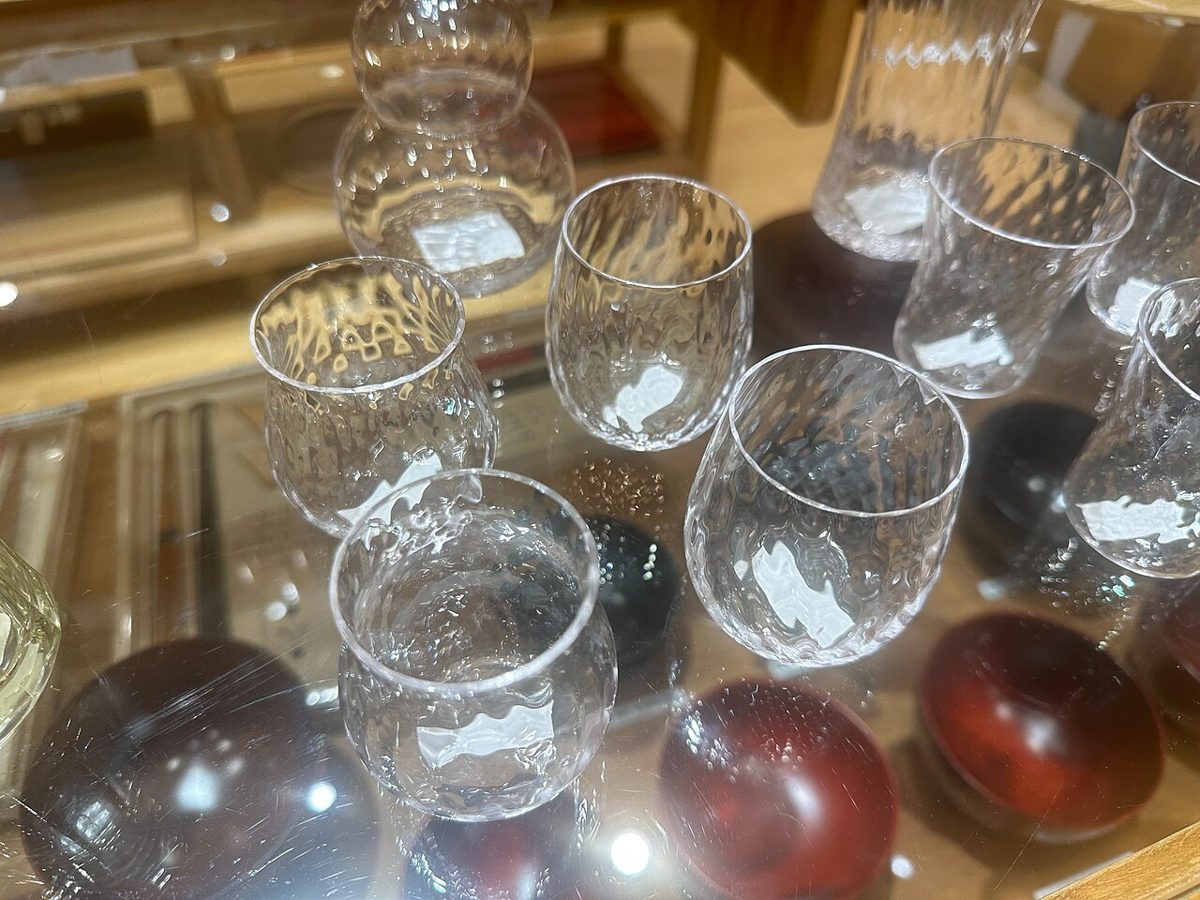
Edo Kiriko is Tokyo’s signature craft: cutting fine geometric patterns, interlocking shippo rings, hemp leaves, baskets, into coloured glass over a clear layer, so the design flashes white against the colour. The art is nearly 200 years old and still practised by Tokyo artisans. In a workshop you press a spinning diamond wheel to a marked glass and grind your own pattern, then take the finished piece home.
Two reliable studios: Sumida Edo Kiriko-kan near Kinshicho Station (about 6 minutes’ walk) runs a roughly 90-minute class for around ¥4,320, with artisans on hand and English-friendly guidance; reserve by phone or email. Sokichi in Asakusa offers a 90-minute class (120 for a longer course) from about ¥3,300, available in Japanese, English and Chinese, with design cards from simple to elaborate. Both suit older children (roughly 4th grade and up) because you handle a cutting wheel. Glass makes a brilliant, practical souvenir, and pairs naturally with a stop on our Tokyo souvenirs guide.
Plastic Food Samples (Sampuru) in Kappabashi
The hyper-realistic plastic dishes in restaurant windows are a Japanese art form called sampuru, and Kappabashi, Tokyo’s kitchenware street between Asakusa and Ueno, is its home. At Ganso Shokuhin Sample-ya you make replicas the original way, with wax: you dip ingredients into wax “tempura batter” swirled in warm water and shape a head of lettuce. The class is about 40 minutes and costs ¥3,300 (reservation required, online booking available), open to ages from the first grade of elementary school up, with observers charged a small entry fee. Staff demonstrate each step; note the explanation is mostly in Japanese and they suggest one interpreter per four people, but the process is visual and easy to follow. It is one of the most fun, photogenic and kid-pleasing workshops in the city, and you walk out with samples packed in takeaway boxes.
Paper, Indigo and Ink
Washi paper making
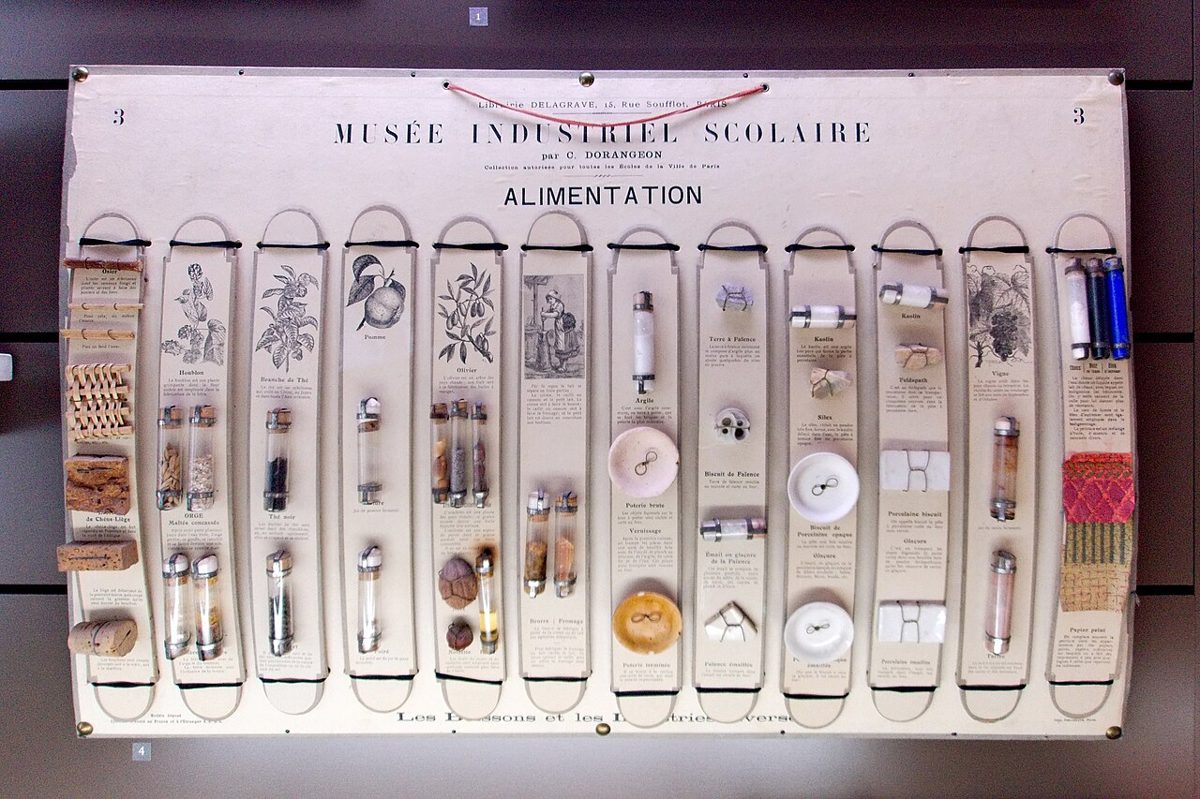
Ozu Washi in Nihonbashi has sold Japanese paper since 1653 and runs a roughly one-hour washi-making workshop where you learn the nagashi-zuki method, scooping pulp across a bamboo screen in quick strokes, from about ¥1,000-ish upward depending on the plan; you take your sheet home the same day, and information is available in English. Watashino, on Asakusa’s Kannon-dori, offers colourful papermaking sessions by reservation. Washi is light, cheap and excellent for kids and rainy afternoons.
Aizome indigo dyeing
Indigo dyeing, aizome, gives that deep “Japan blue.” At Mizuno Dye Factory in Hibiya Okuroji you dye a T-shirt, tenugui towel or tote (or bring your own cotton, linen, silk or rayon item), with the price set by the item or its weight (around ¥66 per gram); sessions run weekend afternoons at noon, 2pm and 4pm. For a deeper, English-led experience, studios such as Aikuma in Asakusa offer longer sessions from roughly ¥17,000, with group discounts. It is hands-on and a little messy, in the best way.
Shodo calligraphy and ink blending
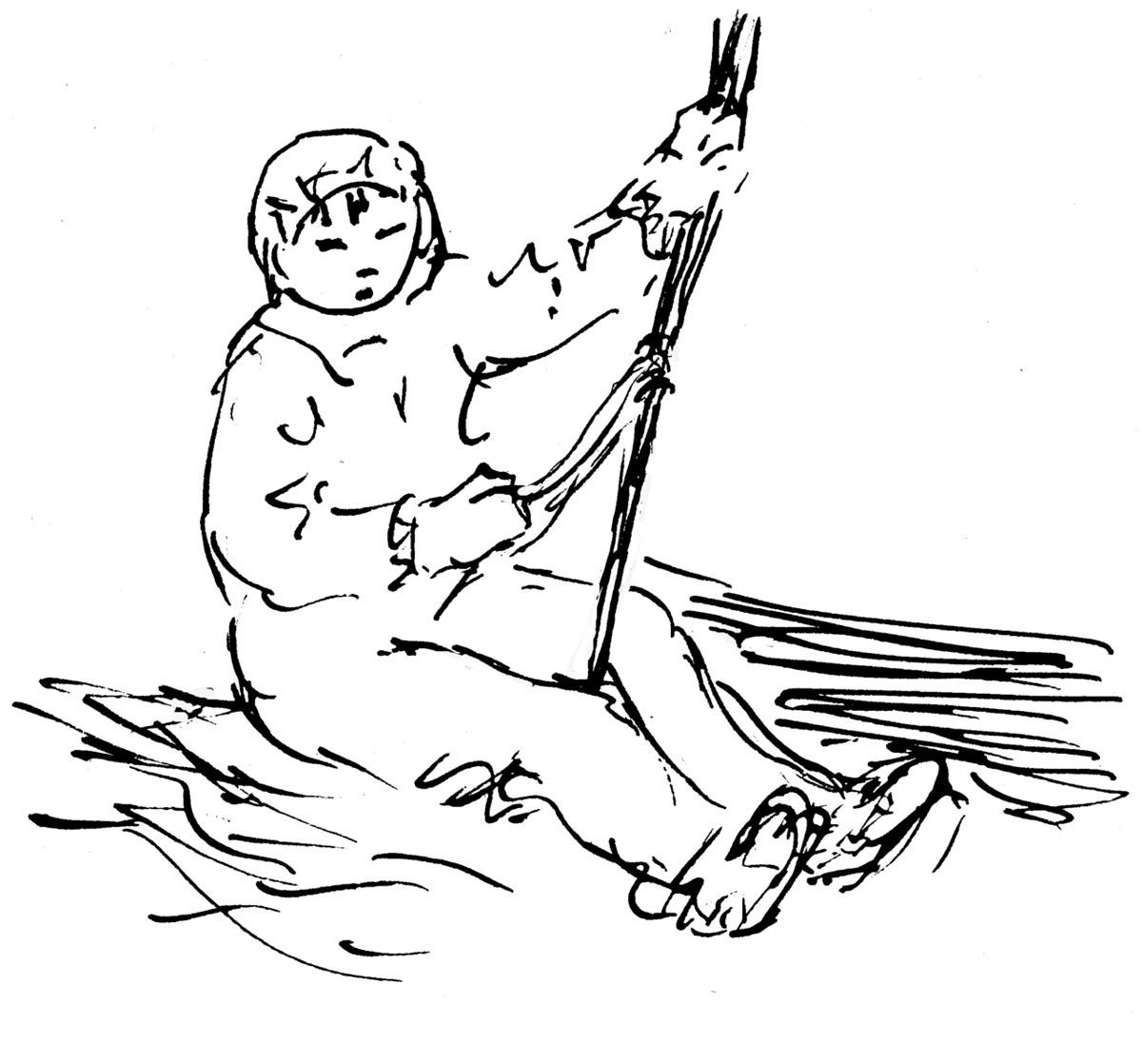
Shodo, Japanese brush calligraphy, is one of the most meditative and affordable crafts to try; many small studios and cultural centres run English beginner classes where you grind ink and write a character to keep, typically in the ¥2,000-4,000 range. For a modern twist, Inkstand by Kakimori in Asakusa lets you blend your own custom fountain-pen ink colour in about an hour, reservations required.
Pottery, Sweets and Food Crafts
Pottery and ceramics
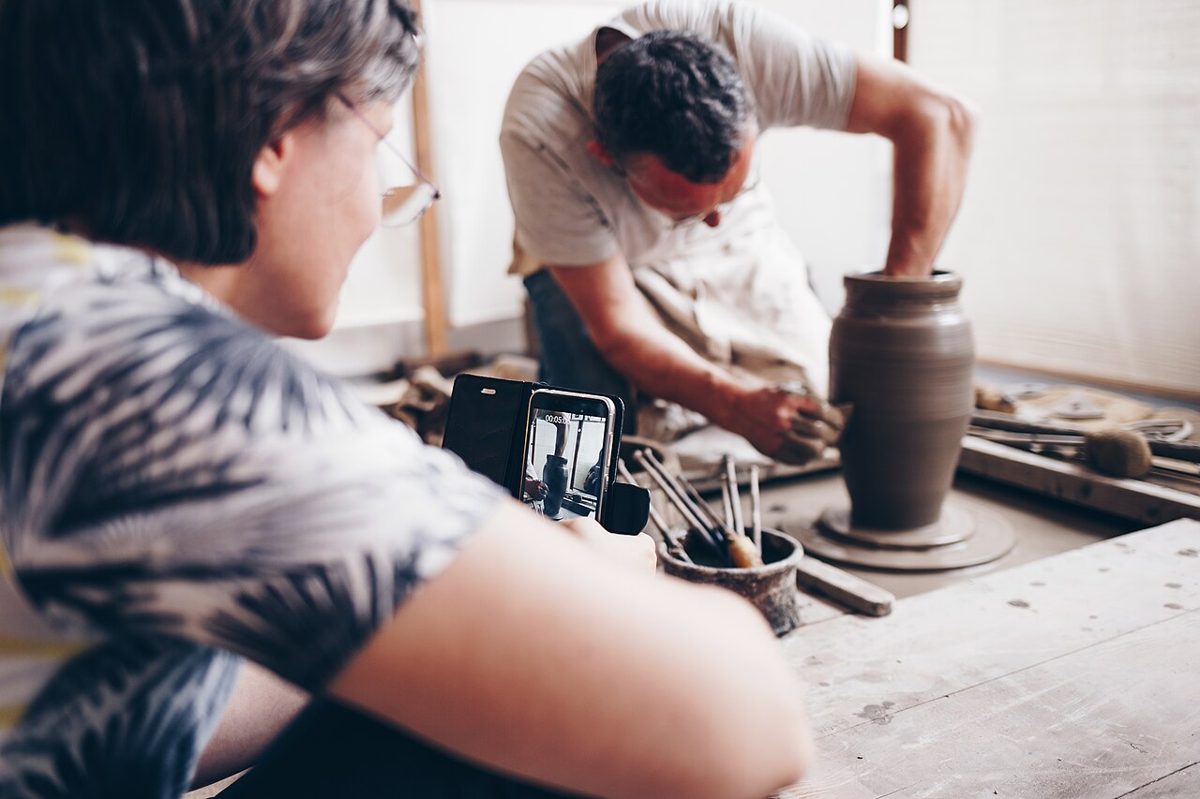
Throwing a bowl on the wheel is deeply satisfying. Tokyo studios offer beginner rokuro (wheel) and hand-building classes, often around ¥3,000-6,000 for a session, with the finished piece fired and either shipped or collected weeks later (worth checking if you are short on time). A related craft worth knowing is kintsugi, repairing broken pottery with lacquer and gold; Makers’ Base in Meguro runs a two-hour kintsugi workshop where you can mend your own piece or buy a vessel to fix, a lovely embodiment of wabi-sabi.
Wagashi sweet making
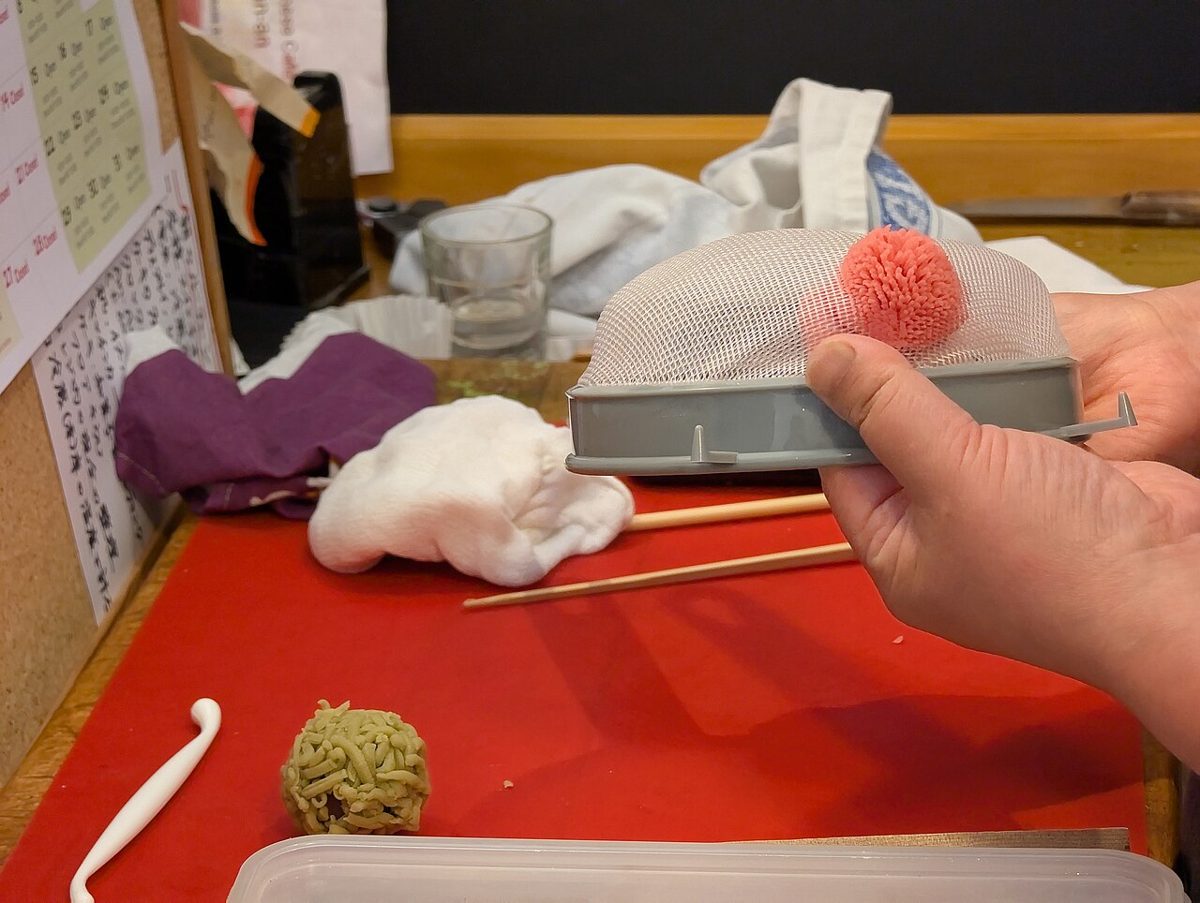
Making wagashi, the seasonal sweets served with matcha, is hugely popular. You shape nerikiri (sweet bean paste) into flowers and leaves and usually drink the tea you made it for. Prices vary widely: budget group classes start around ¥6,000, dedicated private studios in areas like Meguro charge ¥9,000-14,000, and Maikoya in Asakusa bundles sweets-making with a kimono tea ceremony for about ¥10,800. It is gentle, indoor and great for kids. If the tea side appeals more than the sweets, see our Tokyo tea ceremony guide.
Sushi, soba and more
Hands-on food classes round out the list: sushi-making sessions teach you to shape nigiri and roll maki, and soba-making classes have you mixing, rolling and cutting buckwheat noodles you then eat. Both are widely available in English, usually a couple of hours, and typically run a few thousand yen up depending on the menu and venue. They are excellent rainy-day, all-ages activities.
Woodblock, Knives and Other Edo Crafts
Ukiyo-e woodblock printing
You can print your own ukiyo-e. The friendliest entry point is Mokuhankan in Asakusa, where carver David Bull runs hands-on “print parties” for around ¥2,000, you ink the carved blocks and pull your own multi-colour print to keep. For a premium, deep-dive version, Takahashi Kobo, a 160-year-old Edo print studio, offers a fan-printing experience at the luxury end (around ¥46,000, including a genuine print). The cheap option is one of the best-value craft hours in Tokyo and fine for kids.
Furoshiki wrapping and knife craft
Furoshiki, the art of wrapping with a square cloth, is taught in short, inexpensive sessions and is the most packable skill on this list, you only need a cloth to practise at home. For something heavier, Kappabashi is Japan’s knife mecca: Kamata Hakensha has sharpened and sold knives since 1923 and runs a famous (and famously hard-to-book) sharpening class; even if you cannot get a class spot, the staff will sharpen a blade from around ¥1,000 and engrave a name for free on knives bought there, which makes a superb, genuinely useful souvenir.
More Crafts Worth Trying
Origami
Japan’s paper-folding art has a dedicated home at the Ochanomizu Origami Kaikan, where you can join classes (in Japanese or English) and learn anything from a classic crane to seasonal dolls, then browse beautiful papers in the shop. It is inexpensive, suitable for all ages and a reliable wet-weather fallback near Ochanomizu Station.
Leather and jewellery
Tokyo’s makers’ scene extends well beyond traditional crafts. In Nakameguro, a husband-and-wife atelier lets you cobble your own leather sandals or a bag over a few hours using hides from Tochigi, while small Kichijoji workshops teach brass and silver jewellery you can have engraved. These run longer (two to five hours) and cost more, but you leave with something genuinely wearable.
Lacquer and gold (maki-e and kintsugi)
For a taste of Japan’s lacquer tradition, some studios offer short maki-e sessions, decorating a small item with lacquer and gold powder, and the kintsugi classes mentioned earlier apply the same materials to mend ceramics. Both are detailed, seated and calming, a good counterpoint to the more physical glass-cutting and pottery classes.
Comparison Table: Tokyo Craft Workshops at a Glance
| Craft | Where / area | Rough price | Duration | English | Good for kids? |
|---|---|---|---|---|---|
| Edo Kiriko cut glass | Sumida (Kinshicho) / Asakusa | ¥3,300-4,320 | ~90 min | Yes | Age ~10+ |
| Food samples (sampuru) | Kappabashi | ¥3,300 | ~40 min | Limited (visual) | Yes (6+) |
| Washi paper | Nihonbashi / Asakusa | ~¥1,000+ | ~60 min | Yes | Yes |
| Aizome indigo dyeing | Hibiya / Asakusa | ¥66/g – ¥17,000 | 1-3 hr | Some/Yes | Yes (with help) |
| Shodo calligraphy | Citywide | ¥2,000-4,000 | ~60-90 min | Yes | Yes |
| Pottery / kintsugi | Meguro & others | ¥3,000-6,000 | 1-2 hr | Yes | Yes (older) |
| Wagashi sweets | Asakusa / Meguro | ¥6,000-14,000 | 1-2 hr | Yes | Yes |
| Sushi / soba making | Citywide | ~¥4,000+ | ~2 hr | Yes | Yes |
| Ukiyo-e woodblock | Asakusa | ¥2,000 (Mokuhankan) | ~60-90 min | Yes | Yes |
| Knife sharpening | Kappabashi | from ¥1,000 | varies | Limited | No |
Best Picks for Kids and Rainy Days
Travelling with children? The standout family workshops are food samples (messy, funny, fast), washi paper (simple and safe), wagashi (you eat your work), woodblock printing at Mokuhankan, and shodo calligraphy. All are indoors, which makes them ideal when the weather turns, alongside the ideas in our Tokyo with kids guide. Avoid sharp-tool crafts like Edo Kiriko and knife work for younger children; most glass studios set a minimum around 4th grade. For a busy family day in the old town, you can chain a Kappabashi food-sample class with an Asakusa washi or woodblock session within a short walk.
Which Workshop Should You Choose?
Match the craft to your priorities. For the best souvenir, Edo Kiriko glass and a custom Kakimori ink are hard to beat. For the most fun with kids, food samples and woodblock printing win. On a tight budget, washi paper, shodo and Mokuhankan prints all start around ¥1,000-2,000. If you want something edible, wagashi, sushi or soba classes deliver, and if you want the calmest, most meditative hour, try calligraphy or kintsugi. Short on time? Pick a 40-minute food-sample or one-hour washi class; with a half-day to spare, a 90-minute glass or two-hour pottery session goes deeper.
How to Book and What to Expect
Most workshops require reservations, and the popular ones sell out, so book ahead. The easiest channels are the studios’ own websites (Ganso Sample-ya, Ozu Washi and Sumida Edo Kiriko-kan all take online or email bookings) and aggregators like Klook, GetYourGuide, Viator, Airbnb Experiences and the food-and-culture platform byFood, which list many English-guided sessions with reviews. Arrive 10 minutes early; wear clothes you do not mind getting ink, wax or clay on; and check the take-home timing, some crafts (notably fired pottery) are shipped or collected later rather than handed over on the day. These hands-on classes are some of the most memorable entries in our wider guide to the traditional side of Tokyo.
One last tip on value: a workshop often doubles as your souvenir budget. Instead of buying a mass-produced trinket, you spend a similar ¥3,000-or-so and come home with something you made and a story attached. If you do want to shop as well, the same craft districts are full of finished pieces, professional-grade Edo Kiriko, knives, lacquerware and washi stationery, so you can compare your handiwork with the masters’ and pick up gifts in one trip. For more on what to buy and where, our gift-shopping guide pairs neatly with a craft afternoon.
Frequently Asked Questions
What is the most popular traditional craft workshop in Tokyo?
Edo Kiriko cut glass and Kappabashi food-sample (sampuru) making are the two most popular with visitors. Edo Kiriko lets you cut patterns into coloured glass to keep (around ¥3,300-4,320, ~90 minutes), while the food-sample class at Ganso Sample-ya is a fun 40-minute session for about ¥3,300.
How much do craft workshops in Tokyo cost?
Most run roughly ¥2,000 to ¥5,000 for a 40-minute to two-hour session. Simple crafts like washi paper, shodo calligraphy and Mokuhankan woodblock printing start around ¥1,000-2,000, while private wagashi studios and premium experiences can reach ¥10,000 or more.
Are Tokyo craft workshops good for kids?
Many are. Food-sample making, washi paper, wagashi sweets, woodblock printing and calligraphy are all family-friendly and indoors, making them great rainy-day activities. Crafts using sharp tools, such as Edo Kiriko glass cutting and knife work, usually set a minimum age (often around 4th grade).
Do I need to speak Japanese to join a craft workshop?
No. Many studios offer English guidance or English-speaking hosts, and aggregators like byFood, Klook and GetYourGuide list English-friendly classes. A few, such as the Ganso food-sample class, explain mostly in Japanese but are visual and easy to follow; bringing one interpreter per few people helps.
Can I take my creation home the same day?
Usually yes. Edo Kiriko glass, food samples, washi paper, woodblock prints and wagashi are all yours to take immediately. The main exception is wheel pottery, which must be fired after the class, so it is typically shipped to you or collected weeks later.
Photo Credits
- Edo Kiriko: Tokyo’s signature cut glass, and one of its most rewarding workshops — Photo: Nesnad / CC BY 4.0 via Wikimedia Commons
- Making sampuru food replicas in Kappabashi is a quirky, kid-friendly workshop — Photo: Frédéric BISSON from Rouen, France / CC BY 2.0 via Wikimedia Commons
- Shodo calligraphy: an affordable, meditative class found across Tokyo — Photo: DavideGorla / CC BY 2.0 via Wikimedia Commons
- Handmade washi paper, made by the nagashi-zuki scooping method — Photo: Pancrat / CC BY-SA 4.0 via Wikimedia Commons
- Pottery wheel classes let you throw a bowl or cup to keep — Photo: Lodz Design / CC BY 2.0 via Wikimedia Commons
- Shaping nerikiri wagashi by hand, usually paired with matcha — Photo: Andy Li / CC0 via Wikimedia Commons