Tokyo with Kids · Guide №013
Tokyo with Kids: The Complete Family Travel Guide
目次 — Contents
- What’s Inside This Family Guide
- Theme Parks & Amusement Parks
- Best Museums for Families in Tokyo
- Animals, Nature & Outdoor Adventures
- Unique Family Experiences in Tokyo
- Family-Friendly Dining in Tokyo
- Best Areas to Stay with Kids
- Getting Around Tokyo with Kids
- Age-Specific Tips
- Best Things to Do in Tokyo with Kids, by Age
- Rainy-Day and Indoor Options
- Family Day Trips from Tokyo
- Nursing, Diapers and Baby Gear
- Sample 5-Day Family Itinerary
- Family Budget Guide
- What to Pack for Tokyo with Kids
- Money-Saving Tips for Families
- Tokyo with Kids: In-Depth Family Guides
- Frequently Asked Questions
This article contains advertising. Our booking links are routed through a partner that adds commission tracking automatically, so if you book through one we earn a commission from the provider, at no extra cost to you. It never affects what we recommend. Affiliate disclosure

Tokyo might seem like an overwhelming destination for families, but here’s a secret that experienced family travelers already know: Tokyo is one of the most kid-friendly cities in the world. From spotless streets and impeccably safe public transportation to child-sized portions at every restaurant and an entire culture built around kawaii (cute) — Tokyo welcomes children in ways that few other megacities can match.
This comprehensive guide covers everything you need to plan an unforgettable Tokyo family trip in 2026: the best attractions for every age group, practical tips for navigating the city with children, family-friendly dining, where to stay, and how to keep everyone happy — parents included. Many of these stops also appear on our list of the top Tokyo attractions, just viewed here through a family lens.
Quick tip for planning: Children under 6 ride free on all Tokyo trains, subways, and buses. Children 6–11 pay half the adult fare. Most museums and attractions offer reduced or free admission for children. Tokyo is significantly more affordable for families than most travelers expect.
What’s Inside This Family Guide
- Top attractions for kids of every age
- Theme parks and amusement parks
- Museums and educational experiences
- Parks, playgrounds, and outdoor fun
- Family-friendly food and dining tips
- Best neighborhoods to stay with kids
- Getting around Tokyo with children
- Age-specific tips: toddlers, school-age, and teens
- Complete FAQ for families visiting Tokyo
Theme Parks & Amusement Parks
Tokyo Disneyland & DisneySea
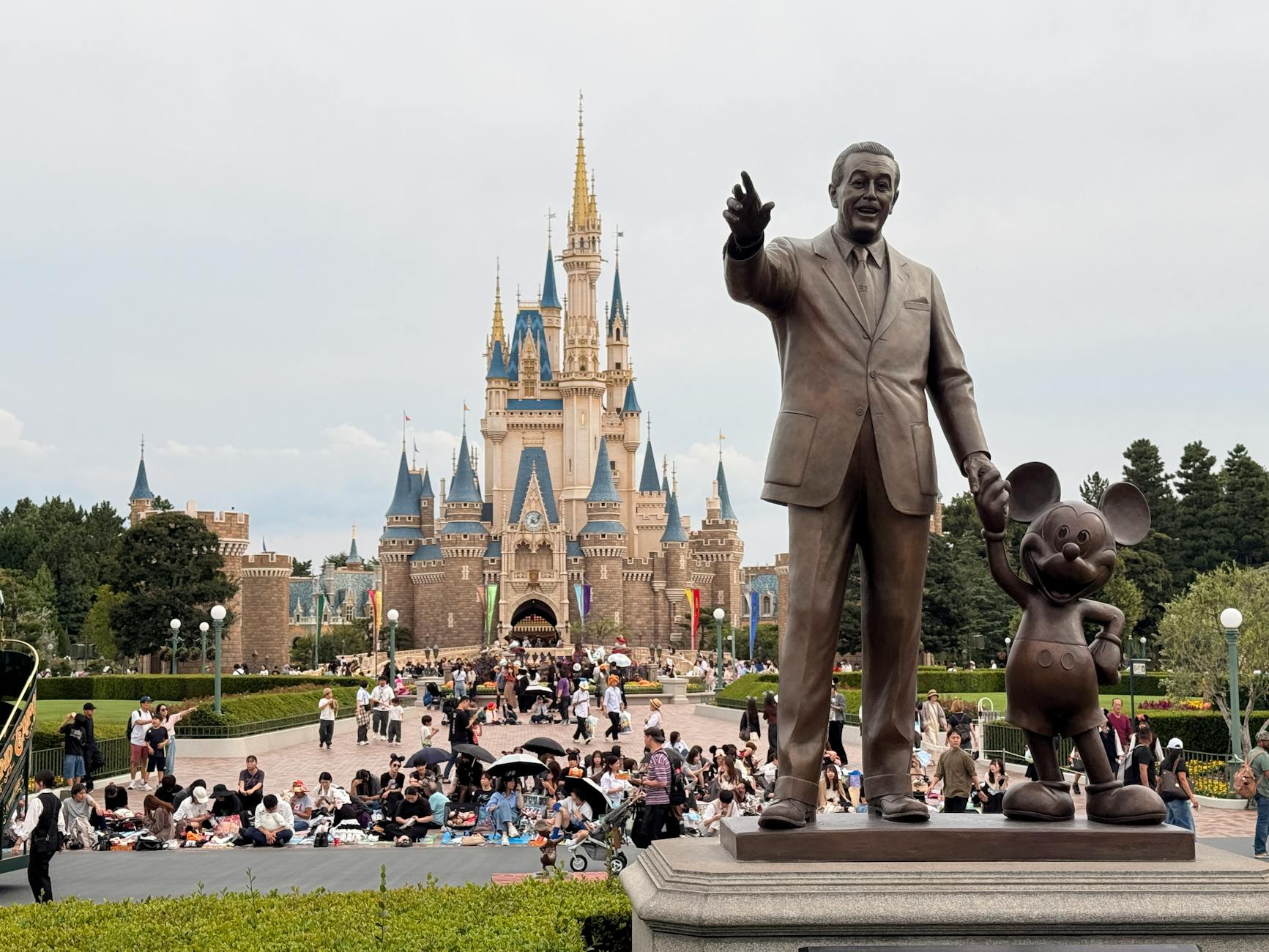
Tokyo Disney Resort is Japan’s most visited family destination and includes two distinct parks. Tokyo Disneyland follows the classic Magic Kingdom formula with beloved rides like Space Mountain, Splash Mountain, and Buzz Lightyear’s Astro Blasters, plus Japan-exclusive attractions. Tokyo DisneySea is the real standout — a unique park found nowhere else in the world, themed around maritime exploration with more grown-up rides and beautiful architecture. Torn on which one to pick? Our deep dive on Disneyland vs DisneySea breaks down the choice by your kids’ ages, including the new Fantasy Springs rides.
- Best for: All ages. Disneyland skews younger (ages 3–10), DisneySea suits older children and adults
- Tickets: 1-day ¥7,900–¥10,900 adult, ¥4,700–¥6,600 children 4–11 (pricing varies by date). Book 1–2 months ahead online — tickets frequently sell out
- Getting there: JR Keiyo Line from Tokyo Station to Maihama, 15 minutes, ¥230
- Pro tip: Weekday visits in non-holiday periods have dramatically shorter wait times. Download the Tokyo Disney Resort app for real-time wait times and Mobile Order food service
Sanrio Puroland (Hello Kitty Land)
An indoor theme park dedicated to Hello Kitty and Sanrio characters, perfect for children ages 2–8. The musical shows are surprisingly high-quality, and the character meet-and-greets are well-organized with shorter waits than Disney. Located in Tama (30 minutes from Shinjuku). Tickets ¥3,600–¥4,900 adult, ¥2,500–¥3,800 children. Closed some weekdays — check the calendar before planning.
Fuji-Q Highland
Located at the base of Mount Fuji (2 hours from Shinjuku), this amusement park combines extreme roller coasters for teens with Thomas Land for younger children. The Mount Fuji backdrop is spectacular. Day pass ¥6,000–¥7,800. Best combined with a Kawaguchiko day trip for families wanting both thrills and scenery.
Best Museums for Families in Tokyo

TeamLab Planets & Borderless
These immersive digital art museums are mesmerizing for children and adults alike. At TeamLab Planets in Toyosu, visitors wade barefoot through water and walk through rooms of infinite LEDs and projected flowers. Children are fascinated by the interactive, responsive nature of the art — touch, movement, and presence all affect the installations. Note: some rooms may overwhelm very young toddlers due to dark spaces and loud music.
- Best for: Ages 4+ (toddlers may find some rooms scary)
- Tickets: ¥3,800 adults, ¥1,500 children 4–12, free under 4. Book online in advance
- Time needed: 2–3 hours
Ghibli Museum, Mitaka
Studio Ghibli’s magical museum in the western Tokyo suburb of Mitaka is a pilgrimage site for fans of My Neighbor Totoro, Spirited Away, and other beloved films. The museum itself feels like stepping into a Ghibli world, with a rooftop garden featuring a life-size Robot Soldier from Castle in the Sky. The short film theater shows exclusive animations you can’t see anywhere else.
- Best for: Ages 3+ and all Ghibli fans
- Tickets: ¥1,000 adults, ¥700 children 7–12, ¥400 children 4–6. Critical: Tickets sell out within minutes of release on the 10th of each month (for the following month). Set a reminder and be ready at 10 AM JST
- Getting there: JR Chuo Line to Mitaka, 20 minutes from Shinjuku, then a short walk or community bus
National Museum of Nature and Science
Located in Ueno Park, this excellent science museum features life-size dinosaur skeletons, a 360-degree immersive theater, interactive science exhibits, and a comprehensive natural history collection. The Japanese Pavilion covers Japan’s unique ecosystems and wildlife. English signage is available throughout. ¥630 adults, free for children under 18. Allow 2–3 hours.
Miraikan (National Museum of Emerging Science)
In Odaiba, this cutting-edge science museum showcases robotics (including Honda’s ASIMO demonstrations), space exploration, and environmental science through highly interactive exhibits designed for young learners. The Geo-Cosmos — a massive globe covered in OLED panels showing real-time earth data — is mesmerizing. ¥630 adults, ¥210 children 6–18, free under 6.
Cup Noodles Museum, Yokohama
Every child loves this museum in nearby Yokohama (30 minutes from central Tokyo). The highlight is the My Cup Noodles Factory where kids design their own cup noodle packaging and choose their toppings — a hands-on experience they’ll remember for years. The Chicken Ramen Factory (ages 3+, reservation required) lets you make instant ramen from scratch. ¥500 adult, free for children under high school age.
Animals, Nature & Outdoor Adventures

Ueno Zoo
Japan’s oldest zoo (established 1882) is the city’s most popular family destination after Disney. The giant pandas are the star attraction, but the zoo also houses gorillas, polar bears, elephants, and over 300 species across its western and eastern gardens connected by a monorail (¥150). The children’s zoo area lets young visitors pet farm animals. ¥600 adults, free for children under 12. Free admission on March 20, May 4, and October 1.
Sunshine Aquarium, Ikebukuro
Located on the rooftop of Sunshine City mall, this uniquely designed aquarium features an outdoor ‘Sunshine Lagoon’ where penguins appear to fly overhead through transparent sky tunnels and sea lions swim in a ring-shaped tank against the city skyline. The jellyfish tunnel and coral reef exhibits are equally stunning. ¥2,600 adults, ¥1,300 children 4–12.
Inokashira Park & Zoo
Near the Ghibli Museum in the Kichijoji area, Inokashira Park is beloved by local families. Rent swan-shaped paddle boats on the lake, visit the small but charming Inokashira Zoo (¥400 adults, free for children under 12), and explore the surrounding shopping streets full of crepe shops and boutiques. A relaxed half-day activity that pairs perfectly with a Ghibli Museum visit.
Parks and Playgrounds

Tokyo’s parks and playgrounds are immaculately maintained and genuinely fun for kids. Top picks include:
- Yoyogi Park: Vast open green space next to Meiji Shrine, perfect for running, cycling (rentals available), and picnicking. On weekends, street performers and activities make it lively.
- Showa Memorial Park (Tachikawa): A massive 165-hectare park with a spectacular children’s forest area, trampolines, water play areas (summer), tulip gardens (spring), and seasonal flower displays. ¥450 adults, free for children under 15. Worth the 30-minute train ride from Shinjuku.
- Odaiba’s parks: Multiple waterfront parks with sand areas and play equipment overlooking Rainbow Bridge. Combine with visits to Odaiba’s indoor attractions on rainy days.
- Koganei Park: A lesser-known gem with a great adventure playground, BBQ areas, and cycling paths. Also home to the Edo-Tokyo Open Air Architectural Museum (¥400).
Unique Family Experiences in Tokyo

- Kimono dress-up: Many shops in Asakusa and Harajuku offer family kimono rental packages (from ¥3,000 per person) — children love dressing up and the photos make incredible souvenirs. Some shops have child-sized yukatas and accessories.
- Anime & character experiences: Beyond the Ghibli Museum, Tokyo offers Pokémon Center Mega stores (multiple locations, free), One Piece Tower at Tokyo Tower, the Gundam statue in Odaiba, and themed character cafés throughout the city.
- Sushi-making class: Several cooking schools offer family-friendly sushi-making workshops where kids learn to roll their own sushi. Sessions typically last 2 hours and cost ¥5,000–¥8,000 per person.
- Capsule toy hunting: Gashapon (capsule toy) machines are everywhere in Tokyo. Give each child a small budget and let them hunt for their favorites — Akihabara and Harajuku have entire walls of machines. ¥100–¥500 per turn.
- Train watching: For train-obsessed kids, the platform at Tokyo Station offers views of Shinkansen bullet trains arriving and departing. The Railway Museum in Omiya (30 minutes from Tokyo) has train simulators and ride-on miniature trains. ¥1,330 adults, ¥620 children 3–17.
- Shrine and temple visits: Most children are fascinated by the rituals — washing hands at the temizuya fountain, throwing coins and clapping at shrines, and drawing omikuji fortune papers. Senso-ji in Asakusa and Meiji Shrine are the most child-friendly due to wide open spaces.
Family-Friendly Dining in Tokyo

Japanese food is generally very kid-friendly. Rice, noodles, grilled meats, and mild flavors dominate most menus. Here are the best dining strategies for families:
Best Kid-Friendly Foods
- Ramen: Most children love ramen — rich broth, slurpable noodles, and customizable toppings. Many ramen shops offer half-size children’s portions (kodomo ramen) for ¥300–¥500.
- Curry rice (kare raisu): Mild, sweet Japanese curry over rice is a universal kid pleaser. CoCo Ichibanya chain lets you choose spice level (level 1 is sweet) and add toppings.
- Gyudon (beef bowl): Sweet simmered beef over rice at chains like Yoshinoya and Sukiya. Fast, cheap (¥400–¥600), and reliably loved by children.
- Sushi on conveyor belt (kaiten-zushi): Revolving sushi restaurants are entertainment and dinner combined. Kids love choosing plates from the belt. Sushiro and Kura Sushi chains offer ¥100–¥200 per plate.
- Okonomiyaki: Japanese savory pancakes cooked at your table — the DIY element makes this fun for kids. Monjayaki in Tokyo is messier and equally entertaining.
- Onigiri and bento: Convenience store onigiri (rice balls, ¥120–¥200) and bento boxes (¥400–¥700) are perfect for picnic lunches in parks. 7-Eleven, FamilyMart, and Lawson all have excellent selections.
Restaurant Tips for Families
- Most family restaurants (Jonathan’s, Gusto, Saizeriya) have children’s menus with illustrated pictures, kids’ tableware, and booster seats
- Department store restaurant floors (typically top floor) are excellent for families — multiple cuisines under one roof with display food models to point at
- Many restaurants have private tatami rooms (zashiki) that are perfect for families with crawling babies or restless toddlers
- Lunch sets (11:00 AM–2:00 PM) offer the same quality food as dinner at 40–60% lower prices
- Food courts in malls like Diver City (Odaiba), Lumine (Shinjuku), and Sunshine City (Ikebukuro) are family-friendly, affordable, and offer variety to please everyone
Best Areas to Stay with Kids
- Shinjuku: Best for transportation connections. The Keio Plaza Hotel and Hilton Tokyo have excellent family facilities. Many budget hotels have family rooms. Easy access to everything.
- Ueno/Asakusa: Near the zoo, parks, Senso-ji Temple, and museums. More traditional atmosphere. Hotel Gracery and Tokyu Stay offer good family value. A calmer neighborhood for evening wind-down.
- Odaiba: Waterfront resort atmosphere with family attractions everywhere. Hilton Tokyo Odaiba and Grand Nikko offer resort-like experiences. Best for families who want a contained, easy base.
- Ikebukuro: Near Sunshine City (aquarium, planetarium, Pokémon Center). More affordable accommodation than Shinjuku/Shibuya. Excellent department stores with family dining.
Accommodation types: Japanese-style hotel rooms with futon beds are exciting for kids and provide flexible sleeping arrangements. Apartment-style hotels (like Tokyu Stay or Minn) offer kitchenettes for preparing snacks and simple meals — invaluable for families with young children or picky eaters. Many hotels provide baby beds, strollers, and children’s amenities on request, though only some have rooms that genuinely sleep four. For a fuller neighborhood-by-neighborhood breakdown, see our guide to family-friendly places to stay in Tokyo.
Getting Around Tokyo with Kids

- Train travel: Children under 6 ride free, ages 6–11 pay half fare. Suica/Pasmo IC cards work for the whole family — children’s IC cards are available at station offices. Avoid rush hour (7:30–9:30 AM, 5:30–7:30 PM), when trains are packed and strollers are a struggle. Our full guide to getting around with kids covers IC cards, passes, and which lines are easiest with a buggy.
- Strollers: Tokyo is generally stroller-friendly. Most stations have elevators (though finding them sometimes takes patience). Trains have priority areas for strollers and wheelchair users. Major attractions accommodate strollers easily.
- Baby changing: Nearly every department store, shopping mall, and major train station has clean, well-equipped baby rooms (akachan no heya) with changing tables, nursing rooms, hot water for formula, and sometimes microwave ovens. Look for the baby-face sign.
- Taxis: Taxis are a good option when kids are tired. Starting fare is ¥500. Car seats are not legally required for taxis in Japan, but bring a portable booster if you prefer.
- Walking: Plan for slower walking speeds with children. Group attractions geographically to minimize transit. Most neighborhoods are flat and safe for walking.
Age-Specific Tips
Toddlers (0–3 Years)
Tokyo is surprisingly easy with toddlers thanks to Japan’s baby-friendly infrastructure. Pack light — you can buy diapers, formula, baby food, and children’s clothing at any drugstore (Matsumoto Kiyoshi) or baby goods store (Akachan Honpo, with locations in major malls). Prioritize parks, the zoo, and Sanrio Puroland. Avoid long train journeys and plan for afternoon naps at the hotel. Baby food in convenience stores includes excellent purée pouches.
School-Age Children (4–11 Years)
This is the golden age for Tokyo family travel. Children old enough to walk, engage with attractions, and remember the experience, but young enough to be enchanted by everything. Prioritize Disney, TeamLab, museums, and unique experiences like kaiten-zushi, gashapon hunting, and a family sushi-rolling workshop. Give them a small daily budget for souvenirs and treats — the independence feels exciting and teaches money skills in a foreign currency.
Teenagers (12–17 Years)
Tokyo is a teenager’s paradise. Let them explore Harajuku and Akihabara semi-independently (Tokyo is extremely safe). Gaming arcades in Akihabara, vintage shopping in Shimokitazawa, and the sensory overload of Shibuya all appeal to teens. For reluctant travelers, TeamLab, Fuji-Q Highland roller coasters, and themed cafés often win them over. Consider letting teens have some solo exploration time — even an hour in Harajuku can be transformative.
Best Things to Do in Tokyo with Kids, by Age

Ueno Park sums up why Tokyo works so well for families: in one leafy stretch you have the zoo and its pandas, the dinosaur halls of the science museum, wide paths for running off energy, and food stalls for when the energy runs out. It is a fitting symbol for a city that quietly makes room for children at every turn.
The single biggest factor in a happy family trip is matching the day to your child’s age. A two-year-old and a thirteen-year-old want completely different things from the same city. Here is how to think about the best things to do in Tokyo with kids depending on who you’re travelling with.
Best for Toddlers (Ages 1–4)
Keep it gentle, green, and close to a nap. Toddlers are happiest with animals, water, and open space rather than queues and big rides. Aim for Ueno Zoo and the pandas, the indoor gentleness of Sanrio Puroland, the swan boats and small zoo at Inokashira Park, and the sand and play areas in Odaiba. Tokyo Disneyland beats DisneySea at this age thanks to flat paths and gentle rides. Plan one main outing per day, build the afternoon around a hotel nap, and lean on the spotless baby rooms in every department store for changing and feeding.
Best for Younger Kids (Ages 5–9)
This is the golden age — old enough to enjoy almost everything, young enough to be enchanted by all of it. Prioritize the theme parks, the wading-through-water wonder of teamLab Planets, the dinosaur skeletons at the National Museum of Nature and Science, and the make-your-own fun of the Cup Noodles Museum. Conveyor-belt sushi, gashapon capsule-toy hunting, and a kimono dress-up session in Asakusa all land perfectly here. Give them a small daily spending budget; the independence is a thrill and a sneaky maths lesson in a foreign currency.
Best for Tweens and Teens (Ages 10+)
Tokyo is a teenager’s dream once you lean into their interests. Turn them loose (semi-independently — the city is extremely safe) in the gaming arcades of Akihabara, the vintage racks of Shimokitazawa, and the crepe-and-fashion chaos of Harajuku’s Takeshita Street. DisneySea wins over the “too cool for Disney” crowd with its thrill rides and stunning theming, Shibuya Sky delivers the skyline shot for their feed, and teamLab is endlessly photogenic. Reluctant travellers usually thaw the moment they spot a themed café or a wall of capsule machines.
Rainy-Day and Indoor Options
Tokyo gets its share of rain, especially during the June–July tsuyu season, but a wet forecast barely dents a family trip — a huge amount of the city’s best kid stuff is indoors. Keep this list in your back pocket for the days the sky opens.
- teamLab Planets / Borderless — entirely indoor digital-art wonder; arguably better on a grey day.
- Sunshine City, Ikebukuro — aquarium, planetarium, Pokémon Center, and indoor shops all under one roof. A full rainy day sorted.
- Miraikan and the National Museum of Nature and Science — hands-on science and dinosaurs that easily fill a wet afternoon.
- KidZania Tokyo (Toyosu) — a role-play city where children try out real jobs; book ahead, it is wildly popular with locals.
- Department-store rooftops and play floors — many big stores have indoor play areas, and the restaurant floors keep everyone fed without going outside.
- Sanrio Puroland — fully indoor, so the Hello Kitty shows go ahead rain or shine.
- Pokémon Centers and themed cafés — quick, dry, and a guaranteed hit between bigger plans.
Family Day Trips from Tokyo
When the big-city pace starts to wear on small legs, a day trip resets everyone. Several easy escapes work beautifully with children, and most are an hour or two away by train — no car needed. For the full menu of options and how to reach each one, see our guide to family day trips from Tokyo; these are the ones that land best with kids.
- Yokohama — just 30 minutes out, with the make-your-own Cup Noodles Museum, the Cosmo World waterfront fun park, and a big, walkable Chinatown for lunch. Arguably the easiest family day trip of all.
- Kamakura — the Great Buddha, easy temple grounds, and a beach. The little Enoden tram that trundles to the coast is a hit with train-mad kids.
- Hakone — a mountain-railway, cable car, ropeway, and pirate-ship loop that is basically a transport theme park, with hot springs and (clear days) Mount Fuji. The variety keeps kids engaged the whole way round.
- Mount Fuji / Fuji-Q Highland and Kawaguchiko — Thomas Land for little ones, serious coasters for teens, and lake scenery for everyone. Two hours from Shinjuku.
- Nikko — ornate shrines in the mountains and waterfalls; a longer day, better suited to older children who can manage more walking.
Nursing, Diapers and Baby Gear
Travelling with a baby in Tokyo is far easier than most parents fear, because the infrastructure is genuinely world-class. A few specifics worth knowing:
- Baby rooms (akachan no heya) are everywhere — in department stores, malls, and major stations. Look for the baby-face sign. They have changing tables, private nursing booths, and hot water for formula; bigger ones add microwaves and bottle-warmers.
- You can buy everything locally. Diapers, formula, baby food pouches, wipes, and clothing are sold at any drugstore (Matsumoto Kiyoshi) and at Akachan Honpo baby superstores in major malls. Pack light and restock on arrival.
- Convenience-store baby food is surprisingly good — pouches and jars at 7-Eleven, FamilyMart, and Lawson cover most meals on the go.
- Nursing in public is uncommon; using a dedicated nursing room is the norm and there is almost always one nearby. A light cover is handy for the rare gap.
- Strollers are fine on trains outside rush hour, and nearly every station has a lift — though finding it can take a minute, so allow extra time. A compact, one-hand-fold buggy is worth its weight on the network.
Sample 5-Day Family Itinerary
- Day 1: Asakusa (Senso-ji, kimono dress-up), Ueno Zoo, Akihabara evening (arcades, gashapon)
- Day 2: Tokyo Disneyland or DisneySea (full day — arrive at opening, stay for fireworks)
- Day 3: Ghibli Museum (morning), Inokashira Park (lunch), Harajuku/Takeshita Street (afternoon), Meiji Shrine
- Day 4: TeamLab Planets (morning), Odaiba (Gundam, Miraikan, beach play), Rainbow Bridge sunset
- Day 5: Tsukiji Market breakfast, Shibuya (Shibuya Sky, Hachiko, shopping), farewell dinner
Pace tip: With children, plan no more than 2–3 major activities per day. Build in downtime, snack breaks, and spontaneous exploration. Some of the best family moments in Tokyo come from unplanned discoveries — a random playground, a fascinating vending machine, or a friendly shopkeeper who makes your child’s day.
Family Budget Guide
A family of four (two adults, two children) can expect these approximate daily costs in Tokyo:
- Budget (¥25,000–¥35,000/day): Apartment hotel, convenience store breakfasts, one restaurant meal, free/cheap attractions, IC card transit
- Mid-range (¥40,000–¥60,000/day): Business hotel, restaurant meals, 1–2 paid attractions daily, occasional taxi
- Comfortable (¥70,000+/day): Full-service hotel, nice restaurants, Disney/major attractions, taxis when needed
The biggest variable is accommodation — book early for the best family room rates. Attraction tickets, particularly Disney (¥25,000+ for a family of four), are the second-largest expense. Food is very manageable thanks to convenience stores, food courts, and affordable restaurant chains.
What to Pack for Tokyo with Kids
Tokyo sells almost anything you forget, so pack light — but a handful of items genuinely smooth the trip.
- A compact, lightweight stroller that folds with one hand for crowded trains and station lifts. Leave the bulky travel system at home.
- Comfortable, broken-in shoes for everyone. Families routinely clock 12,000–18,000 steps a day here. Blisters end days early.
- A small foldable backpack or tote for day trips, snacks, and the inevitable souvenirs and capsule toys.
- Refillable water bottles. Tap water is safe and vending machines are everywhere, so you rarely need to buy bottled.
- A light rain layer and a packable umbrella for sudden showers, plus a hat and sunscreen for summer.
- Familiar comfort snacks for the youngest and pickiest, to bridge the gap until they discover Japanese foods they love.
- A portable phone charger. You will lean on maps, translation, and ticket apps all day.
Money-Saving Tips for Families
Tokyo is much friendlier to a family budget than its reputation suggests. A few habits keep costs down without skimping on the fun.
- Lean on the free stuff. Children under 6 ride public transport free, under-12s are free or cheap at the zoo and many museums, and parks, shrines, Pokémon Centers, and the Odaiba Gundam cost nothing.
- Eat like a local. Convenience-store breakfasts, conveyor-belt sushi, gyudon chains, and department-store food courts feed a family of four well for a fraction of restaurant prices. Lunch sets beat the same dishes at dinner by 40–60%.
- Book an apartment-style hotel. A kitchenette for breakfasts and picky-eater snacks pays for itself, and family rooms with futons sleep everyone without a second room.
- Get an IC card for each child. Welcome Suica or a children’s Suica/Pasmo makes every train tap-and-go at the discounted child fare — no fumbling for tickets.
- Book timed-entry attractions early. Ghibli Museum and teamLab tickets are cheaper and actually available when you reserve the moment they release, rather than scrambling for resold slots later.
- Time the big-ticket days. A weekday Disney visit is the same magic at a calmer, sometimes cheaper, date-based price than a weekend or holiday.
Two big hits with children get their own in-depth guides: the immersive teamLab digital-art museums and the magical Ghibli Museum (book tickets well ahead). For a rainy afternoon, browse Tokyo’s most kid-friendly museums.
Tokyo with Kids: In-Depth Family Guides
Planning the details? Each of these has its own full guide with ages, prices and practical tips:
- Disneyland vs DisneySea — which Tokyo Disney park suits your family.
- Museums for kids — hands-on science and interactive museums.
- Playgrounds & parks — the best play spaces and giant slides.
- Sanrio Puroland — the indoor home of Hello Kitty.
- Kid-friendly restaurants — where to eat with children in tow.
- Tokyo with toddlers — babies, strollers and nap-friendly plans.
- Family day trips — easy escapes from the city with kids.
Animal cafes top a lot of children’s Tokyo wish lists, and they are not all the same. A rescue cat cafe is a gentle hour; a hedgehog or owl cafe puts nocturnal animals in a bright room to be handled all day. Our guide to animal cafes in Tokyo sorts the formats worth a visit from the ones to avoid, and suggests zoos that satisfy the same wish for a fraction of the price.
Older children who love Harry Potter tend to rate the Warner Bros. Studio Tour Tokyo above almost anything else in the city, but it is a four-hour walk past sets and display cases rather than a theme park, and under-fives often flag. Our Warner Bros. Studio Tour Tokyo guide explains child prices and how to pace the day.
If there is a Pokemon fan in the party, plan around it rather than hoping to stumble in. Tokyo has four Pokemon Centers, the cafe at Nihonbashi is reservation-only and books out in minutes, and the Ikebukuro branch pairs with an aquarium and an observation deck in the same complex. Our Pokemon Center Tokyo guide has the booking mechanics and the store comparison.
A hall of nearly four thousand capsule toy machines is one of the best-value hours in Tokyo with children, provided you set the number of turns in coins before you walk in. Our gachapon guide explains how the machines work and where the big halls are.
Frequently Asked Questions
Is Tokyo safe for families with children?
Extremely safe. Tokyo consistently ranks among the world’s safest cities. Streets are clean, crime against tourists is virtually nonexistent, and Japanese society is notably considerate toward children. It’s common to see elementary-age children riding trains independently — that’s how safe the city is.
What age is best for kids to visit Tokyo?
Ages 5–12 is the sweet spot — children are old enough to enjoy attractions, walk reasonable distances, and form lasting memories. That said, Tokyo is manageable with toddlers (excellent baby infrastructure) and thrilling for teenagers. There’s no wrong age to visit.
Do I need a stroller in Tokyo?
For children under 4, yes. Tokyo involves significant walking (10,000+ steps per day typical), and tired children make everyone miserable. A compact, lightweight stroller that folds easily for trains is ideal. Most attractions and museums have stroller parking.
Will my picky eater survive in Tokyo?
Almost certainly yes. Japanese cuisine includes rice, noodles, grilled chicken, breaded pork cutlets, curry, and many mild flavors that children gravitate toward naturally. Convenience stores stock sandwiches, pastries, and familiar-ish snacks. McDonald’s, KFC, and other international chains are everywhere as a safety net. Most picky eaters discover at least one Japanese food they love.
How do I handle the language barrier with kids?
The language barrier is minimal for family travel. Restaurant ticket machines and picture menus eliminate ordering stress. Google Translate’s camera feature reads Japanese text in real-time. Station names and signs are in English. Children often find the language difference exciting rather than stressful — many Japanese people go out of their way to be friendly to visiting families with children.
Should I rent a car in Tokyo?
No. Driving in Tokyo is stressful, parking is expensive (¥500–¥1,500/hour), and public transportation is superior for getting around. The only exception is if you’re planning extended day trips to rural areas outside the train network. For day trips to Hakone, Nikko, or Kamakura, trains are easier and more enjoyable for families.
How many days do you need in Tokyo with kids?
Four to five days is the sweet spot for a first family visit. That gives you a full day at Tokyo Disney, a day for teamLab and Odaiba, a day around Asakusa and Ueno, and a slower day or a nearby day trip — with enough breathing room for naps, weather, and the unplanned discoveries that kids often remember most. A week lets you add Yokohama or Hakone without rushing.
What is the best time of year to visit Tokyo with children?
Spring (late March to May) and autumn (October to November) are the most comfortable, with mild weather and either cherry blossoms or fall colours. Avoid the peak of summer if you can — July and August are hot and humid, which is hard on small children, though the indoor attractions and the water play at parks help. Winter is cold but dry, crowds thin out, and the city’s illuminations are magical for kids.