Tokyo on a Budget · Guide №120
Best Value Tokyo Passes & Discount Tickets for Tourists
A no-nonsense guide to Tokyo discount passes for tourists: the Tokyo Subway Ticket, Grutto Pass, Tokunai Pass and Welcome Suica, with 2026 prices, where to buy, and who each one actually pays off for.
目次 — Contents
- Tokyo passes compared at a glance
- Why Tokyo doesn’t have one all-in-one pass
- Tokyo Subway Ticket: the one most tourists should buy
- Suica, Pasmo, and Welcome Suica: the cards behind every decision
- JR Tokunai Pass: unlimited JR inside the 23 wards
- Grutto Pass: the museum-lover’s bargain
- Attraction combo tickets and what to skip
- Don’t pay for what’s already free
- Which pass for which traveller
- Common pass mistakes to avoid
- Buying passes: online, airport, or station?
- Squeezing maximum value from a time-limited pass
- Frequently Asked Questions
- Photo Credits
This article contains advertising. Our booking links are routed through a partner that adds commission tracking automatically, so if you book through one we earn a commission from the provider, at no extra cost to you. It never affects what we recommend. Affiliate disclosure
Sorting out Tokyo discount passes for tourists comes down to a handful of genuinely useful options: the Tokyo Subway Ticket for unlimited metro rides, the Grutto Pass for museums, the JR Tokunai Pass for the JR loop, and the Welcome Suica for everything in between. Most other “passes” you’ll see online don’t pay off. Here’s which ones do, what they cost in 2026, and exactly who should buy each.
I’ll be blunt, because the pass market here is full of upsell. Tokyo isn’t a city where one magic card unlocks everything; the trains are run by different companies, and the attraction bundles are hit-and-miss. But a few passes are flat-out worth it for the right traveller, and getting them right can save you real money. If you’re planning the wider trip, start with our Tokyo on a budget guide, then come back here to lock in the transport and attraction side.
Tokyo passes compared at a glance
Here’s the whole landscape in one table so you can see, fast, which pass fits your trip. Prices are 2026 adult fares; children are usually half. Read the detailed sections below before you buy, because the “best for” column is where most people get it wrong.
| Pass | Price (adult) | What it covers | Valid for | Where to buy | Best for |
|---|---|---|---|---|---|
| Tokyo Subway Ticket | ¥800 / ¥1,200 / ¥1,500 | Unlimited Tokyo Metro + Toei Subway (all lines) | 24 / 48 / 72 hours from first tap | Airports, major subway stations, online (Klook/KKday) | Tourists doing 4+ subway rides a day |
| Welcome Suica | No deposit (load as you go) | Pay-as-you-go on almost all trains, buses + shops | 28 days from issue | Haneda & Narita airports, key JR stations | Flexible travellers who hate planning routes |
| Standard Suica / Pasmo | ¥500 deposit + load | Same as Welcome Suica, deposit refundable | 10 years (no expiry on balance use) | JR & private station machines | Repeat visitors who’ll return to Japan |
| JR Tokunai Pass | ¥760 | Unlimited JR local/rapid trains in the 23 wards (incl. Yamanote loop) | 1 day | JR East ticket machines & counters | JR-heavy days circling central Tokyo |
| Tokyo Metro 24-hour ticket | ¥600 | Unlimited Tokyo Metro only (not Toei) | 24 hours | Tokyo Metro stations | Days spent only on Metro lines |
| Grutto Pass | ¥2,500 | Free/discounted entry to ~100+ museums, zoos, gardens | 2 months from first use | Participating museums, tourist centres | Museum lovers visiting 8+ venues |
| Common One-day Ticket (Metro + Toei) | ¥900 | Unlimited Tokyo Metro + Toei in one day (for residents too) | 1 day | Metro & Toei stations | Residents/anyone not eligible for the cheaper tourist subway ticket |
If you only remember one line: most short-stay tourists want the Tokyo Subway Ticket plus a Welcome Suica, and museum fans add the Grutto Pass. Everything else is situational. For the full transport picture beyond passes, our complete guide to Tokyo’s rail network covers lines, etiquette, and routing.
Why Tokyo doesn’t have one all-in-one pass
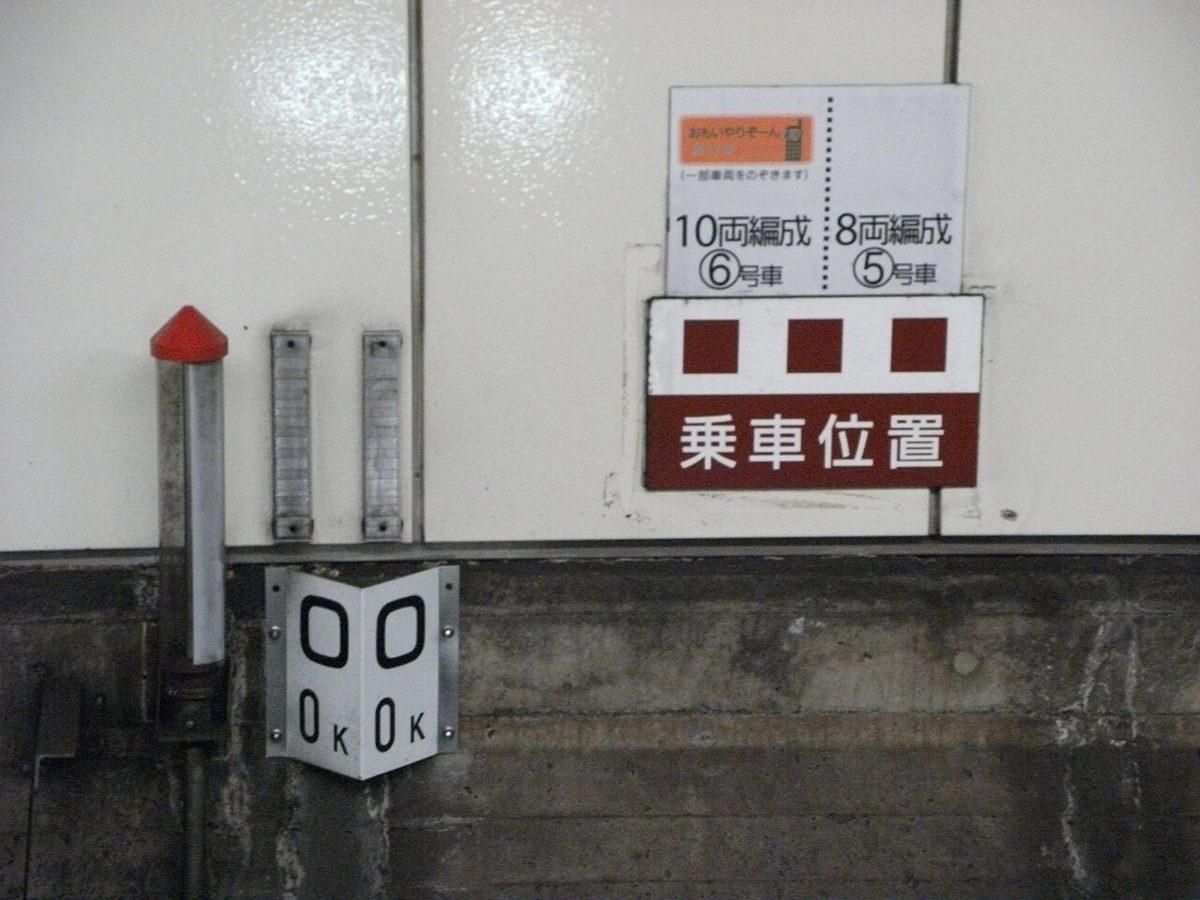
The thing that trips up nearly every first-timer is that Tokyo’s rail network isn’t one system. JR East runs the Yamanote loop and the suburban lines. Tokyo Metro runs nine subway lines. Toei runs four more subway lines plus some buses. Then there are private railways like Keio, Odakyu, and Tobu out to the suburbs. No single pass covers all of them, and that’s why the famous nationwide Japan Rail Pass is largely useless inside Tokyo, it only works on JR, and a subway-heavy day in the city wastes it.
So the smart approach is to match the pass to how you’ll actually move. If your days are subway-based (most central sightseeing is), the Tokyo Subway Ticket wins. If you’ll loop around on the Yamanote line, the JR Tokunai Pass is the JR equivalent. And an IC card like Suica fills every gap by working across all of them on pay-as-you-go. Understanding that split is the single most useful thing in this whole guide; the rest is detail. Our breakdown of Suica vs Pasmo goes deeper on the IC-card side.
Tokyo Subway Ticket: the one most tourists should buy
This is the standout deal for visitors. The Tokyo Subway Ticket gives you unlimited rides on every Tokyo Metro and Toei Subway line, two networks, one ticket, for a fixed run of hours. In 2026 it costs ¥800 for 24 hours, ¥1,200 for 48 hours, and ¥1,500 for 72 hours (children half price). It’s a physical paper ticket, and the clock starts when you first tap through a gate, not at midnight, so a 24-hour ticket bought at 2pm runs until 2pm the next day.
Does it actually pay off?
Do the maths and it’s easy. A single subway ride in central Tokyo runs about ¥180 to ¥210. The 24-hour ticket at ¥800 breaks even at roughly four rides, which is a normal sightseeing day here: hotel to Asakusa, Asakusa to Ueno, Ueno to Ginza, Ginza back. Anything beyond that is profit. Over 48 or 72 hours the savings stack up fast because the per-day cost drops (the 72-hour works out to ¥500 a day). For a typical three-day, museum-and-neighbourhood trip, the 72-hour ticket is one of the best-value things you can buy in the city.
The catch: eligibility and coverage
- Tourists only. It’s sold to short-term visitors entering Japan on a temporary-visitor status. You may be asked to show a passport when buying at certain counters.
- Metro + Toei only. It does not cover JR (so no Yamanote loop) or private lines. If your hotel is on a JR-only stretch, factor in that you’ll still tap a Suica for those hops.
- Where to buy: Haneda and Narita airport counters, major subway stations, the BIC Camera/Yodobashi travel desks, and online via Klook or KKday (often a touch cheaper, then you redeem a voucher).
My rule: if you’re staying central and doing classic sightseeing, buy the 72-hour version on arrival at the airport and a Welcome Suica alongside it for the few JR gaps. For deeper subway-pass detail, including the Metro-only 24-hour ticket and route ideas, see our Tokyo subway passes guide.
Suica, Pasmo, and Welcome Suica: the cards behind every decision
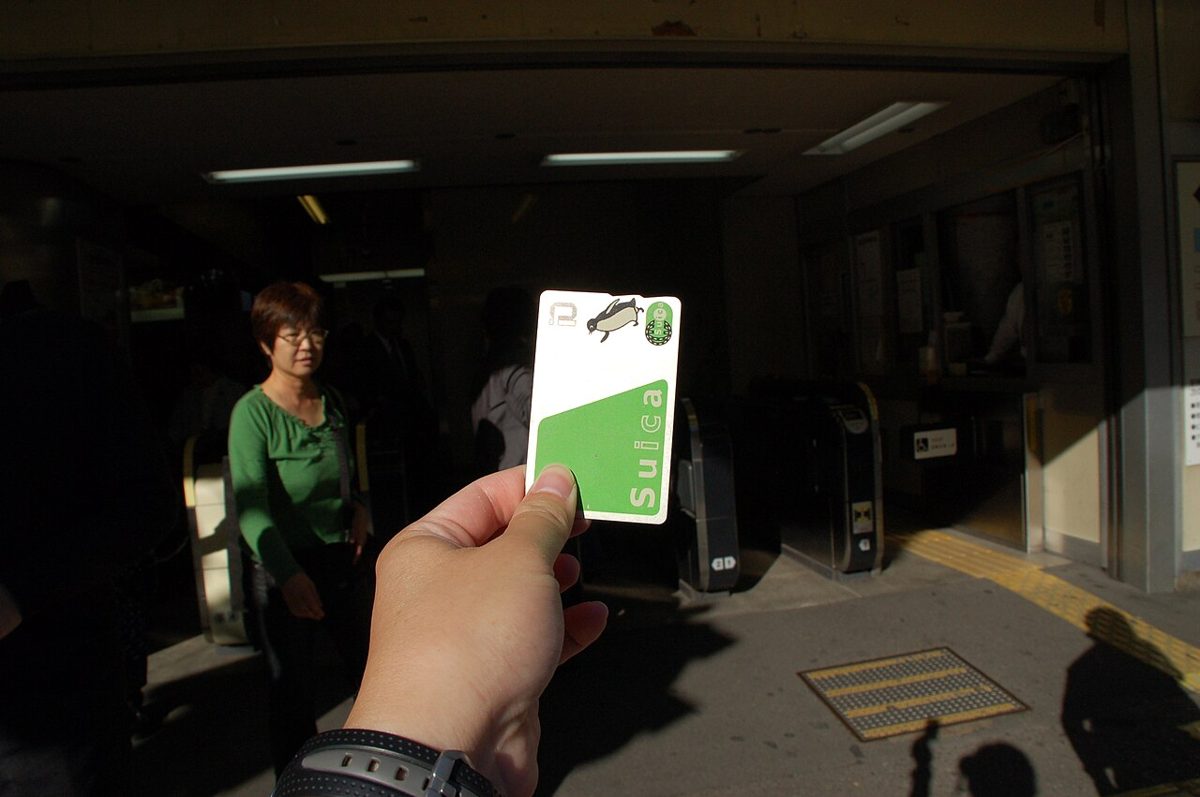
Before passes, you need context on IC cards, because they’re the default way locals pay and they fill every gap a pass leaves. Suica (from JR East) and Pasmo (from the private and subway operators) are rechargeable tap-and-go cards that work on virtually every train, subway, and bus in greater Tokyo, plus convenience stores, vending machines, and lockers. They’re not unlimited passes; you load yen and each ride deducts the fare. The convenience is the point: one tap, no working out which company runs which line.
What changed recently (and why it matters)
There was a stretch when a global chip shortage forced JR East to suspend sales of unregistered Suica and Pasmo cards. That’s over. As of March 1, 2025, plain unregistered Suica and Pasmo cards are sold again at station machines across eastern Japan, no name or personal details required, with the usual ¥500 refundable deposit. So the simplest option, walk up to a machine and buy a normal Suica, is back on the table.
Welcome Suica: the tourist version
If you’d rather not deal with the deposit, the Welcome Suica is the visitor card. It needs no deposit, you just load and go, and it’s valid for 28 days from issue, after which any leftover balance is forfeited (so don’t overload it near the end). You can pick one up at Haneda and Narita airports and a handful of major JR stations. There’s also a Welcome Suica Mobile app, launched in 2025, that puts the same thing on a phone for travellers whose devices support it. Note one discontinuation: the old Pasmo Passport tourist card was retired in 2024, so don’t go looking for it.
Which card? If you’ll never return to Japan, the Welcome Suica saves you the deposit faff. If you might come back, a standard Suica or Pasmo never really expires for use and the ¥500 deposit is refundable. Either way, an IC card is the partner to whatever pass you choose, not a competitor to it. The full comparison lives in our Suica vs Pasmo guide.
JR Tokunai Pass: unlimited JR inside the 23 wards
The Tokyo Metropolitan District Pass, usually called the Tokunai Pass, is the JR counterpart to the Tokyo Subway Ticket. For ¥760 you get one day of unlimited rides on local and rapid JR East trains within Tokyo’s 23 special wards, which crucially includes the entire Yamanote loop, the line that strings together Shinjuku, Shibuya, Harajuku, Ueno, Akihabara, and Tokyo Station. If your day is built around hopping the loop, this is the cheapest way to do it.
When does it beat a Suica? The Yamanote averages around ¥160 to ¥200 a hop, so the ¥760 pass pays off at about four or five JR rides in a day, realistic if you’re circling the city’s west-side districts. It does not cover the subway, so it’s the opposite trade-off from the Tokyo Subway Ticket. Some travellers buy both on a big day, but for most people it’s one or the other depending on whether the day is JR-led or Metro-led. Buy it from JR East ticket machines or counters; note that the old bundled-with-Suica version was discontinued in mid-2025, so you purchase it as a standalone ticket now.
Grutto Pass: the museum-lover’s bargain
If your Tokyo is more about culture than transit, the Grutto Pass (officially the Tokyo Museum Grutto Pass) is the one to know. The 2025 edition costs ¥2,500 and gives you free or discounted admission to more than 100 museums, art galleries, zoos, aquariums, botanical gardens, and historic sites across Tokyo and nearby. It’s a booklet of tickets, some venues let you in free, others give a discount, valid for two months from the day you first use it.
How to know if it’s worth ¥2,500
It’s a numbers game. Individual museum entry in Tokyo typically runs ¥500 to ¥1,000, and big names like the Tokyo Metropolitan Art Museum, the National Museum of Nature and Science, Ueno Zoo, and several classic gardens (Rikugien, Hama-rikyu) are in the lineup. As a rough rule, if you’ll visit eight to ten venues, mixing the free-entry ones with the discounted ones, the Grutto Pass comes out ahead. Below that, pay per visit. The two-month window is generous enough that even a slower, museum-a-day pace works.
Two honest caveats. First, the headline blockbuster shows (the special exhibitions) often aren’t included, only the permanent collections, so check before you bank on a specific exhibit. Second, ¥2,500 is dead money if you only manage three or four venues, which is easy to do when jet lag and other plans eat your days. Be realistic about your museum appetite. If you are a serious gallery-goer, though, it’s the best cultural-value pass in the city. For more ways to trim costs across the board, see our 20 hacks for a cheaper Tokyo trip.
Attraction combo tickets and what to skip
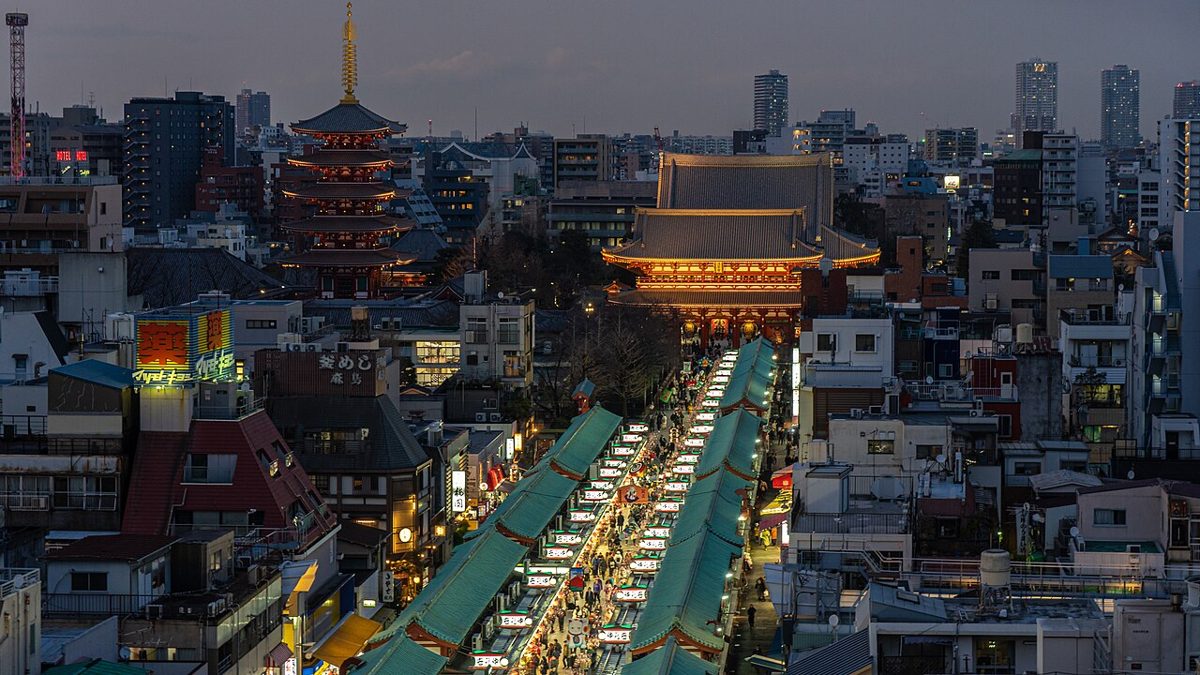
Beyond transport and museums, you’ll see a swarm of attraction bundles, mostly sold by third-party sites. A few are useful; many just package things you could buy individually for the same price. Here’s how I’d triage them.
- Worth a look: combined Skytree + aquarium or Skytree + observation tickets can shave a little if you were doing both anyway; same with theme-park multi-day tickets bought ahead to skip queues.
- Often pointless: generic “Tokyo attraction passes” that claim dozens of venues but bundle places you’d never visit, the per-visit value rarely beats paying as you go.
- Genuinely free alternatives exist: remember the Tokyo Metropolitan Government Building observation decks are free, so don’t pay for a skyline view unless you specifically want Skytree’s height. Our guide to Tokyo’s free attractions covers the no-cost options.
- Pre-booking value: the real saving on attractions is often skipping the ticket line (and sometimes a small online discount), not the headline “pass” framing.
The honest summary: there is no single attraction pass that’s a slam-dunk for everyone the way the Tokyo Subway Ticket is for transport. Buy attraction tickets for the specific things you’ll actually do, and lean on the Grutto Pass if museums dominate your plans.
Don’t pay for what’s already free
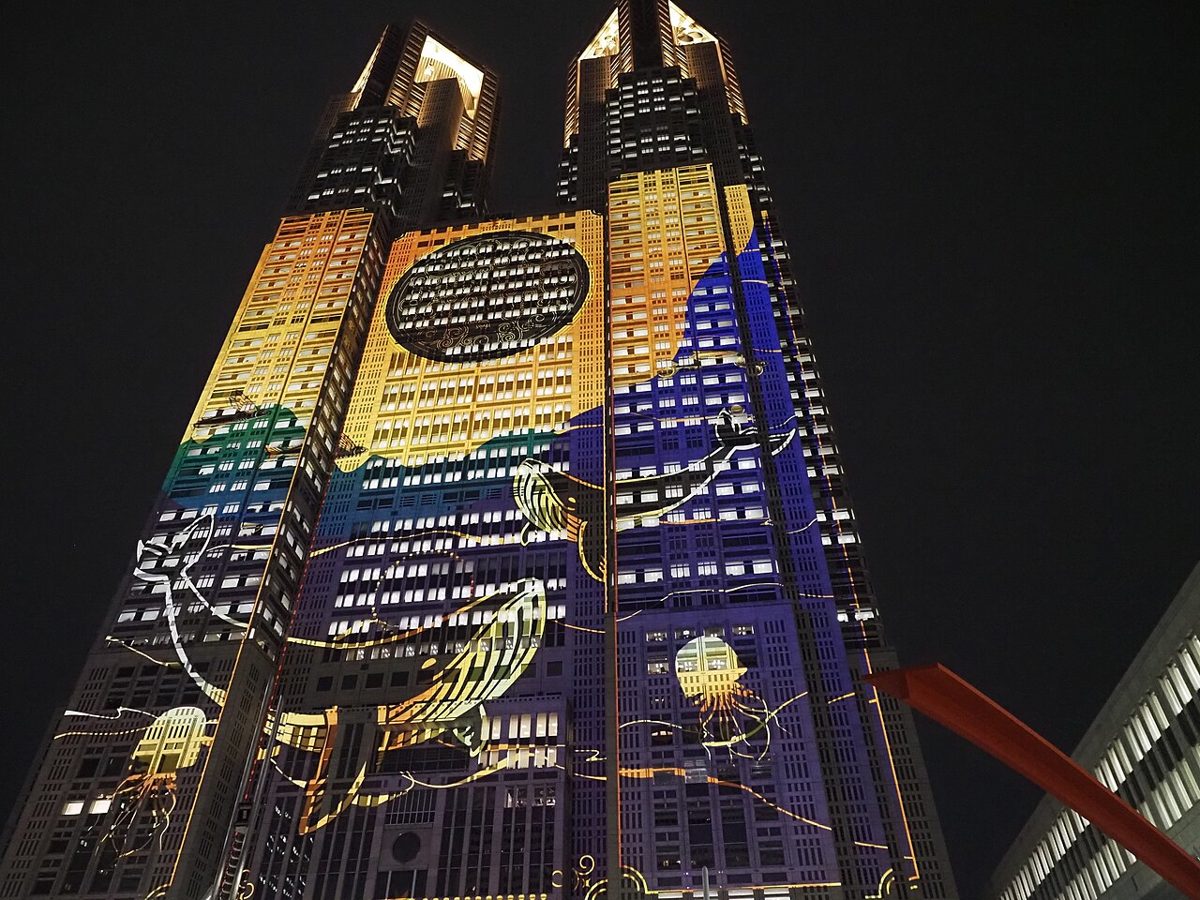
It’s worth saying plainly because the pass marketing won’t: a lot of Tokyo costs nothing. The big shrines and temples (Meiji Jingu, Senso-ji), the Tokyo Metropolitan Government Building observation decks, the Imperial Palace East Gardens, and the major parks are all free to enter. A pass only saves money against things you’d otherwise pay for, so before you buy any attraction bundle, check whether your must-sees are free in the first place. Pair the passes in this guide with our roundup of Tokyo’s free attractions and you avoid paying twice.
Which pass for which traveller
To make this concrete, here’s how I’d advise a few common trip types. Match yourself to the closest one.
- Three-day first-timer, central hotel: 72-hour Tokyo Subway Ticket (¥1,500) + a Welcome Suica for JR gaps. Add the Grutto Pass only if you’re a museum person.
- One big sightseeing day: if it’s subway-led, the 24-hour Tokyo Subway Ticket (¥800); if it’s a Yamanote-loop day, the Tokunai Pass (¥760). Don’t buy both unless you genuinely criss-cross.
- Museum-focused culture trip: Grutto Pass (¥2,500) as the centrepiece, plus a Welcome Suica for getting between venues.
- Relaxed flexible traveller: skip the time-limited passes entirely and just tap a Suica/Welcome Suica everywhere. You’ll spend a little more on transit but never watch a clock.
- Returning visitor: a standard Suica or Pasmo (refundable deposit, doesn’t expire for use) over the 28-day Welcome Suica, so the card is ready for next time.
Common pass mistakes to avoid
- Buying a Japan Rail Pass for a Tokyo-only trip. It’s built for intercity bullet trains and barely helps inside the city, where you’re mostly on subways it doesn’t cover.
- Mixing up Metro and Toei. The Tokyo Metro 24-hour ticket (¥600) covers Metro only; if your route uses Toei lines too, you need the Tokyo Subway Ticket or the combined one-day ticket instead.
- Overloading a Welcome Suica near the end. The balance dies at 28 days and isn’t refundable, so top up in small amounts as you go.
- Assuming the subway ticket covers JR. It doesn’t. A surprising number of routes need one JR hop, so carry an IC card too.
- Buying the Grutto Pass for a three-museum trip. Below roughly eight venues you’ll lose money; pay per entry instead.
- Forgetting the clock is hour-based. A 24-hour subway ticket runs 24 hours from first tap, not until midnight, so time your first ride to squeeze in two sightseeing days if you can.
Buying passes: online, airport, or station?
Where you buy can change both the price and the hassle. Here’s the practical rundown after doing this more times than I can count.
- At the airport: Haneda and Narita both have transport counters where you can grab a Welcome Suica and the Tokyo Subway Ticket the moment you land, before you even take your first train. This is the easiest option and what I’d recommend for most first-timers, you’re sorted before you hit the city.
- Online in advance (Klook, KKday, Rakuten): the Tokyo Subway Ticket is often a little cheaper booked online, where you receive a voucher to redeem at a counter on arrival. Worth it if you like locking things in, but you still have to queue to exchange the voucher, so the time saving is small.
- At subway stations: the Tokyo Subway Ticket and Metro day tickets are sold at major Metro and Toei stations from machines or staffed windows. Fine if you decide to buy mid-trip rather than at the airport.
- IC cards at any machine: standard Suica and Pasmo come straight from station ticket machines, which switch to English easily. Welcome Suica is airport-and-major-station only.
One tip: don’t overthink the few-hundred-yen online discount. The bigger win is having your pass in hand when you arrive so you’re not fumbling at a machine with luggage. Sort transport first, sightseeing second.
Squeezing maximum value from a time-limited pass
The hour-based passes reward a little planning. Because the Tokyo Subway Ticket runs 24, 48, or 72 hours from your first tap rather than per calendar day, you can stretch it across more sightseeing if you time the first ride well.
- Start the clock late on day one. Activate a 48-hour ticket in the early afternoon and it covers the back half of one day, a full middle day, and the front half of a third, three days of sightseeing on a two-day ticket.
- Cluster subway-heavy days under the pass. Save your JR-loop day or your walking-everywhere day for outside the pass window, and concentrate the multi-ride subway days inside it.
- Walk the short hops, ride the long ones. Even with unlimited rides, some stations are a five-minute walk apart; stretching your legs between close sights keeps the pass earning on the journeys that count.
- Keep a Suica topped up for the edges. When the pass clock runs out mid-afternoon, you don’t want to be buying single paper tickets, tap your IC card and move on.
Used well, a 72-hour Tokyo Subway Ticket can comfortably carry you through the meat of a four-day trip for ¥1,500. That’s the kind of small optimisation that, stacked with free attractions and cheap eats, keeps a Tokyo trip surprisingly affordable. The wider strategy lives in our Tokyo on a budget pillar and our practical how-to on moving around Tokyo.
Views are where passes most often tempt people into overspending. A bundled deck ticket only pays back if you would have paid full price for that deck anyway, and the free 45th-floor observatories at the Tokyo Metropolitan Government Building undercut every one of them. Before counting a deck as pass value, compare the options in our guide to Tokyo observation decks.
Frequently Asked Questions
Which Tokyo pass is best for tourists?
For most short-stay visitors the Tokyo Subway Ticket is the best value: ¥800 for 24 hours, ¥1,200 for 48, or ¥1,500 for 72 hours of unlimited Tokyo Metro and Toei Subway rides. Pair it with a Welcome Suica for the JR gaps it doesn’t cover. Museum lovers should add the Grutto Pass (¥2,500) for 100-plus venues over two months.
Is the Japan Rail Pass worth it just for Tokyo?
No. The Japan Rail Pass is designed for long-distance bullet-train travel between cities and only works on JR lines. Inside Tokyo most sightseeing happens on the subway, which the JR Pass doesn’t cover, so it’s poor value for a Tokyo-only trip. Use a Tokyo Subway Ticket, a JR Tokunai Pass, or simply a Suica instead.
Where can I buy the Tokyo Subway Ticket and who is eligible?
You can buy it at Haneda and Narita airports, major subway stations, electronics-store travel desks, and online through sites like Klook or KKday. It’s sold to overseas visitors on a short-term-stay status, and you may be asked to show your passport. The validity clock starts when you first tap through a ticket gate, not at purchase.
Can I still get an unregistered Suica or Pasmo card?
Yes. After a chip shortage paused sales, unregistered Suica and Pasmo cards returned to station machines across eastern Japan on March 1, 2025, with a ¥500 refundable deposit. Tourists can also get the no-deposit Welcome Suica (valid 28 days) at the airports. The old Pasmo Passport tourist card was discontinued in 2024.
Is the Grutto Pass worth it?
It depends on how many museums you’ll visit. At ¥2,500 for free or discounted entry to more than 100 venues over two months, the Grutto Pass pays off if you hit roughly eight to ten museums, zoos, or gardens. Below that, paying per entry (usually ¥500 to ¥1,000 each) is cheaper. Note that special exhibitions are often excluded.
Photo Credits
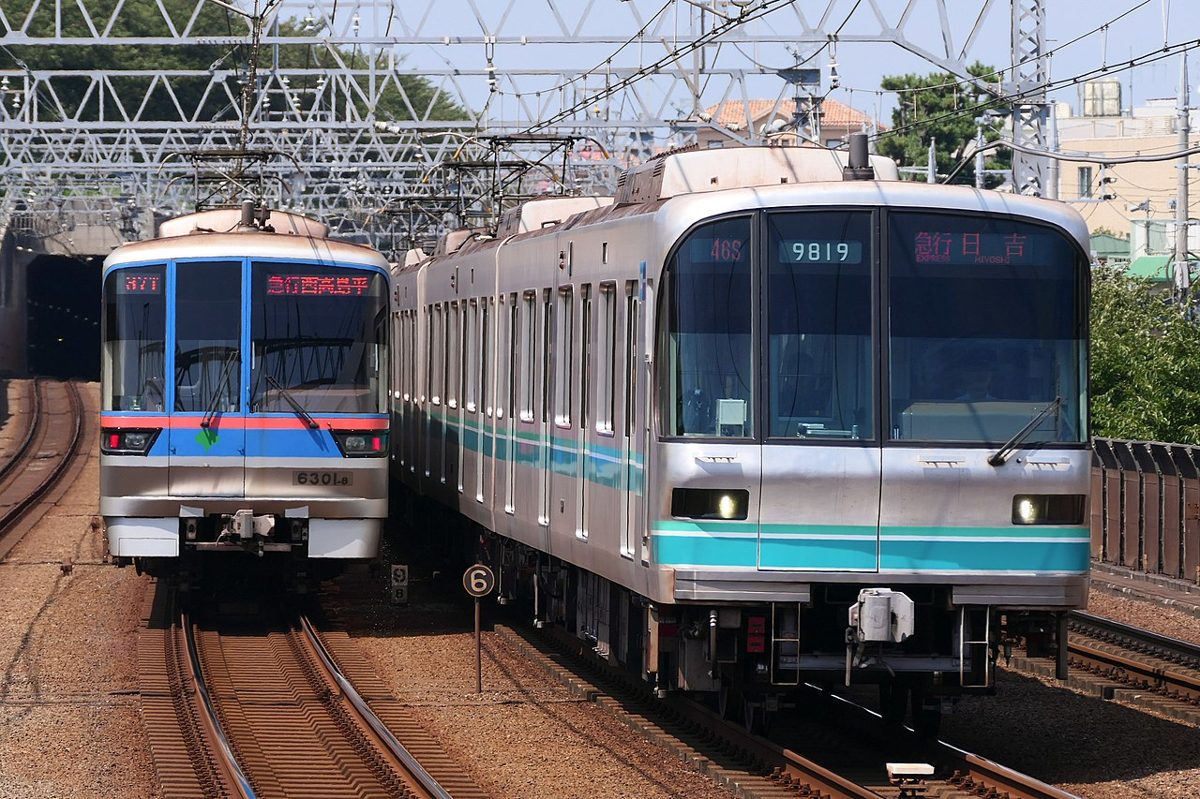
- Tokyo Metro trains, covered by the Tokyo Subway Ticket along with Toei lines — Photo: Photo: MaedaAkihiko This photo was taken with Panasonic Lumix DC-FZ1000 II / CC BY-SA 4.0 via Wikimedia Commons via Wikimedia Commons
- A Suica IC card, the pay-as-you-go option behind every Tokyo pass decision — Photo: Photo: Marufish from Alor Setar, Malaysia / CC BY-SA 2.0 via Wikimedia Commons via Wikimedia Commons
- A Tokyo subway concourse; choosing the right pass starts with how you’ll ride — Photo: Photo: Yamabato / CC BY-SA 4.0 via Wikimedia Commons via Wikimedia Commons
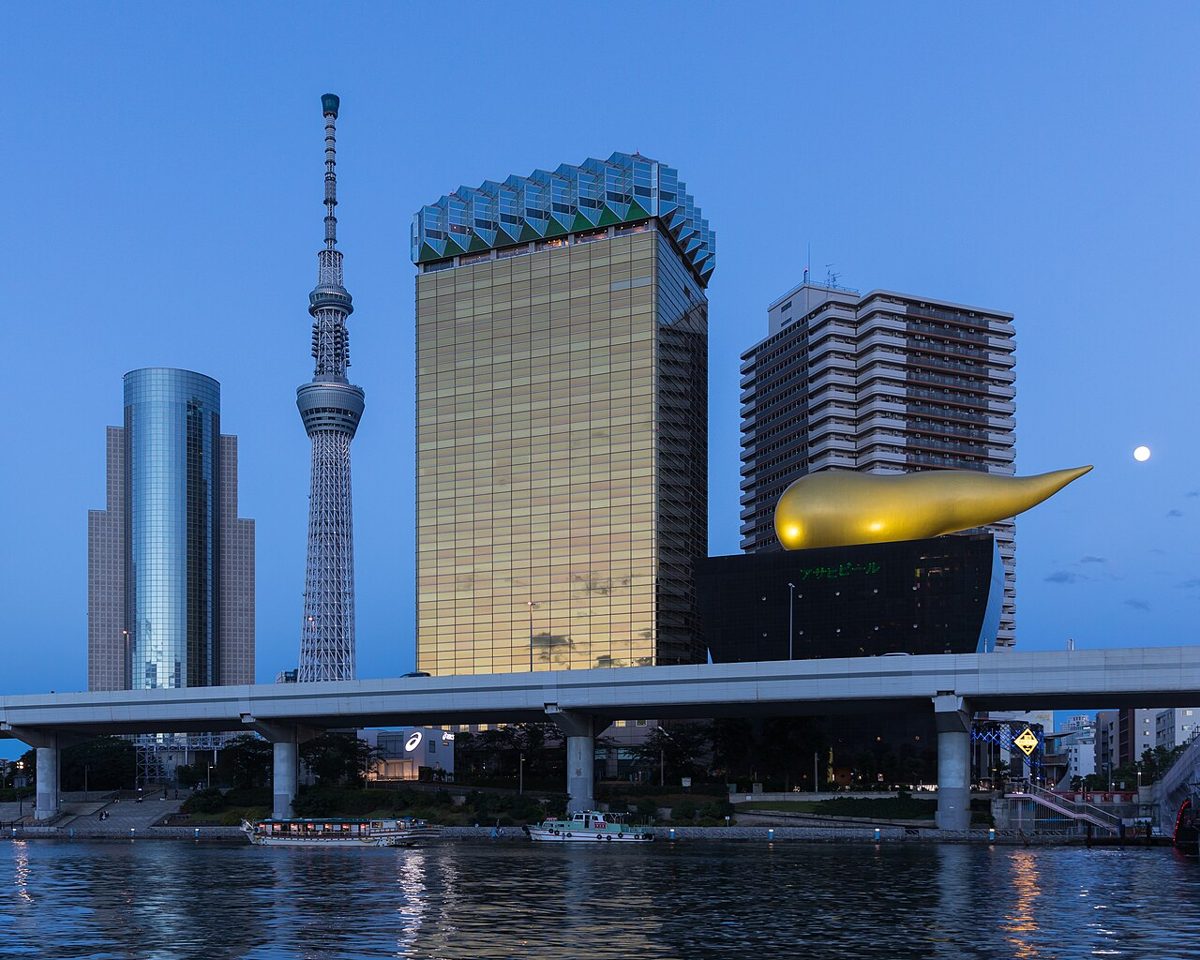
- Tokyo Skytree, one of the attractions that combo tickets and passes discount — Photo: Photo: Basile Morin / CC BY-SA 4.0 via Wikimedia Commons via Wikimedia Commons
- Asakusa’s Senso-ji, an easy stop on the subway lines a Tokyo pass covers — Photo: Photo: Prcmise / CC BY-SA 4.0 via Wikimedia Commons via Wikimedia Commons
- The free Tocho observation decks, a reminder that not everything needs a pass — Photo: Photo: Insightwm / CC BY-SA 4.0 via Wikimedia Commons via Wikimedia Commons
- Sightseeing buses and tours sit alongside transit passes in the Tokyo toolkit — Photo: Photo: Comyu / CC0 via Wikimedia Commons via Wikimedia Commons