Tokyo Travel Planning · Guide №059
Tokyo Travel Insurance: What You Need & How to Choose
Why Tokyo travel insurance matters, what good policies cover, how much medical coverage to get, credit-card vs standalone, and what to do in an emergency.
目次 — Contents
- Do You Actually Need Travel Insurance for Tokyo?
- What a Good Tokyo Travel Insurance Policy Covers
- How Much Coverage Should You Look For?
- Credit-Card Travel Insurance vs a Standalone Policy
- What Travel Insurance Usually Doesn’t Cover
- How to Choose and Compare Policies
- What to Do in a Medical Emergency in Tokyo
- Quick Recap: Insurance Essentials for Tokyo
- Frequently Asked Questions
- The Bottom Line on Tokyo Travel Insurance
- Photo Credits
This article contains advertising. Our booking links are routed through a partner that adds commission tracking automatically, so if you book through one we earn a commission from the provider, at no extra cost to you. It never affects what we recommend. Affiliate disclosure
Do you need Tokyo travel insurance? For most visitors it is not legally required, but it is one of the smartest few dollars a day you will spend on the trip. The reason is simple: as a foreign tourist you are not covered by Japan’s national health insurance, so if you get sick or hurt, you pay the hospital out of your own pocket, often upfront, and Japanese care is excellent but not cheap. A single emergency-room visit, a few nights in hospital, or a medical evacuation home can turn a dream trip into a five-figure bill. Insurance is what stands between a bad day and a financial disaster.
I never fly to Japan without a policy, and after years of trips (and one friend’s appendix attack in Shinjuku that drove the point home) I have a clear sense of what actually matters. This guide walks through whether you need cover, what a good policy includes, how much medical coverage to look for, the credit-card-versus-standalone question, what is usually excluded, how to compare plans, and exactly what to do if you face a medical emergency in Tokyo. I will keep all the price talk general, because premiums depend on your age, trip length, and home country; the right move is always to get a few quotes and read the policy wording. Treat this as your framework, not a sales pitch.
Do You Actually Need Travel Insurance for Tokyo?
Japan does not require most short-stay, visa-exempt tourists to hold travel insurance as a condition of entry. So in the narrow legal sense, no, you can technically arrive without it. But “not required” and “not needed” are very different things, and here is why nearly every experienced traveler buys it anyway.
- You are not in the national health system. Japan’s universal healthcare covers residents who pay into it. As a tourist, you are a private-pay patient: the full cost lands on you.
- Hospitals often want payment upfront. Many Japanese hospitals ask foreign patients to pay (or guarantee payment) before or immediately after treatment, sometimes in cash. Without insurance or a way to pay, this gets stressful fast.
- Costs add up quickly. A clinic visit might be modest, but an emergency-room trip, surgery, or a hospital stay runs into the hundreds of thousands of yen, and a medical evacuation back home can cost tens of thousands of US dollars. These are exactly the events insurance exists for.
- It is about more than medical. A cancelled flight, a stolen bag, a typhoon-delayed connection, or having to cut a trip short for a family emergency are all things a policy can soften.
There is also a practical, forward-looking reason to keep your affairs clean: Japan has signaled tighter scrutiny of visitors who leave unpaid medical bills behind, and immigration takes a dim view of debts to Japanese institutions. Having proper cover means you are never the person who skipped out on a hospital bill. If you are still sorting your entry details, our Tokyo visa requirements guide covers the rules; insurance is the companion piece that protects you once you are in the country. For the bigger planning picture, the Tokyo travel planning hub ties it all together.

What a Good Tokyo Travel Insurance Policy Covers
Travel insurance is really a bundle of separate protections. Some matter enormously in Japan, others are nice-to-haves. Here is what to look for and why each one earns its place.
| Coverage type | What it protects | Why it matters in Japan |
|---|---|---|
| Emergency medical & hospitalization | Doctor visits, ER, surgery, inpatient stays | You pay out of pocket as a tourist; this is the core reason to insure |
| Medical evacuation & repatriation | Transport to adequate care or home; returning remains | Evacuation home can cost tens of thousands of dollars |
| Trip cancellation | Pre-paid costs if you must cancel before departure | Flights and hotels to Japan are rarely cheap or refundable |
| Trip interruption | Costs if you must cut the trip short | Family emergency or illness mid-trip |
| Travel delay | Meals/accommodation during long delays | Typhoons and snow can ground flights, especially in summer/winter |
| Baggage loss & delay | Lost, stolen, or delayed luggage and essentials | Replacing gear; rare theft but delays happen |
| Personal liability | If you accidentally injure someone or damage property | Useful anywhere; covers genuine accidents |
| Adventure activities | Injuries doing listed activities (often an add-on) | Climbing Mt. Fuji, skiing in winter, diving in the islands |
The two lines you should care about most are emergency medical and medical evacuation. Trip cancellation and baggage are genuinely useful, but they protect your wallet against inconvenience; the medical lines protect you against catastrophe. When you compare policies, read those two sections first.

How Much Coverage Should You Look For?
I will give you sensible general targets rather than pretend there is one magic number, because the right amount depends on your home country’s norms, your trip, and the insurer. As a rule of thumb that most travel-insurance professionals would recognize:
- Emergency medical: aim for a generous limit, commonly in the range of at least US$50,000–$100,000 (or your currency equivalent). Japanese hospital care is high quality and a serious incident can be expensive, so do not skimp here to save a few dollars on the premium.
- Medical evacuation/repatriation: look for a high limit, often US$100,000 or more, sometimes up to $500,000 on comprehensive plans. Evacuation is the single most expensive thing that can happen, and it is exactly when you do not want a low cap.
- Trip cancellation/interruption: enough to cover your total non-refundable trip cost (flights plus pre-paid hotels and tours).
- Baggage and delay: modest limits are fine; just check the per-item cap if you carry pricey electronics or camera gear.
These are illustrative ranges, not guarantees or recommendations of any specific product, and actual adequate limits vary by person. The point is to choose limits that would genuinely cover a worst-case scenario, then read what each plan actually pays. Do not assume a cheap plan with a low medical cap is “enough” just because it is the cheapest result on a comparison site.
Credit-Card Travel Insurance vs a Standalone Policy
Many premium credit cards include some travel insurance when you pay for the trip with the card, and that can be a real perk. But it is rarely a complete substitute for a proper policy, and the gaps tend to be exactly the things that matter for Japan. Here is how the two stack up.
| Factor | Credit-card travel insurance | Standalone travel insurance |
|---|---|---|
| Cost | Included with the card (no extra premium) | Separate premium you pay per trip or per year |
| Medical & evacuation cover | Often limited, capped low, or absent | Designed around it, with high limits available |
| Trip cancellation/delay | Sometimes included, with conditions | Comprehensive, clearer terms |
| Activation requirement | Usually must book the trip on that card | Covers you regardless of how you paid |
| Coverage flexibility | Fixed by the card issuer | Choose limits, add adventure sports, etc. |
| Claims & support | Via the card’s benefits administrator | Dedicated 24/7 emergency assistance line |
My honest take: by all means check what your credit card already provides (call the issuer and ask for the benefits guide), and it may neatly cover trip delays or rental-car issues. But for the medical and evacuation cover that is the whole reason to insure a Japan trip, a dedicated standalone policy is usually the safer bet, and they are inexpensive for what they protect against. If your card has strong medical cover, great; verify the limits in writing rather than assuming.

What Travel Insurance Usually Doesn’t Cover
Reading the exclusions is the least fun part of buying insurance and the part that saves you from a denied claim. Common exclusions to watch for:
- Pre-existing medical conditions, unless declared and specifically covered (sometimes for an extra premium). If you have an ongoing condition, disclose it and confirm in writing that it is covered.
- Alcohol- and drug-related incidents. Injuries sustained while intoxicated are frequently excluded, something to keep in mind around Tokyo’s nightlife.
- Extreme or unlisted activities. Standard plans may not cover skiing, snowboarding, scuba diving, or even climbing Mt. Fuji unless you add the relevant adventure or winter-sports option. If you plan to do any of these, buy the add-on.
- Reckless behavior and rule-breaking. Ignoring official warnings (climbing a closed trail, swimming in a typhoon) can void a claim.
- Routine or elective care, and anything that is not sudden and unforeseen. Insurance is for emergencies, not check-ups.
- Travel against advice, such as visiting an area under an official “do not travel” warning, or claims related to events you knew about before buying.
None of this is a reason to skip insurance; it is a reason to buy the right plan and answer the questions honestly. A policy that matches what you will actually do in Japan, including any Mt. Fuji climb or winter ski trip, is worth far more than the cheapest plan that excludes half your itinerary.

How to Choose and Compare Policies
Comparison sites are useful, but cheapest-first sorting can steer you to thin cover. Here is the process I use to pick a Tokyo travel insurance policy.
- Start with the medical and evacuation limits. Filter for plans with limits that would genuinely cover a serious incident, then compare from there. Do not let a low-cap bargain plan be your default.
- Match coverage to your trip. Climbing Fuji, skiing in Niigata or Nagano, diving off the Izu islands? Confirm those activities are covered or add them. Carrying expensive gear? Check the single-item baggage limit.
- Declare pre-existing conditions and confirm they are covered in writing. An undeclared condition is the classic reason a big claim gets denied.
- Check the deductible/excess (what you pay before the policy kicks in) and weigh it against the premium.
- Verify there is a 24/7 emergency assistance line. When something goes wrong at 3 a.m. in Tokyo, you want a number that connects you to people who can direct you to care and handle billing.
- Read how claims work. Does the insurer pay the hospital directly, or do you pay and get reimbursed? Either is fine, but know which, and keep every receipt and report.
- Get a few quotes. Premiums vary by age, trip length, and provider, so compare two or three reputable insurers rather than buying the first result.
Buy your policy as soon as you have booked the big-ticket items, because trip-cancellation cover only helps if it is in place before the thing that forces a cancellation. Keep a copy of the policy number and the emergency line saved on your phone and on paper. While you are organizing the practical side of the trip, our Tokyo first-time tips guide covers the on-the-ground details, and the Tokyo money guide explains how payments and cash work, which matters if a hospital asks you to pay upfront.
What to Do in a Medical Emergency in Tokyo
Hopefully you never need this section, but knowing it in advance is part of traveling smart. Tokyo has world-class hospitals and several with English-speaking services, and the emergency system works well once you know how to reach it.
Calling for Help: 119
For a serious emergency (ambulance or fire), dial 119 from any phone. It is free to call, and the ambulance ride itself is free in Japan. The Tokyo Fire Department can handle calls in multiple languages; speak slowly and clearly, state that you need an ambulance (“kyukyusha”), and give your location. For police, the number is 110. There is also the Japan Visitor Hotline run by JNTO (050-3816-2787), available 24/7 in English, Chinese, Korean, and Japanese, which can help tourists with accidents, illness, and disaster guidance.
Finding the Right Hospital
Two resources are genuinely useful for visitors:
- Himawari (Tokyo Metropolitan Medical Information Service): a Tokyo government service that helps you find medical institutions and pharmacies, with multilingual support. You can search online or call 03-5285-8181 (roughly 9 a.m.–8 p.m. daily) for help in English, Chinese, Korean, Thai, or Spanish.
- English-speaking hospitals and clinics: St. Luke’s International Hospital in Tsukiji has long international roots and broad departments including emergency medicine, and there are private international clinics such as the Tokyo Medical and Surgical Clinic in Shiba-koen that are used to treating foreign patients. Note that even “international” facilities may ask you to arrange interpretation for complex cases, and clinics keep set hours, so call ahead when you can.
When you get treatment, this is where your insurance earns its keep: keep every receipt, diagnosis, and document, and contact your insurer’s 24/7 line as early as you can, both so they can guide you to an appropriate facility and so your claim goes smoothly. If the hospital expects upfront payment and you are waiting on the insurer, having a card with available credit (and some cash) bridges the gap.

Quick Recap: Insurance Essentials for Tokyo
- Not legally required for most tourists, but strongly advised, you pay your own medical bills as a visitor.
- Prioritize high emergency medical and medical evacuation limits above everything else.
- Check what your credit card already covers, but treat a standalone policy as the reliable medical backstop.
- Add cover for adventure activities (Mt. Fuji, skiing, diving) if your itinerary includes them.
- Declare pre-existing conditions; watch out for alcohol and extreme-sport exclusions.
- Save the 119 emergency number, the JNTO hotline, Himawari, and your insurer’s 24/7 line before you go.
- Compare a few quotes; premiums vary, and the cheapest plan is rarely the best-covered.
Frequently Asked Questions
Is travel insurance required to visit Tokyo or Japan?
No, travel insurance is not a legal entry requirement for most short-stay, visa-exempt tourists visiting Japan. However, it is strongly recommended, because as a foreign visitor you are not covered by Japan’s national health system and must pay medical costs out of pocket, often upfront. An emergency-room visit, hospital stay, or medical evacuation can be very expensive, so a policy with strong medical and evacuation cover is widely considered essential rather than optional.
How much does travel insurance for Japan cost?
Premiums vary widely by your age, trip length, home country, and the limits you choose, so it is best to get a few quotes rather than rely on a single figure. As a guide, prioritize plans with high emergency-medical and medical-evacuation limits even if they cost a little more, since those are the protections that matter most in Japan. Compare two or three reputable insurers and read the policy wording before buying.
Does my credit card’s travel insurance cover Japan?
It might cover some things, like trip delays or rental-car issues, if you booked the trip on that card, but credit-card coverage often has limited or low medical and evacuation limits, which are exactly what you need most in Japan. Call your card issuer for the benefits guide and check the actual limits in writing. For the medical side, a dedicated standalone policy is usually the safer choice, and you can use both together.
What should I do in a medical emergency in Tokyo?
For a serious emergency, dial 119 for an ambulance (the call and the ride are free); dial 110 for police. The JNTO Japan Visitor Hotline (050-3816-2787) offers 24/7 multilingual help for tourists. To find an appropriate hospital, use the Tokyo government’s Himawari service (03-5285-8181) or head to an English-friendly facility such as St. Luke’s International Hospital. Keep all receipts and contact your insurer’s 24/7 assistance line as early as possible.
Does travel insurance cover climbing Mt. Fuji or skiing in Japan?
Not always automatically. Many standard policies exclude activities like climbing Mt. Fuji, skiing, snowboarding, and scuba diving unless you add an adventure or winter-sports option. If your Tokyo trip includes a Mt. Fuji climb in summer or a ski trip in winter, confirm those activities are covered and add the relevant package. Claims for excluded activities, or for incidents while ignoring official safety warnings, are typically denied.
The Bottom Line on Tokyo Travel Insurance
Tokyo travel insurance is not about expecting the worst; it is about making sure a rare bad moment, a sudden illness, a broken ankle on a Fuji trail, a cancelled flight, does not cost you a fortune in a country where visitors pay their own way. Get a policy with solid emergency-medical and evacuation limits, match it to what you will actually do, read the exclusions, and save the emergency numbers before you fly. It is a small, sensible line in the trip budget that buys real peace of mind. With that handled, you can plan the fun parts: start with the Tokyo travel planning hub and our Tokyo first-time tips.
Photo Credits
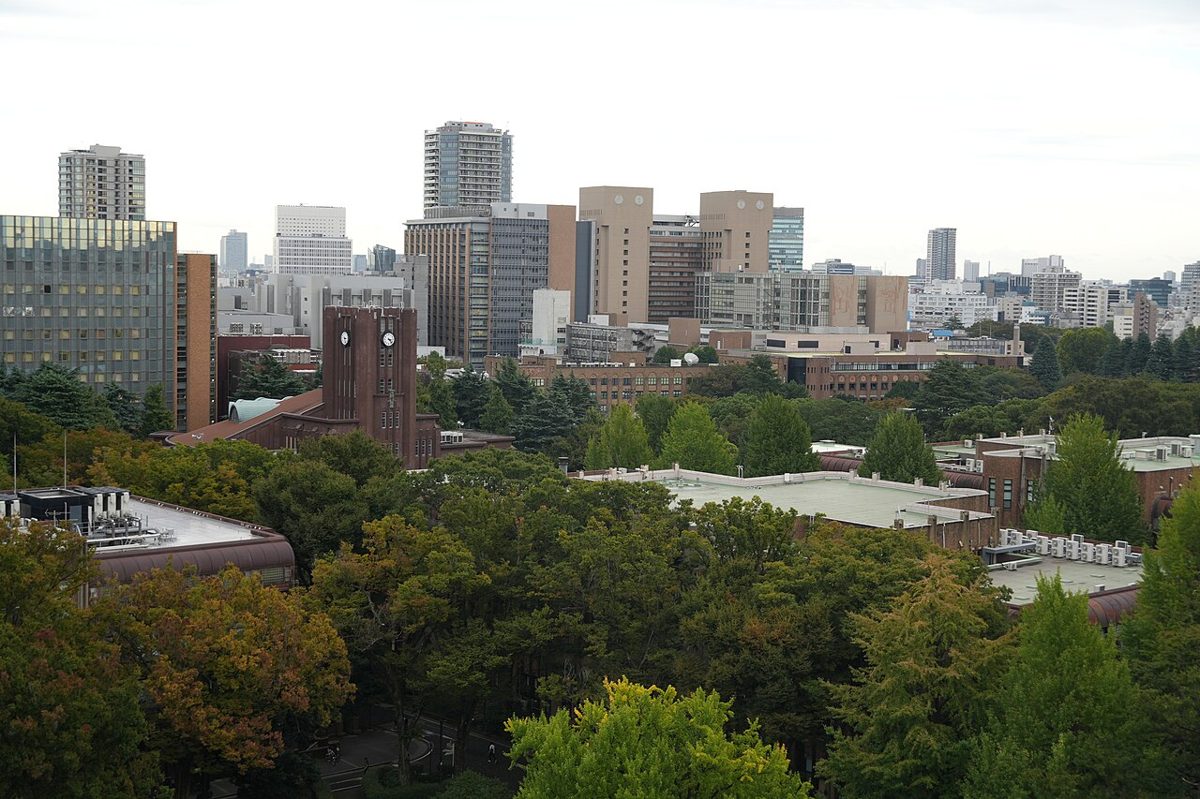
- Hospitals in Tokyo are excellent, but visitors pay out of pocket — Photo: Tokyo538 / CC0 via Wikimedia Commons via Wikimedia Commons
- Activities like climbing Mount Fuji may need adventure cover — Photo: Syced / CC0 via Wikimedia Commons via Wikimedia Commons
- Drugstores handle minor ailments; serious cases mean a hospital — Photo: Syced / CC0 via Wikimedia Commons via Wikimedia Commons
- Dial 119 for an ambulance; the ride itself is free — Photo: Kirakiraouji / CC BY-SA 3.0 via Wikimedia Commons via Wikimedia Commons
- Tokyo is safe, but accidents and illness can still happen — Photo: Ximonic (Simo Räsänen) / CC BY-SA 4.0 via Wikimedia Commons via Wikimedia Commons
- Skiing and snowboarding usually need a winter-sports add-on — Photo: Syced / CC0 via Wikimedia Commons via Wikimedia Commons