Where to Stay in Tokyo · Guide №092
Tokyo Capsule Hotels: Complete Guide to Japan’s Unique Stay
A real-world Tokyo capsule hotel guide: the pod experience, 2026 prices, the best chains and neighbourhoods, women-only options, etiquette and who they suit.

目次 — Contents
- What is a capsule hotel?
- The pod experience: what a night actually feels like
- The best capsule hotel chains in Tokyo (with 2026 prices)
- Capsule hotel comparison table
- Capsule hotel vs budget hotel: which is cheaper?
- Best areas for a capsule hotel in Tokyo
- Gender policies, women-only floors, lockers and check-in rules
- Capsule hotel etiquette: how not to be that guest
- Who capsule hotels suit — and mistakes to avoid
- Frequently Asked Questions
- Photo Credits
This article contains advertising. Our booking links are routed through a partner that adds commission tracking automatically, so if you book through one we earn a commission from the provider, at no extra cost to you. It never affects what we recommend. Affiliate disclosure
A capsule hotel is Tokyo’s most famous form of cheap accommodation: a private, bed-sized sleeping pod stacked in rows, with shared bathrooms, lockers and a communal bath down the hall. This Tokyo capsule hotel guide walks you through the pod experience, real 2026 prices, the best chains and neighbourhoods, gender rules, and the etiquette that keeps a pod floor liveable.
I’ve slept in pods from Shinjuku to Asakusa, and the short version is this: a capsule is not a gimmick to endure, it’s a genuinely good budget option if you know what you’re booking. Expect to pay roughly ¥3,000 to ¥7,000 a night for a clean, central bed near a JR station, often with a sauna and bath thrown in. Below I’ll show you exactly which ones are worth it.
What is a capsule hotel?
A capsule hotel, or pod hotel, is a Japanese accommodation type where each guest gets a single sleeping capsule roughly 1 metre wide, 2 metres long and 1 metre high — enough to lie down, sit up and stash a bag, but not to stand. The capsules are arranged in rows and usually double-stacked, like a very tidy set of bunk drawers. The first one opened in Osaka in 1979, designed by architect Kisho Kurokawa, and the format spread across Japan from there.
Inside your pod you typically get a mattress, a reading light, one or two power outlets, an air-conditioning vent and sometimes a small TV (bring or borrow headphones). What you do not get is a lockable door. By Japanese fire law a capsule can only be closed with a roll-down shutter or a curtain, never a lock — so valuables go in your assigned locker, not in the pod. Toilets and showers are shared and sit down the hall, and most places have a communal Japanese-style bath or sauna.
There’s a useful distinction worth knowing before you book. A traditional capsule hotel leans private and quiet, historically aimed at Japanese businessmen who missed the last train. A newer breed of “capsule hostel” — places like The Millennials or Book and Bed — uses the same pods but adds lounges, bars, multilingual staff and a social, traveller-focused vibe. Both show up when you search “capsule hotel Tokyo”; pick based on whether you want to socialise or just sleep.
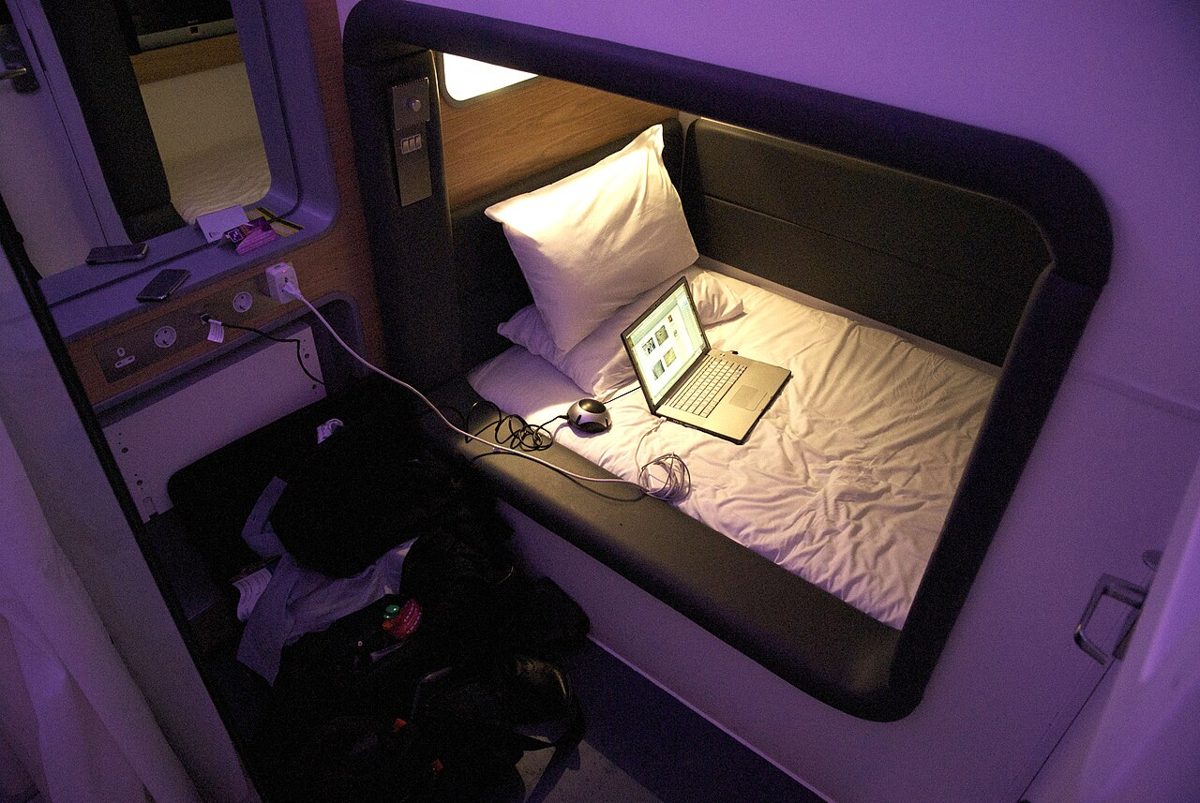
The pod experience: what a night actually feels like
Here’s the real routine. You check in at a front desk, swap your shoes for slippers (shoes go in a small locker by the door), and get a wristband or key for your locker plus a pod number. Many places hand you a set of loungewear — a yukata-style robe or pyjamas — plus a towel. You stash your suitcase in a luggage room or large locker, take what you need for the night in a provided basket, and head to your floor.
The pods themselves are more comfortable than first-timers expect. You can sit up, the mattress is usually fine, and the shade or shutter gives you genuine privacy and darkness. What gets people is sound: a curtain blocks light, not a snorer two pods over or someone’s 5 a.m. alarm. Bring earplugs. Modern pods (The Millennials, Nine Hours) insulate better and some let you dim lights and recline the bed from a panel; older men-only places can be more of a cardboard-walls experience.
The communal bath is the underrated highlight. After a long day pounding pavement in Shibuya, soaking in a hot sento-style tub before bed is excellent, and it’s included. You shower seated at a station first, then soak — soap and shampoo are provided. If you have severe claustrophobia, a closed pod genuinely may not suit you; for everyone else it’s cosy rather than cramped.
The best capsule hotel chains in Tokyo (with 2026 prices)
Prices have climbed with the tourism boom. In 2026, plan on a starting price around ¥4,000 for a basic central pod, ¥4,500–¥6,500 for a good modern one, and ¥7,000–¥10,000 at the “poshtel” end on weekends — close to a small business-hotel room. Friday and Saturday nights, plus Golden Week and New Year, run 30–60% above midweek. Here are the chains and properties I’d actually book.
Nine Hours (9h) — the futuristic icon
Nine Hours is the chain everyone pictures: pure white, spaceship-clean pods, slick communal showers, and a name that refers to a tidy day — one hour to shower, seven to sleep, one to dress. It has around seven Tokyo locations including Shinjuku, Akasaka, Hamamatsucho and Ningyocho, plus the famous one inside Narita Airport Terminal 2. Overnight rates start near ¥4,900; the airport branch also rents pods by the hour for naps (about ¥1,500 the first hour, ¥500 each hour after). The Kanda branch (9h nine hours woman Kanda) is women-only.
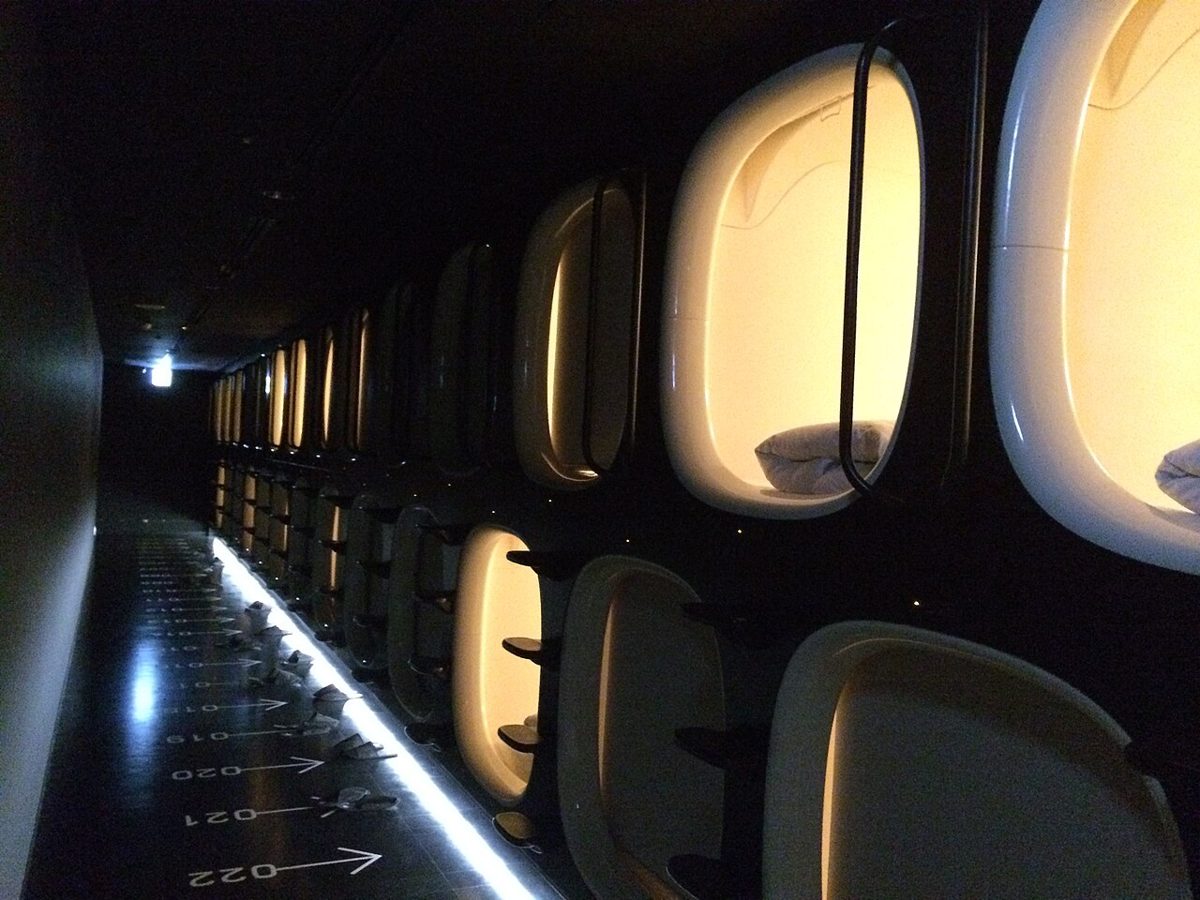
First Cabin — first-class cabins, not pods
First Cabin sells space. Its “First Class” and “Business Class” cabins are modelled on airline cabins and are noticeably larger than a standard capsule — some 3–4 metres long, with a proper bed and room to stand-ish, so they feel like a mini hotel room minus the lockable door. There are several Tokyo branches; First Cabin Haneda sits one minute from Haneda Terminal 1 station and starts around ¥9,500, which is exactly what you want when you land late or fly out at dawn.
The Millennials Shibuya — smart pods and free beer
The Millennials is the design-forward “capsule hostel” that upgraded the whole category. Its 120 “SmartPods” recline infinitely between bed and sofa mode and are controlled from a provided device, there’s a big co-working lounge, free coffee around the clock and a free beer hour from 5:30–6:30pm. It’s adults-only and mixed-gender (good for solo nomads and couples who want to be near each other), about a 6-minute walk from Shibuya Station. Rates typically start around ¥6,000–¥8,000.
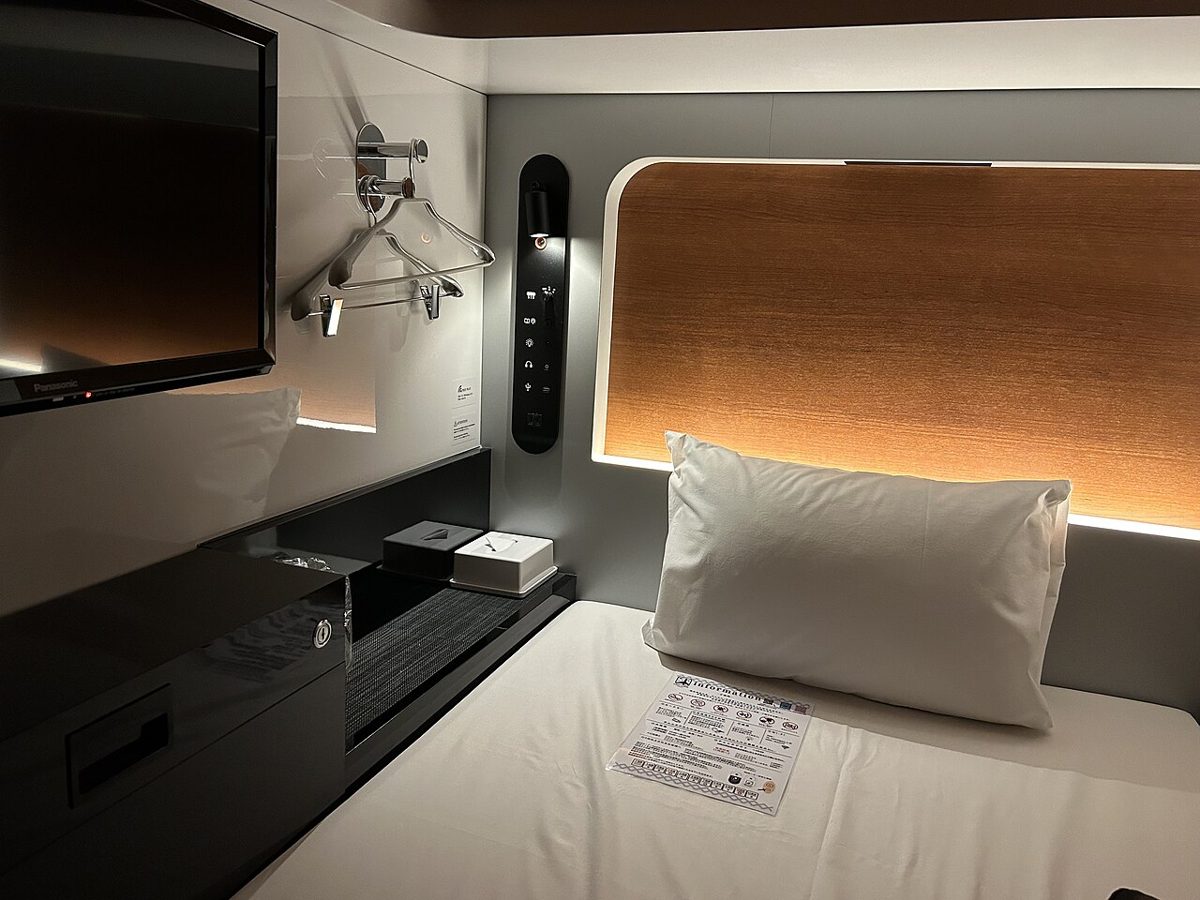
Nadeshiko Hotel Shibuya — women-only done right
Nadeshiko Hotel in Shibuya is women-only from top to bottom, not just a segregated floor. It leans into a soft, traditional aesthetic with an indoor hot-spring-style bath, a tatami lounge, and borrowable yukata and skincare amenities at reception. For a woman travelling solo who wants the pod experience without sharing the building with men, it’s the standout pick in central Tokyo. Book ahead — it is small and popular.
Anshin Oyado & other premium capsules
Anshin Oyado is a men-focused premium chain (branches in Shinjuku-Ekimae and Ogikubo, among others) known for genuinely good baths/saunas, free amenities and an all-you-can-drink soft-drink/coffee setup — the kind of place that converts capsule sceptics. In the same premium tier, Resol Poshtel Tokyo Asakusa (from about ¥7,700, 3 minutes from Asakusa Station) uses wider, non-bunk pods and a tatami common room, and consistently scores above 9/10 in reviews. These cost more but blur the line with a budget hotel.
Capsule hotel comparison table
A quick side-by-side of well-located, English-friendly options I’d recommend. Prices are typical 2026 starting rates per person, per night, and rise sharply on weekends and holidays.
| Property | Area / nearest station | From (per night) | Gender | Best for |
|---|---|---|---|---|
| Nine Hours Shinjuku-North | Shinjuku | ~¥4,900 | Mixed (separate floors) | Classic futuristic pod, central |
| Shinjuku Kuyakusho-mae Capsule Hotel | Shinjuku (5 min) | ~¥3,100 | Mixed | Cheapest central bed, 24h bath/sauna |
| The Millennials Shibuya | Shibuya (6 min) | ~¥6,000 | Mixed, adults-only | Smart pods, lounge, free beer hour |
| Nadeshiko Hotel Shibuya | Shibuya | ~¥5,500 | Women-only | Solo female travellers, onsen bath |
| Glansit Akihabara | Akihabara (5 min) | ~¥7,000 | Mixed | Modern pods, anime district, short naps |
| Anshin Oyado Shinjuku-Ekimae | Shinjuku | ~¥6,500 | Men-only | Premium sauna/bath, free drinks |
| Resol Poshtel Tokyo Asakusa | Asakusa (3 min) | ~¥7,700 | Mixed | Roomy pods, near Senso-ji, top reviews |
| First Cabin Haneda | Haneda T1 (1 min) | ~¥9,500 | Mixed (separate areas) | Late landings / early flights |
Capsule hotel vs budget hotel: which is cheaper?
This surprises people: a capsule is not automatically the cheapest bed in Tokyo anymore. After the price rises of 2024–2026, a central pod often costs ¥4,000–¥7,000, while a dorm bed at a good hostel can be ¥3,000–¥5,000 with breakfast, and a basic business-hotel room (Toyoko Inn, APA) with your own door and bathroom can be found from around ¥5,500. If two of you are travelling, a twin room frequently beats two pods.
| Type | Typical 2026 price/night | Privacy | Private bathroom | Vibe |
|---|---|---|---|---|
| Capsule hotel pod | ¥4,000–¥10,000 | Pod with shade (no lock) | No (shared) | Quiet to social, only-in-Japan |
| Hostel dorm bed | ¥3,000–¥6,000 | Bunk, often a curtain | No (shared) | Social, breakfast common |
| Business hotel (single) | ¥5,500–¥12,000 | Private room + lock | Yes | Compact, functional, quiet |
My rule of thumb: book a capsule for the experience and for solo travel near a station, especially for one or two nights. If you’re a light sleeper, travelling as a pair, or staying a week, compare Tokyo’s budget hotels and hostels and read our wider guide to stretching your yen before you commit. For the full range of where to base yourself, our guide to where to stay in Tokyo breaks the city down neighbourhood by neighbourhood.
Best areas for a capsule hotel in Tokyo
Capsules cluster around big stations and nightlife, exactly where you want to be when you arrive late or stumble back after izakayas. These four areas are your strongest bets.
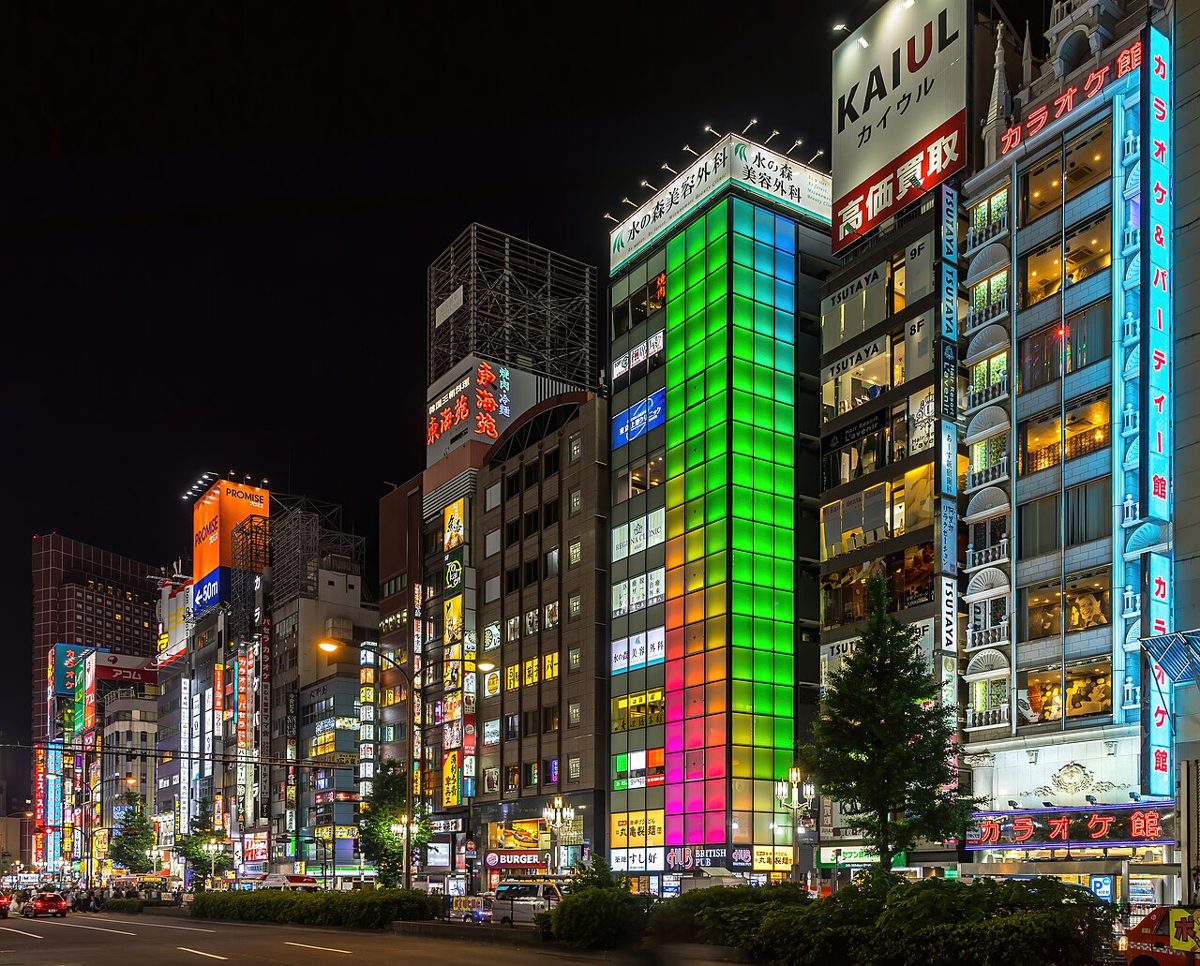
Shinjuku — most central, most options
Shinjuku is the default. It’s the world’s busiest station, a direct shot to both airports, and it’s packed with capsules from the budget Shinjuku Kuyakusho-mae (from ~¥3,100, a 5-minute walk and home to a 24-hour bath/sauna) up to premium Anshin Oyado and Nine Hours. You’re steps from Kabukicho’s restaurants and Golden Gai bars. If you only book one capsule night, do it here. For rooms with a door in the same area, see our roundup of the best hotels in Shinjuku.
Shibuya — design pods and nightlife
Shibuya brings the stylish end: The Millennials and Nadeshiko both sit a few minutes from the station, surrounded by the scramble crossing, late-night food and clubs. Prices run a touch higher than the old-school places, but the pods and lounges are nicer. Great for travellers who want the pod experience to feel like a feature, not a compromise.
Akihabara — anime, electronics, easy naps
Akihabara suits anyone here for games, electronics and anime, and it’s well connected for a fast Shinkansen departure from nearby Tokyo Station. Glansit Akihabara is the modern pick (from ~¥7,000, 5 minutes from the station) and offers short 1–5 hour stays if you just need a daytime nap. The women-only Akihabara Bay Hotel is here too.
Ueno — budget base near the Yamanote loop
Ueno is the value play. It’s on the Yamanote Line, a short hop from Asakusa, has the Keisei Skyliner straight to Narita, and the surrounding Ueno/Okachimachi area is full of cheaper capsules and capsule hostels. If your priority is spending as little as possible while staying on the loop, start here. Asakusa, one stop further, adds the temple-town atmosphere and the excellent Resol Poshtel.
Gender policies, women-only floors, lockers and check-in rules
A few practical rules trip up first-timers. Sort these before you book and check-in is painless.
- Gender separation is standard. Even at mixed capsule hotels, sleeping floors are split by gender and the women’s floor needs a special key or code to enter. Some older places are men-only; a growing number (Nadeshiko, 9h woman Kanda, Akihabara Bay Hotel) are women-only.
- Luggage goes in lockers, not your pod. You get a personal locker for valuables and usually a separate luggage room or large locker for suitcases. The pod has no lock, so never leave your passport, wallet or laptop in it. Locker sizes vary — very large suitcases can be a squeeze.
- Check-in / check-out times apply normally. Forget the “nine-hour” myth (see the FAQ); modern capsules let you book multiple nights and follow standard times, often check-in from 3–4pm and check-out by 10am. If a place lets you book consecutive nights online, you generally won’t have to re-check-in each morning.
- Some have a soft curfew or limited night access. A handful lock the bath or front area overnight, or ask you not to enter pods with rolling luggage after a certain hour to keep noise down. Read the property rules at booking.
- Age limits are common. Many capsules are adults-only; a few (Nine Hours, Shinjuku Kuyakusho-mae) take children 6+, and First Cabin generally 12+. Capsules are rarely a good fit for families — an Airbnb or a hotel with connecting rooms is kinder to everyone.
Capsule hotel etiquette: how not to be that guest
Pod floors run on quiet cooperation. None of this is hard, but ignoring it is how you end up with glares at the shoe locker.
- Silence is the rule near the pods. No phone calls, no speaker audio, headphones only, and talk in the lounge, not the sleeping area. Voices carry over a curtain.
- Set a vibrate alarm and keep it close. A blaring 6 a.m. ringtone is the cardinal sin. Pack the night before so you’re not rummaging in the dark.
- Shower before the communal bath. Wash and rinse fully at the seated station first, then soak. No towels in the tub, no soap in the bath water.
- Shoes off, slippers on. Use the entry shoe locker; never wear street shoes past the genkan. Different slippers are often provided for the toilet area.
- Keep the pod tidy and take your rubbish. Roll the shutter or draw the curtain gently, and return baskets, robes and towels to the marked spots at checkout.
Who capsule hotels suit — and mistakes to avoid
A capsule is a brilliant fit for some travellers and a poor one for others. Be honest about which you are.
Great if you…
- Are travelling solo and want a cheap, central, secure bed near a station.
- Like the idea of an only-in-Japan experience and a nightly hot bath.
- Sleep soundly or always travel with earplugs and an eye mask.
- Need a crash pad after late nights out, or near the airport for an early flight.
Skip it if you…
- Are a light sleeper who needs total quiet — book a business hotel instead.
- Are claustrophobic; an enclosed pod can feel oppressive.
- Are travelling as a couple wanting to share a bed, or as a family — pods sleep one.
- Have a huge suitcase and need to live out of it; locker space is limited.
Common mistakes
- Assuming it’s the cheapest option. Compare against a hostel dorm or a twin business-hotel room before booking, especially for two people or longer stays.
- Booking the wrong gender setup. Couples sometimes get split onto separate floors — choose a mixed-gender or adults-only place if you want to be near each other.
- Bringing an oversized bag. If your suitcase won’t fit a locker, you’re relying on a shared luggage room. Travel lighter or store bags at the station.
- Forgetting earplugs. The single biggest complaint, and the cheapest thing to fix.
- Trying to stay a week. The novelty fades; for long stays the privacy of a budget hotel or apartment wins.
Capsules make the most sense for people travelling alone, since you pay for one bed rather than half of a double room. Women-only options such as Nadeshiko Hotel Shibuya and Nine Hours Woman Kanda add another layer of comfort. For the rest of a one-person trip, from counter dining to safe late nights, see our solo travel guide to Tokyo.
There is one tier below the capsule, and it is worth knowing about before you need it. A manga kissa booth costs ¥2,000–3,500 for the night, needs no booking and stays open when everything else is full — our guide to Tokyo’s manga cafes explains the booth types, the passport registration and why you should still take the capsule when you have the choice.
Many of the older capsule hotels began life as saunas with somewhere to sleep attached, and for some guests the bath floor is still the main reason to stay. If that appeals, our Tokyo sauna guide explains the hot-cold-rest ritual Japanese bathers call totonou, and which of the city’s saunas are worth a special trip.
Frequently Asked Questions
Are capsule hotels in Tokyo worth it?
Yes, for the right traveller. For a solo trip, a central location, a nightly hot bath and an only-in-Japan experience at ¥4,000–¥7,000 a night, a capsule is great value. If you are a light sleeper, claustrophobic, travelling as a couple or staying a week, a budget hotel or hostel private room is the better call.
Can you stay only nine hours in a capsule hotel?
No — that’s an urban legend tied to the name of the Nine Hours chain and an obsolete time limit. Today you can stay as many nights as a normal hotel, following standard check-in and check-out times. Some properties additionally offer hourly daytime naps, but that is an extra option, not a rule.
Are there women-only capsule hotels in Tokyo?
Yes. Nadeshiko Hotel Shibuya is entirely women-only, and the Kanda branch of Nine Hours (9h woman Kanda) and the Akihabara Bay Hotel are women-only too. On top of that, almost every mixed capsule hotel separates sleeping floors by gender, with the women’s floor accessible only by a special key or code.
Do capsule hotels have private bathrooms?
No. Bathrooms are always shared, with toilets down the hall and a communal Japanese-style bath or sauna; many places also have private shower cubicles. You shower seated first, then soak. Soap, shampoo and towels are normally provided, along with disposable amenities like toothbrushes.
Can I store my luggage at a capsule hotel?
Yes. You get a personal locker for valuables and usually a separate luggage room or large locker for suitcases — important, because the pod itself does not lock. Locker sizes vary, so very large suitcases can be tight; if in doubt, travel light or use coin lockers at the nearest station.
Photo Credits
- Stacked sleeping pods are the defining feature of a Japanese capsule hotel — Photo: Syced / CC0 via Wikimedia Commons via Wikimedia Commons
- Nine Hours built its reputation on clean, white, spaceship-style pods — Photo: Viola Parker / CC BY-SA 4.0 via Wikimedia Commons via Wikimedia Commons
- Inside a typical pod: a mattress, a reading light, a power outlet and a privacy shade — Photo: Dr._Colleen_Morgan from York, UK / CC BY 2.0 via Wikimedia Commons via Wikimedia Commons
- First Cabin’s cabins are modelled on airline first-class and feel roomier than a standard pod — Photo: Kanesue / CC BY 2.0 via Wikimedia Commons via Wikimedia Commons
- Many of Tokyo’s best-located capsule hotels sit a short walk from Shinjuku Station — Photo: Basile Morin / CC BY-SA 4.0 via Wikimedia Commons via Wikimedia Commons
- Akihabara is another capsule-hotel cluster, handy for late nights and early Shinkansen runs — Photo: DAJF / CC BY-SA 4.0 via Wikimedia Commons via Wikimedia Commons