Tokyo Nightlife · Guide №024
Golden Gai Guide: Bar-Hopping Shinjuku’s Legendary Alley Bars
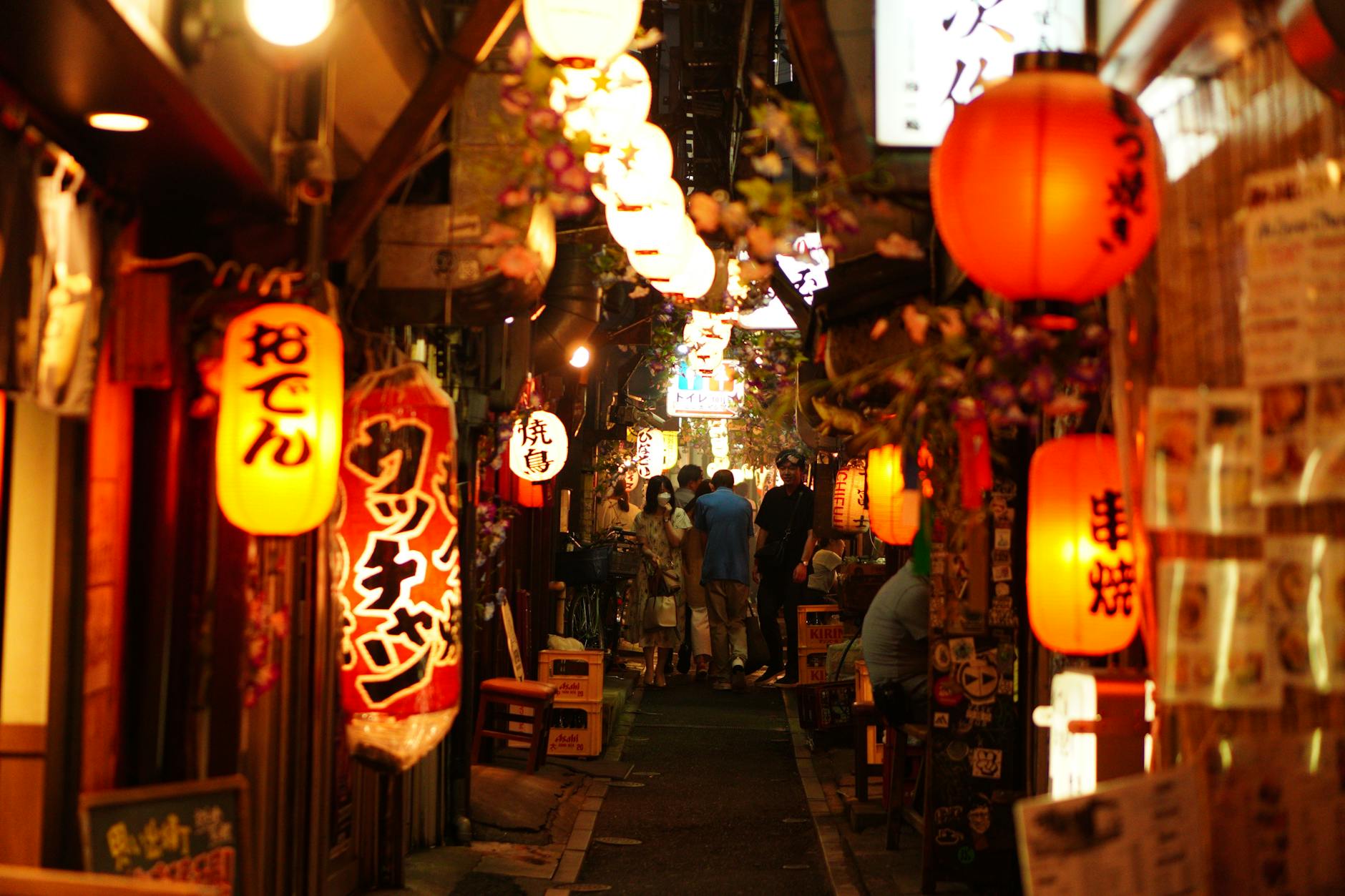
目次 — Contents
- A Brief History of Golden Gai
- What to Expect on Your First Visit
- Best Golden Gai Bars for First-Time Visitors
- The Best Time to Visit Golden Gai
- How to Bar-Hop Golden Gai Like a Local
- Golden Gai Etiquette: Essential Rules
- Eating and Drinking in Golden Gai
- Nearby Alternatives: Omoide Yokocho & More
- Practical Information
- Frequently Asked Questions
This article contains advertising. Our booking links are routed through a partner that adds commission tracking automatically, so if you book through one we earn a commission from the provider, at no extra cost to you. It never affects what we recommend. Affiliate disclosure

Tucked behind Shinjuku‘s towering skyscrapers and neon-drenched entertainment district lies Golden Gai (新宿ゴールデン街) — a labyrinth of six impossibly narrow alleys packed with nearly 280 tiny bars, each one barely bigger than a walk-in closet. It’s one of the last surviving fragments of postwar Tokyo, a place where the city’s frantic modernization simply passed overhead, leaving behind a drinking district that feels frozen in time.
What makes Golden Gai extraordinary isn’t any single bar — it’s the sheer concentration of personality compressed into such a small space. Each bar has its own theme, its own regulars, its own master or mama-san behind the counter, and its own unwritten rules. Jazz bars sit next to punk rock bars. A literary salon shares a wall with a horror-movie-themed den. A bar where everyone sings karaoke backs onto one where conversation is the only entertainment. Walking in for the first time can feel like crashing a private party, but it isn’t — most of these bars want your custom, you just need to know how the place works. This guide covers exactly that. For the wider after-dark picture, our Tokyo nightlife guide maps out where Golden Gai fits among the city’s districts, clubs and late-night spots.
A Brief History of Golden Gai
Golden Gai’s origins trace back to the chaotic years after World War II, when the area operated as a black market — one of many informal trading zones that sprang up across bombed-out Tokyo. As the economy recovered, the market stalls gradually transformed into tiny drinking establishments, and by the 1960s, Golden Gai had become a gathering place for Tokyo’s bohemian class: writers, artists, actors, filmmakers, musicians, and intellectuals.
Through the 1970s and 1980s, as Japan’s bubble economy drove aggressive redevelopment across Shinjuku, Golden Gai survived multiple attempts at demolition — partly through community resistance and partly through a series of suspicious arsons that paradoxically strengthened the residents’ resolve to stay. The area was designated as a cultural asset, and today it’s protected from the kind of wholesale redevelopment that erased similar districts elsewhere in Tokyo.
The result is a neighborhood that looks and feels radically different from the rest of modern Tokyo — wooden buildings stacked two stories high, connected by alleys barely wide enough for two people to pass, illuminated by paper lanterns and hand-painted signs. It’s a living museum of mid-20th-century Tokyo, still operating exactly as intended: as a place to drink, talk, and connect.

What to Expect on Your First Visit
If you’ve never been to Golden Gai, here’s what to prepare for. The bars are tiny — most have just 4 to 8 seats arranged along a single counter, with the bartender (often called the “master” or “mama-san”) working in a space about the size of a phone booth. There are no dance floors, no bottle service, no velvet ropes. This is intimate, conversation-driven drinking at its purest.
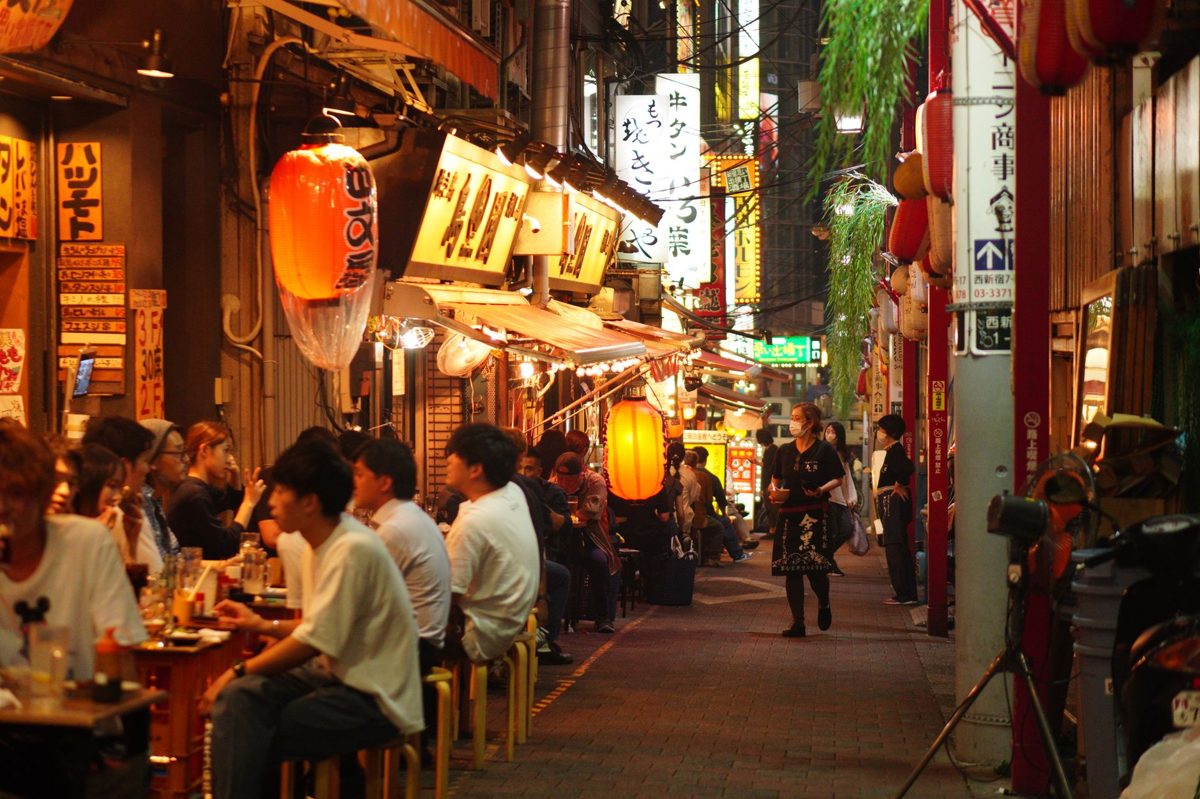
Each bar has its own personality, defined entirely by whoever runs it. Some are music-themed (jazz, punk, classical, J-pop), some are hobby-themed (film, literature, photography, trains), some cater to specific professions (advertising, publishing, theater), and some have no theme at all beyond the character of the person pouring your drink. The master or mama-san is the bar — their personality, taste in music, choice of decor, and conversational style define the entire experience.
Cover charges (seating fees) are standard at most Golden Gai bars, typically ranging from ¥500 to ¥1,500 per person. This usually includes a small snack called otoshi — a small dish of nuts, edamame, or a small appetizer. The cover charge is not a tourist trap; it’s how these micro-businesses survive in one of Tokyo’s most expensive neighborhoods. Drinks typically cost ¥600-1,200 on top of the cover charge. Budget approximately ¥2,000-3,000 per bar for a drink or two plus the cover.

Best Golden Gai Bars for First-Time Visitors
With nearly 280 bars to choose from, picking your first few can be overwhelming. These recommendations are specifically chosen for being welcoming to international visitors while still delivering an authentic Golden Gai experience.
Albatross
Albatross is the most commonly recommended starting point for Golden Gai newcomers, and for good reason. Spread across three narrow floors, it’s one of the larger bars in the area (which still means small by normal standards). The ground floor has a classic bar setup, but the real draw is the rooftop terrace on the third floor — one of the only open-air drinking spots in Golden Gai, perfect for warm evenings. The decor is eclectic and atmospheric, mixing antique chandeliers with vintage curiosities. Staff speak English and there’s no cover charge, making it a low-pressure introduction.
Ace’s
Ace’s is specifically designed to welcome international visitors. The bartenders speak fluent English, pricing is transparent with no hidden cover charges, and the atmosphere is relaxed and social. It’s a great place to meet other travelers and get recommendations for other bars to try. Think of it as your Golden Gai basecamp.
Bar Araku
Bar Araku has become popular among international visitors for its friendly atmosphere and unique “currency wall” where guests from around the world leave foreign banknotes as decoration. The staff are welcoming, drinks are reasonably priced, and it’s an easy conversation starter with other patrons.
Bar Plastic Model
Bar Plastic Model is a haven for music lovers and nostalgia seekers. The interior is packed with vintage memorabilia — model kits, retro toys, old records — creating a warm, cluttered aesthetic that feels like drinking in someone’s incredibly cool living room. The vinyl selection is excellent, and the laid-back atmosphere makes it easy to settle in for a second (or third) drink.
Death Match in Hell
For something completely different, Death Match in Hell is a horror-themed bar decorated floor-to-ceiling with monster masks, skulls, and B-movie memorabilia. Despite the name, the atmosphere is fun rather than frightening, and it’s become one of the most photographed interiors in Golden Gai (this is one of the few bars that actively encourages photos). Great cocktails with horror-themed names.

The Best Time to Visit Golden Gai
Timing changes the experience completely. Golden Gai is a night-time place, but which night and what hour you pick decides whether you get sleepy empty alleys or a buzzing, shoulder-to-shoulder crawl. If you plan to drink past the last train, basing yourself in Shinjuku for the night turns the trip home into a short walk.
- Time of night: the sweet spot is 9:00 PM to around 1:00 AM. Most bars open between 7 and 9 PM; arrive before 8 and you’ll find half the shutters still down. After 9, the regulars and visitors mix and the conversations get interesting. A handful of bars run until 5 AM for night owls.
- Day of the week: Friday and Saturday nights have the most bars open and the liveliest crowd, but also the tightest squeeze for seats. Tuesday to Thursday are quieter and more intimate — easier to get a stool and chat with the master. Note that many bars close on Sundays and some on Mondays, and schedules can be irregular.
- Day vs. night: the bars are shut by day, but a daytime walk-through (10 minutes) is genuinely worth it to see the tightly stacked wooden architecture in daylight and to photograph the empty lanes, which is far more acceptable than shooting them when patrons are around.
- Season: the alleys are covered enough to work year-round. Summer nights are humid and the open-air rooftop at Albatross is a treat; winter is atmospheric with the lanterns glowing against the cold.
How to Bar-Hop Golden Gai Like a Local
The art of Golden Gai is in the bar-hopping — visiting three or four bars in an evening rather than camping at one. Here’s a strategy that works:
- Start around 8:00-9:00 PM. Most bars open between 7:00 and 9:00 PM. Arriving too early means empty alleys and closed shutters. The sweet spot is 8:00-9:00 PM when bars are open but not yet packed
- Walk all six alleys first. Before committing to a bar, take a slow loop through all six alleys. Look at the signs, peek through doorways, read the menus posted outside. Get a feel for what’s available
- Start with a tourist-friendly bar. Albatross or Ace’s makes a good warm-up — comfortable, English-speaking, no cover charge. Get your bearings and ask the staff for recommendations
- Have one or two drinks per bar, then move on. This is the Golden Gai way. If a bar is full or there’s a queue, it’s polite to limit your stay to 30-45 minutes so others can experience it too
- Try one adventurous bar. After your warm-up, pick a bar that intrigues you — maybe one with a theme you’ve never seen, or one where you can hear interesting music. The best Golden Gai memories come from unexpected choices
- End by midnight or 1:00 AM. Some bars stay open until 5:00 AM, but the best atmosphere is between 9:00 PM and 1:00 AM when the mix of regulars and visitors creates the most interesting conversations

Golden Gai Etiquette: Essential Rules
Golden Gai runs on an unwritten code of mutual respect — it’s the reason the place has survived for seventy years. Follow these and you’ll be welcomed warmly; ignore them and you’ll feel the chill fast. Much of it overlaps with general Japanese manners, so if you want the broader picture, our guide to Japanese bar and drinking etiquette covers the wider customs (pouring for others, the table charge, paying at the counter) that apply across Tokyo.
No Photography in the Alleys
This is the most important rule and the one tourists break most often. Do not photograph the alleys, bar exteriors, or other people without explicit permission. Signs throughout Golden Gai state this clearly in multiple languages. The no-photo policy exists because many patrons — politicians, celebrities, business executives, people having affairs — come to Golden Gai specifically for its discretion. Respect their privacy. Inside bars, ask the master before taking any photos — some bars (like Death Match in Hell) encourage it, while most prefer you don’t.
Keep Groups Small
Golden Gai bars typically seat 4-8 people. A group of five can fill an entire bar, which changes the atmosphere for everyone else. Visit in groups of two or three at most. If you’re traveling in a larger group, split up and meet at a designated spot afterward to share stories — this actually makes for a better evening than everyone sitting in the same bar.
Respect “Regulars Only” Bars
Some bars display signs saying “members only,” “regulars only,” or (less diplomatically) “no tourists.” These aren’t hostile — they’re tiny establishments where the master has a personal relationship with every customer, and a revolving door of strangers would destroy the atmosphere they’ve spent decades cultivating. Simply move on to the next bar. With 280 options, you won’t run out of welcoming places.
Pay the Cover Charge Gracefully
When you sit down, the cover charge is automatic. Don’t ask if you can skip it, don’t complain about it, and don’t act surprised when it appears on your bill. The ¥500-1,500 seating fee is how a bar with six seats pays rent in Shinjuku. It’s the price of admission to a unique cultural experience — and frankly, it’s a bargain.

Eating and Drinking in Golden Gai
Most Golden Gai bars focus on drinks rather than food. Your otoshi (cover charge snack) might be the only food available. However, some bars offer simple snack plates — dried fish, pickles, rice crackers — to accompany your drinks. Don’t expect full meals.
For drinks, Japanese whisky (especially highballs — whisky and soda) is the most popular order. Beer, shochu, sake, and simple cocktails are available at most bars. Some specialize in particular spirits — you might find a bar dedicated entirely to Japanese gin or another pouring only natural wine. Prices are generally ¥600-1,200 per drink, which is reasonable for Shinjuku.
If you’re hungry, eat before or after your Golden Gai visit. Excellent late-night options within a 5-minute walk include Fuunji (tsukemen dipping ramen), Nagi (niboshi sardine ramen — there’s actually a location inside Golden Gai itself), and the many yakitori and izakaya spots along nearby Omoide Yokocho (Memory Lane). Our Tokyo ramen guide and Shinjuku neighborhood guide have more recommendations.

Nearby Alternatives: Omoide Yokocho & More
If Golden Gai is full, closed, or simply not your scene, three excellent alternatives sit within a few minutes’ walk — and many people do a couple of them in one night.
Omoide Yokocho (Memory Lane)
On the west side of Shinjuku Station, Omoide Yokocho — “Memory Lane,” and once nicknamed less politely “Piss Alley” — is a smoky, atmospheric warren of tiny yakitori and noodle stalls packed under the railway tracks. Where Golden Gai is about drinking and conversation, Omoide Yokocho is about eating: charcoal-grilled skewers, motsu (offal) stews, beer and highballs, elbow to elbow with salarymen. It’s cheaper to graze here, photos are more welcome, and it’s the natural place to line your stomach before or after Golden Gai. Expect a similar seat-charge culture at the sit-down stalls.
Hanazono Shrine
Right next to Golden Gai, Hanazono Shrine is worth a quiet five minutes before the bars open — a pocket of calm and red torii gates among the neon, beautifully lit at night and the site of lively festivals and a regular flea market. It’s the easiest landmark to navigate to, and a nice contrast to the alleys.
Kabukicho
Surrounding it all is Kabukicho, Tokyo’s largest entertainment district — a wall of neon, izakaya, karaoke towers, arcades and the famous Godzilla head atop the Toho building. It’s safe to walk through and fun to see, though it’s also where you’ll meet pushy touts; a firm “no thank you” and a straight line through is all you need. For late-night food after the bars, the area’s ramen counters stay open into the early hours — our guide to the best ramen in Tokyo has the standouts, including a couple within stumbling distance of Golden Gai.
Practical Information
Getting There
Golden Gai sits on the edge of Kabukicho, Shinjuku, and the walk from the station is short but easy to fumble because Shinjuku Station is the busiest in the world. Here’s the cleanest route:
- From JR Shinjuku Station: take the East Exit, walk north up the main road, then east along Yasukuni-dori. Pass the big Don Quijote and keep going until you see Hanazono Shrine on your right — the lantern-lit lanes of Golden Gai are tucked just behind and beside the shrine, on the north side of Yasukuni-dori. About 7–10 minutes on foot.
- Fastest option — Seibu-Shinjuku Station: the Seibu-Shinjuku line terminus is the closest of all, roughly a 2–3 minute walk to the alleys.
- From Tokyo Metro: Shinjuku-Sanchome Station, Exit E1, puts you a few minutes south-east of Golden Gai — handy if you’re coming on the Marunouchi, Fukutoshin or Shinjuku lines.
A reliable trick: just navigate to Hanazono Shrine on your maps app. The shrine is well signposted and Golden Gai is immediately adjacent, so you’ll never be more than a minute away once you reach it. For everything else in the area — department stores, the observation decks, Kabukicho and the station’s maze of exits — our Shinjuku district guide is the companion piece to this one.
Hours
Most bars open between 7:00-9:00 PM and close between midnight and 5:00 AM. Hours vary by bar and day of the week — many bars close on Sundays or Mondays, and some keep irregular schedules. Friday and Saturday nights have the most bars open and the liveliest atmosphere. Weeknights are quieter but more intimate.
Budget
- Budget evening (2 bars): ¥3,000-5,000 per person
- Typical evening (3-4 bars): ¥6,000-10,000 per person
- Big night out (5+ bars): ¥10,000-15,000+ per person
Cash is essential. Most Golden Gai bars are cash-only — very few accept credit cards. Bring at least ¥10,000 in cash. The nearest convenience store ATMs (7-Eleven, Family Mart) are a 2-minute walk from the alleys.

Golden Gai is one of the best places in Tokyo to spend an evening alone. With six or eight seats per bar, nobody drinks in a corner, and bartenders tend to draw a lone visitor into the conversation. If you are travelling by yourself, our guide to solo travel in Tokyo has more ideas for evenings, meals and meeting people.
Frequently Asked Questions
Is Golden Gai safe?
Yes, extremely safe — like all of Tokyo. The alleys are well-lit and well-populated at night. The only thing to watch out for are touts outside some bars who may try to lure you into establishments with inflated prices. Stick to bars that post their prices or that you’ve researched in advance. If a bar doesn’t display prices and the staff can’t clearly explain costs, move on.
Can I visit Golden Gai during the day?
You can walk through the alleys during the day — and it’s actually interesting to see the area in daylight, when the tightly packed wooden architecture is most visible. However, almost all bars are closed until evening. A daytime walk-through takes about 10 minutes and can be combined with a visit to nearby Hanazono Shrine, which is beautiful and peaceful.
Do I need to speak Japanese?
No, but it helps enormously. Tourist-friendly bars like Albatross and Ace’s have English-speaking staff. At other bars, the master may speak limited or no English — but a smile, some basic Japanese greetings (konbanwa for “good evening,” kanpai for “cheers”), and pointing at the menu will get you through. Some of the best Golden Gai experiences happen despite language barriers.
Is Golden Gai worth visiting?
If you enjoy bars, nightlife, or cultural experiences, absolutely. Golden Gai offers something you genuinely cannot find anywhere else — a warren of micro-bars, each with its own character, preserved from a Tokyo that has otherwise vanished. Even if you only visit one or two bars, the atmosphere of the alleys alone is memorable. It pairs perfectly with a visit to nearby Omoide Yokocho and Kabukicho for a full Shinjuku nightlife experience.
How much does a night in Golden Gai cost?
Budget roughly ¥2,000–¥3,000 per bar — a cover charge of ¥500–¥1,500 (which includes a small otoshi snack) plus one or two drinks at ¥600–¥1,200 each. A typical three-to-four-bar evening runs ¥6,000–¥10,000 per person. Bring cash — most bars are cash-only, and the nearest convenience-store ATMs are a two-minute walk away.
Do I have to talk to strangers in Golden Gai?
Not at all, but it’s half the appeal. The bars are tiny and counter-based, so conversation with the master and other guests happens naturally — yet plenty of people come simply to nurse a whisky and soak up the room. Tourist-friendly bars like Albatross and Ace’s are the easiest places to ease in if you’d rather start low-pressure.