Tokyo Food · Guide №163
Best Tempura in Tokyo: From Lunch Sets to Counter Omakase
Where to eat tempura in Tokyo at every budget, from sub-¥1,000 tendon bowls to counter lunch sets and two-star omakase, with how to eat it at a counter and which queues are worth it.
目次 — Contents
- Tempura in Tokyo: what makes it different
- Tempura price bands at a glance
- How to eat tempura at a counter
- Budget: tendon bowls and chains
- Mid-range: counter lunches and relaxed dinners
- High end: tempura omakase
- Best tempura in Tokyo, compared
- Tempura beyond the restaurants
- Tempura through the seasons
- A tempura day in Nihonbashi and Ginza
- Common tempura mistakes
- Practical tips
- Frequently Asked Questions
- Photo Credits
This article contains advertising. Our booking links are routed through a partner that adds commission tracking automatically, so if you book through one we earn a commission from the provider, at no extra cost to you. It never affects what we recommend. Affiliate disclosure
The best tempura Tokyo has comes in four price bands: tendon rice bowls from under ¥1,000 at chains like Tenya, specialist tendon at Kaneko Hannosuke and Daikokuya, counter lunch sets from roughly ¥1,500 at Tsunahachi and Tenmatsu, and omakase at two-Michelin-star Tempura Kondo. For most visitors, a counter lunch is the sweet spot: hot, piece by piece, and affordable.
This guide explains how Edo-style tempura works, how to eat it at a counter, the best places at every budget from a quick bowl to a special-occasion dinner, which famous names deserve their queues, and how to book the high-end counters. For the bigger picture of eating in the city, see our Tokyo food guide.
Tempura in Tokyo: what makes it different
Tempura arrived in Japan with Portuguese traders in the sixteenth century, but it became what it is today in Edo, old Tokyo, where street stalls fried fish and prawns from Tokyo Bay on skewers for workers to eat on the go. That tradition is called Edomae tempura, and it still shapes the city’s best tempura restaurants: seafood at the centre, a thin, crisp batter, and oil often blended with sesame for a nutty depth and golden colour.
The great shift over the last century was from street snack to counter dining. At a good tempura counter, the chef fries each piece in front of you and places it on your plate seconds out of the oil. That is the experience worth seeking out, because tempura starts losing its crispness within a minute or two. A plate of tempura that has been sitting under a heat lamp is a different food.
Tempura price bands at a glance
| Style | Where | Rough price per person | What you get | Worth it for |
|---|---|---|---|---|
| Tendon chain | Tenya | Under ¥1,000 | Tempura on rice with sweet sauce, miso soup | A fast, cheap, surprisingly decent lunch |
| Tendon specialist | Kaneko Hannosuke, Daikokuya | Roughly ¥1,500–4,700 | Huge bowls, each with a signature sauce | Fans of rich, generous bowls |
| Counter lunch set | Tsunahachi, Tenmatsu | From about ¥1,500–3,000 | Pieces fried and served one by one, rice, soup, pickles | The best value experience in Tokyo tempura |
| Counter dinner | Tsunahachi, Tenichi and others | Roughly ¥3,000–10,000+ | Longer sequence, better seafood, sake | A relaxed evening out |
| High-end omakase | Tempura Kondo, Mikawa Zezankyo, Fukamachi | Well into five figures | Chef’s seasonal course at a small counter | A once-in-a-trip meal |
How to eat tempura at a counter
- Sit at the counter if you can. Table seating is fine, but the counter is where the food is freshest and where you watch the chef work.
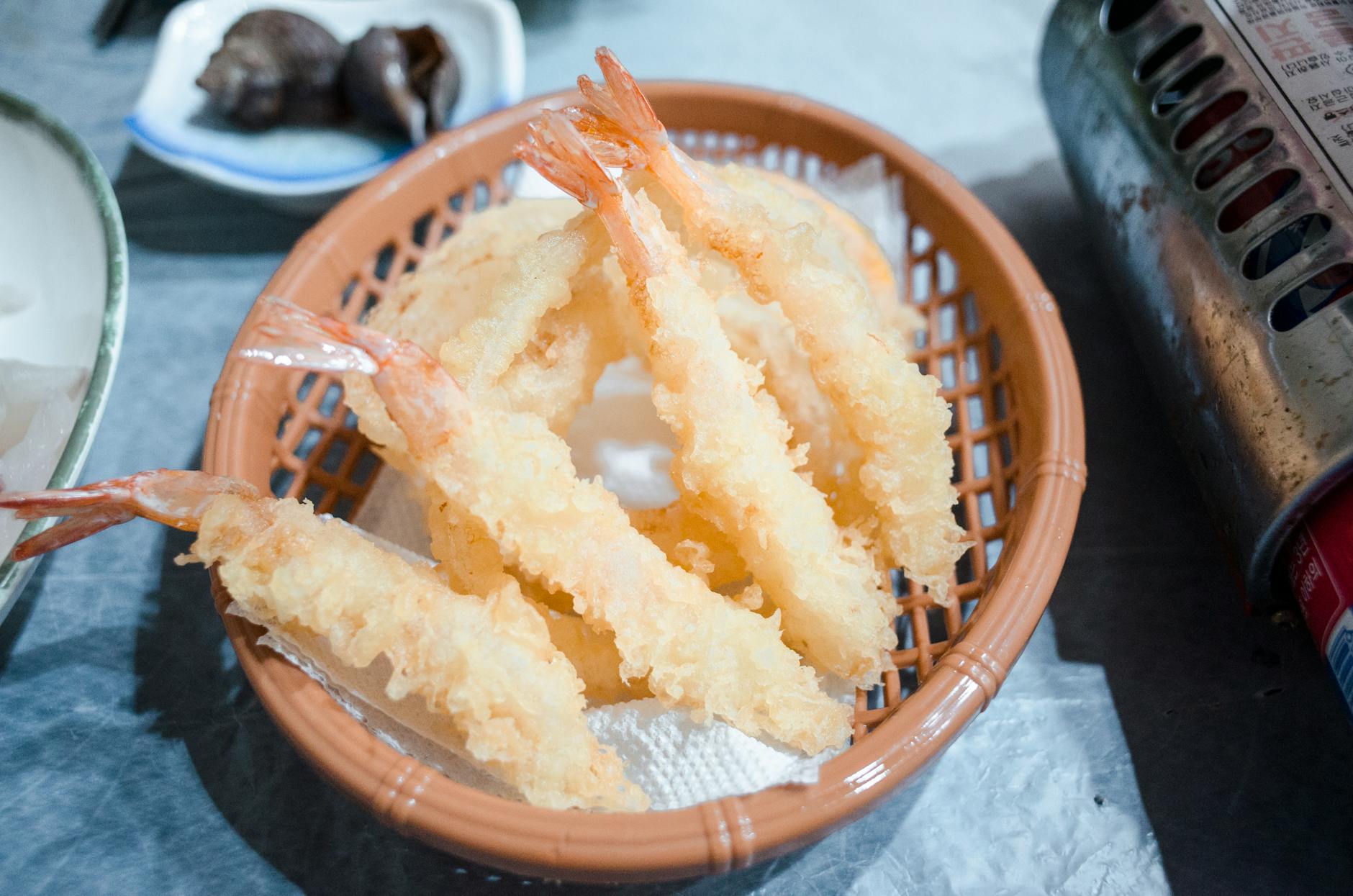
- Choose salt or sauce for each piece. You will usually have a small dish of salt, sometimes flavoured with matcha or yuzu, and a bowl of tentsuyu, a warm dipping sauce of dashi, soy and mirin, with grated daikon radish to mix in. As a rule, delicate fish and vegetables go with salt, and prawns and richer pieces go with the sauce, but the chef will often suggest which.
- Eat each piece immediately. This is the only real rule. The chef times the next piece to your pace.
- Squeeze lemon sparingly, if it is offered at all, to keep the batter crisp.
- Finish with rice. Courses usually end with kakiage, a fritter of small shrimp or scallops and vegetables, served over rice as a mini tendon, in green tea as tencha, or on its own with rice, miso soup and pickles.
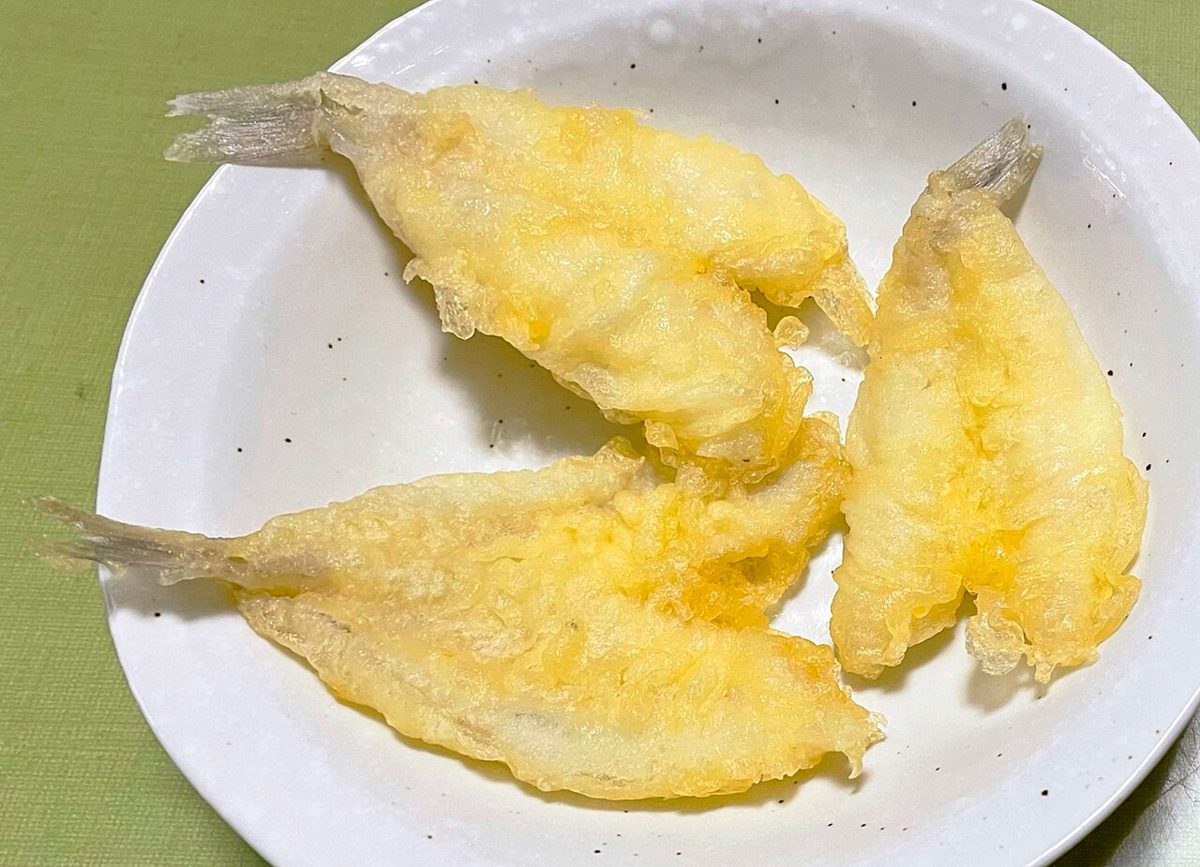
A typical counter sequence begins with prawns, often with the fried heads served separately, then moves through white fish such as kisu (Japanese whiting), squid, seasonal vegetables, and often anago, conger eel, a long, soft, rich piece near the end. Seasonal vegetables are where the best chefs show off: spring mountain vegetables, summer corn or lotus root, autumn mushrooms and ginkgo nuts, and sweet potato fried slowly for a long time until it tastes almost like dessert.
For the general dining rules that apply here too, from wet towels to chopstick etiquette, see our Japanese etiquette guide.
Budget: tendon bowls and chains
Tenya
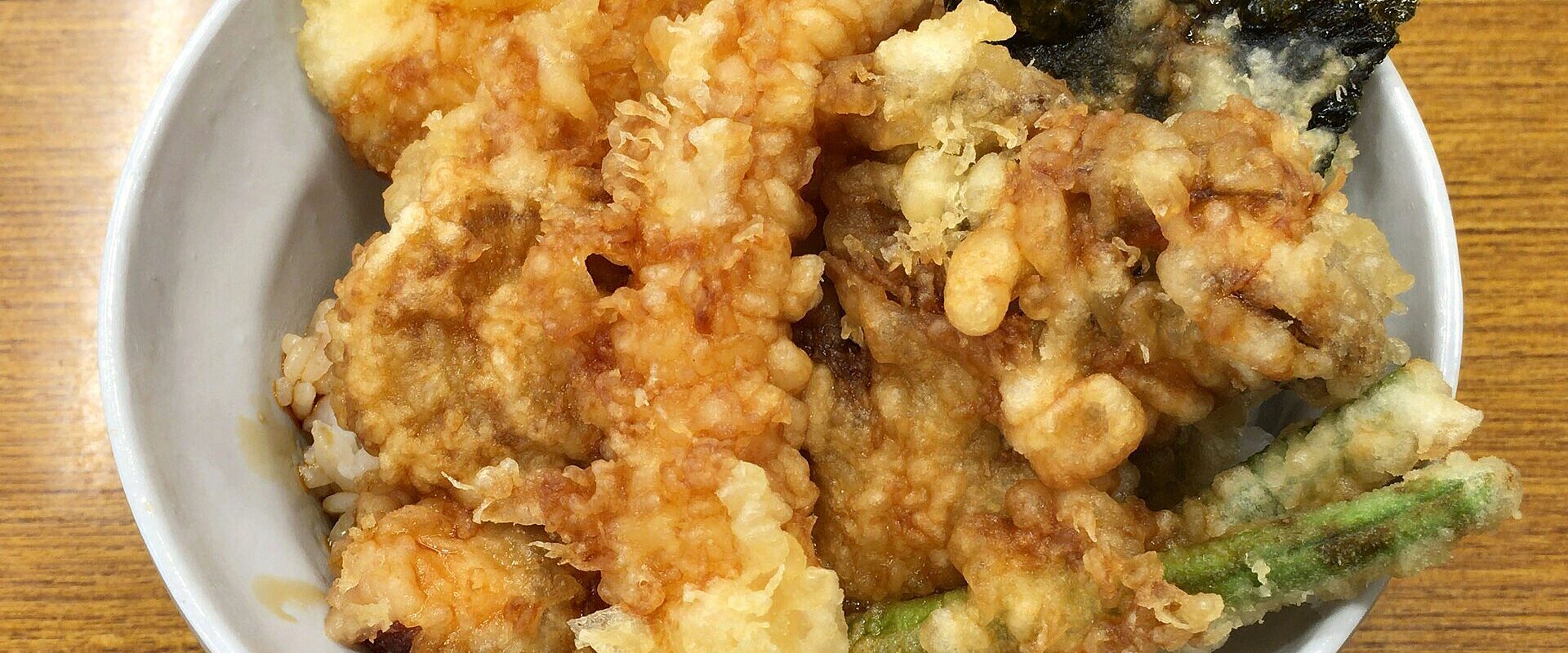
Tenya is Japan’s big tendon chain, with branches near many stations, including Asakusa, Ginza and Harajuku. Its bowls of prawn, fish and vegetable tempura on rice, drizzled with sweet sauce, cost under ¥1,000 including miso soup. The tempura is fried to order, the batter is thicker and softer than at a specialist, and the sauce is on the sweet side. Nobody is going to call it the best tempura in Tokyo, but for the price it is honest, filling and quick, and it is a reliable lunch with children.
Kaneko Hannosuke, Nihonbashi
Kaneko Hannosuke’s main shop in Nihonbashi, near Mitsukoshimae station, is one of Tokyo’s most famous tendon specialists, known for an overflowing Edomae tendon bowl with prawns, squid and kakiage, a soft-boiled egg in tempura batter, and a sesame-oil flavour. It is still inexpensive for the quality, but queues at lunchtime are routinely long, often an hour or more. Arrive well before opening or come mid-afternoon on a weekday. The brand has also opened branches in shopping centres such as DiverCity Tokyo Plaza in Odaiba, where waits can be shorter.
Daikokuya, Asakusa
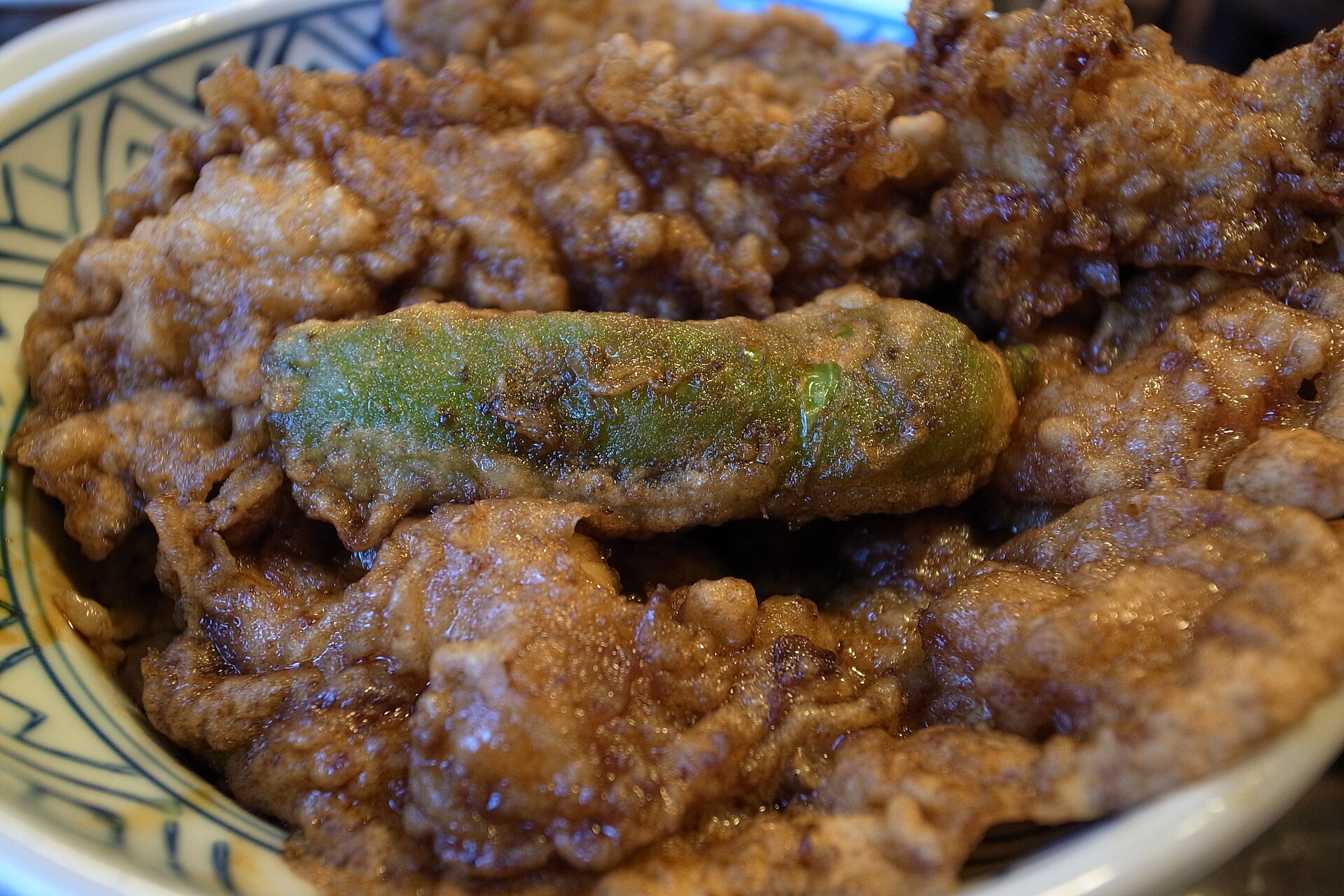
Daikokuya, a short walk from Sensoji, has been serving tendon for generations and is known for a very dark, sweet-savoury sauce that soaks right into the tempura. Bowls cost roughly ¥2,000 to ¥4,700 depending on how many prawns you want. Be honest with yourself about what you like: if you want crisp, delicate tempura, this is not it. If you want a rich, soft, deeply flavoured bowl with a long Asakusa history, it is excellent. There is usually a queue at lunch; weekdays after 14:00 are easier. Our Asakusa guide covers the rest of the area.
Mid-range: counter lunches and relaxed dinners
Tsunahachi, Shinjuku
Tsunahachi has been frying tempura in Shinjuku since 1924, and its main shop, a short walk from Shinjuku-sanchome, is the best introduction to counter tempura for most visitors. Lunch sets start from roughly ¥1,500 to ¥1,900 and bring a sequence of prawns, fish, vegetables and kakiage, fried to order and served piece by piece with rice, miso soup and pickles. Dinner sets run from about ¥3,000 to ¥10,000 for longer courses.
It is not a hushed, high-end experience. The room is busy, the turnover is quick, and at peak times you may be at a table rather than the counter. But the tempura is freshly fried, the price is fair, and there is a branch at the Daimaru department store at Tokyo Station too. Ask for the counter when you arrive. Our Shinjuku guide has more places to eat nearby.
Tenmatsu, Nihonbashi
Tenmatsu is a long-established tempura restaurant in Nihonbashi with a proper wooden counter, and one of the best-value ways to watch a tempura chef at work. Set meals start at about ¥1,650, with larger sets around ¥3,000. Sit at the counter, where pieces come to you one at a time, and try to go at lunch on a weekday, when you can often walk in or book a day ahead.
Tenichi, Ginza
Tenichi’s main store in Ginza, open since 1930, is one of the most famous names in Tokyo tempura and has served visiting heads of state and celebrities for decades. It is classic, polished and comfortable, a good choice for travellers who want a smart tempura dinner without the formality or the booking scramble of the Michelin counters. Lunch starts from around ¥8,000 and dinner from around ¥10,000, according to recent listings; check current prices when you book. Tenichi also runs branches in hotels and department stores. See our Ginza guide for the neighbourhood.
High end: tempura omakase
At the top of Tokyo’s tempura scene, a handful of small counters serve seasonal omakase courses of fifteen or more pieces. These are among the city’s great meals, and they are priced and booked accordingly.
Tempura Kondo, Ginza
Tempura Kondo holds two Michelin stars in the 2026 guide, and chef Fumio Kondo is known above all for vegetables: thick-cut sweet potato fried slowly until it is soft and sweet inside, a nest of finely shredded carrot that crackles, and seasonal produce given the same care as the prawns. Lunch and dinner courses are served at a bright counter on an upper floor in Ginza. Reservations are made through the restaurant’s official site or through Michelin-listed booking partners; book as early as possible, especially for dinner. Expect to pay well into five figures per person.
Mikawa Zezankyo, Monzen-Nakacho
Chef Tetsuya Saotome’s restaurant in Monzen-Nakacho, in Koto ward east of the Sumida River, is legendary among tempura obsessives. The dining room is a single large wooden counter for around nine people, and the chef is known for his precise control of oil temperature and exceptionally light batter, particularly with seafood. It is a pilgrimage, and a quiet, personal one. Book well ahead and check current course prices when you do.
Tempura Fukamachi, Kyobashi
A calm, traditional counter a short walk from Ginza and Tokyo Station, Fukamachi has been recognised by the Michelin guide and serves classic Edomae tempura with an emphasis on seafood from nearby waters. Courses have been listed from roughly ¥14,500 to ¥32,000, and it is a slightly easier booking than Kondo. A good choice if you want high-end tempura without chasing the most famous name.
Is high-end tempura worth it?
For most visitors, one high-end meal in Tokyo should be sushi or kaiseki, and a tempura counter lunch at Tsunahachi or Tenmatsu will get you most of the magic for a fraction of the price. But if you already love tempura, or you have eaten a lot of sushi on previous trips, a top counter such as Kondo shows how refined this simple-sounding food can be, especially with vegetables. Lunch is the smart choice: a shorter course at a lower price, in daylight, with the same chef. Our Tokyo Michelin restaurants guide covers how to book the city’s starred counters, and our best sushi in Tokyo guide compares the sushi options.
Best tempura in Tokyo, compared
| Restaurant | Area | Style | Price guide | Book? |
|---|---|---|---|---|
| Tenya | Citywide | Chain tendon | Under ¥1,000 | No |
| Kaneko Hannosuke | Nihonbashi | Edomae tendon | Budget | No; queue |
| Daikokuya | Asakusa | Dark-sauce tendon | About ¥2,000–4,700 | No; queue |
| Tsunahachi | Shinjuku, Tokyo Station | Counter sets | Lunch from about ¥1,500; dinner ¥3,000–10,000 | Helpful for dinner |
| Tenmatsu | Nihonbashi | Counter sets | From about ¥1,650 | Helpful |
| Tenichi | Ginza | Classic, polished | Lunch from about ¥8,000 | Yes |
| Tempura Fukamachi | Kyobashi | Omakase | About ¥14,500–32,000 | Yes |
| Tempura Kondo | Ginza | Two-star omakase | Five figures | Yes, early |
| Mikawa Zezankyo | Monzen-Nakacho | Omakase, single counter | High | Yes, early |
Tempura beyond the restaurants
- Tempura soba and udon. A bowl of hot soba with a prawn tempura on top is one of Tokyo’s classic cheap lunches. Our best soba and udon in Tokyo guide includes Owariya in Asakusa, famous for giant prawns hanging over the bowl.
- Standing noodle shops. Add a kakiage fritter to a bowl of soba at any station counter for a hundred yen or two.
- Depachika and konbini. Department store food halls sell tempura to take away, though it will not be crisp by the time you eat it.
- Izakaya. Most izakaya serve a tempura plate. It is rarely the best dish on the menu.
Tempura through the seasons
Prawns and white fish are on every tempura menu all year, but the best counters change a good part of their course with the seasons, and knowing what to look for makes the meal more interesting.
| Season | What to look for | Why it matters |
|---|---|---|
| Spring (March–May) | Mountain vegetables such as butterbur buds and the young shoots of the angelica tree, plus bamboo shoots | Slightly bitter wild greens are the classic taste of a Japanese spring, and tempura suits them perfectly |
| Summer (June–August) | Conger eel, corn, young ginger, shishito peppers | Rich eel and sweet vegetables balance the heat; lighter courses are common |
| Autumn (September–November) | Mushrooms, ginkgo nuts, chestnuts, sweet potato | Earthy, nutty flavours; many chefs consider this the best tempura season |
| Winter (December–February) | Root vegetables, lotus root, winter fish, oysters at some counters | Hearty pieces and slow-fried roots at their sweetest |
You do not need to order any of this yourself. At an omakase counter the chef decides, and at a mid-range restaurant the seasonal pieces often appear as a small upgrade or a separate item on the menu. Ask what is in season, shun, and add one or two.
A tempura day in Nihonbashi and Ginza
The old merchant districts east of Tokyo Station hold more good tempura per street than anywhere else in the city, and they make an easy food-focused day:
- 11:00, Nihonbashi. Join the queue at Kaneko Hannosuke before it opens, or book a counter seat at Tenmatsu for a quieter lunch set.
- 13:00, walk it off. The Nihonbashi bridge, the Mitsukoshi department store’s grand hall and its basement food floor are all within ten minutes.
- 15:00, Ginza. Browse the department stores and galleries along Chuo-dori.
- 18:30, dinner. For a splurge, a booked course at Tempura Kondo or Fukamachi. For something more relaxed, a counter dinner at Tenichi’s Ginza main store or a Tsunahachi set at Daimaru by Tokyo Station.
One tempura meal a day is plenty. If you are doing the lunch, make dinner something lighter, such as sushi or a small izakaya.
Common tempura mistakes
- Letting pieces sit. Photographing every piece and eating it two minutes later wastes the whole point of a counter.
- Drowning the batter. Dip briefly in tentsuyu, or use salt. Soaking a delicate piece in sauce turns it soggy.
- Judging Tokyo tempura by a buffet or a lukewarm set. Tempura under heat lamps is a different food. Seek out places that fry to order.
- Queueing two hours for a famous name. Many excellent tempura shops have no queue at all. If a line is huge, walk ten minutes and try somewhere else.
- Booking dinner when lunch would do. At high-end counters especially, lunch is the same chef, the same oil and a much smaller bill.
Practical tips
- Lunch is the best value at every level, from Tsunahachi’s sets to Kondo’s shorter course.
- Book high-end counters well ahead, through official sites, Michelin-listed partners or your hotel concierge. Expect strict cancellation policies.
- Go easy on perfume. At small counters, strong scents interfere with other diners’ meals.
- Tell the restaurant about allergies when booking. Shellfish is central to tempura, and batter contains wheat and often egg.
- Vegetarians should ask about the oil. Vegetables are usually fried in the same oil as seafood, and tentsuyu contains dashi. Our vegetarian and vegan Tokyo guide has alternatives.
- Carry cash for tendon shops. Older, cheaper places may not take cards.
- Pace a food day sensibly. Tempura is rich; do not follow a tendon lunch with a tempura dinner. Our Tokyo food itinerary spreads the big meals out.
Frequently Asked Questions
Where is the best tempura in Tokyo?
For the best overall experience at a fair price, go to a counter restaurant such as Tsunahachi in Shinjuku or Tenmatsu in Nihonbashi, where tempura is fried and served piece by piece. For a special-occasion meal, Tempura Kondo in Ginza holds two Michelin stars. For a cheap, filling bowl, Kaneko Hannosuke and Tenya serve good tendon.
How much does tempura cost in Tokyo?
A tendon bowl at a chain such as Tenya costs under ¥1,000. Counter lunch sets at mid-range restaurants start from roughly ¥1,500 to ¥3,000, and dinners run from about ¥3,000 to ¥10,000. High-end tempura omakase at Michelin-starred counters costs well into five figures per person.
Do you eat tempura with salt or sauce?
Both, depending on the piece. Delicate fish and vegetables are often best with a pinch of salt, while prawns and richer pieces go well with tentsuyu, a warm dipping sauce of dashi, soy and mirin mixed with grated daikon. At a good counter, the chef will often suggest which to use.
What is the difference between tempura and tendon?
Tempura is seafood and vegetables fried in a light batter, usually served piece by piece or on a plate with dipping sauce. Tendon is tempura served on a bowl of rice with a sweet soy-based sauce poured over it. Tendon is a cheaper, quicker meal, while counter tempura shows off the crispness of the batter.
Do I need a reservation for tempura in Tokyo?
Not for tendon shops or chain restaurants, which work on a first-come basis with queues at busy times. Mid-range counters such as Tsunahachi are easier with a booking for dinner. High-end counters such as Tempura Kondo and Mikawa Zezankyo require reservations, often weeks or months ahead.
Photo Credits
- All-star tendon at Tenya – All star tendon of Ten’ya by 毒島みるく, CC0, via Wikimedia Commons.
- Tendon at Daikokuya, Asakusa – Tendon (Tempura over rice) @Daikoku-Ya, Asakusa, Tokyo (6639221881) by Naotake Murayama from San Francisco, CA, USA, CC BY 2.0, via Wikimedia Commons.
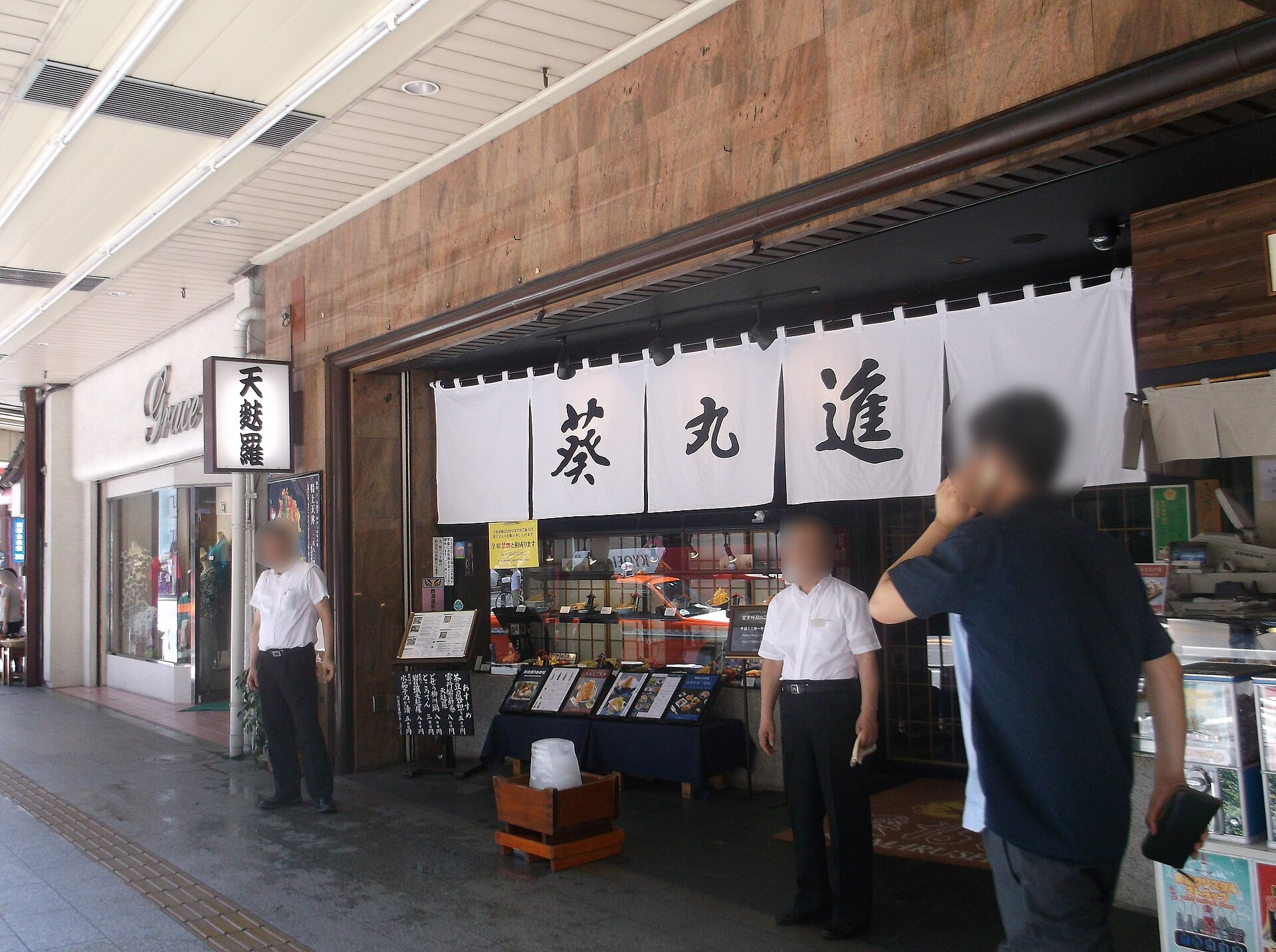
- Tempura restaurant entrance in Asakusa – Aoi marushin head store asakusa 2014 by Kentin, CC BY-SA 4.0, via Wikimedia Commons.