Tokyo Itineraries · Guide №082
Tokyo Food Lover’s Itinerary: The Ultimate Culinary Tour
A three-day Tokyo food itinerary: Tsukiji breakfast, ramen and tonkatsu lunches, depachika feasts, yakitori and izakaya nights, and a sushi omakase splurge, with real prices and reservation tips.

目次 — Contents
- How to use this food itinerary
- A neighborhood eating map of Tokyo
- What Tokyo food actually costs (2026)
- Day 1 — Tsukiji, Ginza and the seafood classics
- Day 2 — Ramen, street food and depachika across the west side
- Day 3 — The sushi splurge and the izakaya crawl
- Tokyo’s own dishes: edomae and beyond
- Themed cafes, sweets and a note on dietary needs
- Mistakes to avoid on a Tokyo eating tour
- Frequently Asked Questions
- Photo Credits
This article contains advertising. Our booking links are routed through a partner that adds commission tracking automatically, so if you book through one we earn a commission from the provider, at no extra cost to you. It never affects what we recommend. Affiliate disclosure
This Tokyo food itinerary is built the way I actually eat my way through the city: a tamagoyaki-and-sushi breakfast at Tsukiji, a ramen or tonkatsu lunch, an afternoon raid on a department-store depachika, and an evening that drifts from yakitori alleys to an izakaya, with one sushi splurge somewhere in the middle. Three eating days, real prices, and exactly when to book.
Tokyo holds more Michelin stars than any city on earth, but the food that defines it costs ¥400, not ¥40,000 — a beef bowl wolfed standing up, a ¥150 egg omelette on a stick, a midnight bowl of ramen. This plan moves neighborhood by neighborhood so each meal makes geographic sense, and it scales from backpacker-cheap to once-in-a-lifetime. For the wider context, lean on the Tokyo itineraries hub and the encyclopedic A-to-Z of Tokyo eating.
How to use this food itinerary
I have written this as three themed days you can run in any order, or cherry-pick if you only have one. Day 1 is the seafood-and-classics day around Tsukiji, Ginza and Tokyo Station. Day 2 is the noodles, street food and depachika day across Shinjuku, Shibuya and Ueno. Day 3 is the splurge-and-nightlife day: a proper sushi omakase plus the yakitori-and-izakaya crawl. Slot a sushi reservation wherever it fits your booking luck.
One rule before we start: come hungry and eat small. The mistake every first-timer makes is filling up on the first delicious thing and then waddling past ten better ones. Order a single skewer, a single piece, a half portion. Tokyo rewards grazing. If you are also planning sightseeing days, this dovetails neatly with our take on how to spend five days in Tokyo.
A neighborhood eating map of Tokyo
Tokyo’s food is intensely local — each district has a dish or a scene it does best, and planning by stomach-geography saves you hours of backtracking. Here is where I send people for each craving, with the station to aim for.
| Neighborhood | Go for | What to order |
|---|---|---|
| Tsukiji (Tsukiji-shijo / Higashi-ginza) | Seafood breakfast, market grazing | Tamagoyaki, uni, chutoro, standing sushi |
| Ginza (Ginza / Yurakucho) | Lunch deals, depachika, under-the-tracks yakitori | Tonkatsu, unagi, premium bento |
| Shinjuku (Shinjuku west exit) | Yakitori alleys, izakaya, ramen | Skewers in Omoide Yokocho, Golden Gai drinks |
| Shibuya (Shibuya) | Trendy cafes, ramen, izakaya | Soufflé pancakes, tsukemen, Tokyu Food Show |
| Ueno / Ameyoko (Ueno) | Street food, cheap eats, market snacks | Takoyaki, kushikatsu, standing beer |
| Asakusa (Asakusa) | Old-Tokyo sweets, tempura, monjayaki nearby | Ningyo-yaki, melon-pan, kaminari-okoshi |
| Tsukishima (Tsukishima) | Monjayaki street (Monja Street) | Monjayaki, okonomiyaki |
| Ebisu / Nakameguro | Refined izakaya, craft coffee, wine bars | Small-plate izakaya, third-wave coffee |
You do not need to hit all of these — pick the ones that match the three days above. But if you have a fourth food day, Tsukishima’s Monja Street for monjayaki (a runny, savoury Tokyo griddle pancake you cook yourself) and Nakameguro’s canal-side cafes and izakaya are where Tokyoites themselves go to eat well.
What Tokyo food actually costs (2026)
Tokyo has a deserved reputation for fine dining, but everyday eating is genuinely cheap and astonishingly good. Here is the lay of the land so you can budget each meal and know when you are being charged a fair price.
| Dish / experience | Budget | Mid-range | Splurge |
|---|---|---|---|
| Ramen (one bowl) | ¥700–¥1,000 | ¥1,100–¥1,500 w/ toppings | ¥2,000+ specialty |
| Gyudon (beef bowl) | ¥400–¥550 (Yoshinoya, Sukiya) | — | — |
| Standing soba/udon | ¥300–¥500 (station stalls) | — | — |
| Sushi | ¥1–¥3 plates kaiten (¥1,000–¥2,000 meal) | Lunch omakase ¥3,000–¥6,000 | Dinner omakase ¥20,000–¥40,000+ |
| Yakitori dinner | ¥2,000–¥3,000 (Omoide Yokocho) | ¥4,000–¥6,000 sit-down | Course ¥8,000+ |
| Izakaya night | ¥2,500–¥3,500 w/ drinks | ¥4,000–¥6,000 | ¥8,000+ |
| Depachika picnic | ¥1,000–¥2,000 | ¥2,500–¥4,000 (premium bento) | Caviar & champagne, sky’s the limit |
| Tonkatsu set | ¥1,000–¥1,500 | ¥2,000–¥3,000 (premium pork) | ¥4,000+ kurobuta |
A frugal eater covers three excellent meals for ¥2,500–¥4,000 a day. Add one mid-range sit-down dinner and you are around ¥6,000–¥8,000. The only thing that blows the budget is a top-tier sushi omakase, which is worth doing once. For an entire day built around the cheapest end, see where to eat cheaply in Tokyo.
Day 1 — Tsukiji, Ginza and the seafood classics
Breakfast: graze the Tsukiji Outer Market
Set an alarm. The Tsukiji Outer Market is the best breakfast in Tokyo and the early bird gets the freshest, least-crowded version of it. The famous inner wholesale market relocated to Toyosu years ago, but the outer market — 400-plus stalls of knife shops, dried goods, tea and, crucially, food vendors — still fires up around 5am, with most food shops winding down by early afternoon and effectively done by 3pm. Arrive between 8 and 9am to beat the 10am–noon tour-group surge.
Here is what to actually eat, in roughly the order I do it:
- Tamagoyaki on a stick (¥100–¥150) — a hot, sweet, fluffy rolled omelette; the Marutake and Yamacho stalls are institutions. The omelette sando in fresh shokupan with Japanese mayo is the upgrade.
- Grilled seafood — fat scallops in the shell, skewers of unagi (eel), and creamy uni (sea urchin) served in the shell, usually ¥500–¥1,000 each.
- Fresh tuna — this is maguro’s home turf. Try chutoro (medium-fatty, the sweet spot) and, if you are feeling rich, otoro (fatty belly that dissolves on contact).
- A standing sushi set — several counters serve a half-dozen nigiri for ¥1,500–¥3,000; queues at the famous ones (Sushi Dai’s sibling stands) can hit an hour, so have a backup.
- Dashi-soaked snacks and strawberry daifuku to finish, plus a matcha or a tiny cup of sake.
Etiquette: eat what you buy at or near the stall rather than walking and dripping soy sauce through the crowd, do not haggle, and have cash ready. Many stalls are cash-only and lines move faster when you are not fumbling.
Lunch: tonkatsu or unagi in Ginza
Walk 10 minutes north into Ginza. For lunch, go for a Tokyo classic done properly: a tonkatsu set (panko-crusted deep-fried pork cutlet with shredded cabbage, rice and miso soup, ¥1,500–¥3,000 at a good specialist), or splurge on unagi — charcoal-grilled freshwater eel lacquered in sweet tare over rice, a summer tradition that runs ¥3,000–¥6,000 at an old-school unagi house. Ginza also hides excellent-value lunch sets at restaurants that triple their prices at dinner.
Afternoon: the Ginza depachika
Even if you are full, walk through the basement food halls under Mitsukoshi and Matsuya in Ginza — see the depachika section below for why these underground food cities are a destination in themselves. Buy something for later: a jewel-box wagashi, a slice of the famous fruit shortcake, or a bento for the train.
Day 2 — Ramen, street food and depachika across the west side
Ramen: the lunch you came for
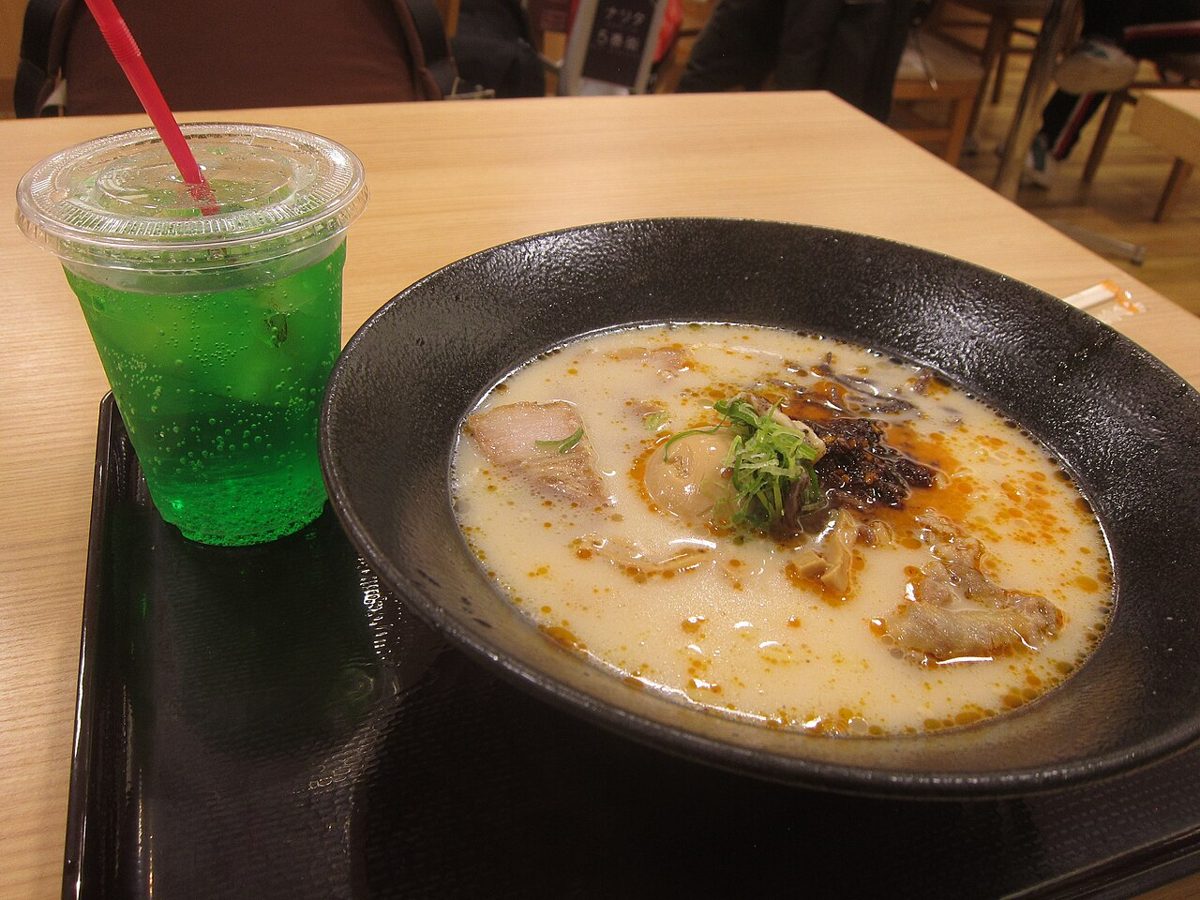
Build the day around one great bowl of ramen. The umbrella term hides wildly different styles, and Tokyo does them all: rich, cloudy tonkotsu (pork bone); clear, soy-based shoyu (the original Tokyo style); miso; and the dipping-noodle tsukemen. A standard bowl is ¥700–¥1,000; even with extra chashu, an egg and a beer you rarely pass ¥2,000. Mechanics: at most shops you buy a ticket from a vending machine at the door, hand it to the counter, and slurp (slurping is encouraged — it cools the noodles and aerates the broth). The Ichiran chain (~¥990) is the famous solo-booth tonkotsu experience; for shoyu, seek out an old-Tokyo shop. A full ranking lives in the best ramen in Tokyo.
Street food and cheap classics
Between meals, graze the cheap end. In Ameyoko, the loud market under the Ueno train tracks, you can pick up grilled skewers, takoyaki (octopus batter balls), kushikatsu, fresh fruit and a standing beer for a few hundred yen each. Station standing-soba stalls serve a hot bowl for ¥300–¥500 — the fastest honest meal in Japan. And a gyudon beef bowl at Yoshinoya, Sukiya or Matsuya is ¥400–¥550 and genuinely good. None of this is a compromise; it is how Tokyo actually eats on a weekday.
The depachika: Tokyo’s underground food cities
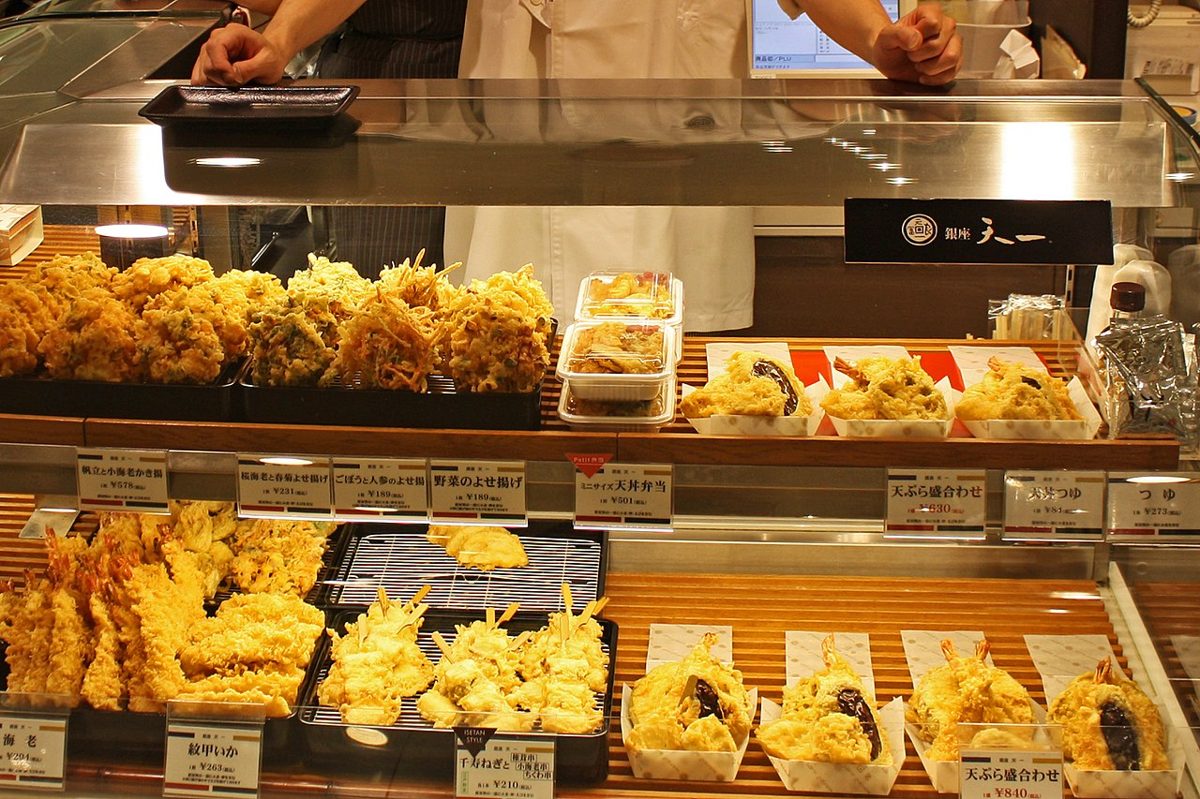
A depachika (department-store basement) is one of the great food experiences on the planet and most visitors walk right past it. Picture an entire floor of glass counters: beautifully wrapped bento, glistening tempura and tonkatsu, hundreds of wagashi and French-grade patisserie, pickles, premium fruit, and free samples everywhere. The standouts:
- Isetan Shinjuku (B1) — widely considered the finest depachika in Tokyo, beautifully organized, with everything from caviar-and-champagne counters to legendary cake shops.
- Mitsukoshi and Matsuya, Ginza (B2–B3) — the elegant, classic depachika you met on day 1.
- Takashimaya, Nihonbashi — sprawling and traditional, strong on Japanese sweets.
- Tokyu Food Show, Shibuya — convenient and bustling under the station.
Strategy: go after about 7pm when prepared foods are often marked down 20–50% as the store nears closing, assemble a feast, and eat it back at your hotel or on a park bench. It is the best-value gourmet meal in the city. Our full Tokyo eating guide has a longer depachika rundown.
Day 3 — The sushi splurge and the izakaya crawl
The sushi splurge: omakase done right
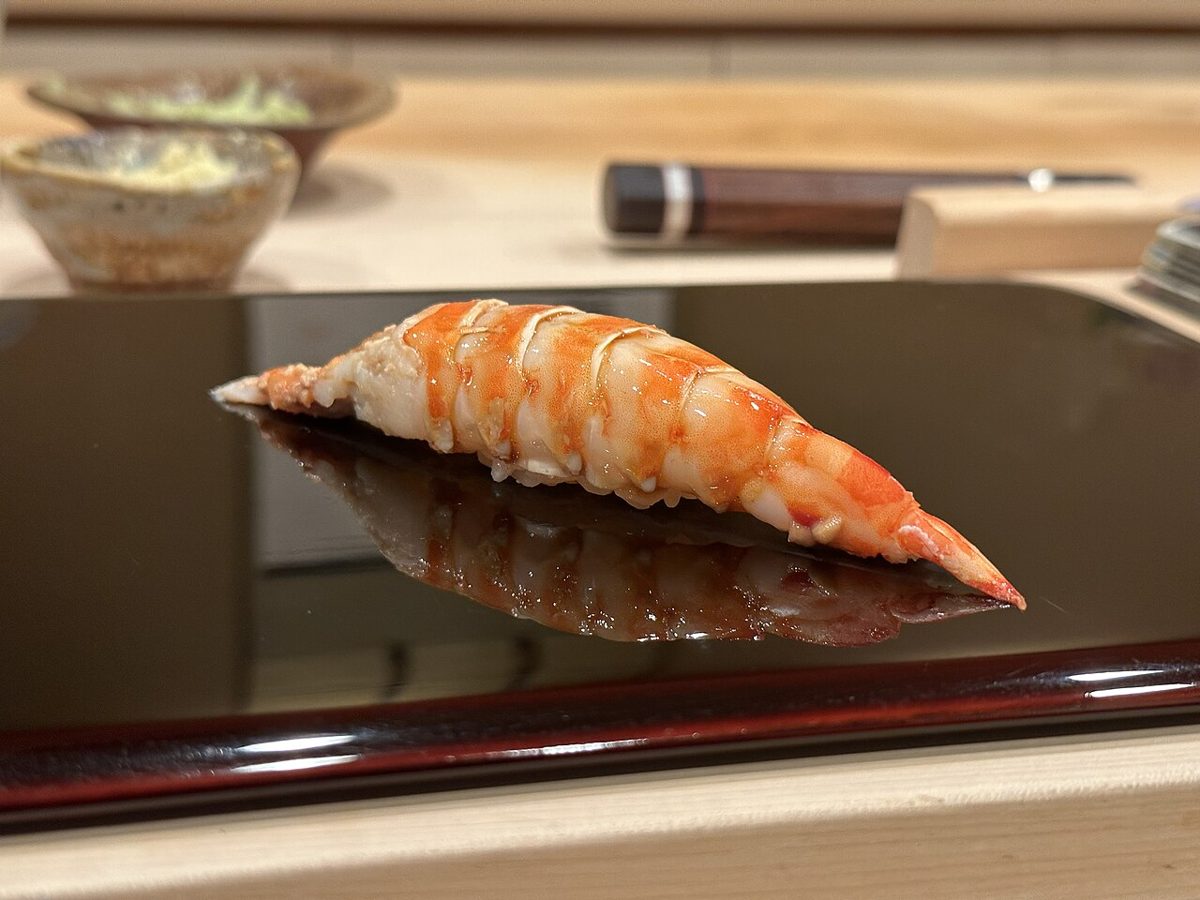
Do this once and do it properly. Omakase (“I leave it to you”) means the chef serves a procession of nigiri at the counter, each piece placed in front of you to eat immediately with your fingers. A top dinner omakase runs ¥20,000–¥40,000+ and the hardest counters book out months ahead. The insider move: book lunch omakase instead. Many starred shops serve 10–15 pieces of the same fish and rice at lunch for ¥8,000–¥15,000 — sometimes 40–60% cheaper than dinner — and there are excellent value counters with omakase from around ¥7,000.
Reservation reality check, because this is where people get stung:
- Book early. Two to three months ahead for Michelin-level counters; the very famous names (think Saito, Sukiyabashi Jiro) want six months and may still say no.
- Use the right channels. Many restaurants book through their own site; the apps OMAKASE and Pocket Concierge (the latter owned by Amex) handle a lot of top counters, often with prepayment.
- Counters expect attention. Eat each piece within seconds, do not drown it in extra soy sauce, and there is no tipping in Japan — ever.
- Cannot get a seat? A good kaiten-zushi (conveyor-belt) shop is a fun, walk-in, ¥1,000–¥2,000 alternative; pull a ticket and wait for your number.
For where to actually point yourself, from ¥150-a-plate belts to the temples of the craft, read the best sushi in Tokyo.
Dinner: yakitori in the alleys
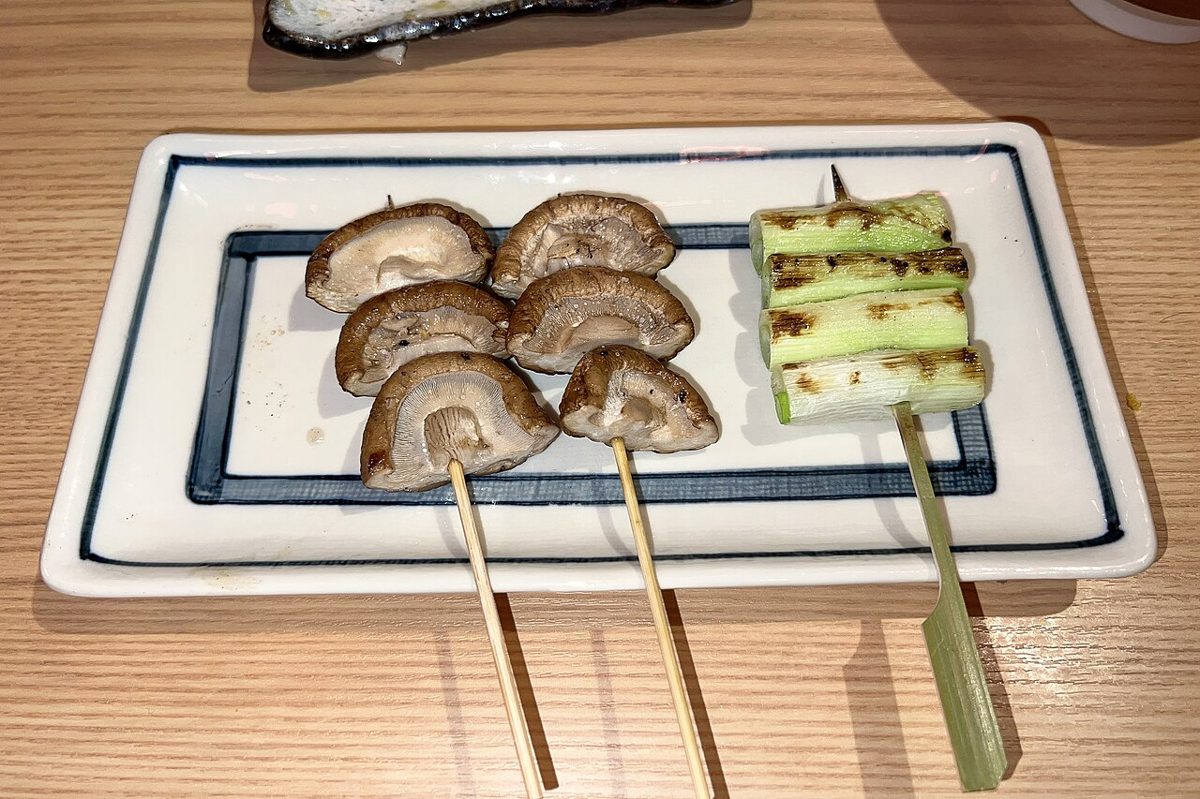
End the day where Tokyo is most itself: a smoky lane of yakitori bars. Omoide Yokocho (“Memory Lane”) by Shinjuku’s west exit is the classic — a warren of six-seat counters grilling chicken over charcoal, skewers at ¥100–¥200 each, a full meal with drinks around ¥2,000–¥3,000. Order yakitori by the piece: momo (thigh), negima (chicken and leek), tsukune (meatball), and, if you are adventurous, the offal cuts the regulars swear by. Yurakucho’s under-the-tracks yakitori joints near Ginza are an equally atmospheric alternative.
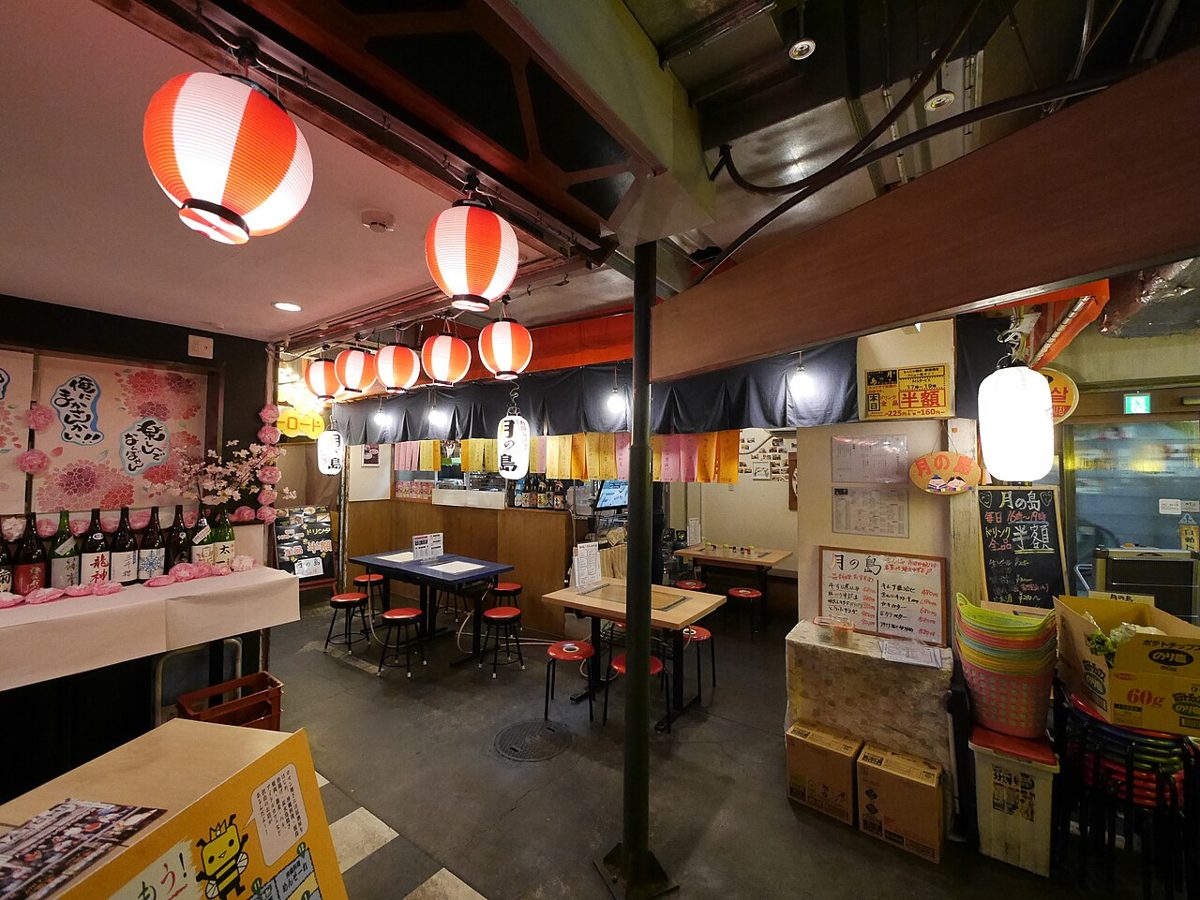
The izakaya: how Tokyo really drinks and dines
If you only learn one Japanese dining format, make it the izakaya — the casual gastropub where Tokyo unwinds after work over shared small plates and drinks. You order in rounds: edamame, karaage (fried chicken), sashimi, grilled fish, agedashi tofu, plus beer, highballs and sake. Expect a small otoshi seating-charge appetizer (¥300–¥500) you did not order — this is normal, not a scam. A relaxed izakaya night runs ¥2,500–¥3,500 a head at the budget end. Many offer nomihodai (all-you-can-drink) sets for a flat price, and Golden Gai in Shinjuku packs 200 tiny themed bars into a few alleys (watch for cover charges). Lock in this plan alongside the sightseeing days in our longer five-day route.
Tokyo’s own dishes: edomae and beyond
People come to Tokyo for sushi and ramen, but the city has its own historic cuisine — edomae, the “in front of Edo (Tokyo) bay” cooking that gave the world nigiri sushi in the first place. A few Tokyo natives worth seeking out:
- Edomae sushi — the original fast food of old Tokyo, fish cured, marinated or briefly cooked (not just raw) and pressed onto vinegared rice. The technique is the whole point at a good counter.
- Monjayaki — Tokyo’s looser, gooier cousin of Osaka’s okonomiyaki, cooked on a tabletop griddle and scraped up with tiny spatulas. Tsukishima’s Monja Street has dozens of specialists; a meal runs ¥1,500–¥2,500.
- Soba — buckwheat noodles, an Edo staple, served hot in broth or cold with dipping sauce (zaru soba). A proper hand-cut soba shop is a quiet, ¥1,000–¥1,800 pleasure; station stand-and-slurp soba is the ¥300–¥500 everyday version.
- Chanko-nabe — the protein-packed hotpot that sumo wrestlers eat to bulk up, best near the Ryogoku sumo district, often served in restaurants run by retired wrestlers.
- Wagashi — traditional sweets built around red-bean paste, mochi and seasonal motifs, made to go with matcha; the depachika and old Asakusa shops are the place to buy them.
Pair any of it with a drink that fits: a crisp dry sake, a barley shochu on the rocks, or the ubiquitous highball (whisky and soda) that Tokyo drinks by the gallon. For the full menu of what to eat and where, our guide to every Tokyo cuisine is the companion to this itinerary, and the best ramen and best sushi guides go deep on the two headline acts.
Themed cafes, sweets and a note on dietary needs
Tokyo’s cafe culture is its own food group. Beyond the famous (and gimmicky) animal and character cafes, the real pleasures are a perfect ¥600 pour-over in a Kiyosumi or Shimokitazawa roastery, a fluffy jiggly soufflé pancake stack, fruit-laden parfaits, and the matcha-and-wagashi ritual at a traditional tea house. Slot one in as an afternoon break between heavy meals — your stomach will need the pause.
Eating with dietary restrictions
Japan is improving but still tricky for restricted diets, so plan ahead:
- Vegetarian/vegan: dashi (fish stock) hides in nearly everything, including miso soup and most ramen broth. Seek out dedicated vegan ramen shops, shojin-ryori (Buddhist temple cuisine) and the growing number of vegan izakaya; depachika and konbini have clearly labeled options.
- Gluten-free: soy sauce contains wheat, so sushi, teriyaki and most sauces are not safe by default; tamari-based and dedicated GF restaurants exist, mostly in central wards.
- Halal: a growing number of halal-certified ramen and curry shops cluster around Shinjuku, Asakusa and Akihabara.
- Allergies: carry an allergy card written in Japanese; staff take it seriously. Buckwheat (soba) and shellfish are common and not always obvious.
Mistakes to avoid on a Tokyo eating tour
- Filling up too fast. Order one of everything, share, and keep moving. This is the cardinal sin.
- Sleeping in on a Tsukiji day. Show up at noon and half the good stalls are sold out or closing.
- Tipping. Do not. It is not expected and can cause confusion; great service is the standard.
- Assuming cards work everywhere. Markets, tiny yakitori counters and Golden Gai bars are often cash-only. Carry yen; 7-Eleven ATMs take foreign cards.
- Walking while eating. Outside festivals and designated street-food spots, it is considered rude — eat at the stall or step to the side.
- Skipping reservations for sushi, then being disappointed. The best counters are booked months out; plan it or pivot to kaiten-zushi without sulking.
- Ignoring the konbini. 7-Eleven, Lawson and FamilyMart egg-salad sandwiches, onigiri and fried chicken are genuinely excellent and cost pocket change — a legitimate part of any Tokyo food itinerary.
Frequently Asked Questions
How many days do you need to eat your way through Tokyo?
Three days is the sweet spot and the basis of this Tokyo food itinerary: one seafood-and-classics day, one noodles-and-depachika day, and one splurge-and-nightlife day. With only one day, prioritize a Tsukiji breakfast, a ramen lunch, a depachika raid and a yakitori dinner — that single loop hits the essentials.
How much should I budget for food in Tokyo per day?
A frugal but excellent day of three meals runs ¥2,500–¥4,000. Add a mid-range sit-down dinner and you are around ¥6,000–¥8,000. The only big swing is a sushi omakase: lunch versions are ¥8,000–¥15,000 and top dinners ¥20,000–¥40,000 or more. Budget travelers eat very well in Tokyo on gyudon, ramen, standing soba and depachika finds.
Do I need reservations for sushi in Tokyo?
For top counters, yes — book two to three months ahead, and up to six months for the most famous names, often through the restaurant’s own site or apps like OMAKASE and Pocket Concierge. For a great casual meal you need no reservation at all: conveyor-belt (kaiten) sushi is walk-in, and a lunch omakase is far easier to book than dinner. More detail is in the best sushi in Tokyo guide.
What time does the Tsukiji market open for breakfast?
The Tsukiji Outer Market’s food stalls start firing up around 5am and most wind down by early afternoon, with the whole area effectively finished by about 3pm. Arrive between 8 and 9am for the best mix of fully stocked stalls and manageable crowds, before the late-morning tour-group rush. Many shops close on Sundays and some Wednesdays, so check the day before.
Is Tokyo good for vegetarians and vegans?
It is workable but takes planning, because fish-based dashi appears in many “vegetable” dishes including most ramen and miso soup. Tokyo has a growing roster of dedicated vegan ramen shops, shojin-ryori temple cuisine and vegan izakaya, and convenience stores and depachika carry labeled options. An allergy/diet card in Japanese makes ordering much smoother.
Photo Credits
- Grazing the stalls of Tsukiji Outer Market — Photo: Jonathansammy / CC BY-SA 4.0 via Wikimedia Commons
- A steaming bowl of Tokyo ramen — Photo: Daniel Zemans / CC BY 2.0 via Wikimedia Commons
- Nigiri sushi, the Tokyo splurge — Photo: Zheng Zhou / CC BY-SA 4.0 via Wikimedia Commons
- A classic Tokyo izakaya — Photo: 運転太郎 / CC BY 3.0 via Wikimedia Commons
- The basement food hall (depachika) of a Tokyo department store — Photo: istolethetv from NYC, USA / CC BY 2.0 via Wikimedia Commons
- Charcoal-grilled yakitori skewers — Photo: N509FZ / CC BY-SA 4.0 via Wikimedia Commons