Tokyo Food · Guide №046
Vegetarian and Vegan Restaurants in Tokyo: An Honest Guide
Where to eat vegetarian and vegan in Tokyo in 2026 - dedicated restaurants, vegan ramen and sushi, shojin ryori, konbini tips, and the phrases that beat hidden fish dashi.
目次 — Contents
- The hidden-animal-products problem (read this first)
- The phrases (and cards) that actually work
- Shojin ryori: Buddhist temple cuisine that was vegan before it was cool
- The best vegan and vegetarian restaurants in Tokyo, by area
- Vegan ramen and vegan sushi: the two you came for
- Konbini and chains that genuinely work
- Apps and tools: let HappyCow do the heavy lifting
- Tokyo neighbourhoods at a glance for plant-based eaters
- Mistakes to avoid
- Safe dishes you can order almost anywhere
- How to survive each kind of restaurant
- Vegan sweets, bakeries and coffee breaks
- A sample plant-based day in Tokyo
- Allergies, cross-contamination and being realistic
- The tofu family: your best friend in Japan
- Eating out with meat-eating friends
- Frequently Asked Questions
- Photo Credits
This article contains advertising. Our booking links are routed through a partner that adds commission tracking automatically, so if you book through one we earn a commission from the provider, at no extra cost to you. It never affects what we recommend. Affiliate disclosure
Eating vegetarian or vegan in Tokyo is very doable in 2026 — the city now has more than 150 fully vegan kitchens and hundreds of veg-friendly spots — but it comes with one big trap: vegetarian and vegan restaurants in Tokyo share a city where fish hides almost everywhere. Dashi, the fish-and-kelp stock under most “vegetable” dishes, will catch you out unless you know what to ask. This guide gives you the honest version: where to eat brilliantly, what to say, and the mistakes that ruin good intentions.
A quick map of the terrain. Tokyo is genuinely one of the easier big cities in Asia to eat plant-based now, especially in Shibuya, Shinjuku, Asakusa and around Tokyo Station. Dedicated vegan ramen, vegan sushi, all-vegan bakeries and even a vegan convenience store exist. The friction is not the dedicated places — it is the ordinary ones, where a bowl of miso soup or a “seasonal vegetable” side is quietly built on bonito. For the wider picture of how the city eats, start with our Tokyo food guide, then use this as your plant-based companion.
The hidden-animal-products problem (read this first)
Here is the thing nobody warns you about until you are sitting in front of a “vegetable” dish that tastes faintly of the sea. Traditional Japanese cooking is built on dashi, and dashi is almost always finished with katsuobushi (dried, fermented bonito flakes) or niboshi (dried baby sardines). It starts with kombu (kelp), which is plant-based — but the kelp-only version is the exception, not the rule. Because dashi is clear and subtle, a dish can look perfectly vegetarian while being saturated with fish protein.
The high-risk foods are exactly the ones you would assume are safe: miso soup, the dipping sauce for cold soba and tempura, simmered vegetables (nimono), agedashi tofu, most “clear” soups in a set meal (teishoku), and the broth under “vegetable ramen.” Even a few things you would never suspect — some pickled-plum and kelp onigiri at convenience stores — contain bonito or sardine that does not always show up clearly in English.
Two more landmines. First, the word niku (“meat”) usually means beef, pork or chicken in a Japanese kitchen — so “no meat” can still get you fish or fish stock. Second, “vegetable” on a menu describes the headline ingredient, not the seasoning; a dish of greens can be dressed with a bonito-based sauce. None of this means Tokyo is hostile to vegetarians. It means you ask one extra question, every time.
The phrases (and cards) that actually work
Do not lead with “Are you vegetarian-friendly?” In smaller places the honest answer might be a polite, confused yes. Ask about the stock and the specific animal products instead. These are the lines that get you accurate answers:
- “Sakana no dashi wa haitte imasu ka?” — Is there fish stock in this? The single most useful sentence in this article.
- “Niku, sakana, dashi, tamago, nyuuseihin — zenbu nashi de onegaishimasu.” — No meat, fish, fish stock, egg or dairy, please. The full vegan ask.
- “Bejitarian / vegan no menyuu wa arimasu ka?” — Do you have a vegetarian / vegan menu? Works well in central Tokyo.
- “Katsuo-bushi nuki de dekimasu ka?” — Can you make it without bonito flakes? Useful for okonomiyaki, salads and tofu dishes.
- Look for “プラントベース” (puranto-beesu, “plant-based”) — the most reliable modern menu marker that a dish was designed without animal products.
Carry a printed or phone “vegan/vegetarian in Japanese” card that spells out meat, fish, fish stock, egg, dairy, gelatine and bonito — staff appreciate being able to read it. If you want the broader rules of ordering, paying and behaving well at the table, our Japanese etiquette guide covers the etiquette so you can focus on the food. A little politeness goes a long way; you are asking a kitchen to step slightly outside its defaults.
Shojin ryori: Buddhist temple cuisine that was vegan before it was cool
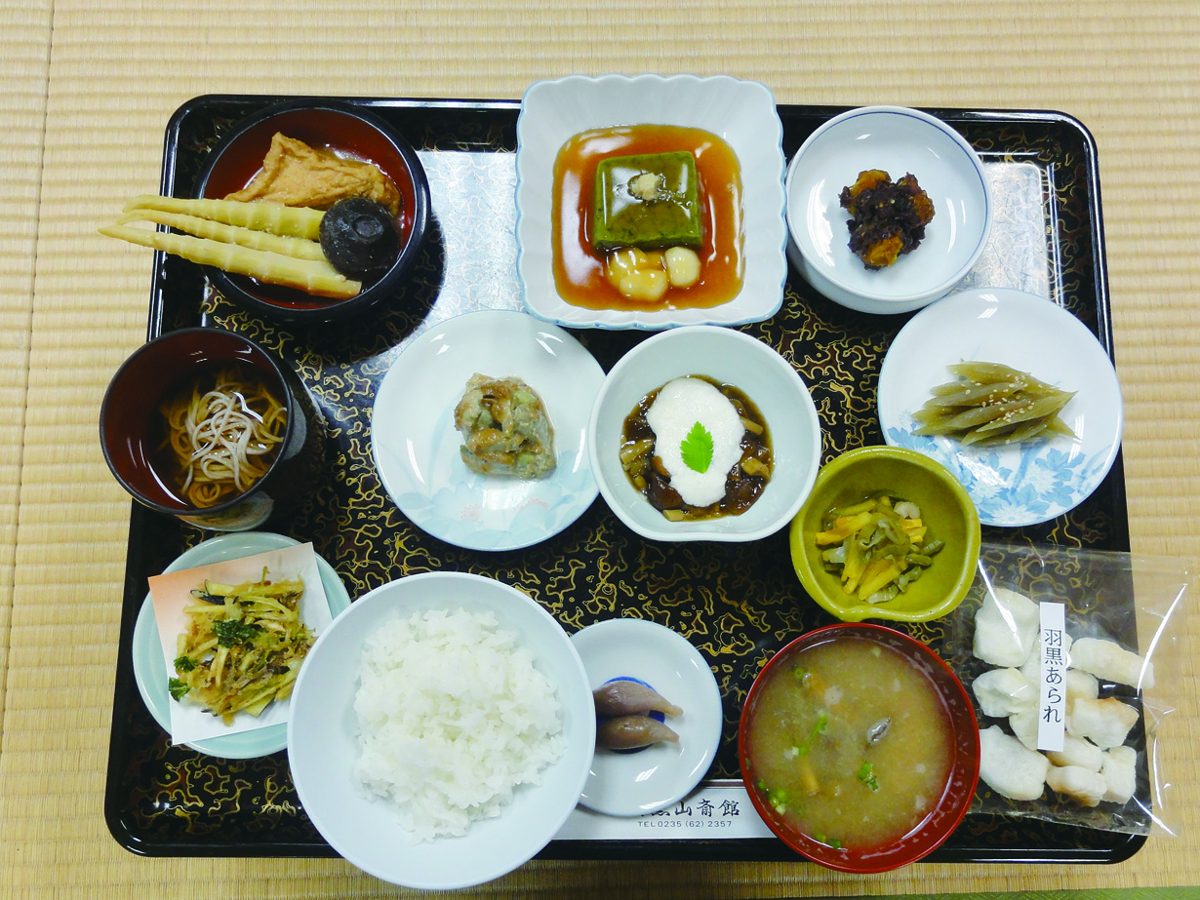
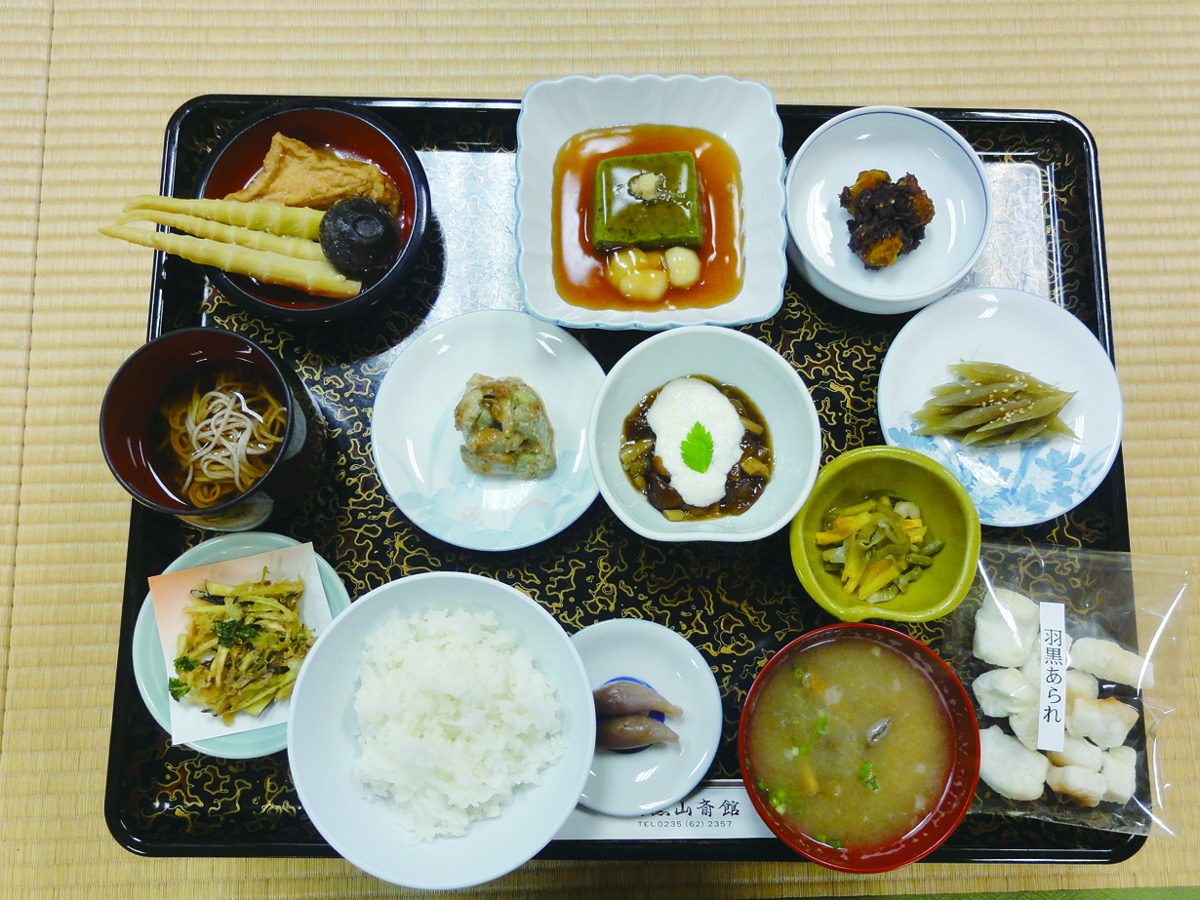
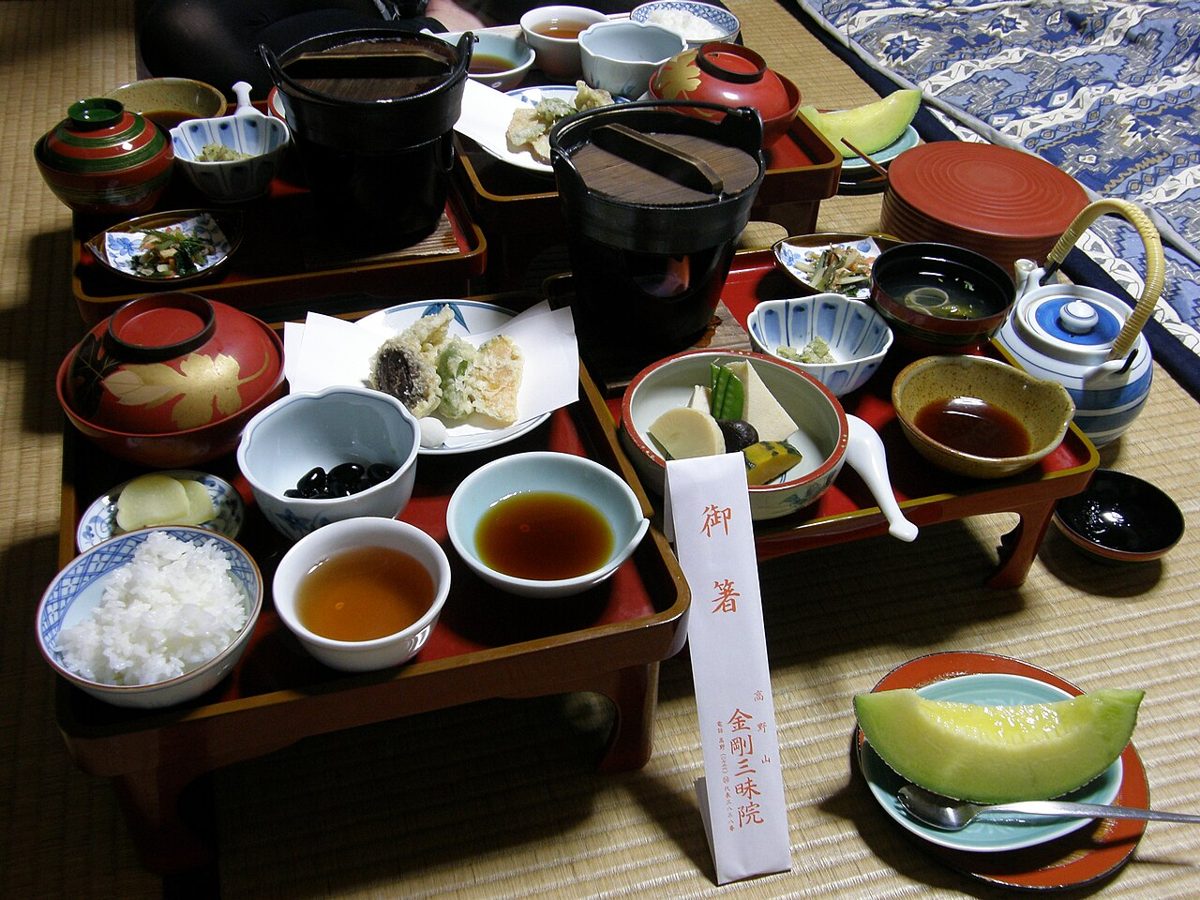
If you only eat one “proper” vegetarian meal in Tokyo, make it shojin ryori — the temple cuisine eaten by Zen Buddhist monks for centuries. It is strictly plant-based by design, uses kombu and dried-shiitake dashi (never fish), and treats vegetables, tofu, sesame and seasonal mountain produce as the main event rather than a garnish. It is the one cuisine where you never have to ask about the stock.
Where to eat shojin ryori
- Itosho (Azabu-Juban) — a tiny, Michelin-recognised shojin restaurant where a multi-course set runs through tempura, simmered vegetables, pickles and even vegetarian sushi. The owner-chef greets you and explains each course. Reserve ahead; it seats very few.
- Sougo (Roppongi) — a modern, polished shojin restaurant on the upper floor of a Roppongi building, with beautifully plated lunch and dinner courses and an easier reservation system for visitors.
- Komaki Shokudo (Akihabara, in Chabara) — the casual, wallet-friendly entry point. Home-style shojin plates, counter seating, no temple trek required. A great first taste if a full kaiseki feels like a lot.
- Bon (near Asakusa) — serves fucha ryori, the Chinese-influenced cousin of shojin, in a serene tatami setting where dishes are shared communally.
- Yakuo-in on Mt. Takao — about an hour from Shinjuku, this 8th-century temple serves authentic shojin lunches you can pair with a half-day hike. The most scenic way to eat it.
Expect to pay roughly ¥3,000–¥6,000 for a generous shojin lunch and ¥6,000–¥15,000 for a full dinner course at the higher-end rooms. Most require reservations, and several (like temple nunneries) seat everyone at a fixed time — turning up late means missing the meal. If the cooking itself fascinates you, several schools run shojin-ryori Tokyo cooking classes where you build a soup, a rice dish and sides from scratch.
The best vegan and vegetarian restaurants in Tokyo, by area
Dedicated places are where you relax completely — everything on the menu is safe, so you can order on instinct. Here are reliable picks across the neighbourhoods you are most likely to be in.
Shibuya & Harajuku
- Ain Soph. Journey (Shinjuku/Shibuya area) — the all-vegan brand Tokyo locals send first-timers to. Fluffy “heavenly” pancakes, burgers and set meals; expect ¥1,200–¥2,500 a dish and a queue at weekends.
- Shojin Ramen Sai (Shibuya) — a fully plant-based ramen bar wringing serious umami out of vegetables, mushrooms and seaweed. Proof a vegan bowl can stand beside the city’s best.
- 2foods (Shibuya) — slick plant-based fast-casual; vegan “egg” rice bowls, burgers and sweets, handy when you want quick rather than ceremonial.
Shinjuku
- T’s Tantan has a flagship presence here and near the stations — see the ramen section below.
- Ain Soph. Ripple (Kabukicho) — the burger-and-comfort-food sibling of the Ain Soph family, fully vegan, great for an easy dinner after a day out.
- Brown Rice / many macrobiotic cafes dot the area for lighter, set-meal lunches built on rice, tofu and vegetables.
Asakusa & the east side
- Vegan Store (Asakusa) — Tokyo’s first all-vegan Japanese-style convenience store, stocking vegan bento, onigiri and plant-based soft-serve. A lifesaver for self-catering near Senso-ji.
- Bon (fucha ryori) and several small macrobiotic cafes give the traditional east side real plant-based depth.
Jiyugaoka & further out
- Saido (Jiyugaoka) — a destination vegan restaurant in a greenery-covered building between Shibuya and Yokohama on the Tokyu Toyoko Line. Seasonal, in-house, on the pricier side, and worth the trip for vegan “unagi” and elaborate set meals.
Vegan ramen and vegan sushi: the two you came for
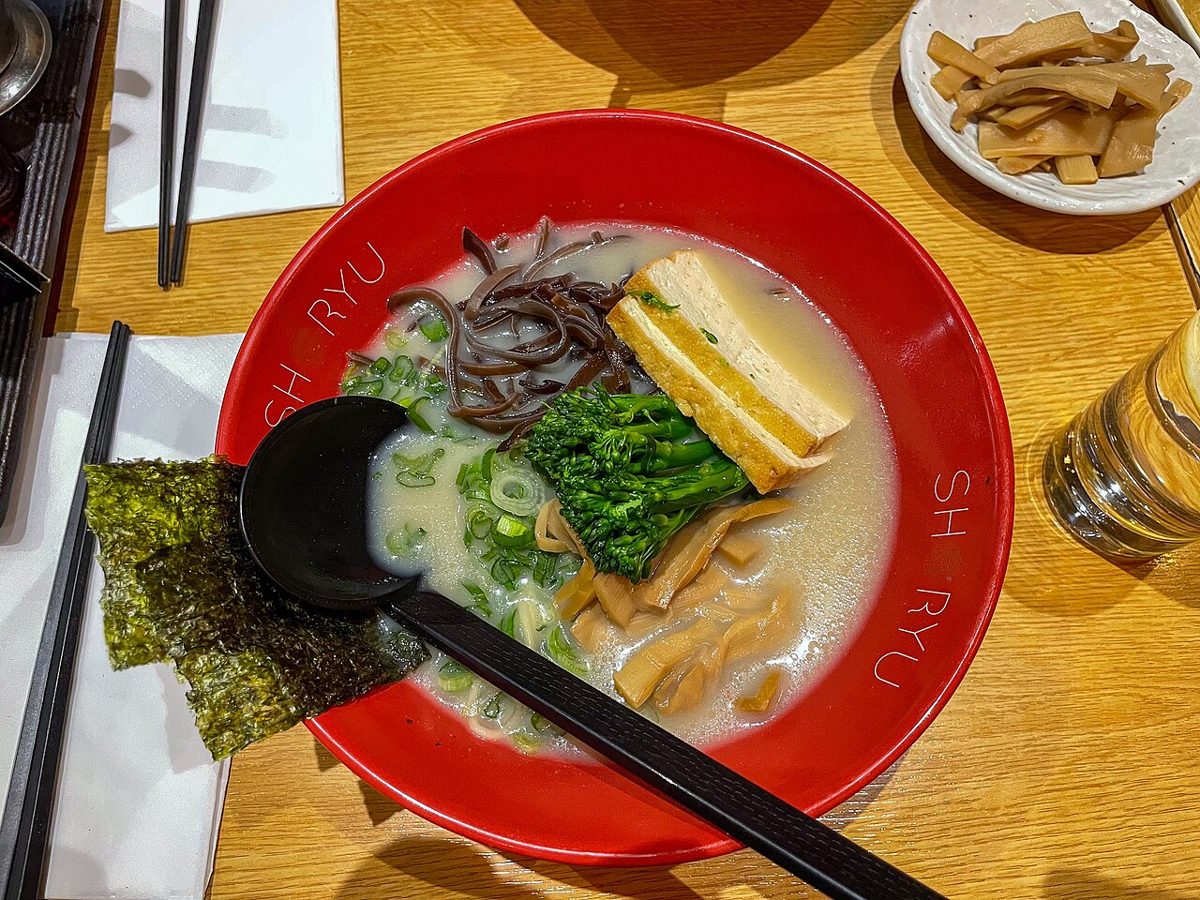
Vegan ramen
Ramen used to be the hardest “no” for vegetarians because the broth is pork or chicken and the base tare often contains fish. That changed. Tokyo now has bowls built entirely on vegetables, mushrooms, soy milk and sesame that genuinely satisfy.
- T’s Tantan — the gateway. Fully vegan, with shops inside the ticket gates at Tokyo, Ueno and Ikebukuro stations (Tokyo Station’s is in the Keiyo Street area of Gransta). The sesame-rich tantanmen is the signature; bowls run about ¥880–¥1,100, with soy-meat toppings around ¥500 extra. Open early, perfect before or after a shinkansen.
- Shojin Ramen Sai (Shibuya) — the “fine-dining” of vegan ramen; layered, vegetable-forward broth.
- Soranoiro (near Tokyo Station) — famous for colourful vegetable ramen with a genuinely vegan option; ask for the plant-based bowl specifically.
A reminder: most “normal” ramen shops cannot make their broth vegetarian on the spot, so stick to the dedicated bowls above rather than hoping. If you want to understand what you are missing (and why the dedicated vegan versions are such an achievement), our neighbourhood ramen guide explains the broth, tare and noodle craft behind a classic bowl.
Vegan sushi
“Sushi” means vinegared rice, not fish — so vegetable sushi is completely traditional, not a modern compromise. The classics are genuinely good: kappa-maki (cucumber rolls), takuan-maki (pickled-daikon rolls), nasu (grilled eggplant nigiri), avocado, natto-maki (fermented soybean), and the star, inarizushi — sweet fried-tofu pockets stuffed with rice. Many conveyor-belt and standing sushi places carry several of these; dedicated vegan kitchens like Saido push further with marinated tomato “maguro” and other lookalikes. The one thing to check is the soy sauce setup and whether any “vegetable” piece was brushed with a bonito-based glaze.
Konbini and chains that genuinely work
You will not always be near a vegan cafe, and that is fine — Japan’s convenience stores and a few chains can carry you between proper meals. The rules:
- Plain salted rice onigiri (shio musubi) at any 7-Eleven, Lawson or FamilyMart is vegan. But beware: several umeboshi (pickled plum) and kombu onigiri secretly contain katsuo (bonito) or sardine, even when it is not obvious in English. When in doubt, plain rice is the safe one.
- Edamame, plain tofu, natto, cut fruit, salads, nuts and soy/oat/almond milk are easy konbini wins. Check salad dressings for bonito.
- Coco Ichibanya (CoCo Ichi) curry houses offer a dedicated vegetarian curry sauce nationwide — order it with vegetable toppings and rice for a reliable hot meal.
- T’s Tantan (above) is the chain to remember for a fully vegan sit-down meal in a pinch.
- Vegan Store (Asakusa) is the one konbini where you can grab literally anything off the shelf.
For more ways to eat well without spending much — including standing bars, supermarkets after the evening discounts, and depachika food halls — see our guide to eating cheaply in the city.
Apps and tools: let HappyCow do the heavy lifting
The single best tool is HappyCow. Its Tokyo listings are the gold standard precisely because reviewers flag the dashi and egg traps that Google reviews miss, and you can filter for “vegan only,” “vegetarian,” and nearby. Pair it with Google Maps for opening hours (always double-check; small places keep irregular days) and a translation app for menus. The Tokyo Metropolitan Government also publishes a free Vegan & Vegetarian Restaurant Guide (the 2026–2027 edition lists well over 100 vetted restaurants), grouped by “all vegan,” “some vegan,” and “some vegetarian” — a genuinely useful, non-commercial resource. Save a few spots before you go out, because decision fatigue at 8pm in Shinjuku is real.
Tokyo neighbourhoods at a glance for plant-based eaters
| Area | Best for | Don’t-miss | Price feel |
|---|---|---|---|
| Shibuya / Harajuku | Trendy all-vegan cafes & ramen | Ain Soph, Shojin Ramen Sai, 2foods | ¥¥ |
| Shinjuku | Variety, late hours | Ain Soph. Ripple, macrobiotic lunches | ¥¥ |
| Tokyo Station | Quick vegan before trains | T’s Tantan (inside gates), Soranoiro | ¥ |
| Asakusa / east | Traditional & self-catering | Vegan Store, Bon (fucha ryori) | ¥–¥¥¥ |
| Azabu-Juban / Roppongi | Shojin ryori | Itosho, Sougo | ¥¥¥ |
| Jiyugaoka | Destination vegan dining | Saido | ¥¥¥ |
Mistakes to avoid
- Assuming miso soup is safe. It almost always contains fish dashi. Ask, or skip it.
- Saying only “no meat.” Niku excludes fish in most kitchens — name fish and dashi explicitly.
- Trusting “vegetable” dishes blindly. The seasoning, not the headline ingredient, is where animal products hide.
- Grabbing any onigiri. Plum and kelp can hide bonito; default to plain salted rice.
- Not booking shojin ryori. The best rooms are tiny and reservation-only, sometimes with a fixed seating time.
Safe dishes you can order almost anywhere
Even at a regular restaurant that has never heard the word “vegan,” there is usually something for you — especially if you can ask for it without bonito. Memorise this shortlist; it turns an izakaya menu from a minefield into a meal.
- Edamame — salted boiled soybeans; the universal vegan starter at any izakaya.
- Hiyayakko — cold tofu with toppings; ask for it without bonito flakes (katsuo nuki) and check the soy sauce.
- Yasai tempura — vegetable tempura. The batter is usually egg-free, but the tsuyu dipping sauce contains dashi, so use salt (shio) instead.
- Zaru soba / udon — chilled noodles. Naked noodles are fine, but the dipping sauce is fish-based; ask, or dress them with soy and wasabi. Note many soba also contain wheat, and some udon shops keep a separate veg broth.
- Nasu dengaku — grilled eggplant with sweet miso; confirm the miso glaze has no dashi.
- Tsukemono — Japanese pickles; mostly vegan, occasionally seasoned with bonito.
- Inarizushi & kappa-maki — tofu-pocket and cucumber sushi; reliably vegetarian.
- Yasai itame / kinpira — stir-fried or braised vegetables; ask whether dashi or fish sauce is used.
- Goma-dofu — sesame “tofu,” a shojin classic that is fully plant-based.
A quiet truth: tempura, soba and tofu are everywhere, so the difference between “I went hungry” and “I ate beautifully” is almost always one sentence about the dipping sauce or the bonito on top.
How to survive each kind of restaurant
Izakaya (Japanese gastropubs)
Izakaya are vegetarian-friendlier than they look because the menu is built from many small plates. Lead with edamame, hiyayakko (no bonito), agedashi-style tofu if they can skip the dashi sauce, grilled or pickled vegetables, and chips or fries. Order in stages and you can assemble a satisfying spread. The trap is the house dashimaki egg and anything sitting in a simmered broth.
Ramen and soba shops
Standard ramen shops cannot usually de-fish their broth, so use the dedicated vegan ramen bars listed above rather than negotiating. At soba and udon shops, the noodles are fine but the soup and dipping sauce are dashi; some places do keep a kombu-only broth, so it is worth asking.
Conveyor-belt and standing sushi
Cheap and easy: pick the vegetable plates (cucumber, pickled radish, natto, avocado, inari, corn, sometimes okra or eggplant). You control your own plate, so there is no negotiation — just watch the soy sauce and any glazed pieces.
Department-store food halls (depachika)
The basement food halls under big department stores are a vegetarian secret weapon: salads, pickles, inari, tofu, fruit, bento components and bakery items, often with clearer labelling and end-of-day discounts. Assemble a picnic and eat it in a nearby park. More of this kind of value-hunting is in our budget eating guide.
Vegan sweets, bakeries and coffee breaks
Tokyo’s cafe culture has embraced plant-based hard. For sweets, the easy traditional wins are mochi, dango, anmitsu (agar jelly with red-bean paste — check no honey) and dorayaki made without egg at vegan bakeries. Ain Soph is famous for its vegan pancakes and parfaits; specialist vegan bakeries and gelato counters have multiplied across Shibuya, Nakameguro and Kuramae. Coffee itself is everywhere, and soy or oat milk is now standard at most third-wave cafes — just say “soy milk de” (with soy milk). Matcha lattes are an easy plant-based treat when you specify a non-dairy milk.
Watch two things in sweets: honey (not vegan) turns up in wagashi and dressings, and gelatine appears in some puddings and gummies — agar (kanten) is the plant-based setting agent to look for instead.
A sample plant-based day in Tokyo
To show how doable this is, here is an easy, entirely vegan day that requires almost no negotiation:
- Breakfast: oat-milk coffee and a pastry at a vegan-friendly cafe, or plain onigiri plus a banana and soy milk from a konbini.
- Lunch: a bowl at T’s Tantan inside Tokyo Station (about ¥1,100), fast and reliably vegan.
- Afternoon: vegan pancakes or a parfait at Ain Soph, or mochi and dango from a depachika.
- Dinner: a shojin-ryori course at Itosho or Sougo, or a relaxed spread at Saido in Jiyugaoka.
- Late snack: edamame and pickles at an izakaya, with a beer or sake.
Not a single fish-stock landmine in that itinerary. Build a couple of these “safe spines” into your trip and you free up energy to be adventurous the rest of the time. For the full lay of the land — markets, districts and seasonal specialities — keep our Tokyo food guide open as your base map, and if the cooking grabs you, a plant-based session from our Tokyo cooking classes sends you home able to recreate it.
Allergies, cross-contamination and being realistic
One honest caveat: many Japanese kitchens are small and shared, so a strict allergy (versus an ethical preference) needs extra care. Fried items often share oil; “dashi-free” can still mean a splash of bonito-based seasoning the cook does not think to mention. If your need is medical, carry an allergy card that uses the strongest possible wording, prioritise dedicated vegan or shojin kitchens where the whole menu is controlled, and accept that ultra-strict eating is easiest in central Tokyo and at temple cuisine. For an ethical-flexitarian traveller, the city is a joy; for a zero-tolerance allergy, plan around the dedicated places.
The tofu family: your best friend in Japan
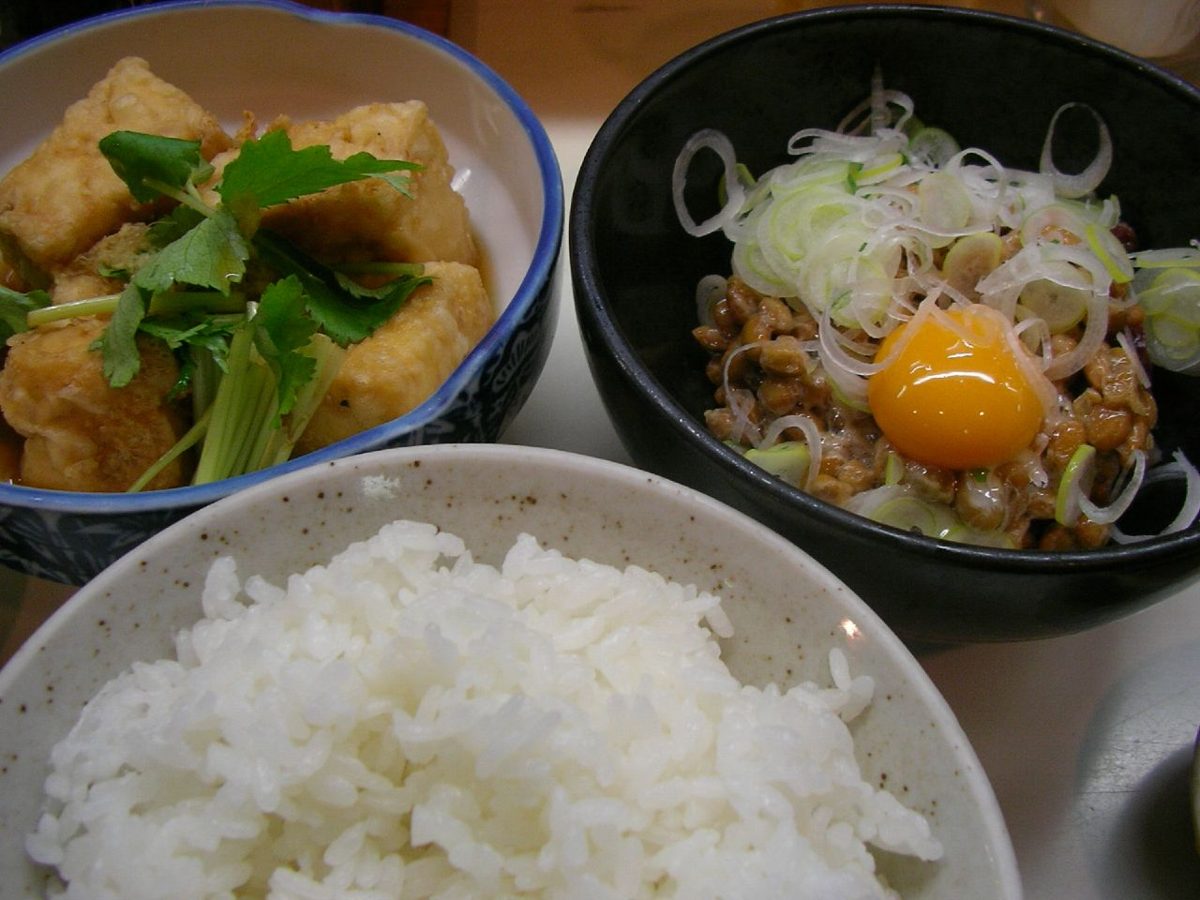
Japan does more with soybeans than almost anywhere on earth, and learning the tofu vocabulary unlocks a huge amount of plant-based eating. Beyond the silky kinugoshi (soft) and firmer momen (cotton) blocks, look out for yuba (delicate tofu skin lifted from simmering soy milk — a shojin and Kyoto-style delicacy), atsuage and aburaage (thick and thin fried tofu, the latter being the pocket around inarizushi), koyadofu (freeze-dried tofu that drinks up broth), and natto (fermented, pungent and a brilliant protein hit on rice). Specialist tofu restaurants exist across the city and are almost entirely vegetarian, though you should still confirm the simmering liquid is kombu-based and not fish dashi.
Soy is also where you quietly meet most of your protein here: tofu, edamame, natto, soy milk, miso (in vegan form) and soy-meat (daizu meat) toppings. A plant-based traveller eating across these rarely runs short.
Eating out with meat-eating friends
You do not have to drag a whole group to a vegan-only cafe to eat well. The trick is choosing restaurant formats with built-in flexibility, so everyone is happy at one table:
- Izakaya — dozens of small plates means meat-eaters and you both order freely from the same menu.
- Shabu-shabu / sukiyaki with a vegetable option — some hot-pot places offer a vegetable-and-tofu set or a separate kombu broth pot.
- Okonomiyaki / teppan — a vegetable okonomiyaki (skip the bonito, check the batter has no dashi) cooks alongside everyone else’s.
- Conveyor-belt sushi — everyone grabs their own plates; no compromise required.
- Curry houses (CoCo Ichi) — the vegetarian sauce sits on the same menu as every meat option.
If you are hosting or being hosted, a quiet word about the bonito or dashi to the staff keeps things smooth for everyone. Our Japanese etiquette guide has more on how dining works in a group, splitting bills and the small courtesies that make you a welcome guest.
Frequently Asked Questions
Is it hard to be vegetarian or vegan in Tokyo?
It is easier than the rest of Japan and getting easier every year, especially in Shibuya, Shinjuku, Asakusa and around Tokyo Station, which have dedicated vegan ramen, sushi and cafes. The real challenge is not the dedicated restaurants but ordinary ones, where fish-based dashi hides in soups, sauces and simmered vegetables. Learn one phrase about fish stock and you will eat very well.
What is dashi and why does it matter for vegetarians?
Dashi is the foundational Japanese stock. It starts with kombu (kelp, plant-based) but is usually finished with katsuobushi (bonito flakes) or niboshi (dried sardines), so it contains fish even though it looks clear and vegetable-like. Because it seasons miso soup, dipping sauces and many vegetable dishes, a meal can look vegetarian while containing fish. Shojin ryori uses only kombu and shiitake dashi, so it is always safe.
Is sushi vegetarian?
Some of it is. ‘Sushi’ means vinegared rice, not fish, so vegetable sushi is fully traditional. Safe, common choices include kappa-maki (cucumber), takuan-maki (pickled daikon), avocado, natto-maki, grilled-eggplant nigiri and inarizushi (rice in a sweet fried-tofu pocket). Just check that no ‘vegetable’ piece was glazed with a bonito-based sauce.
Which Tokyo convenience store items are vegan?
Plain salted rice onigiri (shio musubi) is vegan at 7-Eleven, Lawson and FamilyMart, along with edamame, plain tofu, natto, cut fruit, many salads and soy or oat milk. Avoid plum and kelp onigiri, which can secretly contain bonito or sardine. For a shop where everything is safe, visit the all-vegan Vegan Store in Asakusa.
What is the best app for finding vegan food in Tokyo?
HappyCow is the standard, because its Tokyo reviewers flag the dashi and egg traps that mainstream reviews miss and let you filter for vegan-only or vegetarian nearby. Pair it with Google Maps for hours and the free Tokyo Metropolitan Government Vegan & Vegetarian Restaurant Guide for vetted listings.
Photo Credits
- Hero image — Photo: Mimissu / CC BY-SA 4.0 via Wikimedia Commons
- Tofu image — Photo: jetalone from Tokyo / CC BY 2.0 via Wikimedia Commons
- Vegan ramen image — Photo: Photograph by Mike Peel (www.mikepeel.net). / CC BY-SA 4.0 via Wikimedia Commons
- Vegetable dishes image — Photo: Szabolcs Arany / CC BY 2.0 via Wikimedia Commons
- Buddhist cuisine image — Photo: Mimissu / CC BY-SA 4.0 via Wikimedia Commons