Tokyo Food · Guide №162
Best Soba and Udon in Tokyo: A Noodle-by-Noodle Guide
Tokyo's historic soba houses in Kanda and Asakusa, the best udon shops by style, the standing-counter chains that cost a few hundred yen, and how to order and eat both noodles properly.
目次 — Contents
This article contains advertising. Our booking links are routed through a partner that adds commission tracking automatically, so if you book through one we earn a commission from the provider, at no extra cost to you. It never affects what we recommend. Affiliate disclosure
The best soba Tokyo serves is still found in its old Edo-era noodle houses: Kanda Matsuya, Kanda Yabu Soba, and Namiki Yabusoba and Owariya in Asakusa. For udon, the city’s stars are Udon Shin near Shinjuku, Tsurutontan’s huge bowls, and Kamachiku’s kamaage udon in Nezu. Both noodles are cheap, quick and far less crowded than ramen.
This guide works noodle by noodle: how soba and udon differ, how to order and eat them, the classic soba houses worth crossing the city for, the best udon shops by style, the standing-counter chains that feed Tokyo’s commuters for a few hundred yen, and where the queues are not worth it. For the wider picture, see our Tokyo food guide.
Soba vs udon: the two-minute version
| Soba | Udon | |
|---|---|---|
| Made from | Buckwheat flour, usually with some wheat | Wheat flour, water and salt |
| Look and texture | Thin, grey-brown, nutty, slightly firm | Thick, white, soft to very chewy |
| Tokyo’s traditional noodle? | Yes; the Edo city noodle | More western Japan, but hugely popular |
| Best eaten | Cold with a dipping sauce, to taste the buckwheat | Hot in broth, or cold and chewy in the Sanuki style |
| Typical price | From a few hundred yen at a standing counter to ¥1,000–2,500 at a classic house | From a few hundred yen at a chain to ¥1,000–2,000 at a specialist |
| Allergy note | Buckwheat allergy can be severe | Contains wheat (gluten) |
Tokyo is historically a soba city. In the Edo period, soba stalls were the fast food of the working city, and the old noodle houses of Kanda and Asakusa are some of the most atmospheric places to eat in Tokyo. Udon belongs more to Osaka and Shikoku, but Tokyo has excellent specialists and cheap chains, and in the last decade Sanuki-style udon has become a craze.
How to order and eat soba
The main dishes
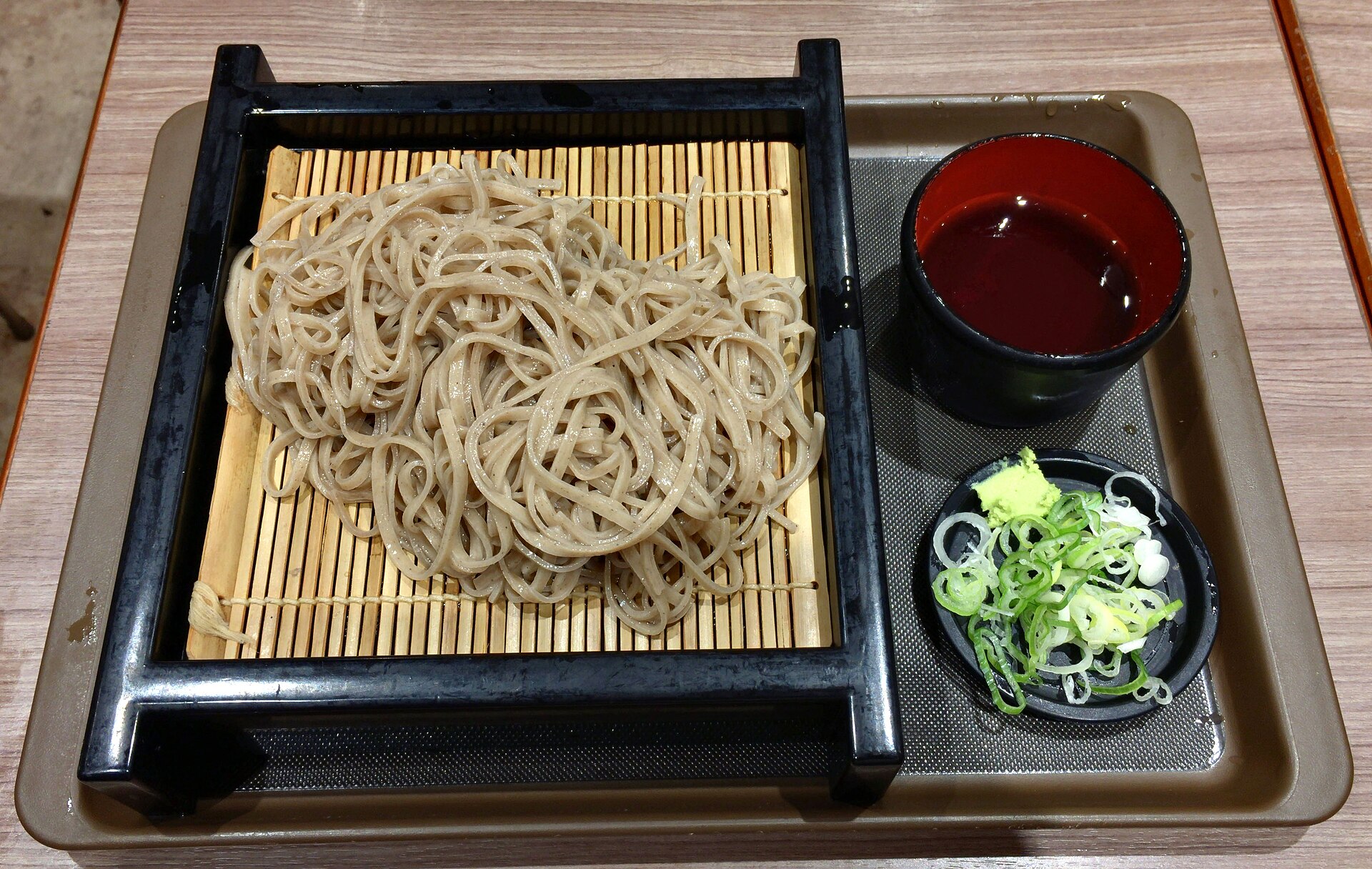
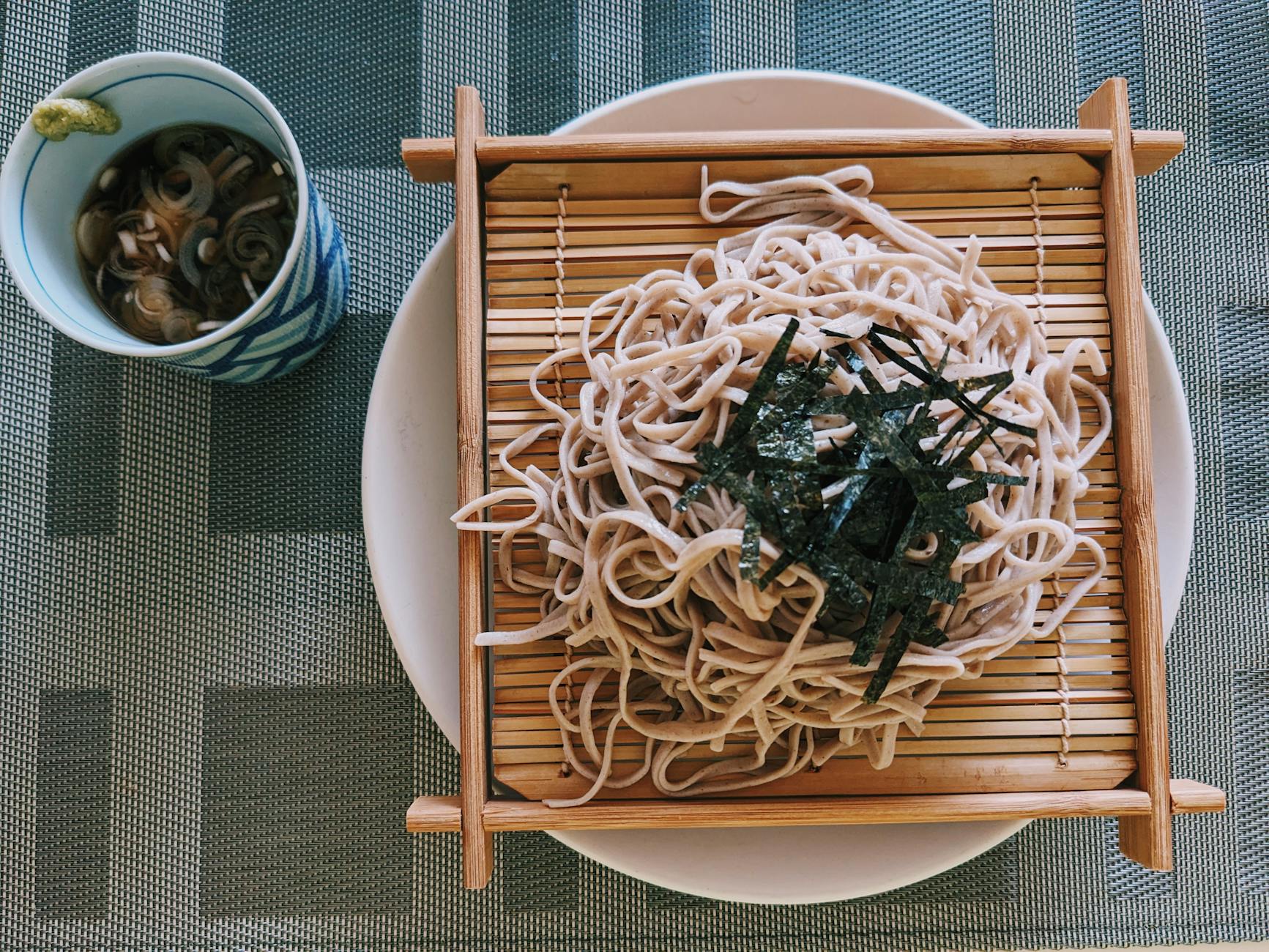
- Mori soba or zaru soba: cold noodles on a bamboo tray, dipped in a cool soy and dashi sauce. Zaru usually comes topped with shredded nori. This is how purists judge a soba shop.
- Kake soba: hot noodles in hot broth, plain.
- Tempura soba: hot soba with a prawn or mixed vegetable tempura on top, or a cold tray with tempura on the side (ten-zaru).
- Kamo nanban: hot soba with duck and grilled leeks. A winter favourite.
- Kitsune and tanuki: topped with sweet fried tofu (kitsune) or crunchy tempura bits (tanuki).
- Seiro: cold soba served in a lacquered steaming box rather than on a tray.
Types of soba noodle
- Nihachi: 80 per cent buckwheat, 20 per cent wheat, the most common ratio, easier to cut and smoother to eat.
- Juwari: 100 per cent buckwheat, with more flavour and a more fragile, grainy texture.
- Sarashina: very pale, refined soba made from the inner core of the buckwheat seed, delicate and elegant.
- Inaka: “country” soba, darker and thicker, made with the whole seed.
How to eat it
- Taste the sauce first. Some classic shops, especially in the Yabu tradition, make it very strong and salty.
- Add spring onion and wasabi to the sauce cup, a little at a time.
- Pick up a small bundle of noodles, dip only the bottom third, and slurp. Slurping is normal and expected, and our Japanese etiquette guide confirms that nobody will mind.
- Drink the sobayu at the end. When you finish cold soba, staff bring a small pot of the hot, cloudy water the noodles were cooked in. Pour it into your leftover sauce and drink it like a soup.
The classic soba houses
These are the reason to eat soba in Tokyo rather than anywhere else. Most are more than a century old, several are in or near Kanda and Asakusa, and all are relaxed, mid-priced and friendly to visitors. Expect to spend roughly ¥1,000 to ¥2,500 per person, more if you drink sake and order small plates.
Kanda Matsuya
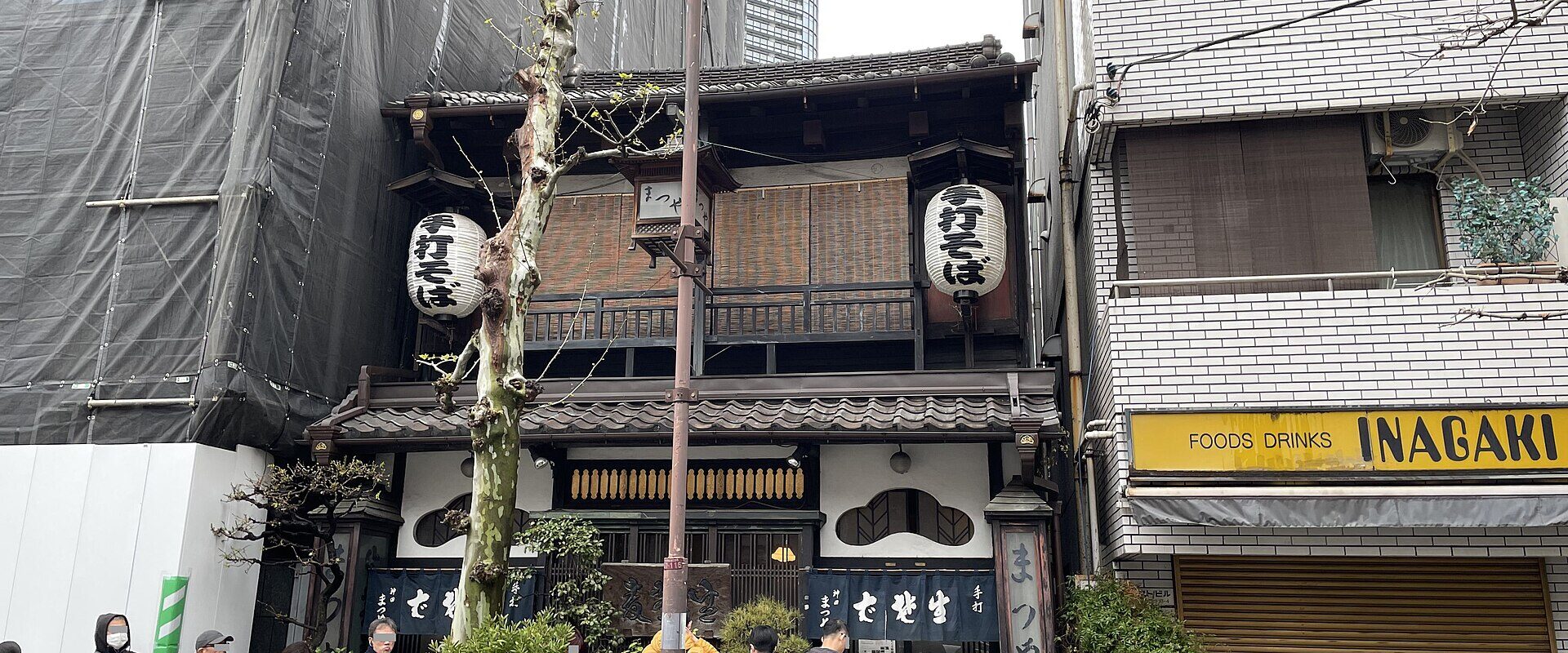
Open since 1884 in a two-storey wooden shopfront in Kanda Sudacho, a short walk from Awajicho and Ogawamachi stations. Matsuya is our pick for anyone who wants one classic soba experience in Tokyo. The noodles are handmade, the room is loud, cheerful and busy with office workers and old regulars, and the building itself, with its lanterns and noren curtains, is one of the last of its kind in central Tokyo.
Go at an off-peak time, such as 14:00 on a weekday, or be ready to queue outside at lunch. Order a cold mori soba to judge the noodles, and add a small plate and a glass of sake if you are staying a while. You share tables here, and that is part of the charm.
Kanda Yabu Soba
A few minutes’ walk from Matsuya, Kanda Yabu Soba is the head house of the Yabu tradition, one of the three great Edo soba lineages alongside Sarashina and Sunaba. The original wooden building was damaged by fire in 2013, and the shop was carefully rebuilt in a traditional style with a garden entrance.
Yabu soba has a slightly green tint and is served in small portions with a strong, sharp dipping sauce, so dip lightly. Listen for the staff calling orders to the kitchen in a sing-song chant, a tradition that is part of the experience. Prices start at around ¥1,000 for a simple tray, and a seasonal set changes through the year. Kanda Yabu and Matsuya are close enough to compare over two days, or, if you are very hungry, one afternoon.
Namiki Yabusoba, Asakusa
Opened in 1913 on Kaminarimon-dori, a short walk from Sensoji, and recently renovated while keeping its old-fashioned interior. Namiki is famous for the saltiest, most concentrated dipping sauce in Tokyo, a proper Edo-style taste. Dip only the tips of the noodles, or you will taste nothing but soy. Portions are small; order two trays if you are hungry. Expect a queue at weekend lunchtimes.
Owariya, Asakusa
Owariya has been serving noodles in Asakusa since 1860 and is known for one dish: tempura soba, with two enormous prawn tempura hanging over the edge of the bowl. It is less about subtle buckwheat and more about a satisfying, generous meal after a morning at Sensoji. The main shop and a branch are both close to the temple. Our Asakusa guide has more on eating in the area.
Ikenohata Yabu Soba, Ueno
The third of Tokyo’s surviving Yabu houses, near Ueno Park and the Shinobazu Pond. It is a useful stop after the museums, quieter than its Kanda and Asakusa cousins. See our Ueno guide.
Sarashina soba in Azabu-Juban
The Sarashina lineage is associated with Azabu-Juban, where old houses serve the pale, refined sarashina noodle and seasonal flavoured versions mixed with ingredients such as yuzu or matcha. It is a more elegant, quieter style than Yabu, and a good choice for a calm dinner in a neighbourhood with few tourists.
Classic soba houses compared
| Shop | Area | Since | Known for | Best for |
|---|---|---|---|---|
| Kanda Matsuya | Kanda Sudacho | 1884 | Handmade soba, old wooden shop, lively room | The single best classic experience |
| Kanda Yabu Soba | Kanda Awajicho | Head of the Yabu line | Green-tinted noodles, sharp sauce, chanted orders | Tradition and ceremony |
| Namiki Yabusoba | Asakusa | 1913 | Very salty, strong Edo sauce | Combining with Sensoji |
| Owariya | Asakusa | 1860 | Giant prawn tempura soba | A filling lunch |
| Ikenohata Yabu Soba | Ueno | Yabu line | Classic Yabu style, calmer | After the Ueno museums |
Jindaiji: a soba day out
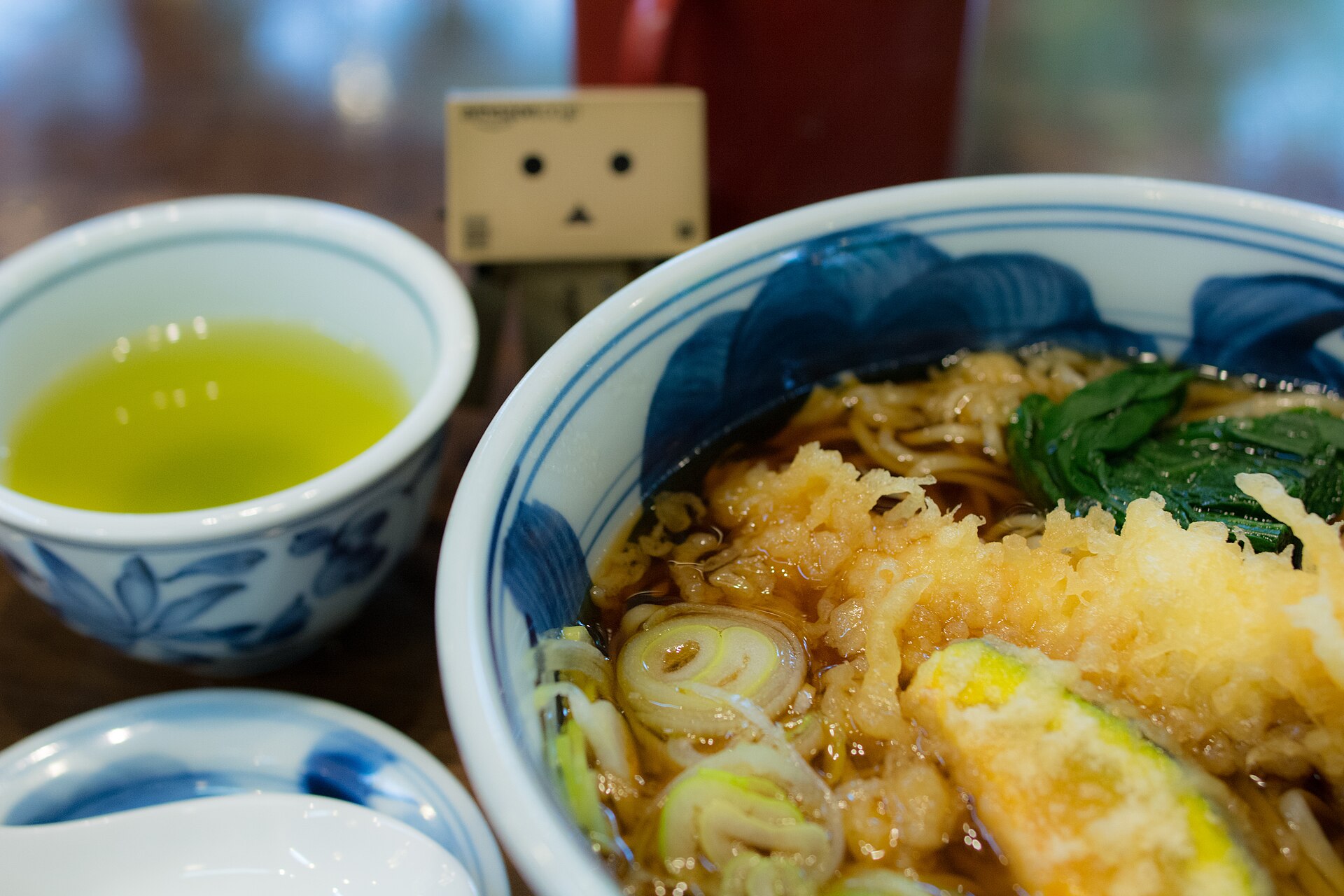
If you want soba with a side of countryside, Jindaiji temple in Chofu, in western Tokyo, is surrounded by a cluster of soba shops, a tradition that goes back to the Edo period, when the area’s clean spring water and buckwheat fields made it famous for noodles. Combine the temple, the soba lunch and the neighbouring Jindai Botanical Gardens for a relaxed half day. The usual route is the Keio Line from Shinjuku to Chofu or Tsutsujigaoka and then a local bus; check the current bus times before you go.
The best udon in Tokyo, by style
Udon styles you will meet
- Sanuki: from Kagawa prefecture, square-edged, firm and very chewy. Eaten hot, cold, or as bukkake with a splash of concentrated sauce.
- Kamaage: served straight from the cooking pot in its hot water, dipped into a warm sauce.
- Kamatama: hot noodles tossed with raw egg, like a Japanese carbonara.
- Inaniwa: from Akita, thin, smooth and silky, hand-stretched and dried.
- Himokawa: from Gunma, ribbon-wide flat noodles.
- Curry udon: thick noodles in Japanese curry broth, a Tokyo comfort classic.
Udon Shin, near Shinjuku
Udon Shin, a small shop a short walk south of Shinjuku, is the most famous udon in Tokyo, with handmade Sanuki-style noodles that are cut and boiled to order. Its signature is a carbonara-style kamatama udon with parmesan, black pepper, butter, egg and a strip of tempura bacon. The noodles are genuinely excellent, and it stays open late.
The honest warning: the queues are long, and it is common to wait an hour or more at peak times. The shop runs a ticket or waiting-list system, so ask on arrival and come back at your time rather than standing outside. If the wait is over an hour, you will get 80 per cent of the pleasure at a good Sanuki chain for a fraction of the wait.
Tsurutontan
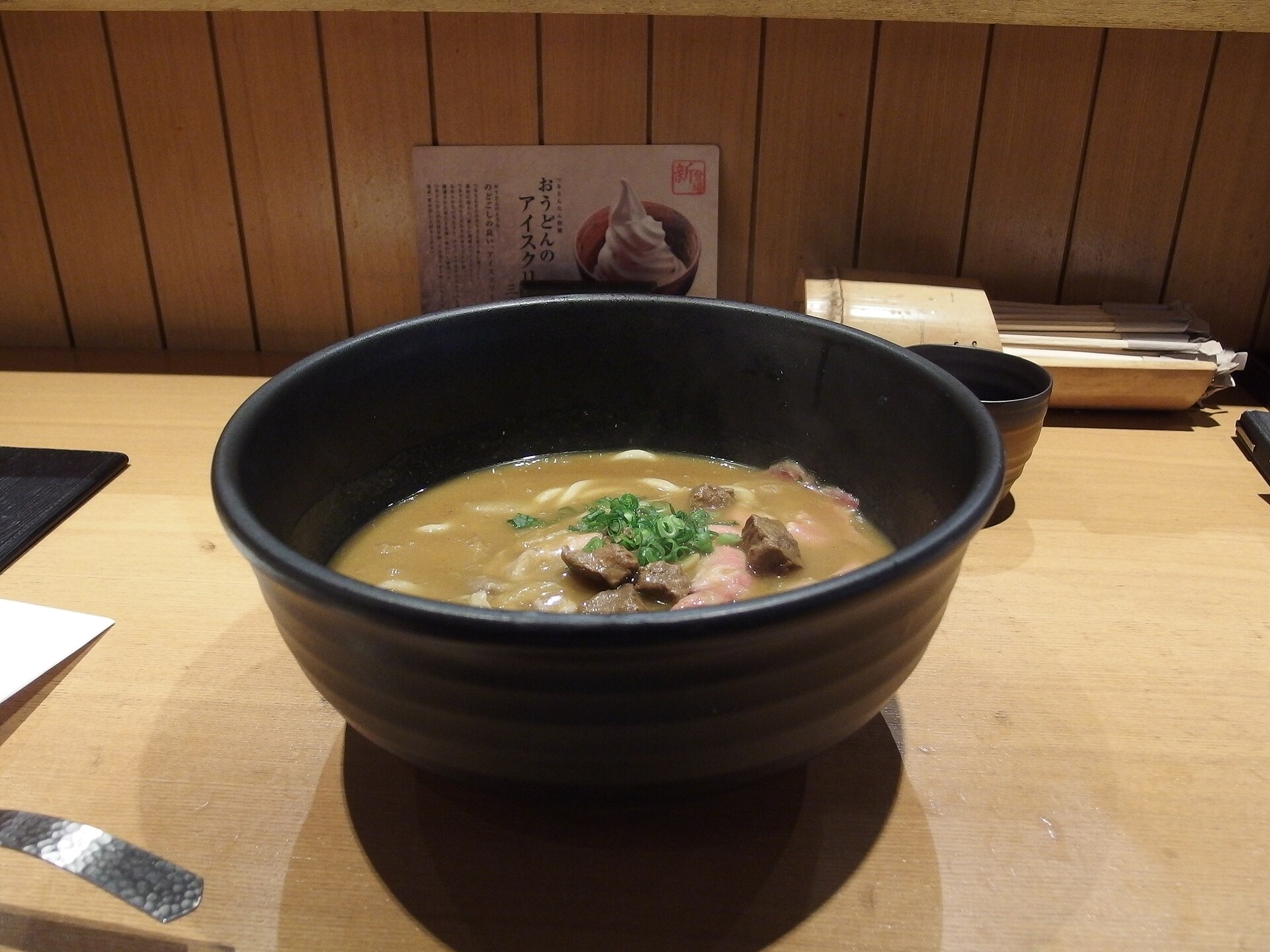
Tsurutontan is an udon brasserie with branches including Roppongi and Ginza, known for huge bowls, a long menu of creative toppings, from mentaiko cream to curry, and late opening hours. It is the easiest good udon for a group with varied tastes, and a reliable dinner in areas that are otherwise expensive. It is not the most traditional, and not the cheapest, but it is consistently good.
Nezu Kamachiku
Kamachiku serves kamaage udon and sake in a stone warehouse more than a century old in Nezu, renovated into a calm, beautiful dining room. Order the kamaage udon, dipped into warm sauce, and a few of the small dishes. It pairs perfectly with a walk through Nezu Shrine and Yanaka, which our Yanaka guide covers.
Ginza: Inaniwa and himokawa
Ginza has two regional specialists worth knowing. Sato Yosuke, near Yurakucho, serves Inaniwa udon from Akita: thin, glossy and silky, eaten cold with a dipping sauce. Godaime Hanayama Udon specialises in oni himokawa, Gunma-style noodles so wide they look like pasta sheets, with lunch sets from roughly ¥1,000 to ¥2,000. Both get queues at lunch; aim for 11:00 or after 14:00. See our Ginza guide for the neighbourhood.
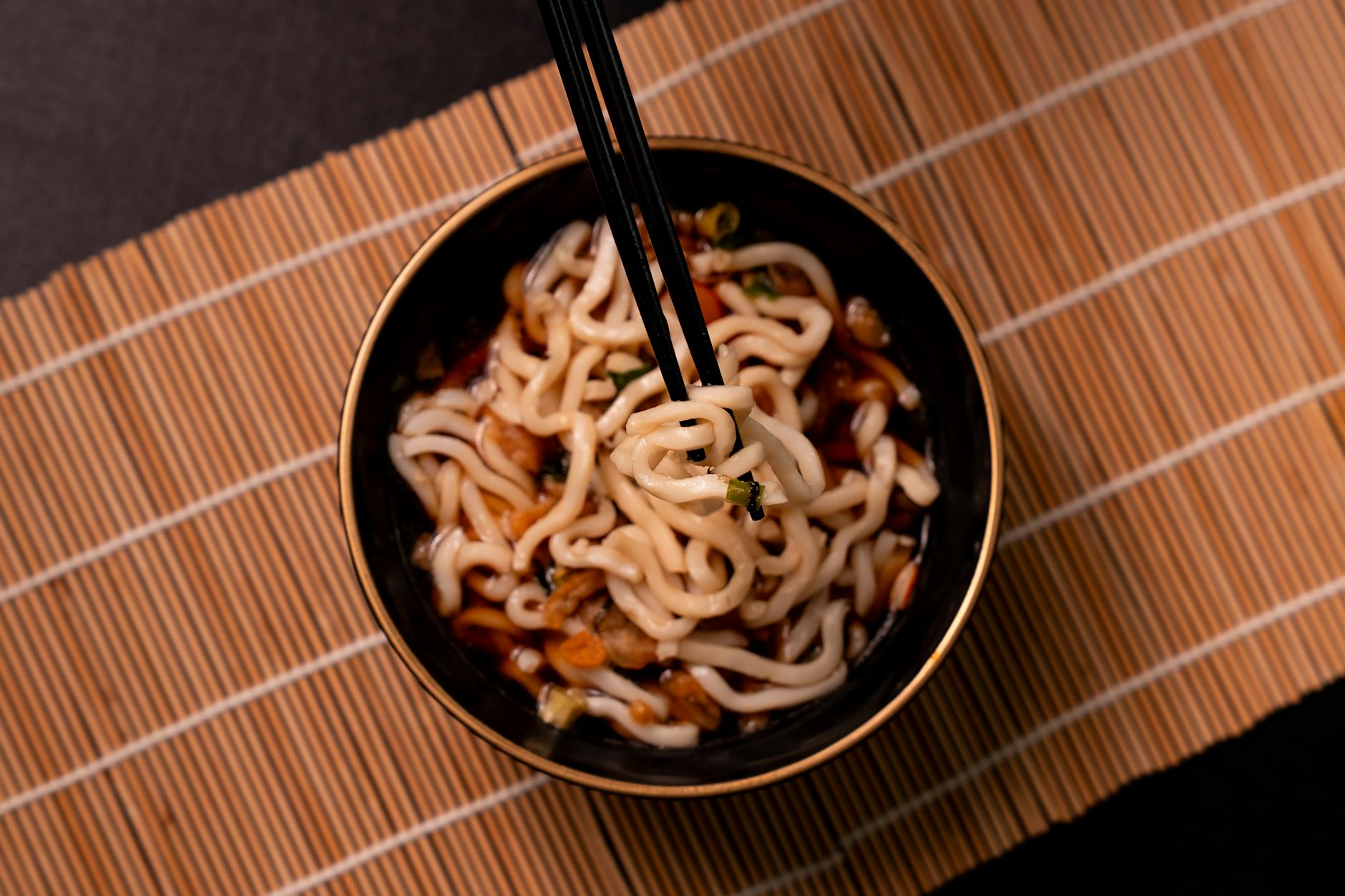
Cheap soba and udon chains
Do not skip these. Tokyo’s standing soba counters and self-service udon chains are one of the great budget meals in the city, and much better than their prices suggest.
| Chain | Style | How it works | Rough price |
|---|---|---|---|
| Fuji-soba | Standing and counter soba | Ticket machine; many branches open very early or late | A few hundred yen for a simple bowl |
| Komoro Soba, Yudetaro | Standing soba | Ticket machine or counter order | A few hundred yen |
| Marugame Seimen | Sanuki udon, made on site | Cafeteria line; add tempura on your tray | From a few hundred yen; ¥800–1,200 with tempura |
| Hanamaru Udon | Sanuki-style udon | Cafeteria line | Similar to Marugame |
Standing soba shops, called tachigui, cluster around stations. Buy a ticket, hand it over, and your bowl arrives in about a minute. Add a raw egg, a croquette or a pile of kakiage tempura for a hundred yen or two. They are a perfect breakfast before an early train. Our cheap eats in Tokyo guide has more places like this, and solo travellers will find them ideal.
At Marugame Seimen and Hanamaru, you slide a tray along a counter, choose your noodles and size, add tempura and rice balls, and pay at the end. The noodles at Marugame are made and boiled in front of you, and on a budget there are few better lunches in Tokyo.
Where to eat noodles by neighbourhood
If you are planning around sights rather than crossing the city for a single bowl, this is where the good noodles are.
| Area | Go for | Pair it with |
|---|---|---|
| Kanda and Awajicho | Kanda Matsuya and Kanda Yabu Soba, a few minutes apart | The bookshops of Jimbocho, or Akihabara a short walk north |
| Asakusa | Namiki Yabusoba for classic Edo soba, Owariya for tempura soba | Sensoji and a walk along the Sumida River |
| Ueno | Ikenohata Yabu Soba | The Ueno Park museums |
| Nezu and Yanaka | Kamachiku’s kamaage udon | Nezu Shrine and the Yanaka old town |
| Ginza and Yurakucho | Inaniwa udon at Sato Yosuke, himokawa at Godaime Hanayama | Department stores and the Ginza galleries |
| Shinjuku | Udon Shin, plus standing soba around the station | An evening in Omoide Yokocho |
| Roppongi | Tsurutontan, open late | A night view from Roppongi Hills |
| Chofu | The soba shops around Jindaiji temple | Jindai Botanical Gardens |
A good soba afternoon in Kanda runs like this: arrive at Awajicho or Ogawamachi around 14:00, when the lunch rush has gone, share a table at Matsuya for a tray of cold soba and a small plate, walk five minutes to look at Kanda Yabu’s rebuilt house and garden gate, then drift west into Jimbocho’s second-hand bookshops. It costs little, involves no reservations, and shows you a corner of old Tokyo that most visitors skip.
When to eat soba
- Summer: cold soba and cold udon are at their best on a hot, humid Tokyo day. Order zaru soba or bukkake udon.
- Winter: kamo nanban, curry udon and hot tempura soba come into their own.
- New Year’s Eve: eating toshikoshi soba, year-crossing noodles, is a tradition for long life. Soba shops are packed on 31 December, so go early. Our Tokyo New Year guide explains the other customs.
- Autumn: new-season buckwheat, shin-soba, arrives from around October and is prized for its aroma. Look for the sign 新そば in shop windows.
Honest tips and what to skip
- Do not queue an hour for udon. Udon Shin is excellent, but good Sanuki noodles are everywhere in Tokyo.
- Do not judge soba by a hot bowl. Broth hides the noodle. Try a cold tray first at any serious shop.
- Old soba houses are not fine dining. They are loud, cheap, busy, and wonderful precisely because of that.
- Buckwheat allergy is serious. Soba shops often cook udon in the same water. If you are allergic, avoid soba shops altogether.
- Vegetarians should ask about dashi. Almost all soba and udon broths and dipping sauces use bonito. Our vegetarian and vegan Tokyo guide lists safer options.
- Cash is still common at classic soba houses and small udon shops, though cards are increasingly accepted.
If noodles are the reason for your trip, compare with our best ramen in Tokyo guide. Many visitors come for ramen and leave talking about soba.
Frequently Asked Questions
Where is the best soba in Tokyo?
Tokyo’s most celebrated soba is at its historic noodle houses: Kanda Matsuya, open since 1884, and Kanda Yabu Soba, head of the Yabu lineage, both in Kanda, plus Namiki Yabusoba and Owariya in Asakusa. For a cheap and quick bowl, standing soba chains such as Fuji-soba serve good noodles near almost every station.
What is the difference between soba and udon?
Soba is made mainly from buckwheat flour and is thin, grey-brown and nutty, often eaten cold with a dipping sauce. Udon is made from wheat flour and is thick, white and chewy, usually served in hot broth or cold in the Sanuki style. Soba is Tokyo’s traditional noodle, while udon is more associated with western Japan.
How much does soba cost in Tokyo?
A basic bowl at a standing soba chain costs a few hundred yen. At classic soba houses such as Kanda Matsuya or Kanda Yabu Soba, expect roughly ¥1,000 to ¥2,500 per person, depending on toppings and whether you add sake or small dishes.
Where can I find the best udon in Tokyo?
Udon Shin near Shinjuku is Tokyo’s most famous udon shop, known for handmade Sanuki noodles and carbonara-style kamatama, though queues are long. Tsurutontan in Roppongi and Ginza serves huge creative bowls, Nezu Kamachiku does elegant kamaage udon, and Marugame Seimen is the best budget chain.
How do you eat cold soba?
Add spring onion and wasabi to the dipping sauce, pick up a small bundle of noodles, dip the bottom part into the sauce and slurp. At the end, staff bring hot sobayu, the noodle cooking water, which you pour into the remaining sauce and drink like a soup.
Photo Credits
- Kanda Matsuya soba shop with a lunchtime queue – Kanda-Matsuya 01 by Higa4, CC0, via Wikimedia Commons.
- Mori soba at Fuji-soba – Mori soba of Fuji-soba by 毒島みるく, CC0, via Wikimedia Commons.
- Tempura soba near Jindaiji temple – Jindaiji Soba (8706289450) by Takashi Hososhima from Tokyo, Japan, CC BY-SA 2.0, via Wikimedia Commons.
- Curry udon at Tsurutontan, Roppongi – Curry Udon @ Tsurutontan @ Roppongi (13621744175) by Guilhem Vellut from Annecy, France, CC BY 2.0, via Wikimedia Commons.