Tokyo Travel Planning · Guide №015
Best Time to Visit Tokyo: Month-by-Month Weather & Events Guide
目次 — Contents
- Quick Answer: When Is the Best Time to Visit Tokyo?
- Tokyo Weather Month by Month
- Season-by-Season Comparison
- Cherry Blossom and Autumn Foliage Timing Windows
- Cheapest vs Most Expensive Seasons
- Rainy Season and Typhoons: What to Expect
- Festivals and Events by Season
- Which Season Suits You?
- Common Timing Mistakes to Avoid
- Practical Tips for Planning Around Tokyo’s Seasons
- The Shoulder-Season Strategy
- Frequently Asked Questions
This article contains advertising. Our booking links are routed through a partner that adds commission tracking automatically, so if you book through one we earn a commission from the provider, at no extra cost to you. It never affects what we recommend. Affiliate disclosure

When should you visit Tokyo? It’s the first question every traveler asks — and the answer depends entirely on what you want from your trip. Tokyo is a year-round destination with distinct seasons that each offer completely different experiences, from cherry blossom hanami parties in spring to dazzling winter illuminations.
This guide walks through Tokyo month by month: the weather you’ll actually feel on the street, what’s happening that month, how busy it gets, and what it does to prices. By the end you’ll know which window matches the trip you have in mind. If you’re still mapping out the bigger picture, our complete Tokyo trip planner covers budgets, itineraries, and getting around once your dates are set.
Quick Answer: When Is the Best Time to Visit Tokyo?
For most people, the best time to visit Tokyo is late March through May or October through November. Both stretches sit in the comfortable 15–25°C (59–77°F) range with low humidity and good light for photos. The catch: cherry blossom season in late March and early April is also the most crowded and most expensive window of the year. If you want the weather without the premium, aim for May after Golden Week or mid-to-late November for the autumn colours instead.
That said, the "wrong" season often just means a different trip. Summer is loud with festivals and riverside fireworks; winter is quiet, dry, and cheap, with illuminations glowing on every main avenue from late November. Pick the experience first, then the dates follow.
Tokyo Weather Month by Month
Before the month-by-month detail, here’s the year at a glance. Averages are for central Tokyo; figures are rounded daytime highs and lows, with a quick read on rainfall, crowds, and what hotels tend to do to their rates.
| Month | Avg low-high | Rain | Crowds | Hotel prices | The hook |
|---|---|---|---|---|---|
| Jan | 2-10°C / 36-50°F | Low | Low | Cheapest | Clear skies, New Year, sales |
| Feb | 3-11°C / 37-52°F | Low | Very low | Cheapest | Plum blossoms, quietest streets |
| Mar | 5-14°C / 41-57°F | Moderate | Rising late | Climbing fast | Sakura arrives ~late month |
| Apr | 10-19°C / 50-66°F | Moderate | Very high early | Peak | Peak cherry blossoms |
| May | 15-25°C / 59-77°F | Moderate | Spikes in Golden Week | High then moderate | The all-round sweet spot |
| Jun | 19-26°C / 66-79°F | High (tsuyu) | Low | Below average | Rainy season, hydrangeas |
| Jul | 23-31°C / 73-88°F | Moderate | Moderate | Average | Fireworks, festivals begin |
| Aug | 26-35°C / 79-95°F | Moderate | Mixed (Obon) | Domestic peak | Hottest month, big festivals |
| Sep | 22-30°C / 72-86°F | High (typhoons) | Low-moderate | Below average | Cooling down, storm risk |
| Oct | 14-23°C / 57-73°F | Moderate | Moderate | Rising | Crisp, clear, easy walking |
| Nov | 8-17°C / 46-63°F | Low | Moderate, busy weekends | Moderate | Autumn foliage peak |
| Dec | 4-12°C / 39-54°F | Low | Rising late | Average, NY spike | Illuminations everywhere |
January: Cold, Clear & Budget-Friendly
January is one of Tokyo’s coldest months with average temperatures of 2–10°C (36–50°F), but it’s also one of the driest and sunniest. The first week centers around Hatsumode — the tradition of visiting a shrine for the first time in the new year. Meiji Shrine alone draws over 3 million visitors in the first three days. Winter sales (fukubukuro lucky bags) hit department stores on January 1st, offering incredible deals.
Crowds: Low after the first week. Prices: Among the cheapest of the year. Pack: Heavy coat, layers, gloves.
February: Plum Blossoms & Low Season
February remains cold (3–11°C / 37–52°F) but rewards visitors with plum blossom season (ume) at gardens like Yushima Tenjin and Koishikawa Korakuen. The Setsubun festival at temples across Tokyo marks the beginning of spring with bean-throwing rituals. Hotel prices remain at their annual lowest, making this an excellent value month.
Crowds: Very low — one of the quietest months. Prices: Cheapest of the year. Pack: Winter coat, scarf, thermals.
March: Cherry Blossom Season Begins
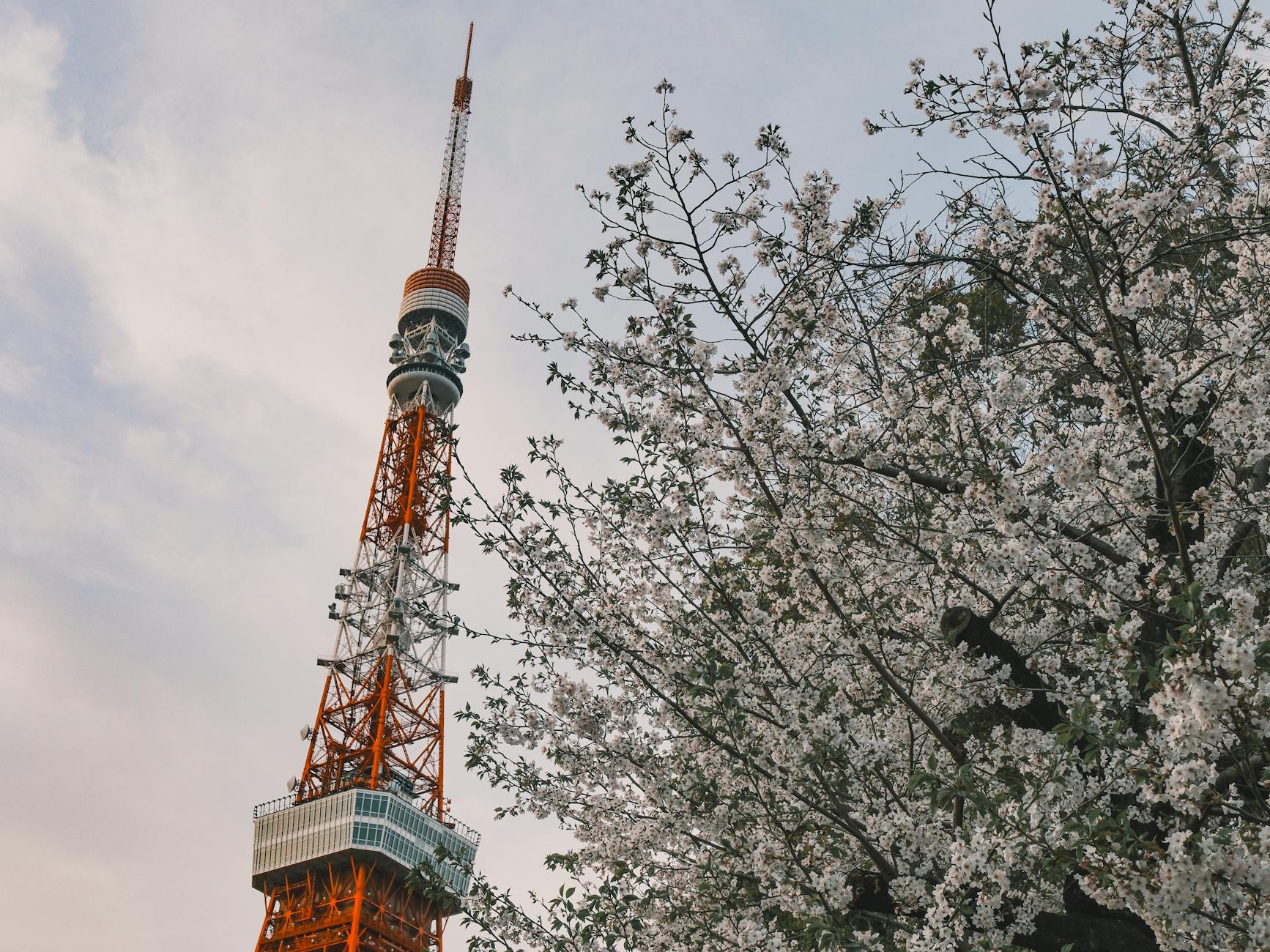
March starts cool (5–14°C / 41–57°F) but warms rapidly. The highlight is the arrival of cherry blossoms (sakura), which typically reach full bloom between March 25 and April 5, though the exact timing varies by year. Early March is still uncrowded and affordable, but prices and visitor numbers surge once blossoms appear. Popular hanami spots include Ueno Park, Shinjuku Gyoen, Chidorigafuchi, and Meguro River.
Crowds: Moderate early month, very high late March. Prices: Rise sharply from mid-March. Pack: Layers — mornings are cool, afternoons warm.

April: Peak Cherry Blossoms & Spring Weather
April brings beautiful spring weather (10–19°C / 50–66°F) and the tail end of cherry blossom season. Early April is peak sakura time with massive crowds at every blossom spot. By mid-April, blossoms fade but the weather remains gorgeous. This is one of the most popular months for international visitors, so book flights and hotels well in advance — at least 3 months out.
Crowds: Very high in early April, moderate later. Prices: Peak season pricing. Pack: Light jacket, comfortable walking shoes.
May: The Sweet Spot
Many seasoned Tokyo travelers consider May the single best month to visit. Temperatures are warm and comfortable (15–25°C / 59–77°F), humidity is still low, and the parks are lush with fresh green foliage. The major exception is Golden Week (April 29 – May 5), Japan’s biggest holiday cluster, when domestic tourism peaks and prices spike. Avoid Golden Week if possible, but the rest of May is ideal — warm, sunny, and uncrowded.
Crowds: Extreme during Golden Week, low otherwise. Prices: High during Golden Week, moderate otherwise. Pack: Light clothing, sunscreen, light rain layer.

June: Rainy Season (Tsuyu)
June marks the start of tsuyu (rainy season), typically running from early June to mid-July. Expect frequent rain, high humidity, and temperatures of 19–26°C (66–79°F). While this deters many visitors, June has genuine advantages: lower prices, fewer tourists, and hydrangea (ajisai) season at temples like Meiji Shrine and Hakusan Shrine. Many of Tokyo’s best attractions are indoors — museums, department stores, and covered shopping streets — making rain days manageable.
Crowds: Low. Prices: Below average. Pack: Umbrella, waterproof shoes, light rain jacket.

July: Summer Heat & Festival Season
July is hot and humid (23–31°C / 73–88°F) with the rainy season ending around mid-month. Once tsuyu lifts, festival season explodes. The Sumida River Fireworks Festival (late July) draws nearly a million spectators and is one of Tokyo’s most spectacular events. Bon Odori dance festivals begin at shrines and parks. Summer also brings beer gardens to rooftops across the city.
Crowds: Moderate. Prices: Average, except during fireworks weekends. Pack: Light, breathable clothing, portable fan, towel.
August: Peak Summer & Obon
August is Tokyo’s hottest month, with temperatures regularly reaching 33–35°C (91–95°F) and oppressive humidity. Despite the heat, this is festival high season — Obon (mid-August) is Japan’s second-biggest holiday period, when many Tokyoites return to their hometowns, leaving the city slightly quieter. Fireworks festivals continue, and Awa Odori dance events fill the streets. The Comiket anime/manga convention at Tokyo Big Sight draws hundreds of thousands of fans.
Crowds: Mixed — tourists high, locals travel during Obon. Prices: Peak for domestic travel during Obon. Pack: Sunscreen, hat, cooling towel, hydration.

September: Typhoon Season Transition
September starts hot (22–30°C / 72–86°F) but cools noticeably by month’s end. This is peak typhoon season — while direct hits on Tokyo are rare, storms can disrupt travel plans with train cancellations and flight delays. Despite this risk, September offers lower prices and crowds. The Tokyo Game Show, one of the world’s largest gaming conventions, typically takes place in late September at Makuhari Messe.
Crowds: Low to moderate. Prices: Below average. Pack: Light clothing, rain gear, check weather forecasts regularly.
October: Perfect Autumn Weather
October rivals May as Tokyo’s best weather month. Temperatures are ideal (14–23°C / 57–73°F), skies are frequently clear, and humidity drops. Early autumn foliage begins appearing at higher elevations. Halloween celebrations in Shibuya and Roppongi have become major events (though Shibuya has implemented crowd restrictions in recent years). This is an excellent month for outdoor sightseeing with comfortable walking weather all day.
Crowds: Moderate. Prices: Moderate — rising toward peak. Pack: Light layers, jacket for evenings.
November: Autumn Foliage Peak
Koyo (autumn foliage) season reaches Tokyo in mid to late November, painting parks and gardens in vibrant reds, oranges, and golds. Top foliage spots include Rikugien Gardens (with special evening illuminations), Meiji Jingu Gaien’s ginkgo avenue, and Koishikawa Korakuen. The weather remains comfortable (8–17°C / 46–63°F) with low humidity and clear skies. November is increasingly popular with visitors, but nowhere near cherry blossom season levels.
Crowds: Moderate, rising for foliage weekends. Prices: Moderate. Pack: Medium jacket, layers for temperature swings.

December: Winter Illuminations & Year-End
December is cold (4–12°C / 39–54°F) but magical. Tokyo’s winter illuminations transform neighborhoods from late November through February — Marunouchi, Roppongi, Omotesando, and Caretta Shiodome are especially spectacular. Christmas markets appear at Hibiya Park and Tokyo Skytree. The year-end period (December 28–31) sees some shops and restaurants close, but New Year’s Eve countdown events and temple preparations create a unique atmosphere.
Crowds: Moderate, rising for Christmas and New Year’s. Prices: Average, spiking for New Year’s. Pack: Winter coat, scarf, gloves.

Season-by-Season Comparison
Here’s a quick comparison to help you decide which season fits your travel style:
Spring (March–May): Cherry blossoms, pleasant weather, peak crowds and prices in late March/early April. Best for first-time visitors who want iconic Tokyo experiences.
Summer (June–August): Hot and humid, festivals and fireworks, rainy season in June. Best for festival lovers and those who don’t mind the heat.
Autumn (October–November): Perfect weather, autumn foliage, moderate crowds. Best for comfortable sightseeing and photography.
Winter (December–February): Cold and dry, illuminations, lowest prices and smallest crowds. Best for budget travelers and those who enjoy winter atmosphere.

Cherry Blossom and Autumn Foliage Timing Windows
Two short windows pull more visitors than anything else on the calendar, and both move a little each year. Getting the dates roughly right is the difference between standing under a full canopy and staring at bare branches or green leaves.
Sakura: a 7-10 day peak around late March
Tokyo’s cherry blossoms usually open in the last week of March and hit mankai (full bloom) for roughly seven to ten days before the petals fall. Recent springs have trended early, so plan for a core window of about March 25 to April 5 and treat anything outside it as a bonus. Forecasts from the Japan Meteorological Corporation and weather sites firm up from late February, so book flexible dates and check the predicted bloom (kaika) and full-bloom (mankai) days before you lock in hotels. One warm week can pull the whole thing forward by days; a cold snap can hold it back.
If your dates are fixed and you miss the main bloom, you still have options. The double-petalled yaezakura trees flower about a week later and hang on into mid-April, and higher-elevation spots west of the city, such as Mount Takao, run behind central Tokyo. For where to actually stand, our cherry blossom season guide breaks down the best parks, riversides, and night-illuminated spots.
Koyo: peak colour in the second half of November
Autumn colour arrives the opposite way to spring, drifting down from the mountains into the city. In central Tokyo the ginkgo and maple peak roughly mid-to-late November into early December, a fortnight or so later than the famous foliage around Nikko or the Fuji Five Lakes. The window is more forgiving than sakura: colour builds and holds for two to three weeks rather than a single sprint. Rikugien and Koishikawa Korakuen gardens, the ginkgo avenue at Meiji Jingu Gaien, and the maples at Mount Takao are the reliable highlights, several with evening light-ups.

Cheapest vs Most Expensive Seasons
Timing changes your bill more than almost any other decision. The same hotel room can swing 30-40% depending on the week, and airfares move even more sharply around the holidays. Here’s how the year sorts out for value.
When Tokyo is cheapest
January (after the first week) and February are the quietest, cheapest weeks of the year. Hotels discount heavily, flights from most regions sit at their annual low, and the big sights are blissfully uncrowded. The trade-off is cold, but Tokyo winters are dry and sunny rather than miserable. June is the other value window: the rainy season scares off enough visitors that you get shoulder-season prices with attractions to yourself, as long as you don’t mind an umbrella. Early December before the holidays and the first half of September are also softer on the wallet.
When Tokyo is most expensive
Three periods reliably spike prices: cherry blossom season (late March to early April), Golden Week (roughly April 29 to May 5), and the New Year stretch (late December into the first days of January). During these, hotels can double and the cheapest flights vanish months ahead. The mid-August Obon holiday mainly pushes up domestic travel, so shinkansen seats and rooms outside Tokyo get scarce more than rooms in the city itself. For a full picture of how prices shift by season across flights, hotels, and food, see our dedicated cost breakdown.
Rainy Season and Typhoons: What to Expect
Two weather patterns get oversold as reasons to stay away. Neither should rule out a trip, but both are worth planning around.
Tsuyu, the rainy season, runs from around early June to mid-July. It rarely means all-day downpours; expect grey skies, high humidity, and showers that come and go, often with dry afternoons in between. Tokyo is built for it: covered shopping arcades, vast department-store basements, world-class museums, and an underground network that keeps you dry between stations. Pack a compact umbrella (or buy a clear plastic one at any convenience store for a few hundred yen) and shoes you don’t mind getting wet, and you’ll barely lose a day.
Typhoon season peaks from August through September and tapers into October. Direct hits on Tokyo are uncommon, but a passing storm can suspend train lines, ground flights, and shut outdoor attractions for a day. If you travel in this window, build in a flexible day, keep an eye on forecasts, and don’t schedule a tight connection or a once-only outdoor event on a day a storm is tracking in. When a typhoon is forecast, JR and the airlines often announce planned cancellations a day ahead, so you usually get warning.
Festivals and Events by Season
If a particular event is the reason you’re coming, let it set your dates. Tokyo runs something worth seeing in every season, and the headline ones below shift only slightly year to year. For exact dates and the smaller neighbourhood events, check Tokyo’s festival calendar closer to your trip.
- Spring: Hanami picnics citywide (late March-early April), the Kanda Matsuri in odd-numbered years (mid-May), and the boisterous Sanja Matsuri in Asakusa (mid-May).
- Summer: The Sumida River Fireworks (late July) with nearly a million spectators, Bon Odori dances at shrines through July and August, and Asakusa’s Samba Carnival in late August.
- Autumn: Halloween crowds in Shibuya and Roppongi (late October, now with crowd controls), foliage illuminations through November, and the Tori-no-Ichi rake markets at Otori shrines.
- Winter: Citywide illuminations (late November to February), Christmas markets at Hibiya and Roppongi, New Year’s Eve countdowns, and Hatsumode shrine visits in the first days of January.
Which Season Suits You?
Skip the "best month" debate and match the season to the kind of traveller you are.
- First-timer who wants the postcard Tokyo: spring, ideally early-to-mid April for blossoms or May for the weather without the crush.
- Photographer or keen walker: late October and November, when the light is clear, the air is dry, and the colour is at its best.
- Budget traveller: January, February, or June, when rooms and flights bottom out and the city is quiet.
- Festival and nightlife lover: July and August for fireworks, matsuri, beer gardens, and the buzz of summer in the city.
- Families: spring or autumn for mild weather and manageable walking, avoiding the peak heat of August and the holiday price spikes.
Common Timing Mistakes to Avoid
- Booking the exact sakura dates a year out. The bloom moves; lock flexible dates and confirm with the forecast in late February rather than betting on a fixed week.
- Walking into Golden Week without knowing it. Late April to early May is Japan’s busiest domestic holiday. If your dates land here, book everything early, especially any onward travel.
- Writing off June. The rainy season is far milder than its reputation, and you trade a few showers for low prices and short queues.
- Underestimating August heat. Mid-thirties with heavy humidity is genuinely draining. Plan indoor sights for midday and save walking for early morning or evening.
- Arriving over New Year and expecting business as usual. Many smaller shops and restaurants close from roughly December 29 to January 3, even as the shrines come alive.
- Cutting connections too fine in typhoon season. Leave a buffer day in September; one storm can rearrange your whole schedule.
Practical Tips for Planning Around Tokyo’s Seasons
When to Book
For cherry blossom season (late March–early April) and Golden Week (late April–early May), book flights and hotels at least 3–4 months in advance. For autumn foliage season (November), 2–3 months ahead is sufficient. Off-peak months (January, February, June) rarely require advance booking beyond 4–6 weeks.
Peak Periods to Avoid (or Embrace)
- Cherry blossom season (late March–early April): Most crowded and expensive, but unforgettable
- Golden Week (April 29–May 5): Domestic travel peaks — hotels and trains book out
- Obon (mid-August): Second-biggest holiday — shinkansen and flights fill up
- New Year (December 29–January 3): Many businesses close, but shrine visits are magical
- Silver Week (mid-September): Smaller holiday cluster, moderate crowding
What to Wear in Tokyo
Tokyo has a wide temperature range across seasons. In summer, lightweight, breathable fabrics are essential — locals carry small towels and portable fans. In winter, a proper coat is necessary but Tokyo rarely requires extreme cold-weather gear. Spring and autumn are the easiest to pack for, needing only layers that can adjust to 10–15°C temperature swings between morning and afternoon.
Money-Saving Seasonal Tips
- Visit in January–February for the lowest hotel rates (up to 40% cheaper than peak)
- Travel during tsuyu (June) for shoulder-season prices and uncrowded attractions
- Book weekday flights to avoid weekend surcharges regardless of season
- Consider late November for foliage without the premium of peak cherry blossom season
The Shoulder-Season Strategy
If you cannot decide, there is a reliable middle path experienced visitors quietly rely on: travel on the shoulders of the famous seasons. The week or two before a peak and the week or two after it deliver most of the same scenery for a fraction of the crowds and cost.
In spring that means mid-March (plum blossoms still out, sakura forecasts firming up, prices yet to jump) or mid-to-late May once Golden Week has cleared and the city settles into warm, green, comfortable weeks. In autumn, early October gives you crisp weather before the foliage rush, while the first half of December still has late colour in sheltered gardens plus the illuminations switching on, before the New Year price spike. You give up the absolute peak of the blossoms or the reddest maples, but gain breathing room at every famous spot and noticeably lower bills.
One more thing that catches people out: it is not the temperature that makes a Tokyo trip comfortable, it is the humidity. A dry 8 degree November afternoon feels fine in a single layer, while a humid 31 degree July day is genuinely sapping. When you read the month-by-month figures above, weight rain and humidity at least as heavily as temperature and you will judge each season far more accurately than the numbers alone suggest.
Frequently Asked Questions
Is Tokyo too hot to visit in summer?
Tokyo summers are undeniably hot and humid (regularly 33°C+ / 91°F+), but the city is well-equipped with air conditioning everywhere — trains, malls, restaurants, and even some outdoor misting systems. Plan outdoor sightseeing for early morning or evening, and spend midday hours in museums, department stores, or indoor attractions. The summer festivals and fireworks make the heat worthwhile for many visitors.
When is the cheapest time to fly to Tokyo?
Generally, January through early March (excluding Chinese New Year) and June offer the lowest airfares from most origins. Tuesdays and Wednesdays tend to be the cheapest days to fly. Set fare alerts 4–6 months before your trip and be flexible with exact dates for the best deals.
Can I see cherry blossoms and avoid the crowds?
Somewhat. Visit during weekdays rather than weekends, go early in the morning (before 8am) to popular spots, or seek out lesser-known locations like Koganei Park, Asukayama Park, or the Naka-Meguro area along the Meguro River. Late bloomers like yaezakura (double-petaled cherry blossoms) extend the season into mid-April with far fewer visitors.
What’s the best month for a first-time visitor?
If we had to pick one month, we’d say May (after Golden Week). The weather is warm and comfortable, the city is lush and green, crowds are manageable, and prices are reasonable. October is an equally strong choice with the added bonus of early autumn colors.
Does it snow in Tokyo?
Rarely, but it does happen — Tokyo averages about 2–3 snowfall days per winter, usually in January or February. Snow rarely sticks for long, but when it does, it creates magical scenes at temples and parks. A snowy day at Meiji Shrine or Sensoji Temple is genuinely spectacular.
How many days do I need in Tokyo?
Four to five full days is the sweet spot for a first visit: enough to cover the major neighbourhoods, fit in a day trip to Kamakura or the Mount Fuji area, and still leave room to wander without rushing. Three days works if you stay tightly central and skip the day trips. A week lets you slow down and chase whatever your chosen season does best, from hanami picnics to autumn gardens to winter illuminations.