Where to Stay in Tokyo · Guide №020
Best Ryokan in Tokyo: Traditional Japanese Inns Worth Booking
目次 — Contents
- What Is a Ryokan? The Complete Experience
- Best Ryokan in Central Tokyo
- Best Ryokan Near Tokyo (Day Trip or Overnight)
- Ryokan with a Private Onsen in & Around Tokyo
- Budget vs. Luxury: What Your Yen Actually Buys
- Ryokan vs. Hotel vs. Capsule Hotel: Which Should You Book?
- Ryokan Etiquette: How to Be a Great Guest
- How to Choose the Right Ryokan
- Onsen-Ryokan as a Day Trip or Overnight from Tokyo
- How to Book a Ryokan (Step by Step)
- Frequently Asked Questions
This article contains advertising. Our booking links are routed through a partner that adds commission tracking automatically, so if you book through one we earn a commission from the provider, at no extra cost to you. It never affects what we recommend. Affiliate disclosure

A ryokan stay is one of the most authentic cultural experiences you can have in Japan. These traditional inns offer tatami-mat rooms, futon bedding, communal or private hot spring baths (onsen), and elaborate multi-course kaiseki dinners — a complete immersion into Japanese hospitality that no hotel can replicate.
Ryokan are most often associated with hot-spring towns like Hakone and Nikko, but Tokyo itself has genuinely good options — family-run inns in the old Yanaka and Asakusa backstreets, a Meiji-era wooden house near Tokyo Dome, and a handful of luxury properties that fold a ryokan floor into a five-star hotel. Below you’ll find the best ryokan in and around Tokyo with real nightly prices in yen, which ones have private onsen baths, how a ryokan stay actually works once you arrive, and how to book one without getting tripped up by the quirks (per-person pricing, steep cancellation fees, tattoo rules). If you’re still weighing neighbourhoods and accommodation types, our guide to where to stay in Tokyo puts ryokan in context next to hotels and hostels, and the inn experience makes far more sense once you understand a little Japanese culture and tradition.
What Is a Ryokan? The Complete Experience
A ryokan is less a place to sleep than a half-day ritual. Four things define the experience, and a good inn gets all four right:
The Room
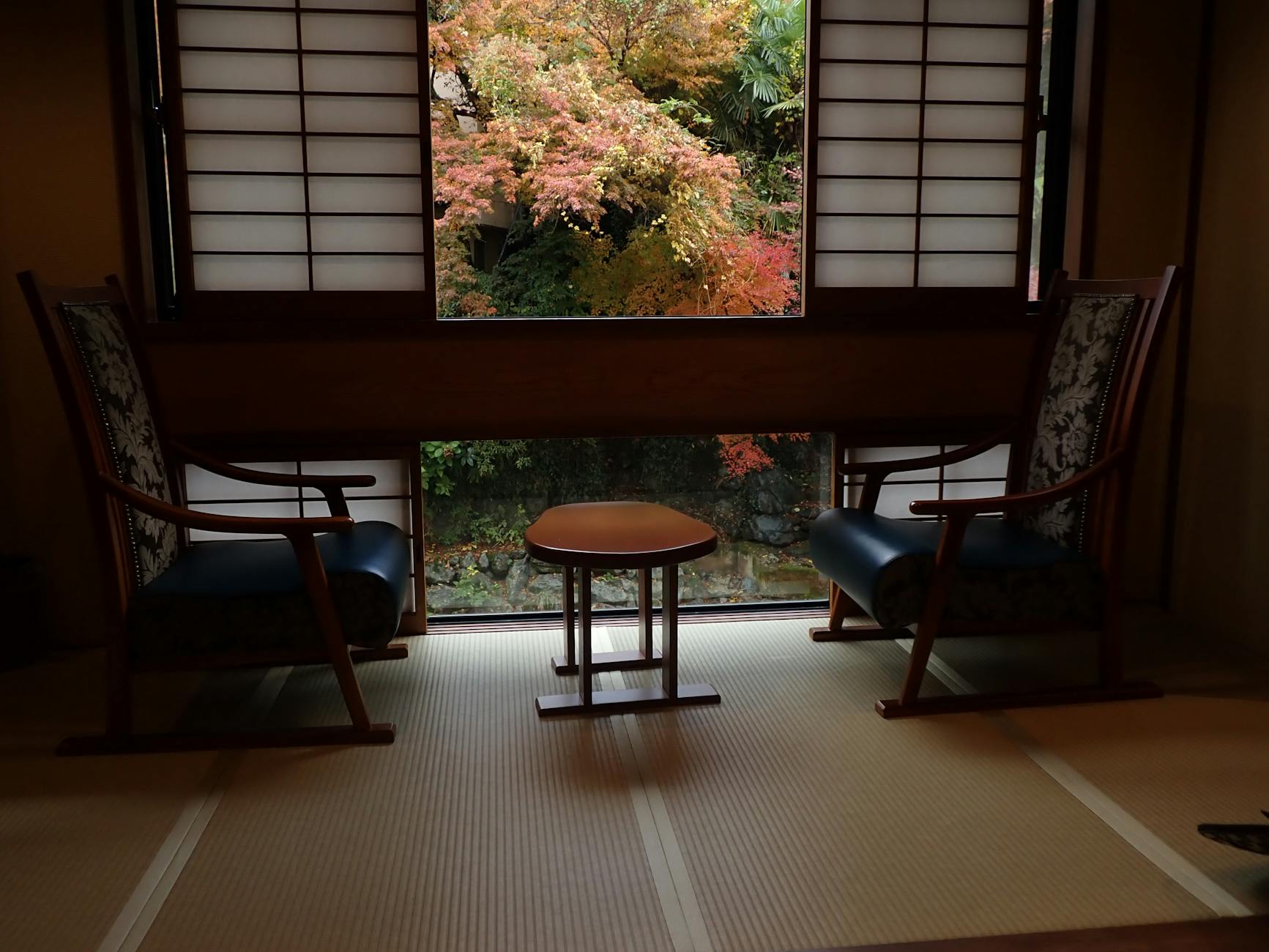
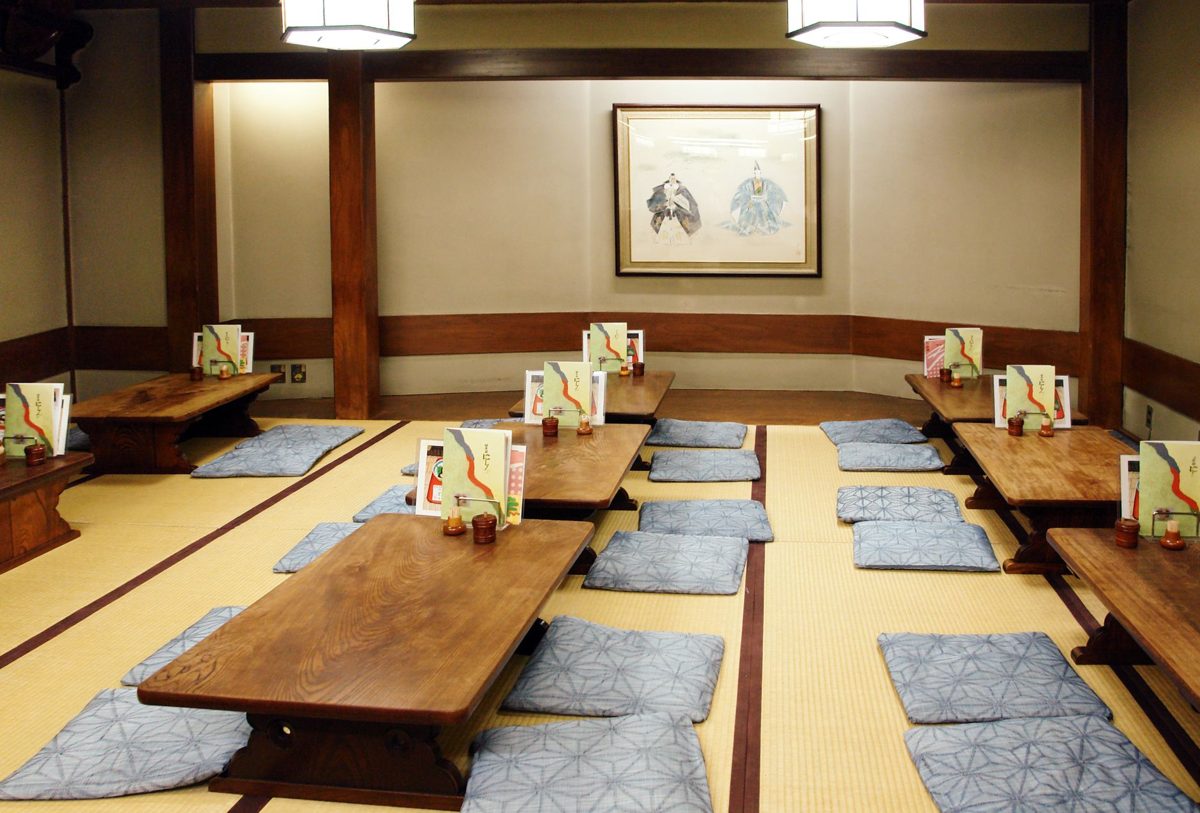
Traditional ryokan rooms feature tatami mat flooring, sliding shoji screen doors, a low table with floor cushions (zabuton), a tokonoma alcove with seasonal flower arrangements, and minimal furniture. The room transforms throughout the day: staff set up your futon bedding in the evening while you’re at dinner and clear it in the morning. Some modern ryokan now offer Western-style beds on tatami platforms for guests who prefer not to sleep on the floor.
Rooms are typically measured in jo (tatami mat units). A standard room is 8-10 jo (roughly 13-16 square meters), while premium rooms can be 15-20 jo with private gardens or onsen baths. Room rates are per person, not per room — a critical detail many first-timers miss.

The Bath (Onsen/Ofuro)
Bathing is central to the ryokan experience. Most ryokan offer communal baths (separated by gender) using natural hot spring water (onsen) or heated water (ofuro). Premium properties also offer private baths (kashikiri-buro or in-room rotenburo) for couples and families who prefer privacy. The bathing ritual follows specific etiquette: wash thoroughly at the shower stations before entering the bath, which is for soaking and relaxation only — never use soap in the communal tub.
A note on tattoos: many traditional ryokan still prohibit tattoos in communal baths. If you have visible ink, look for properties that explicitly welcome tattooed guests or book a room with a private bath. Tokyo is more relaxed about this than rural areas, but always confirm before you pay. The bathing ritual itself is simpler than it looks — our guide to onsen and ryokan etiquette walks through exactly what to do at the washing stations and in the tub, so you can relax instead of second-guessing yourself.

The Meals
Kaiseki dinner is the culinary highlight of any ryokan stay. This elaborate multi-course meal typically consists of 8-12 small courses showcasing seasonal ingredients, artistic presentation, and diverse cooking techniques — from sashimi and grilled fish to simmered vegetables, tempura, rice, miso soup, and pickles. Each course is a miniature work of art served on carefully chosen ceramics.
Breakfast is equally impressive: a traditional Japanese breakfast spread includes grilled fish, miso soup, rice, pickled vegetables, tamagoyaki (rolled omelet), natto (fermented soybeans — an acquired taste), and green tea. Most ryokan serve meals in-room (for premium rooms) or in a communal dining hall.

The Service (Omotenashi)
Japanese hospitality (omotenashi) reaches its highest expression at a ryokan. You’ll be greeted at the entrance, shown to your room by a nakai-san (room attendant), served welcome tea and sweets, guided through the property’s facilities, and attended to throughout your stay. The staff anticipates your needs without being intrusive — the hallmark of true Japanese service.

Best Ryokan in Central Tokyo
Sawanoya Ryokan (Yanaka/Nezu)
Sawanoya Ryokan in the charming Yanaka neighborhood is one of Tokyo’s most beloved budget-friendly ryokan, run by the same family for generations. The atmosphere is warm and welcoming, with tatami rooms, a shared cypress wood bath, and an owner who genuinely loves helping international guests experience traditional Japanese culture. Rooms are simple but authentic, and the surrounding Yanaka area is one of Tokyo’s most atmospheric old-town neighborhoods.
Price: From ¥5,500 per person (room only). Best for: Budget travelers, cultural enthusiasts, solo travelers. Access: 7-minute walk from Nezu Station (Chiyoda Line).
Homeikan (Hongo/Tokyo Dome area)
Homeikan is a registered Tangible Cultural Property — a stunning Meiji-era wooden building that has operated as a ryokan since 1905. The property consists of three traditional Japanese buildings surrounded by a beautiful garden. Rooms are spacious with authentic period details. While it doesn’t have onsen, the shared Japanese-style baths are elegant. Its location near Tokyo Dome and the University of Tokyo gives access to a quieter, more residential side of central Tokyo.
Price: From ¥8,000 per person. Best for: History lovers, architecture enthusiasts. Access: 5-minute walk from Hongo-Sanchome Station.
Sadachiyo (Asakusa)
Sadachiyo in Asakusa offers an authentic Edo-period atmosphere just minutes from Sensoji Temple. The ryokan features traditional tatami rooms, communal baths, and an impressive collection of ukiyo-e woodblock prints throughout the property. Some rooms overlook a small Japanese garden. The Asakusa location means excellent access to traditional Tokyo sightseeing, street food, and the atmospheric Hoppy Street dining area.
Price: From ¥9,000 per person with breakfast. Best for: Couples, cultural immersion near major sights. Access: 5-minute walk from Asakusa Station.

Hotel Chinzanso Tokyo (Mejiro)
Chinzanso is a luxury hotel with a stunning 70-hectare Japanese garden, but its Miyuki floor offers a dedicated ryokan-style experience within a five-star property. Guests on this floor enjoy tatami rooms with futon bedding, private onsen-style baths, kaiseki dining, and yukata robes — all backed by luxury hotel service. The garden features a waterfall, pagoda, stone bridges, and seasonal illuminations. It’s the most premium ryokan-style option in central Tokyo.
Price: From ¥45,000 per person with meals. Best for: Luxury travelers, special occasions. Access: Free shuttle from Mejiro Station (JR Yamanote Line).
Andon Ryokan (Minowa)
Andon Ryokan blends traditional Japanese aesthetics with modern minimalist design. The building’s striking contemporary exterior gives way to clean, calm rooms with tatami elements and modern bathrooms. It’s a popular choice for design-conscious travelers who want the ryokan atmosphere without full traditional immersion. The shared lounge and communal spaces encourage guest interaction.
Price: From ¥6,000 per person. Best for: Design lovers, younger travelers. Access: 3-minute walk from Minowa Station (Hibiya Line).
Best Ryokan Near Tokyo (Day Trip or Overnight)
Hakone
Hakone (90 minutes from Shinjuku by Romancecar) is Tokyo’s most popular hot spring getaway and home to world-class ryokan. Gora Kadan is a former imperial summer retreat converted into an ultra-luxury ryokan with private open-air baths, Michelin-starred kaiseki, and forest views. More affordable options include Yama no Chaya with riverside open-air baths and Fukuzumiro, a 130-year-old inn with natural wooden architecture. Hakone ryokan range from ¥15,000 to ¥80,000+ per person with meals.
Atami
Atami (45 minutes from Tokyo Station by shinkansen) is a classic seaside hot spring resort. Hoshino Resorts KAI Atami offers a modern luxury ryokan experience with ocean views, kaiseki cuisine, and impeccable design. Traditional options like Sekitei feature cliff-side rooms overlooking the Pacific. Atami is closer than Hakone and offers a coastal atmosphere that Hakone lacks.
Nikko
Nikko (2 hours from Asakusa by Tobu Railway) combines UNESCO World Heritage temples with mountain hot springs. Nikko Kanaya Hotel is a historic Western-Japanese hybrid, while traditional ryokan like Asaya Hotel offer classic hot spring experiences with mountain forest views. The Kinugawa Onsen area near Nikko has dozens of riverside ryokan options.

Ryokan with a Private Onsen in & Around Tokyo
If the idea of sharing a bath with strangers is the one thing holding you back, book a room with a private onsen (often listed as kashikiri-buro, tsuki-rotenburo, or “room with open-air bath”). You soak on your own schedule, tattoos stop being an issue, and couples and families get the experience without the nerves. The trade-off is price: a private bath usually adds ¥8,000–¥20,000 per night over an equivalent communal-bath room, and the best of them sell out first on weekends.
Inside Tokyo proper, true natural-hot-spring rooms are rare, but the Miyuki floor at Hotel Chinzanso (Mejiro) gives you a private bath in a tatami suite, and several Asakusa and Nezu inns offer reservable private baths you book in 45-minute slots at the front desk rather than an in-room tub. For an actual private rotenburo fed by real hot-spring water, you’re better off heading just outside the city.
- Hakone — the densest cluster of private-onsen ryokan near Tokyo. Gora Kadan and Hakone Ginyu have rooms with private open-air baths overlooking the valley; mid-range inns like Yama no Chaya offer reservable family baths from around ¥18,000–¥30,000 per person with meals.
- Atami — Sekitei and several cliff-side inns have rooms with private sea-view baths; about 45 minutes from Tokyo Station by shinkansen.
- Kinugawa Onsen (near Nikko) — riverside ryokan where rooms with private rotenburo run cheaper than Hakone, often ¥15,000–¥25,000 per person with two meals.
When you book, the exact phrase to search for on Rakuten Travel or Jalan is “露天風呂付き客室” (room with open-air bath). On English sites, filter for “private onsen” or “room with private open-air bath” and read recent reviews — some listings count a reservable shared family bath as “private,” which is not the same as a tub on your own balcony.
Budget vs. Luxury: What Your Yen Actually Buys
Ryokan span an enormous price range, and the experience changes character at each tier. Here’s what to realistically expect at three budget levels, all quoted per person (the standard way ryokan price rooms).
Budget: ¥5,000–¥10,000 per person
At this level you’re paying for the room, not a banquet. Think family-run inns like Sawanoya or Andon — clean tatami rooms, a shared cypress or tiled bath, futon you may lay out yourself, and usually a room-only or breakfast-only rate. Meals are often not included, which is fine in Tokyo where dinner is a short walk away. This is the sweet spot for solo travellers and anyone who wants the cultural feel without the splurge.
Mid-range: ¥15,000–¥30,000 per person with two meals
Here the kaiseki dinner arrives and the service steps up. Expect a multi-course dinner and a proper Japanese breakfast, a real onsen (often with an outdoor bath), yukata and tabi socks laid out, and a room attendant who sets up your futon while you eat. Most of the classic Hakone, Atami and Nikko inns live in this band, and it’s the tier most first-timers should aim for — it’s where a ryokan stops being a hotel and becomes the reason for the trip.
Luxury: ¥45,000–¥100,000+ per person
At the top, you’re buying space, privacy and craft: a suite with its own rotenburo, Michelin-level kaiseki plated course by course, and near-telepathic service. Gora Kadan in Hakone and the Miyuki floor at Hotel Chinzanso in Tokyo are the headline names. Worth it for a honeymoon, an anniversary, or simply one unforgettable night — but you don’t need this tier to “do a ryokan properly.” A good mid-range inn delivers 80% of the magic at a third of the price.
Ryokan vs. Hotel vs. Capsule Hotel: Which Should You Book?
These three sit at completely different points on the comfort-versus-experience spectrum, and the right choice depends on what a given night is for. A quick way to think about it:
- Book a ryokan when the accommodation is the experience — you want kaiseki, an onsen, tatami and omotenashi service, and you’re happy to plan your evening around dinner and bath times. Best as one or two nights of your trip, not every night.
- Book a hotel when you want flexibility and a base for sightseeing — late check-in, a private en-suite, English-speaking staff, luggage storage, and the freedom to eat out whenever you like. This is the right default for most of a Tokyo trip.
- Book a capsule hotel when you just need a clean, cheap, safe place to sleep — a single late night out, an early-flight stopover, or stretching a tight budget. Expect a sleeping pod, shared bathrooms, and a shared (often surprisingly nice) bath, for roughly ¥3,000–¥5,000.
Cost tells the same story: a capsule runs about ¥3,000–¥5,000, a solid business hotel ¥10,000–¥20,000 for the room, and a ryokan ¥15,000–¥30,000 per person with meals. Many travellers do all three across a two-week trip — capsule on the rowdy night, hotel as a sightseeing base, and one ryokan stay as the splurge they remember most.
Ryokan Etiquette: How to Be a Great Guest
Japanese etiquette at a ryokan isn’t complicated, but knowing the basics shows respect and enhances your experience:
Arrival and Room
- Remove your shoes at the entrance (genkan) and change into the provided slippers. This is non-negotiable — outdoor shoes never touch tatami
- Change into your yukata (cotton robe) upon arriving in your room. Wearing yukata throughout the ryokan — to dinner, to the bath, even on short walks outside — is completely normal and expected
- Don’t step on the tatami with slippers. Remove slippers before stepping onto tatami mats — walk in socks or bare feet
- Respect the tokonoma — the decorative alcove is a display area, not a shelf. Don’t place bags or personal items in it
Bathing Etiquette
- Wash thoroughly at the shower stations before entering the bath. The communal tub is for soaking only
- Don’t put your towel in the water — fold it and place it on your head or beside the bath
- Enter quietly and don’t splash. The bath is a place of contemplation
- No swimsuits — communal baths are entered nude (by gender). This is universal
- Tie up long hair so it doesn’t touch the water

Meals and General
- Arrive on time for meals — kaiseki courses are timed and prepared fresh. Late arrival can disrupt the kitchen’s flow
- Try everything — even unfamiliar items. The chef has carefully selected each course. If you have allergies or dietary restrictions, inform the ryokan when booking, not upon arrival
- Tipping is not customary in Japan. The service charge is included in your room rate
- Check-in is typically 3:00-4:00 PM and checkout is 10:00-11:00 AM — earlier than Western hotels
- Be quiet in hallways after 10 PM. Ryokan maintain a peaceful atmosphere
How to Choose the Right Ryokan
With thousands of ryokan across Japan, picking the right one matters. Consider these factors:
- Budget: Ryokan pricing is per person, not per room, and usually includes meals. Budget ryokan start at ¥5,000/person (room only), mid-range with meals runs ¥15,000-¥30,000/person, and luxury properties can exceed ¥50,000/person
- Meals included: Most traditional ryokan include dinner and breakfast (1-paku 2-shoku: one night, two meals). Some budget options offer room-only rates. Kaiseki dinner is a highlight you shouldn’t skip if budget allows
- Bath type: Natural onsen (hot spring water) vs. regular baths, communal vs. private, indoor vs. outdoor (rotenburo). If privacy is important, look for rooms with private baths (tsuki rotenburo)
- Tattoo policy: If you have tattoos, confirm the policy before booking. Some options include tattoo-friendly properties, adhesive cover patches, or private bath access
- Accessibility: Traditional ryokan involve removing shoes, sleeping on the floor, and navigating stairs. Some modern properties offer barrier-free rooms and Western beds on tatami
Onsen-Ryokan as a Day Trip or Overnight from Tokyo
You don’t have to commit to a full overnight to get the ryokan-and-onsen feeling. Hakone is close enough — about 90 minutes from Shinjuku on the Odakyu Romancecar — to do as a long day trip, and many ryokan and hot-spring complexes sell day-use bathing plans (higaeri onsen) that often include a private bath and a kaiseki-style lunch for around ¥5,000–¥12,000, no overnight required. Tenzan Tohji-kyo and Yunessun are the easiest drop-in options; several proper inns also open their baths to non-staying guests in the afternoon if you reserve ahead.
That said, the magic of a ryokan really lands when you stay the night — arriving in the late afternoon, soaking before dinner, eating a long kaiseki meal, sleeping on futon, and taking a final morning bath before an unhurried checkout. If your schedule allows even one night in Hakone, Atami or Kinugawa, take it. To slot it into a wider itinerary without backtracking, our Tokyo trip-planning guide covers rail passes, the Romancecar, and how to sequence a hot-spring overnight around your city days.
How to Book a Ryokan (Step by Step)
Booking a ryokan is slightly different from booking a hotel, mostly because of meals, per-person pricing and cancellation rules. Here’s the order of operations that works:
1. Pick your dates and check the day of the week. Weekday stays often run 20–30% cheaper than the same room on a Friday or Saturday, and the inn will be quieter. Avoid cherry-blossom week (late March to early April) and the autumn-foliage peak (November) if you want availability and sane prices; book those seasons two to three months out.
2. Decide on meals and bath type first, then filter. Most traditional ryokan are sold as 1-paku 2-shoku — one night, two meals (dinner and breakfast). If you’d rather eat out, look for room-only or breakfast-only rates. If you want privacy, filter for a room with a private open-air bath (露天風呂付き客室) before anything else, because those rooms are the first to sell out.
3. Book through the right channel. For English-language booking with reviews, Rakuten Travel, Jalan and Booking.com cover most properties. Booking direct on the ryokan’s own site (run it through Google Translate) sometimes unlocks better rooms or plans, but the big platforms are easier and just as reliable for a first stay.
4. Tell them what they need to know — when you book, not on arrival. Note any food allergies or dietary restrictions, your rough arrival time, and whether you need a Western bed or a barrier-free room. Kaiseki is planned and shopped for in advance, so dietary requests sprung at check-in often can’t be accommodated.
5. Read the cancellation policy before you pay. Because the kitchen buys ingredients ahead, ryokan cancellation penalties are steep — commonly 50–100% of the room rate within three to seven days of arrival. Lock in your dates only when you’re sure.
A few extra pointers worth keeping in mind:
- Book directly through the ryokan’s website (often in Japanese — use Google Translate) or through Rakuten Travel, Jalan, or Booking.com for English-language booking with reviews
- Book 1-3 months ahead for popular properties, especially during cherry blossom season and autumn foliage season
- Inform the ryokan of dietary restrictions, allergies, and arrival time when booking — not on arrival day
- Weekday stays are typically 20-30% cheaper than weekend/holiday stays at the same property
- Check cancellation policies carefully — ryokan penalties can be steep (50-100% of room rate within 3-7 days)
If the ryokan bath is the part you came for, it is worth knowing that the city’s public baths draw the same kind of water for a fraction of the price, and that private kashikiri baths solve the tattoo question entirely. Our Tokyo onsen guide covers both.
Frequently Asked Questions
Is one night at a ryokan enough?
Yes — one night captures the full experience: afternoon arrival, onsen bathing, kaiseki dinner, morning bath, traditional breakfast, and morning checkout. Two nights allows for deeper relaxation and exploring the surrounding area, but one night is the standard and perfectly sufficient.
Can I stay at a ryokan with children?
Most ryokan welcome children, though some ultra-luxury properties restrict guests to ages 12+. Children’s rates (with smaller meals) are usually 50-70% of the adult rate. Family rooms and private baths make ryokan surprisingly family-friendly. Request child-sized yukata when booking.
What’s the difference between a ryokan and a capsule hotel?
They’re completely different experiences. A capsule hotel is an ultra-budget sleeping pod — functional, compact, and no-frills. A ryokan is a full hospitality experience with cultural immersion, fine dining, and bathing rituals. Capsule hotels are for saving money on accommodation; ryokan are the accommodation as a destination.
Do I need to speak Japanese?
At major ryokan and those in tourist areas, English-speaking staff are increasingly common. Budget ryokan may have limited English, but the experience is largely visual and intuitive — you’ll understand what to do by observing. Translation apps help with any communication gaps. Some ryokan provide English-language guides to their facilities and etiquette.
When should I use the onsen?
Most guests bathe twice: once before dinner (typically 4-6 PM) and once in the morning before breakfast (6-8 AM). The evening bath is relaxation after travel; the morning bath is a rejuvenating start to the day. Some onsen are open late into the night for a third soak before bed. Check your ryokan’s bath hours — many alternate male/female baths between morning and evening.
How much does a ryokan cost per night in Tokyo?
Budget family-run inns in Tokyo start around ¥5,000–¥10,000 per person for a room-only rate. Mid-range ryokan with kaiseki dinner and breakfast run ¥15,000–¥30,000 per person, and luxury or ryokan-style suites with a private onsen can top ¥45,000 per person. Remember that rates are quoted per person, not per room, and usually include meals at the mid and upper tiers.
Is it better to stay at a ryokan in Tokyo or in Hakone?
Both, ideally — a Tokyo ryokan is convenient and cultural but rarely has a natural hot spring, while Hakone (90 minutes from Shinjuku) gives you real onsen water, private open-air baths and mountain views. If you only do one, stay at a Tokyo inn for the easy access, and add a single night in Hakone or Atami when you want the full hot-spring experience.