Best Time to Visit Tokyo · Guide №126
Tokyo in November: Weather, Events, Crowds and What to Pack
November brings the clearest skies of the year, peak autumn colour and the season's highest hotel rates. Week by week, what turns when and where to be.
目次 — Contents
This article contains advertising. Our booking links are routed through a partner that adds commission tracking automatically, so if you book through one we earn a commission from the provider, at no extra cost to you. It never affects what we recommend. Affiliate disclosure
Tokyo in November is the year’s best-looking month and its most contested. Highs run 17°C down to 13°C, the skies are the clearest they get, rainfall drops to about half of October’s, and the ginkgo and maple finally turn. Everyone knows this, which is why the last ten days are the busiest non-sakura period in the city.
The month rewards precision. Arrive on 5 November and the leaves are green; arrive on 28 November and you are queuing behind three hundred phones at the same avenue. This guide covers what happens week by week, what it costs, and how to see the colour without spending the trip in a crowd.
November weather in Tokyo
Cool, dry and bright. November is one of the two sunniest months of the year in Tokyo and the driest since January — around 90 to 100 mm of rain, roughly half what falls in October, spread over six or seven days. The humidity that defines a Tokyo summer has gone entirely. It is, objectively, excellent walking weather.
| Period | Typical high | Typical low | What it feels like |
|---|---|---|---|
| 1–10 Nov | 18–20°C | 11–13°C | Jumper weather; jacket after dark |
| 11–20 Nov | 16–18°C | 9–11°C | Light coat; cold in the shade |
| 21–30 Nov | 13–15°C | 6–8°C | Proper coat; genuinely cold mornings |
The gap between sun and shade is the thing visitors misjudge. A November afternoon on the sunny side of a street in Marunouchi is pleasant in a jumper; the same afternoon in the shade of a temple courtyard needs a coat. Layers you can take off matter more than a single warm thing.
Typhoon season is over. Snow does not happen in November. What you get instead is a run of stable, high-pressure days — which is also why this is the best month of the year for seeing Mount Fuji from a distance, including from the observation decks and from the Yamanote line’s western stretch on a clear morning.
Autumn foliage: when, exactly
Central Tokyo peaks late. The city sits on a heat island and its trees turn two to three weeks after the surrounding mountains, which is why so many visitors arrive in early November expecting red maples and find them stubbornly green.
| Where | Usual peak | Cost |
|---|---|---|
| Oku-Nikko highlands | Mid-October | Train fares only |
| Mount Takao | Mid to late November | ¥390 each way from Shinjuku |
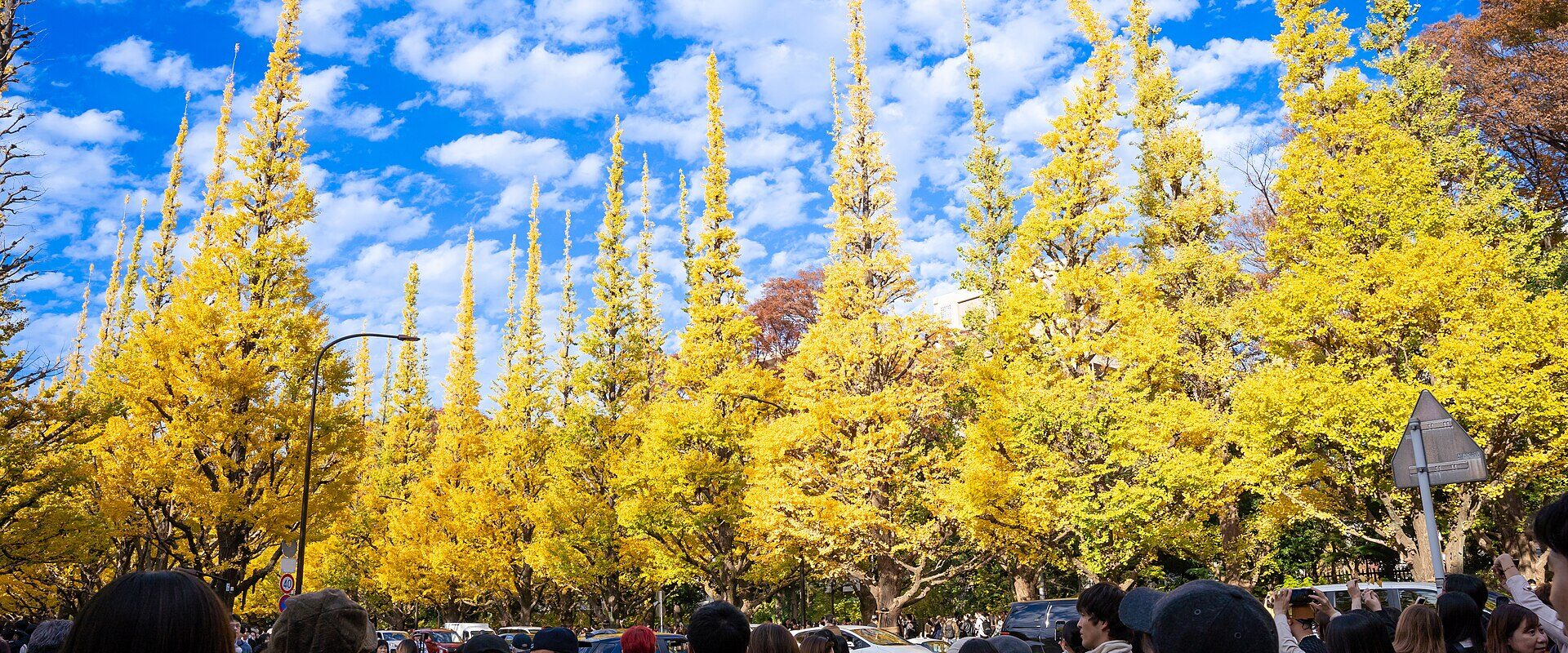
| Meiji Jingu Gaien ginkgo avenue | Late Nov to early Dec | Free |
| Rikugien, Koishikawa Korakuen | Late Nov to early Dec | ¥300 entry |
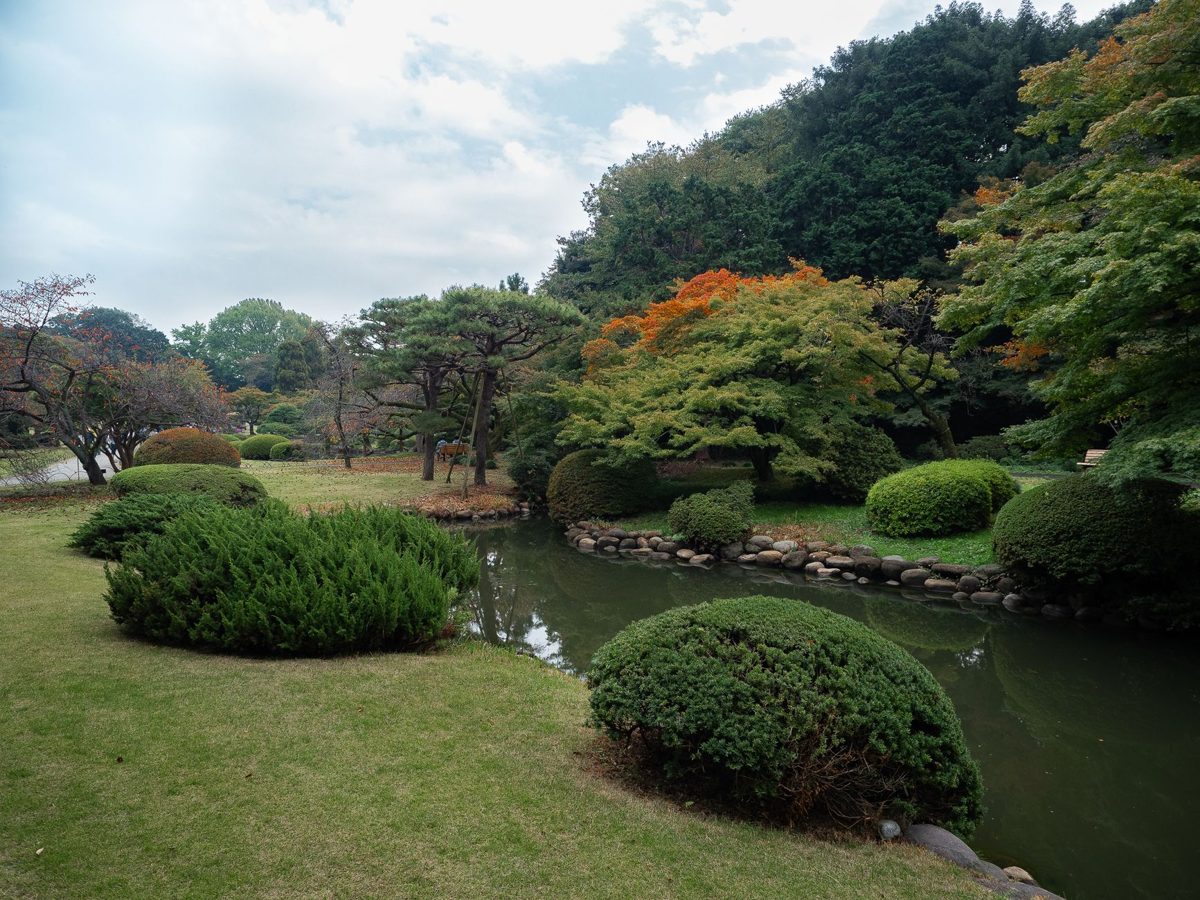
| Shinjuku Gyoen | Late Nov to early Dec | ¥500 entry |

The pattern that works: Mount Takao or a Kanto day trip in the middle of the month, city gardens at the end of it. Takao is 54 minutes and ¥390 from Shinjuku on the Keio Line, the cable car adds six minutes, and the mountain runs a Momiji Matsuri through the peak weeks. Go on a weekday. The Sunday queue for the cable car in late November genuinely runs to an hour.
For the specific spots, the illumination evenings and the order to do them in, our Tokyo autumn foliage guide is the deep dive; this page is about fitting it into a month. The short version for the city gardens is that Rikugien and Koishikawa Korakuen both cost ¥300, both are small enough to do in an hour, and both are transformed by the late-November evening lighting — which requires a timed ticket in peak week.

The ginkgo avenue, and how to see it without the crowd
The Icho Namiki avenue at Meiji Jingu Gaien — 146 ginkgo trees in four rows running down to the Memorial Picture Gallery — is the single most photographed autumn scene in Tokyo, and the Jingu Gaien Ginkgo Festival runs food stalls along it from mid-November into early December. It is free, it is a five-minute walk from Gaienmae on the Ginza Line, and at 14:00 on a late-November Saturday it is close to impassable.
Go at 07:30. The light is better, the avenue is nearly empty, and you will be finished before the stalls open. This is the single highest-value piece of advice on this page, and it applies to almost every autumn spot in the city — the Tokyo crowd is a late-morning phenomenon. More on timing shots in our Tokyo photo spots guide.
November events
Tori no Ichi — the rooster-day markets
Held on the “rooster days” of the November calendar, which fall two or three times a month depending on the year, Tori no Ichi fills shrine grounds with stalls selling kumade — ornamental bamboo rakes crusted with gold coins, lucky cats, masks and rice bales, bought by business owners to rake in fortune for the coming year. When one sells, the stallholders break into a rhythmic hand-clap.
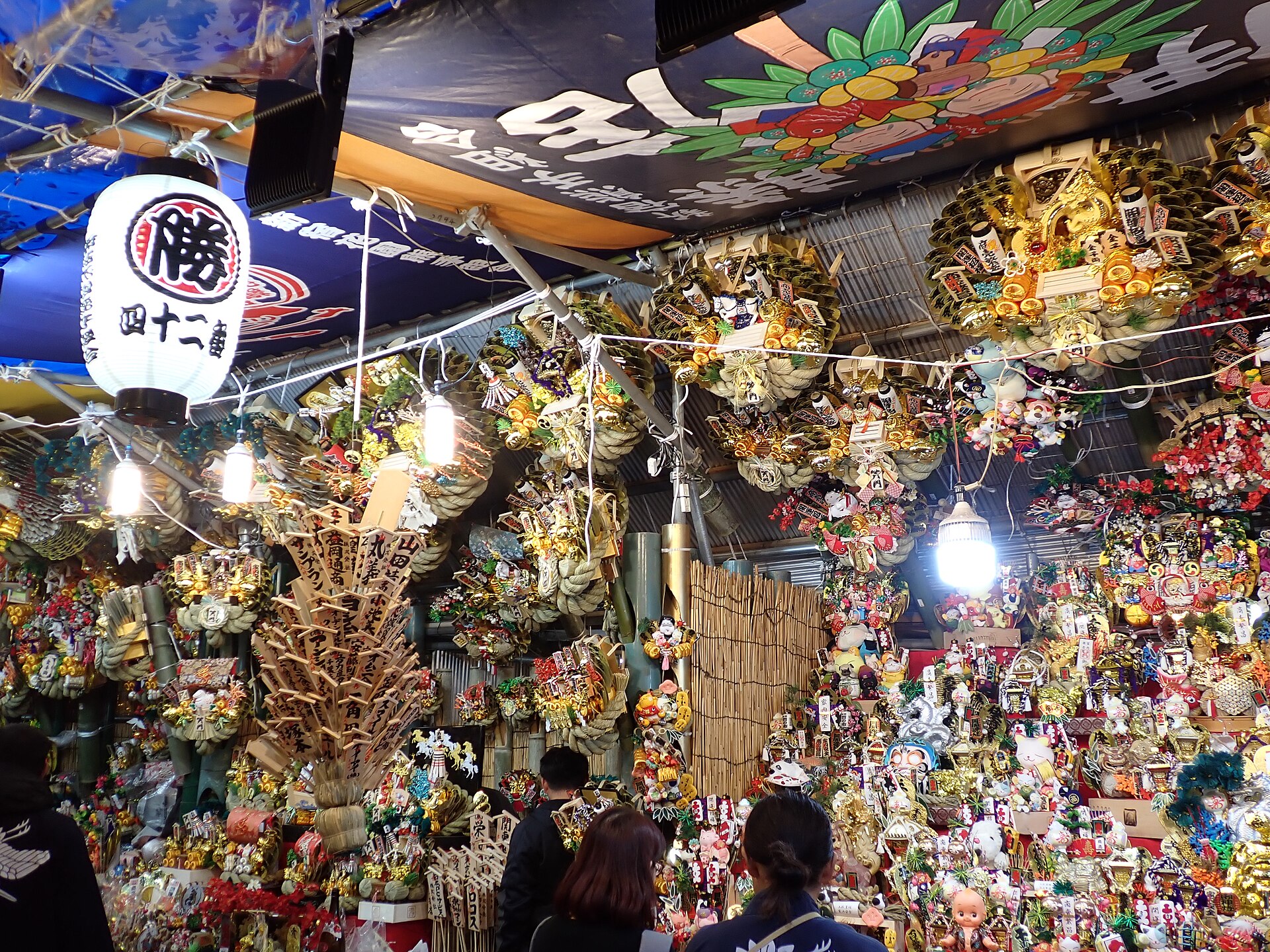
The two best in Tokyo are Otori Shrine in Asakusa, which is the largest and busiest, and Hanazono Shrine in Shinjuku, which is smaller, walkable from Shinjuku-sanchome and considerably more atmospheric at night. Both run through the evening and both are free. Because the dates move with the old calendar, check the shrine’s own listing for the year rather than assuming a fixed date.
Shichi-Go-San — 15 November
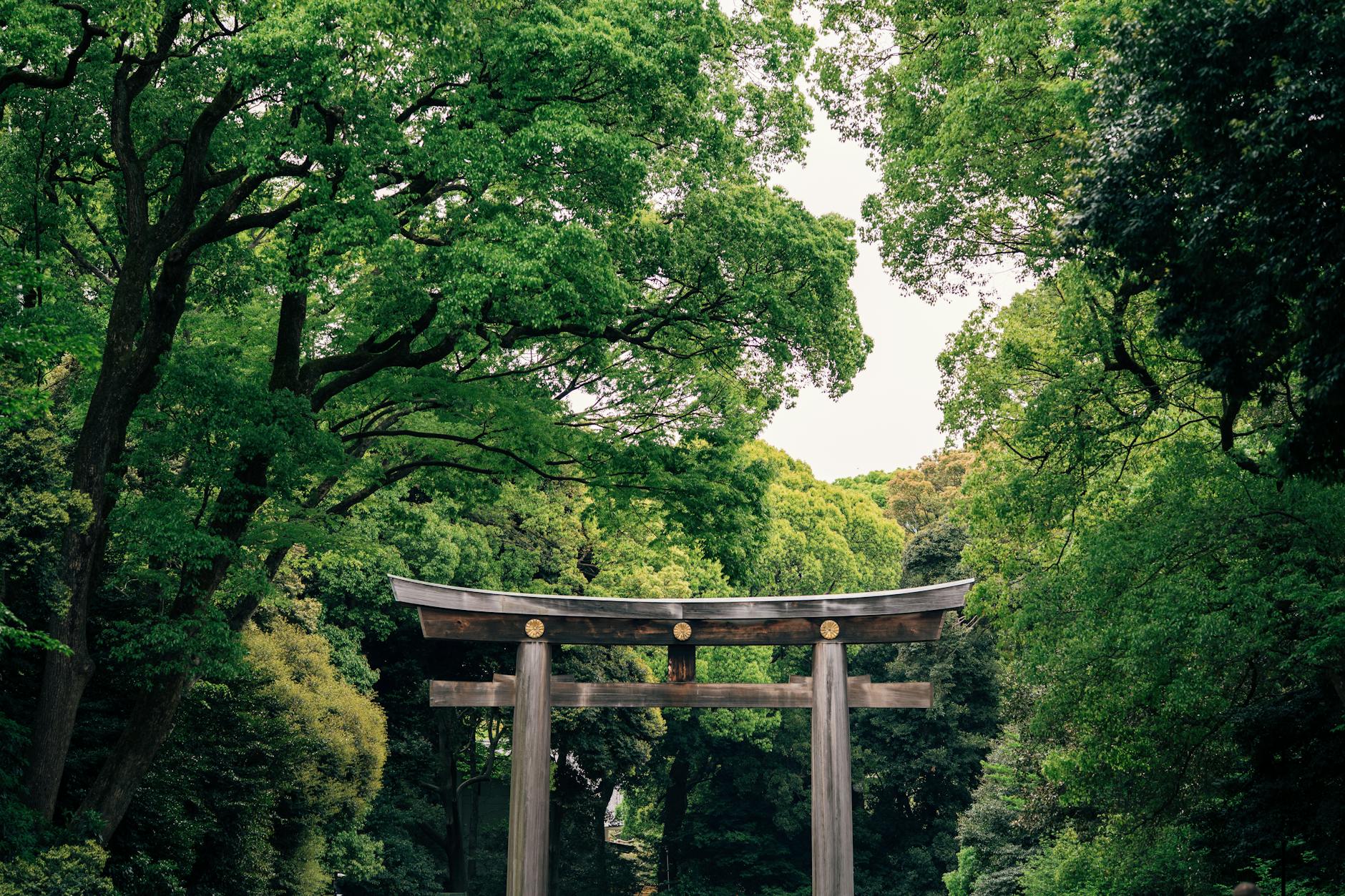
The seven-five-three rite of passage, when children of those ages are taken to a shrine in formal dress. It concentrates on and around 15 November and the weekends either side, and Meiji Shrine is the epicentre in Tokyo. It is not a spectacle staged for visitors — it is families having a significant day — so watch from a distance and do not photograph children without asking the parents. The Tokyo culture and traditions guide has more on what is actually happening.
Public holidays and everything else
- Culture Day, Tuesday 3 November — a national holiday. Several museums and gardens waive admission; Meiji Shrine holds an autumn festival with archery and classical music. Expect a busy long weekend either side.
- Labour Thanksgiving Day, Monday 23 November — another holiday, and it lands squarely in peak foliage week, which is the worst possible combination for crowds at the gardens.
- Chrysanthemum displays — Shinjuku Gyoen stages the formal kiku exhibition in the first half of the month, and Yushima Tenjin runs a larger, free festival through most of November. Both are worth an hour and neither is crowded.
- Design Festa — the enormous independent-art fair at Tokyo Big Sight in Odaiba, usually a mid-November weekend. Thousands of individual makers, unpredictable and excellent. Check the current dates before planning around it.
- Winter illuminations — the big displays at Marunouchi, Roppongi, Shiodome and Yebisu Garden Place switch on from the middle of the month, which means the last two weeks of November give you autumn colour by day and illuminations after dark. It is the best two-in-one week of the year.
What to eat in November
Autumn is the season Japanese food culture takes most seriously, and November is its centre. Menus change wholesale, and a fair number of the best things on them exist for about six weeks.
- Shinmai — the new rice crop, milled and sold from October into November. A bowl of shinmai at a decent set-meal restaurant tastes noticeably different from the same rice in March, and costs the same. Ask for it by name.
- Oysters — the Japanese season opens properly in November. Oyster bars in Ebisu and Nihonbashi run kaki-goya menus at ¥300 to ¥500 a piece for domestic varieties from Hiroshima, Miyagi and Hokkaido.
- Matsutake — the mushroom that costs more than the meat. Domestic ones run into thousands of yen each; imported Chinese and Canadian matsutake appear on set menus at a fraction of that and are still worth ordering once.
- Persimmon and chestnut — kaki everywhere from greengrocers to convenience stores, and Mont Blanc in every patisserie window. The depachika floors are where the good versions are.
- Beaujolais Nouveau — released on the third Thursday of November, and because of time zones Japan drinks it before anyone in Europe. Tokyo takes this considerably more seriously than France does; bars and department stores run midnight events.
- Oden — the convenience-store vat by the till comes back for the cold months. ¥100 to ¥200 an item, and a genuinely good cheap dinner. See our konbini food guide.
Hot canned drinks reappear in vending machines around the middle of the month — the machines physically switch a portion of their stock to heated, marked in red — which is one of the small seasonal signals the city runs on. For where to eat more generally, the Tokyo food guide covers the categories worth your money.
Crowds, prices and the honest trade-off
November is expensive. It is peak inbound season, the yen-driven boom has not gone anywhere, and the second half of the month competes directly with domestic autumn travel and two public holidays. Hotel rates in the last ten days sit close to cherry blossom levels.
| Window | Foliage | Crowds | Hotel rates |
|---|---|---|---|
| 1–8 Nov | Green in the city | Moderate | Moderate |
| 9–17 Nov | Mountains turning | Moderate | Moderate to high |
| 18–24 Nov | City starting | High | High |
| 25–30 Nov | Peak | Very high | Highest of the season |
The under-appreciated window is 9 to 17 November: the mountains have turned, Takao and the Kanto day trips are at their best, the city gardens are still quiet, illuminations are switching on, and you are paying meaningfully less than someone arriving a fortnight later. If you have to choose one week of November, choose that one.
If your dates are fixed for the last week, book everything early — hotels, any restaurant you care about, and the timed evening tickets for Rikugien. Our trip cost breakdown shows what the season does to a week’s budget, and best time to visit Tokyo compares November against the rest of the year properly.
What to pack
More than October, less than you would pack for a European November. Tokyo does not get properly cold until late December, and interiors are heated hard.
- A light-to-mid-weight coat. A wool overcoat or a decent insulated jacket. Not a parka.
- Layers underneath — long sleeves plus a jumper covers almost every day, and you will take the jumper off indoors.
- A scarf. Disproportionately useful for late-November mornings and evening illumination walks.
- Comfortable shoes with grip. Wet leaves on temple steps and the Takao trails are genuinely slippery.
- Sunglasses. The light is low, bright and directly in your eyes for much of the afternoon.
Skip thermals unless you are unusually cold-blooded, and skip the umbrella-first mentality of October — six or seven wet days across the month means most trips see one. The full breakdown is in the Tokyo packing list.
How to structure a November week
- Early in the trip, on the clearest forecast day: get out of the city. Mount Takao, Nikko, Kamakura or Hakone — see our day trips from Tokyo. Clear November air is the best Fuji visibility of the year and it does not last.
- Mornings: gardens and avenues before 09:00. Rikugien opens at 09:00, Shinjuku Gyoen at 09:00, the ginkgo avenue is a public street and open always.
- Afternoons: indoor and neighbourhood things — the museums in our best museums guide, department store basements, the backstreets of Yanaka.
- Evenings: illuminations from mid-month, or a garden’s night lighting in the last week, then dinner. It gets dark at about 16:30 by the end of November, which stretches the evening considerably.
The early sunset is worth planning for. By 30 November the sun is down before 16:30, so an afternoon that starts at 14:00 is essentially an evening. Front-load outdoor sightseeing and use the dark hours for food, illuminations and the gardens that light up.
Is November the right month?
Yes, if you want the best-looking version of Tokyo and are willing to pay for it and share it. The colour is genuinely spectacular, the weather is close to perfect, and the overlap between foliage and the first illuminations in the last two weeks does not exist in any other month.
No, if you are travelling on a budget or dislike crowds — Tokyo in October gives you 80 per cent of the weather at 70 per cent of the price with a fraction of the queue. And no if you are booking early November expecting autumn colour in the city, which is the single most common November mistake.
For what comes next, the Tokyo winter guide picks up in December, when the illuminations peak and the crowds briefly thin before New Year. To build the trip, start with the Tokyo travel planning guide.
The lights are worth their own plan rather than a bullet point. Most displays switch on in the second week of November, which means the final fortnight of the month is the only period all year that gives you full autumn colour by day and full illumination after dark — our guide to Tokyo winter illuminations has the routes and the end dates.
November is also the best month for a night at a hot spring inn outside the city. The maples along the river at Shuzenji and in Hakone’s valleys turn while central Tokyo is still green, and an outdoor bath on a cold evening is at its best. Book early, though, because autumn weekends fill fast. Our guide to onsen ryokan near Tokyo has the options and prices.
Frequently Asked Questions
When do the autumn leaves peak in Tokyo?
Central Tokyo peaks from about 20 November into the first week of December. Mount Takao, an hour west, turns mid-to-late November. The Oku-Nikko highlands are much earlier, around mid-October. If you want city colour, aim for the last ten days of November and accept that they are the busiest of the season.
Is November a good time to visit Tokyo?
It is one of the best months. Highs of 13–20°C, very low rainfall at around 90–100 mm, the clearest skies of the year and peak autumn colour. The trade-offs are cost and crowds: the second half of the month is peak inbound season with two public holidays, and hotel rates approach cherry blossom levels.
How cold does Tokyo get in November?
Mild at the start, properly cool by the end. Early November runs 18–20°C by day and 11–13°C overnight; the final week drops to 13–15°C by day and 6–8°C before dawn. Snow does not fall in Tokyo in November. A light-to-mid-weight coat with layers underneath covers the whole month.
What festivals happen in Tokyo in November?
Tori no Ichi kumade markets on the rooster days at Otori Shrine in Asakusa and Hanazono Shrine in Shinjuku; Shichi-Go-San around 15 November, concentrated at Meiji Shrine; the Meiji Jingu Gaien Ginkgo Festival from mid-November; chrysanthemum displays at Shinjuku Gyoen and Yushima Tenjin; and Design Festa at Tokyo Big Sight on a mid-November weekend.
Are the winter illuminations on in November?
Yes, from about the middle of the month. Marunouchi, Roppongi, Shiodome and Yebisu Garden Place all switch on in mid-to-late November and run to Christmas or beyond. The last fortnight of November is the only period that gives you full autumn colour by day and illuminations after dark.
Photo Credits
- The ginkgo avenue at Meiji Jingu Gaien – Meiji Jingu Gaien Ginkgo Festival (53440770227) by Dick Thomas Johnson from Tokyo, Japan, CC BY 2.0, via Wikimedia Commons.
- Kumade rakes at the Tori no Ichi market, Hanazono Shrine – Hanazono shrine tori no ichi fair20251124 by Mozzucu, CC0, via Wikimedia Commons.