Best Things to Do in Tokyo · Guide №037
Shibuya Crossing Guide: How to Visit & Photograph It (2026)
How to experience and photograph Shibuya Crossing, the world's busiest scramble: best viewpoints, Shibuya Sky 2026 tickets, the Hachiko statue, best times and station exits.
目次 — Contents
- What and where it is
- Best viewing and photo spots
- Shibuya Sky tickets and 2026 price
- The Hachiko statue
- Best times: rush hour, after rain, night
- How to cross like a local
- What else to do around Shibuya
- Station exits
- Shibuya Sky in detail
- More viewpoints worth knowing
- A two-hour Shibuya plan
- Filming and tripod rules
- Where to eat and drink nearby
- Shibuya through the seasons
- A little history of the scramble
- Getting to Shibuya
- Accessibility at the crossing and Shibuya Sky
- Tickets for families and combos
- Common mistakes to avoid
- See the rest of the neighborhood
- Frequently Asked Questions
This article contains advertising. Our booking links are routed through a partner that adds commission tracking automatically, so if you book through one we earn a commission from the provider, at no extra cost to you. It never affects what we recommend. Affiliate disclosure
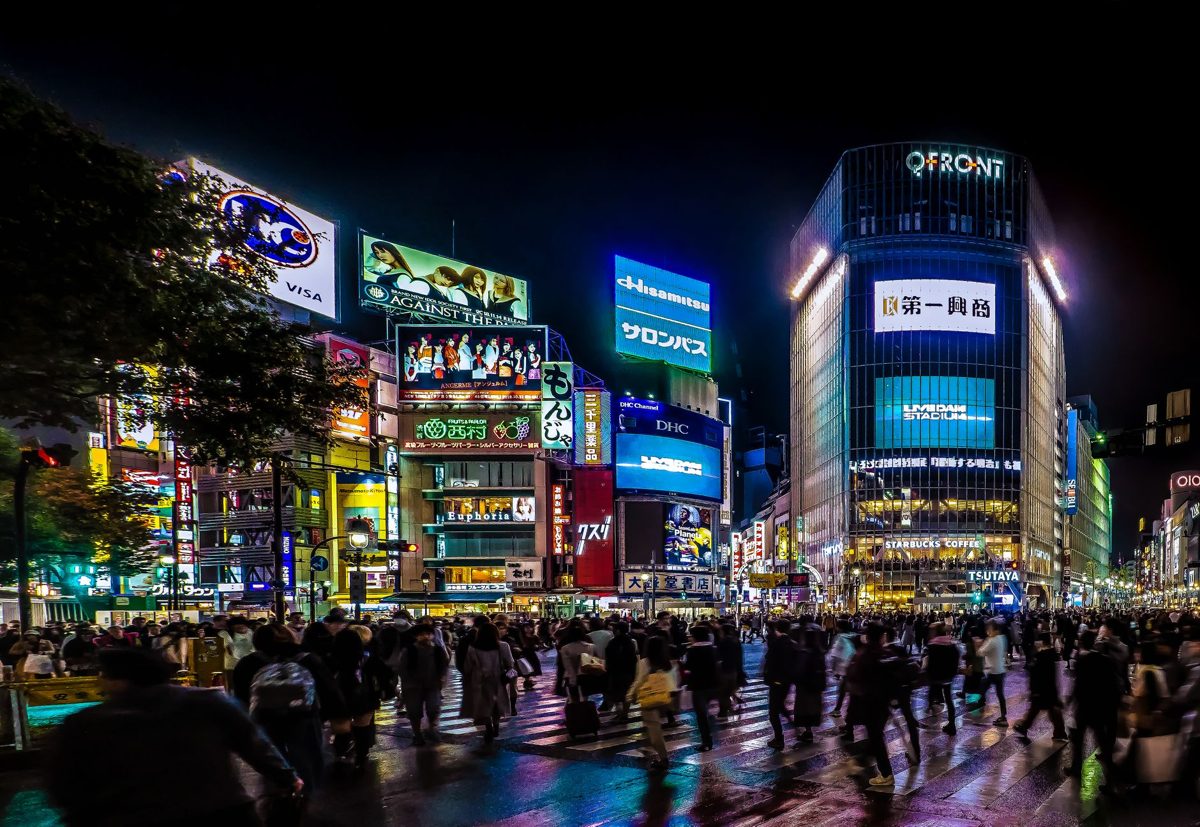
This Shibuya Crossing guide covers both halves of the experience: how to actually cross the world’s busiest pedestrian scramble, and how to photograph it well. The short version — cross it once at street level from the Hachiko exit for the rush, then get up high (Shibuya Sky, the MAG8 rooftop or the Starbucks window) to shoot the famous swirl from above. Go at night or just after rain for the best frames.
What and where it is
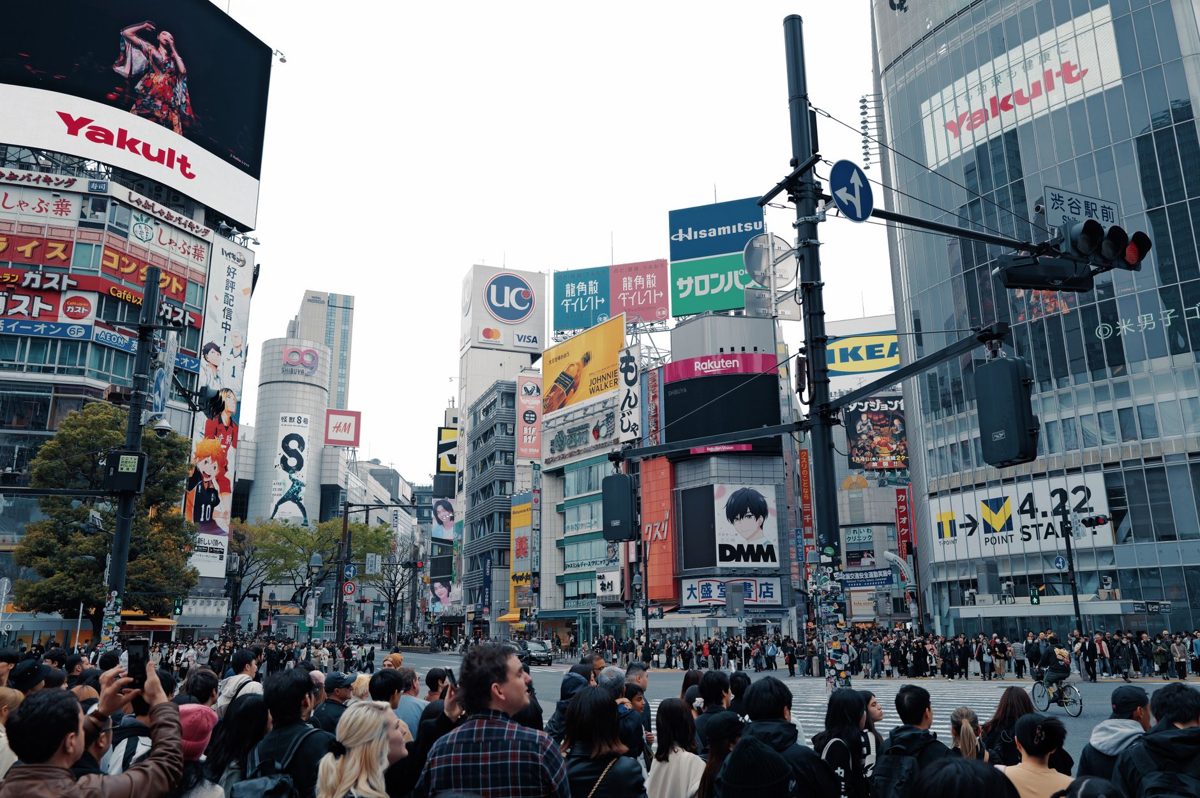
Shibuya Crossing — properly the Shibuya Scramble Crossing — sits right outside the Hachiko exit of Shibuya Station in western Tokyo. When the lights go red in every direction at once, traffic stops and pedestrians pour across from all sides, diagonally and straight, up to a few thousand people in a single signal at peak times. Wrapped around it are giant video billboards and the constant wash of neon that make it shorthand for Tokyo itself. It is free, it runs all day, and it is busiest in the evening. If you want it at both extremes, near-empty at dawn and heaving at 10pm, the hotels right by the scramble put you a lift ride away.
It is also genuinely one of the best things to do in Tokyo for nothing — a five-minute spectacle you can repeat as many times as you like, bookended by some of the city’s best people-watching.
Best viewing and photo spots
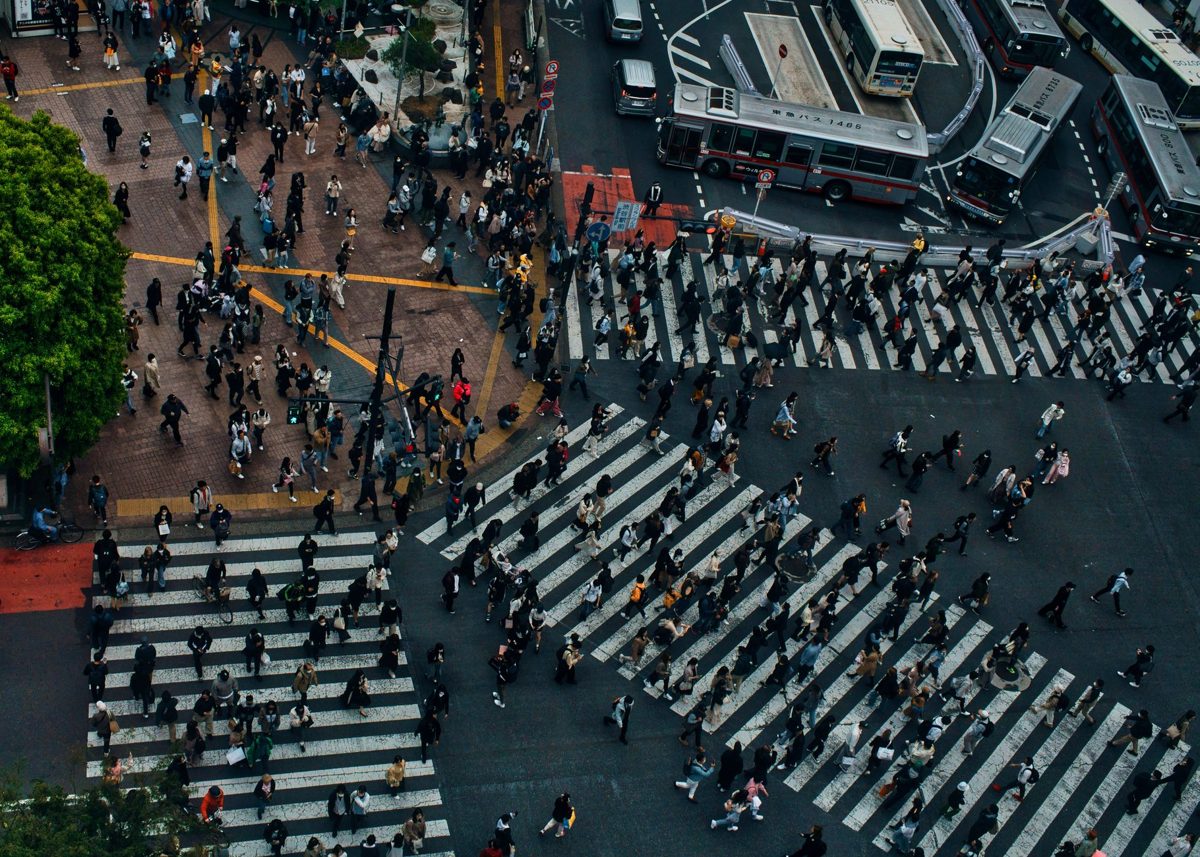
There are roughly two kinds of shot: the high, top-down “swirl” that shows the diagonal flow, and the in-the-thick-of-it street-level frame. Here is where to get each. The crossing is also a cornerstone of any run of the city’s best Tokyo photo spots, so it is worth getting right.
| Spot | Angle | Cost | Notes |
|---|---|---|---|
| Shibuya Sky | Highest, full city + crossing far below | From ¥2,500 online | Rooftop open-air deck on the 47th floor; book a timed slot, sunset sells out |
| MAG8 rooftop (MAGNET by Shibuya109) | Direct top-down over the scramble, close | ~¥1,800 (incl. one drink) | 8th-floor open-air platform; you shoot through plexiglass but the angle is unbeatable |
| Starbucks Tsutaya (Shibuya) | Eye-level-ish through a big curved window | Free (buy a drink) | One floor up via escalator; arrive early for a window seat, it gets mobbed |
| Hachiko exit / street level | Inside the crowd | Free | Cross with everyone, or stand at the edge for a wide ground shot |
| Mark City walkway | Free elevated angle | Free | Overhead passage near the “Myth of Tomorrow” mural; modest view but no ticket |
Shibuya Sky
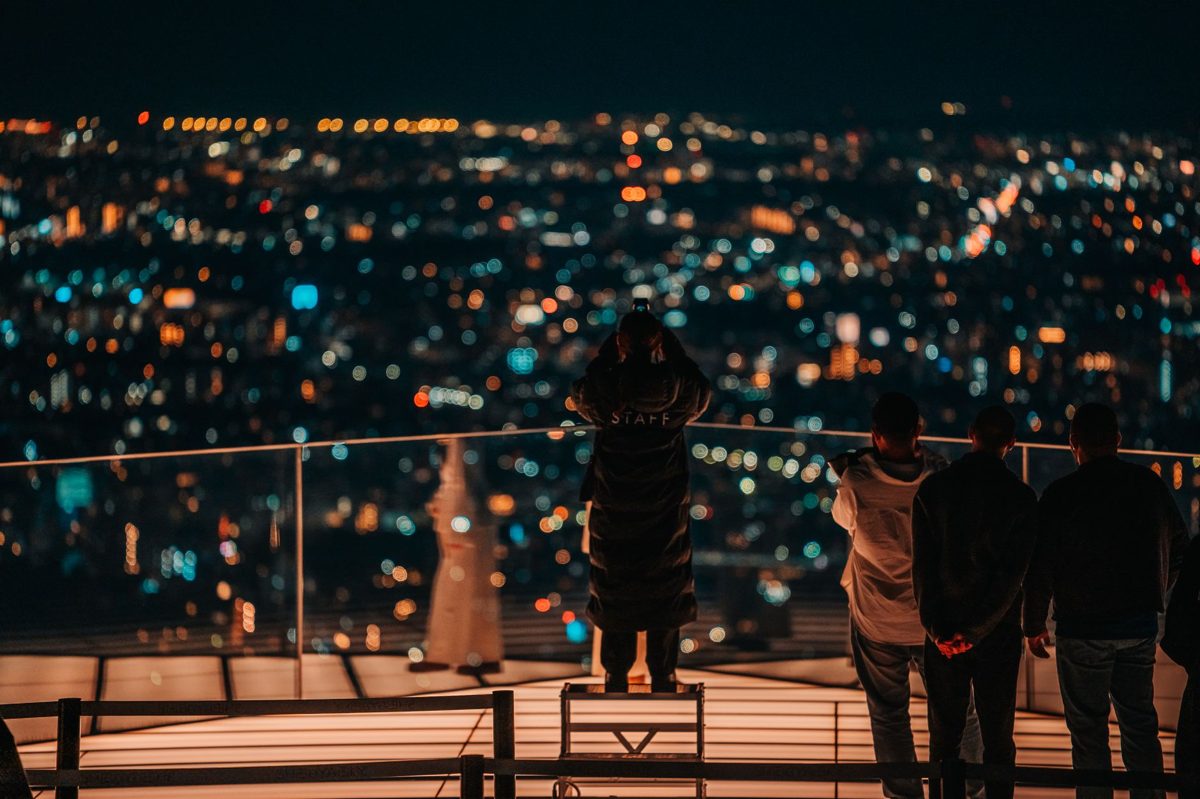
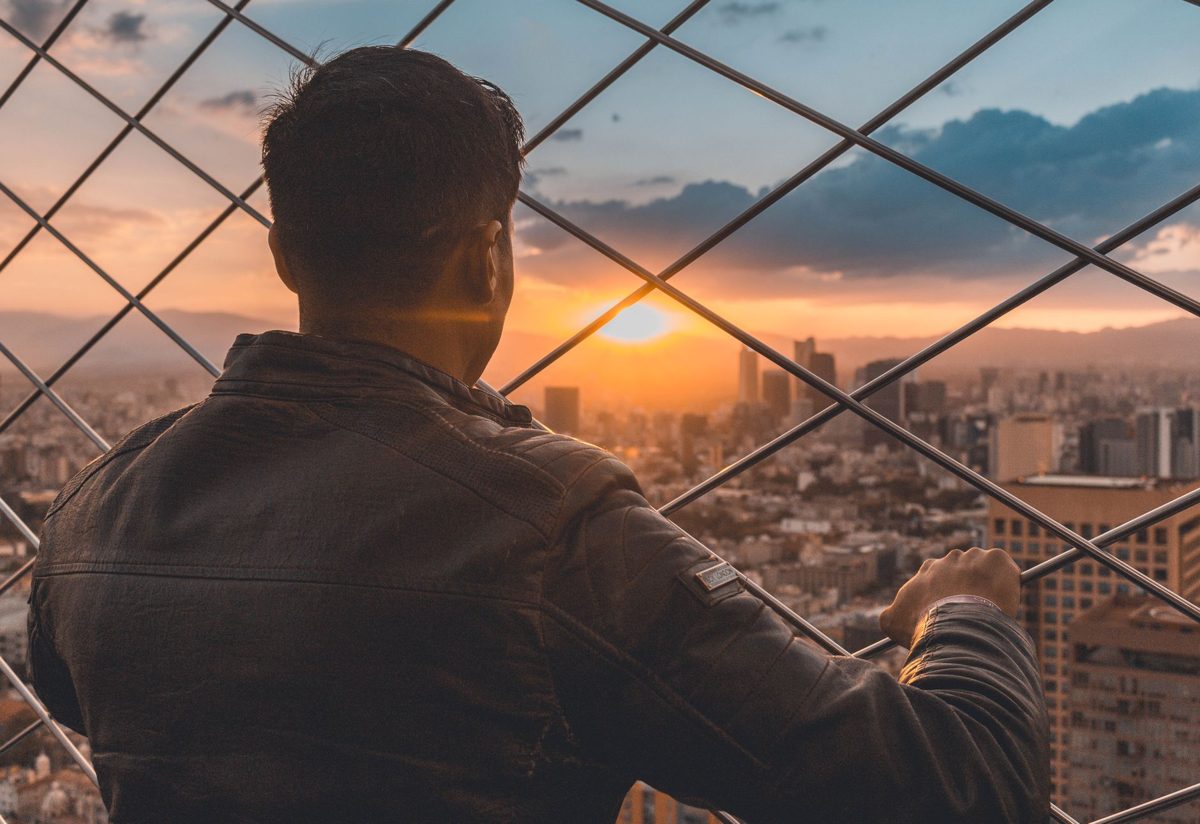
Shibuya Sky caps Shibuya Scramble Square and is the showpiece — an open-air rooftop on the 47th floor with the crossing laid out far below and Mt. Fuji on the horizon on clear evenings. It is the single best place to understand the scale of Shibuya. The crossing reads small from this height, so it is more about the whole sweep of the city than a tight crossing shot; for that, the MAG8 rooftop is closer.
MAG8 rooftop and the Starbucks window
For the classic top-down swirl, the rooftop on the 8th floor of MAGNET by Shibuya109 (the MAG8 deck, reopened in 2026) puts you almost directly over the scramble for about ¥1,800 including a drink. You shoot through clear panels rather than open air, but the angle is the one you have seen on a thousand postcards. The cheaper move is the second-floor Starbucks above the Tsutaya store: nurse a coffee by the curved window and you get a lovely lower, more human-scale perspective for the price of a latte — if you can grab a seat.
Shibuya Sky tickets and 2026 price
- Adults: from ¥2,500 booked online in advance; about ¥3,000 if you buy at the counter. Some dates use time-based pricing with a higher evening/sunset rate.
- Junior & senior high students: around ¥2,000 online. Elementary: ~¥1,200. Ages 3—5: ~¥700.
- Hours: roughly 10:00—22:30, last admission about 21:20.
- Booking: timed entry, released up to about two weeks ahead at midnight JST. Sunset slots — the best ones — go first.
Book online and book early. Walk-up tickets are not guaranteed, especially in the golden hour before dark. If your slot sells out, the open-air deck is still worth a non-sunset window, and the MAG8 rooftop is a solid plan B for the crossing itself.
The Hachiko statue
On the station side of the crossing stands Hachiko — the bronze Akita who waited at Shibuya Station every day for his owner, and kept coming back for years after the man died. It is Tokyo’s favourite meeting point (“meet at Hachiko”) and a small, sweet pilgrimage. There is almost always a queue for a photo with the statue, so expect to wait a minute, and use the Hachiko exit as your landmark for everything else here.

Best times: rush hour, after rain, night
- Evening rush (roughly 17:00—20:00): the fullest crossings and the neon fully lit. This is the iconic version.
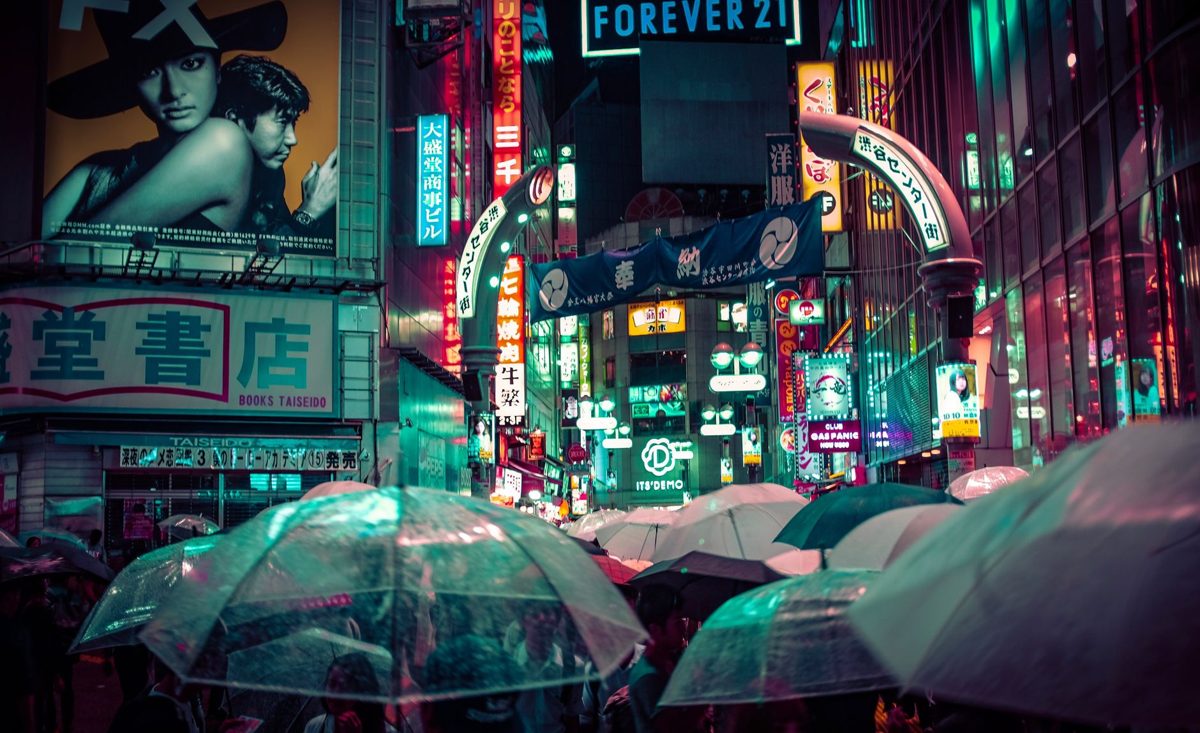
- Just after rain: the holy grail. Wet asphalt mirrors the billboards and a sea of umbrellas reads beautifully from above. Check the forecast and pounce.
- After dark generally: the billboards are brightest and the colour is richest from about sunset onward.
- Early morning: the opposite mood — near-empty, clean light, good if you want the place without the crush.
- Weekends are busier than weekdays; Friday and Saturday nights are the peak of the peak.
How to cross like a local
It looks like chaos and works like clockwork. A few unwritten rules:
- Keep moving and pick a line. People flow around you; don’t stop dead in the middle to film unless you are at the edge.
- Walk on the assumption others won’t swerve. Everyone reads everyone else — match the pace and you’ll glide straight through.
- No standing photos mid-scramble. If you want the in-the-crowd selfie, raise the phone and shoot on the move, or step to a corner island.
- Mind the cyclists and the rare straggler. The signal is generous but not infinite — don’t dawdle once it starts blinking.
- Cross a couple of times. Once for the experience, once just to watch the wave from the far corner.
What else to do around Shibuya
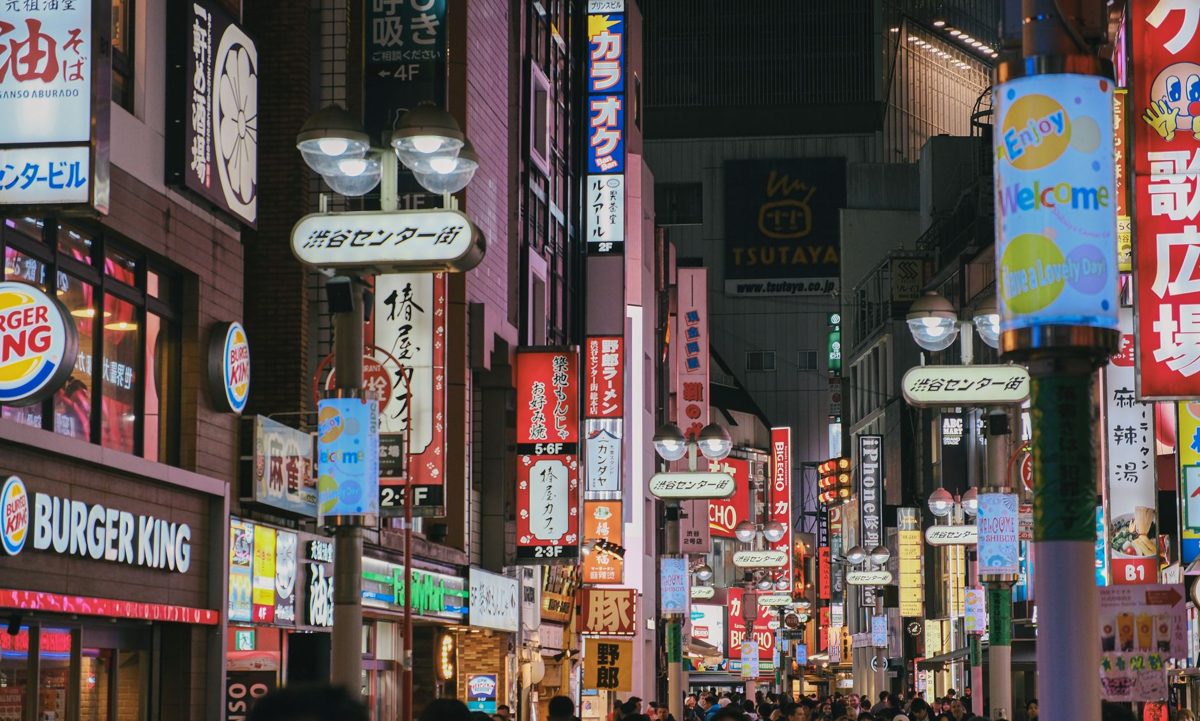
Don’t treat the crossing as a one-and-done. The streets fanning out from it — Center Gai, the lanes up toward Dogenzaka, the boutiques of Shibuya109 — are the heart of Tokyo youth culture, and the area rolls straight into the city’s best nightlife after dark. Our Tokyo nightlife guide maps out where to go once the billboards are glowing. For how Shibuya connects to neighbouring Harajuku, Ebisu and beyond, see the Shibuya district section of our neighborhoods guide, and if you are weighing up which tall thing to climb on your trip, our Skytree vs Tokyo Tower comparison is a useful companion to a Shibuya Sky visit.
Station exits
Shibuya Station is a genuine labyrinth across JR, Tokyo Metro, Tokyu and Keio lines, so the exit you choose matters. The one you want is the Hachiko Exit (Exit 8 / Hachiko Square) — it deposits you right at the statue and the edge of the scramble. From the JR Yamanote Line follow the yellow “Hachiko” signs; if you surface somewhere unexpected, look for the Hachiko or “Scramble Crossing” signage and head toward daylight and noise. For Shibuya Sky, follow signs to Shibuya Scramble Square, which connects directly into the station.
Shibuya Sky in detail
Shibuya Sky is really three experiences stacked together, and knowing the layout helps you use your timed slot well. You ascend through Sky Gate, a short projection-mapped tunnel, then a near-silent lift shoots you up 47 floors. The headline is the Sky Stage — the fully open-air rooftop, with a glass-edged perimeter, hammock-style nets to lie back on, and the famous corner where you can frame yourself against the skyline. A floor below, the indoor Sky Gallery has seating, a bar (Paradise Lounge) and floor-to-ceiling glass for when the wind picks up.
Practical notes that catch people out: the rooftop is genuinely open to the sky, so it closes in bad weather and is cold and windy after dark — bring a layer. Loose items, tripods and selfie sticks are not allowed up on the Sky Stage for safety, and there are lockers for bags. Aim your slot for about 30 minutes before sunset so you catch daylight, golden hour and the lights coming on, all on one ticket.
More viewpoints worth knowing
Beyond the big three, a few lesser-known perches give you the crossing or the skyline without the queues:
- L’Occitane Café: directly across from the scramble, a window seat on the upper floor gives a head-on, slightly elevated view for the price of a drink — a calmer alternative to the Starbucks.
- Shibuya Hikarie (Sky Lobby, 11F): free indoor windows looking out over the station and rooftops, a handy wet-weather option.
- Shibuya Stream and the riverside: for street-level neon and quieter compositions away from the main crowd.
- MAG8 rooftop after dark: the same direct top-down angle as by day, but with the billboards blazing — arguably the best value crossing shot in the city.
- Miyashita Park rooftop: a green deck over a shopping complex, good for a breather and skyline glimpses.
A two-hour Shibuya plan
If the crossing is all the time you have, here is a tight loop that hits the highlights. Surface at the Hachiko exit and meet the famous dog. Cross the scramble once, all the way, to feel the surge. Ride up one floor to the Starbucks window (or across to L’Occitane) for a sit-down view and your first photos. Walk five minutes to MAGNET by Shibuya109 and take the lift to the MAG8 rooftop for the top-down swirl. If you have booked it, finish at Shibuya Sky for the panorama at dusk. That is roughly two hours and covers every angle from street to summit.
Filming and tripod rules
Handheld phone and camera shooting at the crossing is completely normal — you’ll be surrounded by people doing it. A few sensible limits: don’t set up a tripod in the middle of the scramble or on busy pavements (it blocks the flow and security will move you on), keep selfie sticks down in the crowd, and remember that the indoor cafés are private businesses, so be discreet and buy something. On the Shibuya Sky rooftop, tripods and loose accessories are banned outright for safety. Commercial shoots and drones need permits, so for normal travel photography just shoot handheld and keep moving.
Where to eat and drink nearby
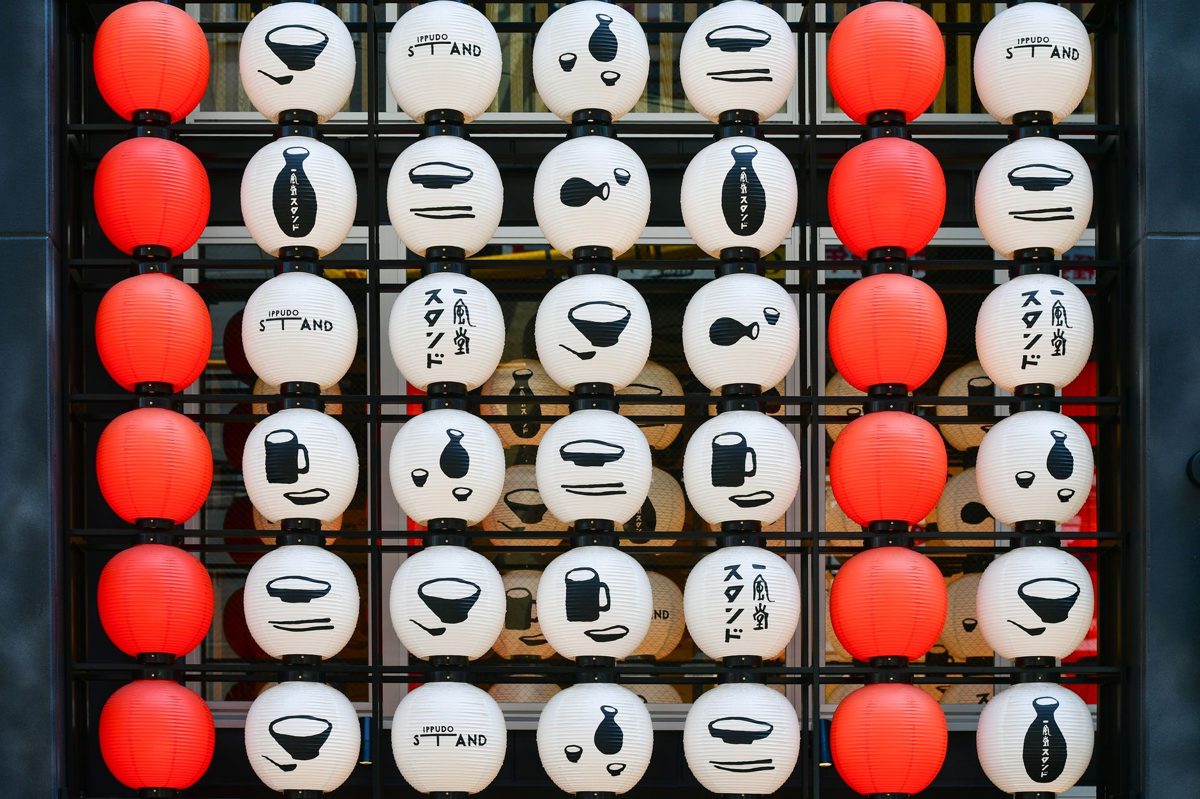
You are spoilt for choice within a few minutes’ walk. Center Gai is wall-to-wall ramen, gyoza and cheap eats; the lanes up toward Dogenzaka hide classic izakaya and standing bars; and the upper floors of the department stores around the station have proper restaurants with a view. For a quick classic, grab a bowl at one of the ramen counters off Center Gai before an evening crossing, then move on to a bar as the billboards brighten. Our Tokyo nightlife guide goes deeper on Shibuya’s after-dark scene.
Shibuya through the seasons
- Spring: mild evenings and the cherry trees along the nearby river make for pleasant pre- and post-crossing walks.
- Summer: hot and humid, but the neon looks superb in the long blue-hour dusk; duck into air-conditioned cafés to cool down between shots.
- Autumn: arguably the best time — comfortable temperatures, clear skies for Shibuya Sky, and golden light.
- Winter: the clearest air for distant Mt. Fuji from the rooftop, plus city-wide illuminations from late November that make night frames sparkle. Wrap up warm for the open-air deck.
- New Year and Halloween: the crossing becomes a spontaneous gathering point and is mobbed; great energy, but go only if you want maximum crowds.
A little history of the scramble
The “scramble” format — stopping all traffic so pedestrians can cross in every direction at once, including diagonally — grew up around Shibuya Station as the area boomed in the post-war decades into a hub of youth culture, fashion and nightlife. Today an estimated several hundred thousand people cross here daily, and at the busiest signals a few thousand move at once, which is what makes it feel like a tide. The giant screens and the rebuilt towers around it, including Shibuya Scramble Square that houses Shibuya Sky, have only sharpened its status as the image the whole world recognises as Tokyo. It absolutely belongs near the top of any list of the best things to do in Tokyo.
Getting to Shibuya
Shibuya is one of Tokyo’s main hubs, so it’s well connected. On the JR Yamanote line (the loop that strings together Tokyo, Shinjuku and Shibuya) it’s a few stops from most central areas. The Ginza, Hanzomon and Fukutoshin subway lines all stop here too, as do the Tokyu and Keio private lines. From Narita Airport, the Narita Express runs to Shibuya directly in about 80 minutes; from Haneda, it’s roughly 30—40 minutes via the Keikyu line and a transfer, or a straightforward airport limousine bus. Tap in with a Suica or Pasmo IC card and follow the yellow Hachiko signs once inside.
Accessibility at the crossing and Shibuya Sky
The crossing itself is step-free at street level with curb cuts, and the signals give generous time, so it’s manageable for wheelchair users and pushchairs — though the sheer density of people at peak times is the real obstacle, so consider an off-peak crossing. Shibuya Station and Shibuya Scramble Square have elevators throughout, and Shibuya Sky is wheelchair accessible, including step-free access up to the rooftop Sky Stage, with accessible toilets. If stairs or crowds are a concern, the indoor Sky Gallery level gives the view through glass without the open-air ramps.
Tickets for families and combos
Shibuya Sky’s child and student rates make it reasonable for families: elementary children pay around ¥1,200 and ages 3—5 about ¥700, with under-3s free. Various sightseeing passes and resellers bundle Shibuya Sky with other attractions, but the official timed ticket is usually the simplest and lets you lock the sunset slot you want. If you’re visiting with kids, build in the Hachiko photo and a crepe from Center Gai, and keep the rooftop visit short on a cold or windy evening. For more family pacing, see our roundup of the city’s top attractions.
Common mistakes to avoid
- Leaving Shibuya Sky tickets to the day: sunset slots sell out — book online, up to about two weeks ahead.
- Standing still in the middle of the scramble to film: you’ll be in everyone’s way; shoot from a corner or on the move.
- Only crossing once: the best view is from the far side watching the next wave, so cross back.
- Expecting a tight crossing shot from Shibuya Sky: it’s a city panorama; for the close top-down swirl, use the MAG8 rooftop or the Starbucks window.
- Surfacing from the wrong exit: the station is a maze — aim for the Hachiko exit (Exit 8) and you land right at the scramble.
See the rest of the neighborhood
The scramble is only the opening act. For everything wrapped around it — the Shibuya Sky deck, shopping at PARCO and Shibuya 109, Nonbei Yokocho’s tiny bars and where to eat — read our complete Shibuya neighborhood guide.
Frequently Asked Questions
Where is the best place to photograph Shibuya Crossing?
For the classic top-down swirl, the MAG8 rooftop on the 8th floor of MAGNET by Shibuya109 (about ¥1,800 with a drink) sits almost directly over the scramble. For the widest city view, Shibuya Sky on the 47th floor is unbeatable. The free option is the second-floor Starbucks above Tsutaya, which gives a lovely lower angle through its curved window — if you can get a seat.
How much is Shibuya Sky in 2026 and do I need to book?
Adult tickets start from ¥2,500 booked online, or about ¥3,000 at the counter, with some dates using a higher evening rate. Yes, book ahead — entry is timed and released up to about two weeks in advance, and sunset slots sell out fastest. Walk-up tickets are not guaranteed.
What is the best time to see Shibuya Crossing?
Evening rush hour, roughly 17:00 to 20:00, gives the fullest crossings with the neon fully lit. Just after rain is the photographer’s favourite, when wet asphalt mirrors the billboards and umbrellas fill the frame. Weekends, especially Friday and Saturday nights, are the busiest.
Which station exit is Shibuya Crossing?
Use the Hachiko Exit (Exit 8 / Hachiko Square) at Shibuya Station — it opens right onto the statue and the edge of the scramble. From the JR Yamanote Line, follow the yellow “Hachiko” signs. For Shibuya Sky, follow signs to Shibuya Scramble Square instead.
Is Shibuya Crossing free to visit?
Yes. Crossing the scramble and visiting the Hachiko statue cost nothing, and you can do it as many times as you like, day or night. You only pay if you want an elevated view — Shibuya Sky, the MAG8 rooftop, or a drink at the Starbucks window.