Tokyo with Kids · Guide №146
Tokyo Playgrounds for Kids: Best Parks & Play Spaces
The best playgrounds, parks and indoor play centres for kids in Tokyo — with current access, prices, best ages and facilities for families with young children.
目次 — Contents
This article contains advertising. Our booking links are routed through a partner that adds commission tracking automatically, so if you book through one we earn a commission from the provider, at no extra cost to you. It never affects what we recommend. Affiliate disclosure
The best Tokyo playgrounds for kids are not the ones in the guidebooks — they are the giant cloud-shaped trampolines, the long roller slides built into hillsides, and the free neighbourhood parks where local toddlers run wild. This guide covers exactly where families with young children should go, with current access, prices, best ages, and the practical stuff (toilets, nursing rooms, shade) for each. Most are free or cost a few hundred yen.
Tokyo does playgrounds better than almost anywhere. Equipment is imaginative and often slightly surreal — a 10-metre dragon you climb inside, a slide shaped like a whale, an entire park themed around pigs. Safety surfacing is good, the parks are spotless, and even the busiest ones have clean toilets with changing tables. The catch is that the truly great spots are spread across the city, from Asakusa in the east to Tachikawa out west. Below, the big parks come first (a full day each), then the famous novelty playgrounds worth a special trip, then indoor centres for rainy days and crawling babies. Use the comparison table to match a park to your kids’ ages and the weather.
This is one of the most popular topics for families visiting the city, so it sits inside our wider guide to things to do in Tokyo with kids. If your trip skews younger, pair it with our Tokyo with toddlers guide; if rain forces you indoors, Tokyo’s best kids’ museums are the natural backup.
Tokyo playgrounds for kids at a glance
| Park / play space | Best for ages | Cost | Why go |
|---|---|---|---|
| Showa Kinen Park (Tachikawa) | 2–15 | ¥450 adult, kids free | Giant bouncing dome, cycling, flowers |
| Inokashira Park (Kichijoji) | 1–10 | Free park; boats ¥500–800 | Swan boats + small zoo |
| Komazawa Olympic Park (Setagaya) | 1–12 | Free | Three animal playgrounds, summer splash pond |
| Kinuta Park (Setagaya) | 2–10 | Free | Big lawns, cycle hire, play areas |
| Ueno Park (central) | 2–8 | Free | Playground by the zoo, easy to reach |
| Yoyogi Park (Harajuku) | All ages | Free | Open space for running and picnics |
| Heiwa-no-Mori Park (Ota) | 5–13 | ¥100 child athletics | 40-obstacle adventure course + roller slide |
| Asobono! (Tokyo Dome City) | 0–12 | From ¥900–1,500 | Huge indoor play, baby zone |
| Kid-O-Kid / BorneLund | 0.5–12 | Pay-by-time or day pass | Indoor, great for toddlers |
Big parks with great play areas
If you only have time for one proper park day, make it one of these. Each combines serious play equipment with space to picnic, walk off a meltdown, and let everyone reset. They also overlap with Tokyo’s best green spaces generally, which we cover in our Tokyo parks and gardens guide.
Showa Kinen Park — the giant bouncing dome
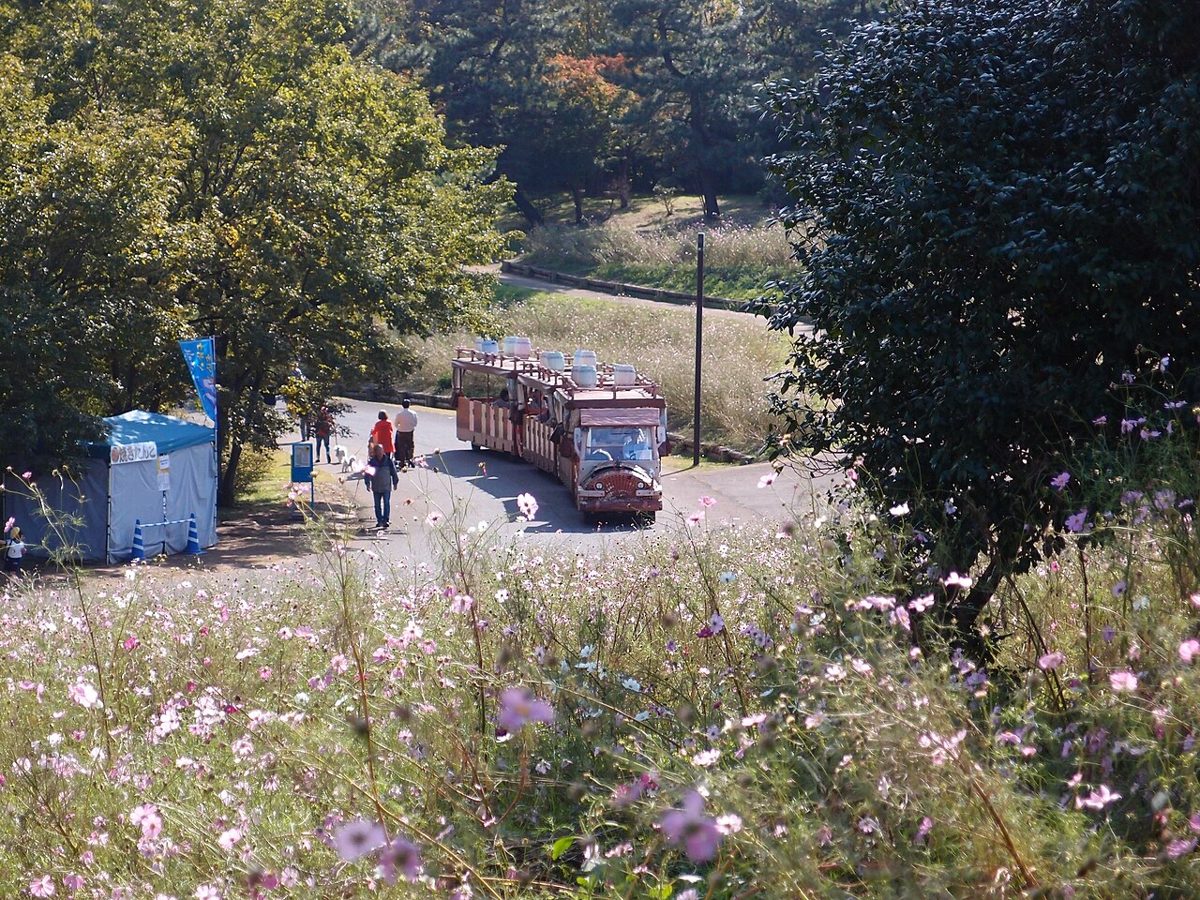
This is the one to build a day around. Showa Kinen Park (Kokuei Showa Kinen Koen) sprawls across 166 hectares of former military land in Tachikawa, west Tokyo, and the children’s zone is genuinely world-class. The centrepiece is the Fuwa Fuwa Dome, a vast white inflatable shaped like clouds — shoes off, and kids bounce until their legs give out. Around it sits Kodomo no Mori (the Children’s Forest): a fog forest that sprays cool mist every 30 minutes from 10:00 to 15:00 in warmer months, a “Dragon’s sand mountain” that shoots water spray in summer, and a free wood-craft workshop. Closer to the Nishi-Tachikawa Gate, the Wanpaku Yuugu area has gentler slides and climbers scaled for toddlers and preschoolers.
- Access: Nishi-Tachikawa Gate is a 2-minute walk from JR Nishi-Tachikawa Station (Ome Line); that gate is closest to bike rental and the toddler playground. Sunagawa Gate is nearest Kodomo no Mori but poorly served by transit — rent bikes if you start elsewhere.
- Price: ¥450 adults, ¥210 seniors (65+), free for middle-school age and under. Parking is ¥900/day.
- Best ages: 2–15. The dome suits almost everyone; Wanpaku Yuugu is the toddler pick.
- Facilities: Toilets, nursing rooms and diaper-change throughout; restaurants, cafes, a snack shop and lawns for bento. Cycling is the headline extra — 14 km of flat, car-free path, bikes ¥600/3 hours adults, ¥350 children, with child seats and tandems. Bring cash: bike rental, the park train (¥400/¥200) and boats are cash only, though entry and restaurants take cards.
One tip locals swear by: the Fuwa Fuwa Dome closes 45 minutes before the park and stays shut when the surface is wet from dew or rain, so arrive before 10:00 on a dry morning for the best run at it.
Inokashira Park — swan boats and a tiny zoo
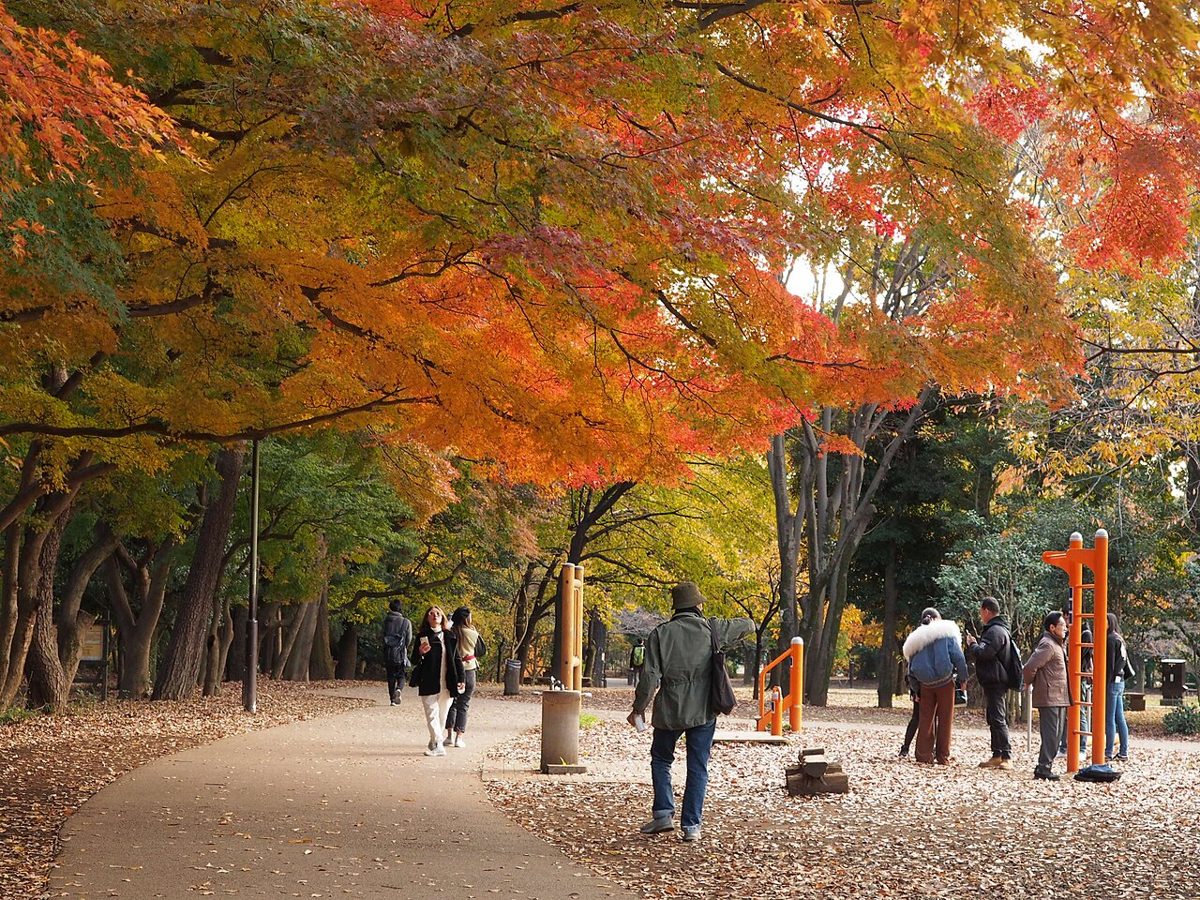
Just five minutes’ walk from Kichijoji Station, Inokashira Park wraps a pretty pond in cherry trees and is one of the most relaxed family afternoons in Tokyo. The headline act is the swan paddle boats: ¥800 for 30 minutes for the big swans, ¥700 for cycle boats, ¥500 for rowboats, all paid at a vending machine by the boathouse (no booking; the boats rest on Wednesdays seasonally). On the far side, the small Inokashira Park Zoo is sized perfectly for short attention spans, and there are playground structures and wide paths for scooters and toddling.
- Access: 5-minute walk from Kichijoji Station (JR Chuo/Sobu, Keio Inokashira lines).
- Price: Park free; boats ¥500–800 per 30 min; zoo has a small separate admission (free for young children).
- Best ages: 1–10. Toddlers love the boats and ducks; older kids the zoo and Ghibli Museum nearby (book that one well ahead).
- Facilities: Toilets around the pond, cafes and food stalls in Kichijoji a moment away, lots of shade under the trees.
Komazawa Olympic Park — three animal playgrounds
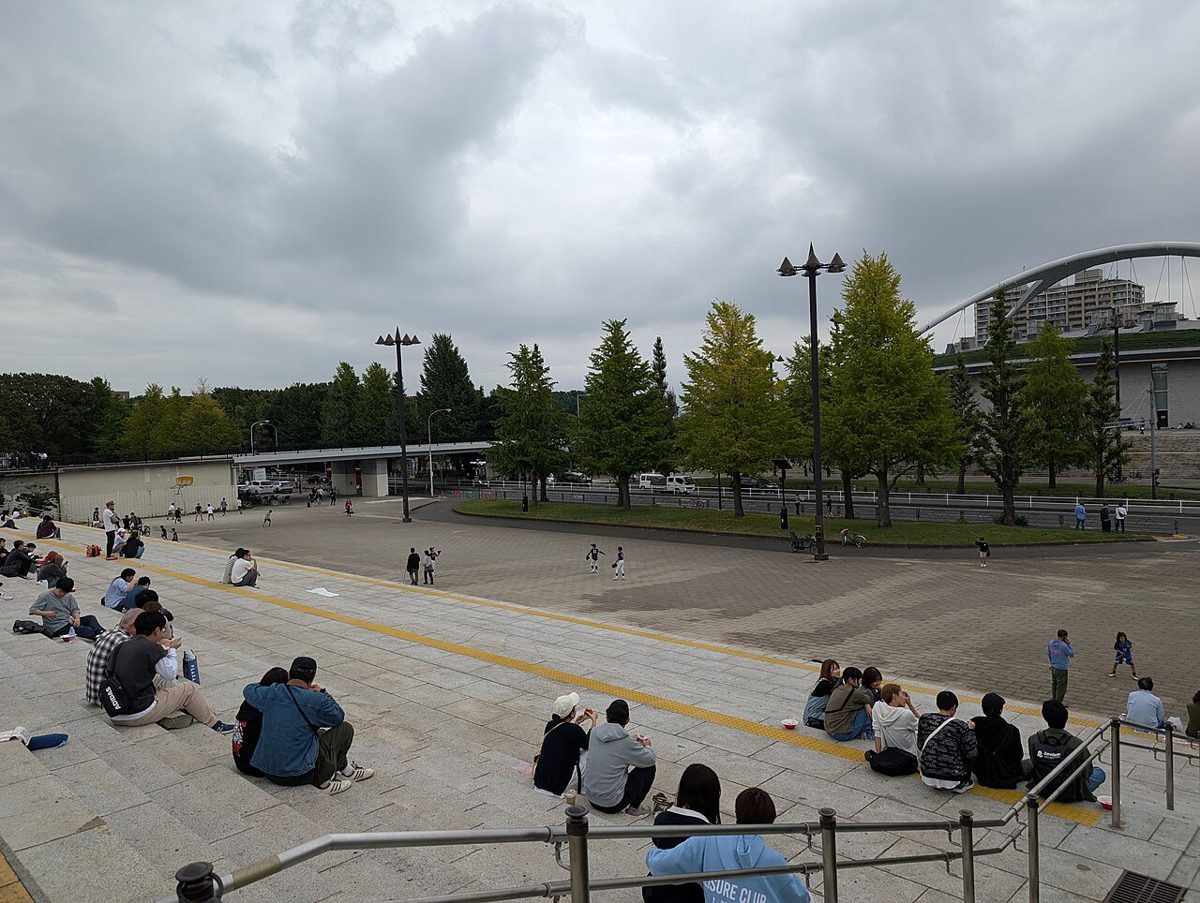
Built for the 1964 Olympics, Komazawa in Setagaya is now a free, leafy circuit beloved by local families. The clever bit for kids: three separate animal-themed playgrounds — Horse (Uma), Pig (Buta) and Squirrel (Risu) Parks — spaced along the jogging loop, each with colourful, slightly retro equipment. In summer the Jabu Jabu Pond, a shallow fountain plaza, becomes free splash play. The wide, car-free paths are ideal for first bikes, balance bikes and scooters, and there are cycle hire options nearby.
- Access: A few minutes’ walk from Komazawa-Daigaku Station (Den-en-toshi Line) with elevator access for strollers; convenience stores and restaurants line the route.
- Price: Free; open day and night.
- Best ages: 1–12, with something for every size across the three playgrounds.
- Facilities: Toilets near the playgrounds, plenty of shade, benches and lawns. Bring a change of clothes in summer for the Jabu Jabu Pond.
Kinuta Park — lawns, cycling and quiet corners
Also in Setagaya, Kinuta Park is the gentle, green option — a huge grassy expanse on soft slopes with around 840 cherry trees, a bird sanctuary, a suspension bridge and several play areas. It rarely feels crowded, even at weekends, which makes it a calm choice with under-fives. There’s a family cycling course and equipment hire, and the open meadows are made for ball games, kite-flying and the kind of unstructured running that burns off jet lag.
- Access: From Shibuya, take the Den-en-toshi Line (Yoga Station is the usual hop-off, then a short bus or walk).
- Price: Free.
- Best ages: 2–10; toddlers for the lawns, older kids for the cycle course.
- Facilities: Toilets, a family park with play equipment, picnic lawns and good shade among the trees.
Ueno Park — the easy central option
You will probably pass through Ueno anyway, and it has a solid playground tucked near the zoo: slides, a climbing structure and swings, with restrooms and baby-changing tables right beside it. It is the most convenient play stop in central Tokyo, steps from Ueno Station, and pairs naturally with Ueno Zoo and the little Ueno Children’s Amusement Park. One thing to know: ball games are not allowed, so leave the football for Komazawa or Kinuta. For more on this area and other no-cost ideas, see our roundup of free things to do in Tokyo.
Yoyogi Park — space to run, not equipment
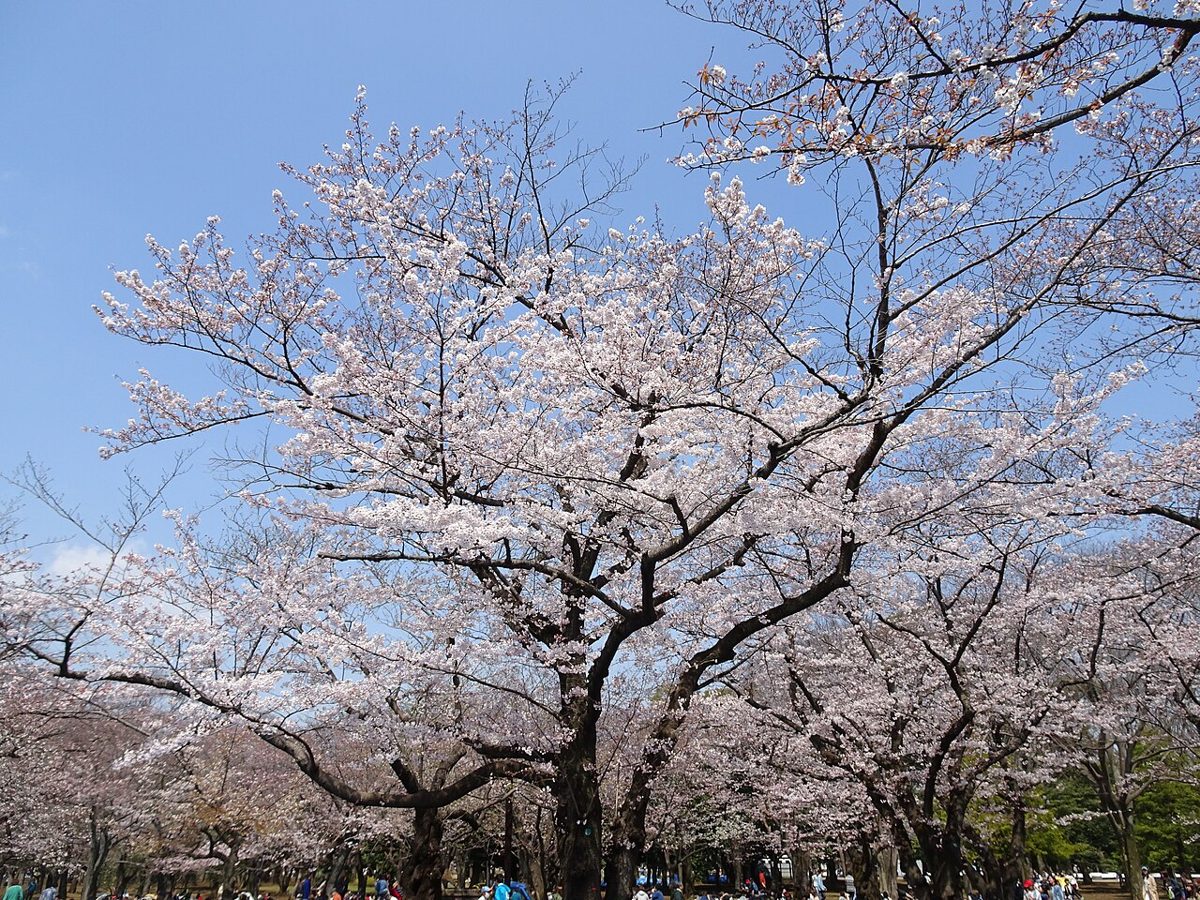
Set expectations here. Yoyogi, right by Harajuku, is Tokyo’s great open lawn rather than a playground — there is only a small play area near the Harajuku Gate. What it does brilliantly is space: room to picnic, kick a ball, fly a kite, ride bikes on the cycling path, and let kids simply run after the intensity of Shibuya and Harajuku. It is free, open around the clock, and on weekends fills with buskers, dancers and dog-walkers that double as free entertainment. Treat it as a decompression stop between busier sights.
Famous novelty playgrounds worth a special trip
These are the parks that make Tokyo special for kids: giant roller slides, athletic obstacle courses, and gloriously weird vintage equipment left over from the bubble years. Most are free and sit in residential neighbourhoods, so they pair well with a relaxed half-day and a convenience-store picnic.
Heiwa-no-Mori Park — the 40-obstacle adventure course
In Ota Ward (southern Tokyo), Heiwa-no-Mori Park hides one of the city’s best field-athletics courses: 40 wooden obstacles — rope walks, floating logs, climbing walls, balance beams — modelled on local landmarks and strung across a wooded section. It is properly challenging and aimed at roughly ages 8–13, with a long roller slide down a hill as the warm-up. A separate, fenced area with a sandbox and gentle slides handles younger siblings.
- Access: In Ota Ward, north of Omori; reachable by train and a short walk. (Note: a different Heiwa-no-Mori Park exists in Nakano — you want the Ota one for the athletics course.)
- Price: The athletics course is ¥100 for children and ¥360 for high-schoolers and adults; the rest of the park is free.
- Hours: Roughly 9:30–16:00, closed Mondays — check before a long trip out.
- Best ages: 8–13 for the course; younger kids for the fenced toddler area and roller slide.
- Facilities: Restrooms at several points, vending machines, ponds and streams, plus a cafe in the adjacent gymnasium.
Roller slides, dragon slides and funny-face parks
Tokyo’s neighbourhood parks are full of one-of-a-kind slides, and chasing a few is a brilliant, almost-free day. A handful worth knowing:
- Nishikidani Park (“Oni Park”): Out near Tachikawa, this one has a wonderfully spooky devil/ogre slide and other retro equipment — easy to combine with a Showa Kinen Park morning, with a burger shop across the road.
- Komazawa’s “Pig Park”: The Buta section is studded with pig statues and a giant pig slide, with shade and a toilet block right beside the playground.
- Dinosaur Park (Kodomo no Mori, Shinagawa): A small, retro park with prehistoric-themed climbers, five minutes from Shin-Banba Station — local kids adore it.
- Sumida Park “Whale Playground” (Asakusa): A whale-shaped structure by the river, about seven minutes’ walk from Senso-ji and one stop from Tokyo Skytree — ideal to bolt onto a sightseeing day.
- Nishi Rokugo Koen (“Tyre Park”): Hundreds of recycled tyres formed into monsters, towers and bridges next to the train line. Wonderful for climbing-mad kids — and yes, they will get filthy.
For the truly committed, the Godzilla Slide at Kurihama Flower World (about 70 minutes south by train) and various giant roller slides on the city’s edge reward a full day out. If you fancy pairing a big slide with a change of scene, our day trips from Tokyo with kids guide maps the easiest escapes.
Hanegi Park and other seasonal play spots
Hanegi Park in Setagaya is best known for its plum blossoms in February, when around 650 trees flower and a lively plum festival takes over the grounds, but it also has a playground, a small athletics area and an SL steam-train exhibit that delights toddlers year-round. It is a reminder that many Tokyo parks layer a seasonal draw — plum, cherry, autumn ginkgo — on top of everyday play equipment, so it is always worth checking what is in bloom when you visit.
Indoor play centres for rainy days and toddlers
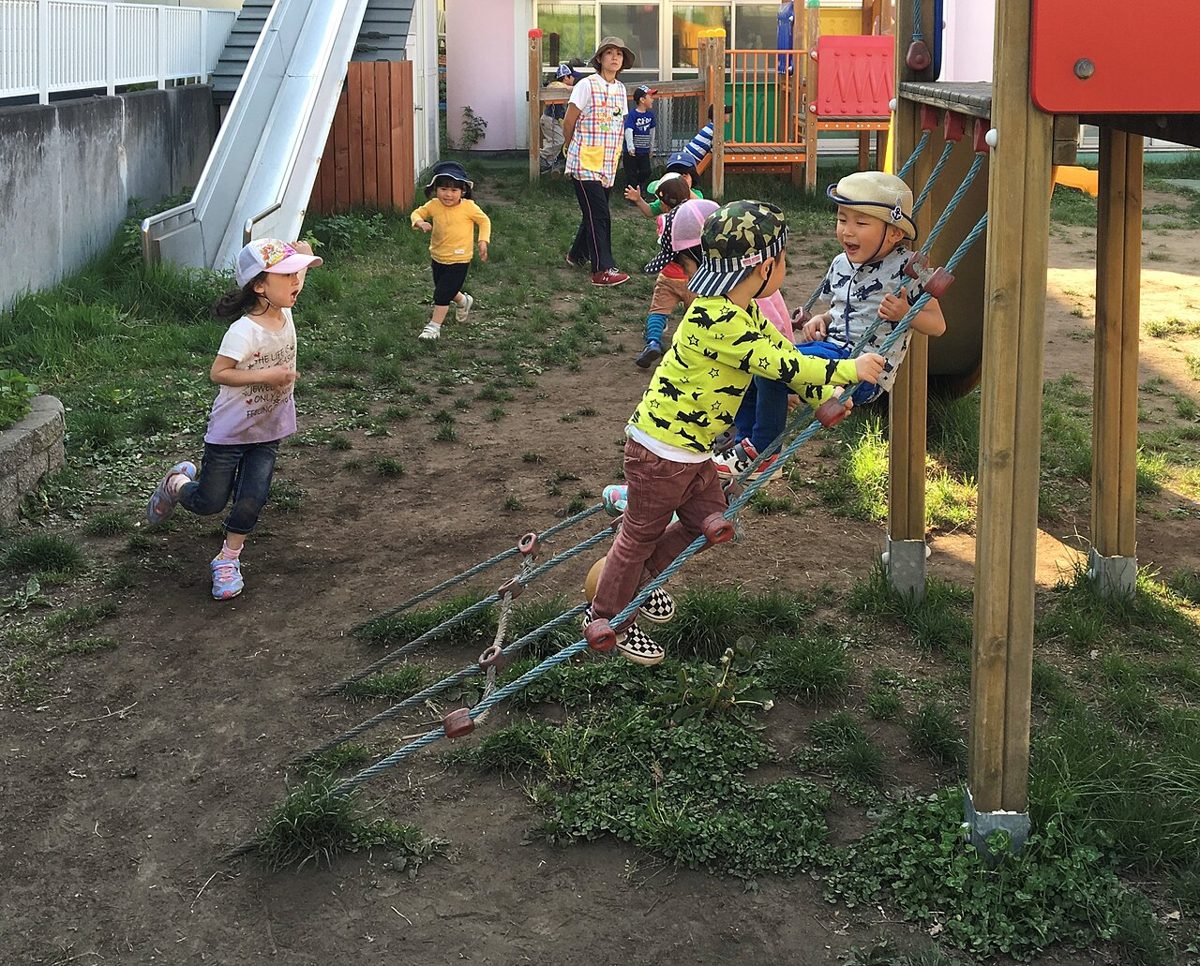
Tokyo rain is no reason to write off the day. The city has excellent indoor play centres, perfect for crawling babies, energetic toddlers, and that grey afternoon when nobody can face another temple.
Asobono! at Tokyo Dome City
Asobono! is one of the largest indoor playgrounds in Tokyo, split into five zones — ocean, town, station, forest and a babies-only area — with a giant ball pool, ride-on toys, a pretend supermarket and soft-play for the littlest visitors. It sits inside Tokyo Dome City, so you can combine it with the amusement-park rides next door.
- Access: Tokyo Dome City, a short walk from Suidobashi or Korakuen Stations (central Tokyo).
- Hours: Roughly Mon–Fri 10:00–18:00; Sat, Sun and holidays 9:30–19:00.
- Price: A weekday all-day pass has run about ¥1,500 for children (to elementary age) and ¥900 for accompanying adults; weekends are charged by time. Note Tokyo Dome City changed its Asobono! ticket categories from 11 July 2026, so confirm the current rate on the official site before you go.
- Best ages: 0–12, with a dedicated babies-only zone for under-twos.
- Facilities: Nursing room, diaper-change and a feeding/eating area inside; toilets and Tokyo Dome City dining all around.
Kid-O-Kid by BorneLund
BorneLund’s Kid-O-Kid centres are the go-to for the under-fives, designed for ages 6 months to 12 years and stocked with high-quality European play equipment: inflatable bounce structures, climbing walls, ball pools, and creative corners with crayons and blocks. Branches sit inside shopping complexes across Tokyo — handy locations include Odaiba (Ariake Garden) and several malls — so it is easy to fold into a rainy-day errand.
- Access: Multiple mall locations across Tokyo; the Ariake Garden branch in Odaiba is a popular, easy one.
- Hours: Typically 10:00–17:00 or later, depending on the host mall (reception closes ~30 min before).
- Price: Pay-by-time (a first 30 minutes then per-10-minute increments) or a day pass; adults pay a flat supervising fee. Rates vary by branch and weekday/weekend, so check the specific location.
- Best ages: 6 months to 12 years; especially strong for babies and toddlers.
- Facilities: Nappy-change, feeding and a quiet area for napping babies; air-conditioned and socks-on clean.
Beyond these two chains, Tokyo has dozens of smaller ward-run children’s halls (jido-kan) that are free or nearly free, plus hands-on play at venues we cover in Tokyo’s best kids’ museums. When the forecast is grim, stacking an indoor centre with a kids’ museum makes a full, dry day.
Picnics, hanami and what to bring
Half the joy of Tokyo’s parks is the picnic. The big ones — Showa Kinen, Yoyogi, Kinuta, Komazawa — welcome bento on the lawns, and a convenience store (konbini) near every station turns out rice balls, sandwiches, fruit and drinks for a few hundred yen. During hanami (cherry-blossom season, usually late March to early April) the lawns at Inokashira, Ueno, Kinuta and Showa Kinen fill with families; arrive in the morning to claim a shady patch, and bring a tarp or picnic sheet — these are sold cheaply at every 100-yen shop.
- Pack: a picnic sheet, hats and sunscreen (summer sun is fierce), a change of clothes for splash areas, wet wipes, and a small bag for rubbish — many parks have few bins and you are expected to carry trash out.
- Water: vending machines are everywhere and cheap; you rarely need to carry much.
- Cash: most park entries and shops take cards now, but bike rental, paddle boats and park trains are frequently cash only.
- Summer: aim for morning play, retreat indoors at midday heat, and use the splash fountains (Komazawa’s Jabu Jabu Pond, Showa Kinen’s jets) to cool off.
Strollers, accessibility and seasonal notes
Tokyo’s major parks are stroller-friendly, with paved paths, ramps and accessible toilets; Showa Kinen, Komazawa, Ueno and Yoyogi all roll easily, and Komazawa Station has elevator access for prams. The big national and metropolitan parks reliably have nursing rooms and diaper-change tables — Showa Kinen and Asobono! are standouts — while smaller neighbourhood playgrounds may only have a basic public toilet, so change babies before you set out. Distances inside Showa Kinen are large, so a stroller (or rented bike with child seat) saves small legs.
Season shapes the day. Spring brings blossoms and the best all-round weather; summer is hot and humid, so lean on splash fountains, shade and indoor centres, and keep an eye out for short pool seasons (Showa Kinen’s Rainbow Pool runs mid-July to late August). Autumn is glorious — cosmos fields and golden ginkgo at Showa Kinen — and winter is cold but clear, ideal for the athletic parks and roller slides when you want kids to warm up by moving. Many outdoor playgrounds close on Mondays or for New Year (around 31 December–1 January), so check before a long trek. For the bigger picture on green space across the city, our Tokyo parks and gardens guide is the companion read.
Frequently asked questions
What is the best playground in Tokyo for young kids?
For an all-day outdoor adventure, Showa Kinen Park in Tachikawa is hard to beat — its Fuwa Fuwa bouncing dome, toddler-scaled Wanpaku Yuugu playground, fog forest and 14 km of car-free cycling suit ages 2 to 15, and kids enter free. For something central and easy, Ueno Park’s playground by the zoo or Komazawa Olympic Park’s three animal playgrounds are excellent free choices.
Are Tokyo playgrounds free?
Most neighbourhood and metropolitan parks — Yoyogi, Komazawa, Kinuta, Ueno, Inokashira and the novelty slide parks — are completely free to enter. A few charge small fees: Showa Kinen Park is ¥450 for adults (free for under-15s), and Heiwa-no-Mori’s field-athletics course is ¥100 for children. Indoor play centres like Asobono! and Kid-O-Kid charge per child by time or with a day pass.
Where can kids play in Tokyo on a rainy day?
Head indoors to Asobono! at Tokyo Dome City — one of the largest indoor playgrounds in the city, with a babies-only zone — or a BorneLund Kid-O-Kid centre inside a shopping mall, designed for ages 6 months and up. Free ward-run children’s halls and hands-on kids’ museums are great rainy-day backups too.
Does Tokyo have giant roller slides?
Yes — long roller slides built into hillsides are a Japanese specialty. Heiwa-no-Mori Park in Ota has a roller slide alongside its 40-obstacle adventure course, and parks on the city’s edge (including the Godzilla Slide at Kurihama Flower World, about 70 minutes south) feature some of the biggest. Many neighbourhood parks also have novelty slides shaped like dragons, whales, pigs and ogres.
Do Tokyo parks have toilets and baby-changing facilities?
The major parks do. Showa Kinen Park, Komazawa, Ueno and Asobono! all have clean toilets, nursing rooms and diaper-change tables. Smaller neighbourhood playgrounds usually have a basic public toilet but not always changing facilities, so it is wise to change babies before you arrive and carry wipes and a portable mat.
Photo credits
- Yoyogi Park’s open lawns are a favourite spot for family picnics near Harajuku — Photo: ウィキ太郎 (Wiki Taro) / CC0 / via Wikimedia Commons
- Showa Kinen Park spreads across 166 hectares in Tachikawa, west Tokyo — Photo: Guilhem Vellut from Annecy, France / CC BY 2.0 / via Wikimedia Commons
- Swan paddle boats on the pond at Inokashira Park in Kichijoji — Photo: Kestrel / CC BY-SA 4.0 / via Wikimedia Commons
- Komazawa Olympic Park’s wide car-free paths in Setagaya — Photo: Syced / CC0 / via Wikimedia Commons
- A colourful neighbourhood playground, the kind found in parks all over Tokyo — Photo: OKJaguar / CC BY-SA 4.0 / via Wikimedia Commons