Tokyo with Kids · Guide №145
Tokyo Museums for Kids: 12 Best Hands-On Picks (2026)
The best Tokyo museums for kids in 2026 — Miraikan, the Railway Museum, Cup Noodles Museum and more, with prices, hours, stations, ages and the Grutto Pass.
目次 — Contents
- Tokyo museums for kids at a glance (2026)
- Miraikan: robots, space and the live Earth in Odaiba
- National Museum of Nature and Science: dinosaurs and a free 360° theater
- The Railway Museum, Omiya: bullet trains and driving simulators
- Cup Noodles Museum, Yokohama: make your own instant noodles
- Tokyo Toy Museum, Yotsuya: the best museum for toddlers
- Two free museums: the Fire Museum and the Currency Museum
- Interactive favourites: teamLab and the Ghibli Museum
- Best Tokyo museums for kids by age
- Rainy-day picks
- Save money with the Tokyo Grutto Pass
- Strollers, nursing rooms and family facilities
- Two easy museum day plans
- Frequently Asked Questions
- Photo Credits
This article contains advertising. Our booking links are routed through a partner that adds commission tracking automatically, so if you book through one we earn a commission from the provider, at no extra cost to you. It never affects what we recommend. Affiliate disclosure
The best Tokyo museums for kids are the hands-on ones: robots you can talk to, a whale the size of a bus, real bullet trains to climb through, and a factory where children design their own cup of instant noodles. This guide ranks the museums that actually hold a child’s attention — with 2026 prices, hours, nearest stations, best ages, and how long to plan for each — plus the money-saving Grutto Pass and stroller-and-nursing notes parents really need.
It pairs naturally with our complete Tokyo with kids guide, which covers the wider trip — where to stay, how to get around with a stroller, and what to do between museums. If you want art and design over hands-on science, see our roundup of the best museums in Tokyo instead. Here, the focus is firmly on family-friendly, interactive, fun.
Plan-ahead alert for late 2026: Miraikan, Tokyo’s flagship science museum, closes for a major refurbishment from October 1, 2026 to April 22, 2027. If your trip falls in that window, skip ahead to the National Museum of Nature and Science and the Railway Museum, which fill the same “wide-eyed, hands-on” gap beautifully.
Tokyo museums for kids at a glance (2026)
Prices and hours below are the latest published figures for 2026. Most of these museums close one weekday and over New Year, so always glance at the official calendar before you commit a precious holiday morning.
| Museum | Adult price | Kids | Hours / closed | Nearest station | Best ages | Plan for |
|---|---|---|---|---|---|---|
| Miraikan (Odaiba) | ¥630 | ¥210 (18 & under); preschool free; free Sat for under-18s | 10:00–17:00, closed Tue | Telecom Center (Yurikamome) | 5–14 | 2–3 hrs |
| Nature & Science (Ueno) | ¥630 | Free to end of high school | 9:00–17:00, closed Mon | Ueno (Park Exit) | 4–12 | 2–4 hrs |
| Railway Museum (Omiya) | ¥1,600 (¥1,500 advance) | Jr/Sr high ¥600; age 3+ ¥300 | 10:00–17:00, closed Tue | Tetsudo-Hakubutsukan | 2–12 | Half day |
| Cup Noodles Museum (Yokohama) | ¥500 | Free (high school & under) | 10:00–18:00, closed Tue | Minatomirai / Bashamichi | 4–12 | 1.5–2 hrs |
| Tokyo Toy Museum (Yotsuya) | ¥1,100 | ¥800 (age 6+); under-1 free | 10:00–16:00, closed Thu | Yotsuya-Sanchome | 0–8 | 1.5–2 hrs |
| Fire Museum (Yotsuya) | Free | Free | 9:30–17:00, closed Mon | Yotsuya-Sanchome | 3–10 | 1–1.5 hrs |
| Currency Museum (Nihonbashi) | Free | Free | 9:30–16:30, closed Mon | Mitsukoshimae | 8+ | 1 hr |
Miraikan: robots, space and the live Earth in Odaiba
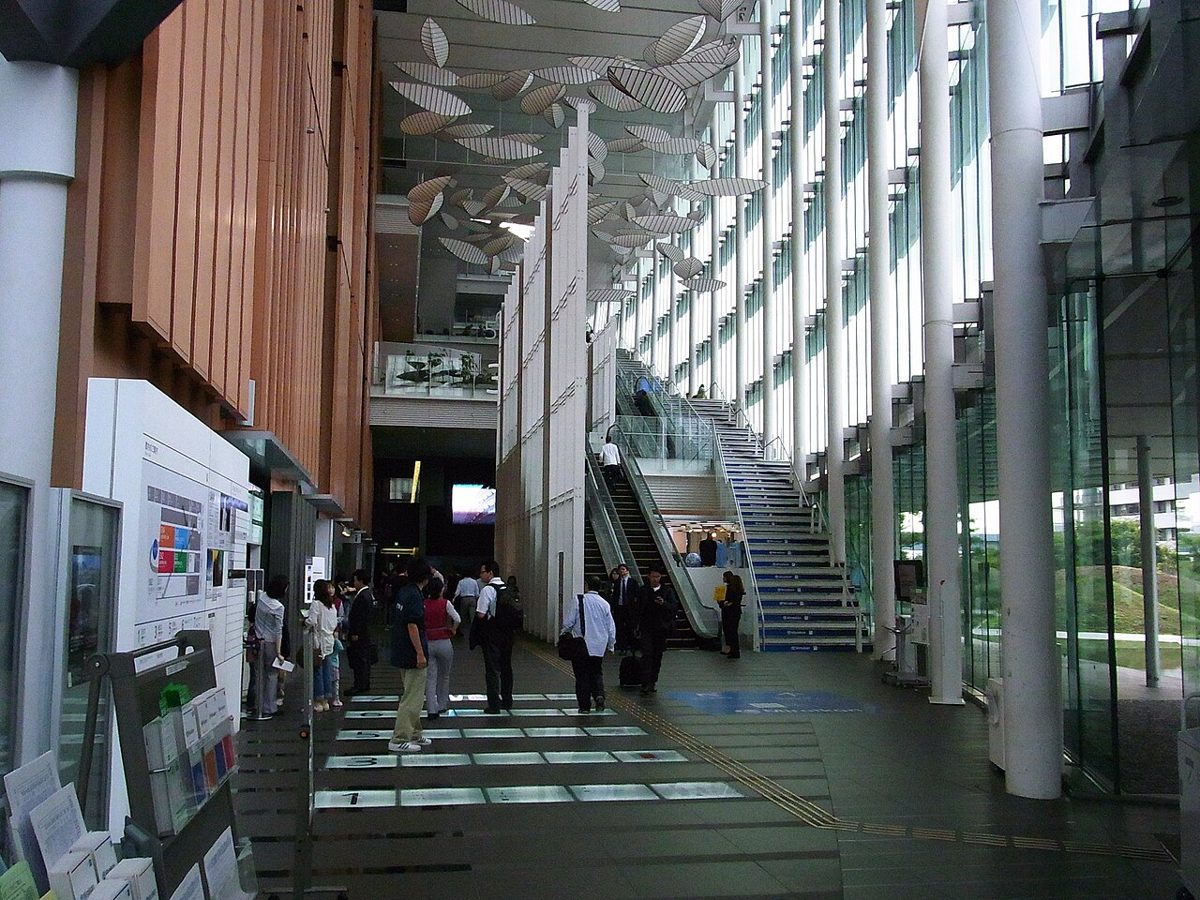
Miraikan — properly the National Museum of Emerging Science and Innovation — is the science museum most international families put first, and for good reason. It is built around the near future: robotics, space, the human body, AI, and the environment, almost all of it interactive. The signature sight is Geo-Cosmos, a globe suspended through three floors and skinned in more than ten thousand LED panels showing the living Earth, cloud systems drifting in near-real time. Children stand under it with their heads tipped back; so do the adults.
The robot demonstrations are the other big draw. Depending on the day you may meet humanoid androids and watch ASIMO-style walking robots, and the newer hands-on zones let kids puzzle through ideas like quantum computing and the planetary crisis at their own pace. Crucially for families, the free Curiosity Field on the upper floor is a dedicated parent-and-child space that runs on 45-minute rotations — you cannot pre-book it, so head straight there on arrival if your children are young.
- Price (2026): Permanent exhibitions ¥630 adult, ¥210 for 18 and under (preschoolers free). Add the Dome Theater for a combo ticket of ¥940 / ¥310. Under-18s are free every Saturday.
- Hours: 10:00–17:00 (last tickets 16:30), closed Tuesdays and Dec 28–Jan 1.
- Nearest station: Telecom Center on the Yurikamome line (about 4 minutes’ walk), or Tokyo International Cruise Terminal Station (about 5 minutes). Tokyo Teleport on the Rinkai line is a 15-minute walk.
- Best ages: 5–14, though the Curiosity Field keeps toddlers and preschoolers busy too.
- Time needed: 2–3 hours; a half day if you book the Dome Theater.
- Facilities: free stroller rental on the 1st floor, nursing room and changing space on the 5th, and an indoor area where you can eat your own packed lunch.
Important: Miraikan is closed for refurbishment from October 1, 2026 until April 22, 2027. For trips after that reopening it remains the top science pick. If yours falls inside the closure, the two museums below cover the same ground.
National Museum of Nature and Science: dinosaurs and a free 360° theater
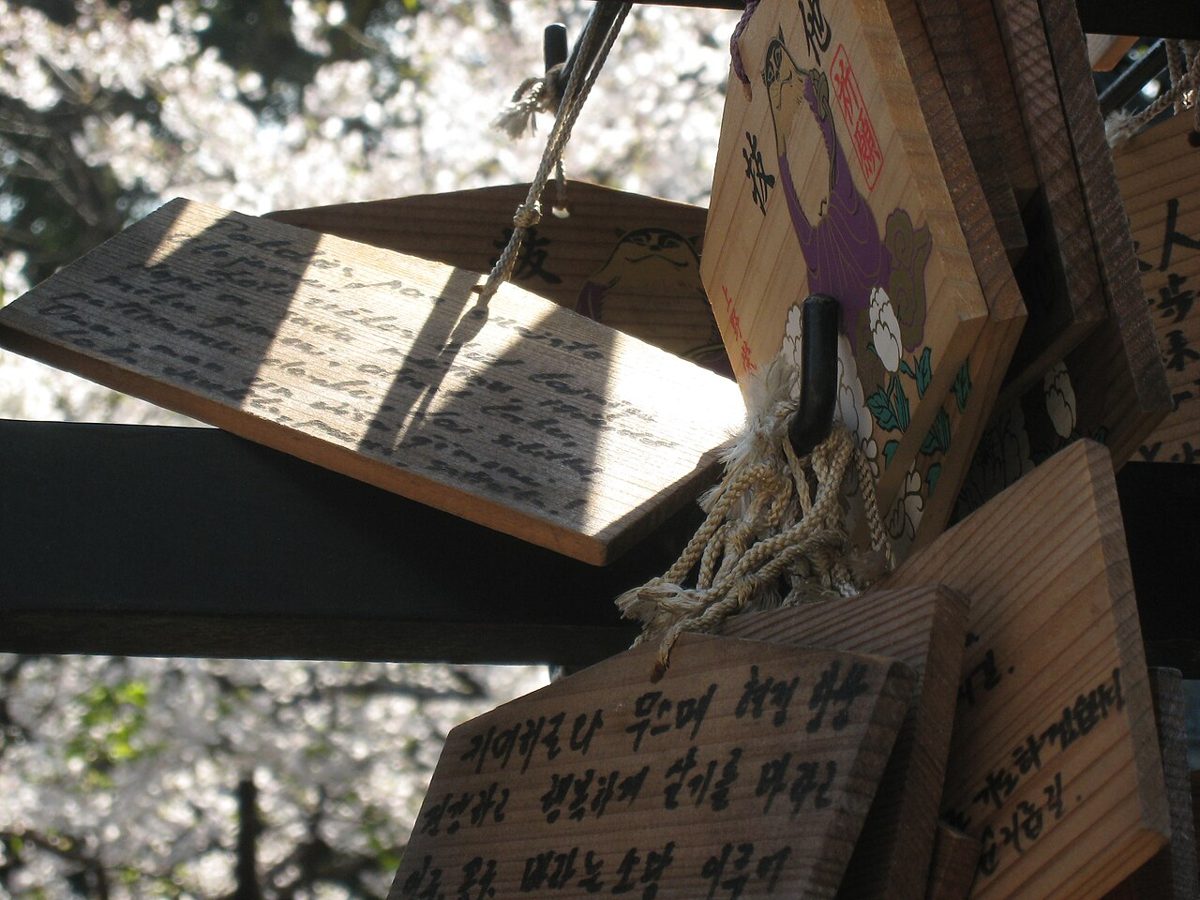
Inside Ueno Park, the National Museum of Nature and Science (locals call it Kahaku) is the rainy-day hero of any Tokyo family trip. The Dinosaur Hall is the headline — towering skeletons, including a Triceratops and a Tyrannosaurus, with enough drama to satisfy any dinosaur-obsessed five-year-old. Elsewhere a full-size blue whale model hangs outside the entrance, and the Japan Gallery and Global Gallery run from stuffed pandas to a 360-degree theater.
Two features make it especially good for children. Compass (ComPaSS) is a hands-on discovery room aimed at ages 4–6 where kids climb, touch and explore — it runs in timed sessions and needs a reservation, so plan it. And Theater 36○ is a free spherical cinema: you stand on a bridge inside a 12.8-metre dome while a six-minute film wraps around you on all sides, with English audio available on rental headphones. It is genuinely good and the queue builds fast, so go first thing or right at the end of the day.
- Price (2026): ¥630 adult; free for everyone through the end of high school. Special exhibitions cost extra.
- Hours: 9:00–17:00 (Fridays and Saturdays sometimes later), closed Mondays. Note the Ueno building has occasional fumigation closures — check the calendar.
- Nearest station: Ueno (JR Park Exit), under a 5-minute walk through the park.
- Best ages: 4–12; Compass is built for the 4–6 set.
- Time needed: 2–4 hours — there are around 25,000 exhibits, so pick your galleries.
Because it sits inside Ueno Park, you can pair it with the zoo, the pond swan boats, and a picnic. We fold all of that into the wider family guide to Tokyo.
The Railway Museum, Omiya: bullet trains and driving simulators
For train-mad kids — and in Japan, that is a lot of them — nothing beats the Railway Museum in Omiya, Saitama. It is a 40-odd minute trip from central Tokyo, but it earns the day. Inside a vast hall sit dozens of real, retired trains: steam locomotives, early electric carriages, and Shinkansen you can walk through. A turntable rotates a steam engine on a schedule, whistle and all.
The interactive side is what keeps children for hours. The simulator hall has driving cabs — including a Shinkansen simulator — that feel close to the real controls; these are popular and slot-limited, so book on arrival or in advance. Younger kids love the mini-train ride they can “drive” outdoors, and the play areas where toddlers run their own ticket gates and trains. There is a working diorama and a top-floor view over the real Shinkansen tracks beside the museum, where the actual bullet trains race past on cue.
- Price (2026): ¥1,600 adult at the door (¥1,500 if you buy in advance), ¥600 junior/senior high, ¥300 ages 3 and up. Buy advance tickets at 7-Eleven, Lawson or Ministop machines.
- Hours: 10:00–17:00 (last entry 16:30), closed Tuesdays and New Year.
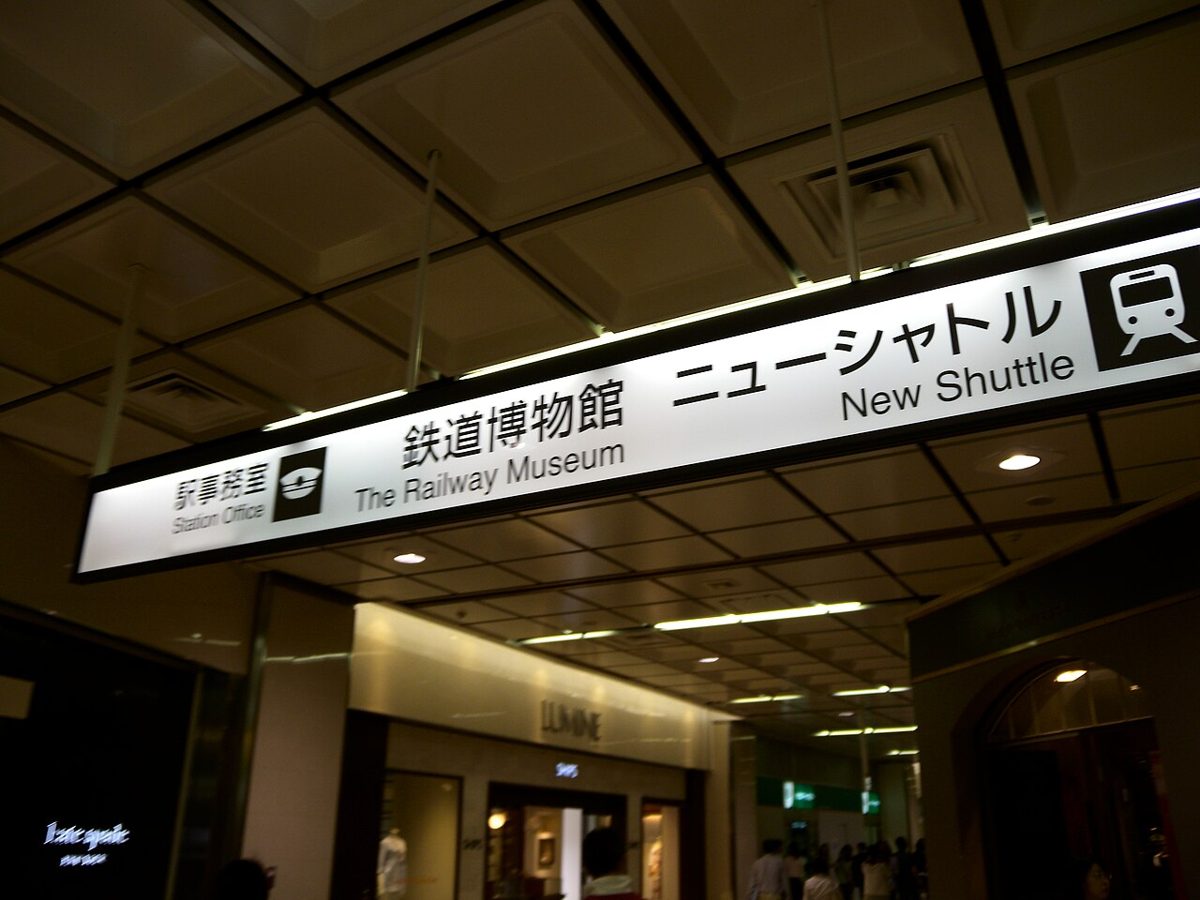
- Nearest station: Tetsudo-Hakubutsukan (“The Railway Museum”) on the New Shuttle line, one stop from Omiya — the walkway is itself decorated like a train.
- Best ages: 2–12, but honestly all ages.
- Time needed: half a day, easily.
Cup Noodles Museum, Yokohama: make your own instant noodles
The Cup Noodles Museum (officially Cupnoodles Museum Yokohama) is the single most reliably fun “museum” on this list for the 4–12 crowd, because the highlight is a craft. At the My Cup Noodles Factory, your child decorates a blank instant-noodle cup with markers, then chooses a soup base and four toppings to seal inside — a one-of-a-kind cup to carry home and eat later. It costs ¥400 per cup on top of admission and takes about 45 minutes. The Chicken Ramen Factory (separate booking, hands-on dough-making) is a step up for older kids.
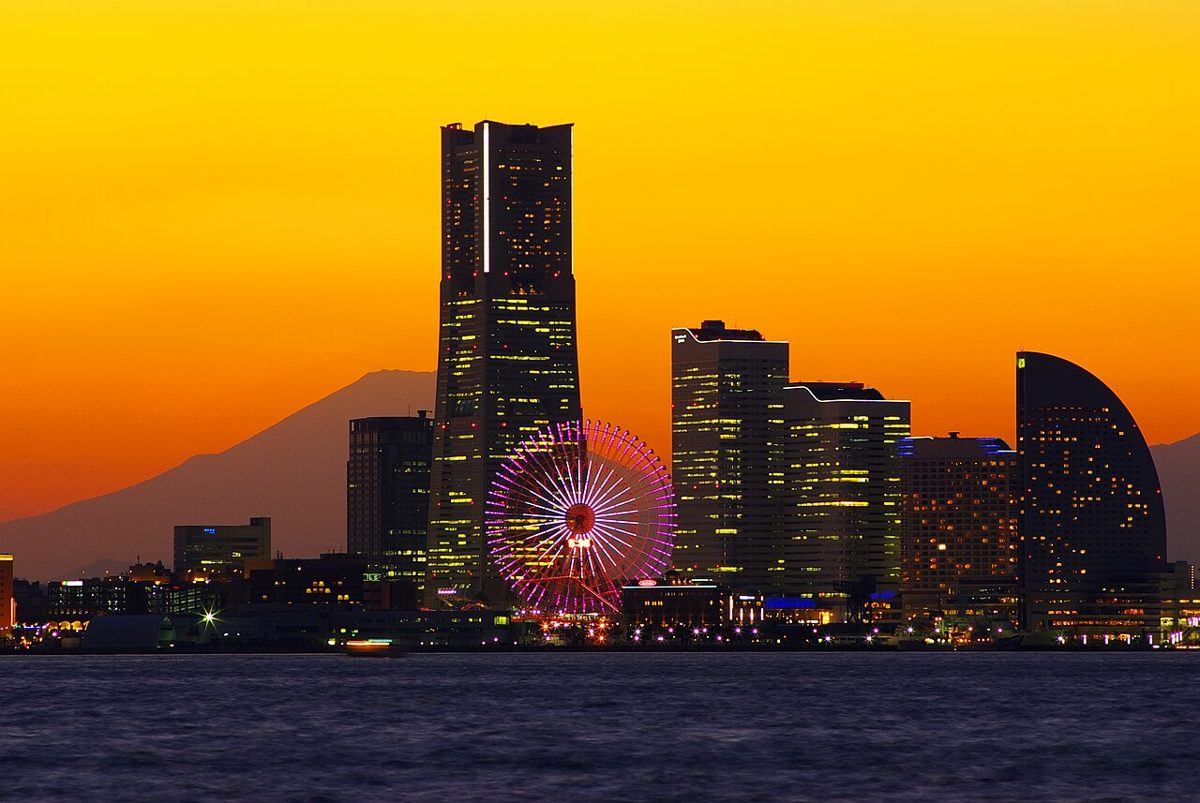
There is more than the factory: a stylised history of instant ramen, a giant playground-style attraction where kids become “noodles” travelling through the production process, and a Noodles Bazaar food court serving small bowls of noodle dishes from around the world. It sits in Yokohama’s Minato Mirai waterfront, an easy and scenic day trip from Tokyo.
- Price (2026): ¥500 adult; free for high-school age and younger. My Cup Noodles Factory is +¥400 per cup.
- Hours: 10:00–18:00 (last entry 17:00), closed Tuesdays and New Year.
- Nearest station: Minatomirai or Bashamichi (Minatomirai line), about 8 minutes’ walk.
- Best ages: 4–12.
- Time needed: 1.5–2 hours.
More food museums kids enjoy
If the theme lands, Yokohama also has the Shin-Yokohama Ramen Museum — part nostalgic 1958-streetscape, part food hall where each shop serves “mini” bowls so kids can try several styles. Admission is ¥450 (¥100 concession) with a bowl of ramen around ¥1,000; it is walk-in and open 11:00–21:00 on weekdays. It is a short hop from Shin-Yokohama Station. Both food museums reward an early lunch over a packed afternoon.
Tokyo Toy Museum, Yotsuya: the best museum for toddlers
If your children are very young, the Tokyo Toy Museum is the strongest pick in the city. Set inside a converted wooden former elementary school in Yotsuya, it is warm, calm and entirely hands-on. The star is the Toy Forest (Omocha-no-Mori), including a pool filled with around 20,000 smooth wooden balls made from Hokkaido hardwoods, plus oversized puzzles and building blocks. There is a separate Baby’s Wooden Room for under-2s, gentle craft workshops, and toys from all over the world that staff actively help children play with.
- Price (2026): ¥1,100 adult, ¥800 child (age 6 and up); under-1s free. Look for combo family tickets.
- Hours: 10:00–16:00 (last entry 15:30), closed Thursdays and New Year.
- Nearest station: Yotsuya-Sanchome (Marunouchi line), a few minutes’ walk.
- Best ages: 0–8; perfect for the under-5s.
- Time needed: 1.5–2 hours.
Two free museums: the Fire Museum and the Currency Museum
Fire Museum (Yotsuya) — free
Five minutes from the Toy Museum, the Fire Museum is a brilliant free stop. Real fire engines and an antique horse-drawn pump fill the lower floors, there is a rescue helicopter on the roof terrace, and the period dioramas of Edo-era firefighting are genuinely engaging. Kids love clambering around the vehicles and the firefighter displays. It connects directly to Yotsuya-Sanchome Station, so it pairs perfectly with the Toy Museum for a low-cost half day in one neighbourhood.
- Price: Free.
- Hours: 9:30–17:00 (entry until 16:30), closed Mondays and New Year.
- Nearest station: Yotsuya-Sanchome (Marunouchi line) — direct entrance.
- Best ages: 3–10. Time needed: 1–1.5 hours.
Currency Museum (Nihonbashi) — free
Run by the Bank of Japan, the Currency Museum traces money in Japan from ancient coins to modern banknotes. It is quieter and aimed at slightly older children, but the genuine highlight is hands-on: you get to lift a bundle of one hundred million yen in (mock) banknotes and feel just how heavy a fortune is. Counterfeit-prevention features under magnifiers and the sheer history make it a worthwhile, air-conditioned hour, and it is free.
- Price: Free. No reservation needed.
- Hours: 9:30–16:30 (no entry after 16:00), closed Mondays and New Year.
- Nearest station: Mitsukoshimae (Hanzomon/Ginza lines), 1–2 minutes’ walk; Nihonbashi on the Tozai line is 6 minutes.
- Best ages: 8+. Time needed: about 1 hour.
Interactive favourites: teamLab and the Ghibli Museum

Two more places top almost every family’s list, though neither is a museum in the traditional sense. teamLab is digital art you walk inside — at teamLab Planets in Toyosu you go barefoot and wade through warm, knee-deep water beneath projected koi, then stand in a mirrored room of hanging orchids. Children are mesmerised because the art responds to touch and movement. Tickets use dynamic pricing (roughly ¥3,800–¥4,800 for adults, around ¥1,500 for ages 4–12, under-4s free) and timed slots sell out, so book ahead. Bring a change of clothes for little ones. For the full breakdown of Planets versus Borderless and which suits your family, see our dedicated guide to teamLab in Tokyo.
The Ghibli Museum in Mitaka is the other unmissable one — a whimsical, hand-built tribute to the studio behind Totoro and Spirited Away, with a giant Catbus for kids to climb and an exclusive short film. It is wonderful, but tickets are date-and-time specific, must be bought in advance through a lottery-style system, and sell out fast. Because the booking process deserves its own walkthrough, we cover it fully in the Ghibli Museum guide rather than repeat it here.
Best Tokyo museums for kids by age
Babies and toddlers (0–3)
Go where they can move and touch without “don’t” every two minutes. The Tokyo Toy Museum (wooden ball pool, baby room) is the clear winner; the Railway Museum works too, thanks to the toddler play zones and the simple thrill of huge trains. Miraikan’s Curiosity Field is good if you can catch an early rotation.
Preschool to early primary (4–7)
This is the sweet spot for nearly everything: the Nature and Science Compass room, the Cup Noodles craft, dinosaurs at Kahaku, the Fire Museum engines, and teamLab’s splashy art. Keep visits to a half day and leave time for a park.
Older kids and tweens (8–12+)
Lean into depth: Miraikan’s robotics and space, the Railway Museum driving simulators, the Currency Museum’s hundred-million-yen lift, and the Chicken Ramen Factory. These ages also get the most from special exhibitions at Kahaku.
Rainy-day picks
Tokyo rain is the reason these museums exist on so many itineraries. The most weatherproof, all-under-one-roof options are the National Museum of Nature and Science (huge, free for kids, the dome theater), the Railway Museum (you could spend a wet day here and not finish), and Miraikan. All three are fully indoor, have food on site, and reward a slow pace. For a shorter downpour, the free Fire Museum or Currency Museum buy you a dry, low-stress hour. If you are weighing indoor options across a whole trip, our day trips from Tokyo with kids guide flags which excursions still work in poor weather, and the best Tokyo playgrounds for kids roundup is the page to bookmark for the moment the sun returns.
Save money with the Tokyo Grutto Pass
If you plan to visit several museums, the Tokyo Museum Grutto Pass is the obvious money-saver. The 2026 edition costs ¥2,500 and is a QR-code ticket covering free entry or discounts at around 107 museums and facilities across greater Tokyo. It is valid for two months from first use (with a hard expiry of March 31, 2027), and each venue can be used once. The catch worth knowing: it works on a museum’s permanent collection, not special exhibitions, and a few of the very biggest paid attractions are discount-only rather than free. Among the venues here, it is most useful for the science-and-nature museums; the Fire and Currency museums are already free. For a family doing three or more paying museums in a fortnight, it usually pays for itself — do the maths against your shortlist before you buy.
Strollers, nursing rooms and family facilities
Japan is excellent for travelling with small children, and these museums reflect that. A few practical notes from the ground:
- Strollers: Miraikan and the Railway Museum lend strollers free of charge, and all the big museums have elevators and step-free routes. The Toy Museum is in an old school building — manageable, but a baby carrier helps on the stairs.
- Nursing and changing: nursing rooms with changing tables are standard. Miraikan’s nursing room is on the 5th floor; the larger museums all have dedicated baby rooms, and Japan’s ubiquitous department stores and stations fill any gaps.
- Food: Miraikan, Kahaku, the Railway Museum and the Cup Noodles Museum all have cafes or food courts, and most have a designated area where you can eat a packed lunch — handy with picky eaters. The Railway Museum even sells ekiben-style lunch boxes to eat looking out at the tracks.
- Crowds: weekends and Japanese school holidays are busy; timed exhibits (Compass, the Cup Noodles factory, the Railway simulators) can sell out by midday. Arrive at opening for the best run at them.
- Payment: most take IC cards (Suica/Pasmo) and credit cards, but carry some cash for smaller add-ons and lockers.
Two easy museum day plans
- Science day (central): Open the National Museum of Nature and Science at 9:00 (dinosaurs, then Theater 36○ before queues build), picnic in Ueno Park, and finish at the zoo or pond — all free for kids except the zoo’s small fee.
- Hands-on neighbourhood half-day (Yotsuya): Tokyo Toy Museum at opening, lunch nearby, then the free Fire Museum next door. Low cost, low stress, ideal for under-7s and a rainy forecast.
Frequently Asked Questions
Which is the best museum in Tokyo for young kids?
For toddlers and preschoolers, the Tokyo Toy Museum in Yotsuya is the best — it is entirely hands-on, with a wooden ball pool and a dedicated baby room. For ages 4–12, the National Museum of Nature and Science (dinosaurs, free for kids) and the Cup Noodles Museum (make your own noodles) are the strongest all-rounders. Miraikan is the top pure science pick when it is open.
Is Miraikan open in 2026?
Miraikan is open for most of 2026 but closes for a roughly six-month refurbishment from October 1, 2026 to April 22, 2027. If your trip falls in that window, choose the National Museum of Nature and Science or the Railway Museum instead, which cover similar hands-on science and transport ground.
Are Tokyo museums free for children?
Many are. The National Museum of Nature and Science is free through the end of high school, the Cup Noodles Museum is free for high-school age and under, and the Fire Museum and Currency Museum are free for everyone. Where kids do pay, it is usually a few hundred yen. The Railway Museum and Tokyo Toy Museum are the main ones with a meaningful child fee.
Do I need to book Tokyo museums for kids in advance?
General admission is mostly walk-in, but the popular interactive bits often need reservations or sell out: Miraikan’s Dome Theater, the Nature and Science Compass room, the Cup Noodles “My Cup Noodles Factory,” and the Railway Museum’s driving simulators. teamLab and the Ghibli Museum require advance, timed tickets and sell out well ahead — book those before you arrive in Japan.
What is the best rainy-day museum in Tokyo with kids?
The National Museum of Nature and Science in Ueno is the top rainy-day choice — it is enormous, free for children, fully indoor, and has a free 360-degree theater. The Railway Museum in Omiya is just as weatherproof and can absorb a whole wet day, while the free Fire Museum is perfect for a shorter shower.
Photo Credits
- Miraikan’s Geo-Cosmos globe and futuristic interior in Odaiba — Photo: 江戸村のとくぞう / CC BY-SA 4.0 via Wikimedia Commons
- Rolling stock on display at the Railway Museum, Omiya — Photo: Osamu Iwasaki from Tokyo, Japan / CC BY-SA 2.0 via Wikimedia Commons
- Walking through light and water at teamLab Planets, Toyosu — Photo: Maarten Heerlien from Voorschoten, The Netherlands / CC BY 2.0 via Wikimedia Commons
- Ueno Park, where the National Museum of Nature and Science sits — Photo: Syced / CC0 via Wikimedia Commons
- Yokohama’s Minato Mirai district, near the Cup Noodles Museum — Photo: 名古屋太郎 / CC BY-SA 3.0 via Wikimedia Commons