Tokyo Cafes & Coffee · Guide №147
Tokyo Specialty Coffee: The Best Third-Wave Roasters and Cafes
The Tokyo roasters worth crossing the city for, how to order when the menu is a list of farms, what it costs, and the famous names that are more pilgrimage than coffee.
目次 — Contents
- What makes Tokyo’s third wave different
- The roasters that matter
- Kiyosumi-Shirakawa: is the coffee district still worth it?
- Ordering like you know what you’re doing
- What it costs
- Which roaster for which drinker
- The ones that are not worth the detour
- Beans, gear and coffee souvenirs
- The konbini question
- A specialty coffee day
- Frequently Asked Questions
- Photo Credits
This article contains advertising. Our booking links are routed through a partner that adds commission tracking automatically, so if you book through one we earn a commission from the provider, at no extra cost to you. It never affects what we recommend. Affiliate disclosure
Tokyo specialty coffee is concentrated in a handful of east-side roasting districts and west-side backstreets, and the best cups in the city cost ¥600 to ¥1,000 — less than a mediocre flat white in London. Glitch in Jimbocho, Koffee Mameya in Omotesando, Onibus in Nakameguro and the Kiyosumi-Shirakawa roasters are where to start.
What follows is the version for people who care what is in the cup: which roasters actually matter, how Japanese pour-over culture differs from what you drink at home, what to order when the menu is a list of farms, and the famous names that are more pilgrimage than coffee. For the broader picture — kissaten, chains, cat cafes and the rest — start with our Tokyo cafe guide.
What makes Tokyo’s third wave different
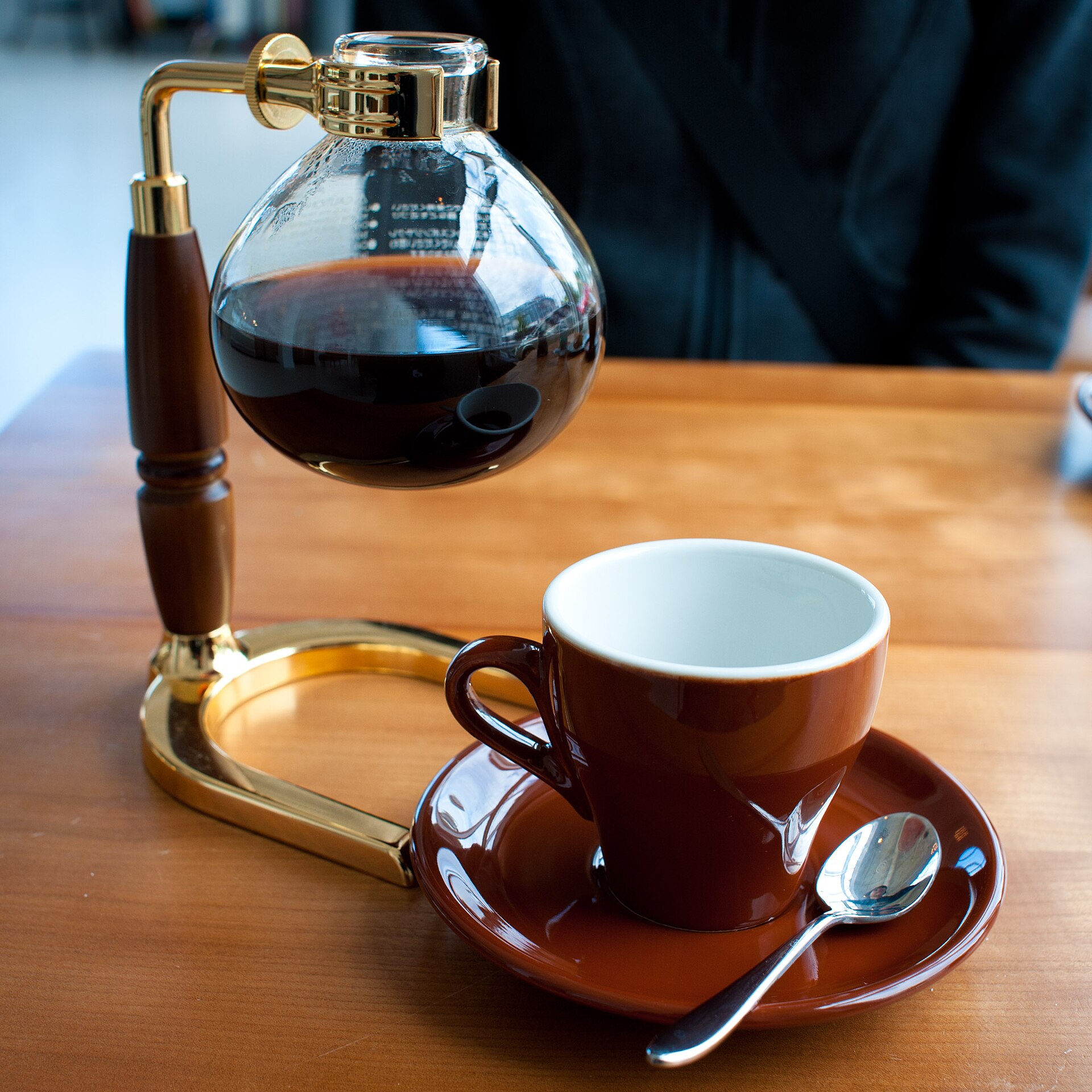
Most cities got specialty coffee as an import. Tokyo already had a hand-brewing culture seventy years deep, and the modern scene grew on top of it rather than replacing it. The old kissaten masters were brewing single cups by cloth filter and siphon in the 1960s, weighing their beans and obsessing over water temperature long before anyone in Portland called it craft. The equipment most of the world’s specialty cafes now use — the Hario V60 dripper, the Kalita Wave — is Japanese.
So when the light-roast, single-origin wave arrived in the 2010s, it landed in a city that already understood the premise. What changed was the roast. The kissaten tradition is dark, heavy and bittersweet; the new roasters went the other way, towards the bright, fruity, tea-like cups that Scandinavian and Australian coffee had made fashionable. You can drink both in the same afternoon, a few streets apart, and it is worth doing precisely because the contrast is so sharp.
Three things will strike you if you are used to specialty coffee elsewhere:
- Pour-over is the main event, not a side option. In Melbourne or London the espresso machine runs the room. In a serious Tokyo roaster the hand-drip bar often does, and the barista may spend four minutes on your cup while talking you through the farm.
- The spaces are tiny. Five seats, or none. Standing counters are normal, takeaway is normal, and a queue of eight people can be a twenty-minute wait.
- Precision is the culture. Scales, timers, thermometers, a written recipe per origin. The service is quiet and careful rather than chatty, and nobody will rush you.
The other thing worth knowing up front is that price and quality are loosely connected at best. The ¥650 cup at a six-seat counter is frequently better than the ¥1,400 one in a big-name flagship with a queue outside.
The roasters that matter
This is not an exhaustive list, and it deliberately leaves out places that have closed or changed hands in the last few years. Small Tokyo coffee businesses move, shrink and shut with very little notice, so check a shop’s own Instagram on the morning you plan to cross the city for it.
Glitch Coffee & Roasters — Jimbocho
If you only have time for one, this is the one most coffee people would send you to. Glitch opened in 2015 in the Kanda Nishikicho corner of Jimbocho, the second-hand bookshop district, founded by Kiyokazu Suzuki, who came to it from years at Paul Bassett in Japan. It has since added a Ginza shop in Tokyo, plus branches in Nagoya and Osaka.
The house style is very light roasting and single origins only — no blends. There are usually two coffees on espresso and five or six on the V60, laid out on the counter as bags you can pick up and smell before you choose. Staff will ask what you usually like and steer you. Pour-over is priced by origin, so the rare lots at the end of the row cost noticeably more than the standard ones; ask before you order if that matters.
The honest caveat: if you like your coffee dark and chocolatey, Glitch’s roast will taste thin and sour to you, and you will have paid specialty prices to find that out. Tell the barista, and they will point you at the most rounded thing on the board. Nearest stations are Jimbocho (Hanzomon, Mita and Shinjuku lines), Ogawamachi and Awajicho.
Koffee Mameya — Omotesando
Koffee Mameya is not really a cafe. Mameya means bean shop, and that is what it is: a small wooden-walled counter off Omotesando, run by Eiichi Kunitomo, who made his name with the much-missed Omotesando Koffee. Mameya does not roast. It curates beans from Japanese and overseas roasters, arranges them on a menu by roast level, and sells them by the bag — with the offer of a cup, brewed to a recipe it writes out for you, so you can taste before you buy.
There are no seats. You stand at the counter, the barista consults with you about how you brew at home, and the whole thing takes fifteen minutes. It is the single best place in Tokyo to buy beans to take home, and the best short masterclass in the city if you want to understand why one Ethiopian washed coffee tastes different from another.
Its sister operation, Koffee Mameya Kakeru, is a very different proposition: a seated counter in a converted warehouse on the Kiyosumi-Shirakawa side of the river, running tasting courses — flights of coffee, coffee cocktails and pairings served like a tasting menu. It is booked in advance and priced accordingly. For an enthusiast it is a genuinely memorable two hours. For someone who just wants a very good cup, it is an expensive way to have one, and the Omotesando counter does that for a fraction of the cost. Check current course prices on its booking page before you commit.
Onibus Coffee — Nakameguro
Founded by Atsushi Sakao, Onibus is still a small company — around seven shops, most of them in Tokyo — and its Nakameguro branch is probably the most photographed coffee shop in the city. It is a narrow converted house right beside the Tokyu Toyoko line tracks, with a tiny upstairs room where the trains slide past at eye level. The roasting is light-to-medium and approachable, the lattes are excellent, and on a fine day the few seats outside are the ones to want.
Onibus is also a good answer for the person in your group who does not like light roasts, because the house blends are more rounded than Glitch’s. The Nakameguro shop is a two-minute walk from the station; pair it with the Meguro river walk to Daikanyama. In Shibuya, About Life Coffee Brewers near Dogenzaka pours Onibus beans at a stand-up counter, and it is the fastest good coffee near the crossing.
Leaves Coffee — Kuramae and Honjo
A short walk south of Asakusa, near the Sumida river, Leaves Coffee runs a roastery and, a few steps away, Leaves Coffee Apartment, a small, bright tasting room in the Kuramae part of Taito ward. The coffee is precise and light, the space is minimal and the crowds are a fraction of what you find in Shibuya. If you are staying around Asakusa or Ueno it is the obvious specialty stop, and Kuramae itself — a neighbourhood of old toy wholesalers turned workshops and small design shops — rewards an hour’s wandering.
The Shibuya and Yoyogi cluster
The streets between Shibuya, Tomigaya and Yoyogi-Hachiman have the highest density of good coffee in Tokyo, and they are an easy detour from the places most visitors already go.
- Fuglen Tokyo in Tomigaya is the Oslo cafe’s Tokyo outpost, full of Norwegian mid-century furniture. Light Nordic roasting by day, a cocktail bar in the evening, and the terrace bench is a neighbourhood institution. There is a second Fuglen in Asakusa.
- Little Nap Coffee, by the west side of Yoyogi Park, is a small stand with a loyal local following and one of the nicest places to buy a coffee before a walk in the park.
- Coffee Supreme Tokyo is the Tokyo branch of the Wellington roaster, and brings a New Zealand espresso-and-flat-white sensibility that the pour-over houses do not.
- Chop Coffee in Omotesando is a reliable stop between the shopping streets if Mameya’s standing format is not what you want.
For everything else in the area, our Shibuya guide and Harajuku guide cover the neighbourhoods.
Meguro, Gakugei-Daigaku and Sangenjaya — the residential roasters
South-west Tokyo is where a lot of the serious roasters actually live, in residential neighbourhoods that visitors rarely see. Switch Coffee near Meguro station is a tiny, well-regarded roaster with a very local feel. Woodberry Coffee at Gakugei-Daigaku, two stops out from Nakameguro on the Tokyu Toyoko line, is a proper neighbourhood roastery. Obscura Coffee Roasters has roasted in the Sangenjaya area for years and its Laboratory shop in Taishido is a good reason to get off the Den-en-toshi line.
None of these is a destination in the way Glitch or Onibus is. They are the reason to pick Gakugei-Daigaku or Sangenjaya as a base if you are staying a week and want a neighbourhood that feels like somebody’s actual life.
Kiyosumi-Shirakawa: is the coffee district still worth it?
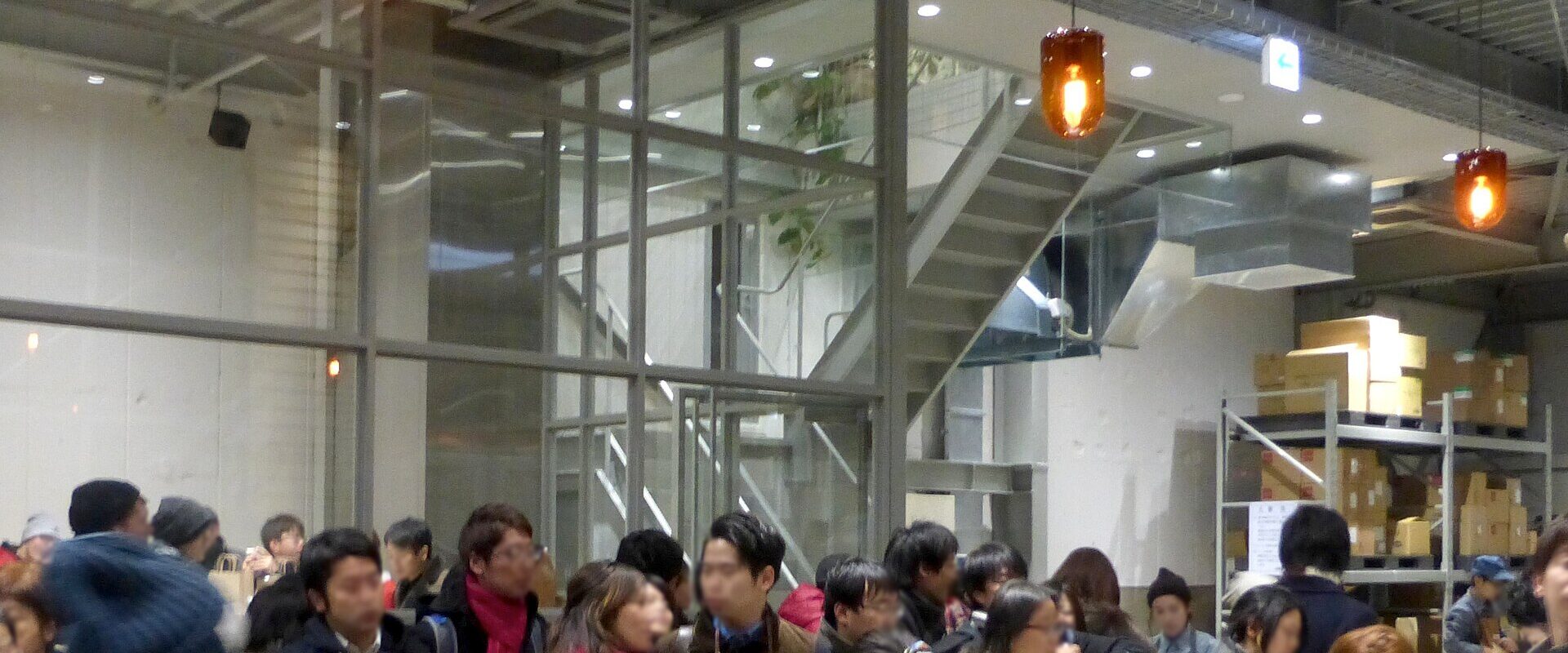
Kiyosumi-Shirakawa is the name every coffee article gives you, and it deserves a straight answer. The district earned its reputation around 2014 and 2015, when roasters moved into its cheap, high-ceilinged warehouse spaces and Blue Bottle chose it for its first shop outside the United States. For a few years it was genuinely the centre of Tokyo coffee.
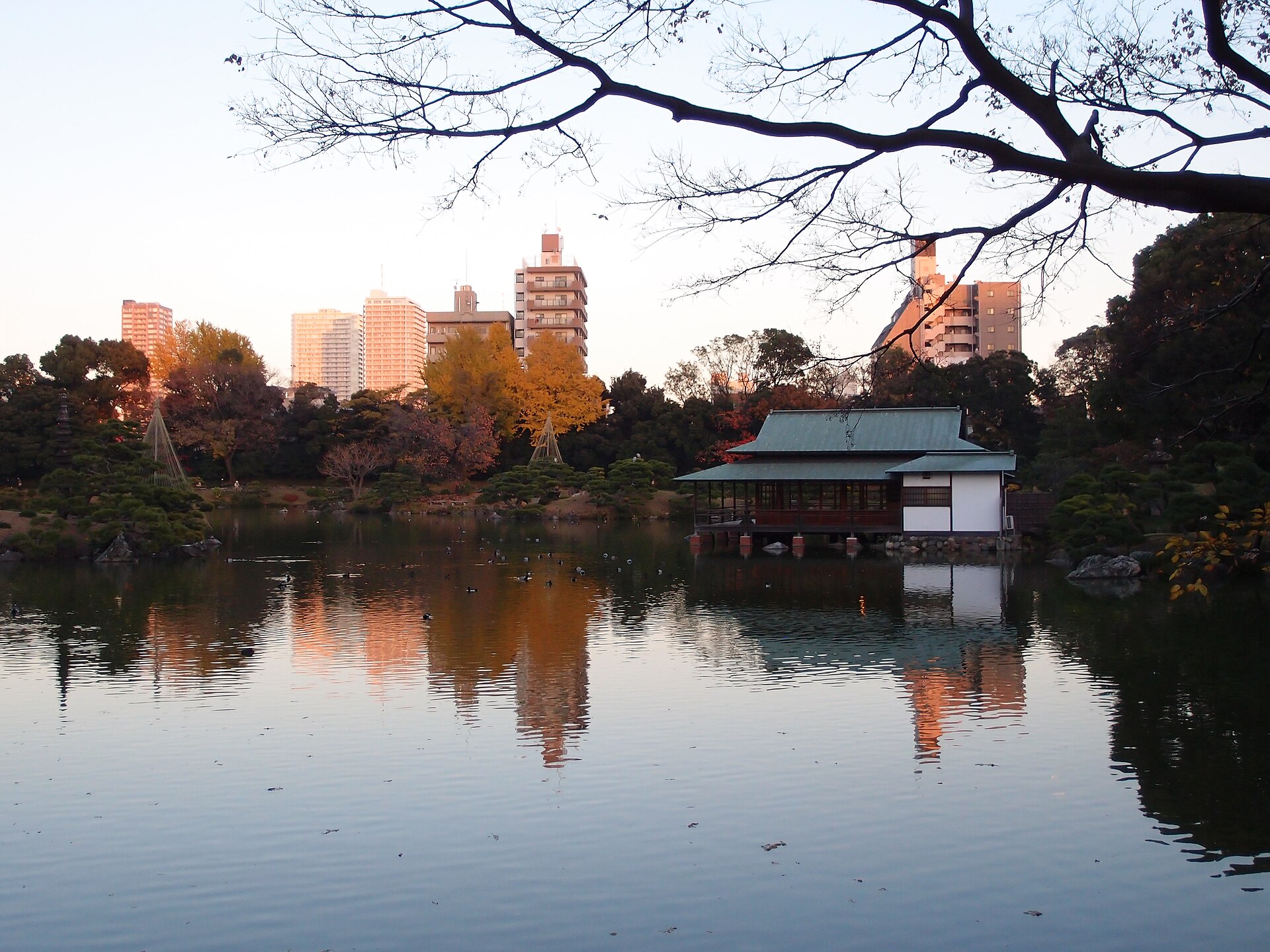
Today it is a pleasant half-day rather than a coffee capital. The scene has spread across the whole city, and several of the best roasters are elsewhere. But Kiyosumi-Shirakawa still has something the others do not: calm. Low buildings, canals, very few tourists, and a good museum and a beautiful garden within a ten-minute walk of each other. On a weekday it is one of the most relaxing mornings in central Tokyo.
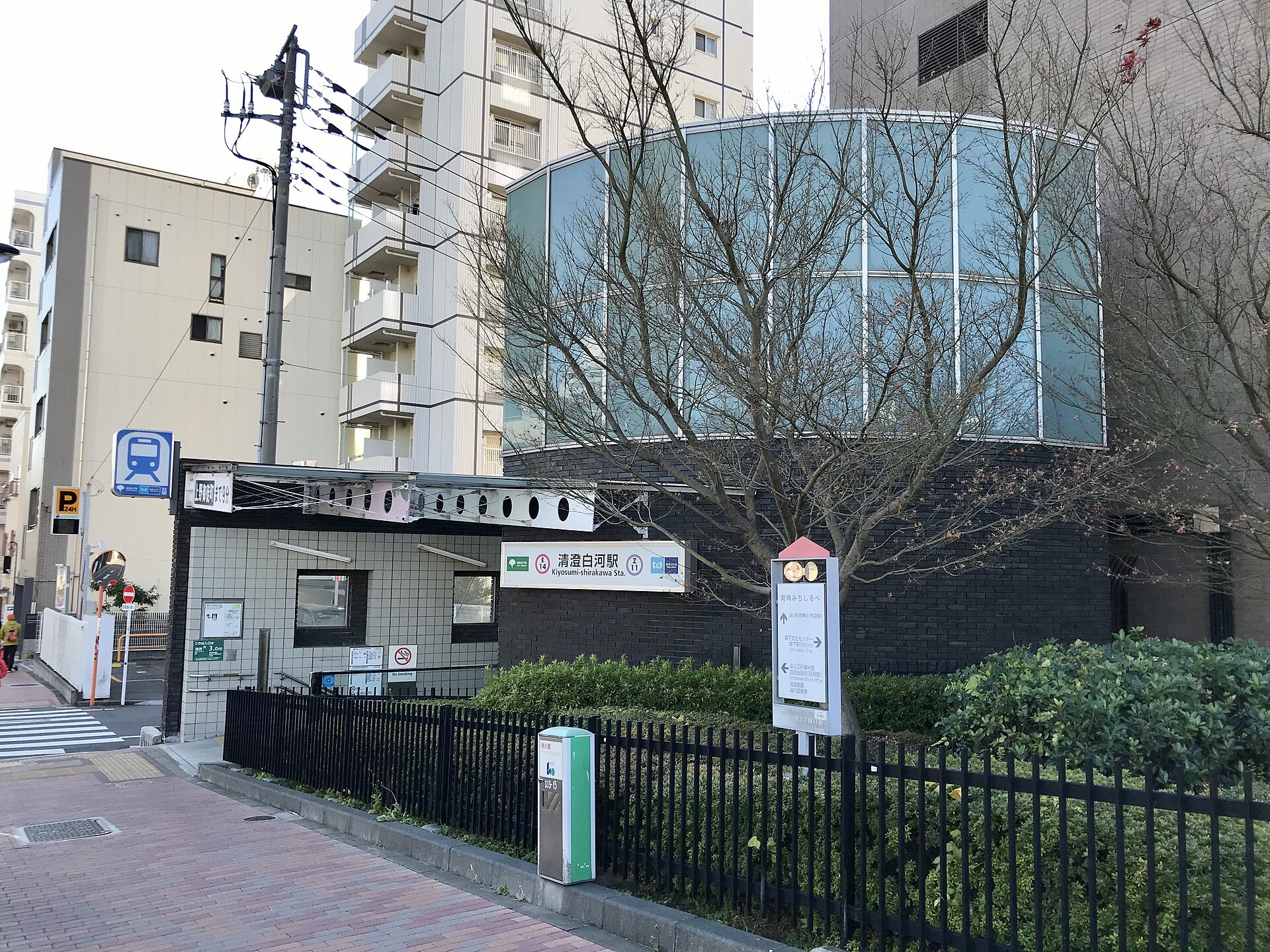
The walk: come out at Kiyosumi-Shirakawa station (Hanzomon and Oedo lines), work through the small independent roasters in the backstreets — Arise Coffee Roasters is the long-running local favourite — then Blue Bottle’s warehouse, and the Allpress roastery in its converted timber building if it is open when you pass. Break it up with the Museum of Contemporary Art Tokyo, and finish in Kiyosumi Garden, a Meiji-era stroll garden with stepping stones across a pond.
What about Blue Bottle?
The Kiyosumi-Shirakawa Blue Bottle opened in February 2015 to queues of several hours, and it is still a handsome room: a double-height warehouse with the roaster on show. But Blue Bottle has been majority-owned by Nestlé since 2017, it now has many shops across Japan, and the coffee, while good, is not what you cross Tokyo for any more. Visit it as the building where the modern scene took off, not as the best cup in the district.
Ordering like you know what you’re doing
Menus at serious roasters can be intimidating: a row of countries, farm names, altitudes and processing methods, with tasting notes like “jasmine, peach, black tea”. Nobody expects you to know what these mean. A few words will get you a much better cup.
The words on the board
- Washed — the fruit is removed before drying. Cleaner, brighter, more acidic. Usually the safest choice if you are new to light roasts.
- Natural — dried whole in the fruit. Sweeter, heavier, often winey or berry-like. People love it or dislike it.
- Honey or anaerobic — processes in between, or experimental fermentation. Anaerobic lots can taste startlingly of fruit or alcohol and are usually among the pricier cups.
- 浅煎り (asairi), 中煎り (chuiri), 深煎り (fukairi) — light, medium and dark roast. If the menu is Japanese-only, these three words are the most useful thing on it.
- ハンドドリップ (hando dorippu) — hand-drip, meaning pour-over.
How to ask
Most baristas at the places above speak enough English to talk about coffee, which has its own international vocabulary. Say what you normally drink, and whether you want something bright or something rounded. “Something like a Kenyan” or “not too acidic” gets you further than guessing. If you want milk, order espresso-based; very light pour-over coffees are not designed for it, and some shops will gently say so.
A little etiquette goes a long way. Photograph your cup, not the staff at work, unless you ask. Do not bring outside food. At a standing counter, drink and move on so the next person has space. And in the smaller shops, keep your voice down — the silence is part of what you are paying for.

What it costs
| Drink | Specialty roaster | Big-name flagship | Chain | Konbini |
|---|---|---|---|---|
| Espresso | ¥450–650 | ¥600–800 | ¥300–400 | n/a |
| Latte / flat white | ¥600–850 | ¥700–1,000 | ¥400–550 | ¥180–250 |
| Pour-over, standard origin | ¥600–900 | ¥800–1,200 | Rarely offered | n/a |
| Pour-over, rare or competition lot | ¥1,000 and up | ¥1,200 and up | n/a | n/a |
| Beans, 100–200 g | ¥1,200–2,500 | ¥1,500–3,000 | ¥1,000–1,500 | n/a |
A realistic budget for a dedicated coffee day of four cups and a bag of beans is ¥4,500 to ¥6,000. That is excellent value by international standards, and the main reason serious coffee drinkers leave Tokyo slightly evangelical. Card payment is now normal at almost every specialty shop, though some smaller stands are still IC-card or cash only; carry a charged Suica and a ¥1,000 note.
Which roaster for which drinker
| If you want… | Go to | Why | Skip if… |
|---|---|---|---|
| The best pour-over in the city | Glitch, Jimbocho | Very light single origins, brewed with total precision | You like dark, bitter coffee |
| Beans to take home | Koffee Mameya, Omotesando | Curated roasters, a written brew recipe, a tasting cup first | You want to sit down |
| A great latte in a beautiful spot | Onibus, Nakameguro | Rounded roasts, trains outside the window | You hate queues at weekends |
| A quiet specialty stop near Asakusa | Leaves Coffee, Kuramae | Light, careful coffee without the crowds | You are only in west Tokyo |
| Coffee that becomes a cocktail bar | Fuglen, Tomigaya | Nordic roasts by day, drinks by night | You want total silence |
| A full coffee experience | Koffee Mameya Kakeru | Seated tasting courses, booked ahead | You just want one good cup |
| A calm half-day | Kiyosumi-Shirakawa | Several roasters, a museum and a garden in one walk | You are short of time |
The ones that are not worth the detour
Part of the point of a guide is saying which famous names to skip, so here they are.
The Starbucks Reserve Roastery in Nakameguro is a spectacular building — four floors, a copper cask, a tea floor and a cocktail bar — and worth walking through if you are on the river anyway. But the queue at weekends can run past half an hour, the drinks cost the most of anywhere on this page, and Onibus is five minutes’ walk away. See the building; drink elsewhere.
Blue Bottle as a destination, for the reasons above. Pleasant, reliable, not special.
Any cafe you found through one viral photo. Tokyo has a steady supply of coffee shops that are famous for a latte-art gimmick, a wall, or a single dessert, and which serve ordinary coffee. The queue is for the photograph. If the place’s Instagram has more pictures of the storefront than of coffee, that tells you what you are queueing for.
Kiyosumi-Shirakawa on a short trip. If you have three days in Tokyo, the district is a long way east for coffee you can drink in Shibuya and Jimbocho. It earns its place on a longer stay, or if you want the garden anyway.
Beans, gear and coffee souvenirs
Buying beans from a Tokyo roaster is one of the best souvenirs you can bring home: light, useful, and hard to get anywhere else. Most roasters sell 100 g and 200 g bags, will grind to order for your brewer, and many print the roast date on the bag. Buy near the end of the trip and ask for whole beans if you grind at home.
Koffee Mameya is the top choice because it sells you a recipe with the bag. Glitch, Onibus and Leaves all sell their own. For gifts, look at drip bags — single-cup pour-over sachets that hang on the rim of a mug. The department store basements and most roasters sell boxed sets, and they survive a suitcase better than anything else.
Japanese brewing equipment is the other thing to buy here. Hario V60 drippers and glass servers, Kalita Wave drippers and filters, and Kinto cups and carafes are sold in homewares shops and big stores across the city, usually for less than you would pay abroad, and the selection is wider. Our Tokyo souvenirs guide covers where else to shop.
The konbini question
It would be dishonest to write about Tokyo coffee without saying this: convenience-store coffee is good. The 7-Eleven, Lawson and FamilyMart machines grind fresh beans for each cup, cost about ¥120 to ¥250, and are better than what a lot of cafes in other countries serve. They are not specialty coffee — the beans are blends and the roast is medium — but for a 7am caffeine fix on the way to the station, they are the correct answer. Our konbini food guide covers what else to buy while you are in there.
A specialty coffee day
If you want to plan a day around coffee, this route crosses the city without doubling back and keeps each stop a short train ride from the next.
- Morning, Jimbocho. Glitch opens the day — check its hours, which vary by branch. Pour-over, a light washed origin, and a walk through the bookshops afterwards.
- 11:00, Kiyosumi-Shirakawa. The Hanzomon line runs directly there. Walk the roasters, then Kiyosumi Garden. Skip this leg if time is tight.
- 14:00, Omotesando. Back west on the Hanzomon line to Omotesando. Koffee Mameya for a tasting cup and beans to take home.
- 16:00, Nakameguro. Hanzomon line one stop to Shibuya, then two stops on the Tokyu Toyoko line, then Onibus for a latte and the river walk towards Daikanyama.
- 19:00, Tomigaya. Fuglen, which by now has turned into a bar. Swap coffee for an aquavit cocktail.
That is four coffees, a garden, some of the best bookshops in the world and a drink, for around ¥6,000 plus transport. Which, even compared with the average day in Tokyo, is a very good day. For the kissaten side of the story, which is the other half of Tokyo coffee, read our kissaten guide next, and if you want to base yourself near the coffee, the neighbourhoods guide explains the trade-offs.
Frequently Asked Questions
What is the best specialty coffee shop in Tokyo?
For pour-over, Glitch Coffee & Roasters in Jimbocho is the name most coffee professionals give first: very light single origins, brewed with great care. Koffee Mameya in Omotesando is the best for buying beans and learning about them. Onibus in Nakameguro is the best all-rounder, with more approachable roasts and excellent milk drinks.
How much is a specialty coffee in Tokyo?
Expect ¥450 to ¥650 for an espresso, ¥600 to ¥850 for a latte, and ¥600 to ¥900 for a pour-over of a standard origin. Rare or competition-grade lots cost ¥1,000 and up. A bag of beans is roughly ¥1,200 to ¥2,500. That is generally cheaper than specialty coffee in London, New York or Sydney.
Is Kiyosumi-Shirakawa still worth visiting for coffee?
Yes on a longer trip, less so on a short one. It was Tokyo’s coffee centre in the mid-2010s and still has several roasters within a short walk, plus the Museum of Contemporary Art and Kiyosumi Garden. But the specialty scene has since spread across the city, and Jimbocho, Shibuya and Nakameguro offer equally good coffee closer to where most visitors spend their time.
Do Tokyo specialty coffee shops take cards?
Most do now, and almost all accept IC transport cards such as Suica and PASMO. A few very small stands remain cash-only, so carry a ¥1,000 note. Traditional kissaten are much more likely to be cash-only than the modern roasters.
Why is Japanese coffee so light and acidic?
It is not all light. Traditional Japanese kissaten roast very dark. The light, fruity style comes from the specialty wave of the 2010s, which follows Nordic and Australian roasting and aims to taste the origin of the bean rather than the roast. If you prefer darker coffee, ask for a medium roast (chuiri) or go to a kissaten instead.
Photo Credits
- Opening day inside Blue Bottle Coffee, Kiyosumi-Shirakawa, February 2015 – Bluebottlejapan-opening-insidebuilding-feb8-2015 by Nesnad, CC BY-SA 3.0, via Wikimedia Commons.
- Exit A1 of Kiyosumi-Shirakawa station – Kiyosumi-shirakawa-Station-ExitA1 by Tokyo-Good, CC BY-SA 4.0, via Wikimedia Commons.
- Kiyosumi Garden teahouse in autumn – Kiyosumi Garden (11302004175) by Guilhem Vellut from Annecy, France, CC BY 2.0, via Wikimedia Commons.
- A siphon coffee brewer – Rocanini, Siphon Coffee (5910298498) by Kenny Louie from Vancouver, Canada, CC BY 2.0, via Wikimedia Commons.