Best Things to Do in Tokyo · Guide №031
Free Things to Do in Tokyo: 30+ Genuinely Free Sights
The best genuinely free things to do in Tokyo — free observation decks, shrines, parks, markets, and seasonal sights — with honest notes on what really costs money.
目次 — Contents
- Free observation decks with skyline (and Mt. Fuji) views
- Shrines and temple grounds you can wander for free
- The best free parks and gardens
- Markets to wander (window-browsing is free)
- Neighbourhoods to explore on foot
- Free museums, showrooms, and maker demos
- Free seasonal sights: blossoms and illuminations
- Best free people-watching spots
- Which free things need a (free) reservation
- Free vs. paid: a quick honest comparison
- Frequently Asked Questions
- A free day in Tokyo: a sample itinerary
- How to keep a Tokyo trip (almost) free
- What is NOT free in Tokyo (so you are not caught out)
- Practical tips for free sightseeing
- Free things to do by area
This article contains advertising. Our booking links are routed through a partner that adds commission tracking automatically, so if you book through one we earn a commission from the provider, at no extra cost to you. It never affects what we recommend. Affiliate disclosure
Tokyo has a reputation for being expensive, but plenty of its best experiences cost nothing. Some of the city’s finest views, its biggest shrine, its liveliest market streets, and its prettiest parks are all free. This guide covers the genuinely free things to do in Tokyo, what they actually cost when “free” comes with a catch, and which spots need a free reservation before you turn up.
I’ve grouped everything by type, with the nearest station, opening hours, and honest notes on what is and isn’t free. For the wider picture, this sits inside our guide to the best things to do in Tokyo, and pairs well with our budget travel guide if you’re watching every yen.
Free observation decks with skyline (and Mt. Fuji) views
Tokyo is full of paid observation decks, but a couple of the best viewpoints in the city are completely free. You don’t need to spend ¥3,000 at Shibuya Sky or Tokyo Skytree to see the skyline from above.
Tokyo Metropolitan Government Building (Tocho), Shinjuku
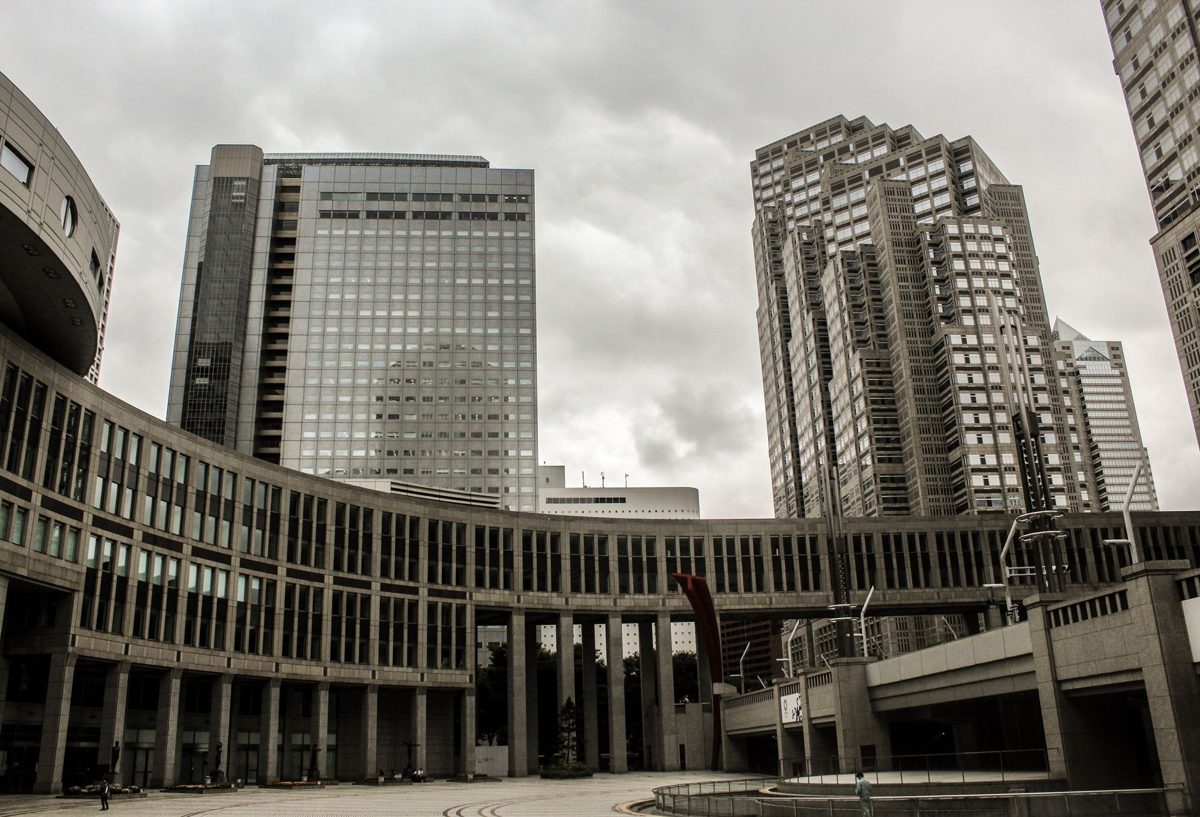
This is the free view to prioritise. The Tokyo Metropolitan Government Building has two observatories on the 45th floor, 202 metres up, and admission is free. On a clear day, especially in winter, you can see Mt. Fuji, plus Tokyo Skytree, Tokyo Tower, and the green sweep of Meiji Jingu. The South Observatory is open roughly 9:30am to 9:30pm, which makes it one of the few free spots in the city where you can catch both sunset and the night skyline. The North Observatory keeps shorter hours (about 9:30am to 5:00pm).
Closures rotate: the South deck shuts on the 1st and 3rd Tuesday of the month, the North deck on the 2nd and 4th Monday, so one of the two is almost always open. Both close December 29-31 and January 2-3. No reservation is needed; just take the dedicated elevators from the 1st floor of Building No. 1. It’s about a 10-minute walk from the west exit of Shinjuku Station, or right above Tochomae Station on the Oedo Line. There’s a free-to-play piano on the South deck, a small cafe, and a souvenir shop. Give it 45 minutes to an hour.
Other free viewpoints worth knowing
A few more decks let you skip the ticket booth:
- Caretta Shiodome (46th floor, ~200m): a free Sky View deck near Shimbashi looking over Tokyo Bay and Hama-rikyu Gardens. Especially good after dark.
- Bunkyo Civic Center (25th floor, 105m): a long-time local favourite for free views toward Shinjuku and, on clear days, Mt. Fuji. Note for 2026: the observation lounge has been closed for renovation since March 2025 and is expected to reopen around December 2026, so check before you go.
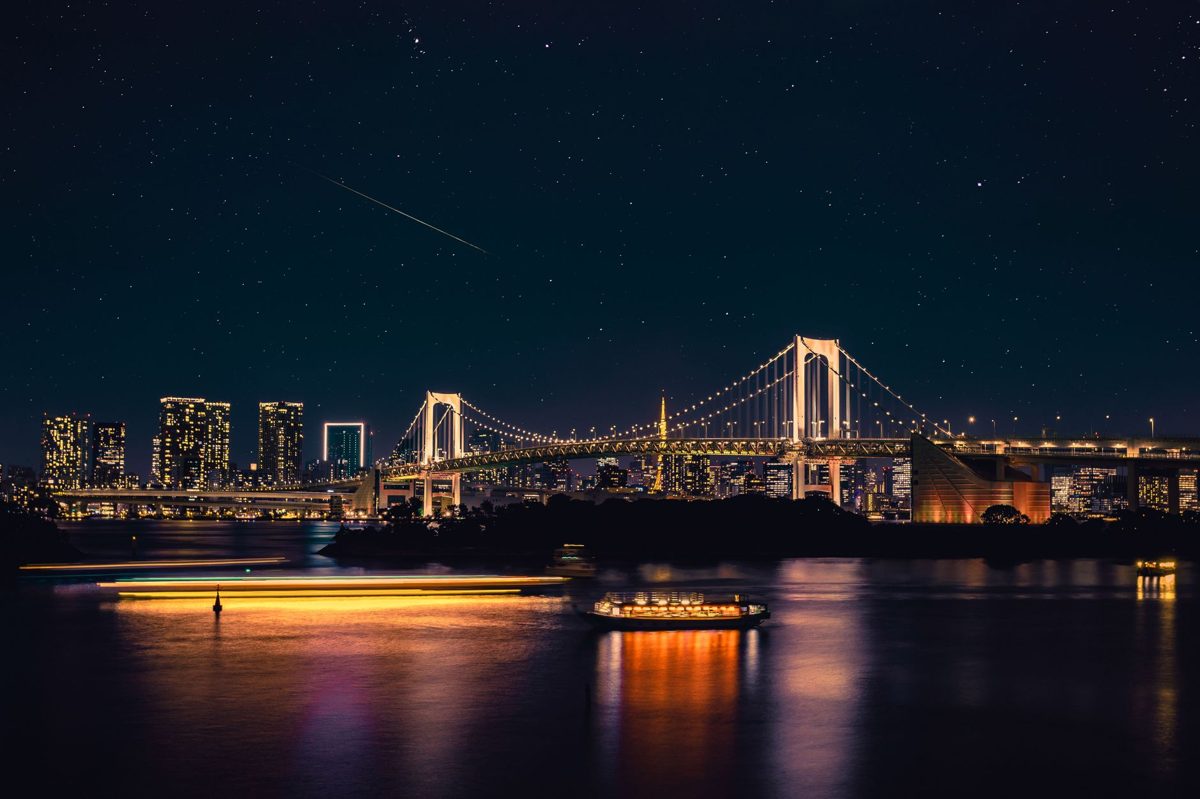
- NEWoMan Takanawa – LUFTBAUM (28th floor): opened in late 2025 above Takanawa Gateway, with free garden terraces overlooking Tokyo Bay, Rainbow Bridge, and the rail lines around Shinagawa.
- Most hotel and department-store sky lobbies (like the upper floors of some Shinjuku hotels) also let you ride up for free if you’re discreet about it.
Shrines and temple grounds you can wander for free
Almost every Shinto shrine and most Buddhist temple grounds in Tokyo are free to enter. You only pay if you go inside a paid hall, treasure museum, or garden. The two big ones are free to explore in full.
Meiji Jingu, Harajuku
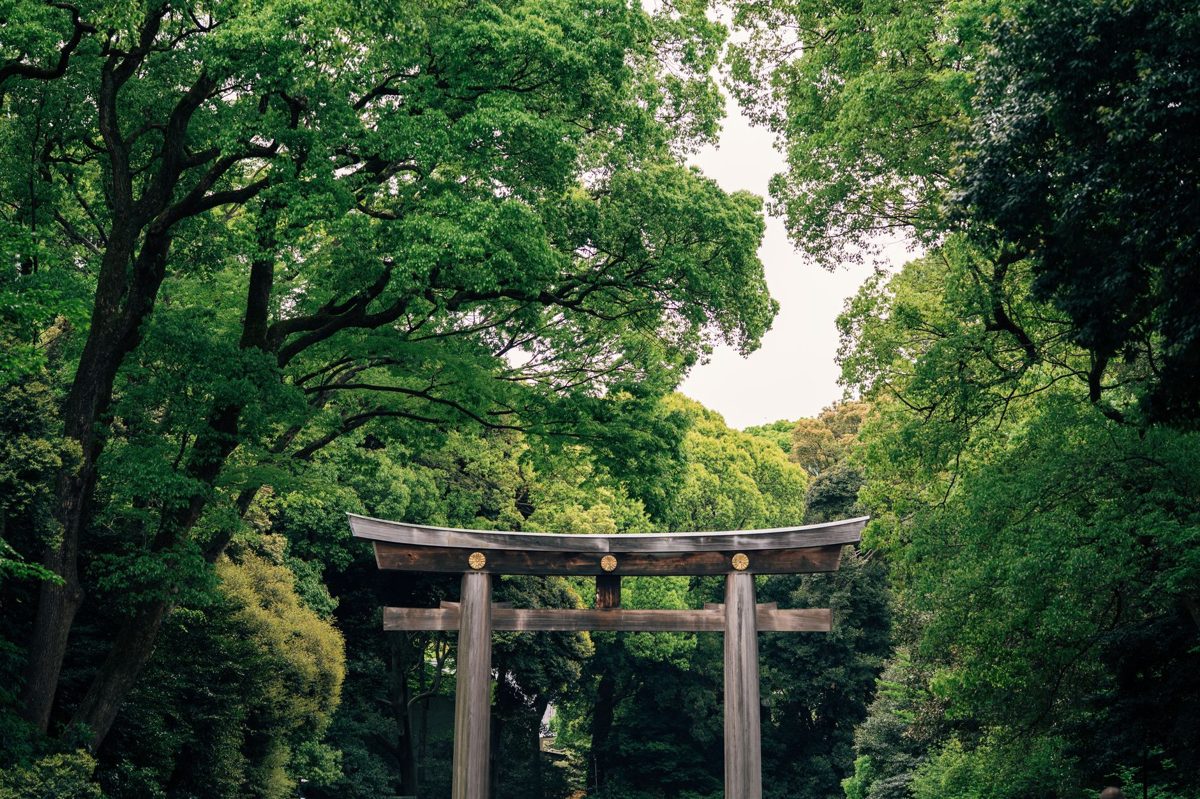
Tokyo’s most important Shinto shrine sits inside a 70-hectare forest of 100,000 donated trees, right next to Harajuku. Walking the gravel approach under the giant wooden torii, past the wall of sake barrels to the main shrine, costs nothing and is one of the most peaceful hours you can spend in the city. It’s open from sunrise to sunset (hours shift monthly), and the nearest station is Harajuku or Meiji-jingumae. The only paid parts are the Inner Garden (¥500) and the treasure museum. For the full visit, see our Meiji Shrine guide.
Senso-ji, Asakusa
Tokyo’s oldest temple is free to visit around the clock. You can walk through the giant Kaminarimon “Thunder Gate,” browse the snack and souvenir stalls of Nakamise-dori, and stand before the main hall at any hour; the grounds and five-storey pagoda are lit beautifully at night with far thinner crowds. The temple is busiest mid-morning to mid-afternoon, so come early or after dinner. Nearest station: Asakusa. Other free-to-enter highlights include Nezu Shrine (famous for its torii tunnel and April azaleas) and Hie Shrine near Akasaka.
The best free parks and gardens
Tokyo’s landscaped strolling gardens (Shinjuku Gyoen, Rikugien, Hama-rikyu) charge a small ¥300-500 entry, and they’re worth it. But the city also has large, genuinely free parks that are perfect for a picnic, a run, or just an afternoon doing nothing. If you want the full rundown of every green space, see our dedicated Tokyo parks and gardens guide.
Yoyogi Park
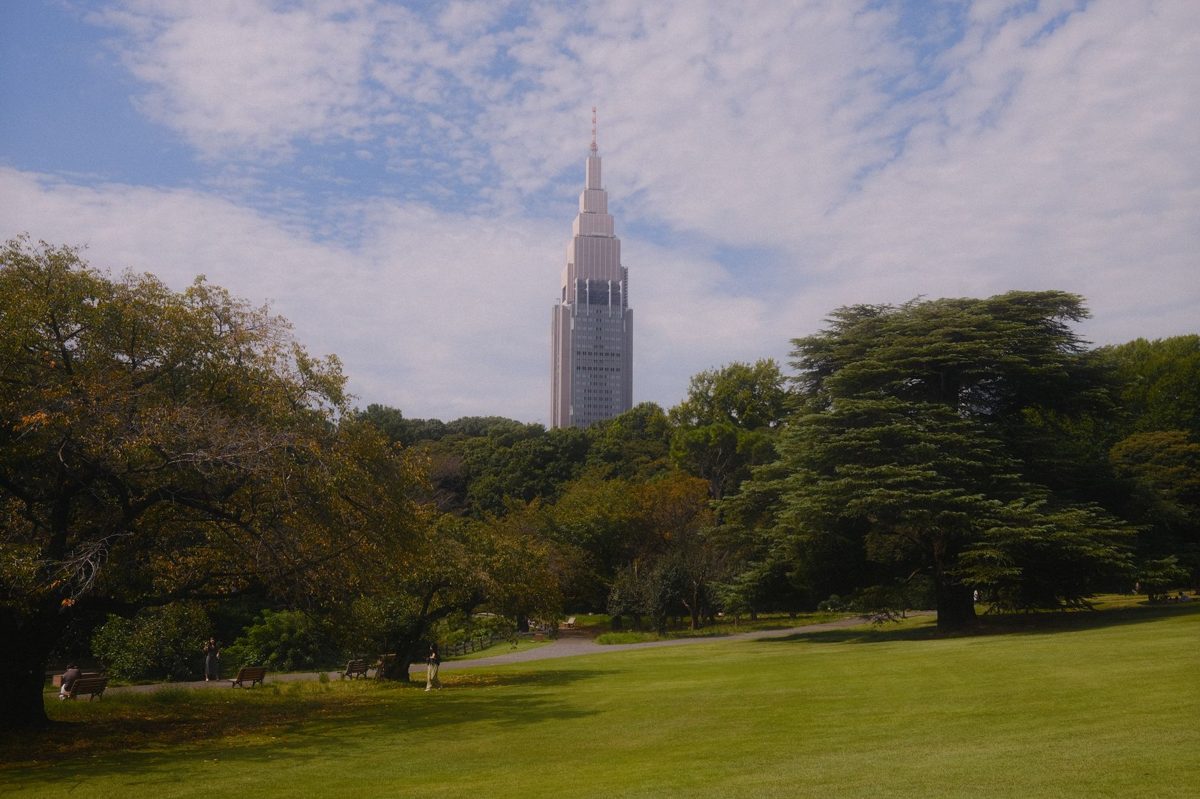
Right next to Meiji Jingu and Harajuku, Yoyogi is Tokyo’s most relaxed big park: wide lawns where people picnic and nap, a dog run, cycling paths, and a Sunday scene of buskers, dancers, and the occasional rockabilly crew near the Harajuku entrance. Free and open at all hours. In late November the zelkova-lined avenue near the Shibuya side is strung with around 600,000 lights for a free winter illumination.
Ueno Park
A huge free park that doubles as Tokyo’s museum district. The grounds, the big lotus-covered Shinobazu Pond, and the cherry-lined central avenue cost nothing; you only pay if you enter the museums or Ueno Zoo. It’s open roughly 5:00am to 11:00pm, and during cherry blossom season it becomes one of the liveliest hanami spots in the country.
Imperial Palace East Gardens
The former grounds of Edo Castle are open to the public for free, with massive stone walls, the remaining castle keep foundation, lawns, and a Japanese garden. Open 9:00am until 4:00-6:00pm depending on season (last entry 30 minutes before close), and closed Mondays and Fridays. No ticket needed, though you may be handed a free entry tag at the gate to return on the way out. Nearest station: Otemachi or Takebashi.
Markets to wander (window-browsing is free)
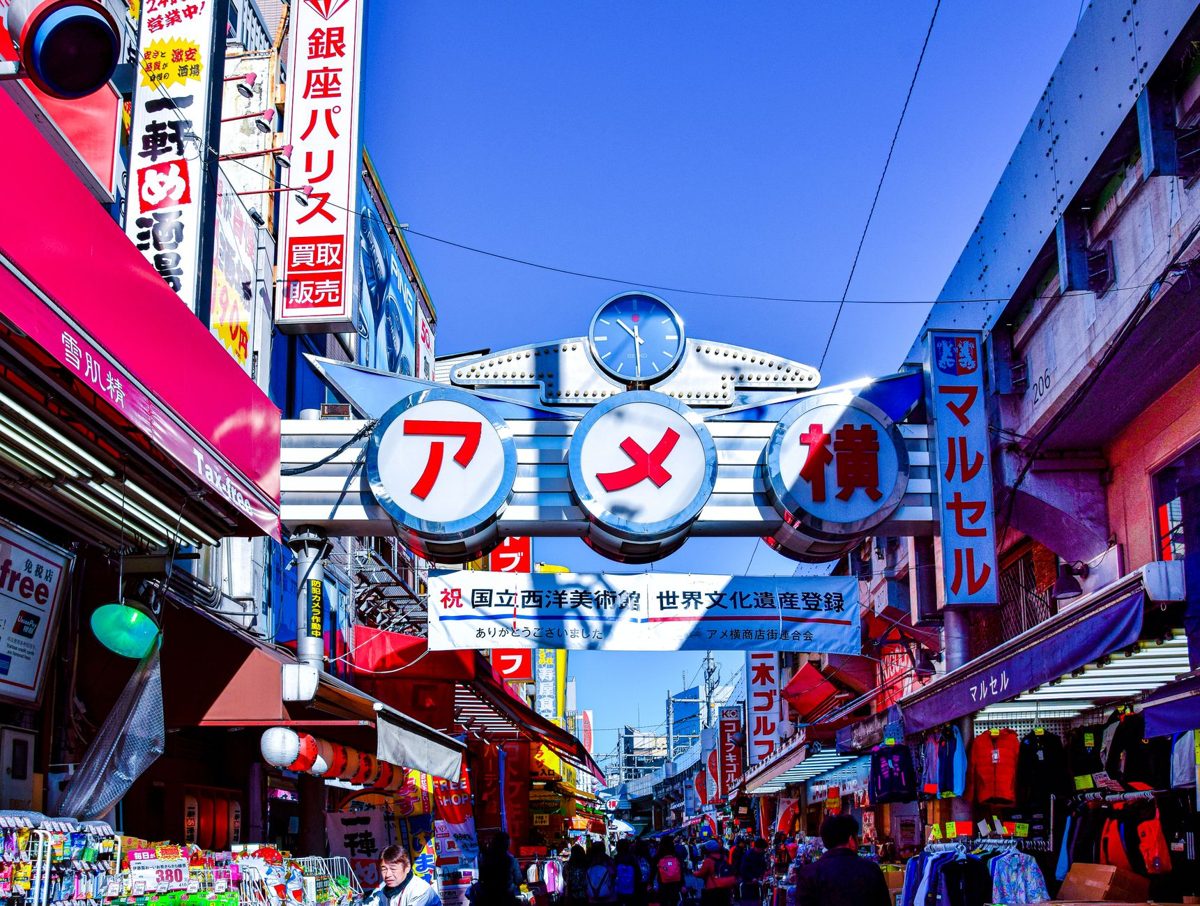
You can walk these markets, soak up the noise, and people-watch for free. The food, of course, isn’t.
Ameyoko, Ueno
A loud, 500-metre stretch of around 400 stalls under and beside the elevated train tracks between Ueno and Okachimachi stations. Vendors yell prices, you’ll smell grilled seafood and spices, and it’s one of the best places in Tokyo to feel the old shitamachi (downtown) energy. Free to walk; budget a little if you want a skewer of grilled scallop or a bag of fruit.
Tsukiji Outer Market
The famous inner wholesale market moved to Toyosu years ago, but Tsukiji‘s Outer Market is still here and still free to wander. Come hungry or come just to look: hundreds of stalls sell knives, dried goods, tamagoyaki, and fresh sushi. It’s busiest and best in the morning (most shops wind down by early afternoon), and a few minutes from Tsukiji or Tsukijishijo station. Browsing the knife shops and watching the tuna-cutting is genuinely free; the ¥1,500 chirashi bowl is not.
Neighbourhoods to explore on foot
Some of the best free hours in Tokyo are spent just walking. Each of these districts has a completely different personality and costs nothing to explore.
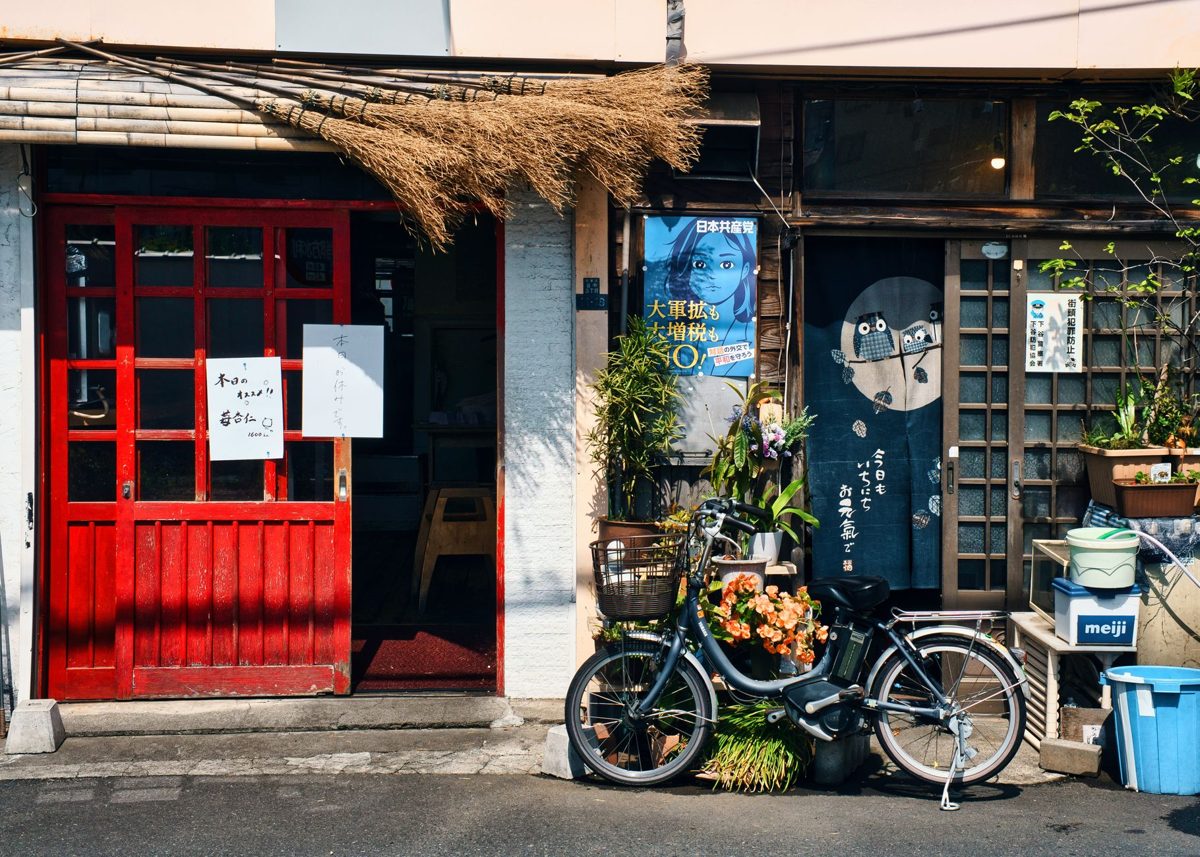
- Harajuku & Omotesando: Takeshita-dori for loud teen fashion, then the tree-lined Omotesando for high-end architecture. Step into the side streets of Ura-Harajuku for quieter boutiques and cafes. Walk over to Shibuya Crossing (about 15 minutes) to watch the famous scramble — free, and best from the second-floor windows of the station-side buildings.
- Shimokitazawa: a low-rise maze of vintage clothing shops, record stores, tiny theatres, and third-wave coffee, two stops from Shibuya. The whole point is to wander with no plan.
- Yanaka: one of the few districts to survive the war and the 1923 earthquake intact. Narrow lanes, wooden houses, temples on every corner, the old-fashioned Yanaka Ginza shopping street, and the Yuyake Dandan steps for a free sunset. Pair it with a stroll through Yanaka Cemetery, which is lovely in cherry blossom season.
- Kagurazaka, Nakameguro, and Koenji are three more atmospheric walking neighbourhoods that reward aimless exploring.
Walking is also the cheapest way to eat well — see our cheap eats guide for where to find a great meal for under ¥1,000 in these districts.
Free museums, showrooms, and maker demos
Tokyo has surprisingly many free indoor attractions, which are handy on a rainy day:
- Corporate showrooms: the Sony, Nikon, and Canon galleries, plus brand flagship spaces in Ginza and around Tokyo Station, let you play with the latest gear for free. (Note: the old Toyota Mega Web car showcase in Odaiba closed permanently at the end of 2021.)
- Beer and food maker tours: some makers offer free factory visits or tasting tours — reservations usually required and they book up.
- Sumida Hokusai Museum lobby & gallery shops and many museum ground floors are free even when the main exhibition is paid.
- Government and culture centres: the Japanese Sword Museum area, the free observation floors of civic buildings, and the Tokyo International Forum’s soaring glass atrium (free to walk through; weekend antique market out front).
- Shopping as spectacle: the food halls (depachika) in the basements of Isetan, Mitsukoshi, and Takashimaya are a free, air-conditioned feast to look at, with frequent free samples.
Free seasonal sights: blossoms and illuminations
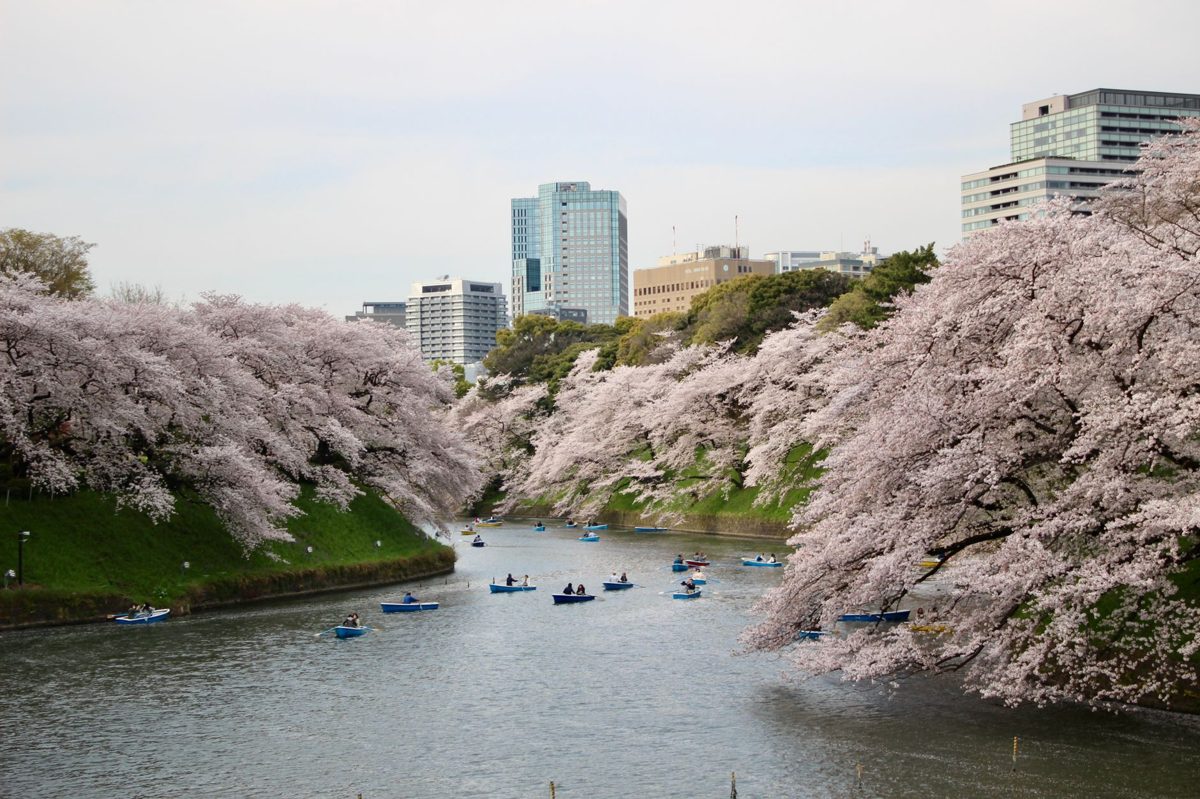
Cherry blossoms (late March to early April)
Hanami — flower viewing — is free almost everywhere. The big free spots are Ueno Park, Yoyogi Park, the Meguro River canal in Nakameguro (especially at night), Chidorigafuchi moat by the Imperial Palace, and Sumida Park by the river in Asakusa. Bring a tarp, grab konbini snacks, and you have a classic Tokyo afternoon for the price of a drink.
Winter illuminations (November to February)
Tokyo goes all-out with free light displays each winter. The Marunouchi illuminations (around 820,000 champagne-gold lights along Naka-dori between Tokyo Station and the palace) run mid-November to mid-February. Tokyo Midtown and Roppongi Hills light up Roppongi, the Yoyogi Park/Shibuya zelkova avenue glows blue, and Shinjuku Southern Terrace and Ebisu Garden Place add more. All free to walk through; you only pay if you sit down for a drink or enter a ticketed garden display.
Other seasonal freebies
Summer brings free public firework festivals (Sumida River and others) and neighbourhood matsuri with portable shrines and street food. Autumn foliage in Ueno Park, Yoyogi, and the palace grounds is free, while the famous illuminated autumn gardens like Rikugien charge a small entry.
Best free people-watching spots
- Shibuya Crossing: the world’s busiest pedestrian scramble. Watch from the Starbucks window (buy a coffee) or, for free, from the Shibuya Station walkway and the upper floors of Shibuya Hikarie or Magnet. Our Shibuya Crossing guide maps the best vantage points.
- Harajuku’s Takeshita-dori on a weekend: peak Tokyo youth fashion.
- Yoyogi Park on a Sunday: dancers, drummers, cosplayers, and dog-walkers.
- A bench at a major station like Shinjuku or Tokyo at rush hour — the sheer scale of the crowd flow is a sight in itself.
- takeshita and Center-gai at night, or the riverside steps at Nakameguro, for a calmer evening crowd.
Which free things need a (free) reservation
Most free attractions in Tokyo are walk-up. A handful need you to book ahead — still free, but plan it in:
- Imperial Palace inner grounds tour: the free guided tour of the inner palace area (not the always-free East Gardens) requires advance booking through the Imperial Household Agency, though same-day spots are sometimes available.
- National Diet Building tour: free tours of Japan’s parliament; weekday tours are walk-up, but groups should reserve.
- Some factory and brewery tours: free, but reservation-only and often booked weeks out.
- teamLab and most big-name attractions are NOT free — if a guide lists them under “free,” it’s wrong. Expect ¥3,000+ and timed tickets.
Free vs. paid: a quick honest comparison
| Experience | Free version | Paid alternative |
|---|---|---|
| Skyline view | Tokyo Metropolitan Gov’t Building (free, 202m) | Shibuya Sky ~¥2,500; Skytree ~¥2,100–3,400 |
| Big shrine/temple | Meiji Jingu & Senso-ji grounds (free) | Inner gardens / treasure halls ¥500–¥1,000 |
| Park or garden | Yoyogi, Ueno, Imperial Palace East Gardens (free) | Shinjuku Gyoen ¥500; Rikugien/Hama-rikyu ¥300 |
| Market | Wandering Ameyoko & Tsukiji Outer (free) | Buying food: ¥300–¥2,000+ |
| Cherry blossoms | Hanami in any public park (free) | Night-illuminated gardens ¥300–¥600 |
| Digital art | — (no free equivalent) | teamLab ¥3,800+ |
Frequently Asked Questions
Is Tokyo expensive to visit?
It can be, but it doesn’t have to be. Sightseeing in Tokyo is unusually affordable because so many highlights — the city’s biggest shrine, its best free observation deck, its parks, and its market streets — cost nothing. Your real spending goes on food, transport, and any paid attractions like teamLab or the Skytree. With free sights and cheap eats, you can have a great day in Tokyo for well under ¥3,000.
What is the best free view in Tokyo?
The Tokyo Metropolitan Government Building in Shinjuku. Its 45th-floor observatories sit 202 metres up, are completely free, and on a clear day take in Mt. Fuji, Tokyo Skytree, and Tokyo Tower. The South deck stays open until about 9:30pm, so you get both sunset and the night skyline at no cost — and no reservation is needed.
Are Tokyo’s temples and shrines free?
Yes, almost all of them. You can walk the grounds of Meiji Jingu, Senso-ji, and most shrines and temples for free, at any hour in many cases. You only pay if you enter a separate paid hall, treasure museum, or landscaped inner garden, which usually runs ¥300–¥1,000.
Do I need to reserve anything for free attractions?
Most free attractions are walk-up, including the observation decks, shrines, parks, and markets. A few need a free advance reservation — chiefly the Imperial Palace inner-grounds guided tour and the National Diet Building tour, plus some factory and brewery visits. The always-free Imperial Palace East Gardens need no booking.
What free things can I do in Tokyo on a rainy day?
Head indoors: corporate showrooms (Sony, Nikon, Canon), department-store food halls (depachika) with free samples, the glass atrium of Tokyo International Forum, free museum lobbies and galleries, and large covered market and shopping arcades. Many civic-building observation floors are also free and dry.
A free day in Tokyo: a sample itinerary
Here’s how to string the best free sights into a single day without spending more than the cost of your meals and a metro pass. It covers central and western Tokyo, with everything either free to enter or free to wander.
- Morning (9:00am): Start at Meiji Jingu from Harajuku Station. Walk the forest approach and the main shrine (free), about an hour.
- Late morning (10:30am): Cut through to Yoyogi Park for a lap of the lawns, then Takeshita-dori and Omotesando in Harajuku for free people-watching and window shopping.
- Lunch (12:30pm): Grab cheap eats in Harajuku’s back streets or a konbini picnic in the park.
- Afternoon (2:00pm): Train to Shinjuku and ride up the free Tokyo Metropolitan Government Building observatory for the city panorama (and Mt. Fuji if it’s clear).
- Late afternoon (4:00pm): Head east to Ueno. Wander Ameyoko market and the free grounds of Ueno Park.
- Evening (6:00pm): Finish in Asakusa at Senso-ji, beautifully lit at night and free, then walk the riverside for views of the Tokyo Skytree. In winter, swap the evening for the Marunouchi illuminations near Tokyo Station.
That’s a full, varied day in Tokyo for the price of transport and food. If you want to slot in a paid highlight or two, our main things-to-do guide ranks them by whether they’re worth the ticket.
How to keep a Tokyo trip (almost) free
A few habits stretch your yen a long way:
- Eat from konbini and standing bars: a proper meal from 7-Eleven, Lawson, or FamilyMart runs around 400 to 700 yen. Standing soba counters and chain gyudon shops are similar.
- Drink the tap water and carry a bottle: Tokyo tap water is safe and free; public fountains are common in parks and stations.
- Use free Wi-Fi: stations, convenience stores, and many cafes offer free connections, so you can skip a pricey data plan.
- Time the free observation deck for sunset to get day and night views in one free visit.
- Walk between nearby districts instead of taking short metro hops. Harajuku to Shibuya, Ueno to Asakusa, and Ginza to Tokyo Station are all pleasant 15 to 25 minute walks.
- Hit free seasonal events: illuminations, hanami, summer matsuri, and firework festivals are all free and are among the most memorable things you can do here.
For a deeper cost breakdown, transport passes, where to sleep cheaply, and daily budgets, see our budget travel guide.
What is NOT free in Tokyo (so you are not caught out)
Plenty of “free things to do in Tokyo” lists quietly include attractions that cost money. To set expectations clearly, here are popular spots that charge admission:
- teamLab Borderless and Planets: roughly 3,800 yen and up, timed-entry tickets that often sell out.
- Tokyo Skytree: about 2,100 to 3,400 yen depending on which deck.
- Shibuya Sky: around 2,500 yen for the rooftop.
- Tokyo Tower: roughly 1,200 to 3,000 yen.
- Landscaped strolling gardens: Shinjuku Gyoen 500 yen; Rikugien, Hama-rikyu, and Koishikawa Korakuen 300 yen each (still excellent value).
- Museums and the zoo: Ueno’s museums and Ueno Zoo charge entry, even though the surrounding park is free.
- Robot and character cafes and observation bars: expect a cover charge or minimum spend.
None of these are bad value, and several are worth every yen. The point is simply that they are paid, so you can budget honestly and fill the rest of your trip with the genuinely free sights above.
Practical tips for free sightseeing
- Check closure days. The free observation decks rotate their closed days, and the Imperial Palace East Gardens shut Mondays and Fridays. A quick check saves a wasted trip.
- Mornings and evenings are quieter and free. Senso-ji at 8am or 8pm is a different, calmer place than the midday crush, and the lighting is better.
- Winter clarity beats summer haze for Mt. Fuji views from the free decks; the best odds are cold, clear mornings from December to February.
- Bring a picnic tarp in spring. Hanami is free, but a cheap leisure sheet (100 to 300 yen from a 100-yen shop) makes it far more comfortable.
- Toilets are free and clean in stations, parks, and department stores, handy on a long free-walking day.
Free things to do by area
If you only have time to explore one or two parts of the city, here is what you can see for free in each, so you can build a route around where you are staying.
Shinjuku and the west
Ride the free Tokyo Metropolitan Government Building observatory, wander the neon canyons of Kabukicho and the tiny lantern-lit alleys of Omoide Yokocho (free to walk; drinks cost extra), then escape to the lawns of Shinjuku Gyoen if you do not mind the 500 yen entry, or the free Shinjuku Central Park behind the government building. Golden Gai is free to stroll even if you do not stop for a drink.
Harajuku, Shibuya and Yoyogi
This is the densest cluster of free sights in Tokyo: Meiji Jingu, Yoyogi Park, Takeshita-dori, Omotesando, Cat Street, and the Shibuya scramble crossing, all walkable in an afternoon. The Shibuya Sky deck is paid, but the crossing itself and the Hachiko statue are free.
Ueno, Asakusa and the old east side
Free Ueno Park and its temples, the Ameyoko market, Senso-ji and Nakamise-dori in Asakusa, and the time-warp lanes of Yanaka all sit on the east side and connect by short train hops or a long, rewarding walk. The riverside between Asakusa and the Skytree gives you a free postcard view of Tokyo’s tallest tower.
Ginza, Marunouchi and the bay
Window-shop the flagship stores and depachika food halls of Ginza, walk the free grounds and East Gardens of the Imperial Palace, and ride the free Caretta Shiodome deck for bay views. On weekends Ginza’s main street goes car-free in the afternoon, becoming a giant free pedestrian promenade.
However you slice it, you can fill several full days with free sights before paying for a single ticket. When you do want to splurge, our Tokyo things-to-do guide helps you choose the paid attractions that earn their price.