Tokyo Culture & Traditions · Guide №107
Sumo Wrestling in Tokyo: How to Watch, Buy Tickets & More
How to watch sumo wrestling in Tokyo: 2026 tournament dates, every ticket type and price, how and when to buy, a day at the Kokugikan, chanko-nabe and stable visits.
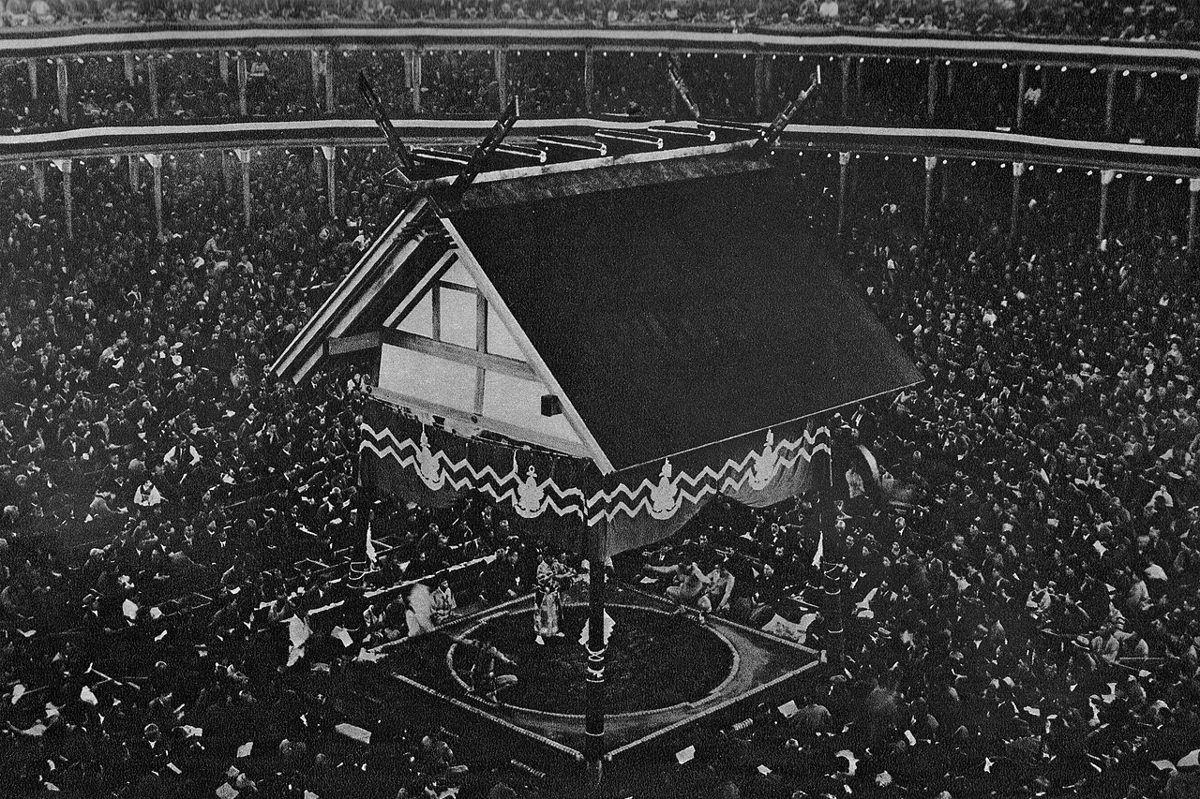
目次 — Contents
- The Grand Sumo Tournament system: six honbasho a year
- 2026 Tokyo sumo tournament dates
- Sumo ticket types and prices
- How and when to buy sumo tickets
- A day at the tournament: what to expect
- The Ryogoku district: sumo town
- Morning practice and sumo stable (heya) visits
- Venue etiquette and what to bring
- Other ways to see sumo
- Understanding the ranks and rituals
- Frequently Asked Questions
- Photo Credits
This article contains advertising. Our booking links are routed through a partner that adds commission tracking automatically, so if you book through one we earn a commission from the provider, at no extra cost to you. It never affects what we recommend. Affiliate disclosure
For sumo wrestling tokyo tickets, the short version is this: Tokyo hosts three of the six annual Grand Sumo Tournaments at the Ryogoku Kokugikan — in January, May and September — and tickets go on sale roughly a month before each one through the official site, ranging from about ¥2,200 for a same-day seat to ¥20,000-plus for ringside. Book the moment sales open, because the good days sell out fast.
I have sat cross-legged in a cramped box seat eating a bento while 150-kilo athletes slammed into each other a few metres away, and it is one of the best-value spectacles in Japan. Below is exactly how the tournaments work, every ticket type with real price ranges, how and when to buy, what a full day inside the arena is actually like, the Ryogoku neighbourhood around it, how to watch morning practice at a stable, and the etiquette that keeps you on the right side of the ushers.
The Grand Sumo Tournament system: six honbasho a year
Professional sumo is organised around six official tournaments a year called honbasho, each lasting 15 days. Three are held in Tokyo and one each in Osaka (March), Nagoya (July) and Fukuoka (November). The Tokyo tournaments — Hatsu in January, Natsu in May and Aki in September — all take place at the Ryogoku Kokugikan in the city’s east.
Each wrestler fights once a day, and the rikishi with the best win-loss record in the top division at the end of the 15 days lifts the Emperor’s Cup. The opening Saturday and Sunday and the final few days (especially the last Sunday, senshuraku) are the most exciting and the hardest to get into, because that is when the title is usually decided.
2026 Tokyo sumo tournament dates
Here are the three Tokyo honbasho for 2026, with the official on-sale dates from the Japan Sumo Association. If you are reading this around the time it published, the September (Aki) tournament is the next one in Tokyo — advance tickets went on sale on 8 August 2026, so move quickly.
| Tokyo tournament | Dates (2026) | Advance tickets on sale from |
|---|---|---|
| Hatsu Basho (January) | 11–25 January 2026 | 6 December 2025 |
| Natsu Basho (May) | 10–24 May 2026 | 4 April 2026 |
| Aki Basho (September) | 13–27 September 2026 | 8 August 2026 |
All three are at the Ryogoku Kokugikan. For other big seasonal happenings around these dates, our guide to what else is on through the year is a useful companion when you are planning when to come.
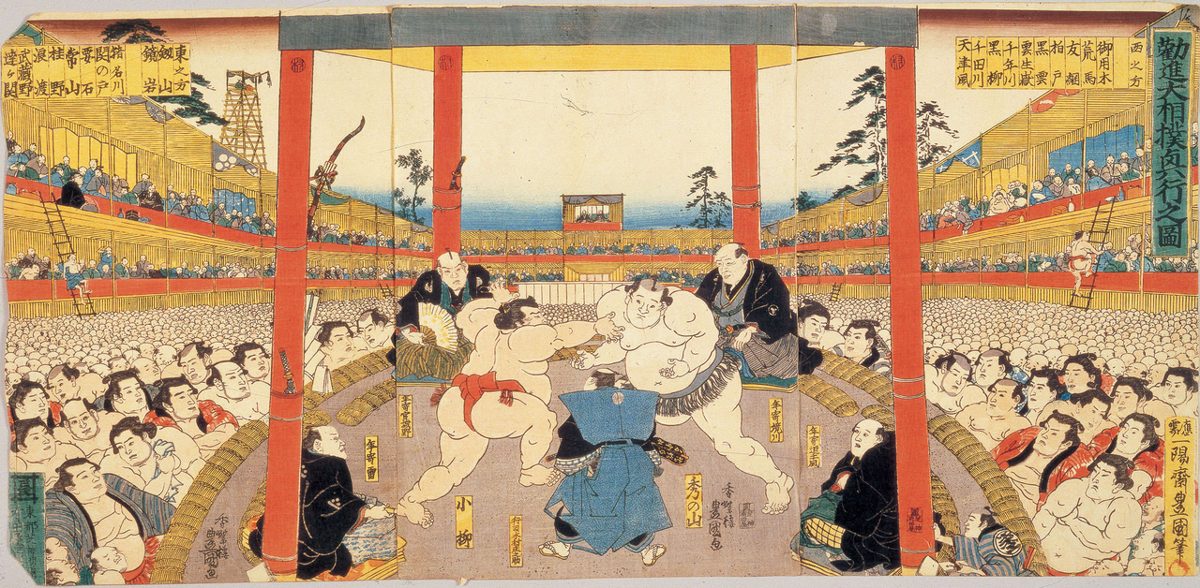
Sumo ticket types and prices
Seating at the Kokugikan falls into three broad zones, from the floor up. Prices vary by tournament, by how close to the ring you are, and (for chair seats) whether it is a weekday or weekend, so treat these as current 2026 ranges rather than fixed figures.
Ringside (tamari-seki)
The cushions on the floor right around the ring. You are close enough to hear the slap of flesh and the wrestlers’ breathing, and occasionally a 150-kilo loser tumbles into the front rows. Tamari-seki run around ¥20,000 per person, are limited to ages 16 and up, and come with strict rules: no eating, no drinking and no phones or cameras during the bouts. The most coveted — and hardest to obtain — seats in the house.
Box seats (masu-seki)
The signature sumo experience: small tatami-floored boxes on the arena floor, each sold as a unit for up to four people, where you sit on cushions in fairly tight quarters. A box typically costs in the region of ¥34,000–¥42,000 for the whole box depending on position and day — so split four ways that is roughly ¥9,000–¥11,000 a head. Boxes are sold whole, so you pay for all four seats even with a smaller group. Best for the atmosphere and for groups; you can order bento and drinks to your box.
Arena chair seats (balcony)
Western-style chairs in the upper tiers, graded by class (often SS, A, B, C). These are the comfortable, affordable choice and the easiest to get. Weekday tickets start around ¥3,500, with weekend and holiday seats running higher, up to roughly ¥11,000 for the best chair class. Bring or rent binoculars for the cheaper rows.
Same-day unreserved seats
On each day of the tournament a limited block of same-day general-admission seats (around 400) is sold at the box office for roughly ¥2,200, one per person. They are right at the top, but it is the cheapest legitimate way in. These are far easier to grab on quiet weekday early days than on weekends or the final stretch — turn up early in the morning to queue, as they can sell out.
Ticket type comparison
| Seat type | Approx. price (2026) | Best for | Notes |
|---|---|---|---|
| Tamari-seki (ringside) | ~¥20,000 / person | The closest, most intense view | 16+, no food, drink, phones or cameras during bouts; sells out first |
| Masu-seki (box, 4 people) | ~¥34,000–42,000 / box | Groups, the classic atmosphere | Sold as a whole box; tight tatami floor seating; order bento to your box |
| Arena chair (balcony) | ~¥3,500–11,000 / person | Comfort and value | Western chairs, graded SS/A/B/C; weekends cost more; bring binoculars up top |
| Same-day unreserved | ~¥2,200 / person | The cheapest way in | ~400 sold each morning; one per person; queue early; tough on weekends |
How and when to buy sumo tickets
Advance tickets for each Tokyo basho go on sale about a month before the first day — for the September 2026 tournament that was 8 August. Sales open at a set time (usually mid-morning Japan time) and the prime days can sell out within minutes, so decide your day and seat in advance and be ready the moment the window opens.
Where to buy, in order of reliability for overseas visitors:
- The official ticket site (ticket.oosumo.jp / sumo.pia.jp). The Japan Sumo Association’s own English ticketing portal — the cheapest and most direct, with the full range of seats. Make an account before sales open so you are not fumbling with registration when the clock starts.
- BuySumoTickets and similar agencies. English-language resellers and tour operators that charge a markup but handle everything, sometimes bundling an English-speaking guide. Worth it if the official site sells out or feels daunting.
- Convenience-store machines. Once tickets are released you can often buy at the Loppi/Ticket machines inside Lawson and other konbini, though the interface is mostly Japanese.
- The Kokugikan box office, for same-day tickets on the morning of each day.
Tip: weekday early-and-middle days (the second Monday to Thursday) are the easiest to get and the most relaxed to attend, while the opening weekend and the closing days command the highest demand. A weekday box or chair seat is the sweet spot for most first-timers.
A day at the tournament: what to expect
The doors open around 8am and the action runs all day until about 6pm, but it builds slowly. Your ticket is valid for the whole day, so you can come and go.
- Morning (from ~8:00am): the lowest divisions fight in a near-empty, peaceful arena. This is a lovely, low-key time to wander, get close to the ring on a cheap ticket, and watch young wrestlers who train for years for these moments.
- Early afternoon (~2:00–3:30pm): the second-tier juryo division fights and the arena starts filling up. The energy noticeably lifts.
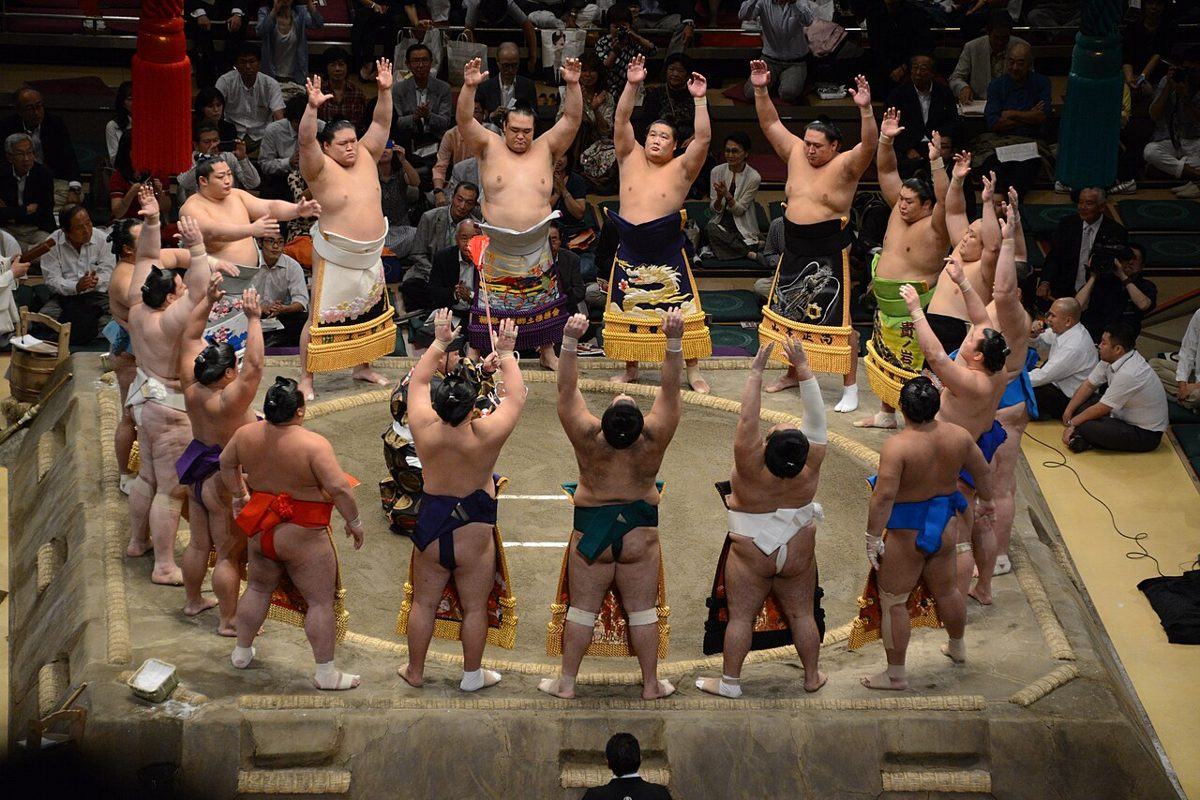
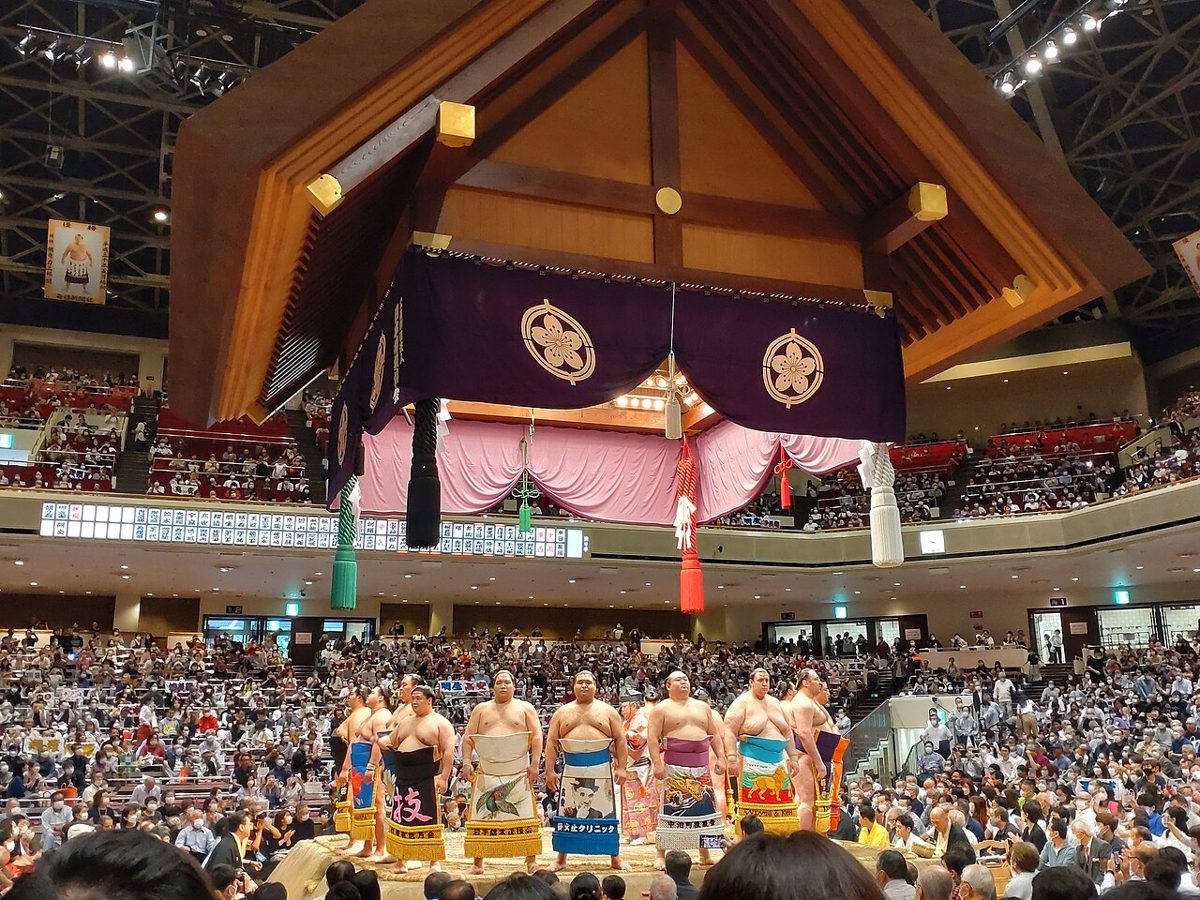
- Mid-afternoon (~3:40–3:45pm): the top-division makuuchi dohyo-iri — the ring-entering ceremony where the elite wrestlers parade in their ornate silk kesho-mawashi aprons. If there is a reigning yokozuna (grand champion), his own dohyo-iri follows around 5:00pm, with the dramatic leg-stomping and bow-twirling.
- Late afternoon (~3:45–6:00pm): the top-division bouts, each preceded by salt-throwing, glaring and several false starts. The final bout of the day, featuring the highest-ranked wrestlers, lands just before 6pm, followed by the bow-twirling ceremony (yumitori-shiki).
Each top bout lasts only seconds — the ritual around it is most of the show. Rent the English-commentary radio for about ¥100 (plus a small deposit) inside the hall; commentary runs roughly 4–6pm and turns a confusing spectacle into a gripping one.
The Ryogoku district: sumo town
Ryogoku, on the east bank of the Sumida River, is the spiritual home of sumo and worth time even on a non-tournament day. The Kokugikan is a 1–2 minute walk from Ryogoku Station (JR Sobu line and Toei Oedo line), and the surrounding streets are dotted with sumo stables, statues and speciality shops.
Right next door, the Edo-Tokyo Museum — the city’s superb history museum — reopened on 31 March 2026 after a roughly four-year renovation, so it is back on the menu with refreshed exhibits and a full-scale recreated Edo-era streetscape. Inside the Kokugikan itself, the free Sumo Museum displays portraits of past champions and ceremonial aprons (its access can be limited to ticket-holders during tournaments).
Where to eat chanko-nabe
No visit is complete without chanko-nabe, the protein-packed hotpot that wrestlers eat to build their famous physiques. Ryogoku is full of chanko restaurants, many run by retired rikishi:
- Chanko Tomoegata — founded by a former wrestler in 1976, serving several styles of chanko with courses named after sumo ranks, roughly ¥5,400–¥8,640. It is popular and large, but on match days you should call ahead.
- Kappo Yoshiba — set in a former sumo stable with the actual training ring preserved in the middle of the dining room, sometimes with live music; chanko courses start around ¥6,880, using ingredients from Toyosu market.
Morning practice and sumo stable (heya) visits
If you cannot get tournament tickets, or want a rawer, closer look, watch morning practice (keiko) at a sumo stable. There are around 45 stables, mostly clustered in Ryogoku and nearby Asakusa, and wrestlers train hard from roughly 6–7am for a few hours. Some stables admit a small number of respectful visitors; others only allow it through a guide.
The easiest route for most travellers is a booked tour with an English-speaking guide (operators such as MagicalTrip, Japan Wonder Travel and BuySumoTickets run them, typically around US$70–120 for a two-hour visit in a small group). The guide arranges access, explains what you are seeing, and keeps you from accidentally breaking the strict house rules. Expect to sit silently on the floor at the back, no flash photos, no eating or drinking unless offered, and a respectful bow to the stablemaster on the way in and out. It is intense, intimate and unforgettable — you watch shiko leg-stomps, repetitive practice bouts and brutal conditioning a few feet away.
Venue etiquette and what to bring
- Cushions and floors: in box and ringside seats you sit on the floor for hours, so wear something comfortable and easy to fold your legs in.
- Food and drink: allowed in box and chair seats, and the Kokugikan is famous for its bento, yakitori and souvenir cups — but never in the ringside tamari-seki.
- Photos: fine from box and chair seats; banned in tamari-seki during bouts. Never throw your seat cushion (you will see locals do it in protest when a yokozuna loses; visitors should not).
- Bring: cash for the box office and souvenirs, ¥100-ish for the English radio, binoculars for upper seats, and patience for the slow build of the day.
- Timing: arrive late morning or early afternoon if you only want the headline action, but coming earlier gets you a quiet arena and great photos.
Other ways to see sumo
Miss the honbasho window? There are still options:
- Grand Sumo Tour (jungyo) exhibitions. Between tournaments the wrestlers tour Japan for regional exhibition events, which are more relaxed and family-friendly, with photo opportunities and demonstrations. Dates and venues are listed on the Sumo Association site.
- Retirement ceremonies (danpatsu-shiki). A popular wrestler’s retirement, held at the Kokugikan, is a moving day-long event where guests snip a lock of his topknot. Tickets are sold separately and the spectacle is special.
- Sumo experience shows. Several Tokyo venues stage tourist-friendly performances by former wrestlers, often with a chanko lunch and a chance to try pushing a rikishi yourself — not the real thing, but fun and reliably available year-round.
- Watch it for free. NHK broadcasts the top division daily during each basho, and the Sumo Association posts highlights online — handy for learning the rikishi before you go.
However you do it, sumo slots neatly into a wider Tokyo plan. It pairs well with the temples, gardens and ceremonies in our Tokyo culture and traditions pillar, sits comfortably on a packed three-day sightseeing plan, and ranks among the most memorable of the big-ticket Tokyo experiences if your visit lines up with a tournament.
Understanding the ranks and rituals
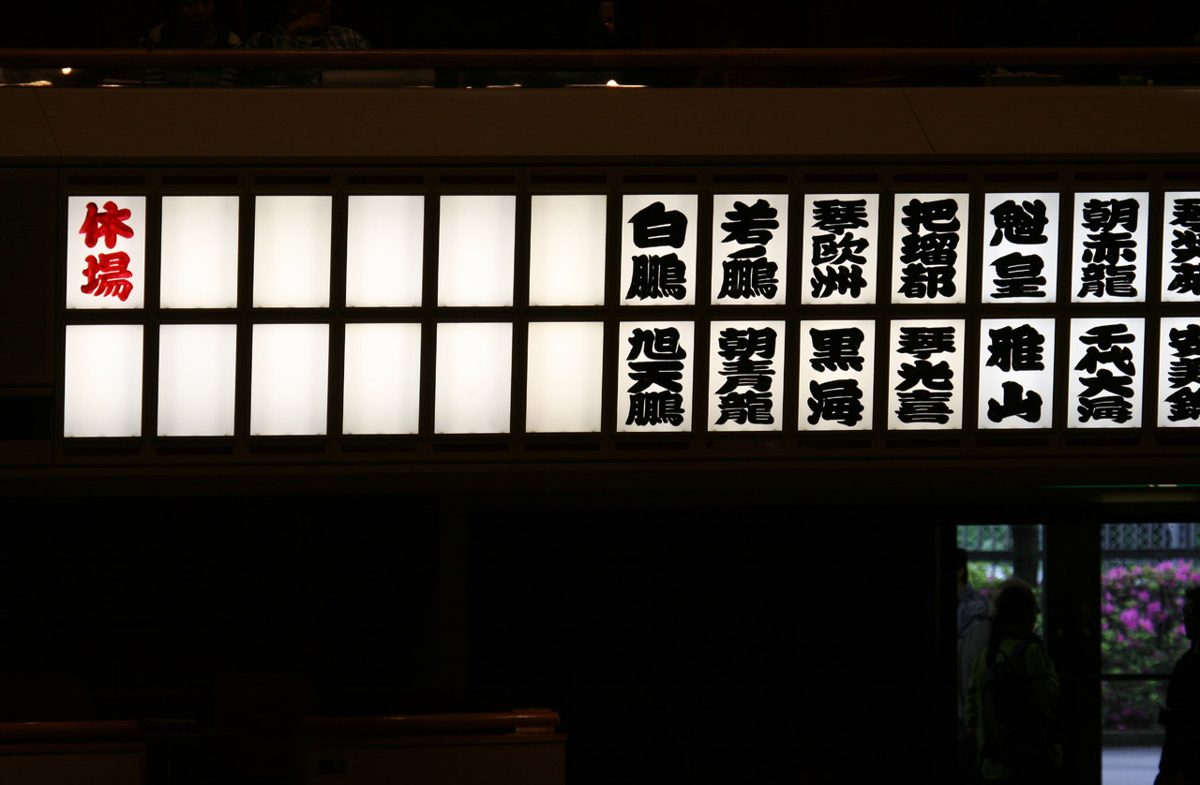
A little background makes the day far richer. Wrestlers are ranked in a strict hierarchy published before each tournament on a scroll-like chart called the banzuke. The top division is makuuchi, and within it the named ranks rise from maegashira up through the title-holder ranks of komusubi, sekiwake and ozeki to the pinnacle, yokozuna (grand champion). A yokozuna can never be demoted; he is expected to retire when he can no longer perform at the top, which is why a retirement ceremony is such an event.
The bouts themselves are draped in Shinto ritual. Before each match the wrestlers rinse their mouths with chikara-mizu (power water), toss handfuls of purifying salt across the ring, and perform the leg-stomping shiko to drive away evil spirits. They square up, stare each other down, and retreat to their corners repeatedly during the shikiri staredown before the explosive charge, the tachiai. A wrestler loses the instant he steps out of the straw ring or touches the clay with anything but the soles of his feet. Knowing these beats turns a few seconds of grappling into a story you can follow.
Tips to make the most of your visit
- Learn two or three wrestlers beforehand. Following a couple of rikishi through the tournament, even via NHK highlights the night before, makes the bouts personal.
- Pick up a souvenir near the entrance. The Kokugikan sells banzuke charts, towels and the famous yakitori made in the basement — a cheap, tasty tradition.
- Use the entrance forecourt. Before bouts, wrestlers walk in through the crowd in their yukata; stand near the main gate in the late morning or early afternoon and you can watch giants stroll past close enough to photograph.
- Mind the last train. Bouts end around 6pm, so you have the whole evening, but the area is quiet at night; combine sumo with an early dinner of chanko-nabe in Ryogoku.
- Stay flexible on seats. If reserved tickets are gone, a weekday same-day ticket plus a few hours in the calm morning arena is an underrated, cheap way to experience the whole spectacle.
Of the three Tokyo tournaments, the January Hatsu Basho is the easiest to plan around: it runs fifteen days from the second Sunday of the month at Ryogoku Kokugikan, and it lands in the cheapest fortnight of the Tokyo year for hotels. See Tokyo in January for what else is on and what the weather actually does.
Frequently Asked Questions
How much do sumo tickets in Tokyo cost?
In 2026, prices run from about ¥2,200 for a same-day unreserved seat and roughly ¥3,500–¥11,000 for an arena chair seat, up to around ¥34,000–¥42,000 for a four-person box (about ¥9,000–¥11,000 per person) and roughly ¥20,000 per person for ringside tamari-seki. Weekends and the final days cost more and sell out first.
When can I see sumo in Tokyo in 2026?
Tokyo hosts three Grand Sumo Tournaments in 2026 at the Ryogoku Kokugikan: 11–25 January, 10–24 May and 13–27 September. Each runs for 15 days. Advance tickets for the September tournament went on sale on 8 August 2026.
Where do I buy official sumo tickets?
The cheapest, most direct option is the Japan Sumo Association’s official English ticket site (ticket.oosumo.jp / sumo.pia.jp). Set up an account before sales open, as prime days sell out within minutes. English-language agencies like BuySumoTickets resell with a markup and can bundle a guide, and a limited block of same-day tickets is sold at the Kokugikan box office each morning.
What time should I arrive at a sumo tournament?
Doors open around 8am and your ticket covers the whole day. The lower divisions fight in a quiet morning arena; the atmosphere builds from about 2pm, the top-division ring-entering ceremony is around 3:40–3:45pm, and the headline bouts run until roughly 6pm. If you only want the marquee action, arrive by early-to-mid afternoon; for a calm arena and great photos, come in the morning.
Can I watch sumo wrestlers train?
Yes. Morning practice (keiko) takes place at sumo stables, mostly in Ryogoku and Asakusa, from around 6–7am. Some stables allow a few respectful visitors, but the easiest way is a guided tour (about US$70–120) that arranges access and explains the etiquette: sit silently at the back, no flash photography, and bow to the stablemaster.
Photo Credits
- Ryogoku Kokugikan, the home of Tokyo sumo — Photo: 新光社 / Public domain via Wikimedia Commons via Wikimedia Commons
- The makuuchi dohyo-iri ring-entering ceremony in their kesho-mawashi aprons — Photo: Jeffrey Pauletto / CC BY-SA 2.0 via Wikimedia Commons via Wikimedia Commons
- Two rikishi clash on the dohyo during a top-division bout — Photo: Morio / CC BY-SA 3.0 via Wikimedia Commons via Wikimedia Commons
- A rikishi in his mawashi belt — Photo: Nao1213 / CC BY-SA 4.0 via Wikimedia Commons via Wikimedia Commons
- The arena fills for a honbasho grand tournament — Photo: Utagawa Kunisada / Public domain via Wikimedia Commons via Wikimedia Commons
- Chanko nabe, the hearty stew that fuels sumo wrestlers — Photo: Rosanjin / Public domain via Wikimedia Commons via Wikimedia Commons