Best Time to Visit Tokyo · Guide №134
Tokyo in January: Weather, Events, Crowds and What to Pack
January is Tokyo's coldest month, dry and clear, and often cheaper once the New Year holiday is over. The shutdown, the sales, the sumo, and when to go for value.
目次 — Contents
This article contains advertising. Our booking links are routed through a partner that adds commission tracking automatically, so if you book through one we earn a commission from the provider, at no extra cost to you. It never affects what we recommend. Affiliate disclosure
Tokyo in January is the coldest month, the clearest month and — once the New Year holiday is over — often one of the cheaper and quieter times of year to be in the city. Highs sit around 10°C and lows drop to about 1°C, but the air is bone dry, the sun is out most days, and Mount Fuji shows itself on clear mornings.
The month has three distinct phases, and confusing them is the main way visitors get January wrong: the New Year shutdown, the back-to-work fortnight with the sales, and then the long, quiet, well-priced stretch that runs into February.
January weather in Tokyo
| Period | Typical high | Typical low | Notes |
|---|---|---|---|
| 1–10 Jan | 10.3°C | 1.5°C | Bright and dry; New Year crowds |
| 11–20 Jan | 9–11°C | 1–3°C | Coldest fortnight of the year |
| 21–31 Jan | 9–11°C | 1–3°C | First plum blossom late in the month |
Rainfall is minimal — around 60 mm across the month, among the lowest of the year alongside December and February. That dryness is the defining feature. Your lips will crack, your hands will chap, and static electricity becomes a genuine daily annoyance. Buy hand cream and lip balm on day one; Japanese drugstores do both extremely well from about ¥400.
Does it snow?
Occasionally, and when it does the city handles it badly. Tokyo averages a handful of snow days a year, mostly in January and February, usually a wet snowfall that turns to slush. Trains slow down or suspend, people fall over on tiled station floors, and the whole thing is over within a day. It is worth having shoes with some grip, but not worth planning around.
What January gives you instead is visibility. Cold, dry, high-pressure air means this is the best month of the year for seeing Mount Fuji from Tokyo — from Shibuya Sky, from the free observation decks at the Metropolitan Government Building in Shinjuku, and from the western stretch of the Yamanote Line on a clear morning.
1 to 3 January: the New Year shutdown
These three days are unlike anything else in the Japanese calendar. Offices close, families gather, and most independent restaurants, museums and gardens shut. Department stores close on the 1st and reopen on the 2nd for the sales. Convenience stores, chain restaurants and trains carry on as normal.
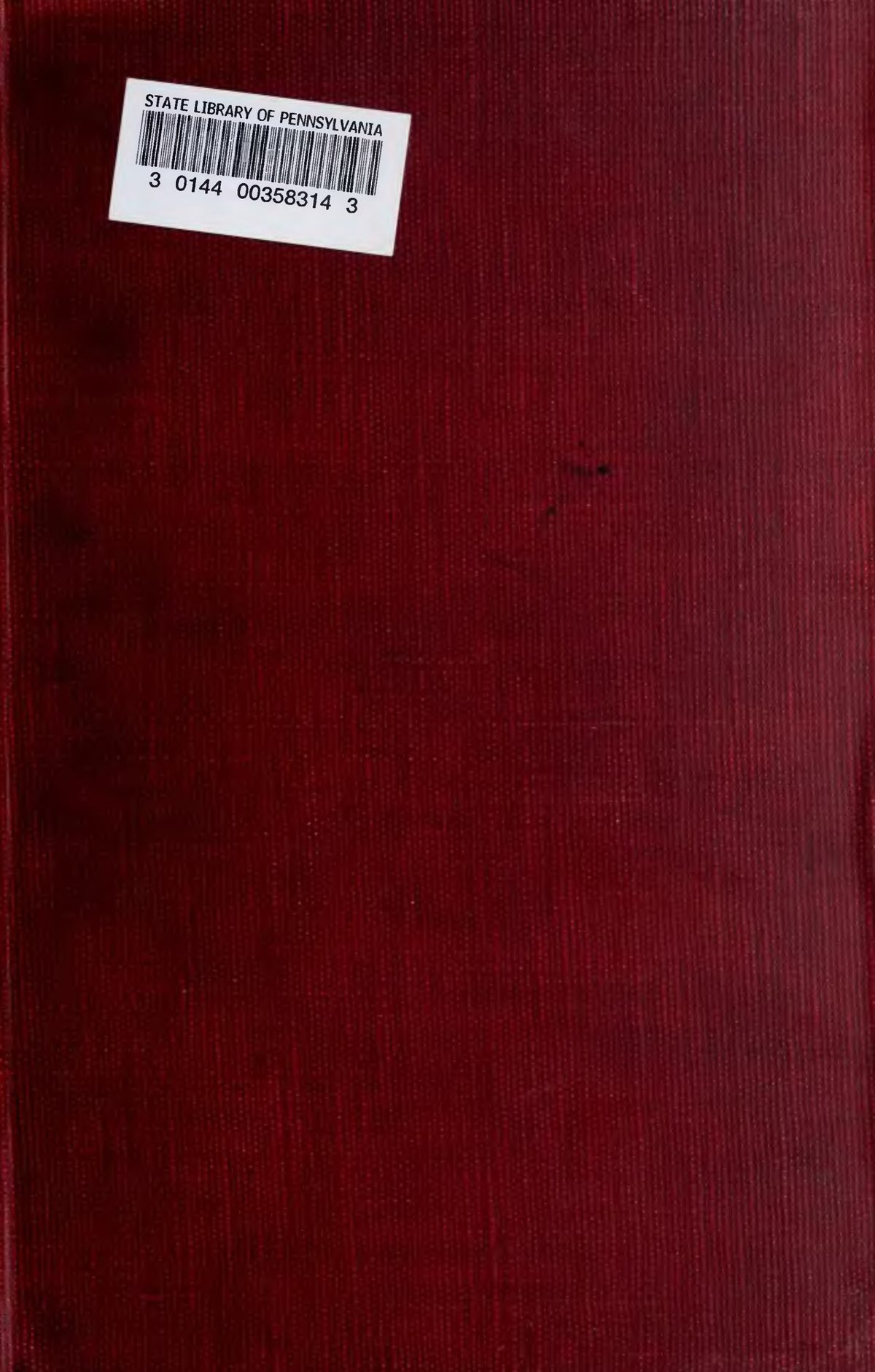
What is open, emphatically, is every shrine and temple in the country. Hatsumode — the first shrine visit of the year — draws around three million people to Meiji Shrine alone over the first three days, and comparable crowds to Sensoji, Kanda Myojin and Zojoji.

The advice nobody gives: hatsumode runs all month. You do not have to go on 1 January. Turn up at Meiji Shrine early on the 4th and you get the same ritual, the same charms and the same atmosphere with far fewer people. Our Tokyo New Year guide covers the customs in full — the bells, the first sunrise, the food, and which shrine suits what you are asking for.
Fukubukuro: the lucky bags
The winter sales start around 2 January and with them come fukubukuro — sealed bags sold at a fixed price containing an unknown selection of stock. Queues form outside department stores before opening. Prices run from about ¥3,000 at high-street chains to ¥50,000 and up at luxury brands.
It is a genuine cultural event and also, increasingly, a slightly deflated one: many retailers now publish the contents in advance, which turns a gamble into an ordinary discount. Go for the queue and the atmosphere on the 2nd; the actual bargains last through the month. The Tokyo shopping guide has the districts.
4 to 12 January: the city restarts
Most offices reopen around the 4th. The New Year decorations — pine and bamboo kadomatsu either side of doorways, rope and paper shimekazari above them — stay up until about the 7th and then vanish. Museums and gardens reopen. Restaurants come back in a staggered way, some not until the 6th or 7th.
Two things worth catching in this window:
- Dezome-shiki, 6 January — the Tokyo Fire Department’s New Year parade. In 2027 the ceremony is at Tokyo Rinkai Disaster Prevention Park in Ariake, with exhibits at Ariake Garden. Modern equipment demonstrations alongside Edo-period firefighters performing acrobatics on top of tall bamboo ladders. Free, genuinely startling, and almost entirely unknown to foreign visitors.
- Coming of Age Day, the second Monday — 11 January in 2027. Twenty-year-olds attend ceremonies in formal dress, which for young women means an elaborate furisode kimono with a fur stole. Shrines, and the streets around Asakusa and Meiji Shrine, fill with them for the photographs.
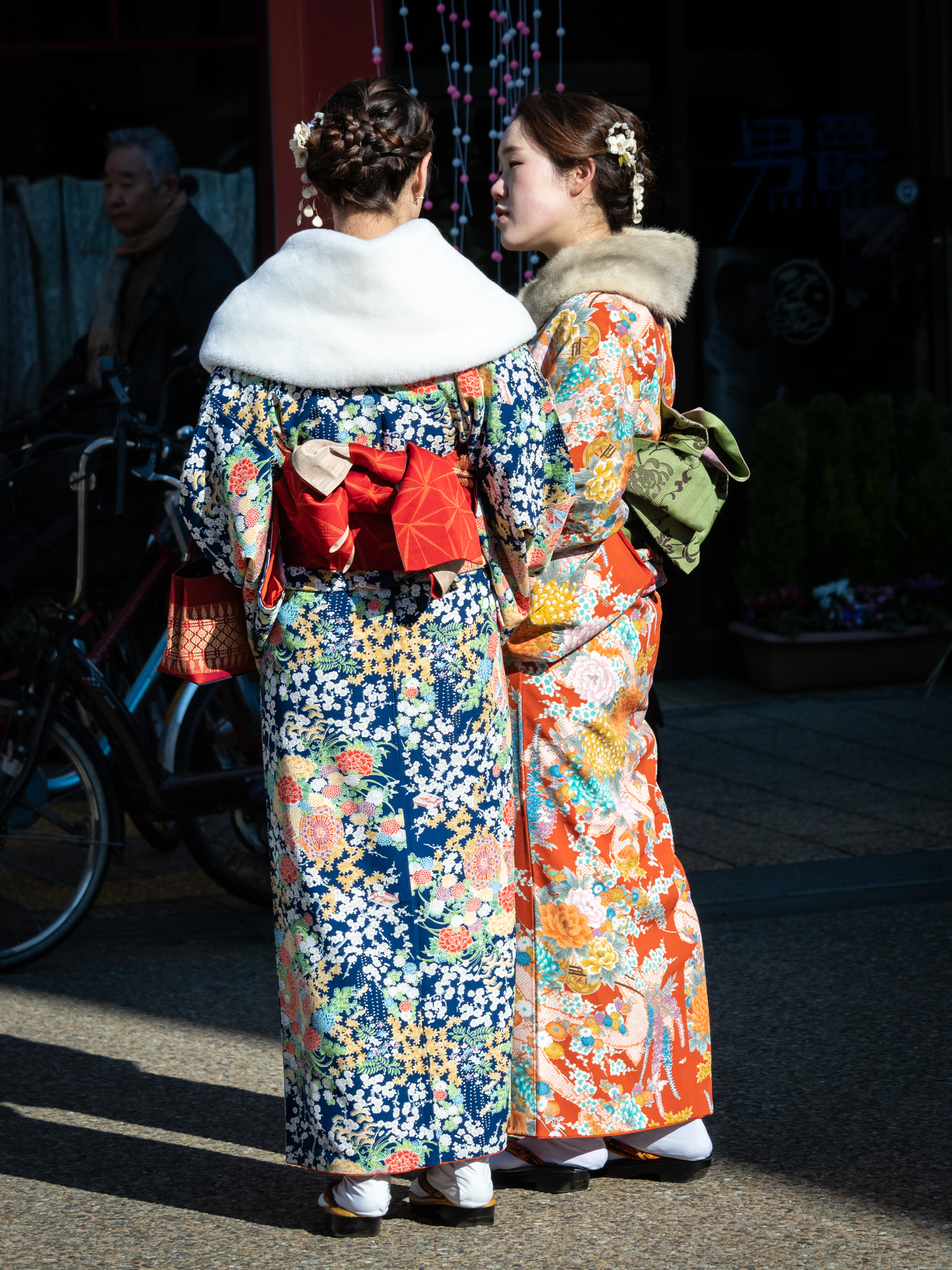
Coming of Age Day is a public holiday, so it creates a three-day weekend and a corresponding spike in domestic travel. It is also the single best day of the year to see formal kimono worn seriously rather than rented for an hour — though if you want to wear one yourself, our kimono rental guide covers where to do it properly.
The New Year sumo tournament
The Hatsu Basho, the year’s first grand sumo tournament, runs for fifteen days at Ryogoku Kokugikan, usually starting on the second Sunday of January — 10 January in 2027, finishing on the 24th. It is one of only three Tokyo tournaments a year and by some distance the easiest live sporting event to enjoy without knowing anything about the sport.
Tickets go on sale roughly a month ahead and the cheap upper-level seats sell out first. Arrive in the mid-afternoon rather than at opening — the top-division bouts run from mid-afternoon to about 18:00, and the earlier hours belong to the lower divisions. Our Tokyo sumo guide covers ticketing, the ritual and where to eat chanko nabe afterwards.
13 January onwards: often cheaper and quieter
This is the part almost nobody writes about, and it is the reason to consider January seriously. From the middle of the month until the end of February, Tokyo is usually in a quieter stretch. Hotel rates often ease after the New Year holiday, so compare prices for your dates, restaurant tables tend to be easier to book, and the weather — cold, dry, clear — is far better than the word “January” suggests.
| Window | Crowds | Hotel rates | Verdict |
|---|---|---|---|
| 1–3 Jan | Very high domestic | High | Extraordinary rituals, heavy closures |
| 4–12 Jan | Moderate | Moderate | Sales, sumo, Coming of Age weekend |
| 13–31 Jan | Low | Often lower | Often good value; compare prices for your dates |
If your priority is seeing the city rather than seeing an event, book the last two weeks of January. Rates often ease after the holiday, so compare prices for your dates, and Sensoji and popular restaurants are usually easier going than in April or November. Our trip cost breakdown shows the difference in practice, and best time to visit Tokyo compares it against the rest of the calendar.
What is on late in the month
- Winter peonies at Ueno Toshogu — the botan garden opens for the winter season, with individual peonies sheltered under straw cones in the cold. Small admission charge, twenty minutes, quietly beautiful. See the Ueno guide.
- First plum blossom — ume starts opening at Yushima Tenjin and Hanegi Park in late January, running through February. It is not sakura, it smells better, and nobody is fighting you for a spot.
- Setagaya Boro-ichi, 15–16 January — the second half of the four-century-old flea market that also runs in December.
- Illuminations still running — Marunouchi and Caretta Shiodome typically continue into February, long after the Roppongi displays have gone. See Tokyo illuminations.
What to eat in January
Winter food in Japan is the good stuff, and the first half of January has an entire cuisine of its own that appears nowhere else in the year.
- Osechi ryori — the lacquered stacked boxes of New Year food, each item symbolising something: black beans for health, herring roe for children, rolled omelette for prosperity. Sold in department store food halls from late December at anything from ¥10,000 to well over ¥50,000 a set. Most of it is designed to keep for three days, which is why so much of it is sweet or heavily preserved, and why opinions on how good it actually tastes are divided even in Japan.
- Ozoni — the New Year soup with mochi in it, made differently in every region. Tokyo’s version is a clear dashi broth with a square grilled rice cake.
- Nanakusa-gayu, 7 January — seven-herb rice porridge, eaten to settle a stomach that has spent a week on osechi. Supermarkets sell pre-packed herb sets for a few hundred yen.
- Nabe — hotpot season at its peak, in every izakaya, shared at the table and one of the best-value meals in the city.
- Oden and yaki-imo — the convenience-store vat and the roast sweet potato van, both at their best in the cold.
- Fugu — pufferfish, in season and served only in licensed restaurants, from about ¥5,000 for a set course.
One warning about the first week: a lot of the small, good restaurants you might have bookmarked are closed until the 5th, 6th or 7th, and many post nothing online about it. Have a backup, and treat chain restaurants and department store restaurant floors as the reliable option rather than the compromise. Our Tokyo food guide covers what is worth seeking out once everything reopens.
Snow day trips and skiing
January is the one month where Tokyo works as a base for snow. The shinkansen north gets you into deep winter within ninety minutes.
- Gala Yuzawa — a ski resort with its own shinkansen station, as little as 71 minutes from Tokyo Station, where you step off the train into the rental shop and onto the gondola. It is a convenient ski day trip from Tokyo.
- Nikko and Chuzenji — frozen waterfalls and snow on the shrines. Check bus operation before committing; the mountain roads close in bad conditions. See the Nikko day trip guide.
- Hakone — outdoor onsen in freezing air is one of the great Japanese experiences, and the Fuji views from Owakudani are at their best. The Hakone guide has the loop.
- Kawaguchiko — the classic Fuji reflection, at its clearest and coldest. Dress properly; the lakeside wind is brutal.

What to pack for a Tokyo January
- A proper winter coat. This is the one month where you want real insulation rather than a smart overcoat.
- Thermal base layer — one set, worn on the coldest days. Uniqlo Heattech is cheap here and sold everywhere, so buy it on arrival if you would rather not pack it.
- Gloves, scarf, hat. The wind is the problem, not the temperature.
- Kairo heat pads, around ¥100 each in any convenience store. Stick one on your lower back and the whole day changes.
- Serious moisturiser and lip balm. The dry air does more damage than the cold.
- Shoes with grip, for the rare snow day and for the permanently polished floors of every station in the city.
Remember that interiors run hot — trains, department stores and restaurants are all well heated — so everything should come off easily. The full list is in our Tokyo packing list, and the cold-weather logistics are in the Tokyo winter guide.
Is January a good month to visit Tokyo?
Yes, with a caveat about which half. The last three weeks are often good value: rates often ease after the holiday (compare prices for your dates), crowds are usually lighter, the skies are dry and clear with good Fuji visibility, and the city that feels like it belongs to the people who live in it rather than to visitors.
The first three days are a different proposition — unforgettable if you want the New Year rituals, frustrating if you wanted museums and restaurants. Go in knowing which one you are choosing.
No, if you cannot tolerate cold, or if you are coming for cherry blossom, gardens or greenery, all of which are two to three months away. For the months either side, see Tokyo in December and Tokyo travel planning to build the trip.
The low season does not end on the 31st. February holds the same rock-bottom hotel rates and empty attractions, and adds Setsubun on the 3rd, plum blossom from mid-month and the year’s best chance of snow — along with the start of cedar pollen season, which is worth knowing about in advance. Our guide to Tokyo in February has the detail.
January is the best month of the year for the sauna ritual Tokyo has taken to its heart: hot room, cold plunge, then a rest outside in the winter air, three times over. A sento with a sauna costs around ¥1,000. Our Tokyo sauna guide covers how it works and where to go.
Frequently Asked Questions
Is January a good time to visit Tokyo?
The second half is excellent. From mid-January through February Tokyo is quieter than at New Year, with cold, dry, sunny weather and clear days for Mount Fuji. The first three days are dominated by New Year: extraordinary shrine rituals, but many museums, gardens and restaurants close for part of 1 to 3 January, so check each before you go.
How cold is Tokyo in January?
It is the coldest month, with typical highs of around 10°C and lows of about 1°C. Rainfall is minimal, at around 60 mm across the month. The bigger issue is the dryness — cracked lips and static are near-universal — and the wind, which makes the temperature feel several degrees lower. A proper winter coat and heat pads are enough; snow boots are not needed.
Does it snow in Tokyo in January?
Sometimes, but rarely. Tokyo gets a handful of snow days a year, mostly in January and February, and they are usually a wet fall that turns to slush within hours. Trains slow or suspend and the city copes poorly, but it passes within a day. Shoes with grip are sensible; anything more is over-preparing.
What is open in Tokyo on 1 January?
Shrines and temples, convenience stores, chain restaurants and all public transport. Closed: department stores, most museums and public gardens, and the majority of independent restaurants and small shops. Many department stores reopen around 2 January for the winter sales and lucky-bag queues.
When is hatsumode and do I have to go on 1 January?
Hatsumode is the year’s first shrine visit and it traditionally happens in the first three days, when Meiji Shrine alone draws around three million people. But it runs through the whole of January, so going early on the 4th or later gives you the same ritual and charms with far fewer people. That is the single most useful piece of January advice.
Photo Credits
- Hatsumode crowds at Meiji Shrine – 2009年、明治神宮で初詣 by Syced, CC0, via Wikimedia Commons.
- Furisode kimono on Coming of Age Day in Asakusa – 2019-01-14 Kimono Girls at Asakusa, Tokyo on Coming of Age day by Marc Dalmulder, CC BY 2.0, via Wikimedia Commons.