Tokyo Itineraries · Guide №021
Tokyo 3-Day Itinerary: The Perfect First-Timer’s Guide
目次 — Contents
- The 3 Days at a Glance
- Before You Start: Essential Prep
- Day 1: Classic Tokyo — Asakusa, Akihabara & Shibuya
- Day 2: Culture & Fashion — Harajuku, Meiji Shrine & Shinjuku
- Day 3: Modern Tokyo — Ginza, Tsukiji & Tokyo Bay
- Budget Breakdown for 3 Days
- Customizing This Itinerary
- Getting Around: Transport Passes & Practical Notes
- Where to Stay for This Itinerary
- Bad-Weather & Rainy-Day Plan
- Traveling With Kids: A Family-Friendly Version
- 3-Day Tokyo Budget Summary
- What to Pack for 3 Days in Tokyo
- Best Time of Year to Follow This Itinerary
- Tips to Make the Plan Flow
- Have More or Less Time?
- Frequently Asked Questions
This article contains advertising. Our booking links are routed through a partner that adds commission tracking automatically, so if you book through one we earn a commission from the provider, at no extra cost to you. It never affects what we recommend. Affiliate disclosure

Three days is not enough to see Tokyo — nothing is — but it is plenty to fall for it. This Tokyo 3 day itinerary is the route we steer first-timers toward: a tight, walkable loop that hits the temples, the neon, the food, and the views without doubling back across the city or burning half your trip on the train. Each day groups neighborhoods that sit near each other, so you spend your energy exploring rather than commuting. For the wider menu of what the city offers beyond this route, our roundup of the top attractions is a useful companion.
Treat it as a backbone, not a rulebook. Follow it stop for stop and you will have a superb first visit; pull out a block and swap in something that suits you and it still holds together. Every stop below comes with how to get there, roughly how long to linger, what it costs in yen, and where to eat nearby.
The 3 Days at a Glance
Short on time? Here is the whole route in one breath before the detailed plan below.
- Day 1 — Classic Tokyo: Sensoji and Asakusa in the morning, Akihabara’s electric chaos in the afternoon, Shibuya Crossing and conveyor-belt sushi by night. Old, weird, and neon, in one day
- Day 2 — Culture & Fashion: the forested calm of Meiji Shrine, the riot of Takeshita Street, a garden afternoon in Shinjuku, then yakitori alleys and tiny bars after dark
- Day 3 — Modern Tokyo: a seafood breakfast crawl at Tsukiji, elegant Ginza, your pick of Skytree’s heights or Odaiba’s bay, and a farewell dinner with a view
Mornings are deliberately early, evenings are flexible, and nothing on the list requires more than a short train ride from the last stop. Now, the full day-by-day.
Before You Start: Essential Prep
- Get an IC card (Suica or PASMO) at the airport — you’ll use it for every train ride and many purchases
- Download offline maps — Google Maps works excellently in Tokyo and shows train routes with real-time schedules
- Wear comfortable shoes — you’ll walk 15,000-25,000 steps per day on this itinerary
- Carry cash — while IC cards cover many purchases, some smaller shops and restaurants are still cash-only. ¥10,000-¥15,000 per day is sufficient
- Pack a portable charger — you’ll be using your phone constantly for maps and translation
Day 1: Classic Tokyo — Asakusa, Akihabara & Shibuya
Your first day covers three of Tokyo’s most iconic neighborhoods, moving from the city’s oldest temple through its tech mecca to its most famous intersection.
Morning: Asakusa & Sensoji Temple (9:00 AM – 12:00 PM)
Start your Tokyo adventure at Sensoji Temple, the city’s oldest and most visited Buddhist temple. Arrive by 9:00 AM to beat the crowds — the massive red Kaminarimon (Thunder Gate) is the perfect first photo op. Walk through the traditional Nakamise-dori shopping street, sampling ningyo-yaki (baked red bean cakes) and kaminari-okoshi (puffed rice crackers) as you go.
At the main hall, waft incense smoke over yourself for good luck and try drawing an omikuji fortune slip (¥100). Sensoji is famous for giving an unusually high number of bad fortunes — if you get one, just tie it to the metal rack and leave the bad luck behind.
Don’t miss: The five-story pagoda, Asakusa Shrine next door, and the side streets of Denpoin-dori for a less touristy shopping experience. If time allows, walk to the Sumida River for views of Tokyo Skytree across the water.

Getting there & timing: from a Shinjuku or Shibuya base, take the JR Yamanote Line to Kanda or Ueno and change to the Ginza Line, or simply ride the Ginza Line from wherever you are to Asakusa (Exit 1 puts you a one-minute walk from Kaminarimon). Budget 30-40 minutes door to door and aim to be standing at the Thunder Gate by 9:00 AM. A full temple-and-Nakamise loop with snacks runs about 90 minutes. For the deeper story — how to pray at the hall, the omikuji ritual, and the best Asakusa eats — see our dedicated Senso-ji guide.
Lunch: Asakusa Area (12:00 PM – 1:00 PM)
Daikokuya for legendary tempura — expect a 20-30 minute queue but the massive golden-fried shrimp is worth it. For something quicker, grab unagi (eel) at Kabuto or hop into one of the ramen shops along the main streets. Budget option: the covered Hoppy Street has charcoal-grilled skewer stalls and izakaya with ¥500-800 lunch sets.
Afternoon: Akihabara (1:30 PM – 4:00 PM)
Take the Tsukuba Express from Asakusa to Akihabara (5 minutes). Electric Town is Tokyo’s anime, manga, gaming, and electronics epicenter. Even if you’re not into otaku culture, the sensory overload of multi-story arcades, figure shops, and maid cafes is a uniquely Tokyo experience. Don Quijote Akihabara is a multi-floor discount store with souvenirs, snacks, and electronics. Super Potato is a retro gaming paradise with playable classics. Getting to Shibuya next: walk to JR Akihabara and take the Yamanote Line (green) around to Shibuya, about 25 minutes, timing your arrival for late afternoon when the crossing is at its most cinematic.

Late Afternoon: Shibuya & Shibuya Crossing (4:30 PM – 7:00 PM)
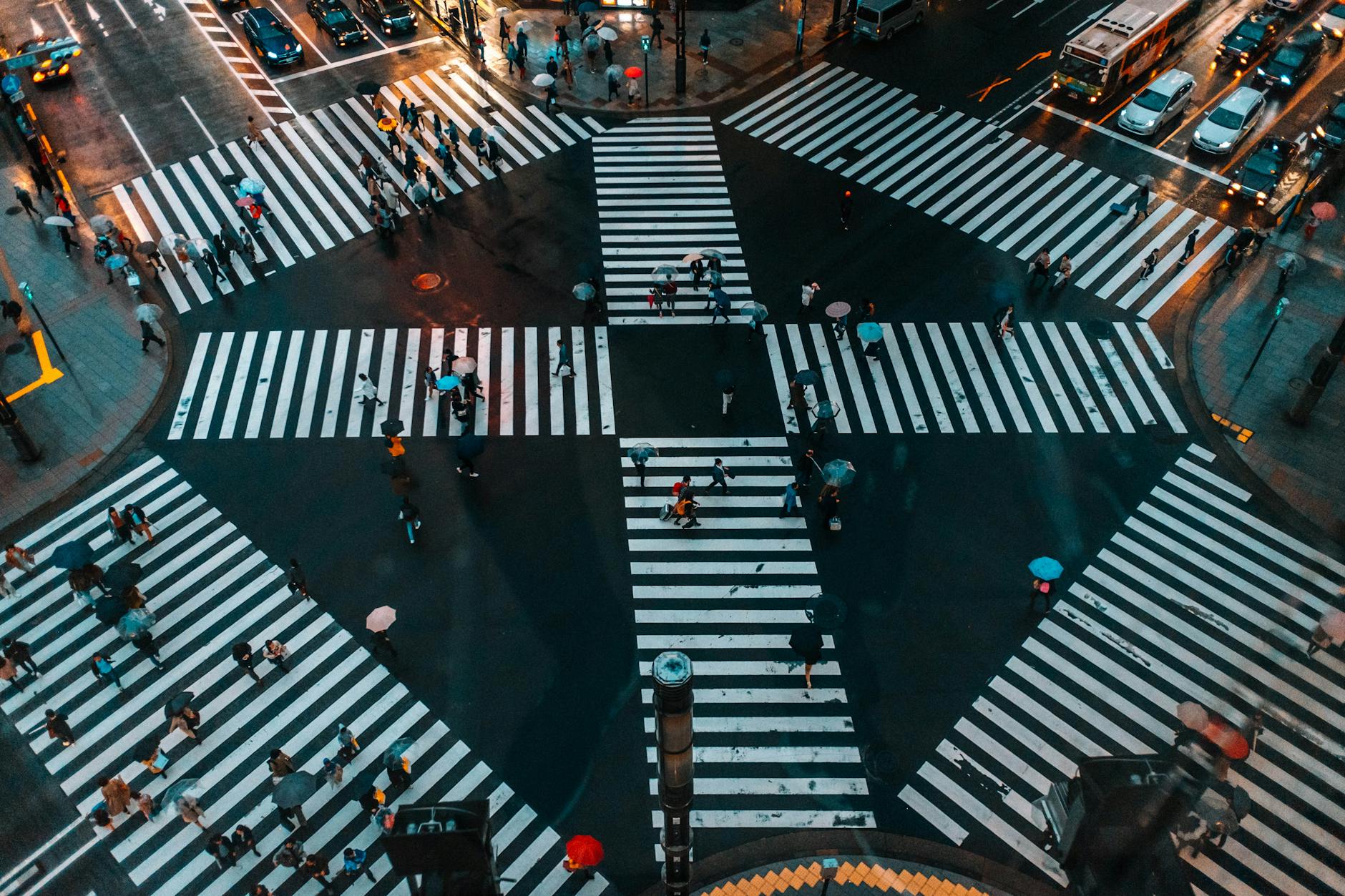
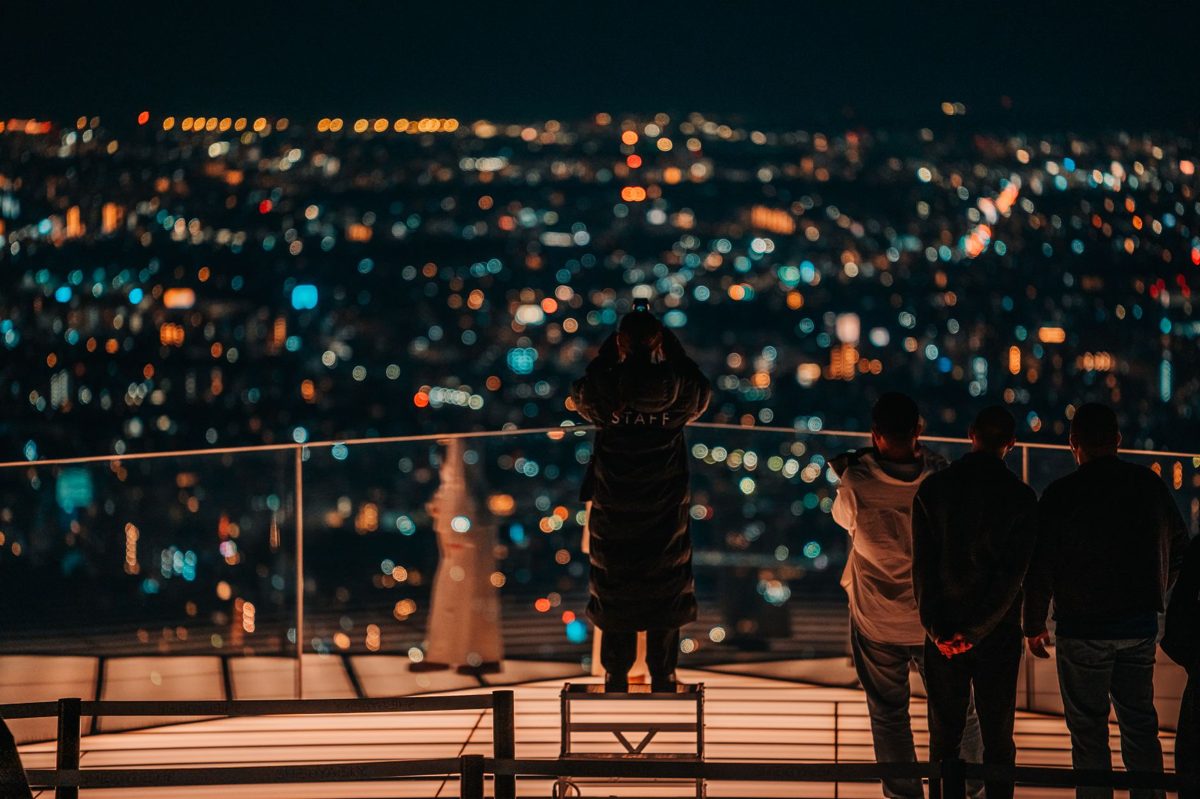
Head to Shibuya via JR Yamanote Line. Time your arrival for the late afternoon to watch the famous Shibuya Crossing — the world’s busiest pedestrian intersection — as the crowds build toward evening rush hour. For the best overhead view, head to the Shibuya Sky observation deck (¥2,000, book online) or the free Shibuya Scramble Square rooftop. Pay your respects at the Hachiko statue outside the station — Tokyo’s most famous meeting point.
Explore Center-gai for shops and street energy, then duck into Shibuya Yokocho or the basement food floors of the department stores for a snack. Walk through Dogenzaka toward the Love Hotel Hill area for some of Tokyo’s best small restaurants and bars, and detour to Miyashita Park, a rooftop park and shopping complex that is a pleasant place to reset before dinner. If you have energy, the boutiques of Shibuya Parco (including a Nintendo and a Pokemon store) are a few minutes north.
Dinner: Shibuya (7:00 PM – 8:30 PM)
Genki Sushi for affordable conveyor belt sushi delivered by mini bullet trains. Uobei (also in Shibuya) offers a similar high-speed sushi experience at extremely low prices. For something special, Nonbei Yokocho (Drunkard’s Alley) near the station has tiny, atmospheric bars and eateries.
Day 2: Culture & Fashion — Harajuku, Meiji Shrine & Shinjuku
Day 2 blends Tokyo’s cultural and spiritual side with its most vibrant fashion and entertainment districts.
Morning: Meiji Shrine (9:00 AM – 10:30 AM)
Begin at Meiji Shrine (Meiji Jingu), Tokyo’s most important Shinto shrine, set within a 70-hectare forest that feels impossibly peaceful given its location in the heart of the city. The walk from the massive torii gate through the forested approach is meditative and beautiful. At the main shrine, observe (or participate in) the prayer ritual: throw a coin, bow twice, clap twice, bow once. Write a wish on an ema wooden plaque if you’d like.

Late Morning: Harajuku & Takeshita Street (10:30 AM – 12:30 PM)
Exit Meiji Shrine toward Harajuku and dive into Takeshita Street (Takeshita-dori) — a narrow, buzzing pedestrian lane packed with fashion boutiques, crepe shops, rainbow cotton candy, and the wildest youth culture in the world. It’s loud, colorful, and pure Tokyo energy. Walk the full length, then explore the calmer Cat Street and Omotesando — Tokyo’s Champs-Élysées, lined with architectural showpieces from brands like Prada, Dior, and Tod’s.

Lunch: Harajuku/Omotesando (12:30 PM – 1:30 PM)
Maisen in Omotesando serves some of Tokyo’s best tonkatsu (breaded pork cutlet) in a converted bathhouse. Afuri in nearby Ebisu is famous for yuzu shio ramen. For a quick bite, grab a Harajuku crepe — the ones stuffed with strawberries, whipped cream, and ice cream are a local institution.
Afternoon: Shinjuku Gyoen & Government Building (2:00 PM – 5:00 PM)
Take the train one stop to Shinjuku and spend the afternoon at Shinjuku Gyoen National Garden (¥500, closes 4:30 PM last entry 4 PM) — one of Tokyo’s most beautiful parks combining Japanese, French, and English garden styles. After the garden, walk to the Tokyo Metropolitan Government Building for free panoramic views from the 45th-floor observation deck. Time it for sunset if possible — the views are spectacular.
Evening: Shinjuku Nightlife (6:00 PM – 9:30 PM)
Shinjuku comes alive after dark. Start with dinner at Omoide Yokocho (Memory Lane) — a smoky, atmospheric alley of tiny yakitori stalls next to the station. After dinner, explore Golden Gai — six narrow alleys crammed with 200+ tiny bars, each seating barely a handful of people. Try 2-3 different bars (cover charges of ¥500-1,500 are standard). End the night wandering the neon spectacle of Kabukicho.
Day 3: Modern Tokyo — Ginza, Tsukiji & Tokyo Bay
Your final day explores Tokyo’s sophisticated and modern side, from luxury shopping to waterfront entertainment.
Morning: Tsukiji Outer Market (8:30 AM – 10:30 AM)
While the famous inner wholesale market moved to Toyosu in 2018, the Tsukiji Outer Market remains a vibrant street food paradise with over 400 shops and stalls. Sample tamagoyaki (sweet rolled omelet), fresh sushi on rice, grilled scallops, uni (sea urchin) on crackers, and matcha treats. Arrive by 8:30 AM for the freshest seafood and smallest crowds, since by late morning the lanes are shoulder to shoulder. Go in hungry and graze: a skewer here, a half-dozen oysters there, a cone of uni, a slice of sweet tamagoyaki on a stick. Cash is handy at the smaller stalls, and a guided food walk is a good way to learn what you are eating. This is one of the best eating experiences in all of Tokyo.
Late Morning: Ginza (11:00 AM – 1:00 PM)
Walk from Tsukiji to nearby Ginza, Tokyo’s most upscale shopping district. Even if luxury shopping isn’t your thing, the architecture is stunning — the Ginko Mikimoto building, Hermès building, and Uniqlo flagship are all architectural showpieces. Ginza Six is a modern mall with an incredible rooftop garden. On weekends, the main Chuo-dori street becomes a pedestrian-only zone.

Lunch: Ginza (1:00 PM – 2:00 PM)
Kagari in a Ginza back alley serves Michelin Bib Gourmand chicken paitan ramen — creamy, rich, and incredible. For sushi, Sushi Zanmai near Tsukiji offers quality at reasonable prices. For an upscale experience, the basement food halls of Ginza Six and Mitsukoshi department store have extraordinary prepared food.
Afternoon: Tokyo Skytree or Odaiba (2:30 PM – 5:30 PM)
Choose your afternoon based on your interests. Getting there: Skytree is a short Toei Asakusa or Tobu hop, or a ride on the Hanzomon Line to Oshiage (about 20-30 minutes from Ginza); Odaiba is reached on the driverless Yurikamome line from Shimbashi (about 20 minutes), itself a fun elevated ride over Rainbow Bridge.
Option A — Tokyo Skytree: Japan’s tallest structure at 634 meters offers breathtaking views from observation decks at 350m and 450m. On clear days, Mount Fuji is visible. The Solamachi shopping complex at the base has 300+ shops and restaurants. Book tickets online to skip the queue (¥2,100-¥3,100).
Option B — Odaiba: This waterfront entertainment island offers a dramatically different Tokyo experience. Visit teamLab Borderless (digital art museum — book weeks in advance), relax at Odaiba Beach with views of Rainbow Bridge, explore the life-size Unicorn Gundam statue, and shop at DiverCity and Aqua City malls. The sunset views of the Tokyo skyline from here are unforgettable.

Evening: Farewell Dinner (6:30 PM – 8:30 PM)
For your final Tokyo dinner, treat yourself. Gonpachi Nishiazabu (the restaurant that inspired the Kill Bill scene) offers excellent izakaya dining in a stunning setting. Ichiran Shibuya gives you one last perfect bowl of tonkotsu ramen in private booths. Or return to any neighborhood that captured your heart — three days is enough to develop favorites. For a memorable send-off with a view, book a window table at a high-floor restaurant or hotel bar (the New York Bar atop the Park Hyatt in Shinjuku, or any Skytree-area spot) and watch the city you just walked light up below you.

Budget Breakdown for 3 Days
- Transportation: ¥3,000-¥5,000 total (IC card). A 72-hour Tokyo Subway Ticket (¥1,500, tourist-only) saves money if you ride Metro/Toei frequently
- Food: ¥3,000-¥5,000 per day (budget), ¥5,000-¥10,000 per day (mid-range), ¥10,000+ per day (high-end)
- Attractions: ¥3,000-¥8,000 total. Many top sights (Sensoji, Meiji Shrine, Tsukiji, Government Building observatory) are free
- Total 3-day budget: ¥25,000-¥40,000 ($170-$275) for budget travelers; ¥50,000-¥80,000 ($340-$545) for mid-range
Customizing This Itinerary
For Foodies
Replace the Akihabara stop on Day 1 with a Tsukiji or Toyosu morning to hit the markets when they are freshest, then add a depachika graze through the food halls of Isetan or Takashimaya. Build a ramen crawl through Shinjuku or Ikebukuro on Day 2 evening, hitting two or three small shops for a half-bowl each. Slot in a cooking class (Tokyo runs excellent hands-on sushi and ramen workshops) and consider a standing-sushi or kaiseki splurge for one dinner. If you only do one thing, make it an early Toyosu tuna-auction visit followed by a market sushi breakfast.
For Anime/Manga Fans
Extend Akihabara to a full afternoon and work through its multi-floor figure shops, retro arcades, and a maid cafe if you are curious. Add Nakano Broadway, a wonderfully strange warren of vintage anime, manga, and collectible shops, on Day 2. Book the Ghibli Museum in Mitaka months ahead, since tickets vanish the moment they release. Round it out with Pokemon Center Mega Tokyo in Ikebukuro, the Gundam Base and life-size statue in Odaiba, and the themed shops of Shibuya Parco. Akihabara, Nakano, and Ikebukuro can each fill a half-day on their own if you go deep.
For Families
Swap Day 3’s Ginza for Tokyo DisneySea (full day, but unforgettable). Add teamLab Borderless for interactive digital art kids love. The National Museum of Nature and Science in Ueno has excellent hands-on exhibits for children.
Getting Around: Transport Passes & Practical Notes
Tokyo’s train network does almost all the work on this plan, and choosing the right way to pay for it saves both money and hassle. Here is what actually matters for three days.
IC card vs. the Tokyo Subway Ticket
For most first-timers, a Suica or PASMO IC card is all you need. You tap in and out, it works on JR, Tokyo Metro, Toei, and private lines, and it doubles as payment at convenience stores, vending machines, and many restaurants. Top it up at any station machine. Note that during recent chip shortages the classic plastic Suica has had limited sales — the Welcome Suica (a tourist version valid 28 days) and mobile Suica/PASMO in Apple Wallet or Google Wallet are reliable alternatives, and the mobile version is honestly the smoothest option if your phone supports it.
If you are leaning heavily on the subway — and this itinerary does — the tourist-only Tokyo Subway Ticket is excellent value: ¥800 for 24 hours, ¥1,200 for 48 hours, or ¥1,500 for 72 hours of unlimited Tokyo Metro and Toei rides. Buy it at the airport, at major stations, or at some electronics stores with your passport. A single subway hop is ¥180-330, so if you take four or more rides a day the 72-hour pass pays for itself. The catch: it does not cover JR lines (including the Yamanote Line), so you will still tap your IC card for those legs.
Skip the JR Pass for a Tokyo-only trip. It is built for long-distance shinkansen travel and is wildly overpriced if you never leave the city. It only makes sense if you are adding Kyoto, Osaka, or another bullet-train trip on the same visit.
Rush hour, etiquette, and small things that help
- Avoid 7:30-9:00 AM and 5:30-7:00 PM on packed lines if you can. The Yamanote, Chuo, and Tozai lines get genuinely crushing. This itinerary’s timings are built to dodge the worst of it
- Stand on the left of escalators in Tokyo (Osaka is the opposite), and keep phone calls off the train — it is quiet by custom
- Last trains run around midnight and there is no all-night metro, so plan your evenings backward from roughly 11:30 PM or budget for a taxi
- Google Maps is your friend — it gives platform numbers, the right exit (Tokyo stations have dozens), and real-time delays. Pick the suggested exit; it can save you a 10-minute underground walk
- Pocket Wi-Fi or an eSIM keeps maps and translation running all day. An eSIM bought before you fly is the cheapest, simplest route now
Where to Stay for This Itinerary
Base yourself somewhere on or near the JR Yamanote loop and the whole plan tightens up. Picking the right neighborhood is half the battle, and it is worth skimming our full breakdown of how to choose your areas before you book. For three days, these are the sensible bases:
- Shinjuku — the best all-round base. It is a Yamanote stop with subway lines fanning out in every direction, it puts Day 2’s nightlife on your doorstep, and it has the densest range of hotels from capsule to luxury. The trade-off is that Shinjuku Station is enormous and can be disorienting at first
- Shibuya — equally well connected and a bit more walkable and youthful. Great if you want bars, shopping, and the crossing on your doorstep; slightly pricier on average
- Tokyo Station / Marunouchi — calmer, business-district feel, superb transport including the airport trains and shinkansen. Good for light sleepers and anyone day-tripping out of the city later
- Asakusa — the most atmospheric and best-value option, full of old-Tokyo character and walkable to Day 1’s first stop. The downside is that it sits in the northeast, so the west-side neighborhoods (Shibuya, Harajuku, Shinjuku) are a 30-40 minute ride away
- Ueno — underrated, well priced, on the Yamanote line, with easy reach to both Asakusa and the airport via the Keisei line
Rough nightly prices: hostels and capsules ¥3,000-6,000, solid business hotels ¥10,000-18,000, and four-star and up from ¥25,000. Book early for cherry blossom season (late March to early April) and the autumn foliage weeks, when good rooms vanish and rates climb.
Bad-Weather & Rainy-Day Plan
Rain does not have to wreck a day in Tokyo — the city is built for it, with vast underground arcades and enough indoor attractions to fill a week. If the forecast turns, swap the outdoor blocks for these:
- Instead of Shibuya Crossing and street-wandering, go up Shibuya Sky’s indoor levels, or duck into the connected department stores and the Shibuya Scramble Square complex
- Instead of Meiji Shrine’s forest walk, spend the morning in a museum: the teamLab digital art museums, the Mori Art Museum in Roppongi (indoors, with a city-view deck), or the Tokyo National Museum in Ueno
- Instead of Odaiba’s waterfront, stay inside at DiverCity and Aqua City malls, or pick the Tokyo Skytree option, where the Solamachi complex underneath has 300-plus shops and an aquarium
- Department store food halls (depachika) under any major station are a rainy-day pleasure in themselves — free samples, gorgeous bento, and zero need to step outside
- Carry a clear plastic umbrella from any convenience store (¥500-700). Most shops and restaurants have umbrella stands or lockers by the door; it is bad form to drip indoors
Traveling With Kids: A Family-Friendly Version
This itinerary works for families with a few tweaks to pace and content. Tokyo is remarkably easy with children — clean, safe, and full of things that delight them.
- Day 1: keep Sensoji (kids love the lantern, the fortunes, and the snack stalls) but trade some Akihabara time for a stop at a multi-floor arcade or the Pokemon Center. End at Shibuya, where the crossing is a thrill from the Starbucks window above it
- Day 2: Meiji Shrine’s wide gravel paths are stroller-friendly, and Yoyogi Park next door is great for a run-around. Swap Golden Gai’s tiny bars for an early dinner at a conveyor-belt sushi spot, which children find endlessly fun
- Day 3: replace Ginza with a full day at Tokyo DisneySea or Disneyland, or split the difference with teamLab’s interactive art and the Unicorn Gundam statue in Odaiba
- Logistics: stations have elevators (follow the elevator symbols on Google Maps), most have clean baby-changing rooms, and convenience stores stock anything you forget. Strollers are fine on trains outside rush hour
3-Day Tokyo Budget Summary
Here is a realistic per-person snapshot for three days, excluding flights and accommodation. Pick the column that matches your style.
| Category | Budget | Mid-range | Comfort |
|---|---|---|---|
| Trains & transit (3 days) | ¥1,500 (subway pass) | ¥3,000 | ¥5,000 (some taxis) |
| Food (per day) | ¥3,000 | ¥6,000 | ¥12,000 |
| Attractions & views | ¥2,000 | ¥5,000 | ¥9,000 |
| Shopping & extras | ¥3,000 | ¥8,000 | ¥20,000+ |
| 3-day total | ~¥15,500 | ~¥34,000 | ~¥70,000+ |
| Approx. USD | ~$105 | ~$230 | ~$475+ |
The single biggest savings lever is food: Tokyo’s standing ramen counters, conveyor-belt sushi, convenience-store meals, and ¥500-800 lunch sets are genuinely good, so you only need to splurge on the meals you actually care about. For the full rundown of standout restaurants and cheap-eat institutions, see our guide to everything worth eating in Tokyo.
What to Pack for 3 Days in Tokyo
- The most comfortable shoes you own. You will average 15,000-25,000 steps a day on this plan. This is not the trip for new footwear
- A slim power bank. Constant maps, photos, and translation drain a phone fast
- Some cash. Cards are widely accepted now, but small restaurants, shrines, and street stalls are still cash-only. ¥10,000-15,000 a day is plenty; 7-Eleven ATMs reliably take foreign cards
- A foldable tote or day bag. Coin lockers at stations (¥400-700) let you stash shopping and travel light; many large bags can be left at your hotel or sent ahead by takkyubin courier
- Layers and a compact umbrella. Tokyo weather swings; an indoor-outdoor day can span 10 degrees
- A little pouch for trash. Public bins are scarce — you will carry the odd wrapper until you find one (often by convenience stores or in stations)
Three days only scratches the surface, and the best part of this route is how easily it stretches. If you have more time or want to swap a day, browse the full set of routes in our Tokyo itineraries hub and mix and match to taste.
Best Time of Year to Follow This Itinerary
This route works in any season, but the experience shifts a lot with the calendar, and a couple of windows are worth planning around (or avoiding).
- Spring (late March-April) is glorious and chaotic. Cherry blossoms turn Ueno, Meguro River, and Chidorigafuchi into something unforgettable, but hotels are full and prices peak. Book months ahead and expect crowds at every stop on this plan
- Autumn (late October-early December) is the connoisseur’s pick: crisp, clear days, fiery foliage in Shinjuku Gyoen and along the gingko avenues, and far smaller crowds than spring
- Summer (June-August) is hot and humid, with a rainy stretch in June. Lean harder on the indoor and evening blocks, hydrate constantly, and take advantage of summer fireworks festivals and rooftop beer gardens
- Winter (December-February) is underrated — cold but dry and bright, with spectacular illuminations across Shibuya, Roppongi, and Marunouchi, thinner crowds, and clearer Mount Fuji views from Skytree
- Avoid if you can: Golden Week (late April to early May), Obon (mid-August), and New Year (end of December to January 3), when domestic travel surges, many small shops close, and everything is busier and pricier
Tips to Make the Plan Flow
- Front-load the famous spots. Sensoji, Tsukiji, and Meiji Shrine are all at their best — emptiest, coolest, best-lit — first thing in the morning. The early start on each day is the whole trick
- Book the time-sensitive things before you fly. Shibuya Sky, teamLab, and the Ghibli Museum sell out days to months ahead. Everything else on this itinerary is walk-in
- Keep one lunch loose each day. Tokyo’s best meals are often the unplanned ones — a ramen counter with a short line, a depachika you wandered into. Leave room to follow your nose
- Use coin lockers. Stash shopping bags at a station (¥400-700) so you are not lugging them through the evening. Larger luggage can ride ahead to your next hotel by takkyubin courier for around ¥2,000 a bag
- Pace the nights. Day 2’s Golden Gai and Day 1’s Shibuya bars are easy to overdo. Remember the last train is around midnight unless you want a taxi fare home
- Have a “captured my heart” buffer. Almost everyone finds one neighborhood they want more of. Day 3’s evening is deliberately flexible so you can go back to it
Have More or Less Time?
Three days is the sweet spot, but it’s easy to stretch or shrink. If you only have a couple of days, the Tokyo weekend itinerary trims this plan down to the essentials. With a couple of extra days, the Tokyo 5-day itinerary adds a Mount Fuji or Kamakura day trip, and a full week opens up the Tokyo 7-day itinerary. See every option on the Tokyo itineraries hub.
Frequently Asked Questions
How much does 3 days in Tokyo cost?
Excluding flights and your hotel, plan on roughly ¥15,000 per person as a budget traveler, ¥34,000 mid-range, and ¥70,000-plus if you eat and shop at the high end — the budget table above breaks it down. Accommodation adds anywhere from ¥9,000 for hostels to ¥75,000-plus for luxury across the three nights. Food is the easiest place to economize, since Tokyo’s cheap eats are genuinely excellent.
Can I do this itinerary in reverse or rearrange the days?
Yes. The three days are largely independent, so you can reorder them to suit your arrival, the weather, or what is open. The only things to lock in are time-sensitive bookings (Shibuya Sky, teamLab, the Ghibli Museum) and the early-morning starts at Sensoji and Tsukiji, which are far better before the crowds arrive. Otherwise, mix and match freely.
Is 3 days enough for Tokyo?
Three days covers the essential highlights surprisingly well. You won’t see everything — Tokyo is enormous — but you’ll experience the most iconic neighborhoods, temples, food, and atmosphere. If you have more time, 5-7 days allows for deeper exploration and day trips to places like Kamakura, Hakone, or Nikko.
Where should I stay for this itinerary?
Shinjuku is the best base — it’s centrally connected to everywhere on this itinerary via JR Yamanote Line and multiple subway lines. Shibuya is equally convenient and slightly more walkable. Asakusa is great for atmosphere but slightly less connected to the west-side neighborhoods.
What about jet lag?
If arriving from the West (US/Europe), you’ll likely wake up very early. Use this to your advantage — hit Tsukiji market or Sensoji Temple at first light when they’re at their best and least crowded. Most visitors adjust within 2 days.
Do I need to book anything in advance?
Strongly recommended advance bookings: Shibuya Sky (same-day tickets often sell out), teamLab (books out weeks ahead), and Tokyo Skytree (to skip the queue). Everything else on this itinerary can be done walk-in.